REVIEW · HANOI
From Hanoi: Trek and Stay: 3-Day Sapa Highlands Adventure
Book on GetYourGuide →Operated by Mountain Light Homestay · Bookable on GetYourGuide
Sapa trekking hits different. This 3-day trip pairs local guides with real village walking and a homestay night in Ta Van, plus classic Sapa scenery like Cat Cat and Lao Chai. You’ll also learn everyday life in ethnic communities as you move through small villages. The only real drawback to plan for is the Hanoi–Sapa sleeper bus, which can feel tight or crowded depending on the run.
I like that the schedule gives you both culture and hiking without asking you to organize anything. You start early from Hanoi’s Old Quarter, get an English-speaking guide once you reach the highlands, and you eat well along the way. Just know this is a group-style, trekking-focused trip, so if you want quiet, private time, this may feel busy.
In This Review
- Key Things That Make This Sapa Trek Worth It
- How Sapa’s 3 Days Actually Unfold
- Hanoi Pickup and the Sleeper Bus Ride to Lao Chai
- Cat Cat Village and the Hydraulic Power Station Stop
- Sin Chai in the Evening: a Softer Landing in Sapa
- Day Two’s Trek: Y Linh Ho, Lao Chai, and Ta Van
- Ta Van Homestay Night: What to Expect in Dorm-Style Living
- Day Three’s Village Circuit: Giang Ta Chai and Supan
- Food, Comfort, and the Real Meaning of Value Here
- Price and Value: What $98 Gets You, and What Can Cost Extra
- The Guide Factor: Why Names Like Pang, Khu, and Phin Matter
- Small Logistics That Can Change Your Day
- Who Should Book This Sapa Trek (And Who Might Not)
- Should You Book This 3-Day Sapa Highlands Adventure?
- FAQ
- What is included in the price?
- How does the homestay in Ta Van work?
- Do I get an English-speaking guide?
- Where are pickups in Hanoi?
- Are there extra charges for holidays or solo travelers?
- Is free cancellation available?
Key Things That Make This Sapa Trek Worth It
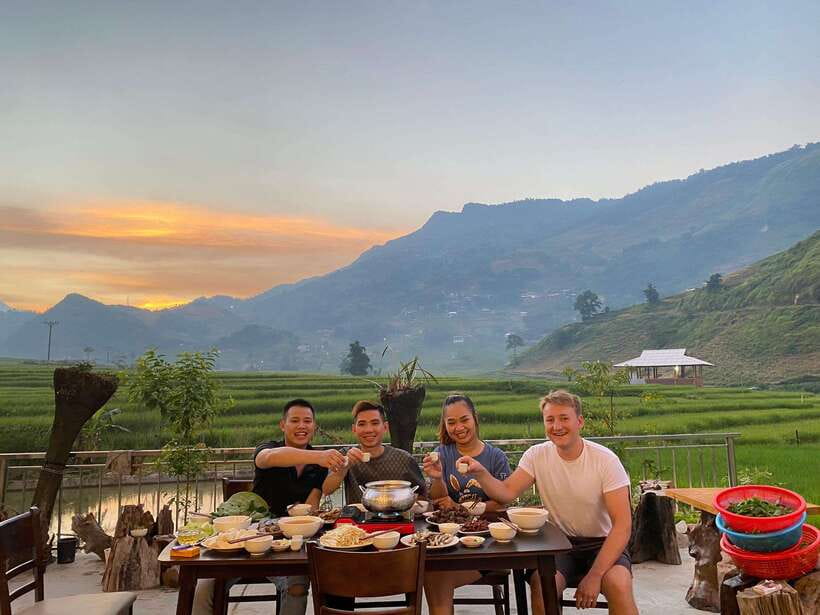
- English-speaking guidance in the highlands, with guides who explain local life clearly (names you might see include Pang, Khu, Peng, Phin, Sao, and Zinh)
- A homestay night in Ta Van that feels far more local than a standard hotel stay
- Trekking routes that mix villages and viewpoints, including Y Linh Ho, Lao Chai, Ta Van, Giang Ta Chai, and Supan
- Meals handled for you: lunches and dinners are built into the plan, so you’re not hunting food after walking all day
- Cat Cat Village with a historic stop, including the hydraulic power station and a waterfall visit
- A straightforward 3-day structure that’s long enough to feel like you left the tourist strip, but short enough for a quick reset
How Sapa’s 3 Days Actually Unfold
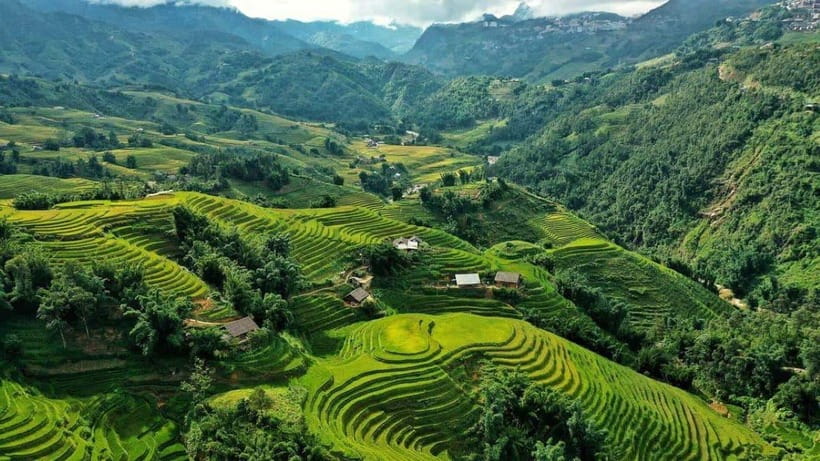
This is a highland get-up-and-go trip. The rhythm is early starts, walking between villages, and then settling in for a meal and a place to sleep. That mix is exactly why people love Sapa treks: you get that slow, human pace of village life, but you also get a packed day outdoors.
The core promise here is simple: you trade a full day of sightseeing for a few real village walks. And you do it with an English-speaking guide so the places make sense beyond just photos.
You can also read our reviews of more hiking tours in Hanoi


Hanoi Pickup and the Sleeper Bus Ride to Lao Chai
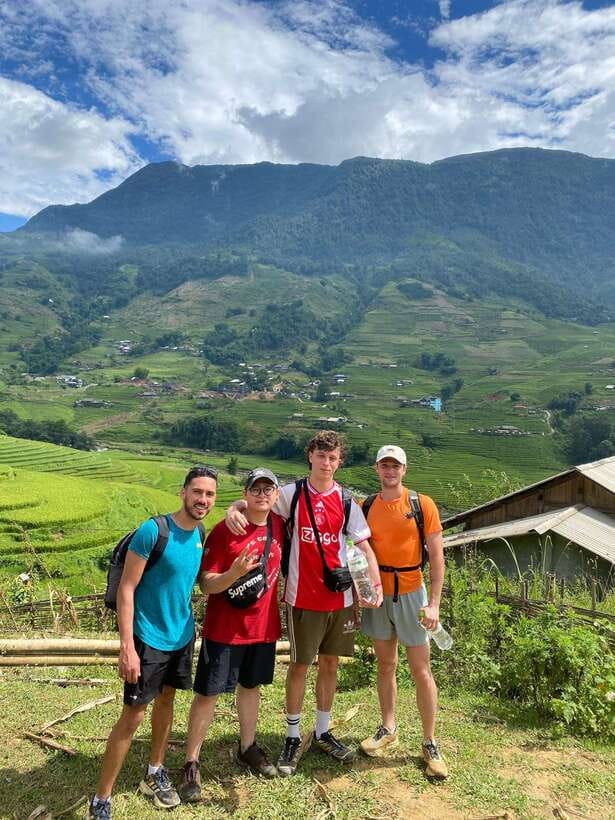
Your day begins with pickup in Hanoi’s Old Quarter around 06:00–06:30. From there, you head toward Sapa via the Noi Bai–Lao Cai highway, with a comfort break in Lao Cai City around 10:00.
This is also where expectations matter. The tour includes a modern sleeper bus for Hanoi–Sapa–Hanoi, but some people find the ride experience varies, with one leg feeling more cramped than the other. If you’re the type who gets stressed on buses, bring a neck pillow, wear layers, and keep your patience stocked.
You’ll arrive in Sapa around 13:00–13:30. Then you’ll get time for lunch in town before the afternoon village walk begins. That buffer is helpful if you’re arriving from the overnight bus and your legs feel… optimistic.
Cat Cat Village and the Hydraulic Power Station Stop

On day one, you trek to Cat Cat Village. This is the first walking taste of the trip, and it works as a warm-up before the longer village treks on the next days.
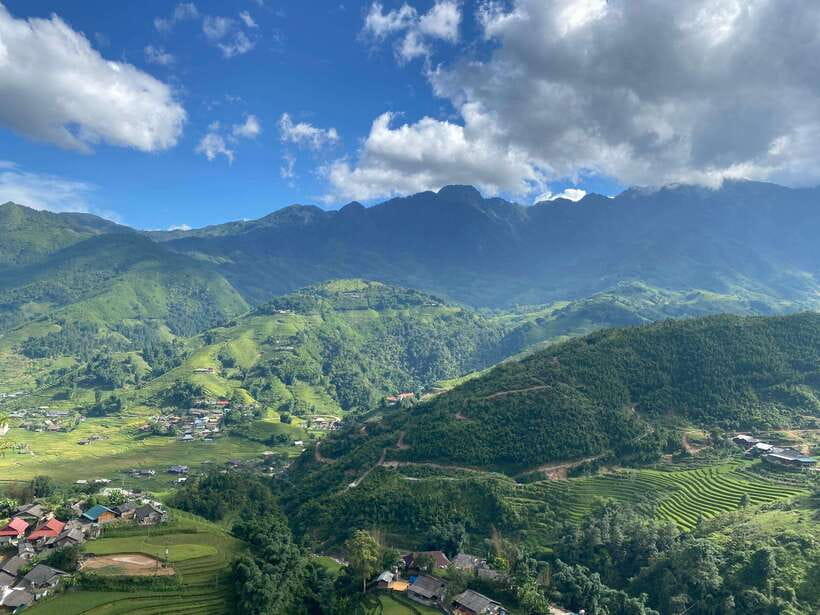
You’ll see local life along the way, plus a waterfall visit and the historic Hydraulic Power Station. It’s a good contrast: village scenes paired with an old piece of infrastructure tied to the area’s water and energy history.
One practical note: Cat Cat can feel more tourist-facing than the smaller villages you’ll visit later. You may find plenty of shop stops along the route, so I’d go in with the mindset of using it as a first introduction, then saving your energy for the quieter walks later.
Sin Chai in the Evening: a Softer Landing in Sapa
After Cat Cat, the plan continues to Sin Chai village. This is a nice way to end day one with a more intimate feel than just staying in Sapa town.
By late afternoon you head back to Sapa for dinner, with free time to explore. That free time is useful because it gives you control: you can grab a warm drink, buy a hat or gloves if the weather turns cold, or just sit down and watch the evening unfold.
For me, the value of this part is pacing. You arrive, you move, you see something real, and then you still get a normal evening in town.
Day Two’s Trek: Y Linh Ho, Lao Chai, and Ta Van
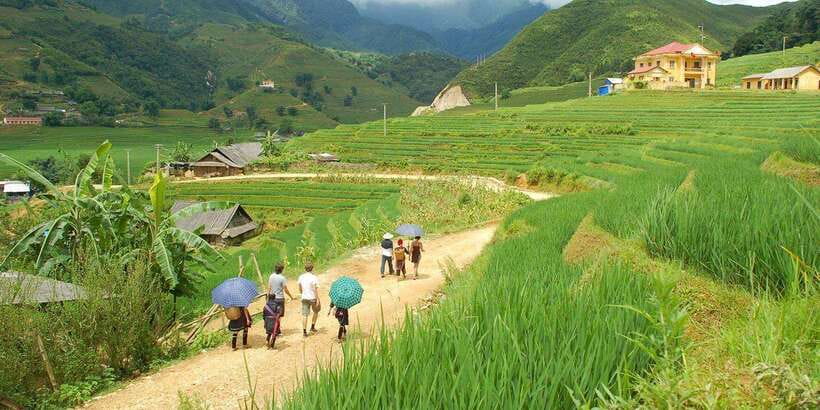
Day two is where Sapa trekking starts to feel serious—in a good way. After breakfast (around 07:00–08:00), you set off for a trek that includes about 6 km to Y Linh Ho, then another 3 km to Lao Chai.
This isn’t just walking for walking’s sake. You’re hopping between communities and using the trail to connect the names. That matters because it helps you understand why Sapa’s villages are where they are and how people live in the mountains.
You’ll have lunch in Ta Van around 12:00–12:30, then you check in and rest. After that, you visit local villages in the afternoon and return to the homestay by around 17:00 for dinner.
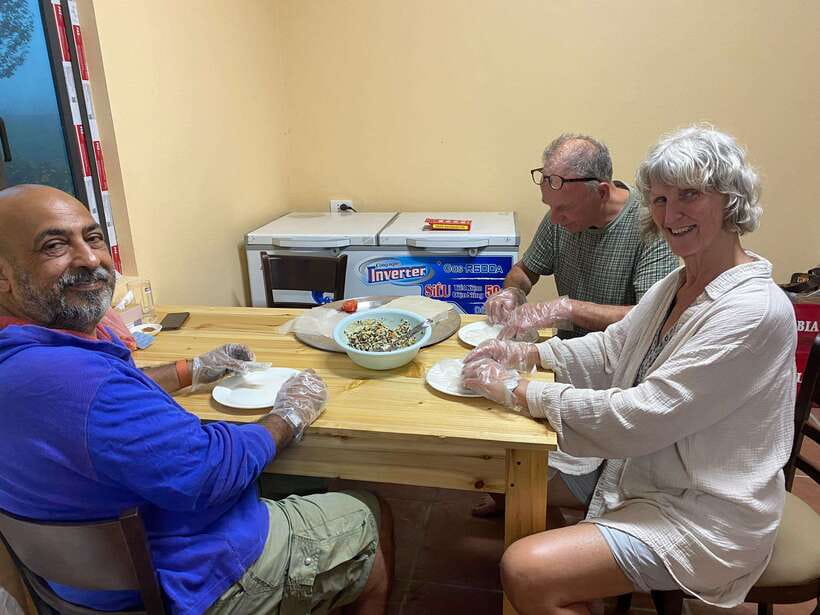
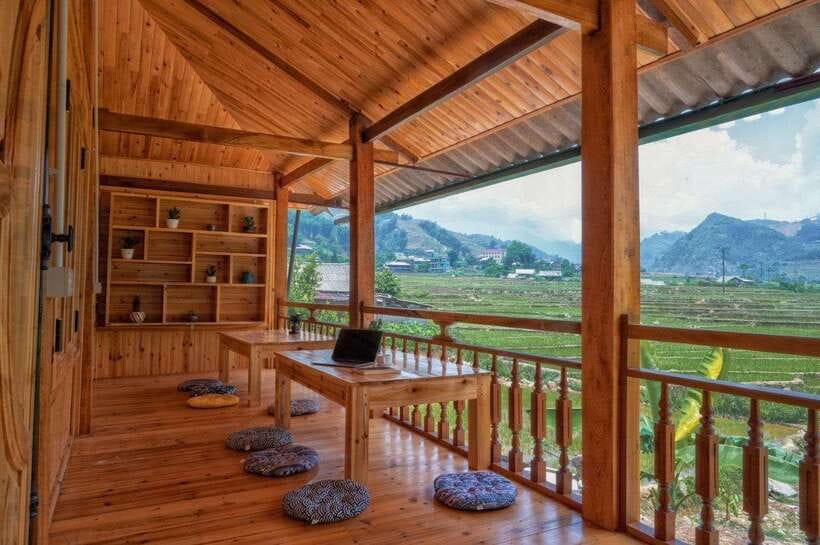
The Ta Van homestay is the other big highlight here. It’s a dorm-style stay, so think simple, communal, and practical rather than private and polished. The trade-off is that you’re sleeping in the village ecosystem instead of just passing through it.
You can also read our reviews of more tours and experiences in Hanoi





Ta Van Homestay Night: What to Expect in Dorm-Style Living
This homestay night is often the emotional payoff of the trip. You’re out of the road bustle, and your dinner and morning start are tied to the village rhythm.
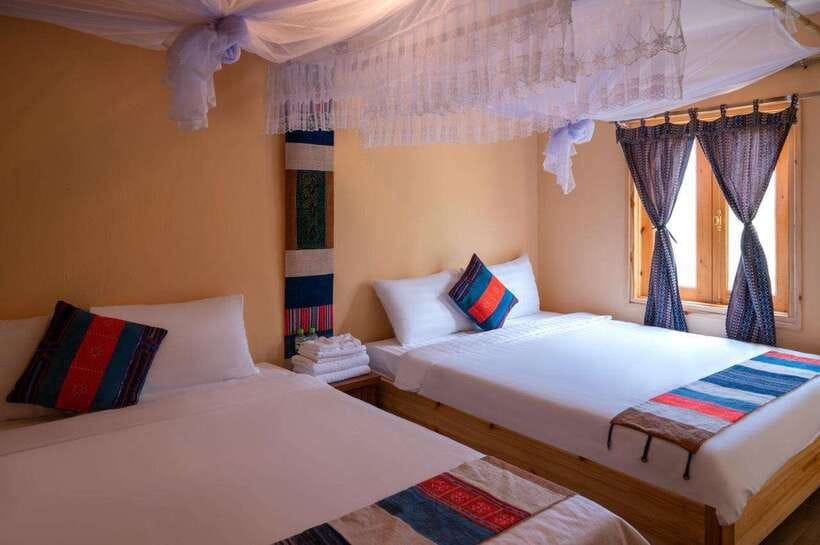
What to know before you go: it’s not a hotel. Rooms are dorm room style, and amenities are basic. Some people also mention food consistency during the stay, so if you’re picky or easily bored, you’ll want to keep your expectations grounded.
Also, Sapa weather can be unpredictable. Even if it’s not freezing, the trails can be muddy. I recommend water-resistant shoes and something warm for evenings, especially if you’re going in cooler months when mist and cold can show up.
Day Three’s Village Circuit: Giang Ta Chai and Supan
Day three starts with breakfast at the homestay around 07:00. Then you visit Giang Ta Chai Village and Supan Village in the morning, paired with an 8 km trek to Giang Ta Chai, including Red Dao areas.
This is the day that adds depth. Cat Cat is a first taste. Day three is more about understanding the people, the trail, and the daily movement across the hills. You’re walking far enough to feel the effort, but it still fits inside a neat half-day and keeps you on schedule.
After trekking, you’ll have lunch in the homestay around 12:00 and get time to rest. Then around 14:00 you’ll transfer by car to Sapa and board the bus back to Hanoi. You’ll be back in Hanoi around 21:00.
Food, Comfort, and the Real Meaning of Value Here
The trip includes meals: 3 lunches, 2 dinners, and 2 breakfasts. That matters more than it sounds. Hiking days burn energy, and having food planned lets you avoid the usual scramble to find a place that’s open and affordable.
Rooms are split between two styles:
- Sapa town hotel: shared, 2 people per room and 3-star level (functional, not fancy)
- Ta Van homestay: dorm-style stay, simpler and more communal
If you’re expecting a luxury comfort level in both places, you’ll be disappointed. If you’re okay with modest comfort in exchange for village time, it’s a fair trade.
Also, pack for the trail. Mud is real in these routes, and rain boots or grip footwear can save your day when the ground is slippery.
Price and Value: What $98 Gets You, and What Can Cost Extra
At $98 per person for 3 days, the pricing looks low for what’s included. You’re paying for the big blocks: round-trip sleeper bus, 1 night in Sapa hotel, 1 night in a Ta Van homestay, an English-speaking guide in the highlands, entrance tickets, and most importantly meals.
That’s the value story. You’re not just buying a trek. You’re buying logistics handled end-to-end, plus enough structure that you don’t have to guess what to do when you arrive.
Two things to watch:
- A holiday surcharge of 40% applies on public holidays, especially Tet Holiday and 29 April to 1 May.
- If you’re traveling solo, a single supplement of 400,000 VND may apply, though the operator may try to match you with another solo traveler to share a room.
The Guide Factor: Why Names Like Pang, Khu, and Phin Matter
In Sapa, your guide shapes the whole day. A good one sets the pace, explains the meaning behind village life, and keeps you moving when weather or footing gets annoying.
This tour has consistently strong feedback tied to specific guide names you might encounter, including Pang, Cheng, Khu, Thao thi sò, Phin, Zinh, Cha, and Sao. The common thread is clear English and real local context, not just memorized talking points.
I’d use that to guide your expectations:
- If you care about understanding ethnic communities, a local guide makes the trek feel purposeful.
- If you just want sweeping views with minimal talking, you can still enjoy the walking, but the value lands hardest when you engage with the explanations.
Small Logistics That Can Change Your Day
Pickup is included from Hanoi’s Old Quarter hotels. If your hotel isn’t in that area, you’re directed to make your way to the office at 54 Hang Tre, Hoan Kiem, Hanoi.
Once you’re in Sapa, everything is scheduled around timing: lunch windows, village visits, and when you return to the hotel or homestay. That’s why the trek days don’t feel random. It also explains why the schedule is firm enough that you should avoid planning extra stops right around the pickup time.
One more practical heads-up: you may interact with village helpers during the walks, and some guides bring you through areas where locals help with hiking and may offer items for sale. It’s part of how village tourism works here, so just expect a bit of shopping pressure and keep your wallet rules clear.
Who Should Book This Sapa Trek (And Who Might Not)
This fits best if you want:
- A guided trek with village visits you can actually understand
- A homestay experience that’s more than a photo opportunity
- A mix of culture + walking over 3 full days
It may not be for you if:
- You hate group-style travel and prefer private, flexible plans
- You want consistently modern comfort and private rooms for both nights
- You’re not comfortable with muddy, uphill walking days
If you’re in the “I want real village time but I don’t want to plan the logistics” camp, this is a strong match.
Should You Book This 3-Day Sapa Highlands Adventure?
If the idea of Sapa villages like Lao Chai, Ta Van, Giang Ta Chai, and Supan sounds exciting, this is a smart way to do it in only 3 days. The biggest reason to book is the balance: included meals, English guidance, and both hotel and homestay stays so you’re not stitching together transportation and food on your own.
I’d book this when you’re okay with simple accommodations and you plan to dress for the trail. If you’re sensitive to bus comfort and you’ll get cranky in tight seating, prepare for that with small comforts and patience.
Overall, it’s good value for a guided, structured highland trek that still leaves room for you to enjoy Sapa at human scale.
FAQ
What is included in the price?
The price includes a sleeping bus ticket Hanoi to Sapa and back, an English-speaking guide in Sapa, 1 night at a 3-star shared hotel in Sapa town, 1 night at a Ta Van homestay (dorm room), and meals (3 lunches, 2 dinners, 2 breakfasts), plus entrance tickets as listed.
How does the homestay in Ta Van work?
You’ll stay one night in Ta Van village in a dorm room style homestay. It’s part of an experience centered on village life rather than hotel-style privacy.
Do I get an English-speaking guide?
Yes. You’ll have an English-speaking tour guide during the Sapa portion of the trip.
Where are pickups in Hanoi?
Pickup is included from hotels in Hanoi Old Quarter. If your hotel isn’t in Old Quarter, you should go to the office at 54 Hang Tre, Hoan Kiem, Hanoi.
Are there extra charges for holidays or solo travelers?
Yes. A 40% public holiday surcharge applies on certain dates, especially during Tet, including 29 April to 1 May. If you’re a solo traveler, a single supplement of 400,000 VND may apply, though the operator may try to pair you with another solo traveler to share a room.
Is free cancellation available?
Yes. You can cancel up to 24 hours in advance for a full refund.