REVIEW · HANOI
From Hanoi: 2 Day Sapa Trekking To Village & Bungalow, Meals
Book on GetYourGuide →Operated by DGB - INDOCHINATODAYTRAVEL · Bookable on GetYourGuide
Morning air and mountain walks in Sapa. This 2-day trek from Hanoi takes you through rice fields, stream paths, and ethnic villages, then puts you in a simple Ta Van bungalow/homestay where the mountains set the pace.
What I like most is how the route mixes big scenery with real village life: the walk along Muong Hoa Stream and the stop at Red Dzao territory around Giang Ta Chai. You also get meals built around the day’s timing, instead of hunting food between hikes, which makes the whole trip feel easier.
One thing to consider: the tour experience depends heavily on clear logistics and group coordination. Based on participant feedback, I’d double-check what’s actually included for the Hanoi–Sapa transfers and watch for moments on the trail where vendors try to sell items without a clear explanation of the tour’s rules.
In This Review
- Key points at a glance
- From Hanoi at 6:00 to Sapa by early afternoon: timing that matters
- Day 1 hike: Y Linh Ho, Lao Chai rice terraces, Muong Hoa Stream, and Ta Van
- What to watch for on day 1
- Ta Van homestay and bungalow night: what real village time looks like
- A practical packing note for the night
- Day 2 trek to Giang Ta Chai: rice paddies, bamboo forest, and Red Dzao village views
- Sapa town free time and the return bus to Hanoi
- Price and inclusions: good value, but confirm one detail
- My checklist before you go
- Who this Sapa trek suits best (and who should skip it)
- Should you book this 2-day Sapa trek from Hanoi?
- FAQ
- How long is the trek, and what distances should I expect?
- What’s included in the price?
- What time do I get picked up in Hanoi?
- Where do I stay overnight, and what’s it like?
- Do I need warm clothes, even if I’m hiking in the daytime?
- Is there a single supplement for solo travelers?
Key points at a glance
- Y Linh Ho to Lao Chai to Ta Van: a classic first-day route with rice terraces and stream views
- Ta Van homestay in the mountains: family time, simple bungalow stay, and dinner in a local rhythm
- Giang Ta Chai Village (Red Dzao): bamboo forest walk and a panorama stop near the village
- Shorter day 2 hike: about 4 km (around 2 hours), so you can enjoy photos and views
- Meals included: 1 breakfast, 2 lunches, and 1 dinner, plus mineral water
- Return to Hanoi by bus: scheduled pickup, rest stops, and an evening arrival window
From Hanoi at 6:00 to Sapa by early afternoon: timing that matters
This tour runs on a very practical clock: you’re picked up in the Hanoi Old Quarter around 06:00–06:30 (or meet at Hanoi Opera House at 06:00 if you’re outside the Old Quarter). Then you start the long ride up to Northern Vietnam’s mountain region.
The bus schedule is built around rest stops. You’ll have one around Lao Cai, then another before arriving in Sapa. The upside is simple: you’re not stuck on the road the whole time without breaks. The trade-off is that you’ll be moving early, so this is not a “sleep in and see what happens” day.
You typically arrive in Sapa town around 13:30. That timing matters because it leads into the first trek while daylight still holds. If you’re the kind of person who hates arriving somewhere and immediately rushing out again, be aware: Sapa here is a “get moving soon” style of trip. I’d pack with comfort in mind from the start—layers, sun protection, and proper shoes.
You can also read our reviews of more hiking tours in Hanoi

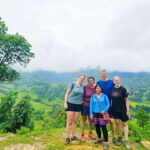
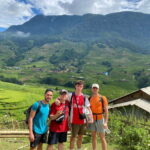
Day 1 hike: Y Linh Ho, Lao Chai rice terraces, Muong Hoa Stream, and Ta Van
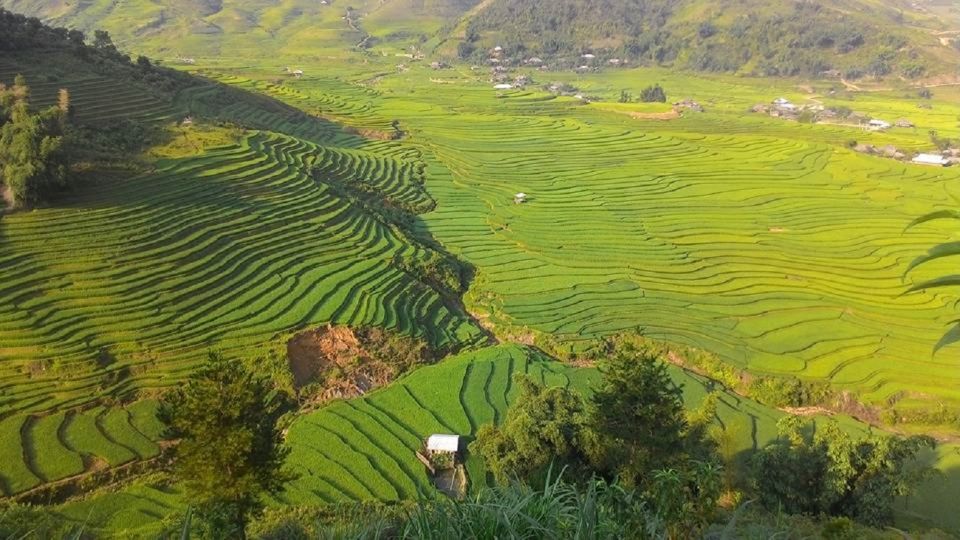
Day 1 is where the walking really starts. After lunch in Sapa town, you begin around 14:30 with the route through Y Linh Ho. This is a transition day: you go from “city to town” to “mountain trails,” and you’ll feel it in your legs right away.
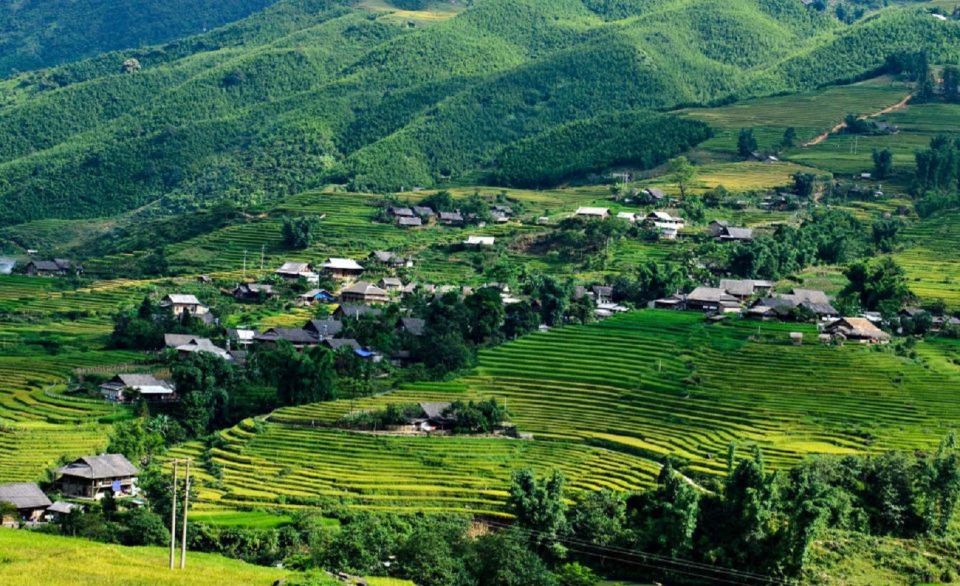
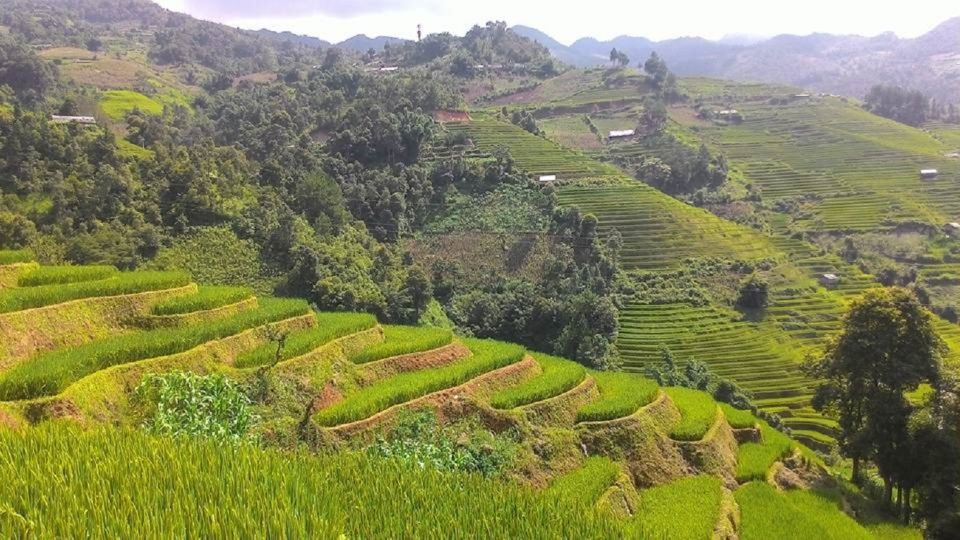
You’ll trek through rice terraces and along the Muong Hoa Stream, heading toward Lao Chai, described as a Black Hmong village. On this part of the walk, the scenery is mostly open paths with water and terrace views. It’s a good day for photos, but also for soaking up the feel of daily life in the hills—where the walking paths connect villages and work.
The walk then brings you closer to Ta Van, which is associated with Giay people. You’re approaching Ta Van in the later afternoon, when the light often turns softer and the mountains feel less harsh than mid-day.
Distance and effort: it’s about 9 km, roughly 3.5 hours of trekking. That’s enough to earn your dinner, but it’s not an all-day suffer-fest. Still, you need steady hiking shoes. Sapa paths can be uneven, and wet conditions happen when fog rolls in (especially from December to March, when it can be foggy).
Once you arrive near Ta Van, the group check-in is scheduled for about 17:45. That timing is intentional: you get time to settle before sunset routines and dinner.
What to watch for on day 1
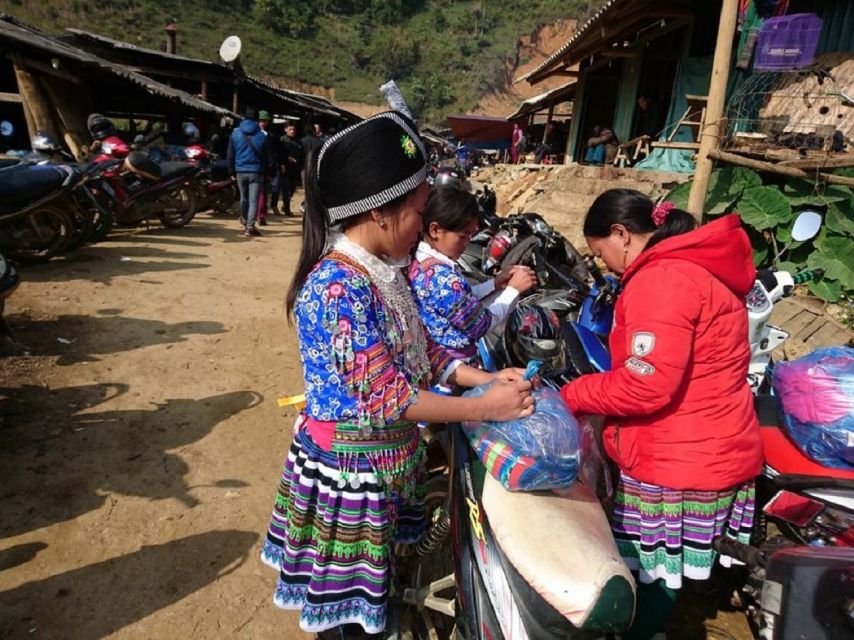
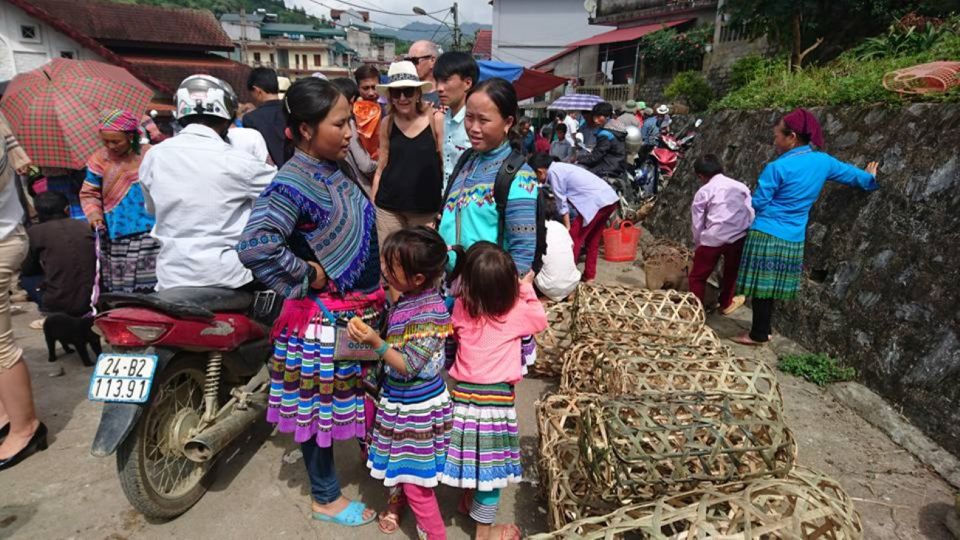
This route passes areas where you may encounter people selling small goods or textiles. The mountain villages have their own livelihoods, so it’s not automatically a bad thing—but one participant feedback note said some sellers asked to buy items and didn’t clearly explain what was included or what the tour plan required. My practical advice: keep your questions simple, decide early if you want to buy, and don’t let “confusion in the moment” ruin your walk.
Also, check you understand the tour boundaries. If something changes from what you were told—especially about transportation costs—ask on the spot, before paying anything.
Ta Van homestay and bungalow night: what real village time looks like
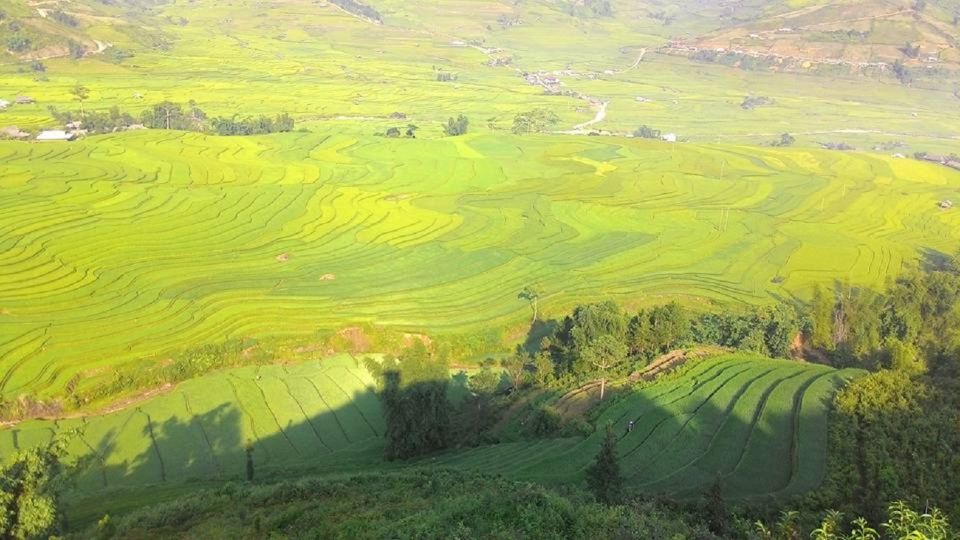
After the trek, the best part of this tour is the stay. You check into a homestay in Ta Van and you’re sleeping in a bungalow environment. It’s not a hotel experience, and that’s the point. You’re trading polish for closeness—hearing the rhythm of the home, sharing a meal, and seeing the mountain life from inside, not through a gate.
You’ll spend time with the family—described as Dzay people in the provided plan—and there’s room for simple cultural interaction. The plan notes that you might be invited to cook local dishes with the family. Even if you’re not very confident in the kitchen, it’s usually one of the easiest ways to connect because your hands do the work and language barriers fade fast.
Dinner is served in a calm, after-trek way. You’re not racing to the next activity. The evening schedule is flexible: there’s also an option to join a nearby bar with music and socialize with other participants.
The sunset timing here is also useful. The day ends with mountain air and quieter village energy. If you’re tired of loud tourist streets, this is the evening that lets your brain slow down. If you’re expecting a silent retreat, though, remember there may be music or group chatter.
A practical packing note for the night
From October to March, bring warm clothes, a scarf, and a hat. Sapa’s altitude can cool things down fast. Even when the hike warms you up, the evening can feel chilly once you stop moving.
You can also read our reviews of more tours and experiences in Hanoi




Day 2 trek to Giang Ta Chai: rice paddies, bamboo forest, and Red Dzao village views
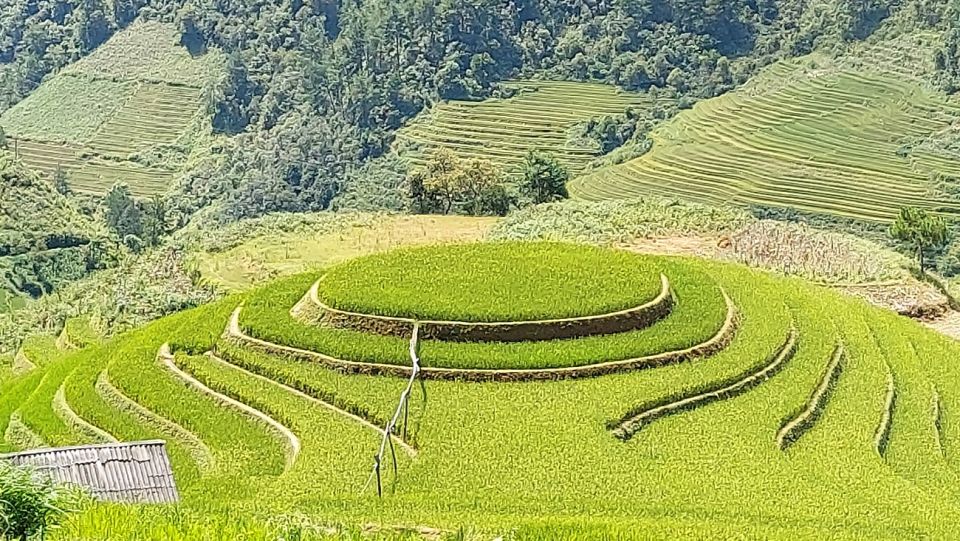
Day 2 begins gently compared to day 1. Breakfast is prepared by the family around 08:00, and then you hit the trail again.
The hike heads toward Giang Ta Chai Village (listed as home to the Red Dzao people). You’ll walk to areas with rice paddies and stop for photos. This segment is about timing and light: morning tends to give clearer visibility and more forgiving conditions for pictures and short breaks.
Then comes the bamboo forest stretch. It’s the kind of change in scenery that makes the second day feel fresh rather than repetitive. You also get a panorama stop to view Giang Ta Chai from a better vantage point.
Distance and effort: about 4 km, roughly 2 hours. This is a nice second-day pace because it leaves energy for the moments you want—photos, questions, and looking around without sprinting through every step.
You’ll cross the Giang Ta Chai Bridge to reach the main road area around 11:00. From there, the plan brings you back to the bungalow so you can shower and get ready for lunch. Having that scheduled reset is underrated. After trekking, a warm wash and a place to change makes the rest of the day feel civilized.
Lunch is planned between 12:30 and 13:30. Then the group moves toward the meeting point for the return bus.
Sapa town free time and the return bus to Hanoi
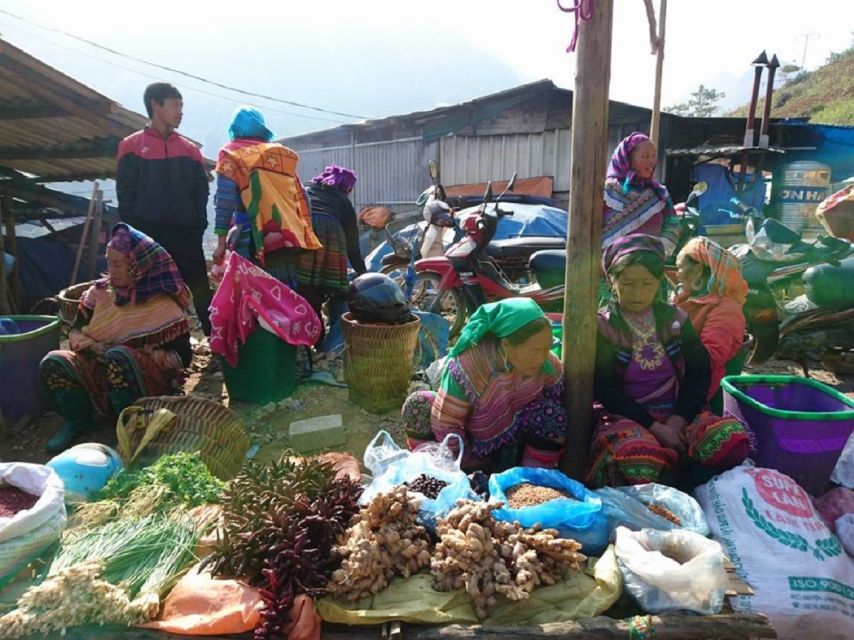
After lunch, you’re not just dropped off with no plan. The schedule includes transport back to the bus station and a short free window.
From about 14:00 to 15:00, you have time to walk around Sapa town and shop. If you like textiles, this is where you can browse—though I’d still keep purchases intentional. Bring cash because the info you have warns that banking in Sapa can be unreliable. The tour notes that US dollars and euros are accepted in Sapa, but taking Vietnam Dong is smart insurance.
Then comes the return leg. You meet at the bus station around 15:00–15:30, take the bus back with two rest stops, and arrive in Hanoi around 21:30–21:45. That evening arrival window is normal for an overland trip, but it’s worth planning your next day accordingly.
If you have onward travel the next morning, I’d aim for a slower start. By the time you reach your hotel in Hanoi, you’ll want sleep more than plans.
Price and inclusions: good value, but confirm one detail
The price listed is $87 per person, and for a 2-day, 1-night package that includes trekking guidance and meals, it can feel fair—especially because the itinerary includes the homestay, professional English guide, and meals (1 breakfast, 2 lunches, 1 dinner), plus admission fees and mineral water.
Here’s how I see the value: you’re paying for the structure. This trip handles the hard parts—transport timing, a guide, and the schedule that prevents you from being stuck between villages with no way back. When trekking in Sapa, structure matters. It reduces decision fatigue and makes the day safer.
But I’d treat the transfer piece as the one thing to confirm before you hand over money. One participant feedback note said that the Hanoi–Sapa transfer wasn’t clearly explained in the package, and cash payment for the ticket was requested later. That doesn’t mean it always happens. It does mean you should ask a straight question before you assume the full transport cost is included: exactly how the Hanoi–Sapa and Sapa–Hanoi bus rides are handled in your booking.
Also note the single supplement for solo travelers is US$15. If you’re solo, ask whether you can join a roommate situation or if solo pricing is fixed.
My checklist before you go
- Confirm what’s included for bus transfers and when money is due
- Ask what’s included vs not included for drinks and extra meals
- Carry cash in VND (and keep smaller bills if possible)
- Pack warm layers, even if the day hiking is warm
Who this Sapa trek suits best (and who should skip it)
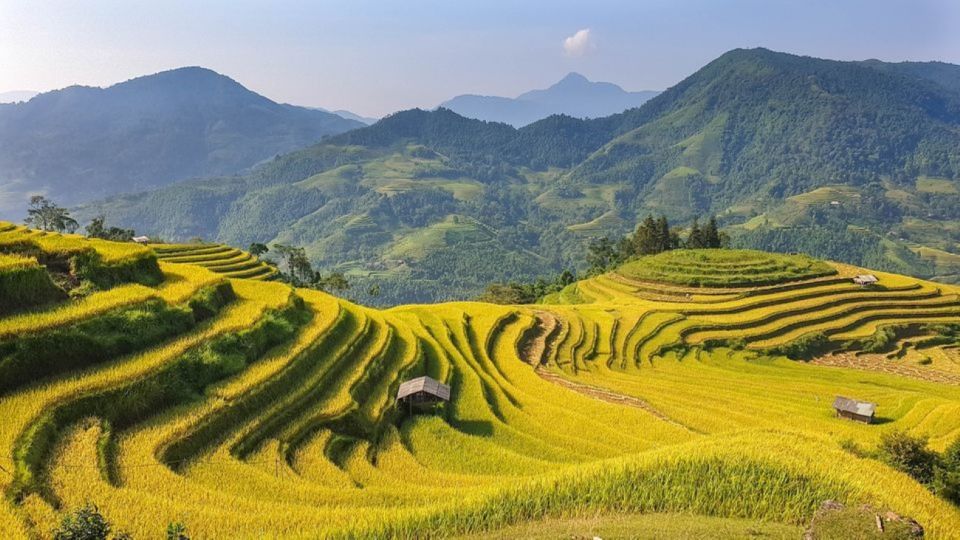
This is a fit for people who like walking and don’t mind doing it with a guide and a group. The tour requires a good level of physical fitness, mainly because you’re walking 9 km on day 1 plus hills around rice terraces and stream paths.
You’ll likely enjoy it most if you want:
- Ethnic culture on the move, not only in town
- A homestay experience where you share a meal and time with a family
- A short-ish second day so you don’t feel wrecked by the end
You might want to rethink if you:
- Hate early starts and long bus rides
- Want a fully flexible schedule with lots of free time during the trekking hours
- Are uncomfortable with uneven trail surfaces and cool mountain weather
Also, if you’re sensitive to cold, take the “foggy from December to March” note seriously. Fog can change visibility and trail feel, and warm gear is non-negotiable.
Should you book this 2-day Sapa trek from Hanoi?
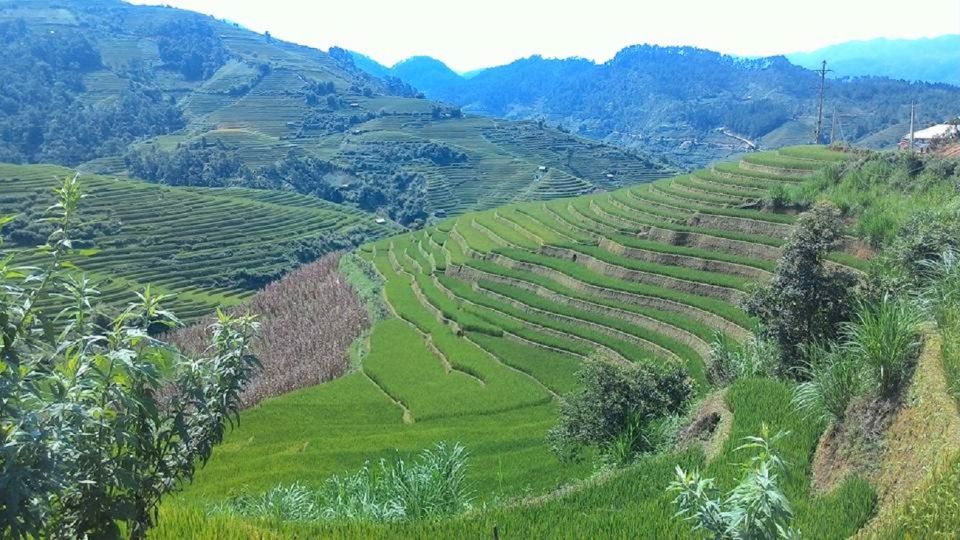
I’d book it if you want a classic Sapa route with real village contact and a clear schedule—especially the combination of day 1 terraces/stream walking plus the Ta Van homestay night and day 2 walk to Giang Ta Chai.
Don’t book it on autopilot if you’re the type who needs everything spelled out perfectly, because this experience lives and dies on clear communication about inclusions. Ask your questions up front about transfer costs and what’s covered. Then pack smart, wear proper shoes, and keep your expectations grounded: this is village trekking, not a five-star resort.
If that matches your style, you’ll likely come away with two things that matter in Sapa: views you earned by walking and an evening that feels like part of the mountains’ everyday life.
FAQ
How long is the trek, and what distances should I expect?
Day 1 trekking is about 9 km (around 3.5 hours). Day 2 trekking is about 4 km (around 2 hours).
What’s included in the price?
The package includes 1-night homestay accommodation, modern bus pickup from Hanoi, a professional English guide, meals as indicated (1 breakfast, 2 lunches, 1 dinner), admission fees, and mineral water.
What time do I get picked up in Hanoi?
Pickup is around 06:00–06:30 in the Hanoi Old Quarter. If you’re outside the Old Quarter, you’re asked to be ready at Hanoi Opera House at 06:00.
Where do I stay overnight, and what’s it like?
You stay one night in Ta Van in a local homestay/bungalow. The schedule includes time to meet the family and enjoy dinner in the evening.
Do I need warm clothes, even if I’m hiking in the daytime?
Yes. The tour notes that from October to March, you should bring warm clothes, a scarf, and a hat. Sapa can also be foggy in December to March.
Is there a single supplement for solo travelers?
Yes. There’s a single supplement surcharge of US$15 for solo travelers.