REVIEW · HANOI
From Hanoi: 2-Day Sapa-Fansipan Peak & Trek & Ha Giang Bus
Book on GetYourGuide →Operated by CÔNG TY TNHH KỲ NGHỈ NINH BÌNH · Bookable on GetYourGuide
Sapa is a world of its own, fast. This trip pairs Fansipan Peak by cable car with the famous Lao Chai–Ta Van trek, guided on the ground by Song (who gets real praise for how he helps you understand daily life). One thing to plan for: Sapa weather can turn cold and foggy, especially Dec–Mar, so pack warm layers and don’t rely on good forecasts.
I also like how the schedule is designed for value. You start from Hanoi (meet at 204 Tran Quang Khai around 6:15am), get proper meals in place, and still make time for the key sights without burning half your day on logistics.
Finally, it’s a trek day plus a step-heavy peak day. If you’re not comfortable with walking (and 600 steps up to the Roof of Indochina), you’ll feel it. This is not for pregnant travelers, and comfortable shoes really matter.
In This Review
- Key highlights you should care about
- Hanoi to Sapa: the ride that sets the tempo
- Lao Chai and Ta Van: rice terraces and real mountain routines
- Sapa’s food and hotel base: what “included” really means
- Fansipan Peak by cable car: 20 minutes up, 600 steps on
- Limousine bus vs night train: which travel style fits you?
- Limousine bus (more comfortable, more daytime use)
- Night train or night bus (the once-in-a-lifetime vibe)
- Optional add-on: from Sapa to Ha Giang without losing a day
- Price and what you still pay for in cash
- Gear, weather, and the small rules that keep things smooth
- Who this trip suits best (and who should skip it)
- Should you book this tour?
- FAQ
- What time does the Hanoi departure happen?
- Is a hotel included?
- Which meals are included?
- Do I need to pay for the Fansipan cable car?
- How many steps are there to the peak?
- What’s included for Lao Chai–Ta Van?
- Are night train or night bus options available?
- If I go to Ha Giang from Sapa, how long is the drive?
- When do the Ha Giang buses depart from Sapa?
- Is the trek suitable for pregnant women?
Key highlights you should care about
- Cable car to Fansipan, then 600 steps: fast ascent for the big views, with a physical finish at the top.
- Lao Chai–Ta Van trek in rice-terrace country: walking alongside the Muong Hoa Stream between ethnic villages.
- Local culture, explained by your guide (Song): you’re not just photographing scenery—you’re learning how people live.
- Hanoi–Sapa travel options: choose a Limousine bus or a night train/bus for that once-in-a-lifetime transport flavor.
- Optional quick jump to Ha Giang: buses depart from Sapa at 14:30 or 19:00/19:30 for a straight continuation.
Hanoi to Sapa: the ride that sets the tempo
Northern Vietnam travel can feel like a lot of hours in transit. This tour tries to solve that by building your trip around the best kind of “in-between time”: the kind where you’re moving to the mountains without losing the day.
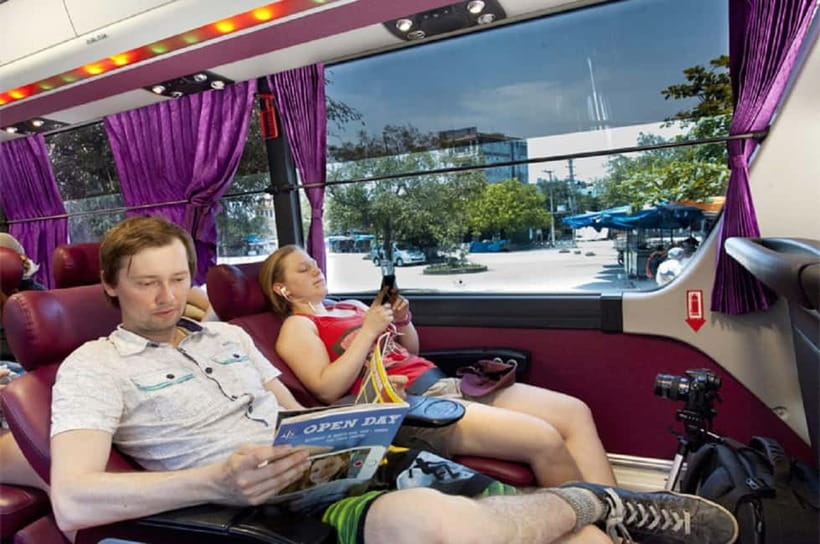
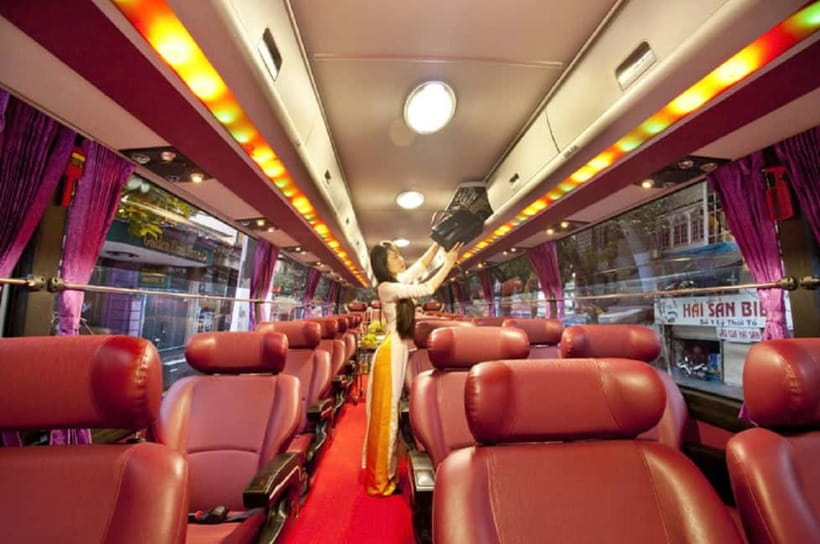
From Hanoi, you’ll typically meet at 204 Tran Quang Khai and head out early (6:15am). You ride toward Sapa with a sleeper bus style setup, with short breaks in places like Phu Tho Province and Lao Cai City for light breakfast or coffee. That matters because the morning start is long enough that coffee isn’t a luxury—it’s your brain’s warm-up.
If you prefer the more cinematic option, there’s also a night train or night bus departure around 21:30. The benefit here is simple: you travel while you sleep, then wake up closer to Sapa with less daytime wasted.
Either way, the payoff is the same. You reach Sapa with enough energy to actually do something meaningful the same day—starting with lunch, and then moving into the trek world.
You can also read our reviews of more hiking tours in Hanoi

Lao Chai and Ta Van: rice terraces and real mountain routines
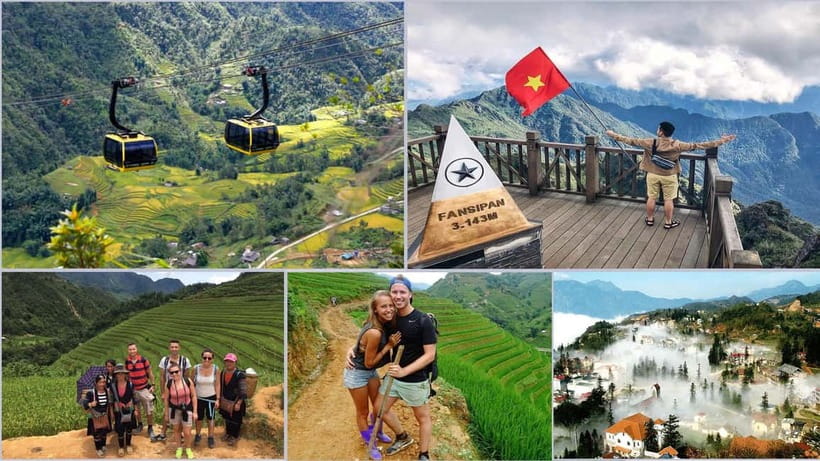
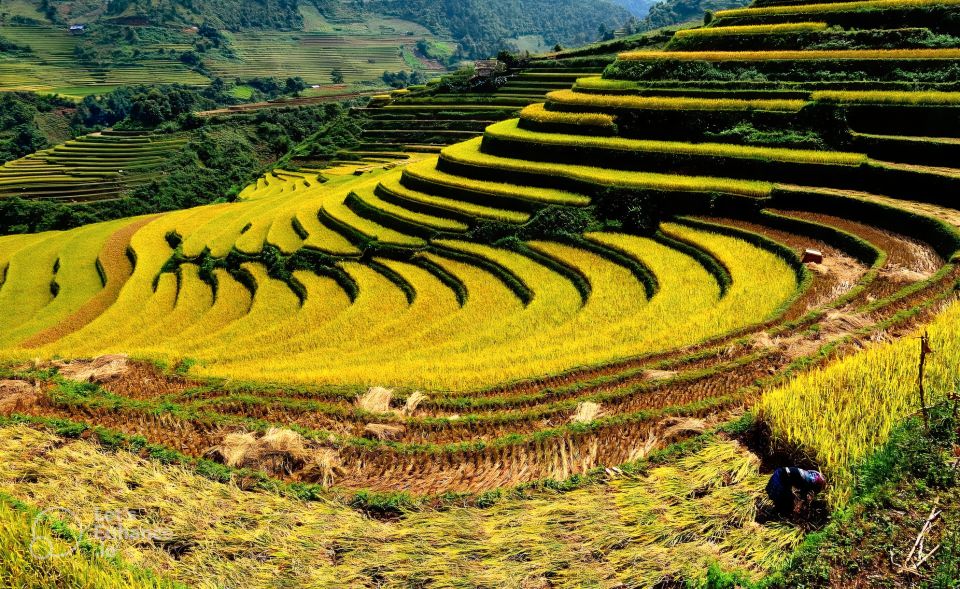
This is the heart of the trip. The walk between Lao Chai and Ta Van is the famous part for a reason: you get layered scenery, lots of village atmosphere, and an honest sense of what mountain life looks like day-to-day.
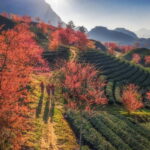
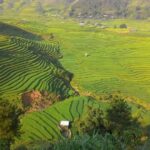
You’ll trek through rice terraces and along the Muong Hoa Stream. That combination is why this route feels different from a “viewpoint walk.” Rice terraces change the whole walking experience: you’re stepping through farmland shaped by the mountains, and the path often follows the water and the contour of the valley. It’s scenic, yes—but it’s also practical landscape engineering that locals maintain.
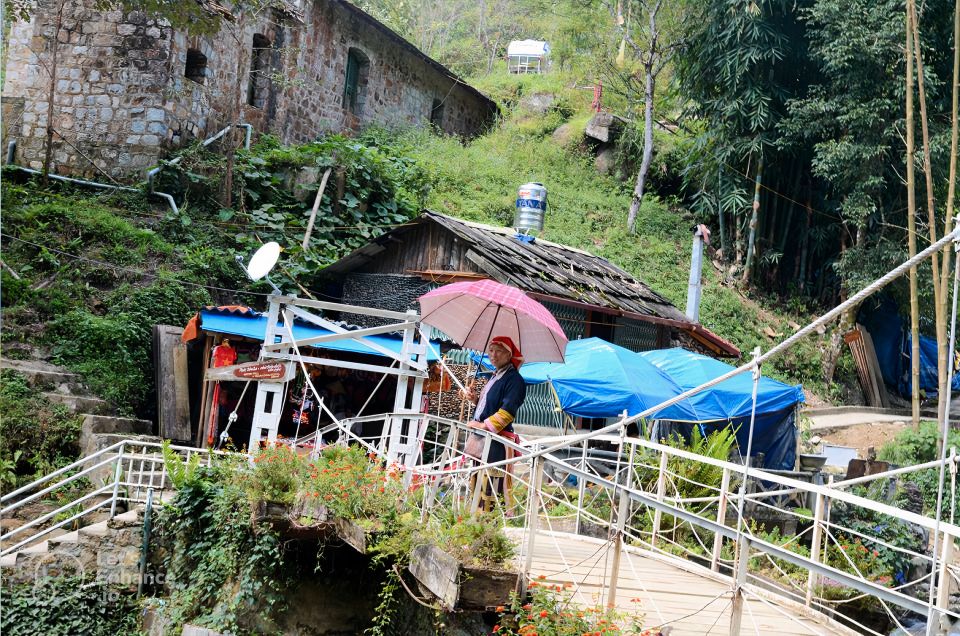
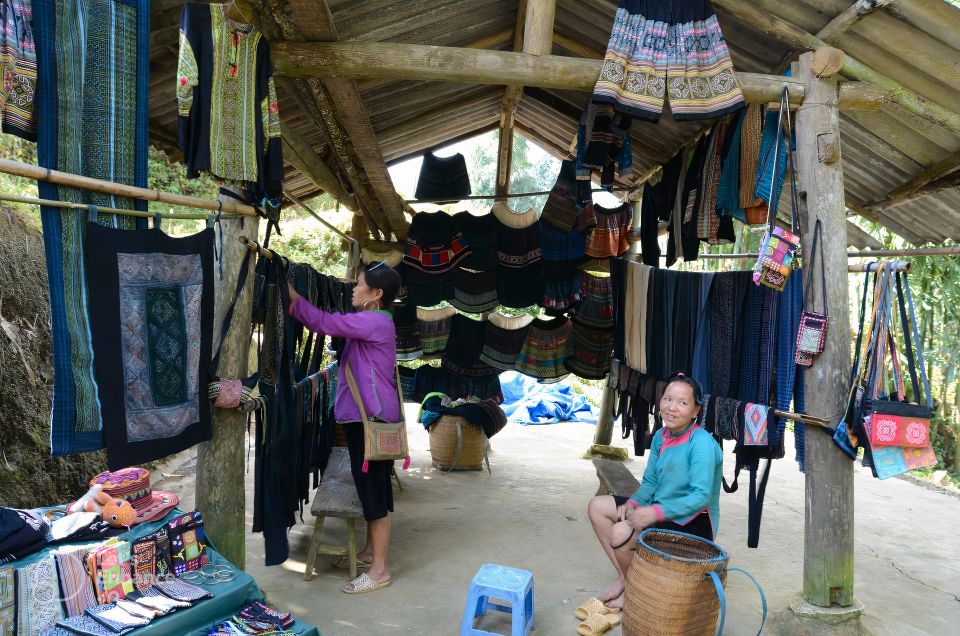
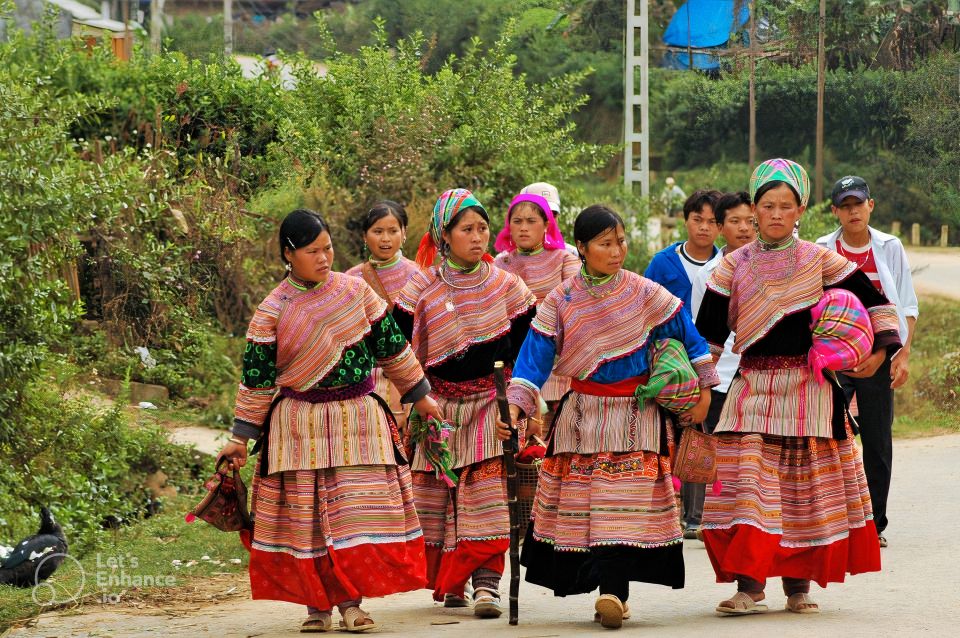
You also visit Lao Chai, described as a Black Hmong village, with time to explore and observe ethnic community life with your local guide. Your guide helps connect what you’re seeing with how people live, not just what you can photograph. In particular, Song’s approach gets mentioned for how he makes the culture feel understandable rather than distant.
One practical consideration: this is still a trek day. Even if the route is marketed as “beautiful,” you should expect uneven walking and weather changes. Bring comfortable shoes, and don’t wear anything that pinches after the first hour.
Sapa’s food and hotel base: what “included” really means
In a trip like this, food can either be a stress point or a relief. Here, meals are mostly handled: 1 dinner, 2 lunches, and 1 breakfast are included, which helps you avoid the scattershot problem of guessing where to eat after a long ride.
On arrival day, you’ll have lunch with local Vietnamese dishes once you’re settled. Dinner then comes after you return from the Lao Chai–Ta Van trek.
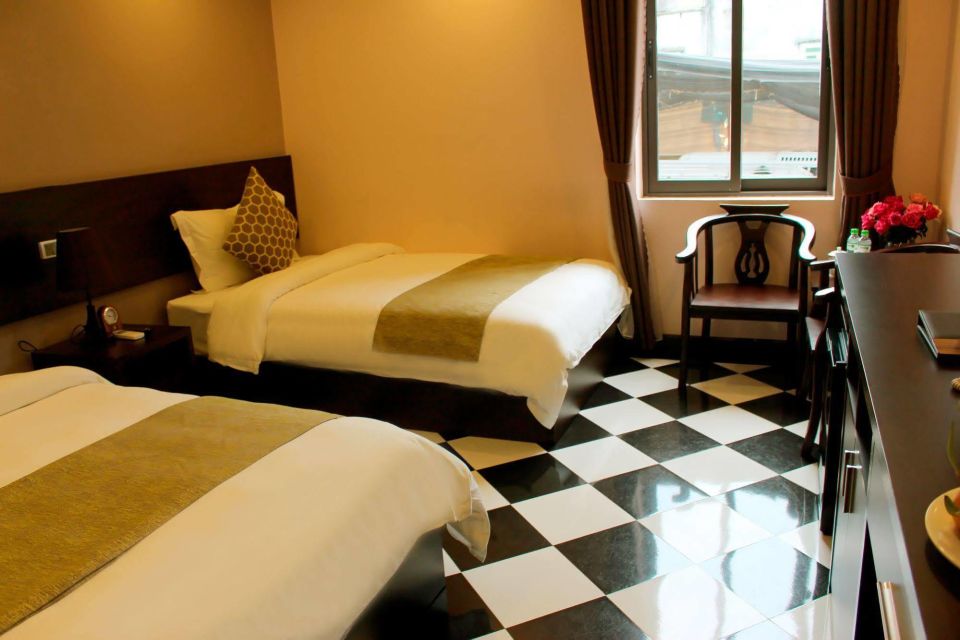
Your stay is in a 3-star hotel on a twin-sharing basis (so, you’ll share a room with another traveler unless you booked otherwise). For Sapa, that’s a solid base category: clean enough, predictable enough, and close enough to keep the tour moving.
If you’re someone who likes real-life travel rhythm, this is a good balance. You don’t get a lot of “free time to hunt,” which can be tiring in Sapa’s cooler conditions. Instead, you get anchored meals and a place to reset.
Fansipan Peak by cable car: 20 minutes up, 600 steps on
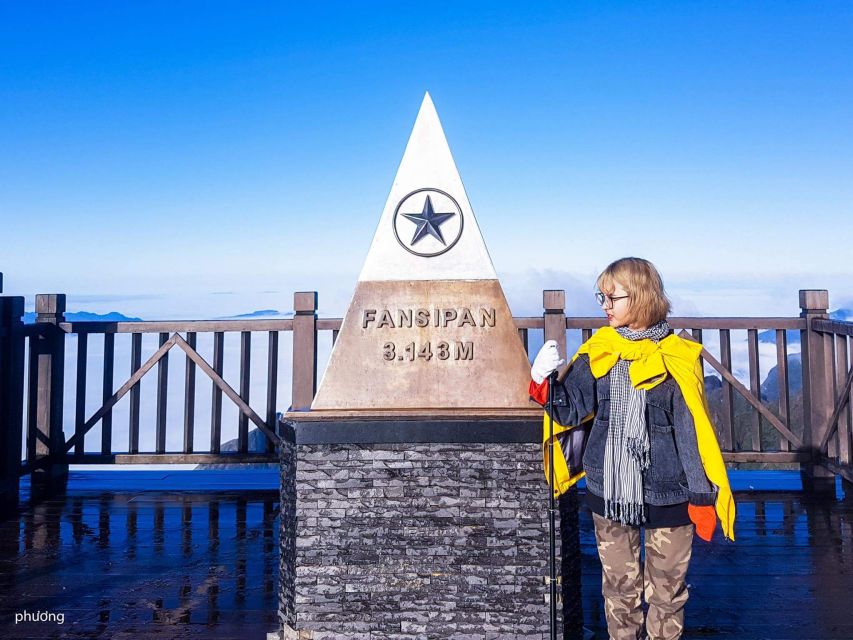
The big headline is Fansipan Peak, often called the Roof of Indochina. The smart part of this tour is how it gets you there.
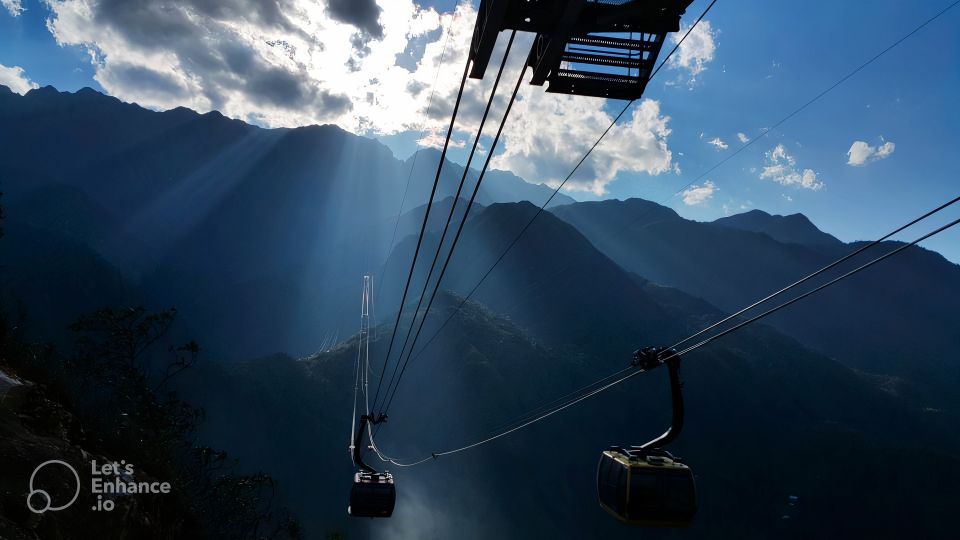
First, you transfer to the Fansipan cable car station. Your driver or guide helps you buy your cable car ticket (this is not included; budget 850,000 VND per person for the cable car round trip). Then you take a 20-minute cable car ride up to the mountain area where the view opens up fast.
From there, you explore the pagoda area and then climb 600 steps to reach the peak. That step count is no joke. It’s not technical hiking, but it is physical. The best way to enjoy those stairs is to pace yourself—short steps, steady breathing, and a few pauses for the scenery.
The reward is the whole point: spectacular mountain views where the weather can change by the minute. If fog rolls in, you’ll experience that moody, cloud-swept atmosphere Sapa is known for—worth it if you packed warm layers.
The tour then brings you back to Sapa and includes lunch at the hotel. That means you’re not stuck eating somewhere far away after walking and climbing all morning.
Limousine bus vs night train: which travel style fits you?
This tour includes multiple Hanoi–Sapa ways to travel, and choosing the right one changes how you feel during the day.
You can also read our reviews of more tours and experiences in Hanoi




Limousine bus (more comfortable, more daytime use)
The tour can include a round-trip Limousine bus between Hanoi and Sapa. This is usually the “I want to rest but still stay on schedule” option. You’ll travel without the full night schedule pressure, and you can plan your day around Sapa activities.
Night train or night bus (the once-in-a-lifetime vibe)
There’s also an option to depart around 21:30 by night train or night bus toward Lao Cai/Sapa. If you want the classic Vietnam night-ride experience, this is the moment. You’re sleeping while moving, then waking up closer to the mountains.
A small reality check: you’ll still need to be comfortable with travel mode. Night rides can be noisy and cramped, and your sleep quality depends on your personal tolerance for motion and shared space. If you’re a light sleeper, plan warm layers and earplugs.
Optional add-on: from Sapa to Ha Giang without losing a day
If you want to keep going, you can add Ha Giang right after Sapa.
After returning from Fansipan, you have two bus choices departing from Sapa:
- 14.30: a Limousine bus (18 seats) pick-up (reported as at May hotel) for the 6-hour drive
- 19.30: a sleeper bus (40 seats) at its meeting point for the 6-hour drive
Both options come with extra fees you pay directly to the travel consultant on request, so keep a buffer in your budget.
This add-on is valuable if you’re the type who doesn’t want to “end on a high note then do nothing.” It’s also efficient: 6 hours is a long push, but it turns your Sapa stop into the start of a longer northern Vietnam circuit instead of the end of it.
Price and what you still pay for in cash
This trip is good value when you treat it like a package with a few clear extras.
Included items cover the backbone:
- Transport between Hanoi and Sapa (optional Limousine, depending on what you choose)
- 3-star hotel
- Meals (2 lunches + dinner + breakfast)
- Entrance ticket to Lao Chai Ta Van
- Local guide
- Transfers to/from the Fansipan cable car station
- Optional bus from Sapa to Ha Giang (if you select that option)
What’s not included:
- Fansipan cable car ticket: 850,000 VND per person (you buy this at the station with help from your guide/driver)
- Beverages, government tax, travel insurance
- Holiday surcharge: 700,000 VND/person on specific dates (April 30, May 1, Sept 1–3, Dec 24–31, Jan 1)
My advice for the money part is straightforward: budget for the cable car ticket even if you’re trying to keep costs tight. Fansipan is the “big mountain moment,” and the cable car is what makes it realistic on a two-day timeline.
Also, bring cash. The tour notes that the banking system in Sapa sometimes doesn’t work well, so having money in Vietnamese Dong helps. USD, Euros, and Australian dollars are accepted in Sapa.
Gear, weather, and the small rules that keep things smooth
Sapa weather is the wildcard. Even if you check the forecast, expect layers to matter.
The tour specifically suggests:
- Warm clothes, scarf, and hat (it is normally cold from September through March)
- Trekking shoes, plus sunglasses, sun cream, and insect repellent
- Bring any needed medication
There’s also an altitude and fog reality. From December through March, fog is common. That can be gorgeous, but it can also make the peak experience feel less crisp. Either way, you’ll still want those warm layers because fog usually comes with chill.
Two more practical notes:
- Pets are not allowed
- Not suitable for pregnant women
If you want to keep your trip easy, pack like you’re hiking a bit but also living in a cool town. Change of clothes helps after a trek day.
Who this trip suits best (and who should skip it)
This tour fits you if:
- You want the best-known Sapa experience in a short window: Lao Chai–Ta Van plus Fansipan
- You like guided clarity. A guide who can explain ethnic life makes a huge difference on the trek day.
- You enjoy structured travel with fewer decisions—meals, tickets, and transfers are handled.
It may not fit if:
- You hate cold weather or you’re not physically ready for a 600-step climb
- You’re traveling with expectations of long free wandering. This is a “do the core things well” style trip, not a slow hangout weekend.
Should you book this tour?
I’d book it if you want maximum Sapa results with minimal guesswork. The combination of Lao Chai–Ta Van trek and Fansipan Peak is exactly what many people come to northern Vietnam for, and the tour handles the main moving parts: guiding, meals, hotel base, and key transfers.
One more thing: the organization and the guide experience look strong, including praise for Song. That matters because on a trek route and a mountain climb, good guidance can turn confusion into confidence.
If your main goal is a fully DIY trip with long unplanned breaks, you might find this feels a bit scheduled. But if you want a well-timed, value-minded way to see the region without losing hours to logistics, this is a very solid choice.
FAQ
What time does the Hanoi departure happen?
You meet around 6:15am at 204 Tran Quang Khai before heading toward Sapa.
Is a hotel included?
Yes. You get a 3-star hotel with a twin-sharing double/twin room.
Which meals are included?
The tour includes 2 lunches, 1 dinner, and 1 breakfast.
Do I need to pay for the Fansipan cable car?
Yes. The Fansipan cable car ticket is not included and costs 850,000 VND per person.
How many steps are there to the peak?
You climb 600 steps to reach Fansipan Peak.
What’s included for Lao Chai–Ta Van?
You get entrance ticket to Lao Chai Ta Van and a local guide for the trek and village exploration.
Are night train or night bus options available?
Yes. There’s an option to depart around 21:30 by night train or night bus toward Lao Cai/Sapa.
If I go to Ha Giang from Sapa, how long is the drive?
The bus drive to Ha Giang is about 6 hours.
When do the Ha Giang buses depart from Sapa?
From Sapa, departures are at 14.30 and 19.30.
Is the trek suitable for pregnant women?
No. The tour is not suitable for pregnant women.