REVIEW · HANOI
From Hanoi: 2-Day Sapa Trek Tour – Luxury Limousine Transfer
Book on GetYourGuide →Operated by DragonflyCruise.com · Bookable on GetYourGuide
Sapa shows up fast, even after a long ride. I like the luxury limousine transfer from Hanoi because it makes the trip feel organized instead of chaotic, and you still get the mountain-road views along the way. I also like that the walking is paired with real village context, from Cat Cat with the Black H’mong story to Lao Chai and Ta Van where you see daily life tied to the rice terraces.
One thing to consider: the experience quality can vary depending on which hotel you get in Sapa, and a couple of people ran into pickup timing or meal voucher confusion. The hikes and guides are usually the win, but you should go in ready for some rough edges.
In This Review
- Key Takeaways
- Luxury limousine to Sapa: what the ride really feels like
- Day 1 to Cat Cat: downhill waterfall trek in Black Hmong country
- Overnight base in Sapa: Charm hotel, Panorama views, and homestay options
- Day 2 Lao Chai to Ta Van: rice terraces, Muong Hoa streams, and the 9–12 km test
- Guides make or break it: how English, local ties, and village stories work
- What to pack: cold air, mud, and a second outfit
- Price and logistics: where the $189 value really comes from
- Who this tour suits best (and who should look elsewhere)
- Should you book this 2-day luxury Sapa trek tour?
- FAQ
- What’s included in the Hanoi to Sapa 2-day trek tour?
- Where is the pickup point in Hanoi?
- How long and how challenging is the Day 2 trek?
- Do I need to bring trekking clothes for mud and rain?
- What villages do you visit during the trek?
- If I don’t want the long Day 2 trek, can I change the route?
Key Takeaways
- Luxury limousine transfer makes the Hanoi to Sapa journey easier than the usual grab-a-bus plan
- Cat Cat waterfall trek is short (about 3 km) but it includes a real climb back out of the valley
- Lao Chai to Ta Van trek is the workout day (about 9–12 km), and it changes with your fitness
- Hotel or Ta Van homestay can mean different comfort levels, so pick your lodging option carefully
- Local guides (like Chang, Tai My, Vang, Mi) help you connect names to places, not just take photos
Luxury limousine to Sapa: what the ride really feels like
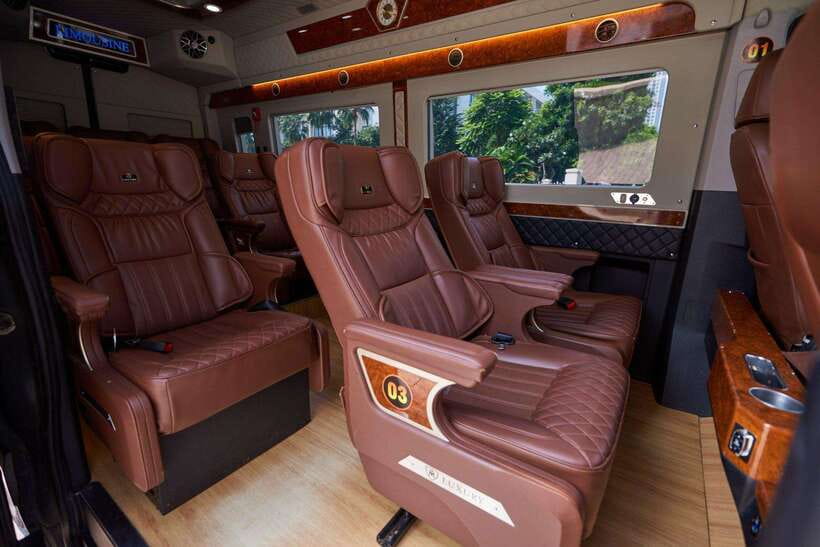
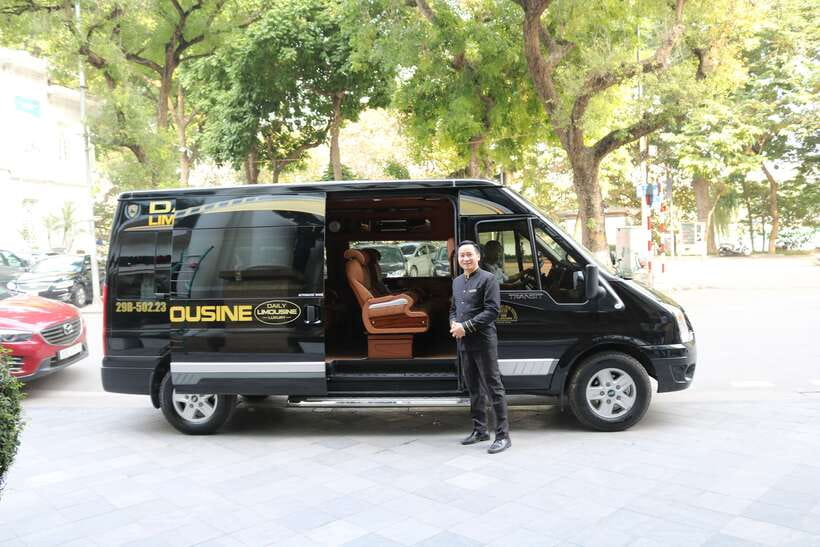
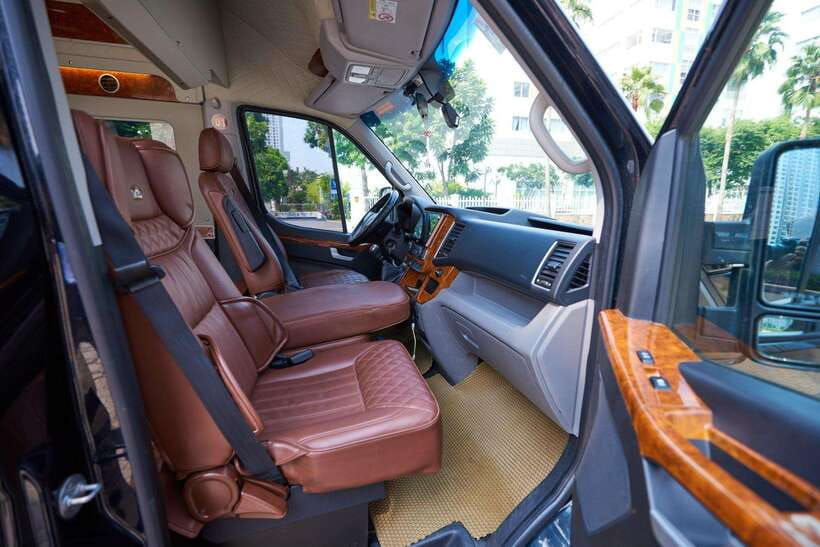
This is a daytime, door-to-town-center style trip, not the overnight train grind. You’re picked up in Hanoi’s Old Quarter area (or you meet the operator office at 31 Lo Su, Hoan Kiem, Hanoi if your address is hard for the bus to reach). Then you head toward Sapa with an air-conditioned limousine bus and typical comfort extras like water, and some rides include entertainment screens, depending on the vehicle.
The road itself is part of the payoff. Along the route you pass through the Lao Cai area first, with a break for breakfast, and then you continue up into the Sapa region where the road changes and the views open up. In practice, the drive is long. People describe it as around 5–6 hours, with two stop breaks. It’s not a quick hop, but it’s a smoother one, and the comfort matters because you’ll want energy for Day 1.
Also note a small practical detail: the driver from Hanoi has very limited English. That usually doesn’t affect the tour, since your English-speaking guide handles the plan, but it’s good to keep expectations realistic if you’re the type who likes chatting with the driver.
You can also read our reviews of more tours and experiences in Hanoi



Day 1 to Cat Cat: downhill waterfall trek in Black Hmong country
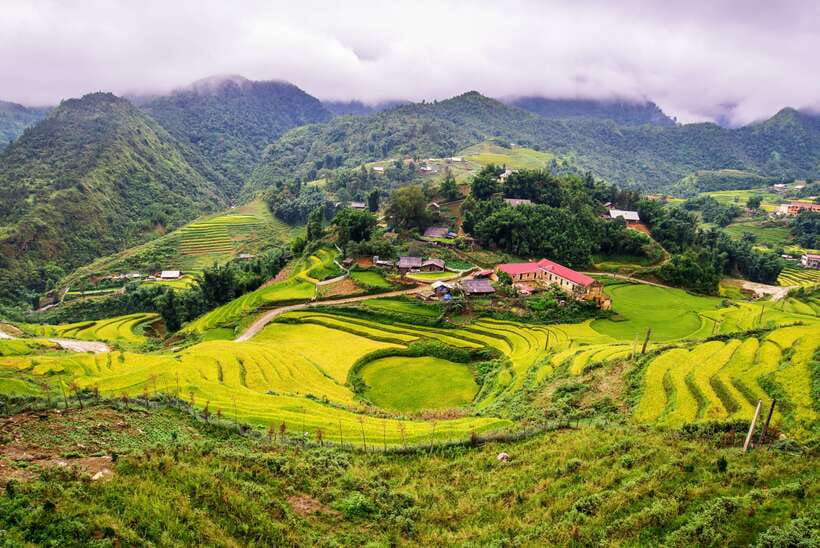
Day 1 starts with the Lao Cai stop and lunch, then you head into the Cat Cat village area. Cat Cat sits near the valley floor at the foot of Fansipan Peak, which makes the first trek feel like a gentle intro to what Sapa is: steep, green, and layered.
The walking here is roughly 3 km and takes about 2 hours. You’ll trek down toward the valley where you reach a waterfall. An interesting historic twist: the waterfall area connects to a French-era hydraulic power station, and you can often pause for photos before turning around. The way back includes the climb, so even though this is called the shorter trek, it’s not just a flat stroll.
What makes the Cat Cat stop worth it is not the photos alone. A local guide brings the village story into focus: daily rhythms, how people live in the valley, and what it means to belong to the Black Hmông community in this part of northern Vietnam. On tours like this, having a guide who can explain the why behind what you see is the difference between checking boxes and actually understanding the place.
Back in Sapa Town, you’re given evening free time. That’s smart. After a travel day plus a walk, you don’t need another organized push. You can browse, warm up with a hot drink, or just take in the town from where your hotel puts you.
Overnight base in Sapa: Charm hotel, Panorama views, and homestay options
Your overnight is either a 2, 3, 4, or 5-star hotel deluxe room (depending on the option you choose) or a Ta Van homestay in some configurations. In the real world, that means your comfort level can swing.
Several people praise Sapa hotels for location and meals, especially places like Panorama Hotel, where the food and viewpoints are often described as strong, with scenic dining. Others found issues: one account mentioned a run-down room with pests and an average breakfast, which is a reminder that “similar” can mean very different things depending on the specific property and room.
What you should do with this info: treat the hotel as part of the trip’s quality, not a minor detail. If you care about sleeping well and having a clean bathroom, choose the highest hotel tier you can comfortably pay for. If you want more cultural texture and don’t mind simpler conditions, a homestay option may be a better fit.
Timing also matters. Hotel check-in is 13:30 and check-out is 10:00. On Day 2, your luggage can usually be stored at reception while you trek, which helps you travel lighter without carrying everything up and down.
Day 2 Lao Chai to Ta Van: rice terraces, Muong Hoa streams, and the 9–12 km test
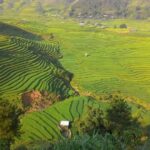
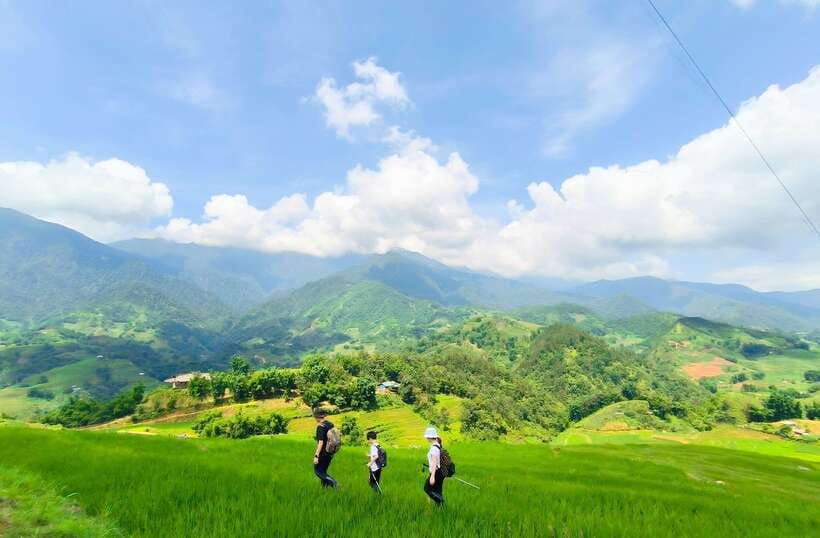
Day 2 is the long trek, and it’s where you earn the views. After breakfast, you prepare a light pack, leaving your main luggage at the hotel. Then you head into the walk from Lao Chai through rice terraces and along the Muong Hoa Streams toward Lao Chai village again, tied specifically to the Black Hmông community.
Then the route continues on to Ta Van village, home of the Dzay people. This is the part that feels more like a connected journey between villages and river valleys, instead of one single “attraction.” If Day 1 feels like getting oriented, Day 2 is where you understand how people live with the terrain.
The trek takes about 3.5 hours and covers roughly 9–12 km. The itinerary can change based on your ability, and that’s important because Sapa trails can drain you quickly, even when the pace is not extreme. One account describes Day 1 as involving going down and back up, while Day 2 is longer but includes more downhill feeling, with bus support to return you from the Ta Van Bridge area back toward Sapa.
A key caution from the tour notes: older hikers should recognize this day can be challenging, and the trek is longer than what many people expect from a “2-day Sapa” label. Also, heat can hit you even in the mountains, and the walking can get muddy after rain, so the right shoes and dry socks matter.
On the plus side, the people interaction can be the real highlight. Many accounts mention guides who are locals from the villages, and guides like Vang, Mi, Nhu, Emiel, Amie, Kathy, Dong, and Nhu (names vary by departure) help translate the meaning of what you’re seeing into something you can actually talk about later. That’s especially true when the guide gives context about daily life, not just directions.
Guides make or break it: how English, local ties, and village stories work
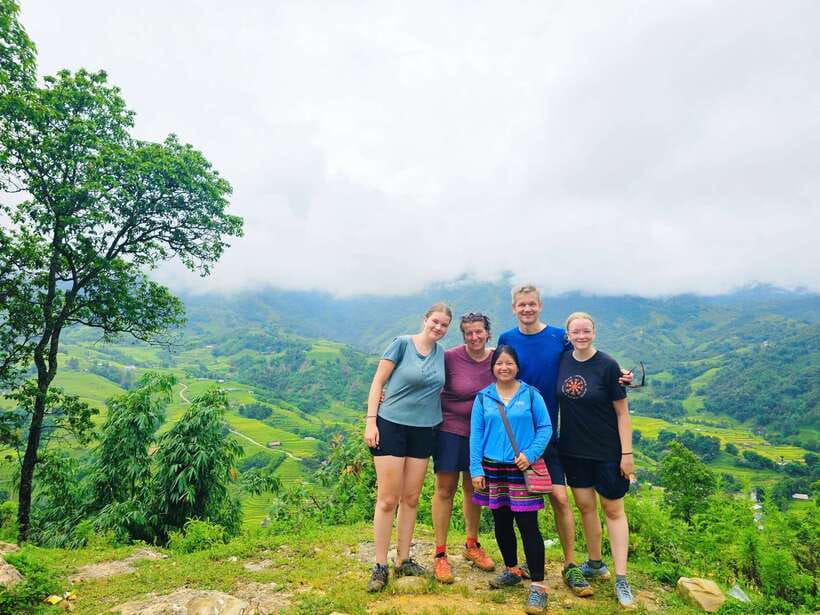
This tour includes a live English-speaking guide in Sapa, plus local insight on the ground. The guide’s role is bigger than “stay together and point.” A good guide helps you understand why the villages look the way they do and what the ethnic groups are like day-to-day, so your photos come with meaning.
You’ll likely meet a guide from the region, and some guides are from the village communities themselves. Some accounts mention the guide’s English was excellent, while others note that one guide’s English was limited. Either way, a strong guide tends to be clear with hand signals, timing, and explanations, and they’ll help you ask questions without embarrassment.
If you’re the type who likes details, you’ll probably enjoy this part. One account credits Chang with making the trip special and giving a lot of context on Sapa and the people living there. Another mentions Tai My providing positive insight through the villages. When you get that combination of friendly energy and local knowledge, the trekking feels like a guided walk with a story, not just exercise with a skyline.
You can also read our reviews of more hiking tours in Hanoi





What to pack: cold air, mud, and a second outfit
Sapa weather is changeable, and you’ll feel it even if you leave Hanoi in daylight warmth. The tour asks you to bring a rain gear, sun hat, sunglasses, comfortable shoes, and passport or ID card.
Here’s the practical packing advice I’d follow:
- Bring good grip shoes. Trails can be uneven, and mud happens.
- Pack a second set of clothes or at least extra socks. One guide-focused tip was specifically to plan for muddy walking and that post-trek clothes change is a relief.
- Wear layers. Even on a sunny day, the altitude and cool air can sneak up on you.
And since you’re moving from valley trails back to the town and then onto a long bus ride, you’ll want to be comfortable quickly at the end of the day. Dry clothes help you enjoy dinner and evening time instead of feeling cold and grimy.
Price and logistics: where the $189 value really comes from
At $189 per person, you’re paying for a bundle: roundtrip air-conditioned limousine transfers, a local guide in Sapa, 2 lunches and 1 breakfast, entry tickets to indicated sites, and an overnight stay (hotel or homestay depending on your selection).
Whether it’s a good value depends on two things: your tolerance for long travel days and your preference for structure. If you try to DIY this with public buses, you’ll spend time figuring out connections and you may lose the “everything is timed” benefit. Here, the tour gives you a clear backbone: get to Sapa, eat, walk, sleep, eat, walk, then ride back.
The meals are set menus. They include options like soup, a main dish (chicken with mushrooms, beef sizzling on an iron plate, or pork sweet and sour), vegetables, rice, and fruit. There are also vegan menu options, including tofu dishes and vegetarian versions of classic Vietnamese comfort plates.
Still, don’t ignore the small-but-real downside: a couple of people reported confusion at lunch involving meal vouchers and portions not matching the expected count. That doesn’t necessarily happen every time, but it’s why you should keep some flexibility in your expectations around meal delivery.
Logistics-wise, the guide handles the Sapa side, but you should expect:
- The driver from Hanoi speaks little English
- The bus may drop you at the partner office if your hotel is far from the Old Quarter area, then you’ll take a taxi
As for the return, the bus heads back around 14:00 and arrives in Hanoi about 21:00, with a break en route.
Who this tour suits best (and who should look elsewhere)
This is a strong pick if you want:
- A guided trekking experience that hits major village areas like Cat Cat, Lao Chai, and Ta Van
- The convenience of roundtrip limousine transfer rather than coordinating segments yourself
- A two-day rhythm that includes real walking but still includes hotel time to reset
You may want to think twice if:
- You have back problems or you’re dealing with health limitations that make long treks risky
- You use a wheelchair (not suitable per the tour info)
- You’re traveling with young kids under 6 (not recommended for trekking)
- You’re pregnant or you’re sensitive to altitude/cold conditions
One more practical mindset point: Sapa can feel colder than Hanoi, and at higher elevation your body may notice it. Even if the trek isn’t extreme, the mix of cool air, humidity, and altitude can wear you down. Build in slow pacing and drink water.
Should you book this 2-day luxury Sapa trek tour?

Book it if you want a guided, well-timed way to see the famous Sapa villages without turning your trip into logistics. The big wins are the comfortable transfer, the Cat Cat waterfall trek, and the Day 2 Lao Chai to Ta Van route that gives you the best chance to see how rice terraces and mountain valleys shape daily life. Guides like Chang and Tai My are repeatedly praised for bringing the area to life.
Hold off or choose a higher lodging tier if you’re picky about rooms. Hotel quality is the one part that can swing, and a couple of accounts mention issues like pests or mediocre food at certain properties. If you pick the hotel option carefully, this trip becomes a very solid way to experience the northern Vietnam mountain culture in two focused days.
If your main goal is gentle sightseeing with minimal walking, look for a shorter option instead. But if you’re ready for real village treks and you want the comfort of limousine transport, this is a good-value structure for the money.
FAQ
What’s included in the Hanoi to Sapa 2-day trek tour?
You get roundtrip transportation by air-conditioned limousine bus, a local Sapa guide, 2 lunches and 1 breakfast, entry tickets to the indicated sites, and an overnight stay in either a hotel (deluxe room depending on your tier) or a Ta Van homestay (based on the option you select).
Where is the pickup point in Hanoi?
If you’re staying in a hotel in the Old Quarter, pickup is included there. If your accommodation is difficult to reach, you’ll meet at the operator’s office at 31 Lo Su, Hoan Kiem, Hanoi.
How long and how challenging is the Day 2 trek?
Day 2 includes a longer trek of about 3.5 hours covering roughly 9–12 kilometers. The tour notes that this can be challenging, especially for elderly participants.
Do I need to bring trekking clothes for mud and rain?
Yes. The tour asks you to bring comfortable shoes and rain gear, and it’s smart to pack a second set of clothes (or at least extra socks) since the trek can get muddy.
What villages do you visit during the trek?
You’ll visit Cat Cat on Day 1, then trek through the area toward Lao Chai and onward to Ta Van on Day 2.
If I don’t want the long Day 2 trek, can I change the route?
The tour leader can help you visit another location instead of the long Lao Chai–Ta Van trek, but you would be responsible for any extra ticket and transportation costs.