REVIEW · HO CHI MINH CITY
Ho Chi Minh City: Street Food and Sightseeing by Motorbike
Book on GetYourGuide →Operated by CONNECT CULTURE CO.,LTD · Bookable on GetYourGuide
Saigon is made for motorbikes. This street-food and sightseeing ride in Ho Chi Minh City mixes local-life apartment visits with Chinatown stops and real alley eats, guided by people like Vincent and Seng. Motorbike energy and street food planning work together, not against each other.
I love the blend of District 3 apartment life and the practical street navigation. You also get English-speaking guides who keep the pace moving, point out what you are tasting, and explain the religious and cultural sights you pass, including a Chinese temple.
The main drawback is simple: this is active riding in traffic. If you do not feel comfortable on a motorbike for a couple of hours, you may find it stressful even with helmets and ponchos.
In This Review
- Key highlights at a glance
- Why motorbike street food works better than a checklist
- Scooter gear and pickup: starting the ride with less stress
- District 3 old-apartment visit: daily life beyond the postcards
- District 5 Chinatown markets: motorbike, lantern, and medicine stops
- Floating market in old Saigon: food while you watch trade
- Flower market plus city-center alley time: learning from the ride
- Night option through the Old Mafia Area: when the food stays open
- What you’ll eat: noodle soup, pancakes, and coffee pacing
- Price and value: $16 per person with real transportation
- Should you book this Ho Chi Minh City motorbike street-food tour?
- FAQ
- How much does the tour cost?
- How long is the experience?
- Is hotel pickup included?
- What is the meeting point if I do not get pickup?
- What is included in the price?
- What should I bring?
- What is not allowed during the tour?
- Is this tour suitable for everyone?
- Can I upgrade to a car or a private option?
Key highlights at a glance
- District 3 old-apartment look-in: See how people live in the city’s older neighborhood, not just the photo spots.
- Chinese Chinatown markets in District 5: Motorbike market, Chinese lantern market, and Chinese medicine market in one loop.
- Chinese temple stop: Learn how different Chinese religions show up in a local place of worship.
- Floating market in old Saigon: Food and atmosphere tied to how the city trades and moves.
- Night option different from day: More Vietnamese food in local restaurants plus a drive through the Saigon Old Mafia Area.
- All food and drinks included: You do not have to calculate what each stop costs mid-ride.
Why motorbike street food works better than a checklist
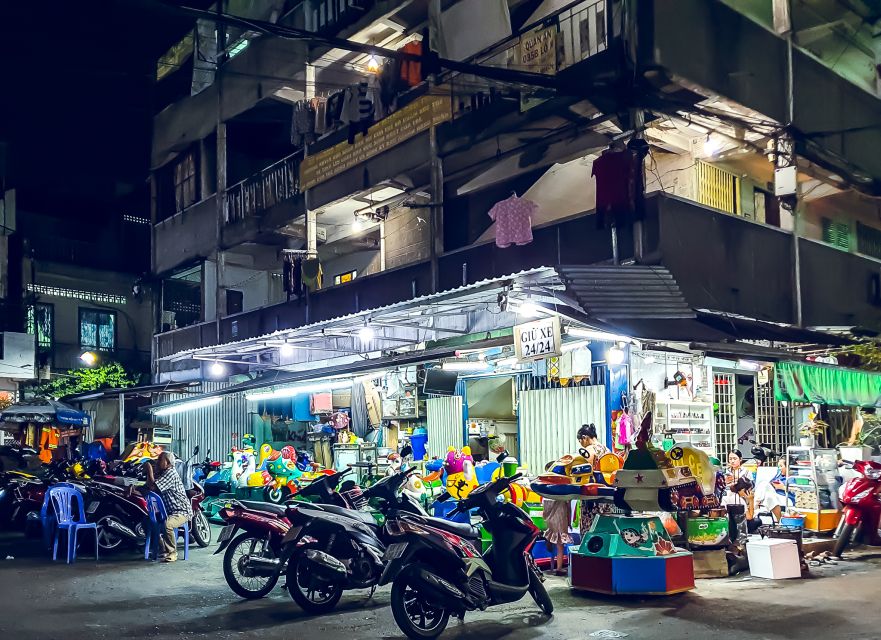
A walking food tour can show you a neighborhood. A motorbike tour shows you how Ho Chi Minh City actually functions. When you are carried through the small lanes of the city center, you start to notice patterns fast: where people buy lunch, where scooters cluster, and how streets shift from residential to commercial block by block.
What makes this tour feel different is the mix of sights and eating. You do not just hop from one snack to the next. You ride to places that explain the food culture behind the flavors. That includes an apartment in District 3, then later a full Chinatown section in District 5 with markets and a Chinese temple moment.
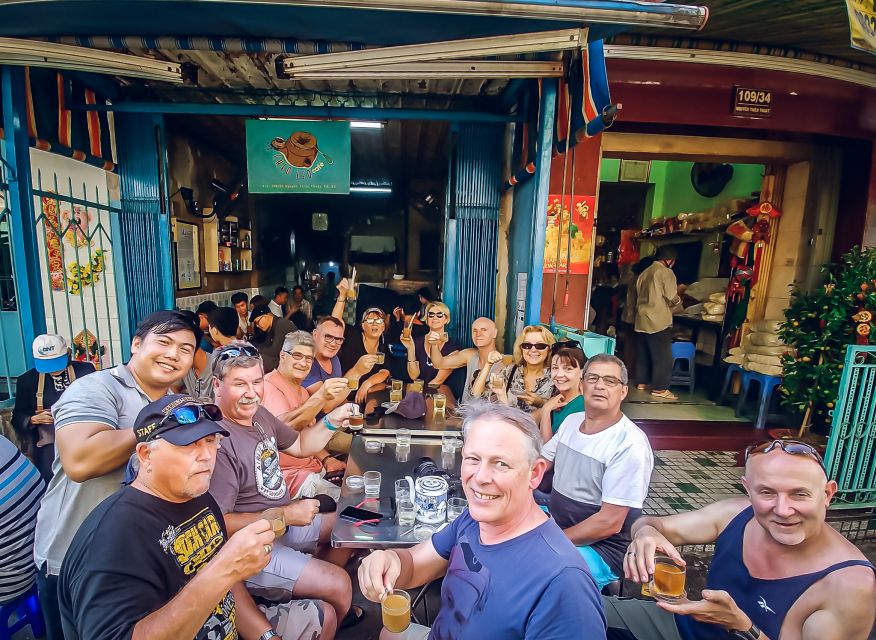
I also like that the experience is built around eating with the guide present. You get choices like beef noodle soup and Vietnamese pancakes as part of the tasting plan, plus Vietnamese coffee stops that show up in similar menus. It turns the food from random street sampling into a guided course in local taste.
You can also read our reviews of more tours and experiences in Ho Chi Minh City.



Scooter gear and pickup: starting the ride with less stress
The tour is designed to be easy to join. Pickup and drop-off are included for hotels in Districts 1, 3, and 4. If your hotel is outside those areas, there is a $5 USD per person surcharge charged by the operator on the day. If you are not close to pickup, you can also meet at 212 Lê Lai, Phường Phạm Ngũ Lão, Quận 1.
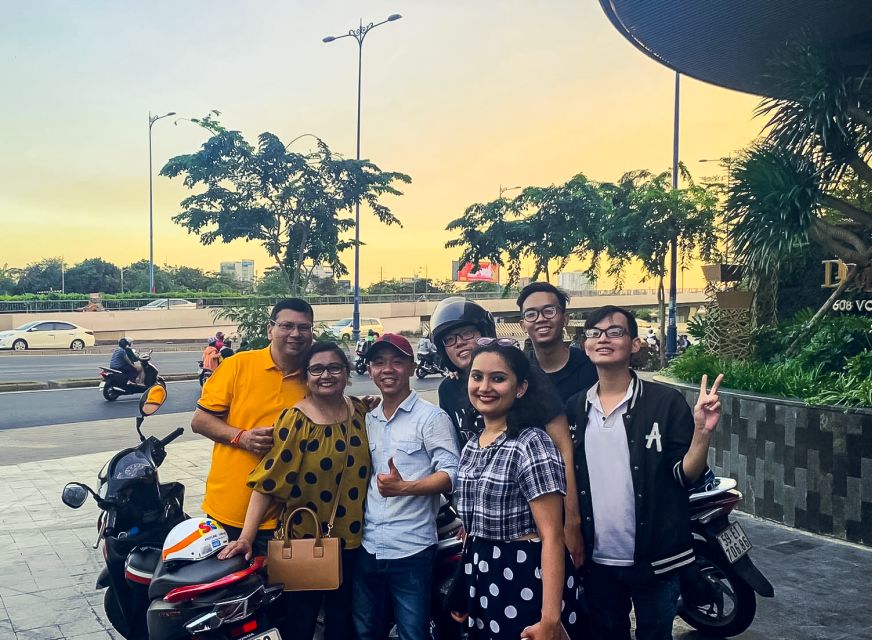
Once you meet your guide, the basics are handled: motorbikes, helmets, and ponchos are provided. That matters in Ho Chi Minh City because weather and road spray can change quickly. You also know you are not trying to solve logistics while hungry, which is when most tours feel chaotic.
For timing, plan for a ride that runs about 2 hours up to 210 minutes, depending on the option. The pace is active by design, since you are visiting multiple districts and multiple food stops. You will want comfortable clothes and comfortable shoes, and bringing cash is smart for any personal extras.
District 3 old-apartment visit: daily life beyond the postcards
One of the most memorable parts of this tour is the stop inside an old apartment in District 3. This is not a quick view from the sidewalk. You go into a real living space in what the tour frames as the city’s oldest area, which instantly changes how you understand the rest of the day.
Why it works: street food is shaped by ordinary routines. When you see daily life first, the later markets and temple areas feel less like sightseeing props and more like the same community, just at different scales. You start to connect the dots: where food sellers might come from, how family life fits next to commerce, and how narrow streets hold a lot of living.
A possible consideration: this is a practical, lived-in setting. Come with a respectful mindset and expect that you may need to follow your guide’s pace and photo guidance. If you want a purely scenic ride with zero inside visits, this part may feel more intense than you expect—but it is also the part that gives the tour its local backbone.
District 5 Chinatown markets: motorbike, lantern, and medicine stops
District 5 Chinatown is the anchor of the cultural side of the tour. Depending on your departure time (morning/afternoon options focus here, while the night food option shifts differently), you will explore one of the biggest Chinatown areas and get a sense of how specialized trade works.
The tour highlights several market types:
- Motorbike market: where scooters and related gear are sold
- Chinese lantern market: lighting and festival-style items
- Chinese medicine market: products tied to traditional practices
Between market streets, there is also a temple stop. The guide helps you understand the religious culture of the Chinese in a local temple setting. It is not a lecture from far away. It is timed as a pause in the ride, so you can reset before moving back into the busy shopping and eating flow.
What I like about this portion is that you learn vocabulary for the place. After you have seen these market categories, you stop treating Chinatown as one lump of streets. You start understanding it as a system with different specialties.
Floating market in old Saigon: food while you watch trade
After Chinatown, the itinerary shifts toward old Saigon and a floating market stop. Even without turning it into a long boat ride, this kind of location connects food to movement. You are seeing a market style tied to commerce and daily supply, which makes the food stops feel more grounded.
This is also where the tour’s structure helps. You are not only chasing snacks. You are getting repeated “context stops” that explain what the city trades in and why people gather in certain places. That makes the tasting phase more satisfying because you understand what you are looking at.
A practical tip: keep your camera ready, but do not let it slow you down. The flow of the ride matters. If you stop too long, you risk falling behind the group tempo, and the tour is built around visiting places in a sequence.




Flower market plus city-center alley time: learning from the ride
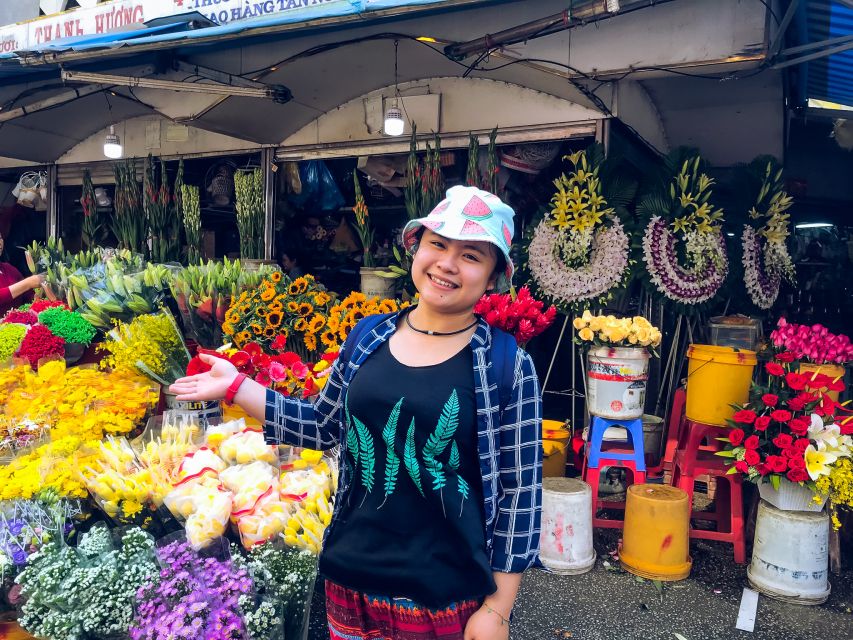
There is a flower market stop that adds a sensory break from food and shopping streets. The point is not just pretty flowers. It is a window into everyday buying. People show up for big events, family moments, and daily life purchases, and flower stalls are one of the clearest visual signals of that rhythm.
Then you get more time riding through small alleys of the city center. This is where the motorbike format becomes a feature. Narrow lanes give you a more human scale than major roads. You see storefront life, side-street activity, and the way pedestrians and scooters share space.
From the guide side, this is also where English explanations are most useful. A good guide helps you read what you are seeing without making it feel like a classroom. Many guides on this route also mix in talk about the city’s old and modern changes, which helps you place what you are eating inside a bigger story—even if you are mostly there for food.
Night option through the Old Mafia Area: when the food stays open
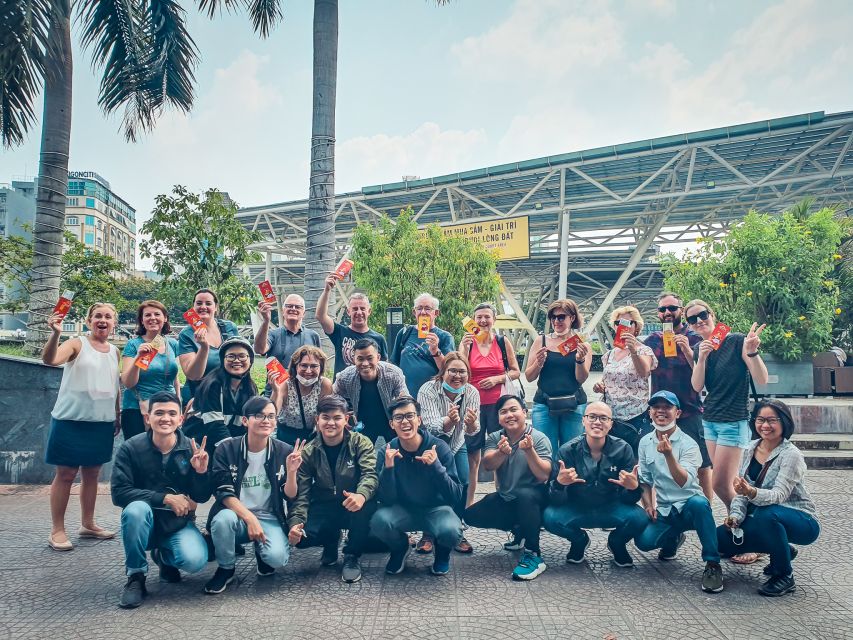
If you choose the night food tour, the strategy changes. Instead of heading back to Chinatown after the day crowds finish up, your guide takes you to more Vietnamese food in busy local restaurants.
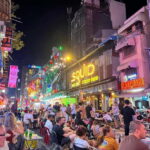
The itinerary also includes a drive through the Saigon Old Mafia Area, described as a food paradise nowadays. Even if you do not obsess over the label, the practical value is what you get: more eating time in active places that feel current, not just historical.
Why this matters for value: at night, you want flexibility and choices. Many street-food tours lose steam after the first couple of stops. This one plans around that by shifting to restaurants when the streets quiet down. You still get Vietnamese flavors, and you get more time to taste without feeling like the night is ending too fast.
One more practical note: the tour does not include personal expenses. If you want extra drinks beyond what is provided, have a plan to pay on your own.
What you’ll eat: noodle soup, pancakes, and coffee pacing
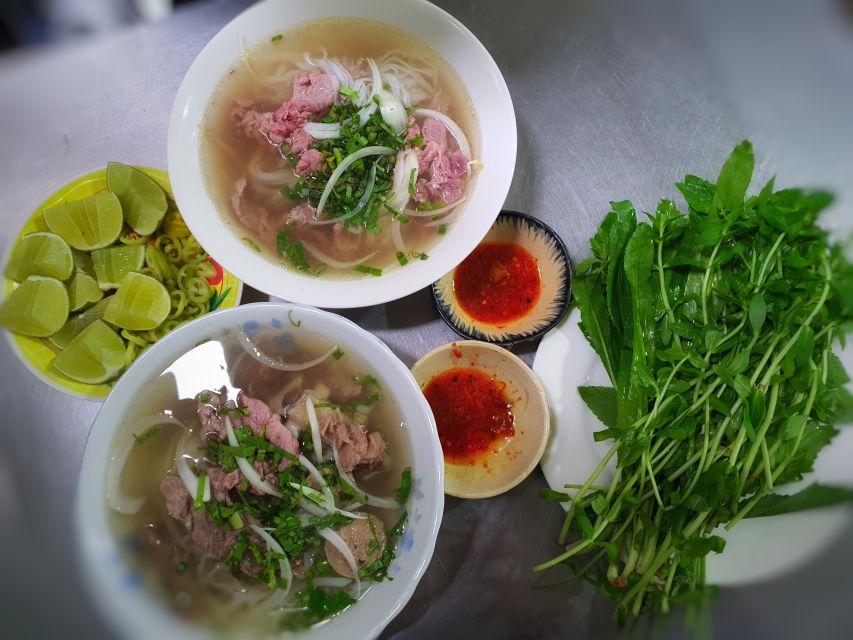
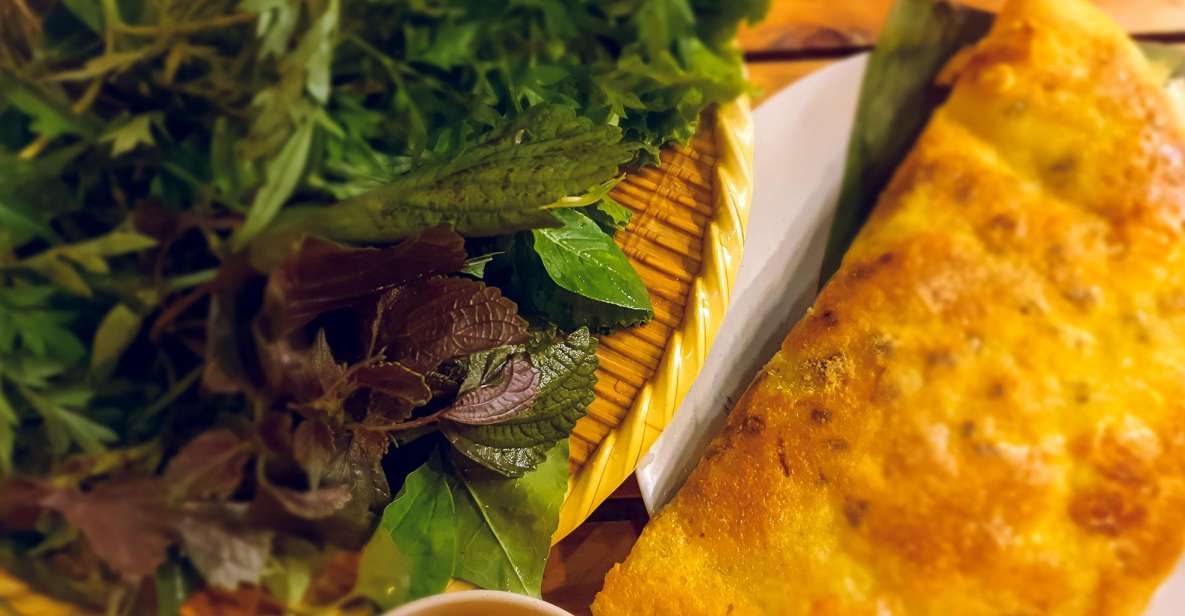
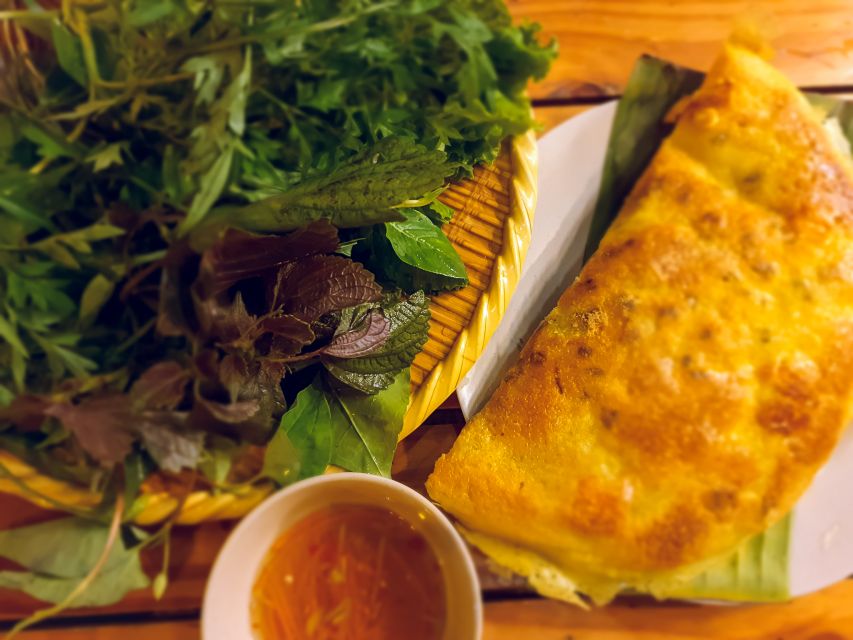
This is a street-food tour, so the eating is the center of gravity. The tasting plan includes classics like beef noodle soup and Vietnamese pancakes. Those are good choices because they represent core comfort-food styles: savory broth noodles and crispy batter-based street snacks.
You also get all food and drinks on the tour, which is a big deal for budgeting. At $16 per person, the price feels more like paying for the guided route and transportation with food bundled in, rather than paying per bite. It is one of those deals that only really makes sense once you compare it to buying multiple meals plus a guide separately.
From guide-led menus, you may also encounter Vietnamese coffee variations. In similar runs of this tour, people have mentioned traditional coffee and even egg coffee, plus other street items like pork sausage and clams. You should not expect the exact same menu every time, but the pattern stays: your guide brings you to places where the food is a local daily order, not a tourist-only setup.
My advice: pace yourself. Start with the noodle or pancake you are most curious about, but leave room for the last couple of tastings. Street food can stack up quickly when it is all included.
Price and value: $16 per person with real transportation
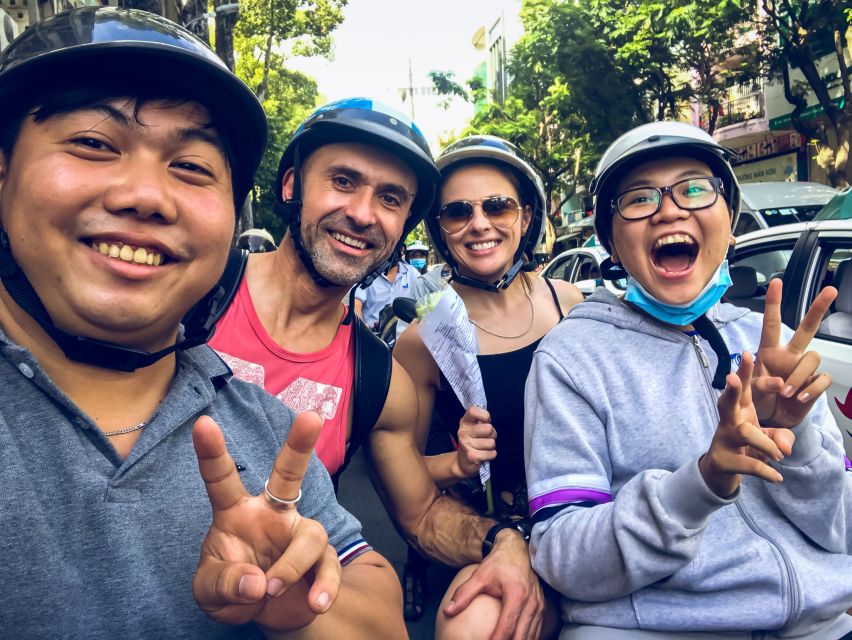
At $16 per person, this tour is priced like a budget experience, but it includes the expensive parts: pickup, English-speaking guides, motorbikes, helmets, ponchos, and all food and drinks. Those add up fast if you try to recreate the day on your own.
The value also comes from transportation style. You are not walking for hours and doubling back. You are covering multiple districts and market areas in the time window, including District 3 and District 5, and then switching into old Saigon (and sometimes night dining patterns).
A couple things to watch:
- Private tour surcharge: there is a $5 USD per person surcharge for the private tour option.
- Optional upgrades: there is an extra $10 USD per person if you want a Female Aodai Rider upgrade on normal tours.
- Car/van support: you can request a car (50 USD for a 7-seat) or van (70 USD for a 16-seat), and it must be booked before 24 hours.
If you are traveling with someone who dislikes motorbikes, the car/van option might be the best compromise while still keeping the tasting-focused route.
Should you book this Ho Chi Minh City motorbike street-food tour?
Book it if you want a hands-on way to learn Ho Chi Minh City beyond the main sights. This one gives you real local-life context (the District 3 apartment), plus Chinatown’s shopping categories and temple culture, then ties it all together with street-food eating and Vietnamese coffee.
Skip it if you hate traffic stress or you cannot handle motorbike riding. It is not suitable for pregnant women, wheelchair users, or people over 70. And even if you are comfortable, the pace is active and the day depends on you being ready for short moves between stops.
If you are okay with that trade-off, you are getting strong value: food included, English guide support, and a route that makes the city feel like a place people actually live in, shop in, and eat from every day.
FAQ
How much does the tour cost?
The tour price is listed as $16 per person.
How long is the experience?
The duration is listed as 2 hours up to 210 minutes, depending on starting time and option.
Is hotel pickup included?
Pickup is included for hotels in Districts 1, 3, and 4. If you are outside those areas, the operator charges a $5 USD per person surcharge on the day.
What is the meeting point if I do not get pickup?
One meeting point listed is 212 Lê Lai, Phường Phạm Ngũ Lão, Quận 1, Hồ Chí Minh.
What is included in the price?
Included items are English-speaking guides, motorbikes, helmets, ponchos, all food and drinks on the tour, pickup and drop-off (as noted), and photos.
What should I bring?
Bring comfortable shoes, a camera, comfortable clothes, and cash.
What is not allowed during the tour?
Alcohol and drugs are not allowed.
Is this tour suitable for everyone?
It is not suitable for pregnant women, wheelchair users, and people over 70.
Can I upgrade to a car or a private option?
Yes. Private tour option has a $5 USD surcharge per person. There is also an option to upgrade for a Female Aodai Rider with 10 USD extra per person, and a car or van option with surcharges of 50 USD (7-seat) or 70 USD (16-seat), which should be booked before 24 hours.