REVIEW · HO CHI MINH CITY
Cu Chi Tunnels and Mekong Delta Full Day Tour
Book on GetYourGuide →Operated by GUU TRAVEL · Bookable on GetYourGuide
Two worlds, one unforgettable day. This full-day tour pairs the Cu Chi Tunnels with a laid-back Mekong Delta day after lunch, so you shift from war survival to everyday southern Vietnam in one go. I like how the day is built around hands-on learning, including a quick documentary and then getting right into the tunnel experience.
I also really like the Mekong portion: you get classic hand-rowing sapan time on calm canals, plus the living culture of Don ca tai tu folk music. It’s not just scenery—you taste what locals eat, you snack on what people used to rely on, and you get a slow rhythm that feels a world away from the city.
One consideration: the tunnels are tight and the schedule is packed, plus the optional shooting range has extra costs. If you hate small, dark spaces or you want lots of free time to wander on your own, plan accordingly.
In This Review
- Key Things I’d Pay Attention To
- Cu Chi Tunnels: What the Underground World Really Was For
- Crawling the Tunnels (and Why It Feels Different Than Photos)
- A War-Time Snack That Makes the Day Feel Connected
- Mekong Delta by Tien River: Past Rice Fields, Then Into River Life
- Kirin Islet Activities: Candy, Fruit, and Don ca tai tu
- From Tuktuk to Sapan: A 19th-Century Feel on the Water
- Lunch at the Riverside Restaurant: A Midday Win for Groups
- Transport, Group Size, and the $50 Value Question
- What to Expect From the Guide (and How It Changes Your Day)
- Who This Tour Suits Best (and Who Might Prefer Another Plan)
- Should You Book This Cu Chi Tunnels and Mekong Delta Full Day Tour?
- FAQ
- How much does the tour cost?
- How long is the tour?
- Where do I get picked up for free?
- Is pick-up offered outside those districts?
- Is lunch included?
- What food and snacks are included besides lunch?
- Can I shoot AK47 or MK16 rifles?
- Are entrance fees included?
- Do I get skip-the-ticket-line access?
- What’s the cancellation policy?
Key Things I’d Pay Attention To
- Hand-built tunnel crawling: you crawl through narrow underground passages made by hand, not just watch from above.
- Guided war-era details: you learn about traps, rooms, and how the tunnel system supported daily life.
- Optional AK47/MK16 shooting: you can try it in a supervised area, but expect extra fees for bullets.
- Tien River cruise plus Kirin islet: you see the river life and then focus activities at Kirin islet.
- Cultural stops that don’t feel staged: Don ca tai tu folk music plus local fruit and candy tastings.
Cu Chi Tunnels: What the Underground World Really Was For
Cu Chi is one of those places where the facts hit harder because you’re walking through the space itself. The tour sends you out of Ho Chi Minh to an underground network that’s described as over 250 km long, and your visit covers more than the tunnel entrance shots you see online. This system wasn’t just a hideout. It was built to support living—storage, kitchens, healthcare rooms, meeting spaces, and command areas are all part of the story you’re guided through.
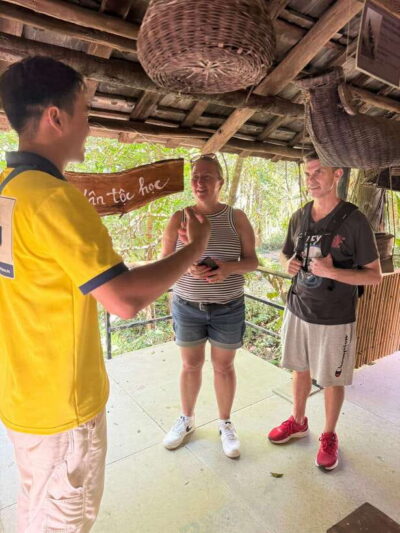
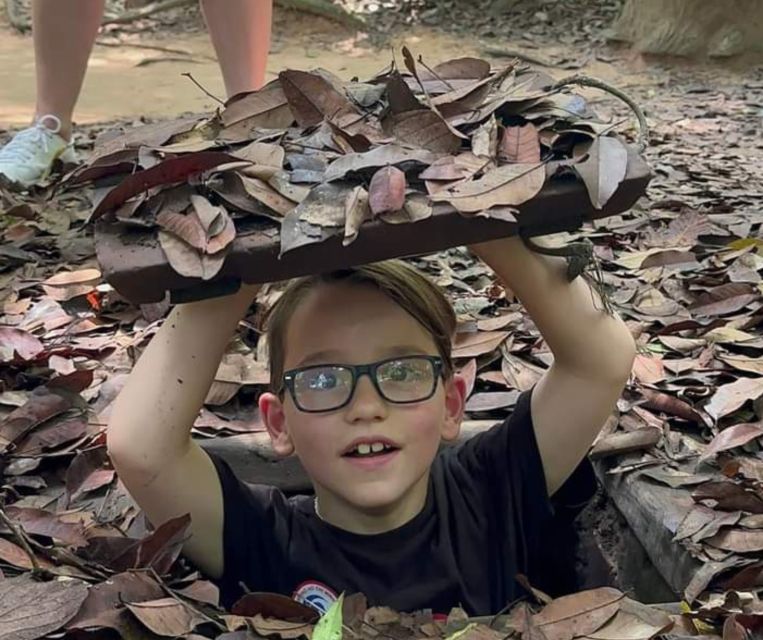
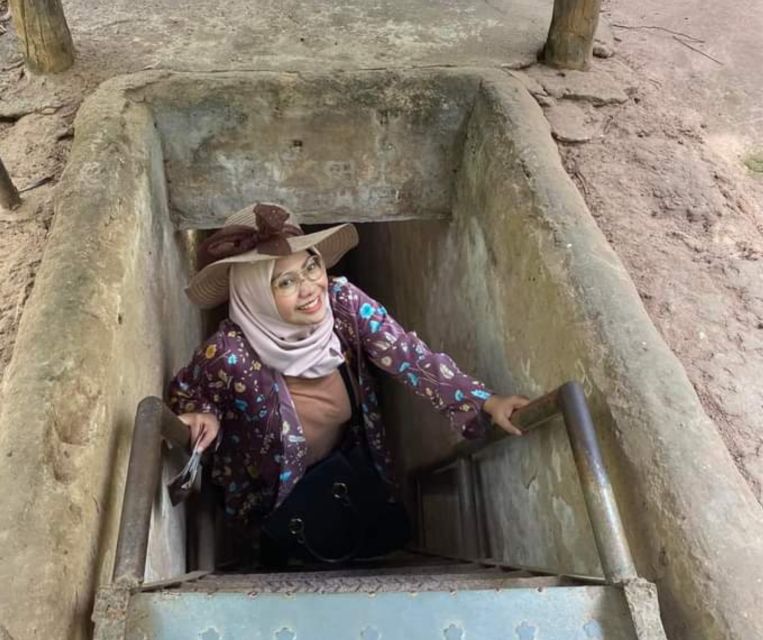
Before you get underground, you’ll watch a short documentary about Cu Chi with multiple foreign-language options. I like this set-up because it gives you a storyline fast: where people were, how they moved, and why the tunnels mattered. Then you move to a covered section where you see the secret refuge and how the tunnel entrances and connections worked as a system rather than random holes in the ground.
You can also read our reviews of more tours and experiences in Ho Chi Minh City

Crawling the Tunnels (and Why It Feels Different Than Photos)
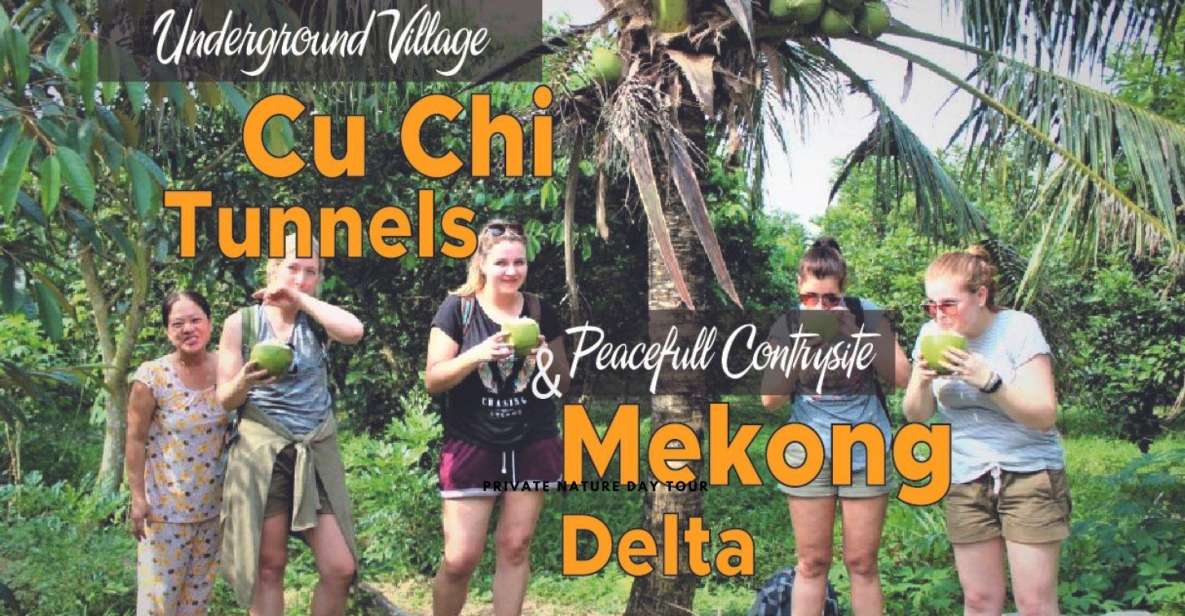
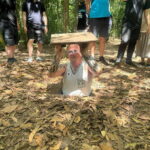
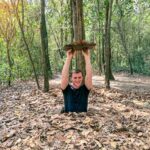
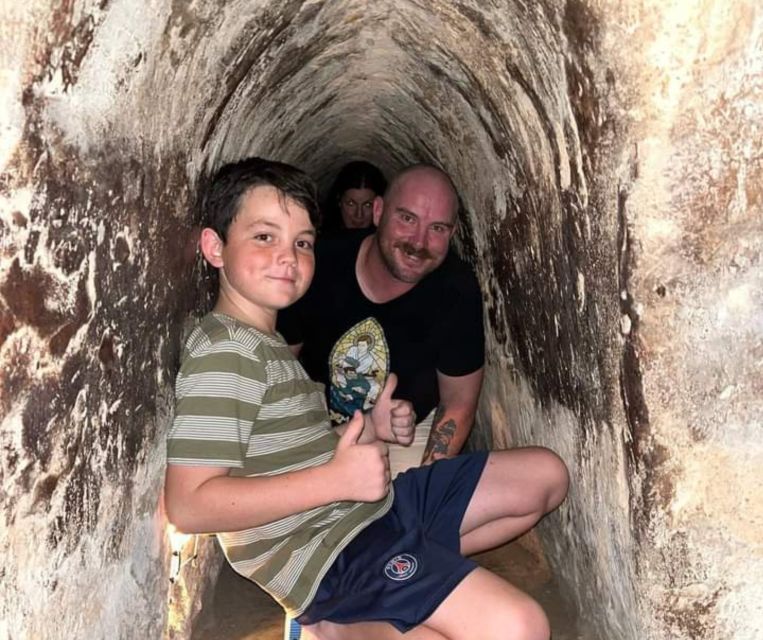
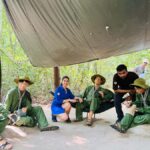
The big moment here is getting to crawl through the tunnels that were made by hand. You’re not standing in a museum corridor. You’re moving through cramped space, and that physical feeling is the point. The tour also covers things like weapon information and damaged self-constructed traps, which helps explain how survival depended on preparation and clever engineering.
If you go, go mentally ready for tightness. You don’t need to be claustrophobic to feel uncomfortable in places where you have to lower your posture and move slowly. I’d also bring your mindset of respect: this isn’t entertainment. It’s a way to understand what people endured and built during wartime.
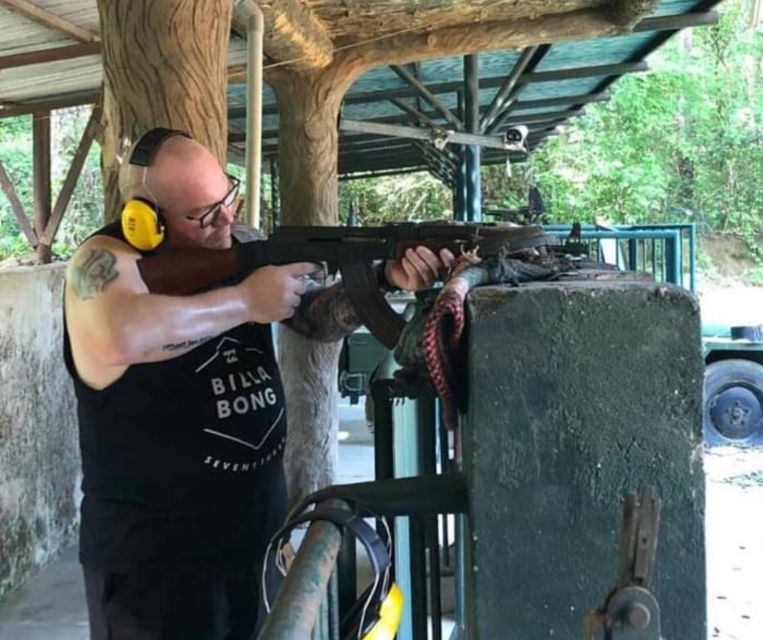
There’s an optional war-era shooting experience in a supervised area. If you choose it, you’ll be able to try shooting with AK47 or MK16 rifles. Just know the shooting range is an add-on, and bullet fees are listed separately (about $2 per piece).
A War-Time Snack That Makes the Day Feel Connected
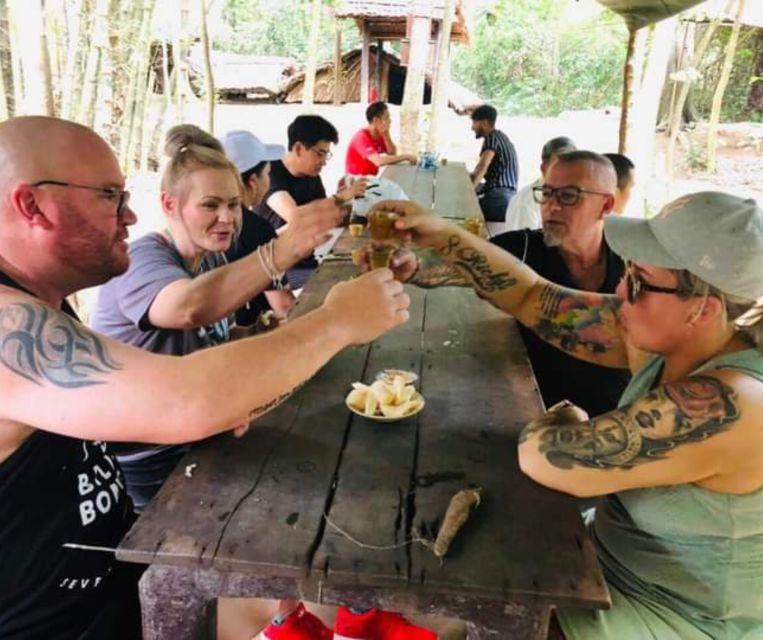
One small detail that actually helps the tour make sense is the light snack at Cu Chi. You’ll be offered boiled tapioca with hot pandan tea. It’s simple food, but it fits the theme of wartime practicality—food that was used because it worked, not because it was fancy.
This snack timing also matters for energy. You’re going to spend a chunk of the morning underground, and then you’ll shift gears toward the Mekong Delta after lunch. That combination can be tiring, so having a snack built into the tour plan keeps you from needing to hunt for food right when you’re most likely to be hungry.
Mekong Delta by Tien River: Past Rice Fields, Then Into River Life
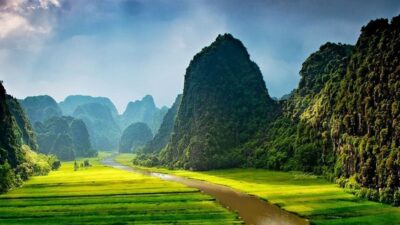
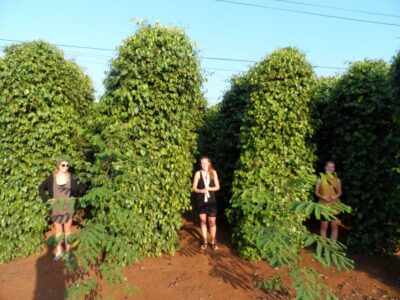
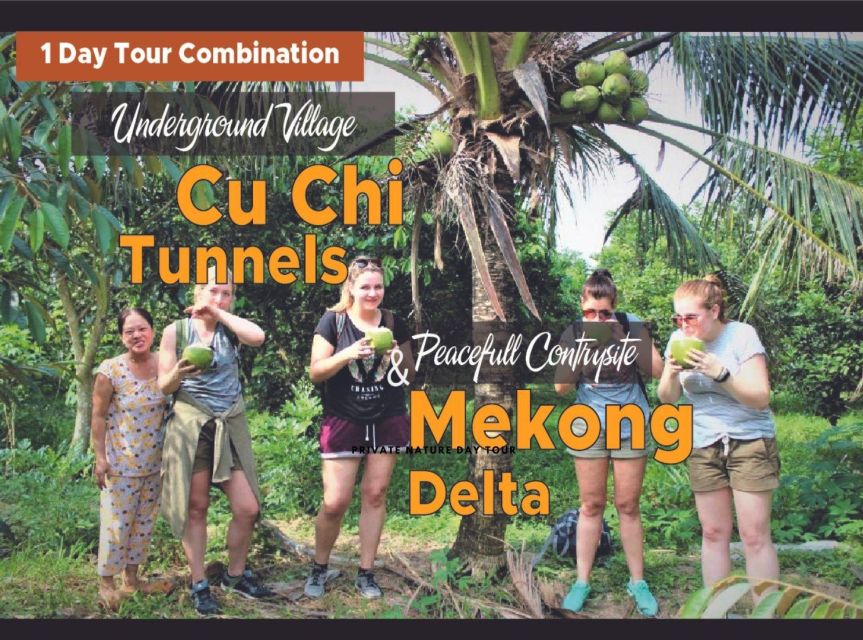
After Cu Chi, the day turns greener. The Mekong Delta portion is built around agriculture and waterways: you’ll see rice fields, ducks and buffalo along the road, and nipa palm canals with coconut and orchard gardens. It’s a different kind of Vietnam—less about loud landmarks and more about how people live with water and plants.
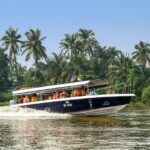
A key highlight is the cruise on the Tien River. You’ll see fisherman’s ports and also four islets represented by four mythical animals in Southeast Asia: Dragon, Kirin, Tortoise, and Phoenix. Then the main activities happen on Kirin islet, which gives the tour a natural focal point instead of feeling like a long boat ride with stops you don’t connect to.
I like that this part is guided but not rushed. You get the river view, the cultural framing of the islets, and then you transition into land activities like fruit tasting and the folk music performance.
Kirin Islet Activities: Candy, Fruit, and Don ca tai tu
On Kirin islet, you’ll walk through orchard gardens and then taste fresh seasonal tropical fruits. This is one of those stops where your senses do the work: warm air, natural sweetness, and the feeling that you’re tasting what grows right there. If you’ve been eating on the go in Ho Chi Minh, you’ll likely appreciate how refreshing this feels.
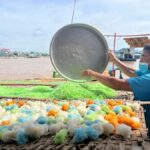
There’s also a local-made candy tasting. It’s a quick cultural bridge—small, edible, and tied to everyday southern life rather than tourist souvenirs. And then comes the culture moment: Don ca tai tu, the Southern folk music style recognized by UNESCO as an Intangible Cultural Heritage of Humanity.
I like including Don ca tai tu because it’s not just a performance for show. It’s described as an indispensable spiritual cultural activity in local life. Even if you don’t know the melodies beforehand, the guide’s context helps you listen for the meaning, not just the sound.


From Tuktuk to Sapan: A 19th-Century Feel on the Water
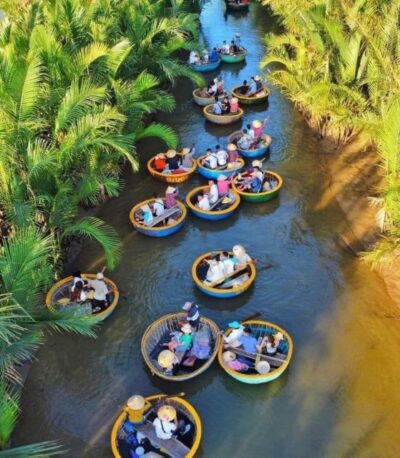
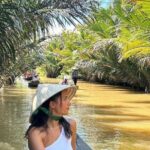
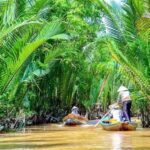
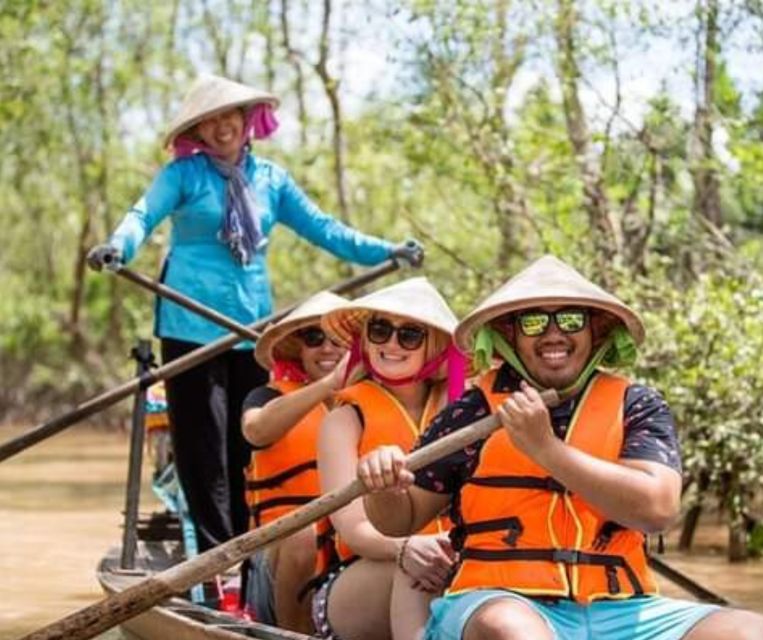
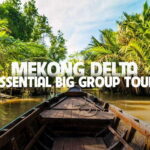
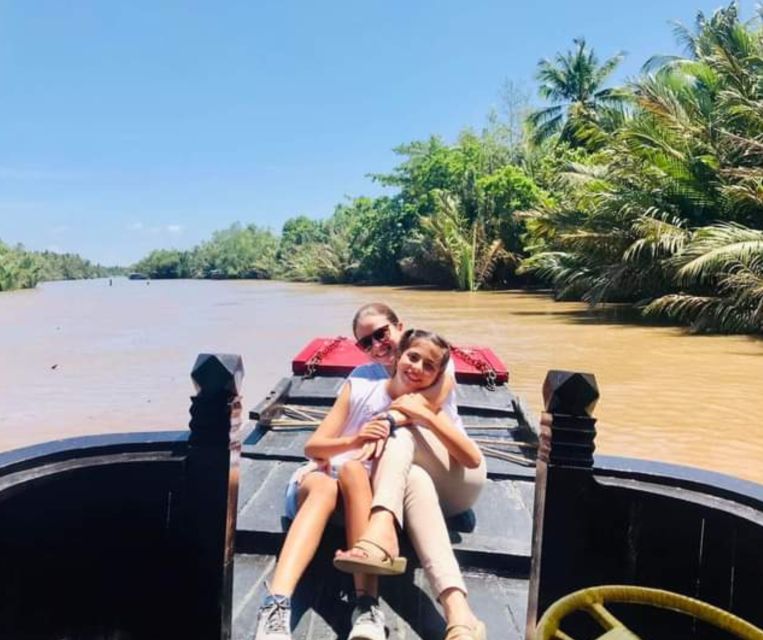
One of the most relaxing parts of the Mekong day is the hand-rowing sapan. The tour includes a tuktuk ride and then a calm passage on this traditional, hand-rowed boat. The whole point is to recall the way local people traveled and worked in the 19th century.
This is a great reset after the morning’s more intense theme. The sapan time also makes the scenery feel slower: you’re not just looking at canals. You’re floating through them at human speed. If you like photos, this is where you’ll get calm shots without the “busy street” pressure.
You’ll also take a short walk through a quiet village area. That portion is brief, but it adds texture—small paths, a local pace, and a sense of place before you reach the riverside restaurant for lunch.
Lunch at the Riverside Restaurant: A Midday Win for Groups
Lunch is at a riverside restaurant, and it’s included in the tour. The meal is listed as Mekong specialties such as deep-fried giant gourami, spring rolls, and a giant fried sticky rice ball. For many people, this is where the tour pays off: you’re not just getting transport and attractions—you’re getting a proper regional lunch.
You’ll also be drinking bottled water, which is a simple but welcome inclusion on a full-day schedule in southern heat. I’d treat lunch as a moment to refuel, because after Mekong activities, you’ll likely want your energy back before the ride back to the city.
Transport, Group Size, and the $50 Value Question
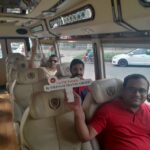
This tour runs with an AC 16-seat car but keeps groups to a maximum of 10 persons. That’s a meaningful comfort detail. Fewer people means you’re not squeezed, and it helps the guide keep control of timing when you’re moving between Cu Chi and the Mekong Delta.
On price, $50 per person can feel like a lot until you look at what’s bundled: pick-up and drop-off (in Districts 1, 3, and 4), a professional English-speaking guide, entrance fees, lunch, bottled water, the Cu Chi snack (tapioca and pandan tea), tropical fruits, and skip-the-ticket-line access.
You should also be aware of where costs can rise:
- Pickup outside District 1/3/4 has a surcharge (listed as $8 for others, per group for 2 ways).
- Shooting range costs are extra, including bullet fees (about $2 per piece).
- Any meals beyond what’s included aren’t listed.
Still, for a full-day two-region combo tour, it’s a solid deal because it reduces the “planning tax” of coordinating transport and entry fees yourself.
What to Expect From the Guide (and How It Changes Your Day)
The guide is included and described as professional and English-speaking. The vibe you’re aiming for with a day like this is smooth transitions: getting you through documentary and tunnel explanations without confusion, then switching gears to river stories and island activities.
The tour’s design also suggests it’s meant to run cleanly. Prior feedback for the provider highlights planning without problems and an excellent guide experience. In practice, that usually means you spend more time where you want to be and less time waiting around for the group.
No guide name is provided in the details, but you can still judge the quality on arrival: ask simple questions early, like what time the shooting option is available (if you’re considering it) and whether you should arrive with closed-toe shoes for the tunnels.
Who This Tour Suits Best (and Who Might Prefer Another Plan)
This tour fits best if you want a full day that covers two major Ho Chi Minh region experiences without having to coordinate everything yourself. It’s especially good if you like:
- Hands-on history (tunnel crawling and war-era features)
- Regional food experiences like deep-fried giant gourami
- A Mekong day that includes real culture moments, not only boat time
- Small-group comfort with air-conditioning
It might be less ideal if you:
- Strongly dislike confined spaces (Cu Chi tunnels are narrow)
- Want a slow, open-ended day with lots of free time
- Don’t want any extra costs beyond the base price (shooting range bullets can add up)
If you’re traveling with mixed preferences—history fans plus food/culture lovers—this is one of the easier compromises.
Should You Book This Cu Chi Tunnels and Mekong Delta Full Day Tour?
I’d book it if you want value and variety in one day: tunnels plus Mekong river culture, with lunch and snacks included, and a small-group setup. The $50 price makes sense because you’re paying for transport, guides, entrances, and multiple food stops—not just sitting on a bus.
Book it now if:
- You’re short on time in Ho Chi Minh
- You like guided context and structured stops
- You’re comfortable with tunnels being tight and physical
- You’re curious about Don ca tai tu and a hand-rowed sapan experience
Think twice if you’re looking for a relaxed, all-your-own schedule. This day is intentionally packed, and the tunnel part doesn’t let you forget what you’re doing.
If you’re on the fence, a good approach is to decide your priority in advance: either you want the Cu Chi experience as the main event, or you want the Mekong as the main event. Either way, this tour has enough built-in variety to satisfy both.
FAQ
How much does the tour cost?
It’s listed at $50 per person.
How long is the tour?
The duration is 1 day.
Where do I get picked up for free?
Free pick-up and drop-off is available in Ho Chi Minh City hotels in District 1, District 3, and District 4.
Is pick-up offered outside those districts?
Yes, but there’s a surcharge of $8 for others (for the group, two-way).
Is lunch included?
Yes. Lunch is included at the Riverside restaurant, along with bottled water.
What food and snacks are included besides lunch?
You’ll have a light snack at Cu Chi (boiled tapioca with hot pandan tea) and tropical fruits at a local market.
Can I shoot AK47 or MK16 rifles?
Yes, it’s optional and available in a well-supervised area. Shooting has additional costs, with bullet fees of about $2 per piece.
Are entrance fees included?
Yes, entrance fees are included.
Do I get skip-the-ticket-line access?
Yes, the tour includes skip-the-ticket-line access.
What’s the cancellation policy?
Free cancellation is offered up to 24 hours in advance for a full refund.