REVIEW · HANOI
From Hanoi: 2-Day Luxury Sapa Trekking Tour with Homestay
Book on GetYourGuide →Operated by MOC MIEN RESORT SERVICES COMPANY LIMITED · Bookable on GetYourGuide
Waking up in Sapa feels like a story you can walk into. This 2-day luxury-style trek pairs early mountain hikes with a private homestay in Ta Van, plus the comfort of a round-trip bus setup from Hanoi.
What makes it work so well is the pacing: you start with a Village-to-valley day, then you spend the next morning hiking again before heading back by VIP cabin bus. You’ll get hands-on culture time too, including a cooking class focused on Vietnamese spring rolls.
I really like the guided route through multiple ethnic villages, especially the way it connects Black H’mong and Red Dao communities through the Muong Hoa area. The other big win for me is the homestay setup: a private room, plus meals built into the schedule. One thing to consider: this is a moderate-high fitness hike, and it is not a gentle walk.
In This Review
- Key Reasons This Trek Feels Worth It
- Night 0 in Hanoi: Sleeper Bus, Sleep, and the Early Start
- Day 1: Y Linh Ho to Lao Chai, Then Ta Van for Cooking and Rest
- Y Linh Ho: Black H’mong village walking
- Lao Chai: Muong Hoa Valley views and a small crossing
- Lunch and check-in at Ta Van village
- Spring-roll cooking class and dinner
- Day 2: Ta Van to Giang Ta Chai (Red Dao) and Back to Hanoi
- Red Dao village walking across two communities
- Lunch, return to Sapa, then the VIP cabin bus
- Price and Value: What $110 Gets You (And Where You Spend Extra)
- Guides, Food, and Homestay: The Parts People Remember
- Food: included meals and a spring-roll skill to take home
- Homestay: private room in Ta Van
- Hiking Reality Check: Distance, Fitness, and What to Pack
- Who This Tour Fits Best
- Should You Book This Sapa Homestay Trek?
- FAQ
- What time does the tour pick up in Hanoi?
- What time do you arrive in Sapa on the first night?
- How long and how far is the trekking?
- What meals are included?
- Is the homestay room private?
- Are drinks included?
- Is insurance included?
Key Reasons This Trek Feels Worth It
- Private-room homestay in Ta Van so you’re not stuck in a crowded dorm vibe
- Village focus across Y Linh Ho, Lao Chai, Ta Van, and Giang Ta Chai
- Spring-roll cooking class after your first day of hiking
- Round-trip transport included, including a VIP cabin return from Sapa
- Guides matter here with English support and real village context (I’ve seen praise for guides like Zem, Sou, and Mao Co)
Night 0 in Hanoi: Sleeper Bus, Sleep, and the Early Start
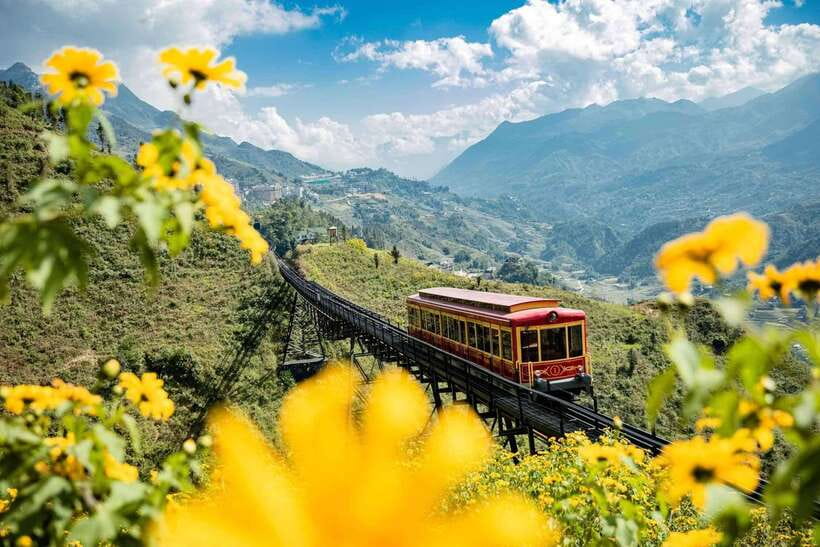
This tour begins late at night in Hanoi, with a pickup at 9:30 PM. You can board at Hanoi Capsule Station or your hotel in the Old Quarter area, and then you’re transferred to a sleeper bus heading to Sapa.
The timing is the first smart part. You arrive around 4:00 AM, then there’s time to freshen up and rest again until about 6:00 AM. That matters because Sapa hikes start early, and you don’t want to arrive already wrecked.
If you hate the idea of a night bus, you should at least know what you’re trading for it. You give up one night in a hotel in Hanoi, but you gain an entire morning in Sapa without wasting daylight on transit.
You can also read our reviews of more tours and experiences in Hanoi



Day 1: Y Linh Ho to Lao Chai, Then Ta Van for Cooking and Rest

The day kicks off at 6:00 AM with guide pickup so you can get to breakfast. Then you start hiking between 8:00 and 8:30 AM, heading southeast of Sapa.
Y Linh Ho: Black H’mong village walking
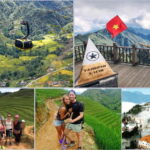
Your first stop is Y Linh Ho, about a 6-kilometer hike from Sapa. This is a Black H’mong village with strong village-life vibes: paths through greenery, small crossings, and constant little changes in elevation.
What I like here is that you’re not just ticking off a village name. The trek format gives you a slow way to notice how people live alongside the terrain, and your guide can connect what you’re seeing to local traditions.
Lao Chai: Muong Hoa Valley views and a small crossing
After Y Linh Ho, you continue for around 3 more kilometers to Lao Chai. Getting there includes traversing a small tunnel or bridge that links you into the Muong Hoa Valley.
This is also where you start getting those classic Sapa views, because the valley opens up as you move. If you’re prone to sunburn, this section is worth treating seriously: you’ll want your hat, sunscreen, and water ready, since you’re outside for most of the hike.
Lunch and check-in at Ta Van village
Around 12:30 PM you’ll have lunch at Ta Van village, then check in and rest. This is your first real break in the schedule, and it’s not just for show. The tour is built around being able to recover before you do the second day’s trek.
In the afternoon you get free time in Ta Van. If you want more walking, your guide can lead you toward terraced fields and calm streams nearby, but you’re not forced into it.
You can also read our reviews of more hiking tours in Hanoi


Spring-roll cooking class and dinner
At about 4:00 PM you head back to the homestay and rest, then you can join a cooking class to make traditional Vietnamese spring rolls. This is one of the most praised parts of the experience, and it’s a smart fit after Day 1 because you’re swapping physical effort for hands-on culture.
Then dinner happens around 6:30 PM with local cuisine. The schedule finishes with a comfortable night in your private room at the homestay in Ta Van.
Practical note: you’ll probably be a little tired from the hiking, so the day feels best if you keep the evening simple and focused on rest rather than trying to add extra plans.
Day 2: Ta Van to Giang Ta Chai (Red Dao) and Back to Hanoi

Breakfast is at 7:00 AM at the homestay. Then you set out at 8:00 AM for an 8-kilometer trek to Giang Ta Chai, a Red Dao village.
Red Dao village walking across two communities
The route goes through two Red Dao communities. That detail matters because it means you’re not just entering one village and leaving. You’re walking between places and seeing how community life shifts with the people and the land.
Some groups find the distance split differently in real life based on pacing and stops, but the key point stays the same: you’re doing a meaningful second day on foot. The tour is also described as around 15 kilometers total for the two days, which is why the fitness level is labeled moderate-high.
Lunch, return to Sapa, then the VIP cabin bus
Around 12:00 PM you’ll have lunch, and then there’s a rest break at a local restaurant. At 2:00 PM you return to Sapa by car.
From there, you board a VIP cabin bus between 3:00 and 3:30 PM for the ride back to Hanoi. You arrive around 10:00 PM, with drop-off near a point in Hanoi’s Old Quarter area, and your trekking tour ends.
I like this back half because it prevents the classic Sapa trap: getting stuck in town for hours without a plan. You get the mountain experience, then you actually head home at a reasonable time.
Price and Value: What $110 Gets You (And Where You Spend Extra)

At $110 per person, this tour is competing in the middle of the Sapa market, and it feels fair when you look at what’s included. You get round-trip transport from Hanoi with a sleeper bus and a VIP cabin return, plus a guide, one night homestay, meals, and scheduled sightseeing tickets.
The value is strongest if you price the homestay and guide time separately in your head. A good guide isn’t just “showing the route.” Here, you’re getting cultural context and support along the way, and the cooking class also adds real activity beyond hiking.
What you should plan for is the small stuff that is not included: coffee and soft drinks. And you’ll want to bring your own hiking basics like rain gear, sunscreen, and water.
Also, insurance is not included. If you’re hiking with moderate-high effort and you’re traveling internationally, it’s worth having coverage separately.
Guides, Food, and Homestay: The Parts People Remember
This experience is built around people as much as scenery. The guide support is a major reason the reviews score it high, with specific praise for guides like Zem, Sou, and Mao Co.
One theme in that praise: the guides keep things organized and care about how the group is doing, even when the sun is strong. That practical attention is exactly what you want on a multi-stop trek.
Food: included meals and a spring-roll skill to take home
Meals are included throughout the schedule, and the food gets consistently good marks. On Day 1, you’re eating at Ta Van around midday, then dinner later at about 6:30 PM. Day 2 includes breakfast, lunch, and then stops until you return to Sapa.
The spring-roll cooking class is more than an activity. It gives you something to talk about that isn’t just a photo moment.
Homestay: private room in Ta Van
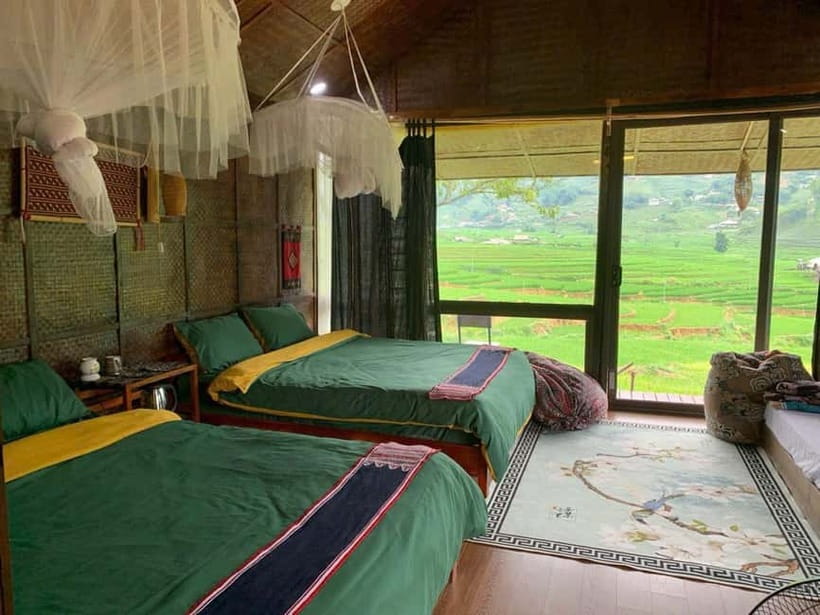
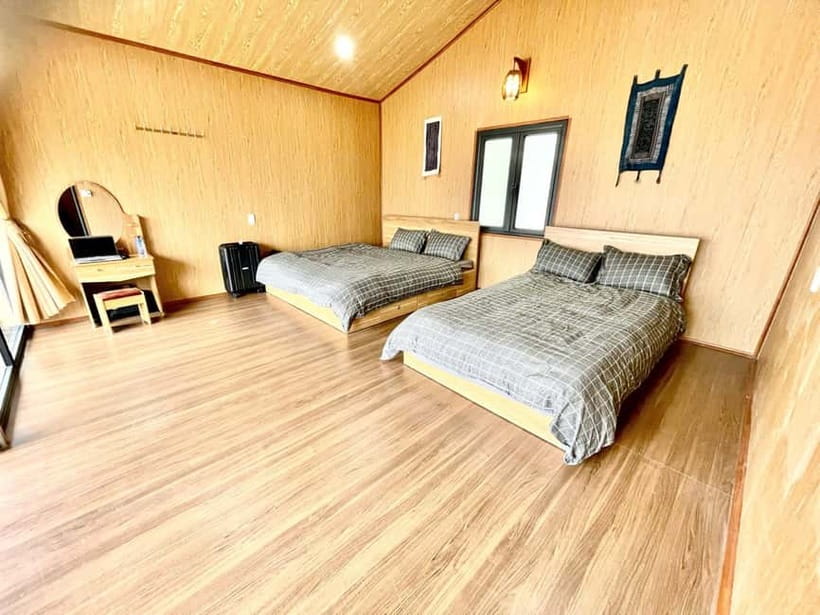
The homestay offers a private room, which is a big deal in an area where you might otherwise end up sharing space. It also helps you recover properly between trekking days.
One thing to keep in mind: not everyone feels the host-family interaction matches their expectations. If you want lots of conversation with the household, you might need to be a bit proactive and ask your guide to help make introductions.
Hiking Reality Check: Distance, Fitness, and What to Pack
The tour involves about a 9-mile hike (around 15 kilometers) across two days, with a moderate-high fitness requirement. That’s not meant to scare you, but it does mean you should show up ready.
If you’re comfortable with uphill walking and uneven paths, you’ll probably enjoy it more. If you’re coming from mostly city walking, take this seriously and use the packing list.
Bring:
- comfortable shoes (and hiking shoes if you have them)
- hat, sunscreen, and water
- rain gear (weather can shift quickly)
- biodegradable insect repellent
- passport or ID card
The tour is not suitable for pregnant women, wheelchair users, or people over 95 years. If any of those apply, it’s best to look for an easier trek option.
Who This Tour Fits Best
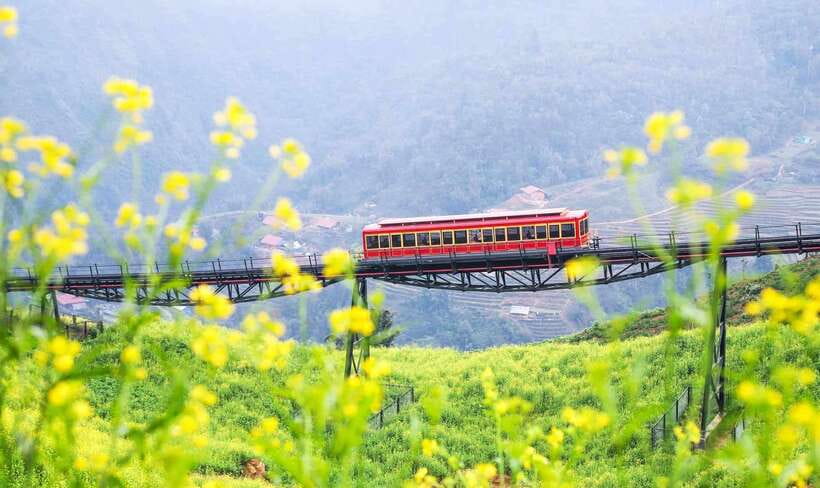
This is best for you if you want a guided trekking experience with real village stops, not just a scenic car ride. You’ll like it if you care about how people live in these communities and you enjoy structured time with a guide.
It’s also a good match if you value comfort after the hike. The private-room homestay, included meals, and the return VIP cabin bus make it feel smoother than many DIY trekking ideas.
If you hate physical effort or you’re hoping for a mostly flat walk, this may feel too demanding. The sun and the pace are part of the experience here, so plan for it.
Should You Book This Sapa Homestay Trek?
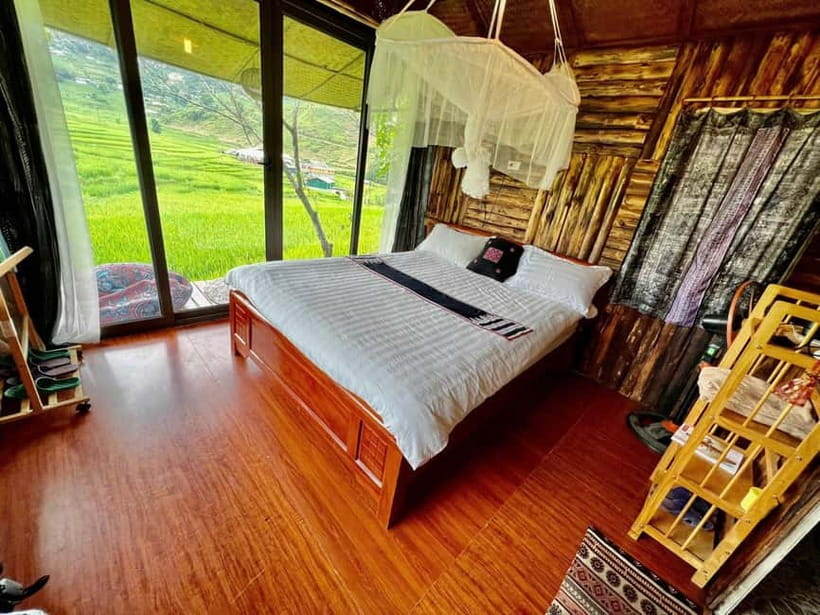
Book it if you want a balanced package: meaningful hiking, village access with an English-speaking guide, and a homestay night that feels like you stayed in the area rather than just passed through.
Pass on it if you’re sensitive to uphill walking, you need a fully low-impact trip, or you’re expecting lots of host-family conversation as a guaranteed feature. The tour gives you culture, but the format is still centered on hiking and guided stops, not long unstructured chatting at home.
If you’re in the middle—ready for a moderate-high trek and excited to learn through the guide and cooking class—this is a solid buy for northern Vietnam.
FAQ
What time does the tour pick up in Hanoi?
Pickup is at 9:30 PM from Hanoi Capsule Station or your hotel in Hanoi Old Quarter.
What time do you arrive in Sapa on the first night?
You arrive in Sapa around 4:00 AM, then you have time to rest until about 6:00 AM.
How long and how far is the trekking?
The tour is about 9 miles (around 15 kilometers) total over two days, with a 6-kilometer hike on Day 1 and an 8-kilometer hike on Day 2.
What meals are included?
Meals are included throughout the tour (breakfast, lunch, and dinner are part of the schedule).
Is the homestay room private?
Yes. You sleep in a private room at the homestay in Ta Van village.
Are drinks included?
Coffee and soft drinks are not included.
Is insurance included?
No. Insurance is not included.