REVIEW · HANOI
2-Day Sa Pa Ethnic Homestay Tour & Trek with Limousine Bus
Book on GetYourGuide →Operated by Go Asia Travel · Bookable on GetYourGuide
Rice terraces, real people, one unforgettable night. This Sa Pa homestay trek feels special because you hike with a Hmong/English-speaking guide and spend the night in Ta Van with a host family. It’s also a practical way to see the Sapa Highlands without trying to plan every turn.
Do this only if you’re ready for muddy, slippery trails when the weather turns. Day 1 is longer and can feel steeper than the distance suggests, and day 2 keeps you moving on uneven paths through rice paddies and bamboo.
In This Review
- Quick hits: what makes this Sa Pa trip worth your time
- Hanoi to Sa Pa by Limousine Bus: comfort for a long day
- Day 1 trekking: Lao Chai village, costumes, rice terraces, and Muong Hoa Stream
- Ta Van homestay night: simple lodging, included meals, and village life sounds
- Day 2 trek: rice paddies, bamboo forest, Giang Ta Chai Bridge, and a shower break
- Costumes, villages, and respectful interaction (yes, there’s selling)
- Transport details that matter: luggage, meetings, and where the day actually ends
- What to pack (and what not to waste) for this Sa Pa hike
- Value check: why this 2-day plan can beat DIY in Sa Pa
- Who should book this Sa Pa homestay trek
- Should you book this 2-day Sa Pa Ethnic Homestay Trek?
- FAQ
- What meals are included on this 2-day Sa Pa tour?
- Is a guide included, and what language do they speak?
- Where do I stay overnight?
- How long and how difficult are the treks?
- What should I bring for the trek?
- Do I need to bring cash?
- Is there a holiday surcharge?
- What’s not included in the tour price?
- Can I store luggage during the trip?
- Is this tour suitable for kids or mobility limitations?
Quick hits: what makes this Sa Pa trip worth your time
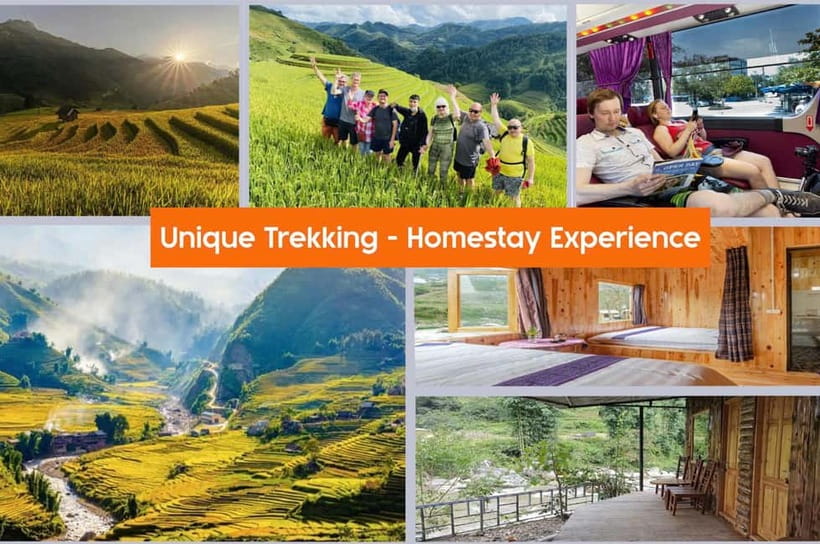
- Limousine bus to Sapa (with an optional sleeper upgrade) so you spend less energy on transportation
- A local Hmong guide who explains village life, costumes, and the hills in plain English
- Treks through rice terraces, Muong Hoa Stream, bamboo forest, and village footpaths
- One night in a Ta Van homestay with included meals and a real view of mountain life
- Short enough for 2 days, long enough to feel like you actually left town
Hanoi to Sa Pa by Limousine Bus: comfort for a long day
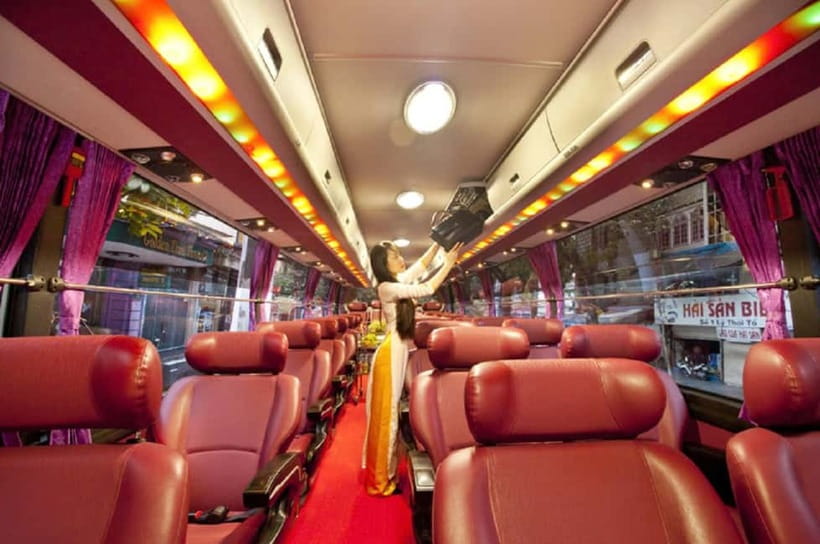
You start in Hanoi and head to Sa Pa via Lao Cai on a limousine bus using the new highway to Sapa. The ride usually means an early departure, and yes, it’s long. The upside is you don’t have to wrestle with transfers, schedules, or local ticket desks.
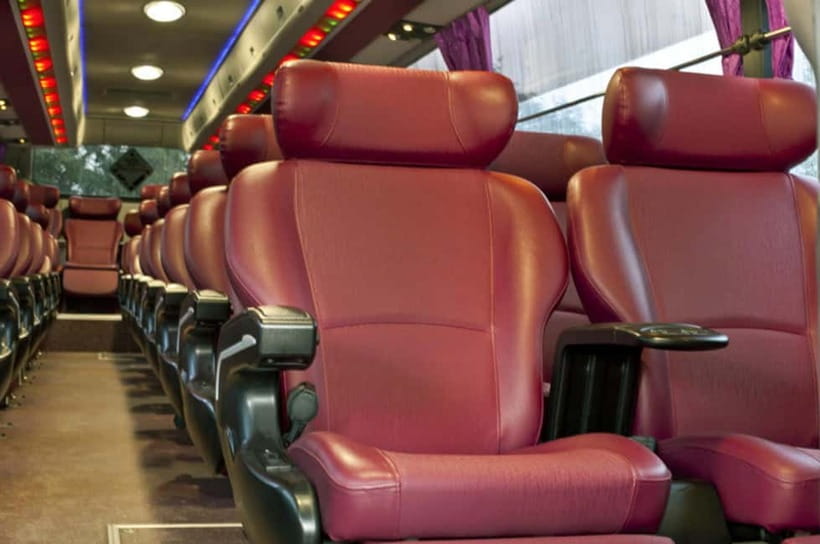
If you choose the upgraded sleeper bus option, expect small wins that add up: more comfort, individual-style cabin setups (instead of standard cramped seating), and extra touches like blankets and water. Some departures also run with Wi‑Fi along the way, which helps pass the hours.
You’ll arrive in Sapa and meet the representative at the bus stop. Then it’s straight to lunch in town and a breather before the trek day begins. One practical detail that matters: you can store your luggage in the bus trunk on the way up, leave it at the hotel in Sapa for lunch day 1, then pick it up again on day 2 when the trip ends. Pack smart for your trek essentials so you’re not digging for sunscreen in the bottom of a bag later.
You can also read our reviews of more hiking tours in Hanoi
Day 1 trekking: Lao Chai village, costumes, rice terraces, and Muong Hoa Stream
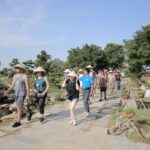
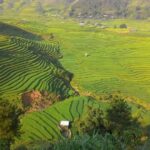
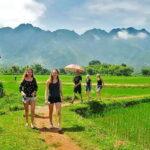
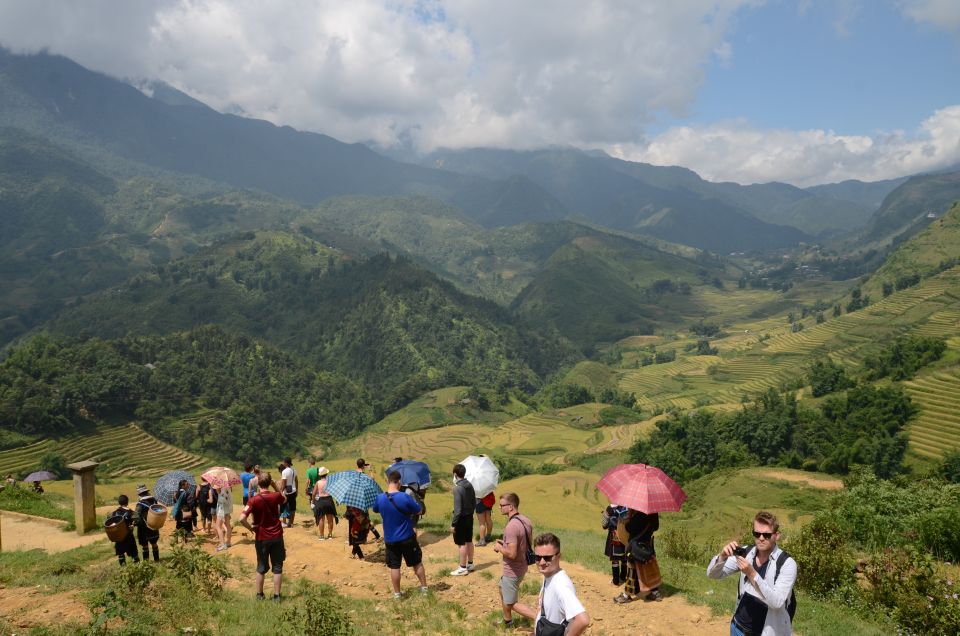
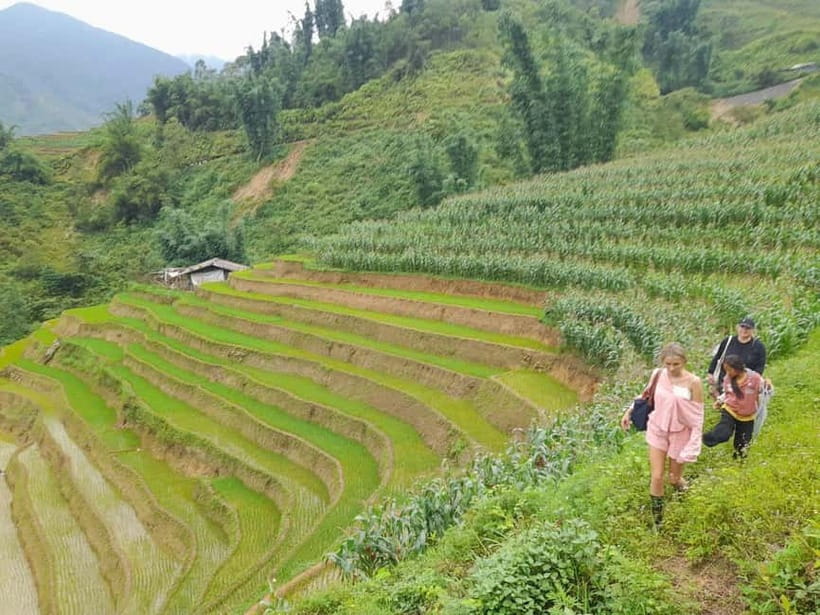
Day 1 is where Sa Pa starts to feel real. After lunch, you head into the highlands with your local guide, walking through terraced fields and along the Muong Hoa Stream area. This is the part people come for: walking paths between village life and the big mountain backdrop.
You’ll also get your first strong dose of cultural contrast. Expect to see traditional costumes and learn how groups like the Hmong, Dzao, and Tay communities fit into the landscape. The guide you get can vary—names like Sua, Soso, and Wan show up often in the experience network—but the common theme is clear explanations and an English-friendly pace.
How strenuous is it? You should plan for about 8 km on day 1, mostly downhill, but with the kind of footing that keeps you alert. When it’s clear, the views from terrace lines and valley angles feel excellent. When it’s misty or rainy, you may get lower visibility at lookouts, which can still make the walking feel atmospheric—even if the distant scenery doesn’t show off.
Finally, you move toward the homestay night base area. You’ll arrive in the Black Hmong village of Lao Chai, then continue onward to Ta Van to check in and meet your host family.
Ta Van homestay night: simple lodging, included meals, and village life sounds
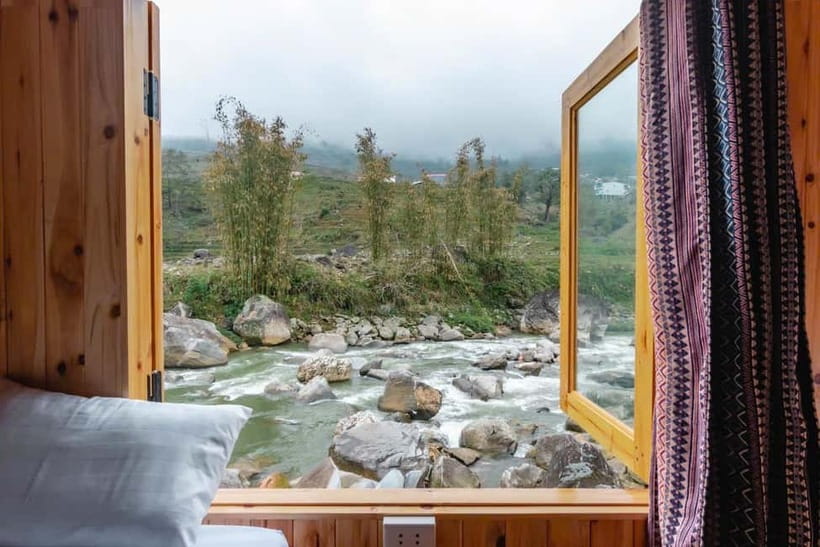
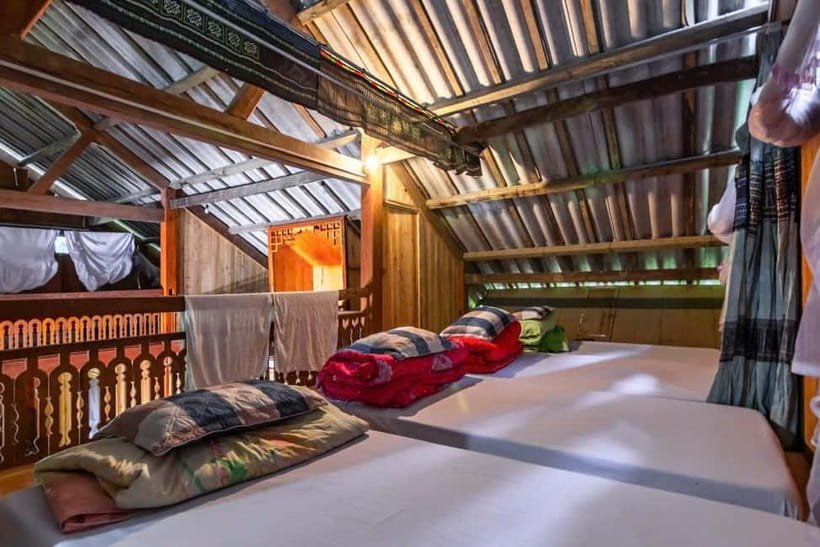
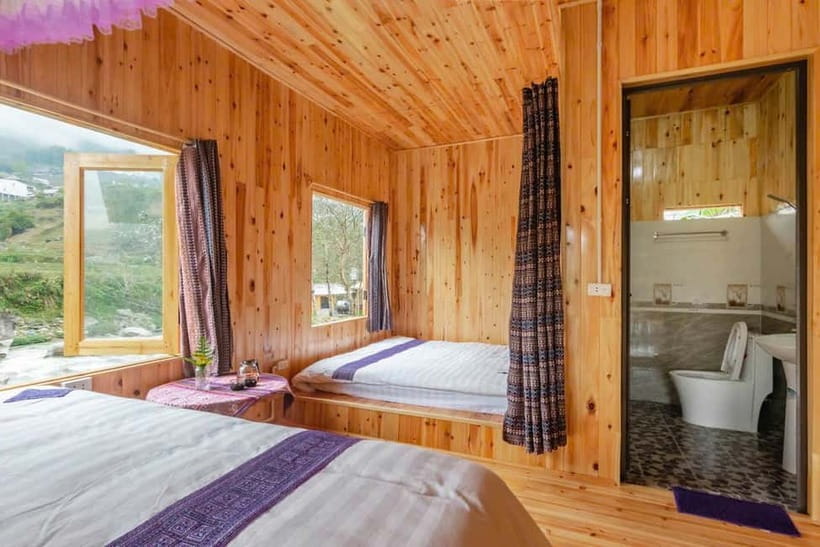
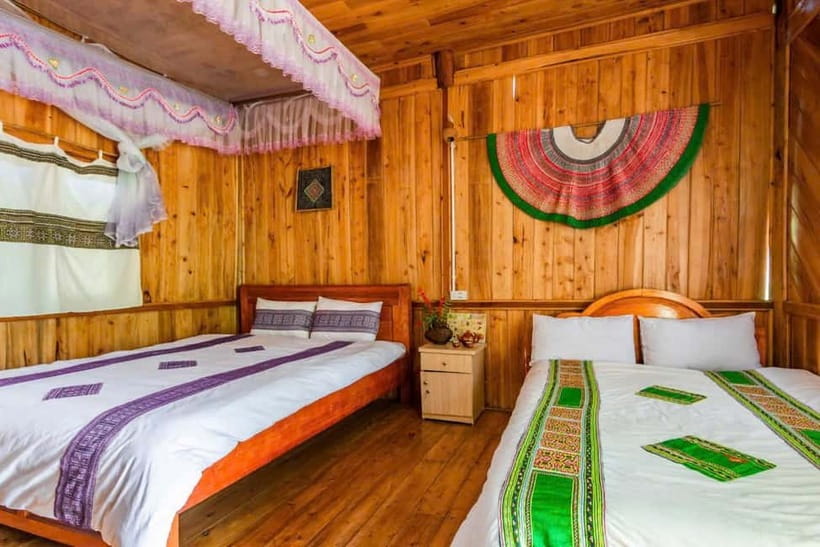
Spending the night in Ta Van is the heart of this trip. Your homestay is described as basic with cultural facilities, but it comes with clean water and fresh food, plus a bed setup that’s practical for trekkers (typically a single mattress option). If you upgrade, some people end up with a private room and a hot shower, which can make the night feel far less basic.
What surprised me in the experience pattern is how often the location is a highlight. The homestay setting near the river area is frequently praised, and that “outside soundscape” is part of the deal. One heads-up for light sleepers: village nights can be active. If you’re the type who wakes up from normal noises, bring earplugs.
Dinner and breakfast are included. Meals aren’t fancy restaurant-style; they’re mountain home-style, and they matter because they fuel the next day’s hike. You’ll also get that slower rhythm—time to sit, eat, and watch how daily life works without the city schedule.
One more reality check: craft selling can happen during the trek and around the homestay experience. Many guides allow you to interact, and the women involved are often friendly and helpful. Still, you may see persistent selling mid-walk, and sometimes you’ll feel a bit cornered. My advice: decide your budget before you start. If you want something, buy with confidence. If not, keep it simple—polite, firm, and don’t negotiate forever.
Day 2 trek: rice paddies, bamboo forest, Giang Ta Chai Bridge, and a shower break
Day 2 starts with breakfast prepared by the family, then you’re out for another morning trek through rice paddies and a bamboo forest section. You’ll also get panoramic views over village areas like Giang Ta Chai from higher points.
Expect around 4 km on day 2, but don’t let the shorter number fool you. The walk can be undulating, and after rain the ground can turn into slippery mud. In wet conditions, having strong grip is the difference between a relaxed hike and a balancing act.
You’ll cross the Giang Ta Chai Bridge, and then transportation takes over for a key recovery moment: a car ride back to the hotel area for lunch and a shower. That shower is not a luxury here—it’s your reset button after two days of damp air, dust, and mud.
After lunch and washing up, you return to the meeting point for your limousine ride back to Hanoi. The trip ends at the meeting point; getting to your hotel in Hanoi is then up to you.
Costumes, villages, and respectful interaction (yes, there’s selling)
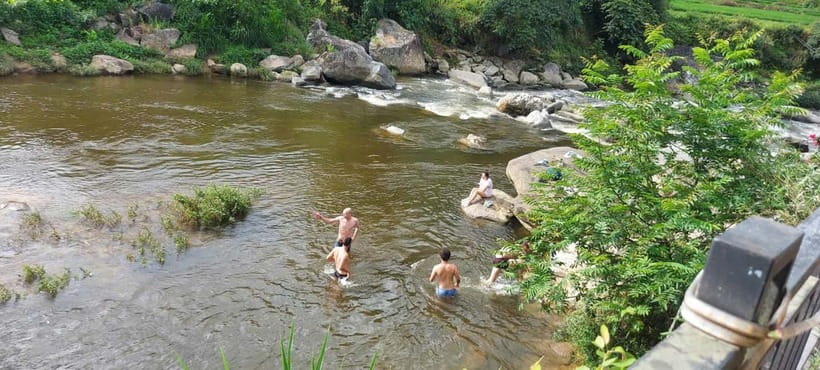
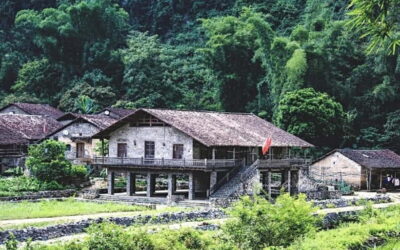
This tour does a good job connecting walking with context. Your guide explains daily life and local traditions in a way that doesn’t feel like a lecture. You’ll likely spend time around villages such as Lao Chai and Ta Van, and that’s where you get the practical side of culture—how people organize their work, how costumes show identity, and how the mountain environment shapes routine.
At the same time, you’re not visiting a museum. People may sell handmade crafts along the route. This can range from friendly to quite persistent. If you want to avoid feeling uncomfortable, I’d treat it like this:
- Keep your posture calm and your replies short.
- If you don’t want anything, say no once and move on.
- If you do want to buy, bring cash so the exchange is quick and you don’t stall the group.
Also note that your trek may include extra help on rough terrain from local women and guides who know the paths well. That support can turn “hard” into “manageable,” especially when the trail is muddy.
You can also read our reviews of more tours and experiences in Hanoi




Transport details that matter: luggage, meetings, and where the day actually ends
Logistics can make or break a short trip like this, and this one includes a few helpful systems.
- Luggage storage: You can put your bags in the bus trunk during the ride. On day 1, your luggage stays near the lunch point while you trek to Ta Van.
- Homestay logistics: It’s a trekking-focused stay, so you’ll want to carry only what you need. Extra items can wait at the overnight base.
- Meeting points: The start and end meeting point can vary depending on what option you book, and the end is back at the meeting point where your return plan continues.
On day 2, transportation back to the hotel area includes a car from Giang Ta Chai, which helps you avoid dragging wet shoes and bags all the way back.
What to pack (and what not to waste) for this Sa Pa hike
Bring the items the trip recommends, because this is a trekking route where the weather can change fast.
Pack:
- Hiking shoes with grip (not just casual sneakers)
- Sunglasses
- Sunscreen
- Insect repellent
- Cash in Vietnamese Dong (or accepted major currencies)
Useful extras you’ll appreciate:
- An extra set of clothes for when everything gets damp or muddy
- Earplugs for the night, if you’re a light sleeper
Don’t bring:
- Pets (not allowed)
Cash is a big deal here. The banking system in Sa Pa can be unreliable, so it’s smart to plan purchases with cash. If you need currency flexibility, US dollars, euros, and Australian dollars are accepted. Still, keep enough local cash for small expenses.
Value check: why this 2-day plan can beat DIY in Sa Pa
This tour bundles the hard parts into one smooth package. You get round-trip Hanoi–Sapa limousine bus, a local guide for the trekking parts, and the key in-between pieces: village entrance tickets, meals, and the day 2 car transfer back to the hotel area for shower and lunch.
The “value” angle is simple. A DIY Sa Pa trek often turns into hours of negotiating transport, figuring out which paths are safe, and trying to find a homestay that fits your pace. Here, you’re paying for a guided route, organized timing, and included meals that keep you from spending your time hunting for food after hiking.
A few cost-related notes from the trip setup:
- Drinks are not included, and there’s an 8% government tax not included in the listed package.
- There can be a holiday surcharge of 700,000 VND per person on specific dates like April 30, May 1, September 1–3, December 24–31, January 1, and Lunar New Year.
- You can upgrade if you want a more comfortable homestay room, but you need to ask when booking (private room upgrades aren’t automatic).
If you want the best balance of comfort and savings, the optional sleeper bus upgrade often feels worth it because it helps you recover on the long Hanoi ride.
Who should book this Sa Pa homestay trek
You’ll be happiest with this tour if you want:
- A real homestay night (not just a quick photo stop)
- Medium trekking over 2 days with a guide who explains what you’re seeing
- Cultural context around communities like the Hmong, Dzao, and Tay
This tour is not suitable if:
- You’re looking for wheelchair-friendly walking paths
- You have mobility impairments
- You’re traveling with children under 6
If you’re an active traveler who packs smart, tolerates rain and mud, and doesn’t mind occasional craft-selling pressure, this is a strong way to see Sa Pa in a short time.
Should you book this 2-day Sa Pa Ethnic Homestay Trek?
I’d book it if your priority is the mix: comfortable bus ride + guided village trekking + one night in Ta Van. It’s the right length for people who want more than a day trip but can’t spare 3–4 days.
Don’t book it if you hate slippery trails or you’re not comfortable walking uneven ground after rain. Also, if you’re very sensitive to sleeping noise, plan ahead with earplugs and expect a village rhythm, not a silent hotel bubble.
If you can, aim for the upgrades that improve rest—especially the sleeper bus and private room option—because better sleep makes tomorrow’s trek feel like a win instead of a chore.
FAQ
What meals are included on this 2-day Sa Pa tour?
You get 2 lunches and 1 dinner on day 1, plus breakfast on day 2.
Is a guide included, and what language do they speak?
Yes. The tour includes a local Hmong/English-speaking guide.
Where do I stay overnight?
You stay in a homestay in Ta Van village. Accommodation is basic, and it typically includes a single mattress option; private room upgrades may be available.
How long and how difficult are the treks?
Day 1 is about 8 km and mostly downhill. Day 2 is about 4 km and more undulating. Mud and slippery conditions can make it harder than the distance alone suggests.
What should I bring for the trek?
Bring hiking shoes, sunglasses, sunscreen, insect repellent, and cash. Sunglasses and sunscreen matter more than people expect in mountain sun.
Do I need to bring cash?
Yes. Banking in Sa Pa can be unreliable, so bring cash in Vietnamese Dong. US dollars, euros, and Australian dollars are accepted.
Is there a holiday surcharge?
Yes. A surcharge of 700,000 VND per person is paid onsite on dates including April 30, May 1, September 1–3, December 24 and 31, January 1, and Lunar New Year.
What’s not included in the tour price?
Drinks and 8% government tax are not included. Tips for the guide and driver are also not included.
Can I store luggage during the trip?
Yes. You can store luggage in the bus trunk on the way, leave it at the hotel where you have lunch on day 1, and take it back on day 2 when the trip ends.
Is this tour suitable for kids or mobility limitations?
No. It’s not suitable for children under 6. It is also not suitable for people with mobility impairments or wheelchair users. Pets are not allowed.