REVIEW · NORTHERN VIETNAM
From Hanoi: 2-Day Sapa, Fansipan, and Muong Hoa Valley Tour
Book on GetYourGuide →Operated by Vietnam Nomadtrails · Bookable on GetYourGuide
Sa Pa turns early mornings into big views. This 2-day trip combines Muong Hoa Valley hikes with ethnic village visits and a cable car ride up Fansipan Peak, so you get both culture and altitude in one tight schedule.
What I like most: meeting local people through the Lao Chai and Ta Van stops, and using Fansipan’s 600-step climb (after the cable car) to earn sweeping panoramas from the Roof of Indochina. In the guide team, I especially appreciated the way people like Sue and guides such as Xuan and Lala handled questions in English and explained what we were looking at.
One thing to consider: the days move fast, and trek plans can depend on group pace—so if you want maximum time in Sa Pa, or you’re very attached to a specific walking level, you may want to plan buffer time elsewhere.
In This Review
- Key highlights at a glance
- Two days in Sa Pa: why this mix makes sense
- Price and value: what you’re paying for (and what you’re not)
- Hanoi to Sa Pa by limousine: the early start reality
- Fansipan day: cable car to altitude, pagoda stops, then 600 steps
- Muong Hoa Valley trek: rice terraces and village visits that feel human
- Ta Van lunch at a local home: why it’s more than just food
- Getting back down: van transfer, Sa Pa free time, then Hanoi return
- Guides, pacing, and group size: the human side of the schedule
- What to bring (and what will make the day easier)
- Who this tour is best for (and who should skip it)
- Should you book this 2-Day Hanoi to Sa Pa tour?
- FAQ
- What’s the meeting point for pickup in Hanoi?
- How long is the tour and when do I start?
- What’s included in the price?
- What kind of trek is Muong Hoa Valley, and can I choose the difficulty?
- What should I bring for the climb and trekking?
- Is Fansipan suitable for everyone?
Key highlights at a glance
- Cable car + 600 steps to reach the Fansipan peak area and views
- Muong Hoa rice terraces plus photo stops and village interactions
- Ethnic culture time in Lao Chai (Hmong) and Ta Van (Dzay)
- Small group size (up to 10) for a more personal pace
- Two different guide styles across sections, keeping explanations fresh
- Lunch at a local home in Ta Van, with time to wander and cool off
Two days in Sa Pa: why this mix makes sense
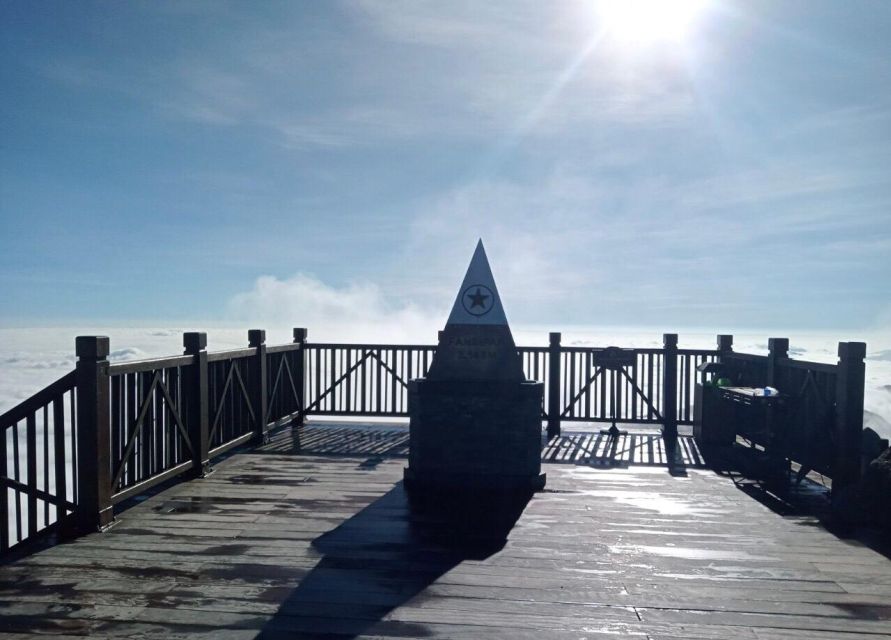
This tour is built for travelers who want the headline sights without switching hotels or planning transport. You get the early Hanoi-to–Sa Pa run, a cable-car ascent to Fansipan, and then a valley walk that focuses on villages and rice fields.
The best part of doing it in two days is momentum. Fansipan gives you the big “wow” payoff right away, and Muong Hoa Valley follows with quieter, slower moments—footpaths, homes, and school visits—where the day doesn’t feel like a slideshow.
The trade-off is time pressure. You’re not meant to linger in Sa Pa all day, and the hike intensity can affect how much of your chosen route you actually get to follow.
Price and value: what you’re paying for (and what you’re not)

At $169 per person, the value comes from the bundled logistics: limousine bus from Hanoi, round-trip cable car, a 3-star hotel room with fresh fruits, and guided access to Muong Hoa Valley plus transport within the area. If you tried to piece all of that together yourself, the time savings alone can be worth real money.
The inclusions also matter on the ground. You’re not stuck figuring out permits/sightseeing fees, and you get an English-speaking local guide to connect the dots between terraces, villages, and what you’re seeing on the hillsides.
But there are a few add-ons to keep in mind. A 10% government tax isn’t included, and you’ll also pay extra if you need a French-speaking guide (listed as a $29 per person surcharge). Lunar New Year dates include a $50 per person surcharge (for Jan 26 to Feb 14, 2025).
Hanoi to Sa Pa by limousine: the early start reality
Pickup is around 6:30 am from the Hanoi Old Quarter meeting area (99 P. Hàng Gai). You’re traveling early enough that your day is already “on rails,” which is great if you want to maximize sight time—but less ideal if you like sleeping in.
The bus portion is part of the comfort story here. You’re promised a limousine bus ticket between Hanoi and Sa Pa, which usually means fewer headaches than local buses and a smoother start for a trek day.
You’ll reach Sa Pa around 12:30 and then shift straight into the sightseeing rhythm—welcome from the local guide, lunch, then hotel check-in for a shower or short downtime. That sequence is practical: it lets you eat before stairs and altitude, and it prevents that “hungry + cold + tired” combo.
Fansipan day: cable car to altitude, pagoda stops, then 600 steps
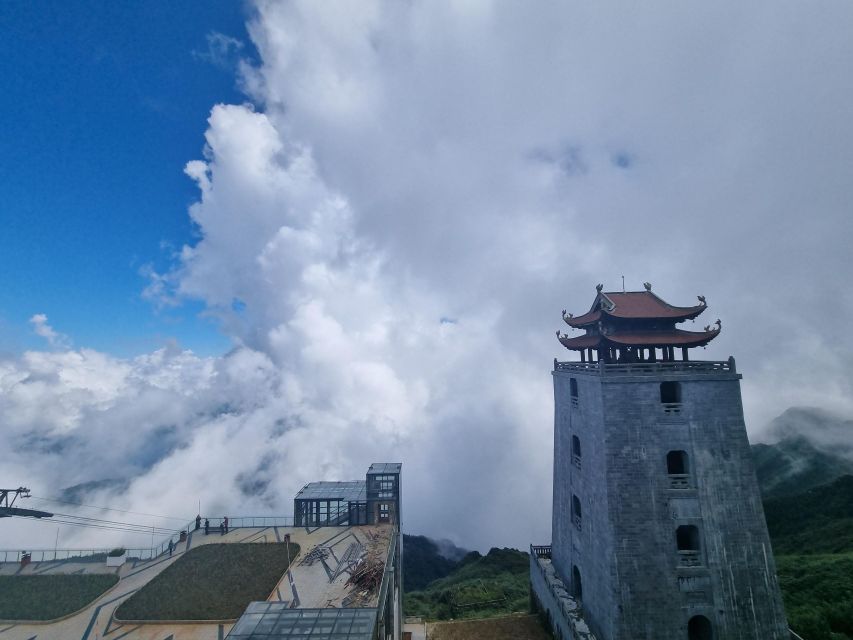
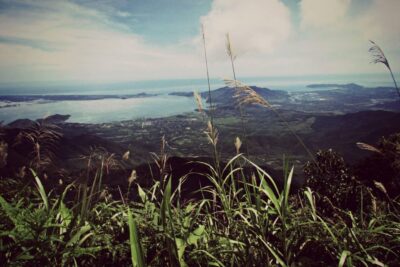
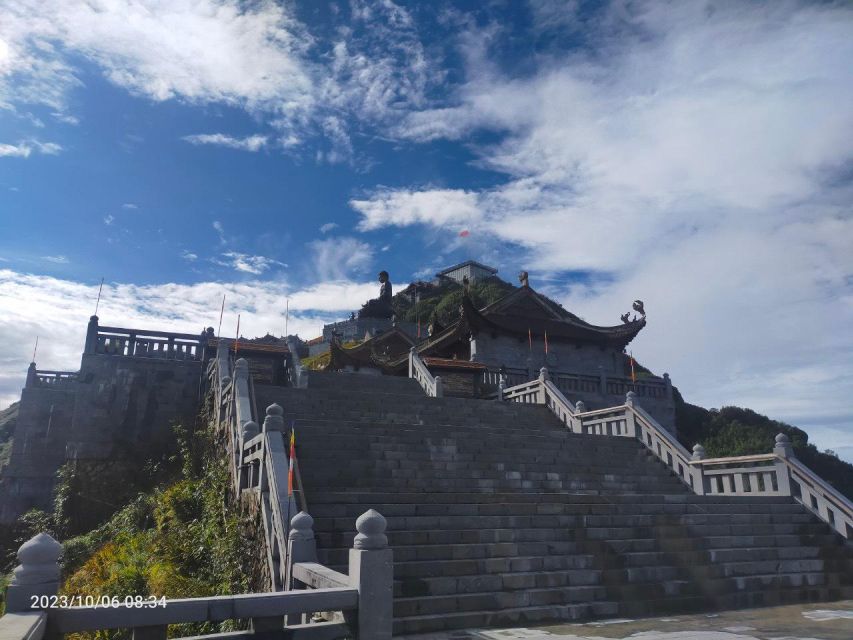
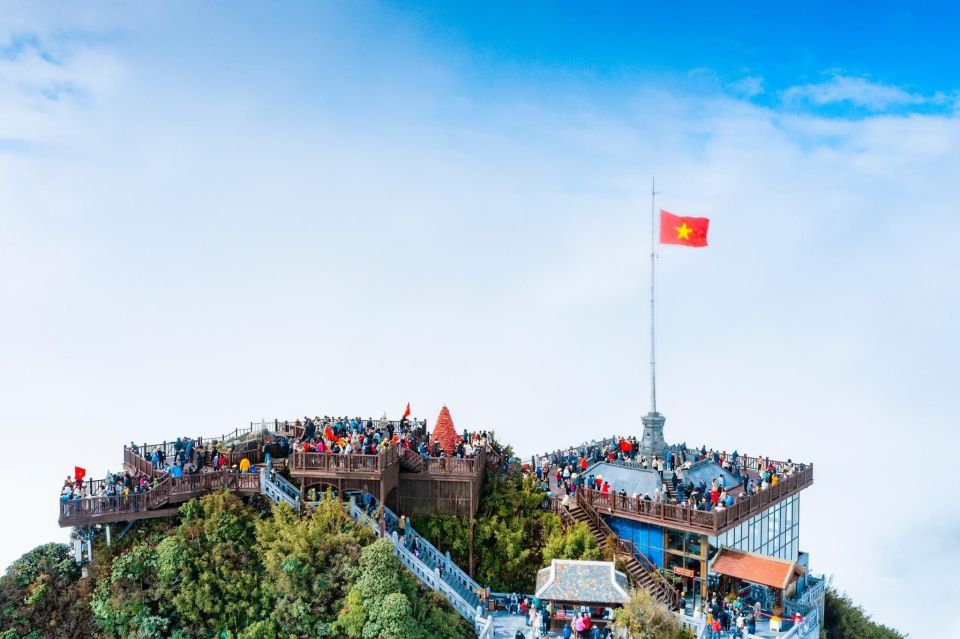
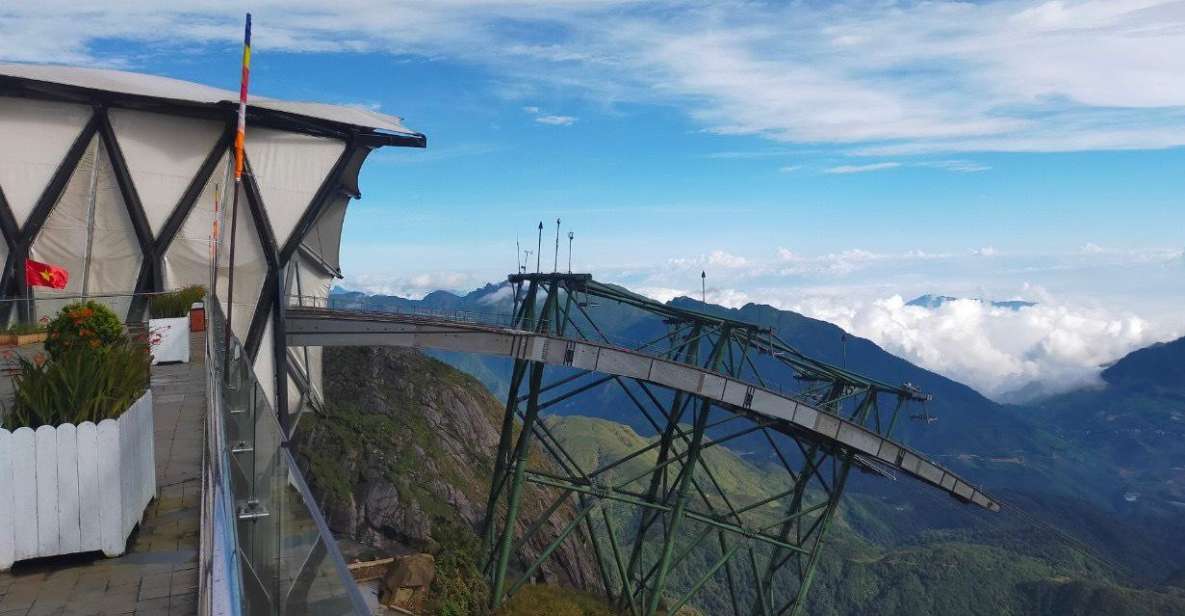
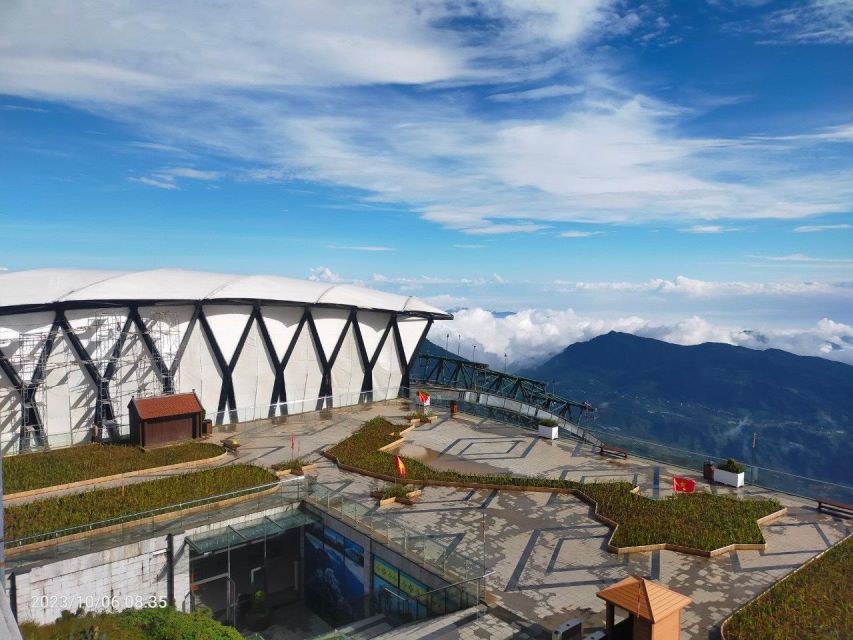
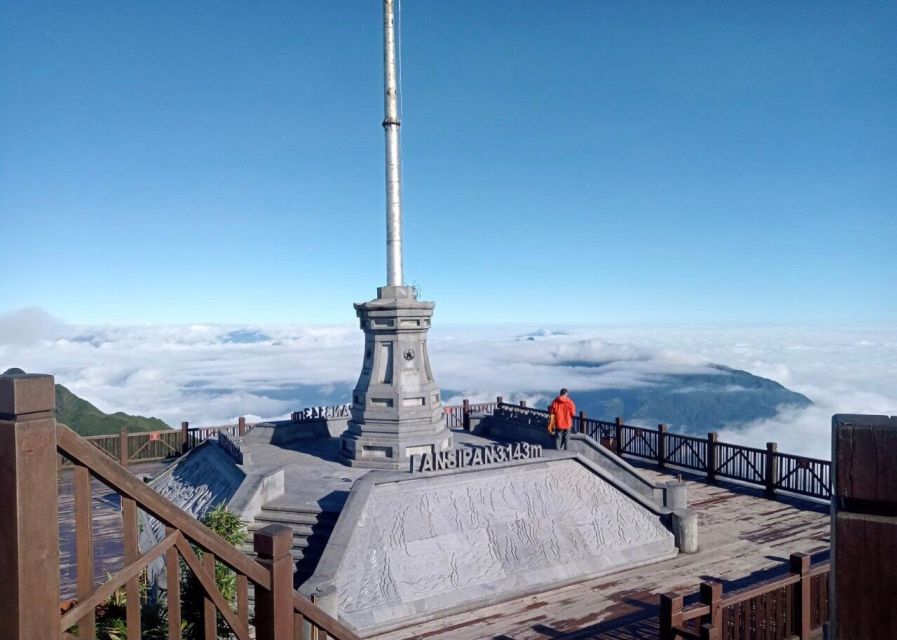
Fansipan is the “Roof of Indochina” for a reason. After lunch and a bit of hotel breathing room, you head to the cable car station around 2:00 pm, with about 25 minutes on the ride up.
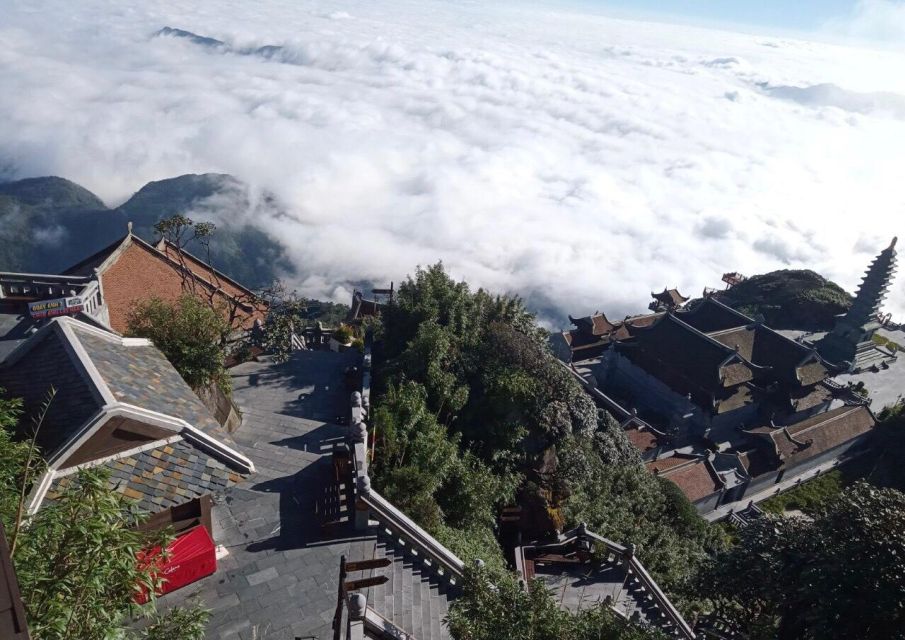
Once you arrive, you’re already at around 2,800 meters. That elevation can affect how you feel—so don’t treat this as purely sightseeing. It’s still a climb, even if the big ascent is done by cable car.
From there, the day gives you three layers:
- Views and photo time at the top area
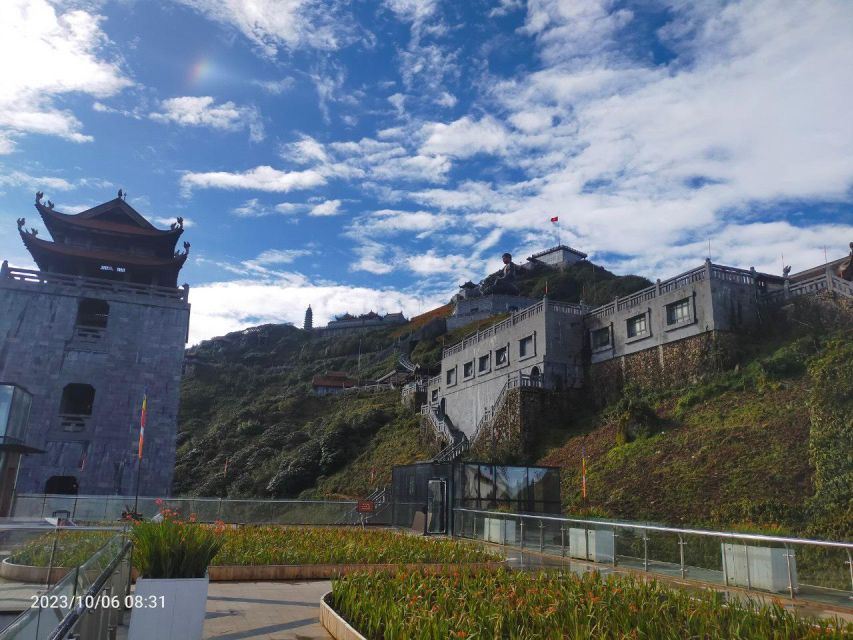
- A visit to a pagoda/spiritual destination
- A trek up about 600 steps to reach the peak area
That step trek is where the tour becomes physical. You don’t just get a cable-car postcard; you actually work for the panorama. Just take note of the safety notes: Fansipan is listed as requiring good health, and it’s not suitable for people with acrophobia (fear of heights) or with high blood pressure/heart problems.
Weather can also change plans. The trek can be cancelled or delayed in bad weather, so keep expectations flexible, especially if you’re traveling in rainy season.
Muong Hoa Valley trek: rice terraces and village visits that feel human
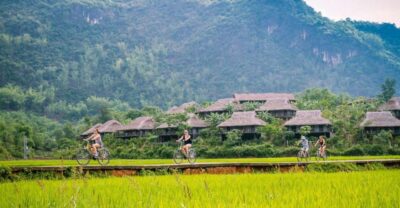
The next morning is breakfast first, then you start your walk through Muong Hoa Valley. The itinerary mixes scenery with people, which is the reason this part is often the most memorable.
You’ll visit Lao Chai (Hmong) and Ta Van (Dzay). Along the way, you’ll stop in local homes and schools and interact with residents, not just pass by from a distance. This is where the day stops feeling like transport between viewpoints and starts feeling like you’re meeting communities.
There’s also a useful option for walking style: you can choose a light or hard trek depending on fitness. That flexibility matters in a small-group tour. It lets you match your day to your body, not to an average.
A practical detail: the tour also includes time to visit local homes and schools, which usually means slower pacing than you might expect from a “trek day.” Plan for uneven ground and for moments that aren’t timed like an attraction line.
Ta Van lunch at a local home: why it’s more than just food
Lunch is served at a local home in Ta Van. That’s significant because it anchors the hike in a place, not just a stop. You get a break from walking, and you also get a window into daily rhythms.
After lunch, you’ll have time to wander in Ta Van. There’s even an option to take a swim in the Muong Hoa stream, if conditions allow and if you’re comfortable doing it. I like these built-in “free moments” because they let you linger where the day feels calm instead of rushing to the next transfer.
One more realism check: you may be tempted to over-plan photos because the terraces look great from multiple angles. Keep some energy for the village time so the best moments aren’t only the ones you document.
Getting back down: van transfer, Sa Pa free time, then Hanoi return
After the trek, you’re picked up by van back to Sa Pa town. The tour then gives you real breathing room to explore on your own—time that many Sa Pa itineraries skip.
On day 2, the transfer back to Hanoi is listed for 14:00, and you arrive back at your Hanoi hotel around 19:30. That’s a full day, even if you’re not carrying a heavy backpack all the way.
Hotel quality can vary based on expectations. The program includes a 3-star hotel room (double/twin/triple options) and fresh fruits, and one experience noted the hotel as clean and organized. Another experience described the hotel as more basic than expected—so I’d treat this as “functional comfort” rather than a luxury stay, especially since your main focus is hiking and peak views.
Guides, pacing, and group size: the human side of the schedule
This is a small group capped at 10 participants, which usually improves the experience. You’ll feel less like a passenger and more like a participant when questions come up.
One interesting detail from real experiences: the guide coverage can change by day or by section. Guides such as Sue, plus Xuan and Lala, have been part of the experience depending on the segment, and a coordinator named Robert helped keep things moving. So if you notice different voices guiding parts of the trip, that’s normal here.
Pacing is the balancing act. Some people loved the knowledge and kindness from the guides, but also felt the overall day was a bit rushed. That doesn’t mean the tour is bad—it means you’re signing up for a two-day highlight package, not a slow wander around Sa Pa.
What to bring (and what will make the day easier)
You’ll walk, climb steps, and spend time outdoors. Pack for real weather and real footing.
Bring:
- Comfortable clothes
- Sunscreen and insect repellent
- Any personal medication
- Passport or ID card
- A mindset for altitude: take it slow on the stairs
Also note what’s not allowed: alcohol, drugs, littering, pets, and bringing food and drinks are listed as not permitted. That can affect how you snack, so rely on what’s provided.
If you’re prone to motion or fatigue, plan to treat the bus ride and altitude as part of the effort. The tour includes mineral water (0.5L per person per day), but you shouldn’t assume additional drinks are included.
Who this tour is best for (and who should skip it)
This tour fits best if you want:
- A strong “big sights” day at Fansipan
- A culture-focused morning at Muong Hoa Valley
- To meet Hmong and Dzay communities through village visits
- English-speaking local guidance in a group limited to 10
It’s less ideal if:
- You need lots of downtime in Sa Pa
- You want to follow a very specific trekking route without any adjustment
- You have high blood pressure, heart problems, or strong fear of heights (Fansipan is flagged for these)
- You can’t handle stairs; the top includes a trek of about 600 steps
Should you book this 2-Day Hanoi to Sa Pa tour?
Book it if you want the cleanest path to Fansipan’s peak experience plus rice terrace village culture, without doing logistics math. The cable car + step trek combo is a good use of time, and the Muong Hoa portion gives you more than just views by including homes, schools, and a lunch in Ta Van.
Consider booking something else or adding extra days if you hate rushing. This itinerary is designed to hit major stops in two days, and even with trek options, walking intensity and timing can shape what you see and how long you linger.
If you do book: pick your trekking level honestly, pack for altitude and weather, and leave a little mental room for schedule changes if conditions don’t cooperate.
FAQ
What’s the meeting point for pickup in Hanoi?
Pickup is listed at 99 P. Hàng Gai, Hàng Trống, Hoàn Kiếm, Hà Nội, Vietnam. The note says pick-up from hotels in Hanoi Old Quarter may be possible—just share your hotel name and address so the operator can confirm.
How long is the tour and when do I start?
It’s a 2-day tour with a pickup around 6:30 am from Hanoi. Day 2 includes a transfer back to Hanoi around 14:00, with arrival around 19:30 at your hotel.
What’s included in the price?
Included items are: limousine bus between Hanoi and Sa Pa, Fansipan cable car return ticket, a 3-star hotel room with fresh fruits, 1 lunch and 1 breakfast, sightseeing fees/permissions for Muong Hoa Valley, transport from the village back to Sa Pa, an English-speaking local guide, hotel-to-cable-car transport and return, and 0.5L mineral water per person per day.
What kind of trek is Muong Hoa Valley, and can I choose the difficulty?
You can choose a light or hard trek depending on fitness level. Along the way, you’ll visit Lao Chai and Ta Van, plus local homes and schools.
What should I bring for the climb and trekking?
Bring comfortable clothes, personal medication, sunscreen, insect repellent, and your passport or ID card.
Is Fansipan suitable for everyone?
No. The info says Fansipan requires people in good health, is not suitable for acrophobia, and is marked as not suitable for people with high blood pressure or heart problems. It also notes the trek can be cancelled or delayed in bad weather.