REVIEW · HANOI
From Hanoi: 3-Day Motorbike Ha Giang Loop with Easy Rider
Book on GetYourGuide →Operated by Chestnut Travel · Bookable on GetYourGuide
Ha Giang by motorbike is the kind of trip you remember. This 3-day Loop pairs easy riding with big-name scenery stops, plus real time with Dong Van and Du Gia communities.
I really like that the tour is built for comfort and momentum: you start with a sleeper bus from Hanoi, then spend two full days looping key passes and villages. I also like the mix of wow moments and small cultural stops, like Heaven Gate and the Hmong King’s Palace at Sa Phin.
One thing to consider: this is still 3 days of road time. You’ll sit for long stretches on a scooter, and if the weather is cold or misty, the first day views can be muted—some people even recommend packing warmer layers.
In This Review
- Key things that make this Ha Giang Loop tour work
- Why the Ha Giang Loop feels different on a 3-day ride
- Hanoi to Ha Giang: the sleeper bus part you’ll actually feel
- Day 1: Bac Sum Pass, Heaven Gate, Dong Van dinner with music
- Day 2: Ma Pi Leng pass, Sky Path trek, and the Nho Que boat reset
- Day 3: Du Gia Waterfall swim, Lung Ho area, then back to Ha Giang
- Easy riders and safety: what you should expect on the scooter
- Food, accommodations, and what “authentic” really means here
- Price ($227) and value: what you’re paying for
- Who this 3-day Ha Giang Loop suits best
- My honest call: should you book this one?
- FAQ
- FAQ
- What time is pickup in Hanoi?
- How long does the sleeper bus ride take?
- How many nights are included in the 3 days?
- How big is the group?
- Is there an English-speaking guide?
- What main activities are included?
- What should I bring?
- What’s included in the price, and what isn’t?
Key things that make this Ha Giang Loop tour work
- Easy rider driving so you can focus on photos, not traffic stress
- Ma Pi Leng pass with time for the Sky Path trek and dramatic overlooks
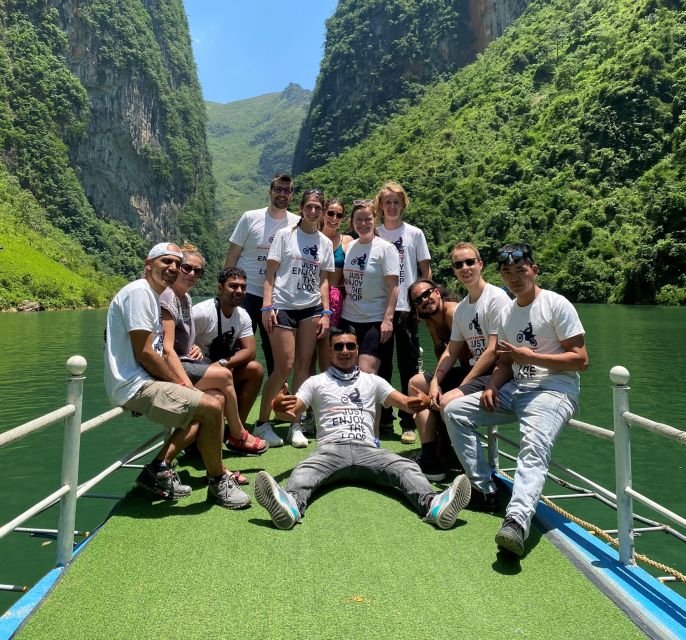
- Nho Que River cruise after the mountain ride, for a slower pace
- Du Gia Waterfall swim time (including the classic waterfall jumping moment)
- Small group size (up to 12) for a friendlier vibe and easier coordination
- Evenings that can include karaoke and group activities, not just sleeping
Why the Ha Giang Loop feels different on a 3-day ride
The Ha Giang Loop is famous for a reason. It’s not just “pretty roads.” You’re looking at limestone karst formations, sharp passes, and valley villages that change character every few turns. In a short loop like this, the route is efficient: you get several top-viewpoints without turning the whole trip into pure driving.
What I like about doing it in 3 days is pacing. You’re not stuck for an extra long stretch past the point where your body starts to hate you. One person put it bluntly: do the 3-day if you have time, but longer can mean more time sitting on the back of a scooter with only small extra pay-off.
You can also read our reviews of more tours and experiences in Hanoi


Hanoi to Ha Giang: the sleeper bus part you’ll actually feel
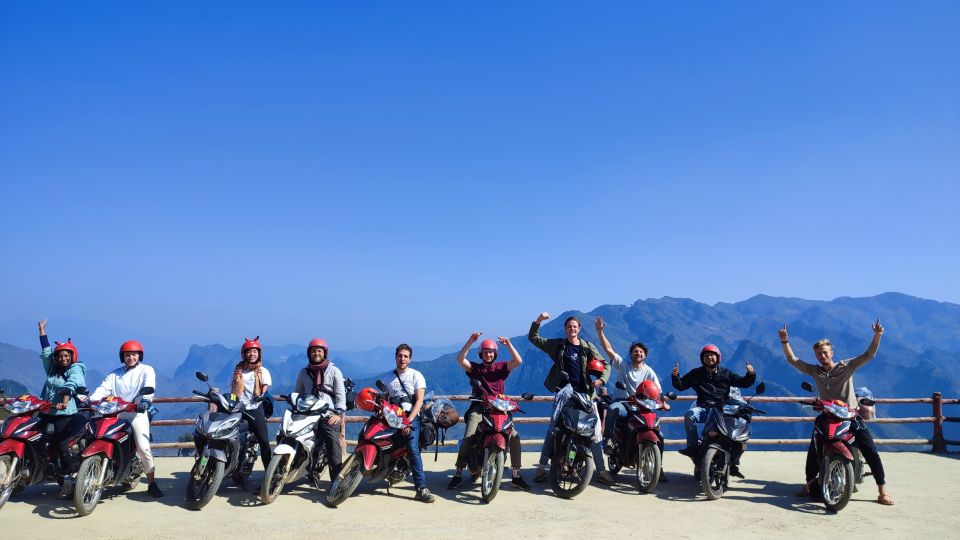
Pickup is in Hanoi’s Old Quarter, between 7:30 PM and 8:00 PM. You’ll get collected from your hotel or from the Chestnut Travel office at 95h Ly Nam De Street (6th floor). Then it’s off to the bus station for a sleeper bus ride of about 7–8 hours to Ha Giang.
This part matters because it sets your energy for Day 1. If you’re the type who sleeps easily on buses, you’ll wake up ready to move. If you don’t, plan for a slightly groggy start in Ha Giang city around 3:30 AM, when you’ll check in and rest for a few hours before the riding begins.
A small caution from real trip experience: some people described the return journey as a bit chaotic, with multiple bus changes and timing that can feel confusing. The good news is it tends to be manageable when everyone is on the same schedule—but go in expecting a bit of “Vietnam logistics,” not a neat airport-style flow.
Day 1: Bac Sum Pass, Heaven Gate, Dong Van dinner with music
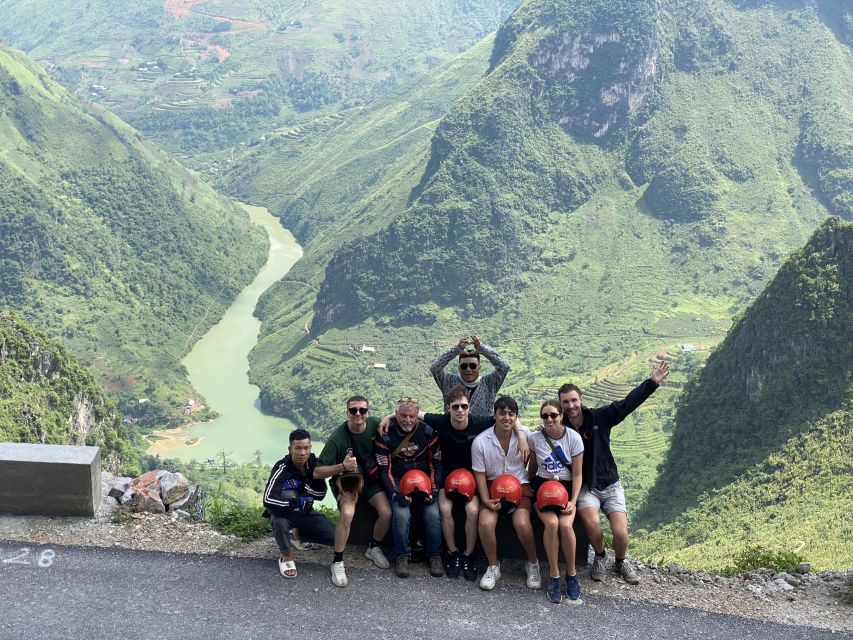
Morning starts early. You meet the guide in Ha Giang and begin the loop riding with a pass road via Bac Sum Pass. The payoff here is your first serious dose of the Ha Giang “wow” factor—big mountains, winding bends, and the sense that you’re leaving the flat world behind.
Then you roll toward Heaven Gate. This stop is popular because the viewpoint is built around the twin peaks and the surrounding scenery around Tam Son town. It’s the kind of place where the photo is good, but the real value is looking long enough to notice how the valley shifts with light and distance.
After riding, you’ll have lunch in Yen Minh town, then keep going through Chin Khoanh Pass toward the Dong Van Karst Plateau. This is where the geology becomes part of the story—rock shapes that look handmade, then villages that look like they grew out of the stone.
Later comes a cultural anchor: Hmong King’s Palace at Sa Phin. This is a slower stop than the pass viewpoints, and it helps the trip feel grounded in local history and people, not only road scenery.
By late afternoon, you arrive in Dong Van. Expect a local Vietnamese dinner and some form of live entertainment. It’s a nice contrast to the riding day because you can sit, eat, and feel the town’s rhythm after a full day on the scooter.
Day 2: Ma Pi Leng pass, Sky Path trek, and the Nho Que boat reset
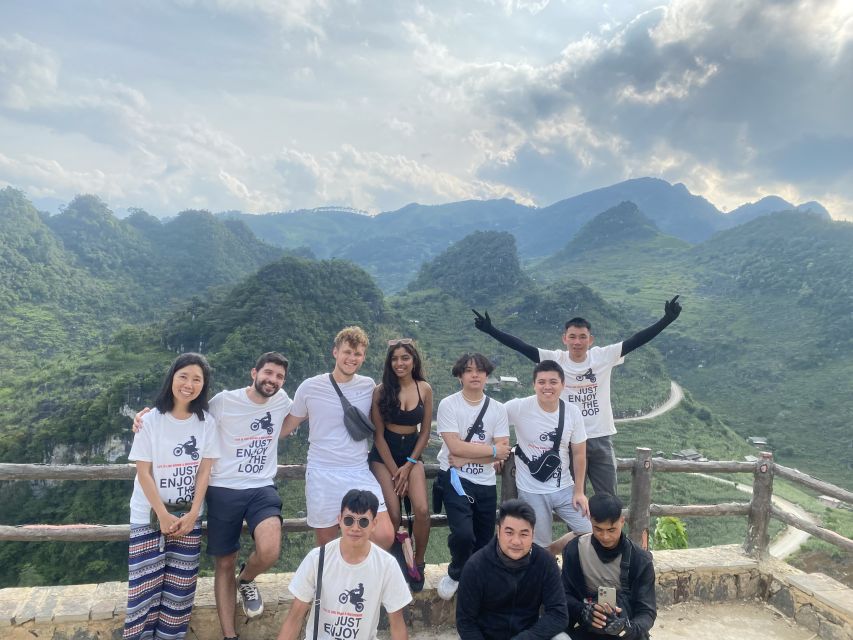
Day 2 is the headline day for most people. You start from Dong Van around 8:00 AM and head toward Ma Pi Leng pass, one of the most dramatic sections of the loop.
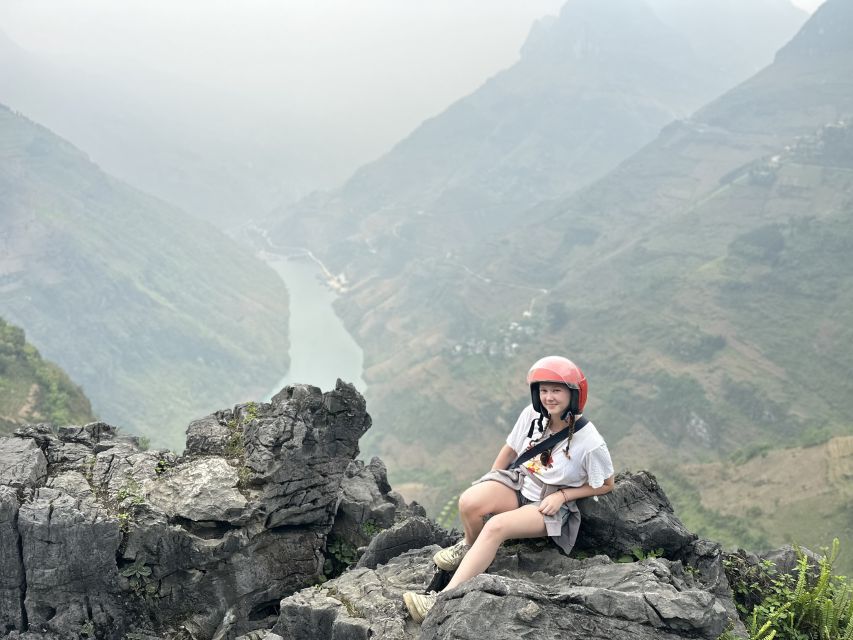
At Ma Pi Leng, you’ll do more than just stop for a photo. The tour includes time to trek the Sky Path for panoramic views. That little walk is worth it because it changes how you see the pass. From the road, mountains look like scenery. From the Sky Path, they feel like the walls of a real landscape system.
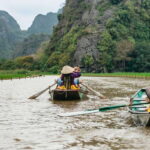
After that, you descend toward the Nho Que River for a boat ride. This is an important “reset” moment. After hours of motorbike time and bumpy roads, the cruise lets your body relax while you still get views of the valley. It also breaks the day into a story: ride high, then float low.
Lunch is flexible by day’s routing and local timing, with options mentioned for Meo Vac, Mau Due, or Lung Ho village. After lunch, you ride into the more rural end of the loop and head toward Du Gia town, where you’ll stay in a local homestay. Some people mention the setting as surrounded by green rice fields, which usually means you get quieter evenings and the comfort of simpler local routines.
A few extra practical notes from what people shared: this day can include plenty of stops to rest, and the group dynamic often improves as you move from viewpoint to viewpoint. Also, if rain hits, don’t panic—some trip reports still praised the route and timing, even when weather forced small adjustments.
Day 3: Du Gia Waterfall swim, Lung Ho area, then back to Ha Giang
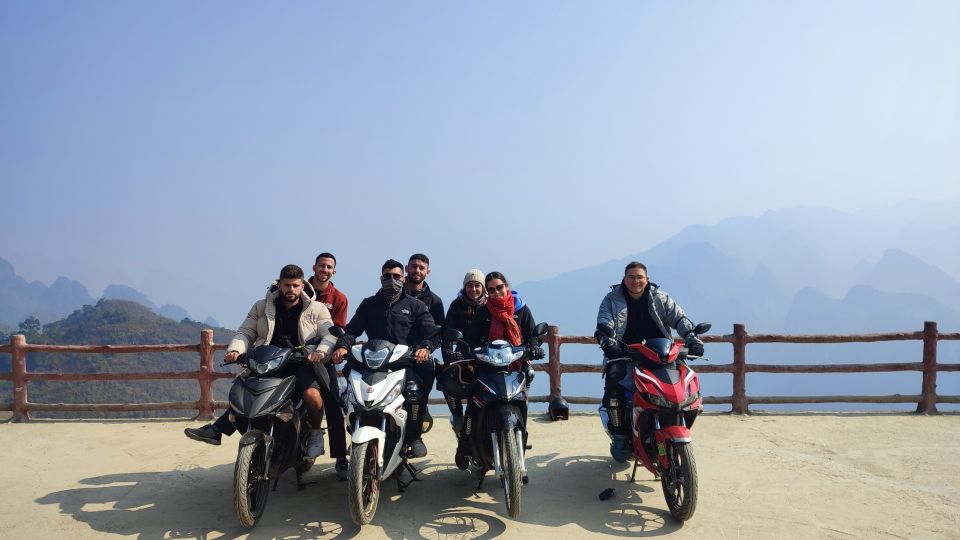
You’ll have breakfast at the homestay around 8:00 AM, then the morning shifts toward water time. The tour includes relaxing and swimming at Du Gia Waterfall, plus the classic moment of waterfall jumping.
This is one of those choices you can tailor to your comfort level. You can go all in, or you can treat it like a photo stop and a quick dip. Either way, it breaks the driving routine in a way that’s hard to replicate later.
After the waterfall, you cross toward the Lung Ho area and observe Nui Doi Mountain. This is less about adrenaline and more about seeing how the loop connects different viewpoints and how the village roads line up.
Lunch happens before you head back to Ha Giang, with an arrival around 16:00. Dinner is on your own, then you board the sleeper bus back to Hanoi around 19:30 or 21:00. The main idea: you’re not racing through a full extra riding day, but you’re still moving enough to keep the tour feeling complete.



Easy riders and safety: what you should expect on the scooter
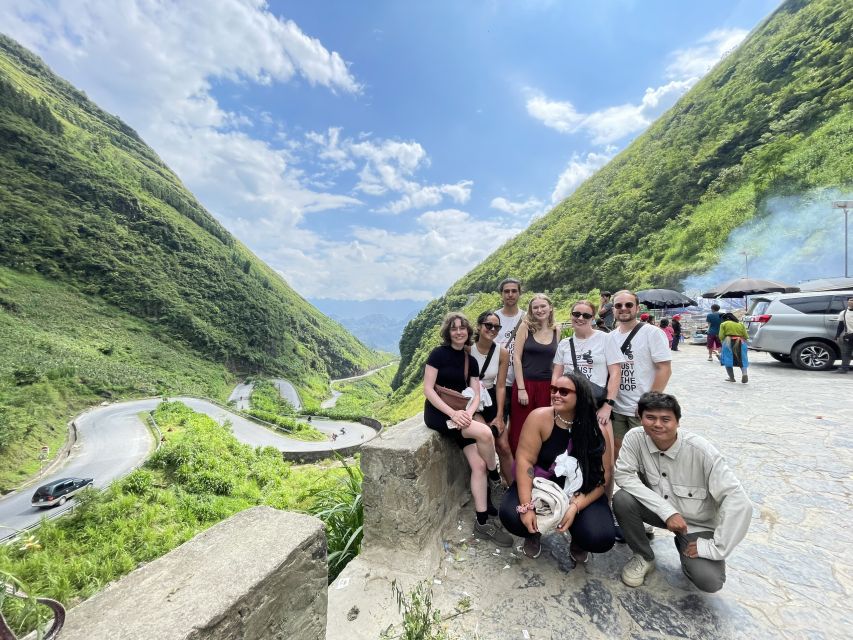
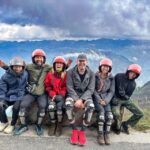
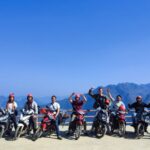
An “easy rider” tour is only fun when you feel safe. What stood out in the feedback is how often people praised their drivers for being careful and confident.
Some names that came up: guides and leaders like Son, Ha, Lee, Vang, Quyen, Hoa, and Tuấn, and easy riders like Zun and Tâm. The key point isn’t the names—it’s that you’re typically with a crew that knows the roads and is used to guiding small groups.
What you should do as a passenger:
- Wear a helmet and follow the driver’s instructions. Safety is explicitly treated as a priority.
- Keep your small essentials in a bag you can access fast. You’ll be strapping your gear to the bike, so you can’t always grab things like a scarf or gloves at the exact moment you want them.
- Bring layers. Even in months when Ha Giang feels mild on paper, early mornings and passes can be cold. One person specifically described cold and misty conditions in early January and recommended warmer layers.
Also, you’ll feel the road. This isn’t a smooth highway. People mentioned bumpy stretches, so expect sore muscles at the end. The good news: you get enough rest breaks built into the day to keep it enjoyable.
Food, accommodations, and what “authentic” really means here
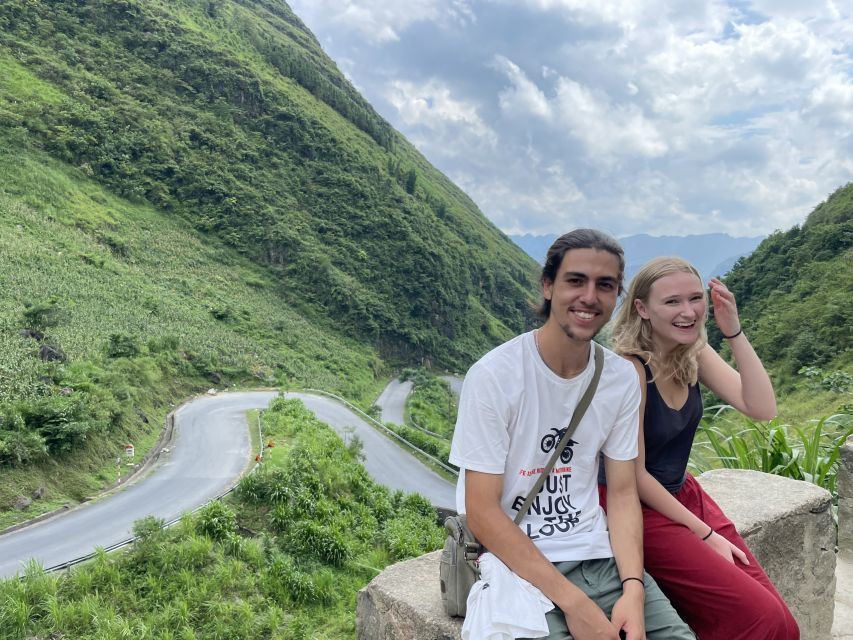
This tour uses a mix of basic guesthouses and homestays. That’s the authentic part—but it also sets expectations. You’ll get included meals that are described as simple local cuisine, with people praising that meals were generous.
Accommodation is split across the trip:
- You sleep on the sleeper bus during the Hanoi–Ha Giang night.
- You stay in a hotel in Dong Van for the second night.
- You stay in a homestay in Du Gia for the third night.
In real-world terms, what that means for you: Dong Van is where you can expect a more standard setup. Du Gia is where you should expect a family-run vibe and fewer “Western convenience” assumptions—plan your comfort around that.
Some people were pleasantly surprised by room comfort and privacy setups, but keep your mindset practical. Bring a small towel plan if that’s your style. And if you’re picky about amenities, you’ll want to accept that this isn’t a resort.
Price ($227) and value: what you’re paying for
At $227 per person for 3 days, you’re paying for the parts that are hard to DIY:
- Motorbike rental + easy rider
- English live guide
- Scheduled stops and entrance fees
- Nho Que River cruise
- Two nights of lodging across Dong Van and Du Gia
- Included meals (breakfasts and lunches, plus two dinners)
When you add it up, the value is less about the sticker price and more about time saved. Riding the Ha Giang Loop on your own takes serious planning: route timing, where to sleep, and how to handle road navigation safely. Here, you also get a crew that’s used to running the schedule for small groups.
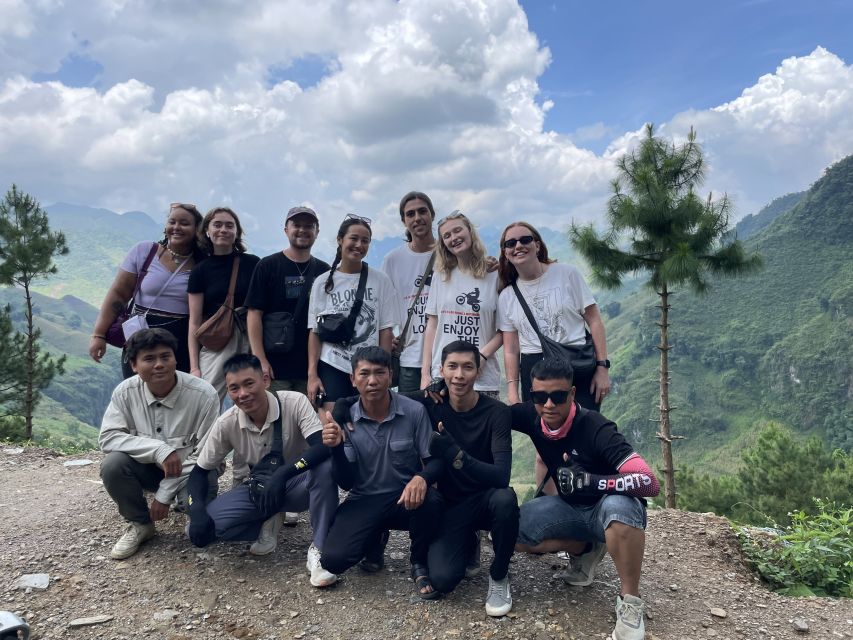
One more value lever: small group size (up to 12). That often makes photo stops and pacing feel smoother than large-group chaos. You still get the social energy—karaoke nights and games were mentioned—but you’re not packed in.
Drinks and personal expenses are not included. So budget for water refills and snacks outside the included meals.
Who this 3-day Ha Giang Loop suits best
This is a great fit if you want:
- A signature “bucket list” motorbike experience without going long enough to destroy your legs.
- A guided route with English support, plus stops that cover both passes and cultural sites.
- A small-group atmosphere where you can bond a bit, especially in the evenings.
It might be less ideal if:
- You have a very low tolerance for bumpy roads or long sitting time.
- You want a fully luxury comfort level in homestays.
- You hate bus transfers and want zero uncertainty. Some people noted confusion around pick-up timing and bus changes on the route in and out of Hanoi, even though the overall experience stayed strong.
My honest call: should you book this one?
If you want the classic Ha Giang Loop experience in a way that stays fun, this 3-day option makes sense. You hit the major must-dos—Ma Pi Leng, Nho Que, Du Gia Waterfall—and you still get evenings in Dong Van and Du Gia where the tour feels like more than just scenery stops.
I’d book it if:
- You’re okay with long riding days and you’re willing to pack warm layers.
- You prefer having a guide and drivers handle route logistics.
- You like small group energy, including evening games and karaoke-style fun.
I’d hesitate if:
- You’re extremely sensitive to road discomfort.
- You need top-tier comfort every night.
- You’re expecting perfectly smooth, zero-transfer travel timing.
FAQ
FAQ
What time is pickup in Hanoi?
Pickup is available from hotels in Hanoi’s Old Quarter area between 7:30 PM and 8:00 PM.
How long does the sleeper bus ride take?
The Hanoi to Ha Giang sleeper bus journey takes about 7–8 hours.
How many nights are included in the 3 days?
You travel by sleeper bus for one night, then stay overnight in Dong Van for one night and in a homestay in Du Gia for one night.
How big is the group?
The group is limited to 12 participants.
Is there an English-speaking guide?
Yes. The tour includes a live tour guide in English.
What main activities are included?
The tour includes riding key passes, visiting Heaven Gate and Hmong King’s Palace, a Nho Que River cruise, and Du Gia Waterfall swimming/jumping.
What should I bring?
Bring your passport, sunscreen, and comfortable clothes. A small bag/backpack for essentials is recommended since your large items can stay at your hostel in Ha Giang City.
What’s included in the price, and what isn’t?
Included: return sleeper bus transfer (Hanoi–Ha Giang), hotel pickup, motorbike rental, tour guide, Nho Que cruise, lodging, breakfasts/lunches/dinners listed, and entrance fees. Not included: drinks and personal expenses.