REVIEW · HANOI
From Hanoi: 3-Day Sapa Trekking with Limousine Transfer
Book on GetYourGuide →Operated by DragonflyCruise.com · Bookable on GetYourGuide
Three days in Sapa moves fast. This Hanoi-to-Sapa trek balances comfort on the road with real walking in the hills, including visits to the H’Mong and Dzao communities around Mount Fansipan. I like the luxury limousine transfer, with scheduled breaks, so the trip feels manageable even with an early pickup, and I love that the itinerary builds from an easy first hike to a more challenging second day. One thing to plan for: the trekking can feel tough, especially in rainy conditions.
You also get guidance that actually helps you understand what you’re seeing. I like that the tour runs with an English-speaking local guide, and names like Me and Trang have been noted for strong English and helpful storytelling about daily life and local culture. Just keep in mind that if you’re hoping for comfort-first lodging, the homestay option is basic.
In This Review
- Key Points You’ll Care About
- Luxury Limousine Transfer: The Hanoi-to-Sapa Part That Matters
- Small-group and guide support
- Day 1 in Sapa: Cat Cat Village and a Gentle Start (Easy Trek, Real Village Time)
- Cat Cat Village trek: 2 hours, about 4 km
- The rest of your Day 1
- Day 2’s 12–15 km Trek: Rice Terraces, Lao Chai, and Ta Van
- Segment 1: Rice terraces to Lao Chai (about 5 km)
- Segment 2: Ta Van village (Dzao community)
- Segment 3: Y Linh Ho and Ban Ho (remote village feel)
- Free time after trekking
- Day 2’s Trek Reality Check: What Makes This “Challenging”
- Day 3 in Sapa: Easy Morning, Optional Fansipan, and the Return to Hanoi
- Checkout and ride back
- Meals, Lodging, and Where the Value Shows Up
- What’s included
- Hotel vs homestay: plan for basic comfort
- Price check: why $199 can work (or not)
- Fitness, Weather, and Packing: The Stuff That Keeps the Trip Fun
- Clothing and shoes
- Weather reality
- Money and small practical tips
- Who This Tour Suits Best (and Who Should Skip It)
- Should You Book This Hanoi-to-Sapa 3-Day Trek?
- FAQ
- What time does pickup happen in Hanoi?
- How long is the limousine transfer to Sapa?
- Is Fansipan Peak included in the tour?
- What meals are included?
- What kind of trekking is on Day 1?
- How difficult is Day 2?
- Will I stay in a hotel or a homestay?
Key Points You’ll Care About
- Luxury limousine from Hanoi with pickup in the Old Quarter and a long-but-comfortable ride to Sapa
- Cat Cat Village on Day 1 with a short first trek (about 4 km) to ease you in
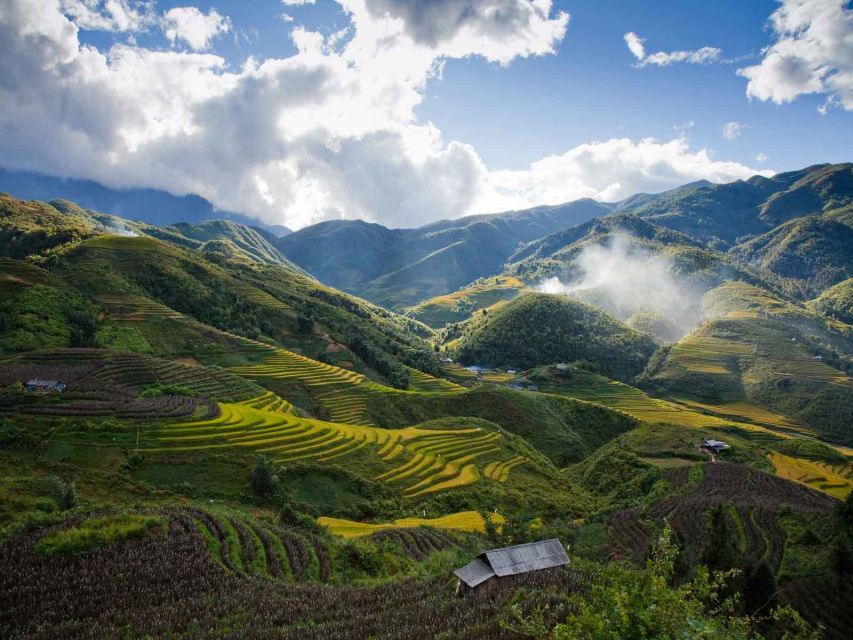
- Lao Chai and Ta Van on Day 2 (rice terraces, photo stops, and guided walking between villages)
- Remote village time on Day 2 at Y Linh Ho and Ban Ho, where the pace is more local
- Hotel or homestay for 2 nights (homestays are basic, plan accordingly)
- Fansipan is optional and not included, so you can choose based on energy
Luxury Limousine Transfer: The Hanoi-to-Sapa Part That Matters
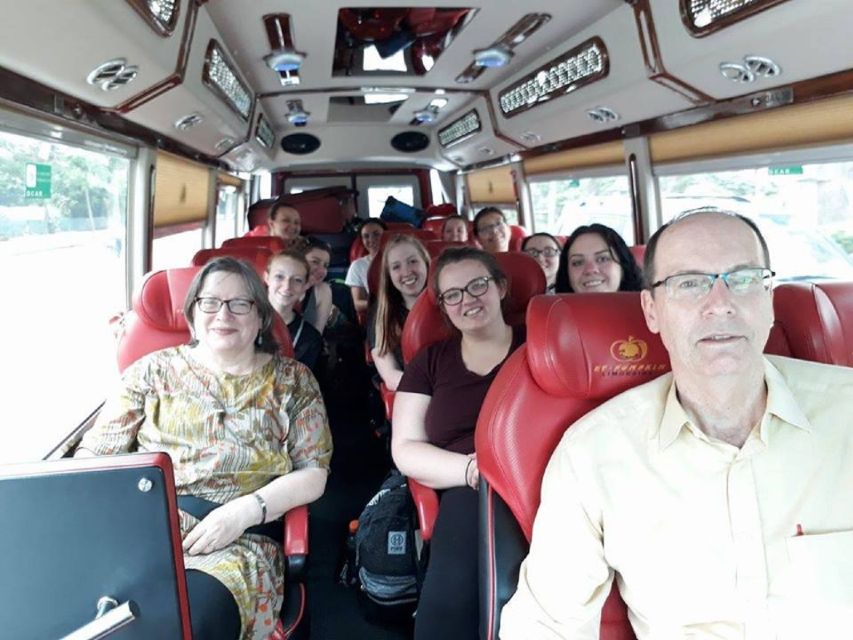
The best reason to pick this format is simple: the hard part of Sapa isn’t the train or the bus. It’s the walking. So I like that the tour starts with a comfortable limousine minivan and keeps the logistics handled for you.
You’ll be picked up in Hanoi Old Quarter around 6:45–7:00, then the vehicle makes a couple of break stops along the way. Expect arrival in Sapa around 12:30. That timing matters. You get enough daylight to stretch your legs, eat lunch, and settle in without feeling like you arrived at night and wasted your first evening.
Stop-wise, you can expect a defined pickup location in Hanoi (listed as 31 P. Lò Sũ) and then a direct run toward Sapa before the trekking starts. The ride itself is part of the value here because it’s not just transportation; it’s the buffer that lets you start trekking while still functioning.
You can also read our reviews of more hiking tours in Hanoi


Small-group and guide support
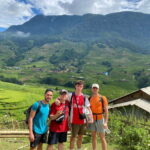
This runs as a small group, which typically means you’re less likely to get lost in the shuffle. You’ll also have a local guide speaking English, and the guide’s job is more than route directions. You’ll get context for the ethnic communities you meet and where the trail is leading.
Day 1 in Sapa: Cat Cat Village and a Gentle Start (Easy Trek, Real Village Time)
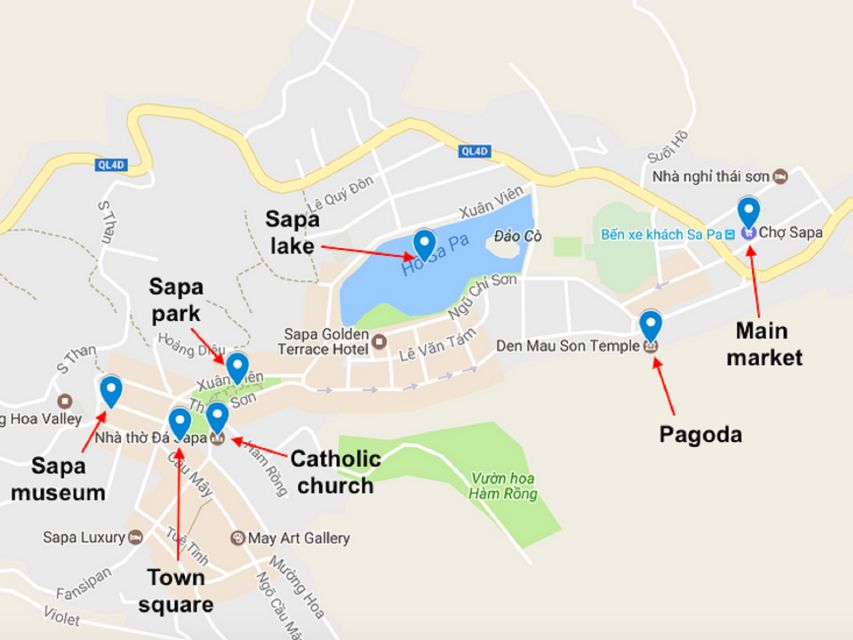
Day 1 is the warm-up day, and it’s well designed if you’re not sure how your legs will handle Sapa trekking yet.
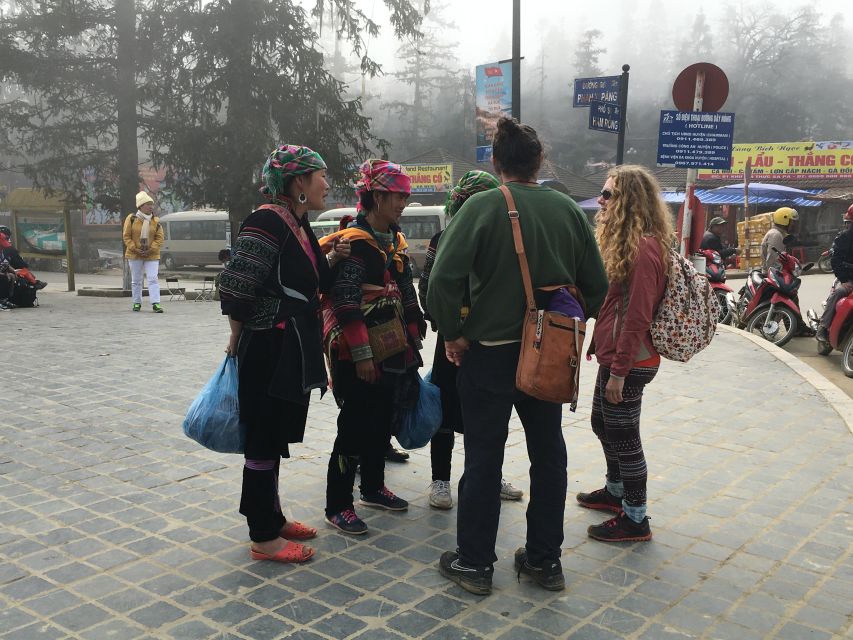
After you check in, you’ll meet local community members in traditional clothing from groups connected to the region’s H’Mong, Dzao, and Tay communities. Then you’ll have a Vietnamese lunch—and yes, it’s practical that lunch is included before your hike. It removes one decision you’d otherwise be making when you’re tired from the long ride.
Cat Cat Village trek: 2 hours, about 4 km
Around 14:30, you’ll begin the trek down toward Cat Cat Village (home to the Black H’Mong community). The hike is described as easy, roughly 2 hours and about 4 km (2.3 miles). It’s downhill, which can feel easier than constant uphill, but it still counts as trekking—especially if it’s humid or the ground is wet.
What you’ll get here is more than photos. The guide introduces daily life and helps you make sense of what you see while you’re walking through the valley. This is a good day to practice basic trekking habits: water breaks, steady pace, and keeping your camera ready but not rushing.
The rest of your Day 1
After the hike, you’ll transfer back to Sapa. Dinner is on your own, so you have freedom to choose something close to your hotel. The tour doesn’t trap you in a schedule here, which I like after a travel day.
You can also read our reviews of more tours and experiences in Hanoi




Day 2’s 12–15 km Trek: Rice Terraces, Lao Chai, and Ta Van
Day 2 is where the tour switches from getting acquainted to earning those Sapa views. After breakfast, you’ll set out for a challenging trek estimated at 12–15 kilometers total.
This day is built in segments, which helps you mentally break the hike down instead of viewing it as one long ordeal.
Segment 1: Rice terraces to Lao Chai (about 5 km)
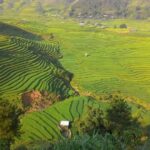
First, you’ll walk about 5 km along rice terraces to Lao Chai, a village associated with the Black H’Mong community. Rice terrace trails can look gentle from afar, but they often include uneven ground and paths that require attention underfoot.
This is also a visually rewarding section. You’re walking through working farmland, not a theme-park trail, and the terraces make the elevation feel less abstract because you’re literally moving through the shapes people farm.
Segment 2: Ta Van village (Dzao community)
Next, you’ll trek to Ta Van village, home to the Dzao ethnic minority. The itinerary includes a mix of time for walks, guided context, and sightseeing, plus opportunities like a photo stop.
Ta Van is a good contrast point after Lao Chai. If you’re paying attention, you’ll start seeing how village layout and daily life can feel different even when the culture you’re learning about overlaps in the wider Sapa region.
Segment 3: Y Linh Ho and Ban Ho (remote village feel)
Then comes the part that many people want but don’t always get: time in the area that’s described as not many tourists. You’ll trek toward Y Linh Ho and then Ban Ho Village.
The value of these remote segments isn’t just fewer crowds. It’s that you’re more likely to experience the day at the pace of local life rather than the tempo of short bus-stop visits. Your guide will help you connect the dots, because that’s what makes village time meaningful.
Free time after trekking
Once you return to your hotel, you’ll have free time to explore Sapa on your own. I like that this isn’t scheduled down to the minute. Day 2 can be a workout, so having that window lets you recover, shower, and decide what you actually want to do instead of following a script.
Day 2’s Trek Reality Check: What Makes This “Challenging”
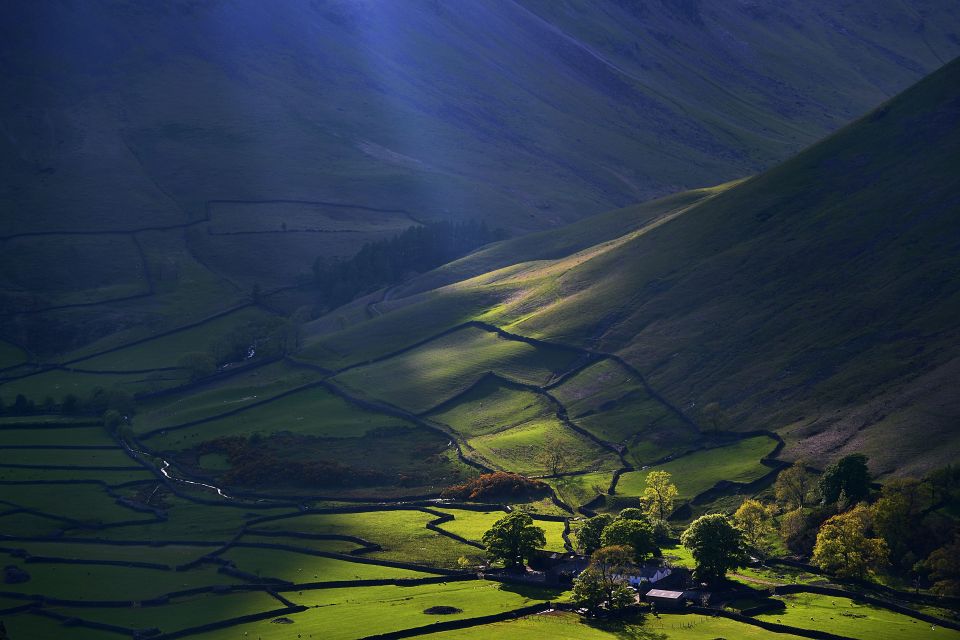
The tour calls the hike challenging, and you should take that seriously. You’re looking at 12–15 km, plus the fact that trails around Sapa often involve stairs, dirt paths, and slippery sections when weather turns.
If you’re the kind of traveler who thinks trekking means a casual stroll, this is your gentle push back. This is a guided trek, yes, but it’s still a trek.
Also: the tour specifically notes the trekking can be especially challenging in rainy weather. So if you’re traveling in a rainy stretch, plan to move slower than you think you should and accept that your timing may feel different than a sunny-day hike.
And one more reality note: this tour isn’t suited for mobility difficulties, and it’s not designed for children under 6. If you’re in a group with mixed fitness, tell yourself in advance who will likely need the most breaks.
Day 3 in Sapa: Easy Morning, Optional Fansipan, and the Return to Hanoi
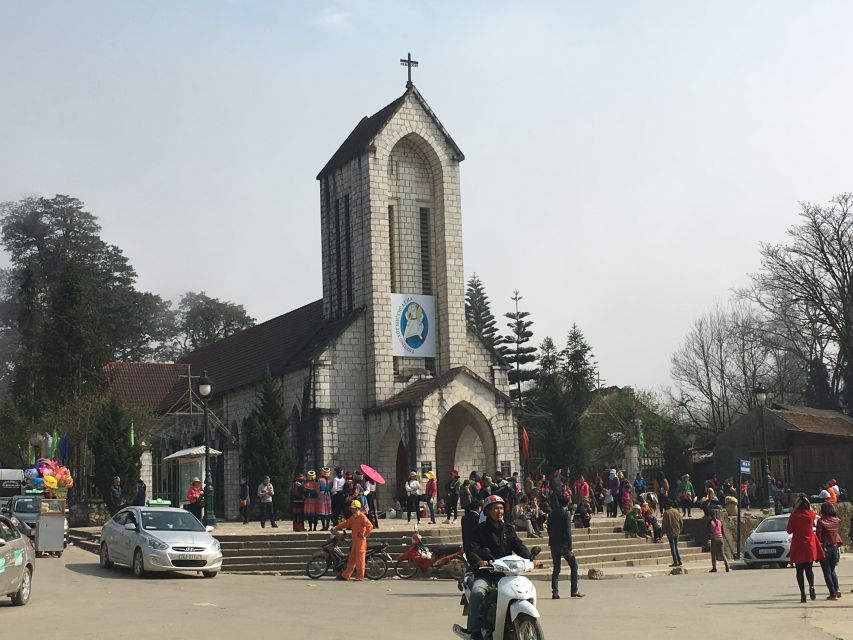
Day 3 is the recovery day with a choice built in.
After breakfast, you have a free and easy morning. That means you can explore Sapa town at your own pace, or you can go for Fansipan Peak if you want. Fansipan tickets and the tour to get there aren’t included, but you can buy the ticket and handle the logistics with support from the hotel receptionist.
If you’re thinking about it: this is best for travelers who still have energy after two trekking days. If your legs feel heavy, staying local in town can be the smartest choice.
Checkout and ride back
You’ll check out at 11:30, have lunch, then head back toward Hanoi. By 14:30, you’ll be on your way, arriving in Hanoi around 21:00.
That return timing is one of the reasons the itinerary feels structured: it gives you a clear end point and a predictable day 3, instead of stretching the trip into an open-ended travel day.
Meals, Lodging, and Where the Value Shows Up
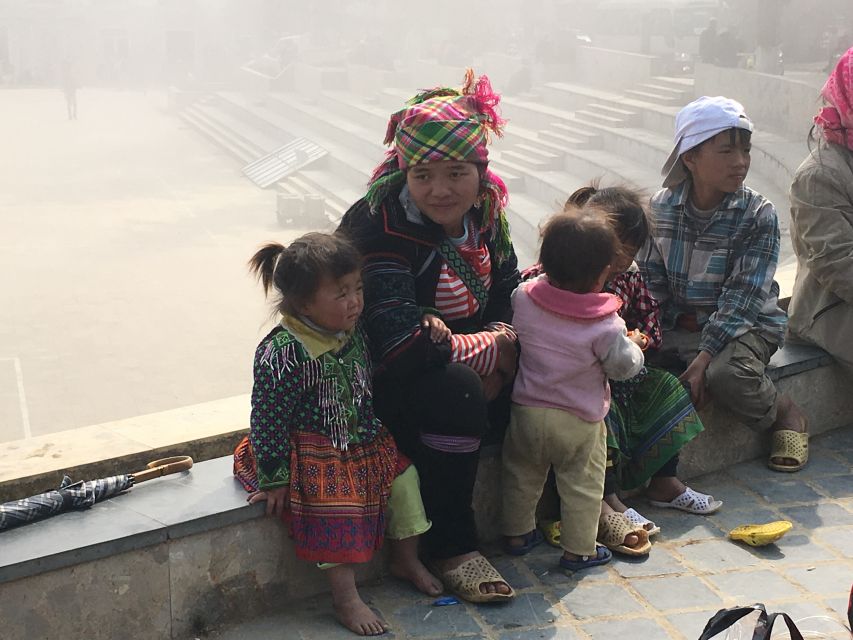
This tour isn’t only about walking. It’s built around what you don’t want to do yourself while you’re in Sapa: figuring out lodging, arranging local guide time, and planning most of your meals.
What’s included
You’ll have:
- Pickup and drop-off
- 2-night stay (either hotel or homestay, depending on the option you choose)
- Air-conditioned limousine transportation
- Local tour guide
- Entry tickets to indicated sites
- 2 breakfasts and 3 lunches
Dinner and drinks are not included. That’s normal for Vietnam day tours, but it matters for budgeting. You’ll want to set aside money for evenings, especially because Day 1 and Day 2 dinners are on your own.
Hotel vs homestay: plan for basic comfort
The tour notes the homestay option offers only the most basic amenities. If you’re used to reliable hot water and quiet rooms, treat the homestay as functional rather than comfortable.
If you want the village experience without giving up too much comfort, pick the hotel option if it’s offered on your date.
Price check: why $199 can work (or not)
At $199 per person for 3 days, the value comes from the combination:
- round-trip transfer (Hanoi ↔ Sapa),
- guide-led trekking,
- 2 nights lodging,
- and multiple included meals (2 breakfasts + 3 lunches).
The part that can change the final cost is obvious: dinner is on you, and Fansipan tickets are extra. If you skip Fansipan, you’ll keep your spending tighter.
Overall, it’s best value if you want a guided trek structure and don’t want to piece together transport, guides, and village stops yourself.
Fitness, Weather, and Packing: The Stuff That Keeps the Trip Fun

Sapa weather can shift fast, and the tour is very direct about packing for cold conditions in certain months. It also mentions fog in December–February and generally colder temps across Sep through Mar, due to altitude.
Clothing and shoes
Bring:
- Trekking shoes
- Sunglasses and sun hat
- Sun screen and insect repellent
- Warm clothes, including a scarf and a hat/cap
It’s also smart to bring any special medication you need, since trekking days can run long and you’re moving through remote areas.
Weather reality
Because trekking can be hardest in rain, I suggest you pack for wet conditions and plan on walking slower than your instinct says. Even if the hike feels short on paper, wet trail surfaces can turn it into something else.
Money and small practical tips
The tour advises bringing Vietnamese Dong, since banking in Sapa can be unpredictable. It also notes USD, Euros, and Australian dollars are accepted.
Passport or ID card is required too, so keep it handy rather than buried in a daypack.
Who This Tour Suits Best (and Who Should Skip It)

This is a great fit if you:
- want a guided Sapa trekking itinerary with village visits,
- like having transport and key meals handled,
- and you’re ready for a real walking day on Day 2.
You might want to skip it if:
- you have mobility limits (this tour says it’s not suitable),
- you need a low-effort hiking plan,
- or you get uncomfortable with basic homestay amenities.
It also helps if you’re comfortable doing dinner on your own for at least part of the trip.
Should You Book This Hanoi-to-Sapa 3-Day Trek?
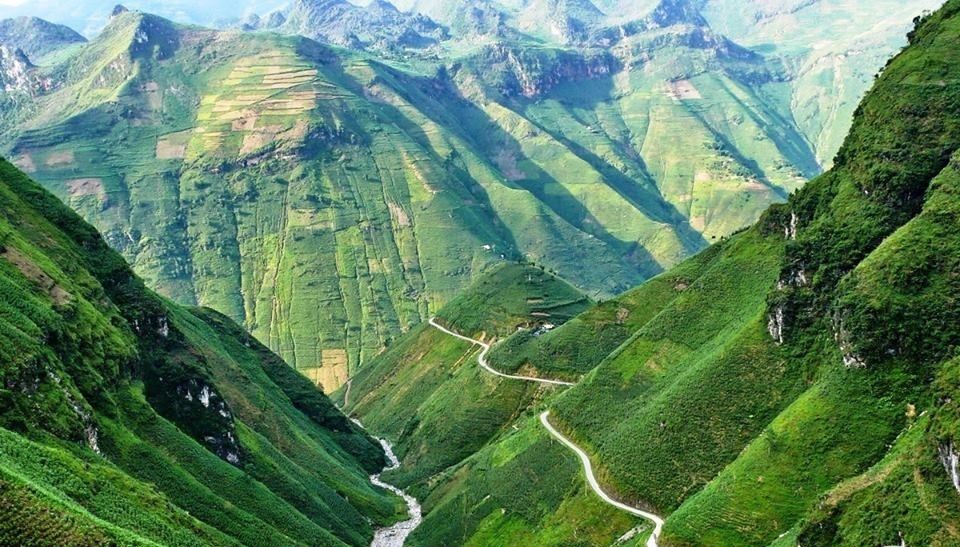
I’d book this if you want the best mix of comfort and authenticity: a limousine transfer to reduce travel stress, a guided intro to village life on Day 1, and a full Day 2 trek that goes beyond the easy stops.
I’d hesitate if your top priority is lounging or if your definition of trekking is mild walking only. Day 2 is genuinely challenging, and rainy weather will make the trail tougher.
If you’re okay with that tradeoff, this itinerary gives you a clear structure: you’re not just seeing Sapa from roads. You’re walking through rice terraces, meeting minority communities in more than one village, and then taking a recovery-friendly Day 3 with town time or Fansipan.
FAQ
What time does pickup happen in Hanoi?
Pickup is available in Hanoi Old Quarter between 6:45 and 7:00.
How long is the limousine transfer to Sapa?
The transfer is listed as about 5.5 hours, with arrival in Sapa around 12:30 after break stops.
Is Fansipan Peak included in the tour?
No. Fansipan tickets and a Fansipan tour are not included. You can purchase tickets in your free time, with help from the hotel receptionist.
What meals are included?
The tour includes 2 breakfasts and 3 lunches. Dinner and drinks are not included.
What kind of trekking is on Day 1?
Day 1 includes an easier trek to Cat Cat Village. It’s about 2 hours and roughly 4 km.
How difficult is Day 2?
Day 2 is described as challenging, covering about 12–15 kilometers with multiple segments between villages.
Will I stay in a hotel or a homestay?
You’ll stay for 2 nights in either a hotel or homestay, depending on the option you select. The homestay offers only basic amenities.