REVIEW · HANOI
From Hanoi: 3-Day Ba Be Lake & Ban Gioc Falls Private Tour
Book on GetYourGuide →Operated by Conical Travel Co., Ltd · Bookable on GetYourGuide
Northern Vietnam feels like two worlds at once. This private 3-day route strings together Ba Be National Park with Cao Bang’s border-country drama, plus a real homestay with ethnic Tay and Nung families. I love how the timing mixes slow lake moments with hands-on culture stops, and I also like that you’re not hustled through a checklist—boat time, cave time, and village time get room to breathe.
One thing to consider: you’ll be on the road and walking (caves, village paths, boat transfers), so plan for some physical effort and uneven ground. The trip also isn’t suitable for pregnant women, and insect repellent is a smart pack for outdoor hours.
In This Review
- Key highlights at a glance
- The big idea: why Ba Be and Ban Gioc fit together
- Price and what you actually get for $427
- Day 1 from Hanoi to Cao Bang: Chi Lang Gate, Dong Dang, and a homestay night
- Day 2 in Cao Bang: Phuoc Sen Nung craft, Nguom Ngao Tiger Cave, then Ban Gioc Falls
- Day 3: Ba Be Lake by boat, Cam Village on foot, and Puong Cave
- Homestays and local culture: what you’ll learn (and how to not mess it up)
- The guiding factor: language, pace, and those included meals
- Comfort and logistics you can plan for
- Should you book this Ba Be Lake and Ban Gioc Falls private tour?
- FAQ
- Where does the tour start in Hanoi?
- How long is the tour?
- Is this a private group?
- What languages are available for the guide?
- What meals are included?
- Where do you stay during the tour?
- What are the main boat experiences?
- Is the tour wheelchair accessible, and who should avoid it?
Key highlights at a glance
- Private AC car + guide in English, German, or French so you can ask questions and move at a comfortable pace
- Ba Be Lake boat ride and village walk with time to see the Nang River area and Cam Village
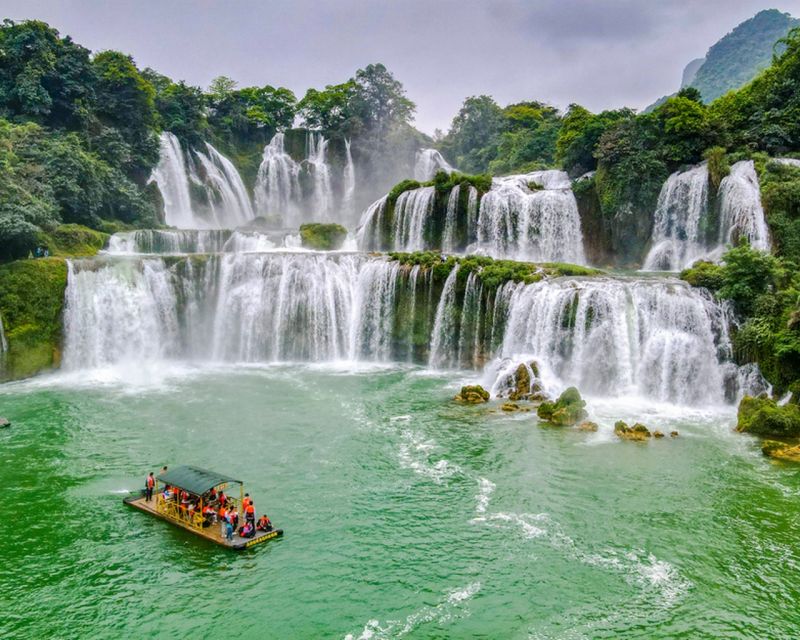
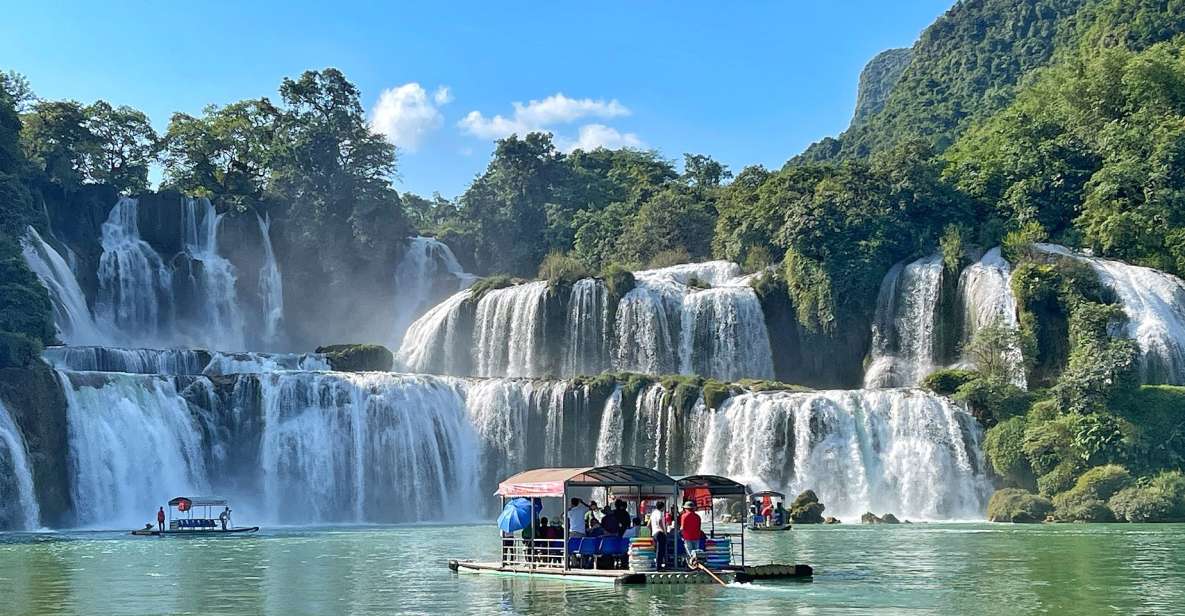
- Ban Gioc border waterfall experience at the world’s fourth-largest border waterfall, plus a boat trip there
- Nguom Ngao (Tiger Cave) cave visit with standout stalagmites and stalactites, plus famous batlife
- Homestays with Tay and Nung communities for a firsthand look at rural Northern Vietnam
- Food that’s chosen with care and included meals that reduce decision fatigue
The big idea: why Ba Be and Ban Gioc fit together
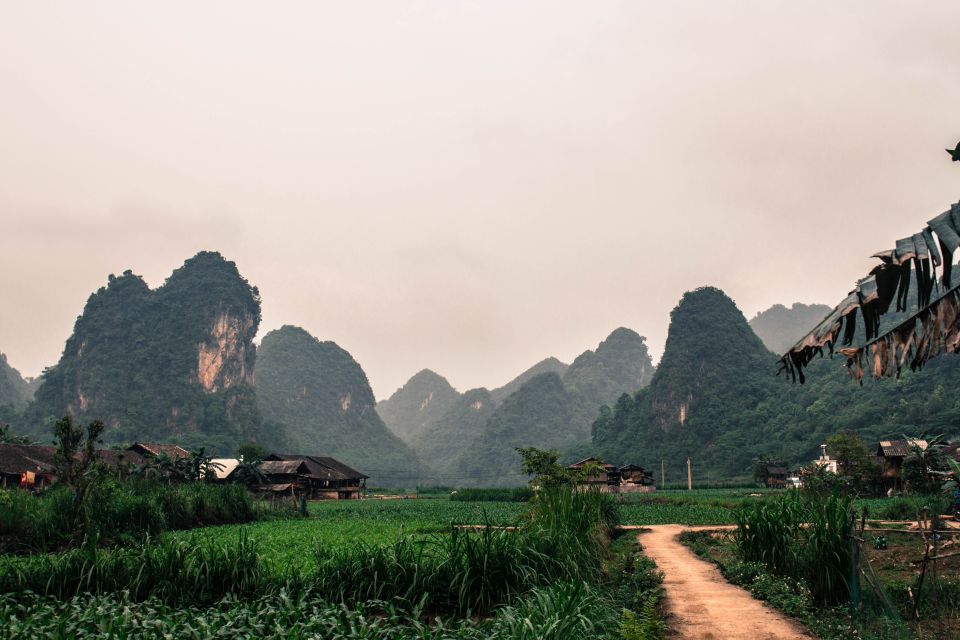
This trip makes sense because it follows Northern Vietnam’s real contrast. Day by day, you shift from lake-and-karst calm to the rugged, frontier feel of Cao Bang—then finish back by water at Ba Be. You’ll spend time in natural parks and geopark territory, but also in working communities: incense making, knife craft, and daily life in Tay and Nung villages.
What makes it feel special is the balance. You get the “wow” sights (Ban Gioc, two cave systems) without turning the whole trip into sprinting from one photo point to the next. And since it’s private, you’re not stuck adjusting to other people’s pace.
You can also read our reviews of more private tours in Hanoi
Price and what you actually get for $427
At $427 per person for 3 days, this tour isn’t the cheapest way to see the region. But it’s also not just a driver drop-off. You’re paying for a bundled day-to-day setup:
- Private AC car transfer for a long, cross-region route
- Hotel pickup and drop-off in Hanoi Old Quarter
- A live guide (English, German, or French)
- All entry tickets mentioned
- Meals included: 3 lunches, 2 breakfasts, 2 dinners
- Accommodation for 2 nights in homestays (private rooms)
- Water: 1 bottle per person per day
- Skip-the-ticket-line service
Where the value lands for you: fewer logistics headaches and a smoother flow between towns. If you’ve ever tried to piece together Ba Be + Cao Bang independently, you already know how time-consuming that can be—especially when you factor in cave visits, boat segments, and rural transfers.
The only clear gap: drinks are not included. That’s easy to handle, but it’s still something to budget for.
Day 1 from Hanoi to Cao Bang: Chi Lang Gate, Dong Dang, and a homestay night
Your day starts with pickup from Hanoi Old Quarter, then you head north through border-country landmarks and battle-history sites before landing in the Cao Bang area. This first stretch matters because it gives you context. You’re not just reaching scenery—you’re moving through the places that shaped the region’s identity.
Stops you’ll make (in the order described):
- Chi Lang Gate in Lang Son: a relic tied to the long Vietnamese struggle against Chinese invasion.
- Dong Dang: a frontier area stop as part of the northward drive.
- Mother’s Temple: a cultural stop before you continue.
- Dong Khe area, associated with the Battle of Dong Khe: another history point that helps you understand why Cao Bang is more than a scenic detour.
After lunch, the route turns into that Northern Vietnam road-trip feel: steep roads with scenery that keeps changing as you climb and curve. You’ll then arrive at an incense-making village for your homestay. That’s a great choice for a first-night vibe because you’re not exhausted after dark in the middle of nowhere. You can settle in and still have time to look around at your own pace.
Practical note: this day is about getting set up for the rest. The longer drive isn’t “free,” but it’s also what buys you a realistic chance to experience Cao Bang and Ba Be without cutting the sights.
Day 2 in Cao Bang: Phuoc Sen Nung craft, Nguom Ngao Tiger Cave, then Ban Gioc Falls
Day 2 is where the tour turns from history-and-journey into full-on “Northern Vietnam nature and culture” mode.
You start with Phuoc Sen Village, home to Nung residents, where you can learn about traditional knife-making. It’s one of those details that’s easy to miss if you’re just chasing waterfalls and photos. Knife craft also tells you something about daily life and the value placed on tools—hands-on craft rather than staged performance.
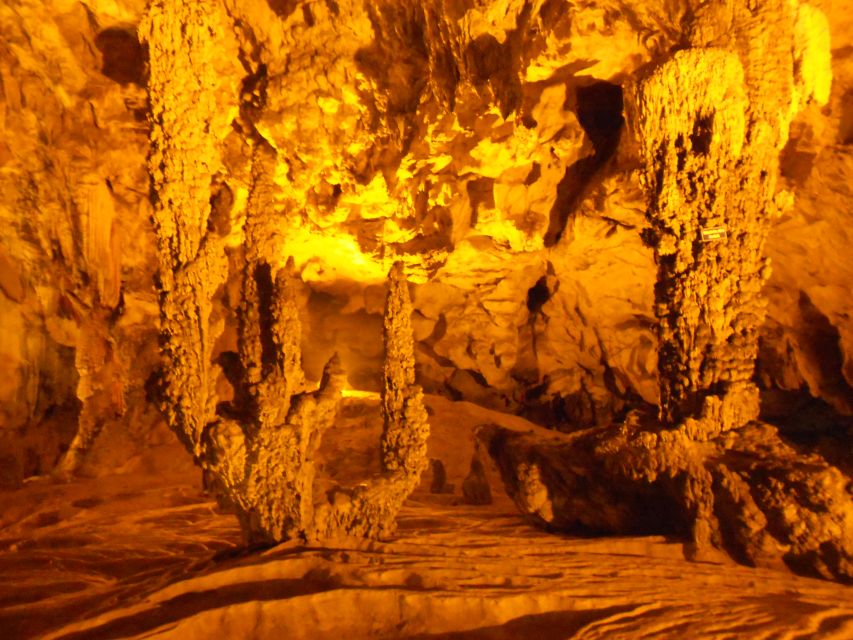
Then comes the big cave highlight: Nguom Ngao, also called Tiger Cave. You explore it for about one hour, and the defining features are the stalagmites and stalactites that shape the underground rooms. This cave is also known for bats—your guide’s likely to help you interpret what you’re seeing so it doesn’t feel like a random darkness walk.
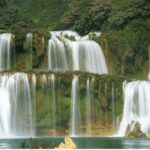
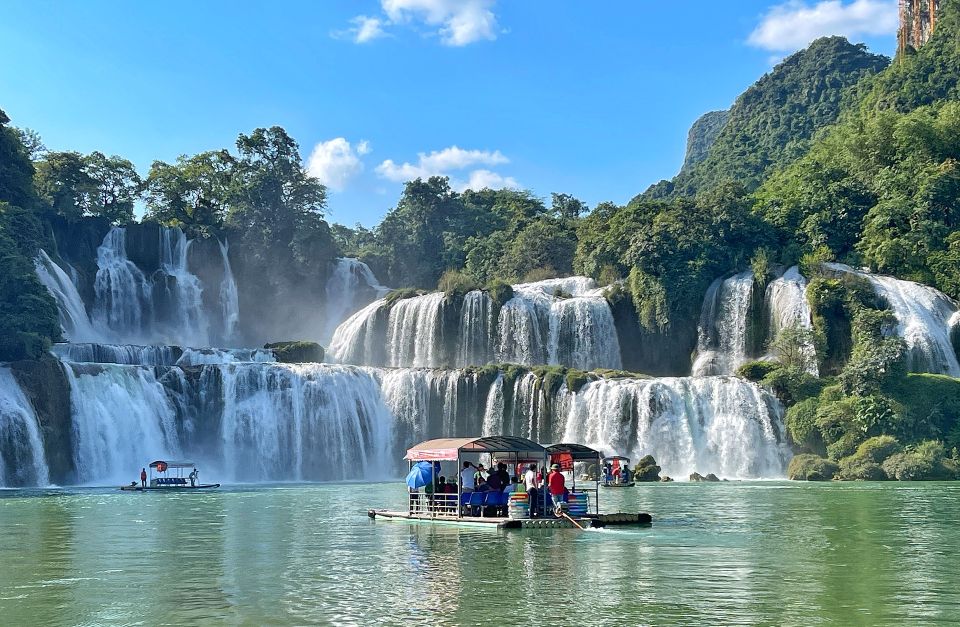
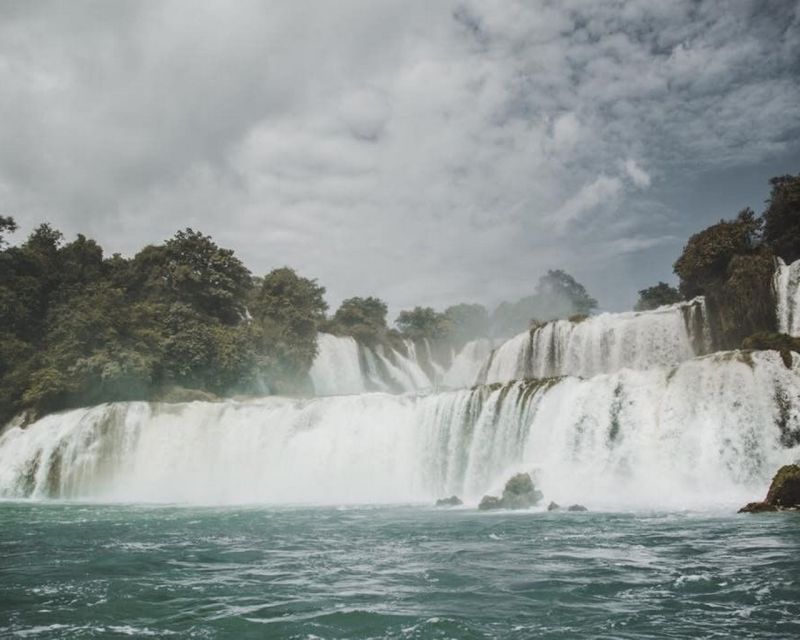
After the cave, you move to Ban Gioc Waterfall, the star of the area. This is the world’s fourth-largest border waterfall, located between Vietnam and mainland China. The tour also includes a boat trip after you reach the falls, which is exactly what you want here: the best views come when you’re close to the water, not just standing back on land.
One drawback to know up front: waterfall day often means humidity and slippery footing. Wear shoes you trust and keep your camera ready, because conditions can change fast once you’re at the water.
Day 3: Ba Be Lake by boat, Cam Village on foot, and Puong Cave
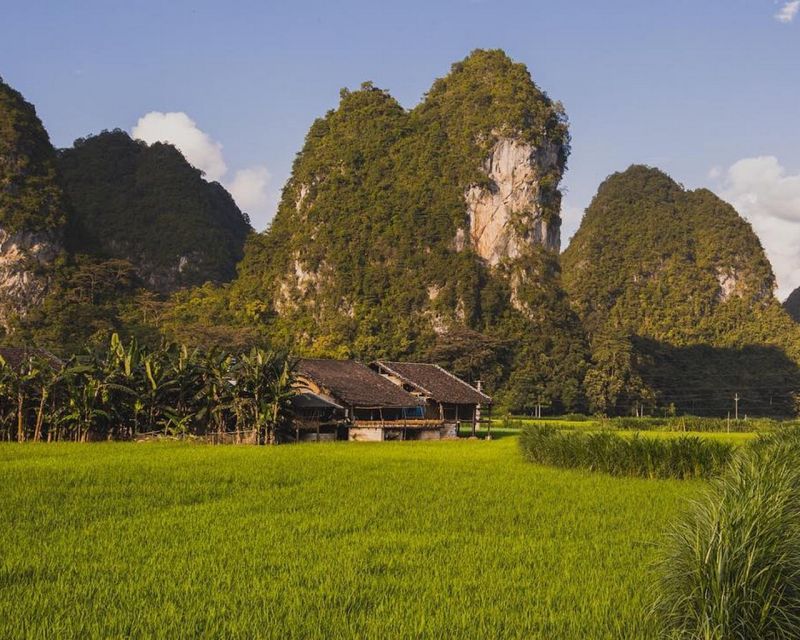
Then you shift back to calm: leaving Cao Bang and heading to Ba Be National Park. You arrive late in the day to a Tay homestay, so Day 3 starts with an early reset—fresh air, breakfast, and the kind of morning that feels quieter than the city.
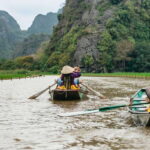
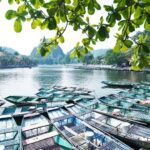
The centerpiece is a 3-hour boat ride around Ba Be Lake. During the ride, you go through the Cam Village area along the Nang River. It’s a simple but effective rhythm: sitting on the boat, then walking through the village space you pass, instead of only viewing from afar.
After the lake time, the route follows the river to Puong Cave. Puong is described as a tube cave with limestone stalactites and stalagmites, plus a chance to experience the atmosphere of a cave system that clearly has its own micro-world. The tour’s flow connects the cave to the river—this isn’t just a standalone cave visit.
You finish near Buoc Lom Wharf, then you farewell Ba Be and return toward Hanoi.
If you’re the type who likes tours that end by adding peace instead of removing it, this is a strong finish: boats in the morning, caves in the middle, then an organized return.
You can also read our reviews of more tours and experiences in Hanoi


Homestays and local culture: what you’ll learn (and how to not mess it up)
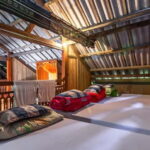
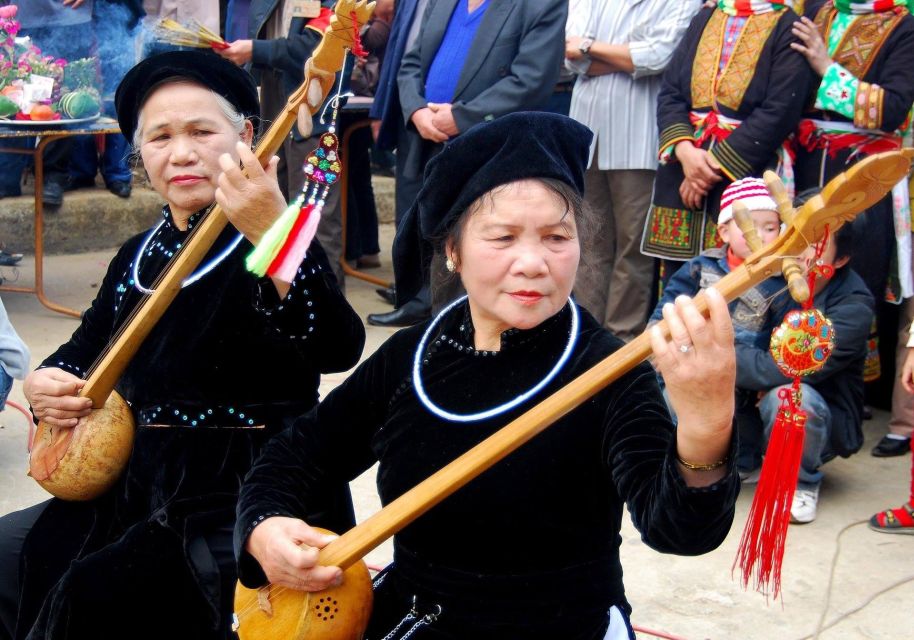
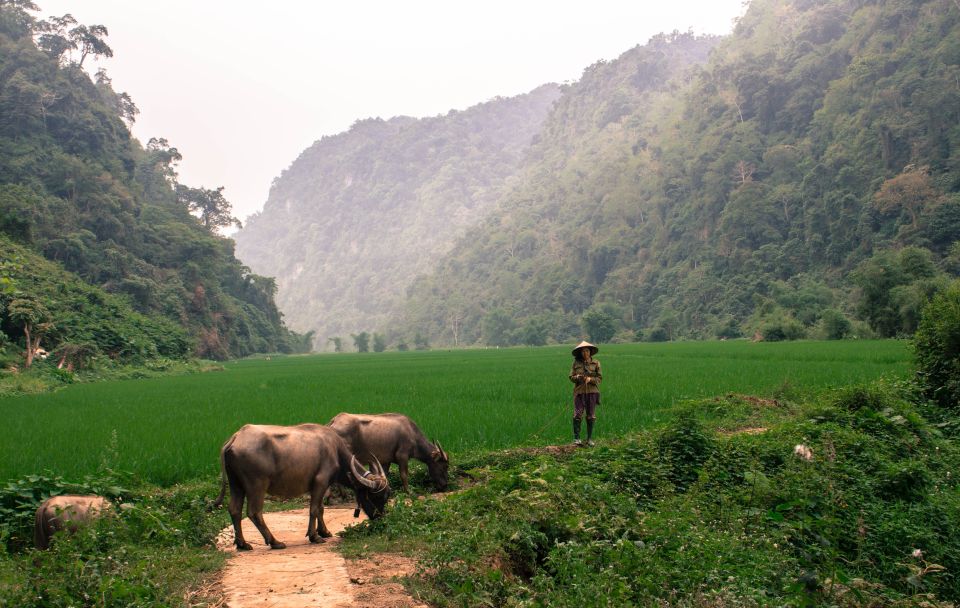
This tour makes room for real community interaction. You’ll stay 2 nights in homestays with Tay and/or Nung families, in private rooms. You’re also set up with the kind of day structure that gives you time to actually be around people, not just pass through.
Here’s what you can reasonably expect your experience to include:
- time in an incense-making village on Day 1
- time in a Tay homestay near Ba Be on Day 2 night
- chances to see traditional life like Nung knife-making in Phuoc Sen
- a more personal feel when you ask questions about daily routines and village tools
How to make it go smoothly: be respectful of household space, keep voices low after dark, and treat invitations as invitations. If you’re unsure what’s okay to photograph, ask first. You’ll get more value from the cultural parts when you slow down.
A small consideration: because this is a homestay-style experience, conditions may not match hotel comfort. The tour does specify private rooms, which helps, but it’s still rural lodging.
The guiding factor: language, pace, and those included meals
One of the most praised aspects of this kind of private tour setup is the human layer—especially the guide. With this trip you’ll have a live guide and the option for English, German, or French, which helps you get beyond “What is that?” and into “Why does it matter here?”
The included meals also help. You’ll have 3 lunches, 2 breakfasts, and 2 dinners, so you’re not spending half your day hunting food. And when a guide selects meals thoughtfully, it makes a difference: you’re eating what’s practical for the route and suited to the day’s pacing.
From a practical point of view, these meals are part of your value. Without them, a trip like this becomes expensive quickly, and meal stops tend to break the flow.
Comfort and logistics you can plan for
This is a private tour with a private group, and that matters for comfort. You can settle into the rhythm without waiting for other people to get ready.
Still, you should plan for:
- steep roads during the drive into Cao Bang
- comfortable shoes for cave and village walking
- hat, sunglasses, and insect repellent for outdoor segments
- a day that mixes cars, boats, and walking, not just sightseeing
Also, quick reality check: you’re told it’s wheelchair accessible. However, caves and uneven paths can be tricky in any country. If wheelchair use is a key need for you, it’s smart to confirm how the cave and village parts are handled for your specific situation.
And one clear rule: it’s not suitable for pregnant women.
Should you book this Ba Be Lake and Ban Gioc Falls private tour?
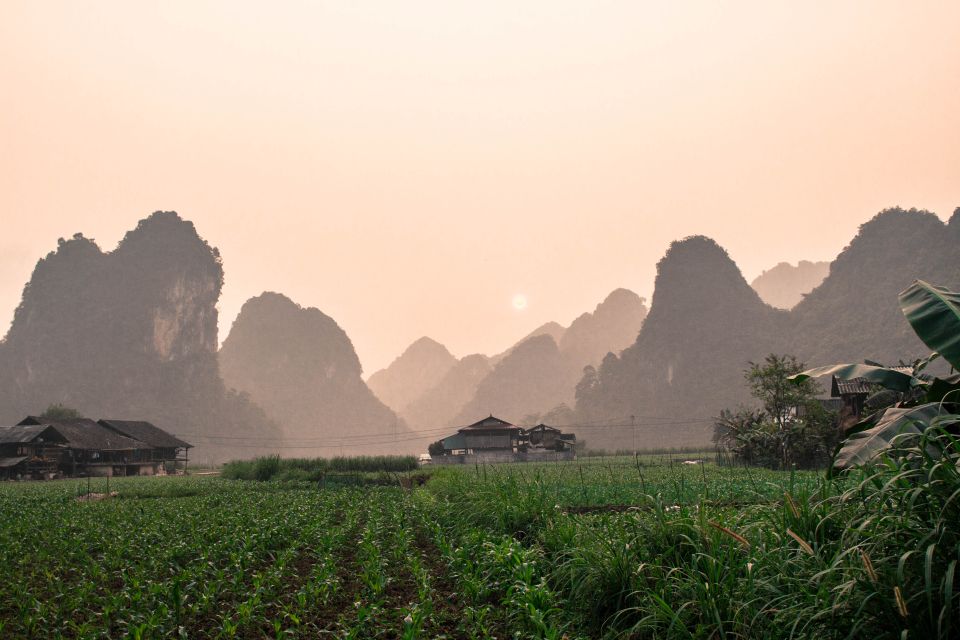
I’d book it if you want a trip that balances big-name nature (Ba Be and Ban Gioc) with cultural contact that doesn’t feel like a detour. This is especially a good fit if:
- you like private pacing and a consistent guide voice through the days
- you care about seeing both water and caves
- you’re interested in rural life with Tay and Nung communities
- you want included meals and lodging so you’re not juggling daily logistics
I might skip it if you dislike long driving days or if you need a very low-walking itinerary. This route is best for travelers who are okay with a full, active 3 days—even if the mood is often calm once you get to the water.
FAQ
Where does the tour start in Hanoi?
Pickup is included from hotels in Hanoi Old Quarter, with hotel drop-off at the end.
How long is the tour?
It’s a 3-day private tour.
Is this a private group?
Yes, it’s a private group with a live guide.
What languages are available for the guide?
The guide is available in English, German, and French.
What meals are included?
You get 3 lunches, 2 breakfasts, and 2 dinners, plus 1 bottle of water per person per day. Drinks are not included.
Where do you stay during the tour?
Accommodation is included for 2 nights in homestays, with private rooms.
What are the main boat experiences?
You’ll have a 3-hour boat ride around Ba Be Lake, and you’ll also take a boat trip at Ban Gioc Falls.
Is the tour wheelchair accessible, and who should avoid it?
The tour is listed as wheelchair accessible, but it is not suitable for pregnant women.