
REVIEW · DA NANG
Da Nang: Tandoori Naan Bread-Making Class
Book on GetYourGuide →Operated by RANG Danang · Bookable on GetYourGuide
Warm naan starts with a slap. This tandoori naan bread-making class in Da Nang turns a simple ingredient list into a real technique lesson, taught in a small group at RANG Danang.
I like that you do the work yourself: you knead dough, season it, and get hands-on guidance rather than just watching. I also like the food context you get along the way, including how naan fits into everyday curry meals and how different regions influence naan styles.
One thing to consider: it is not suitable for children under 7, and alcohol isn’t allowed during the class, so it’s best for adults and older kids who want to focus.
In This Review
- Key things that make this class worth your time
- Why RANG Danang is the right setting for naan
- What you’ll learn: dough, spices, and the feel of naan
- Naan styles you can recreate: plain, garlic-butter, and stuffed
- The tandoor moment: slap it, watch it puff, then learn the home version
- Tasting and pairings: naan with dips, plus curry-friendly eating
- Price and value: why $2.60 can still feel like a bargain
- Who should book this Da Nang naan class
- Tips for nailing restaurant-quality naan at home
- Should you book this Da Nang: Tandoori Naan Bread-Making Class?
- FAQ
- Where does the class meet?
- How long is the experience?
- Do I need any prior cooking experience?
- How big is the group?
- What languages do the instructors speak?
- Is the class suitable for children?
- What’s included in the experience?
- Is alcohol allowed?
Key things that make this class worth your time
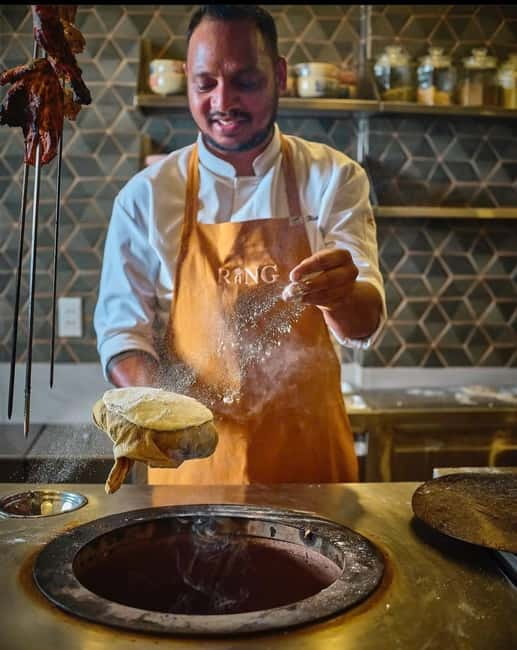
- Small group (up to 8) means you actually get corrections and coaching
- Hands-on naan from scratch, from dough prep to baking
- Tandoor experience plus an oven alternative for cooking at home
- History and technique talk so naan feels less like a mystery
- Freshly baked naan tasting with signature dips
- Real restaurant setting at RANG Danang, known for Bib Gourmand value
Why RANG Danang is the right setting for naan
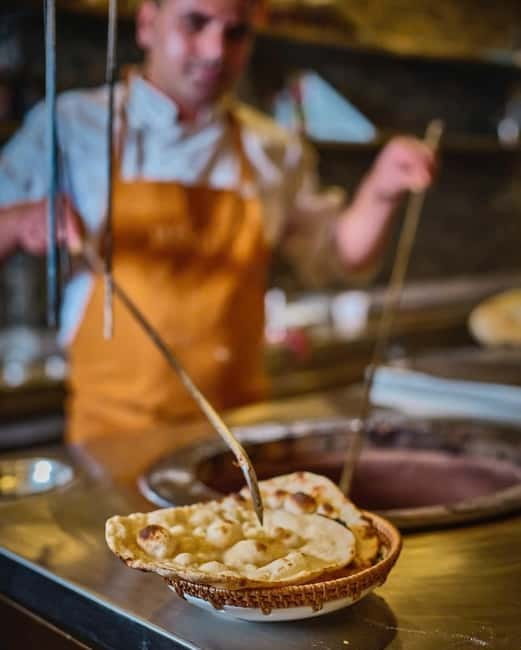
Da Nang is a great base for food lovers because it mixes local Vietnamese life with global flavors. Doing a bread class at RANG Danang makes sense. This restaurant is an internationally Indian place, and it even earned the MICHELIN Bib Gourmand in 2024 and 2025, which is a nice signal that the food quality is serious even when the price stays reasonable.
What I like about learning naan here is that you’re not isolated in a demo kitchen. The class takes place in their real kitchen environment, and you get the feeling that naan is part of a working restaurant routine. That matters because naan is one of those foods where timing and heat change everything. Being in the place where naan actually gets made helps you understand the pace, not just the recipe.
Also, the staff are welcoming in a practical way. In at least one class experience, Chef Manku and server Amit were called out by name, and that lines up with what you want in a class: someone who can explain clearly, and someone who helps you keep moving without hovering.
You can also read our reviews of more tours and experiences in Da Nang


What you’ll learn: dough, spices, and the feel of naan

The heart of this class is learning how naan becomes soft, fluffy, and flavorful. You start with dough basics, then you build flavor by seasoning with spices in a way that matches how naan is made to pair with Indian curries.
You should expect a full hands-on flow:
- Knead dough so you understand the texture before you ever think about baking
- Season with authentic spices so the bread isn’t bland
- Shape and prep so the naan cooks properly once it hits the heat
- Watch and copy technique as the chefs guide you step by step
This matters more than people think. Naan isn’t just flour plus heat. The dough prep affects chew and softness. The spice balance affects taste even when you’re eating it plain. And the shaping affects how the naan puffs and browns.
Even if you’re a total beginner, the class format is designed for you. You won’t need prior cooking skills. You’re there to learn the method, and the small group size helps because it’s easier for the instructor team to spot issues like dough that’s not quite ready or seasoning that’s uneven.
Naan styles you can recreate: plain, garlic-butter, and stuffed
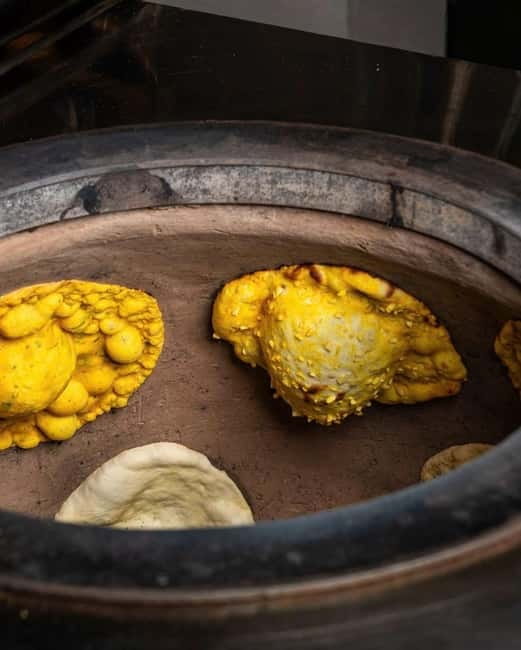
A big part of why naan is so useful is that it adapts. You can eat it with almost any curry, and you can dress it up without making it complicated.
In class, you’ll learn not only the core naan technique but also how the variations work. You might make:
- Plain naan (the foundation)
- Garlic or butter naan (extra aroma and richness)
- Stuffed variations, such as paneer or keema-style fillings
The value here is not memorizing a list of options. It’s understanding the idea: naan becomes a delivery system for flavor. The dough and baking method stay consistent enough that once you get the base right, you can experiment.
If you cook at home, this is where the class pays off. Restaurant naan can taste like a “secret,” but it’s often just a few smart choices: how you season, how you finish, and what you stuff or brush on top.
The tandoor moment: slap it, watch it puff, then learn the home version
There’s one moment in naan-making that makes the whole experience fun: placing naan into the hot cooking chamber. In this class, you’ll get the thrill of slapping naan onto a tandoor. That’s the iconic move you see in Indian cooking visuals for a reason. The heat and contact create quick browning and that signature puff.
If you don’t have a tandoor at home, don’t worry. The class also focuses on an oven alternative so you can still recreate restaurant-like results. The key is that you’re not only copying what you do in the class; you’re learning how to translate it.
From a practical standpoint, here’s what you should take away:
- How to think about heat and timing, not just steps
- How to prep dough so it performs in high heat
- How to finish your naan so it stays soft and doesn’t dry out too fast
In one described experience, the naan came out fresh from a charcoal-fired tandoor style setup, which adds extra energy to the process. Even if your class uses the same general approach, the main lesson stays the same: naan is about fast heat, good dough texture, and timing.
Tasting and pairings: naan with dips, plus curry-friendly eating
After you bake, you get to taste your work. The class includes a freshly baked naan tasting and signature dips. This is more important than it sounds. Dips and finishing touches help you judge what the naan should taste like at its best, so when you cook later, you have a clear target.
You may also find the class setup encourages you to pair your bread with a proper Indian meal at the restaurant. One account mentioned pairing their homemade naan with lamb curry, which makes sense because curry and naan were basically designed to meet. If you’re planning your day around food, it’s a smart combo: bake your own bread, then eat it with curry while everything is fresh and hot.
You also shouldn’t expect a pushy sales vibe. The tone described is relaxed, with staff focused on helping you enjoy the experience without forcing extra orders. That’s good for value, because you’re not paying for a class and then feeling pressured at the table.





Price and value: why $2.60 can still feel like a bargain
At around $2.60 per person, the first reaction is usually disbelief. But value comes from what’s included and how hands-on it is.
Here’s what you’re paying for in real terms:
- An instructor-led class with chef guidance
- Small-group attention (up to 8)
- Ingredient work and baking, not just a tasting session
- Fresh naan tasting with signature dips
- Technique teaching, including tandoor skills plus an oven alternative
- Extra learning value: history and why naan matters for curry meals
Even if you think about the cost of ingredients and staff time, what you’re getting goes beyond a quick snack activity. It’s closer to a skills session that helps you cook something you’ll actually use at home.
The biggest value boost is the “do it, then learn why” format. When you knead dough yourself and see the result, you start to understand the cause-and-effect. That makes the future payoff bigger than if you’d just eaten good naan once.
Who should book this Da Nang naan class
This class is a good fit if you want a hands-on food experience without needing prior skills. It’s beginner-friendly, and that includes people who haven’t baked bread before.
It’s especially worth it if:
- You love Indian food and want to understand the bread side, not just the curry side
- You want a fun activity that feels interactive, not like a lecture
- You plan to cook at home and want an approach you can translate beyond Da Nang
- You like small-group instruction where someone can correct you
Skip it if:
- You’re traveling with children under 7 (it’s not suitable)
- You’re looking for a party-style alcohol-focused outing (alcohol isn’t allowed)
For most adults, it lands in the sweet spot: it’s structured, enjoyable, and practical.
Tips for nailing restaurant-quality naan at home
The class doesn’t just stop at eating. It gives you pro tips so your next naan session isn’t a sad flat-thing situation.
Use these concepts when you try again:
- Treat dough prep as the real foundation. If the dough isn’t right, heat won’t save it.
- Pay attention to spice seasoning so the naan tastes like naan, not like plain bread with toppings.
- Learn how to work with the cooking environment. If you’re using an oven instead of a tandoor, the timing and placement matter.
- Don’t be afraid of variation. If you understand the base, you can try garlic/butter finishes or stuffed options like paneer and keema-style fillings.
- Plan to finish and serve while hot. Naan is at its best fresh from heat, and that’s part of the method.
If you’re the type who likes clear targets, you’ll also benefit from how you tasted the final product in class. You know what “good” should feel like, so you can adjust the next attempt faster.
One last practical note: since this class is in an actual restaurant kitchen setup, it helps you remember that naan is time-sensitive. If you want the same quality at home, plan your cooking so naan goes from oven/bake to eating without waiting around.
Should you book this Da Nang: Tandoori Naan Bread-Making Class?
Yes, if you want a small-group, hands-on class that teaches real bread technique and gives you an oven path for home cooking. The price is low for what you get, and the inclusion of fresh naan tasting plus signature dips makes it feel complete.
Book it especially if you care about Indian food beyond curry—because naan-making is where you learn how Indian meals get their comfort and flavor structure. The tandoor slap moment is fun, but the real win is the skills you carry home: dough handling, spice balance, and how to adapt when you don’t have a tandoor.
FAQ
Where does the class meet?
The class meets at RANG, an internationally Indian restaurant in Da Nang, Vietnam.
How long is the experience?
The experience is listed as 1 day.
Do I need any prior cooking experience?
No. The class is beginner-friendly and no prior experience is needed.
How big is the group?
It’s a small group limited to up to 8 participants.
What languages do the instructors speak?
Instruction is available in English, Vietnamese, and Hindi.
Is the class suitable for children?
It is not suitable for children under 7 years.
What’s included in the experience?
You get the tandoori naan bread-making class, hands-on experience, expert chef guidance, a freshly baked naan tasting, and signature dips.
Is alcohol allowed?
No. Alcohol and drugs are not allowed.
If you’d like, tell me your travel dates and whether you want a morning or afternoon activity in Da Nang, and I can suggest a simple food-focused day plan around this class.