REVIEW · DA NANG
Da Nang Cooking: Market tour, farming, and cooking class
Book on GetYourGuide →Operated by HOI AN FOOD TOUR · Bookable on GetYourGuide
Cooking Vietnam starts at the farm. I like how this Da Nang class takes you from organic growing to a market tour, then straight into hands-on cooking with an English guide. You pick ingredients, learn what makes them taste right, and end up with a real meal you can recreate at home.
What really makes it work is the small group size and the practical teaching. With classes capped around 14 people, you get personal attention at every step, plus you’ll receive English recipe copies. There’s also a vegetarian menu option, and you’ll add a round of herbal tea tasting to the day.
One thing to weigh: there’s no hotel pickup. If you’re relying on taxis or a Grab-style ride, just plan that logistics part first. Also, it runs on a set menu schedule by day, so check the day you’re in Da Nang.
In This Review
- Key things to know before you go
- From Organic Beds to a Market You’ll Want to Revisit
- The Day-By-Day Menus (So You Can Match Your Food Mood)
- Menu 1 (Mon, Wed, Fri)
- Menu 2 (Tue, Thu, Sat, Sun)
- Vegetarian option (available)
- What You’ll Do in the Kitchen (It’s Technique-Heavy, Not Just Eating)
- Pho (Beef Noodle Soup)
- Quang Noodle (Da Nang’s Favorite Style)
- Banh Xeo (Crispy Pancakes)
- Spring Rolls (Fresh or Fried)
- Salads: Green Papaya or Green Mango with Shrimp
- Fish Sauce Chicken Wing and Eggplant Stir-Fry (Depending on Menu)
- Herbal Tea Tasting: A Quiet Finish That Changes the Whole Meal
- Farming, Market, Cooking: Why the Full 4-Hour Option Feels Like Real Learning
- Short Class vs Full Day: Choosing the Right Length
- Choose the short cooking-only option if
- Choose the full 4-hour experience if
- Coffee Making Workshop Add-On for Extra Flavor Memory
- Price and Value: Is $25 Fair for This Much Food Learning?
- Who This Class Is Best For (And Who Might Want Something Else)
- Should You Book Da Nang Cooking: Market Tour, Farming, and Cooking Class?
- FAQ
- How long is the Da Nang cooking experience?
- What dishes will I cook?
- Is there a vegetarian menu?
- Does the class include herbal tea?
- What’s included in the price?
- Is hotel pickup included?
- Is the class taught in English?
- How many people are in the class?
- Can I add coffee making to the experience?
- Are there cancellations allowed?
Key things to know before you go
- Organic farm start: you’ll learn basics like planting and watering before heading out
- Market tour with ingredient know-how: you’re there to pick, not just watch
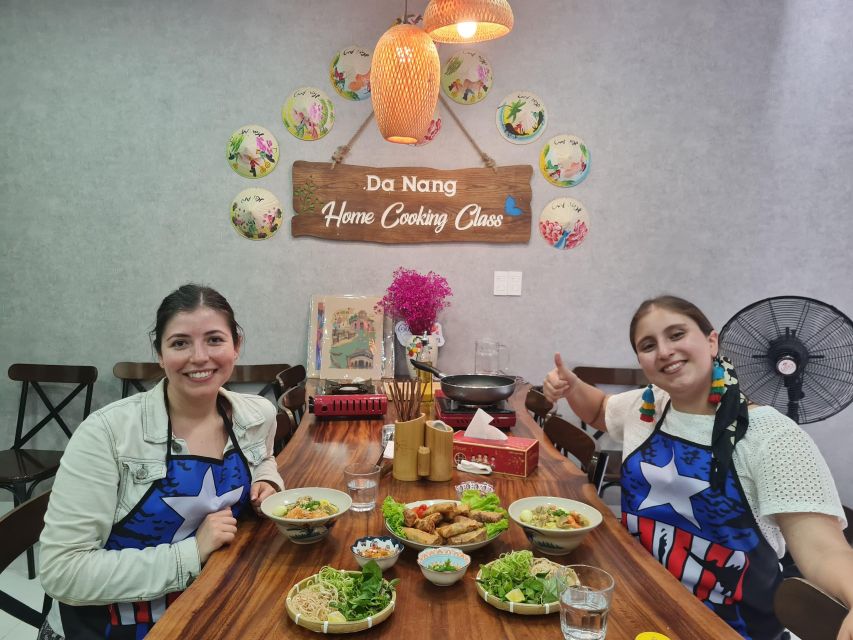
- Cook 4 dishes hands-on: the menu depends on the day you book
- Small class size (~14): more time for questions and technique
- Herbal tea tasting: made with organic ingredients as part of the experience
- Two time options: choose a short cooking-only class or the full farm-to-market program
From Organic Beds to a Market You’ll Want to Revisit
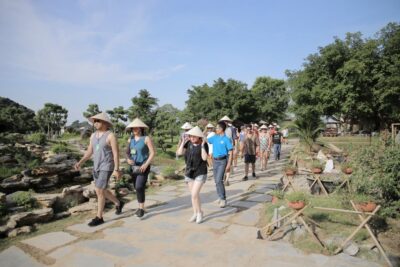
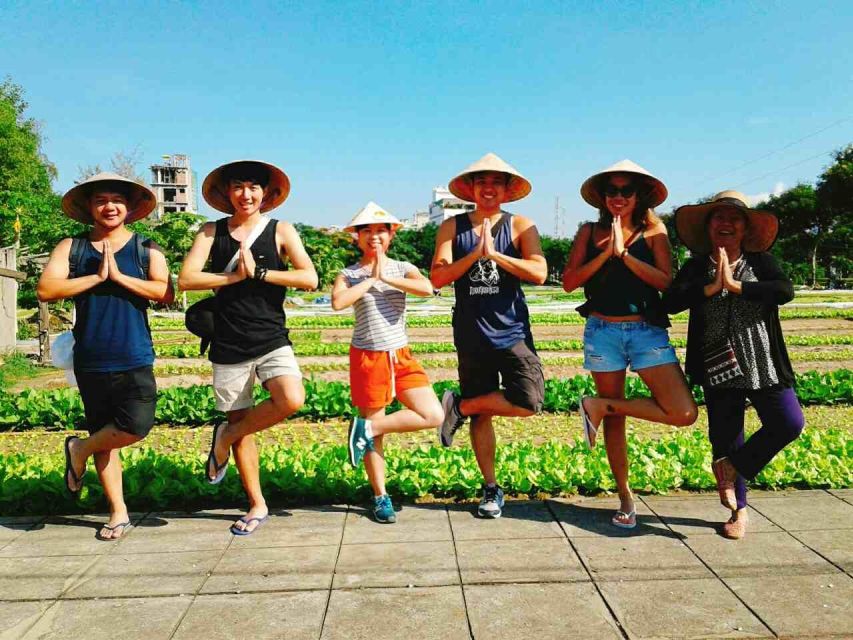
The experience begins where food actually starts. You start at an organic farm, learning how growing works in Central Vietnam—things like planting and watering. It’s not a complicated agricultural lecture. It’s more like a practical primer that gives you context for why the ingredients taste the way they do.
Then you shift gears to the local fresh market. This is a colorful, high-activity place, and the guide helps you connect ingredients to dishes. You learn what to look for and how Vietnamese flavors get built: tang from fruit, aromatics from herbs, saltiness and depth from fish sauce, and the balance that makes noodle bowls and salads feel finished rather than random.
I especially like that this section isn’t just sightseeing. You’re gathering ingredients you’ll later handle in the cooking class. That turns the market from a blur into a useful set of memories: you remember the herb, the fruit, the protein, and what you did with them later.
You can also read our reviews of more shopping tours in Da Nang
The Day-By-Day Menus (So You Can Match Your Food Mood)
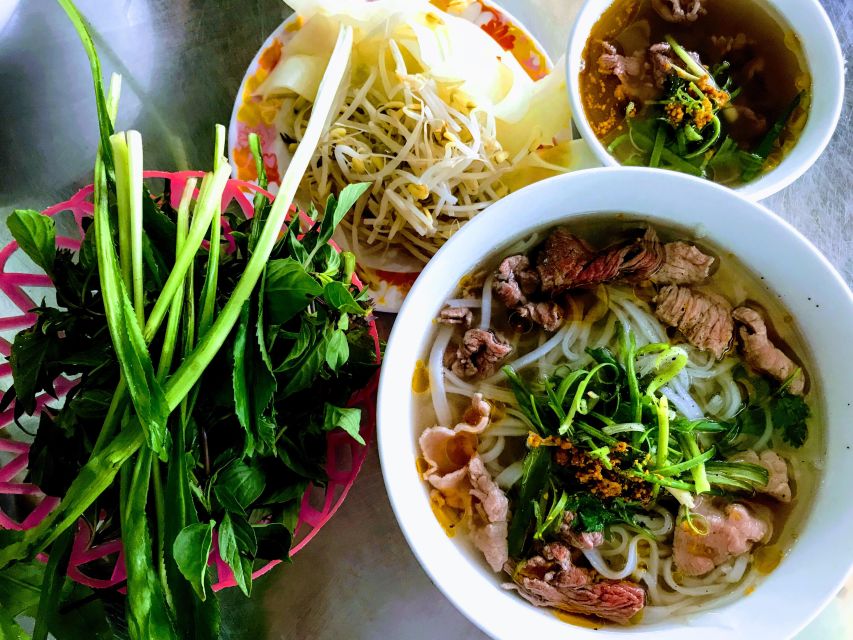
You don’t get to freely pick every dish. The class follows set menus depending on the day. That’s actually a good thing: it keeps the cooking organized and ensures you’ll have everything you need for the full set of dishes.
Here are the menu sets you should plan around:
Menu 1 (Mon, Wed, Fri)
- Quang noodle
- Fish sauce chicken wing
- Green papaya salad with shrimp
- Deep-fried spring rolls
Menu 2 (Tue, Thu, Sat, Sun)
- Beef noodle soup (Pho)
- Crispy Vietnamese pancakes (Banh Xeo)
- Green mango salad with shrimp
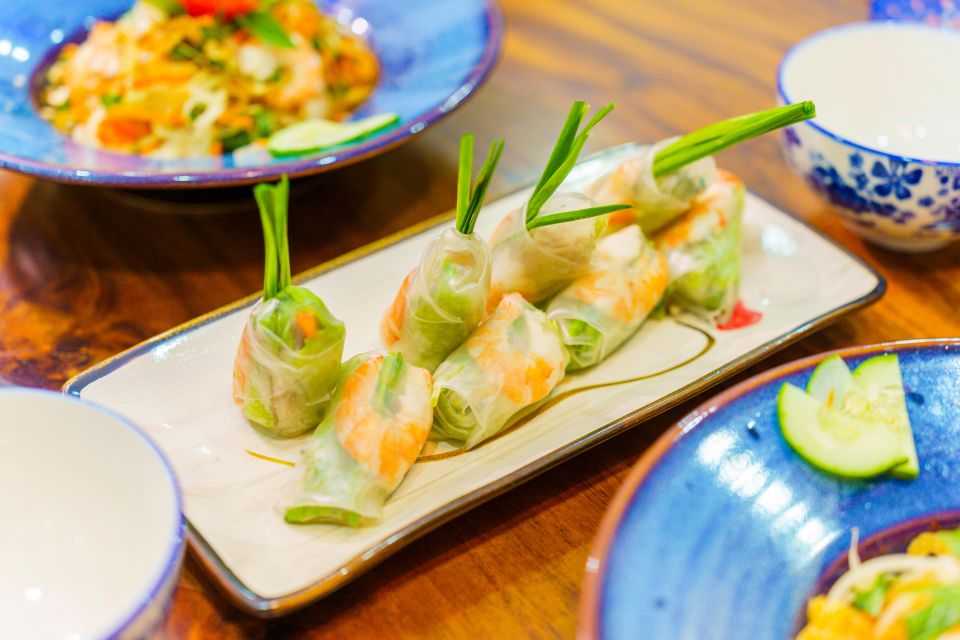
- Fresh spring roll
Vegetarian option (available)
- Quang noodle or Pho
- Eggplant stir-fry
- Mango salad or papaya salad
- Fried spring roll or fresh spring roll
If you’re the type who wants to taste as wide a range as possible, pick the menu that matches what you’re already curious about. If you already know you love noodles, both Quang noodle and Pho are on the schedule—just on different days.



What You’ll Do in the Kitchen (It’s Technique-Heavy, Not Just Eating)
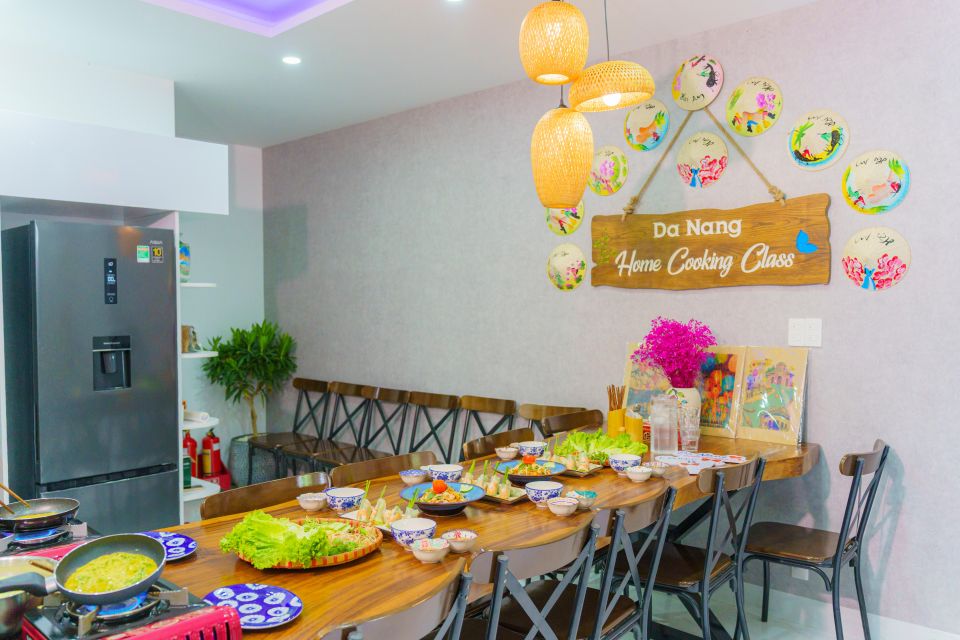
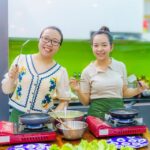
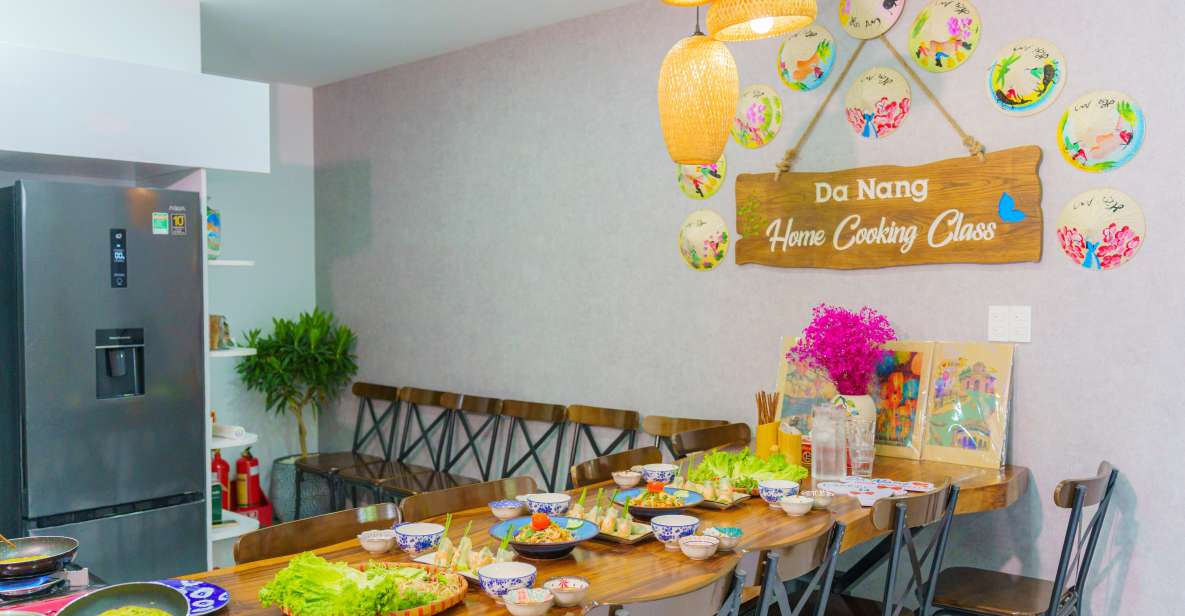
Once you’ve picked ingredients, the class moves into cooking. You’re learning to cook four traditional dishes in a hands-on format, with guidance and English explanations.
Here’s the practical value of each dish type you’ll likely cook:
Pho (Beef Noodle Soup)
Pho is deceptively simple on the plate and tricky in the bowl. This is where you learn how Vietnamese cooks think about balance—how the broth base, herbs, and seasoning should work together. Even if you’ve tasted Pho before, cooking it is the shortcut to understanding what makes it taste right rather than just what ingredients are involved.
Quang Noodle (Da Nang’s Favorite Style)
Quang noodle is a big part of why Da Nang food feels distinct from other Vietnamese cities. Cooking it helps you understand local noodle culture and the flavor approach that goes beyond a basic noodle soup template.
Banh Xeo (Crispy Pancakes)
Banh Xeo is all about timing and heat control. The class structure is ideal for this because you can learn what to do while the pan is hot, not just after it cools down. You’ll practice the steps that affect crispness and filling distribution.
Spring Rolls (Fresh or Fried)
Spring rolls are a great “skills test” for any cooking class. Fresh spring rolls teach wrapping and assembly. Fried spring rolls teach filling and frying. Either way, you’ll walk away with a method you can use again at home.
Salads: Green Papaya or Green Mango with Shrimp
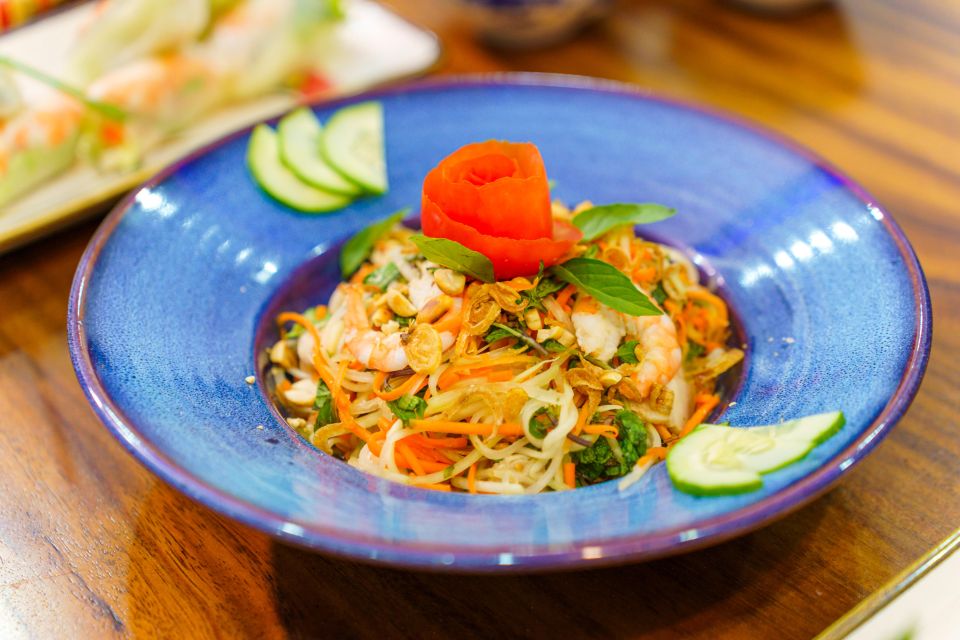
These salads are where Vietnamese flavors become loud—in a good way. You’ll learn how the fruit gets prepped to hit the right texture, and how shrimp and dressing balance sweet, sour, salty, and herbal notes. If you like food that tastes alive rather than heavy, this is the part you’ll remember.
Fish Sauce Chicken Wing and Eggplant Stir-Fry (Depending on Menu)
The chicken wing dish gives you another angle on fish sauce flavor—savory and deep with a salty backbone. The eggplant stir-fry (for vegetarian menus) helps show how Vietnamese cooking treats vegetables: less like a side and more like a main with flavor engineering.
Herbal Tea Tasting: A Quiet Finish That Changes the Whole Meal
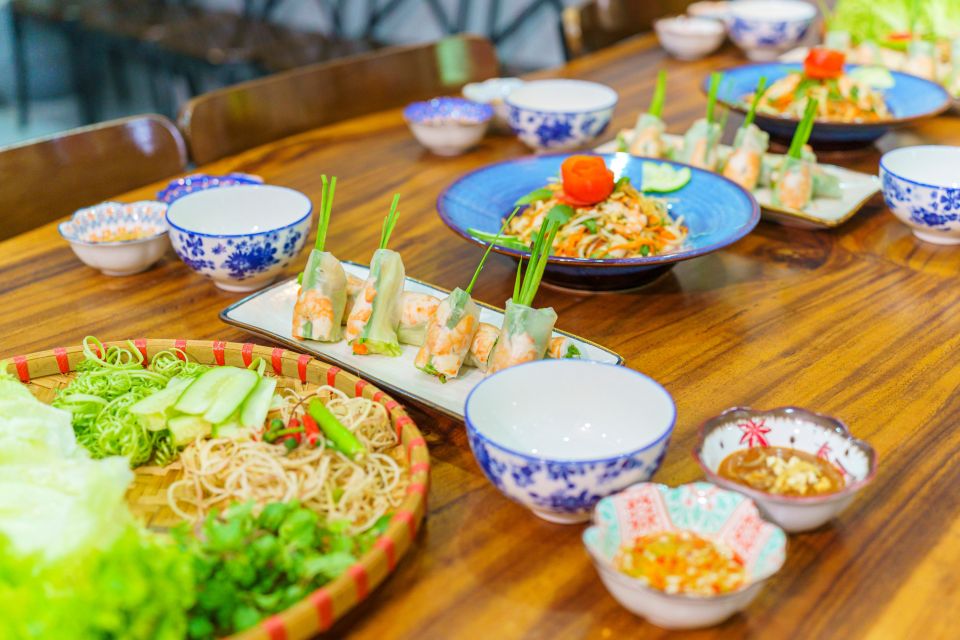
Between cooking steps and after the meal, you’ll have herbal tea tasting made with organic ingredients. This is more than a cute add-on. Herbal tea is a traditional way to reset your palate and round out flavors, especially after tasting salty, sour, and aromatic dishes in a short period.
If you tend to leave cooking classes still thinking about the food, herbal tea helps you shift into calm mode. It also gives you a local food habit you can try later, without needing special equipment.
Farming, Market, Cooking: Why the Full 4-Hour Option Feels Like Real Learning
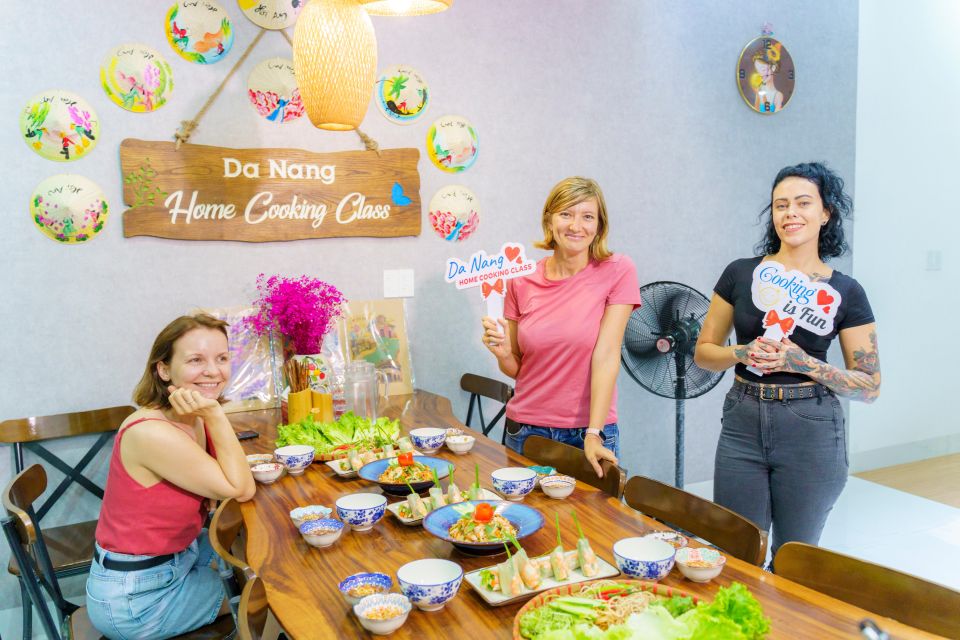
You can choose either:
- a cooking-only option around 2.5 hours, or
- the full experience around 4 hours, with farming + market + cooking
If you only have time for cooking, you’ll still eat well and learn techniques. But the full format has an advantage: it teaches the ingredient logic before you start cooking.
Here’s what you gain when you do the full experience:
- You understand ingredient seasonality and quality because you saw it grown and selected
- You see how markets shape what you cook, since you’re picking fresh produce yourself
- You connect Vietnamese flavor choices to real sourcing, not just a recipe card
Also, it’s designed to work regardless of weather. Even if it’s harsh sun or rainy, your experience is set so the day doesn’t fall apart.
Short Class vs Full Day: Choosing the Right Length
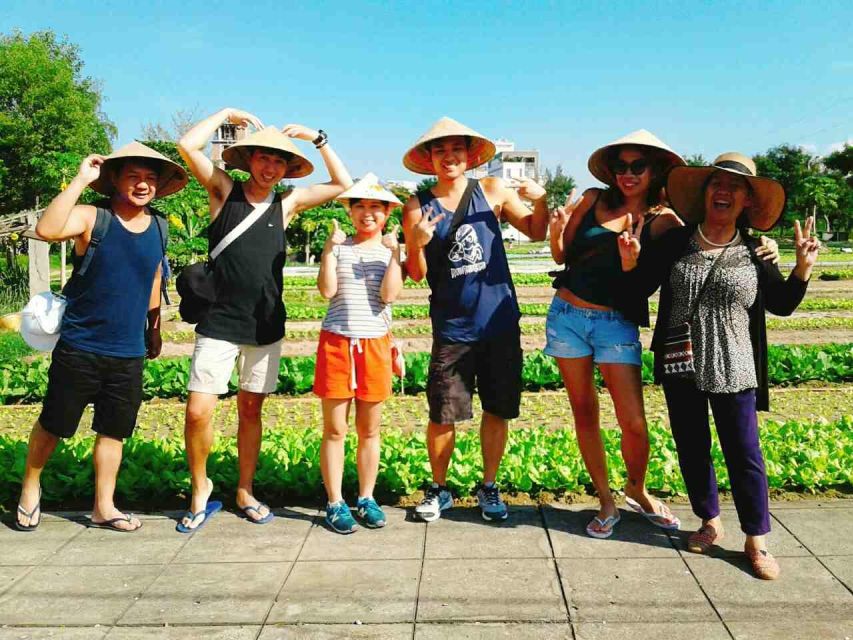
This is the part where you should be honest about your energy level.
Choose the short cooking-only option if
You’re pressed for time and want maximum payoff from limited hours. You’ll focus on the core cooking skills and leave enough time for other Da Nang plans.
Choose the full 4-hour experience if
You want the full “food education” arc: farm context, market ingredient confidence, and then cooking with purpose. It’s the better fit for first-time visitors to Vietnamese cooking.
Coffee Making Workshop Add-On for Extra Flavor Memory
You can add a coffee making workshop (about 1.5 hours). This slots nicely if you’re building a broader Vietnamese food and drink story, not just a cooking class.
Think of it as the bonus chapter: you learn how the coffee side of Vietnamese cuisine works alongside the dishes you cook.
Price and Value: Is $25 Fair for This Much Food Learning?
At $25 per person, this class is priced like a value meal plus a real skill session—especially since the experience includes:
- herbal tea and dessert
- water
- English guide
- all cooking ingredients
- English recipe copies
- and either full farming + market access (for the longer option)
What pushes it toward “good value” is the structure: you’re not paying mainly for someone to cook while you watch. You’re paying for a small group, hands-on practice, and take-home recipes.
The main trade-off is the lack of hotel pickup. If you’re already planning to be out and about in Da Nang, that’s not a deal-breaker. If you hate logistics, you’ll need to factor in getting to the starting point.
Who This Class Is Best For (And Who Might Want Something Else)
This cooking class fits well if you:
- want a hands-on Vietnamese cooking experience, not a lecture
- like markets and fresh ingredients
- want an activity that works for solo travelers, couples, friends, and families with kids
- appreciate vegetarian options when traveling with mixed groups
It may be less ideal if you:
- only care about one specific dish and want total customization
- need hotel pickup included
- prefer very long, detailed sightseeing days rather than a food-focused program
Should You Book Da Nang Cooking: Market Tour, Farming, and Cooking Class?
I’d book it if you want a cooking class that feels grounded in real ingredients, not just a scripted kitchen session. The combination of farm basics, a market ingredient hunt, and cooking four dishes gives you more than a meal. You come away with technique and context you can actually use.
If you’re in Da Nang on a day that matches a menu you want, this becomes an easy yes. Just plan for getting there yourself, and pick the full 4-hour option if you’re serious about learning the why behind Vietnamese flavor.
FAQ
How long is the Da Nang cooking experience?
It runs about 150 to 270 minutes, depending on whether you choose the short cooking-only class or the full farming + market + cooking experience.
What dishes will I cook?
You’ll cook 4 traditional dishes, and the exact menu depends on the day you attend. Options include Pho or Quang noodle, spring rolls, and either Banh Xeo or fried spring rolls, plus a salad and a main such as fish sauce chicken wing or eggplant stir-fry.
Is there a vegetarian menu?
Yes. A vegetarian option is available with dishes like Quang noodle or Pho, eggplant stir-fry, and mango or papaya salad, along with spring rolls.
Does the class include herbal tea?
Yes. Herbal tea tasting with organic ingredients is included.
What’s included in the price?
Included are herbal tea, water, dessert, an English-speaking guide, all ingredients, English recipe copies, and the market tour. The farming activity is included with the full 4-hour option.
Is hotel pickup included?
No. Pick up and drop off at your hotel are not included.
Is the class taught in English?
Yes. The instructor and guide are English speaking.
How many people are in the class?
The class size is about 14 people, so you can get hands-on at every cooking step.
Can I add coffee making to the experience?
Yes. You can add a coffee making workshop of about 1.5 hours as an extra option.
Are there cancellations allowed?
Yes. You can cancel up to 24 hours in advance for a full refund.