REVIEW · DA NANG
Da Nang Coffee Making Workshop
Book on GetYourGuide →Operated by HOI AN FOOD TOUR · Bookable on GetYourGuide
Phin coffee smells like Vietnam. This Da Nang coffee making workshop turns coffee culture into a hands-on class, not a lecture. You’ll learn the tricks behind Vietnamese drip coffee and make several iconic styles in one sitting. It’s a fun way to spend a few hours in Central Vietnam while tasting what makes this coffee different.
I really like two things about it. First, Jane’s teaching style is clear and funny, and she connects each drink to where the flavors come from. Second, the whole experience is practical: you actually use the tools, brew the coffee, and drink what you made.
One possible drawback: you’ll likely drink more caffeine than you expect, especially if you finish every cup they pour. That can feel like a lot fast, so come ready to taste, not just sip.
In This Review
- Key Takeaways Before You Go
- Da Nang Vietnamese Coffee: What This Workshop Really Is
- Choose Your Package: Class-Only vs Lunch vs Cooking Day
- The 4 Vietnamese Coffees You’ll Make and Taste
- Egg Coffee
- Salt Coffee (Salted Cream Coffee)
- Coconut Coffee
- Phin Coffee (Vietnamese Drip Coffee)
- How the Phin Dripper Shapes the Flavor
- PDF Recipes and a Brewing You Can Repeat
- Lunch and Cooking Add-Ons: When Food Turns the Day Into a Plan
- Price and Value: Is $17 Actually Fair?
- What the Class Feels Like: Small Group, Clean Tools, Patient Guidance
- Logistics That Matter: Timing, Pickup, and How to Plan Your Day
- Who Should Book This Workshop (and Who Might Pass)
- Should You Book Da Nang Coffee Making Workshop?
- FAQ
- How much does the Da Nang coffee making workshop cost?
- How long is the experience?
- What kinds of Vietnamese coffee will I learn to make?
- Are there different options for booking?
- What is included in the lunch option?
- What time do classes start?
- Is pick-up and drop-off included?
- Is the workshop taught in English?
- Is there anything I should know about food ingredients?
- What are the cancellation and payment options?
Key Takeaways Before You Go
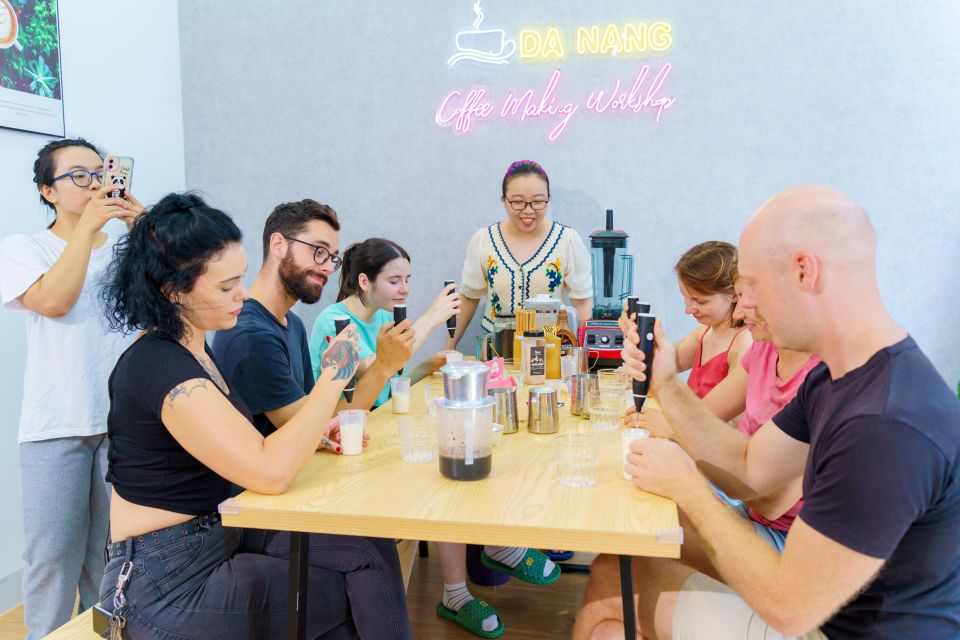
- English instruction with Jane: you’ll get step-by-step guidance and explanations as you brew.
- Make 4 different coffees: egg coffee, salt coffee, coconut coffee, and phin coffee.
- Multiple package options: class only, class plus lunch, or add a cooking menu for a longer day.
- Clean, modern setup: the tools and learning space are well kept, so it feels comfortable and organized.
- Caffeine adds up: if you drink everything, it can be close to about six espresso shots’ worth of caffeine.
Da Nang Vietnamese Coffee: What This Workshop Really Is
Vietnamese coffee is not just coffee. It’s a daily rhythm—strong, sweet, and often served in ways that feel a little unusual until they click. In this workshop, I like that the focus stays on doing. You learn the method, then you taste the result immediately.
You’ll start with the basics of Vietnamese brewing and the style of beans that make these cups taste the way they do. Then you move into specific recipes. The goal isn’t to make one “Instagram” drink. You’ll practice how Vietnamese flavor gets built: using a phin dripper, balancing condensed milk style sweetness, and controlling strength.
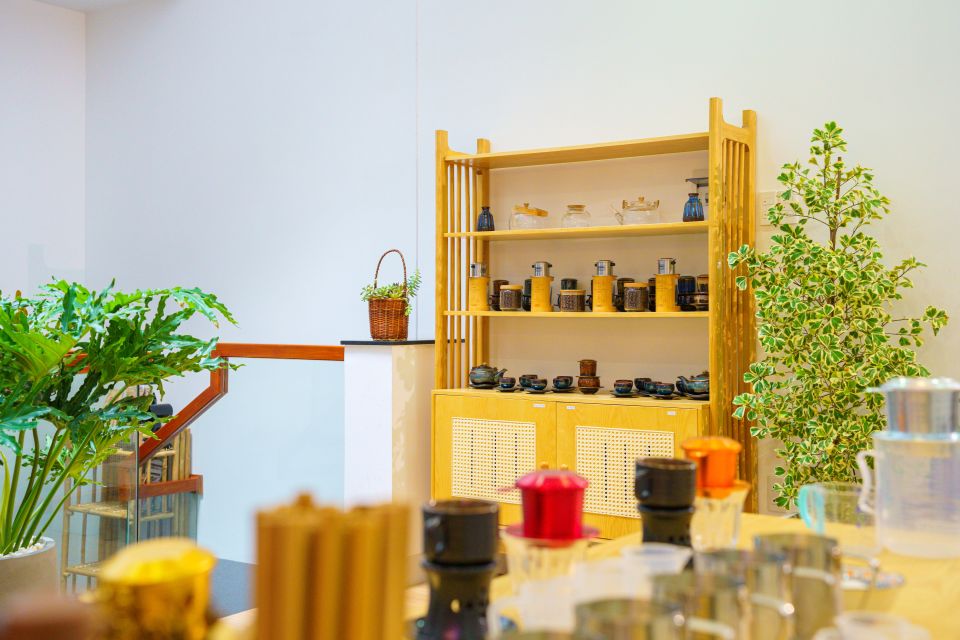
The vibe is also a big part of the value. The space is described as clean and modern, and the pace stays friendly. Jane runs it like a small class where questions make sense, not like a performance where you watch and hope you remember.
You can also read our reviews of more cooking classes in Da Nang

Choose Your Package: Class-Only vs Lunch vs Cooking Day
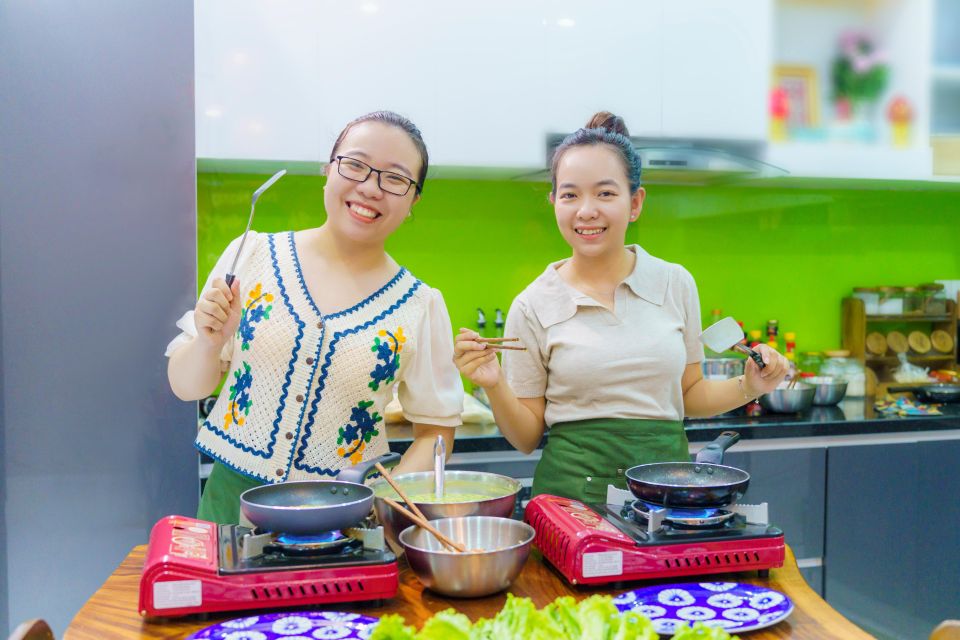
This experience comes in three lengths, so you can match it to your day.
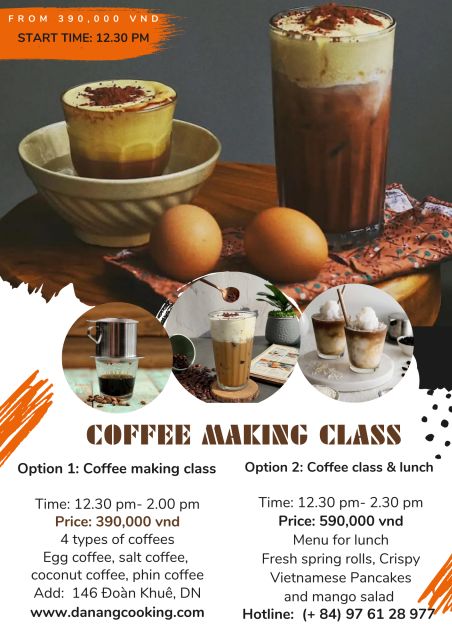
Option 1: Coffee making class (about 90 minutes / 1.5 hours)
- Meet up times: 10:00 am, 1:00 pm, or 3:30 pm
- What you do: learn to make 4 types of Vietnamese coffees
This is the best choice if you want the coffee focus without committing half your day.
Option 2: Coffee making class and lunch (about 2.5 hours)
- Meet up times: 12:00 noon or 2:30 pm
- You eat lunch first, then join the coffee class
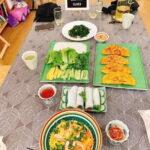
The lunch menu is listed as fresh spring rolls, crispy Vietnamese pancakes (banh xeo), and mango salad with shrimp and pork. Vegetarian is available.
Option 3: Coffee making and cooking class (about 4 hours)
- Meet up time: 9:30 am
- You’ll cook and eat from a day-specific menu
On Mon/Wed/Fri it’s quang noodle, fish sauce chicken wing, green papaya salad with shrimp, and deep-fried spring rolls. On Tue/Thu/Sat/Sun it’s beef noodle soup (pho), banh xeo, green mango salad with shrimp, and fresh spring rolls.
Why this matters: if you’re visiting Da Nang and you want one “cultural” activity that includes food, not just coffee, the longer options can be better value. If you’re short on time or you’re planning other food stops, the 90-minute class gives you the core experience.
The 4 Vietnamese Coffees You’ll Make and Taste
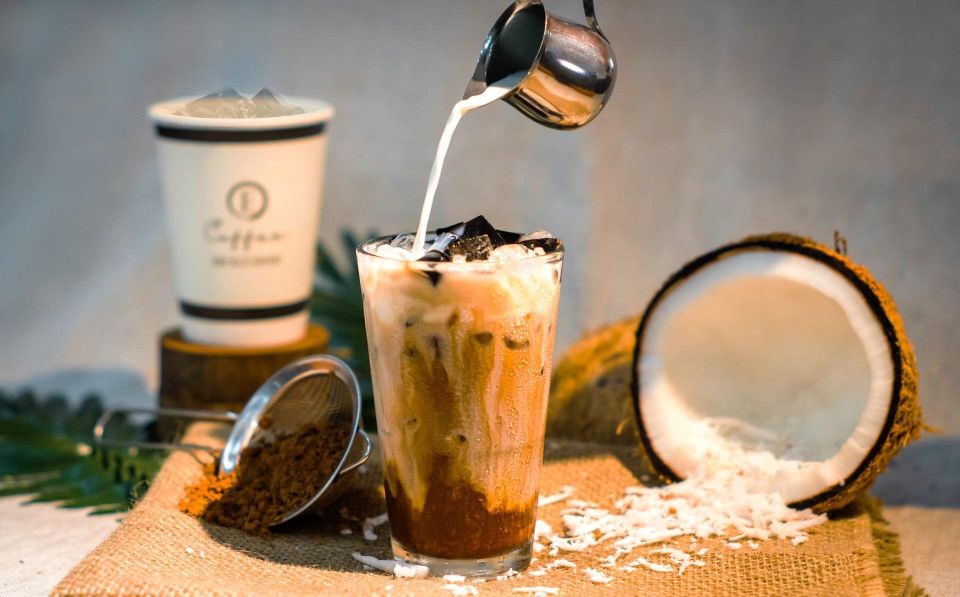
The workshop teaches you four signature styles. Even if you only care about one of them, I think the set is smart because it shows how different techniques and dairy/salty ingredients change the cup.
Egg Coffee
Egg coffee is smooth, custard-like, and usually served over Vietnamese coffee so the flavors mingle. This is the drink where the method matters as much as the ingredients. When you make it yourself, you learn how to get the right texture and how the coffee base supports the sweetness.
Salt Coffee (Salted Cream Coffee)
Salt coffee sounds like a dare until you taste it. The salt doesn’t make it taste “salty” in a harsh way. It usually sharpens the sweetness and makes the coffee flavors feel deeper. I like this one because it breaks the usual coffee script. It also tends to be the drink people talk about afterward because it feels unexpected.
You can also read our reviews of more tours and experiences in Da Nang
Coconut Coffee
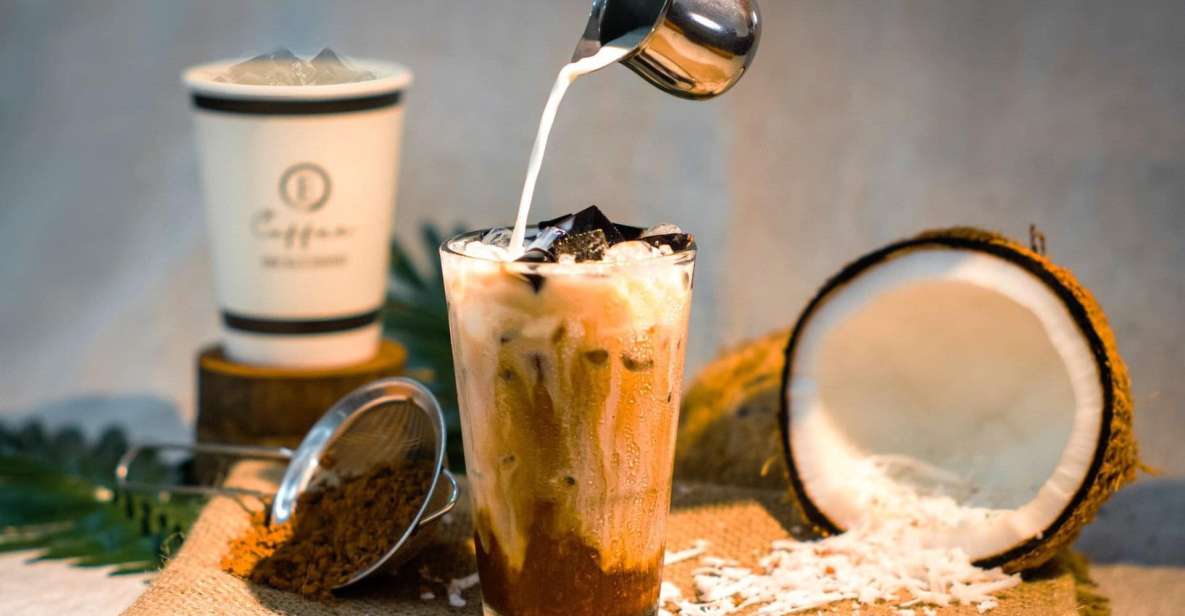
Coconut coffee brings a different kind of richness. Instead of using only dairy sweetness, coconut adds aroma and a softer flavor curve. It’s a good reminder that Vietnamese coffee isn’t one-note. You’re tasting variations on balance, not just strength.
Phin Coffee (Vietnamese Drip Coffee)
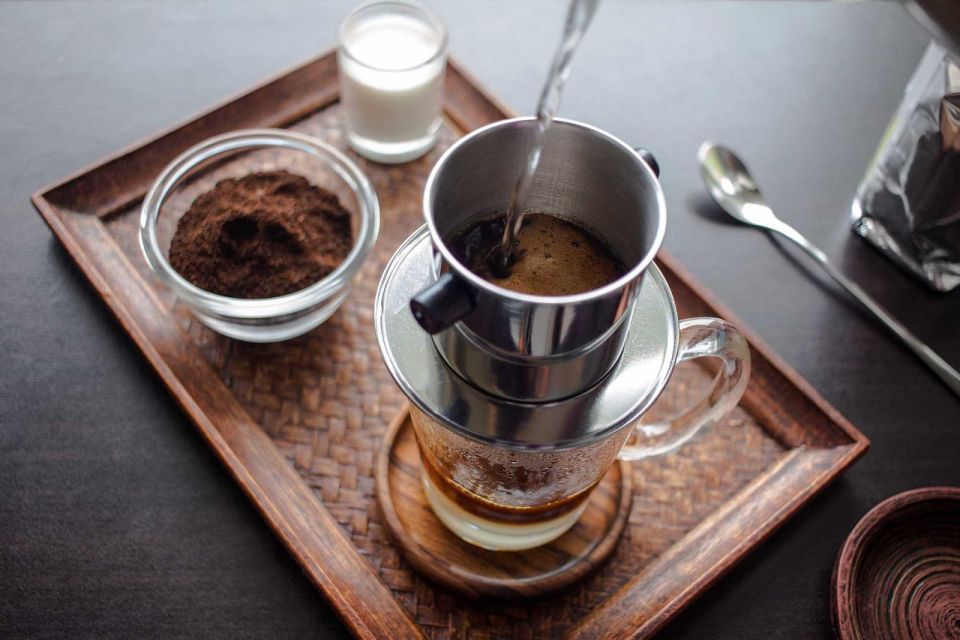
Phin coffee is the backbone of the whole experience. It’s brewed through a small metal dripper set on top of a cup. That slow, concentrated brew style is a big reason Vietnamese coffee tastes bold but smooth.
You’ll taste what you make, so you get the immediate feedback loop. If something is too strong or not sweet enough, you’ll understand why, and you can adjust.
How the Phin Dripper Shapes the Flavor
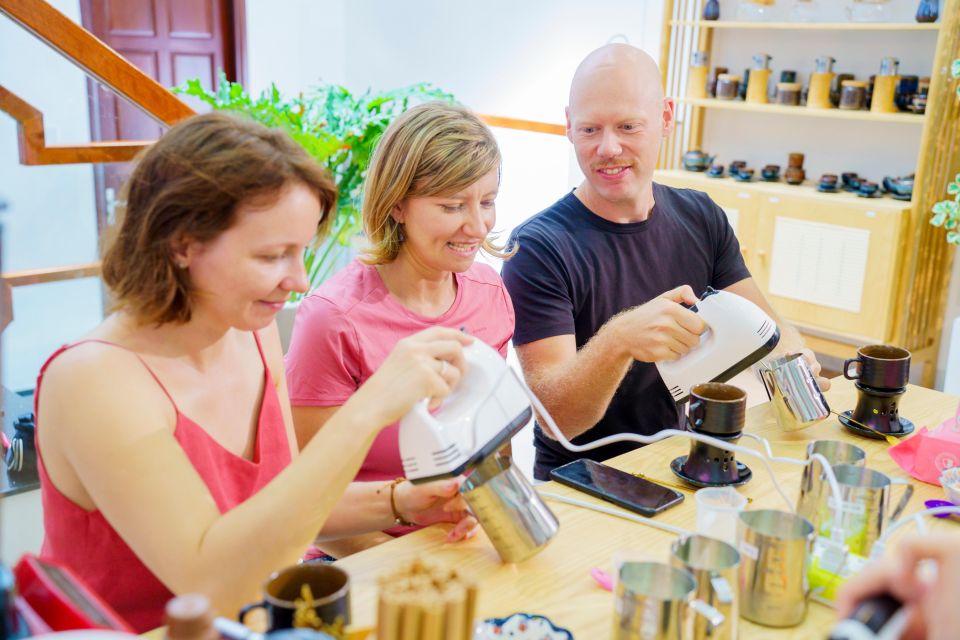
A lot of coffee tasting is about origin beans. But the brewing method can change everything too. With phin coffee, the slow drip affects strength and body.
What I find practical here is that you learn the system behind the taste. You’re not guessing. You see how the coffee compacts, how the drip works, and how long the brew takes before you can judge the result.
If you’re coming from filter coffee or espresso, phin coffee will feel like a third category. It’s not espresso-intense, and it’s not paper-filter light. It’s concentrated and built to pair with milk or other add-ons depending on the recipe.
This is also what makes the workshop worth repeating at home. You don’t need an expensive machine to reproduce the basic style. With the right tools and the recipe you leave with, you can make the same family of drinks again.
PDF Recipes and a Brewing You Can Repeat
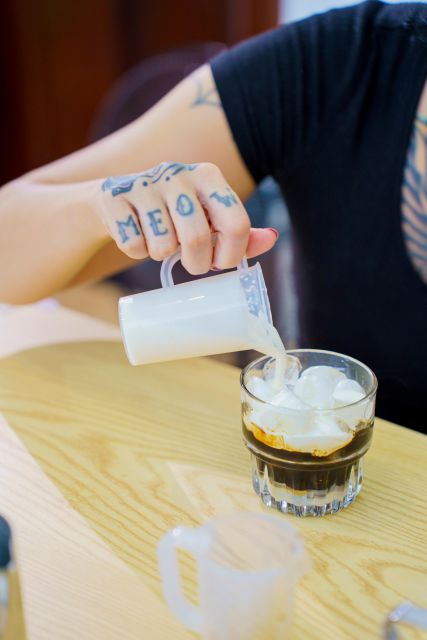
One of the best takeaways is that you leave with instructions. Multiple participants noted receiving a PDF at the end with the recipes and steps. That matters because you can recreate the process later when the memories fade and you just remember the taste.
In practical terms, it’s your shortcut to repeatability. You won’t have to rely on memory or try to reverse-engineer the ratio. And since the workshop is hands-on, the recipes make more sense because you watched the technique with your own hands.
If you like bringing souvenirs home that are actually usable, this beats another keychain.
Lunch and Cooking Add-Ons: When Food Turns the Day Into a Plan
If you pick the lunch package, you get a full meal before coffee starts. The listed menu includes fresh spring rolls, crispy Vietnamese pancakes (banh xeo), and mango salad with shrimp and pork, with a vegetarian option. That sequence is smart: lunch takes the edge off your stomach before the caffeine starts.
If you choose the cooking class option, your morning turns into a broader Vietnamese food day. The menu shifts by day, which helps keep it varied. Either way, you get a mix of noodle, savory mains, and fresh salads—good flavors to balance the sweetness and richness of Vietnamese coffee.
One small caution from my perspective: if you already plan to eat a big Vietnamese meal later, you may want to choose the shortest coffee-only package. Otherwise, you can end up with too much of a good thing in one day.
Price and Value: Is $17 Actually Fair?
At $17 per person for the core coffee class, this is one of those deals that feels reasonable once you think about what’s included. You’re paying for:
- an English-speaking instructor/guide
- coffee making tools
- the guided process for four coffee styles
- and the experience of tasting what you brewed
If you add the lunch or cooking options, the value often improves further because you’re pairing the coffee with a real Vietnamese meal. The pricing makes sense most when you treat it as both an activity and a food experience, not just a “cheap coffee lesson.”
Just be honest with yourself about your tolerance for caffeine and dairy. If you can’t drink dairy or eggs, you’ll want to communicate that early. The workshop notes that the menu contains eggs and milk, and I saw at least one report of the guide arranging alternatives for lactose intolerance.
What the Class Feels Like: Small Group, Clean Tools, Patient Guidance
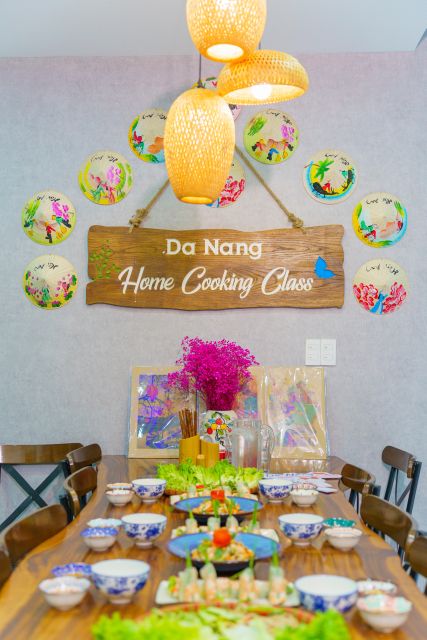
This is a small group setup, and that makes the teaching easier. You can ask questions while you’re working, not after the class ends. One participant even joined as a solo traveler with a group around seven people, which is usually a comfortable size for hands-on food classes.
The learning space is described as clean and modern. Tools were also called top notch, which sounds like a small thing until you’re brewing something complicated. Good equipment helps you succeed, not just watch others do it.
Jane stands out in the feedback for being well spoken and funny, with explanations that connect coffee recipes to culture and origin. That’s the kind of guide you want if you don’t just want to copy steps—you want to understand what you’re tasting.
Logistics That Matter: Timing, Pickup, and How to Plan Your Day
Meet-up times are clearly set for each option. For the class-only option, it’s 10:00 am, 1:00 pm, and 3:30 pm. The coffee + lunch option starts at 12:00 noon or 2:30 pm. The cooking option starts at 9:30 am.
Pickup and drop-off are not included, so plan to get there on your own. If you’re staying in central Da Nang, this is usually easy to arrange with local transport.
Also, consider when caffeine hits you hardest. A 3:30 pm start can be great if you’re traveling slowly, but if you’re sensitive to coffee late in the day, the morning or early afternoon slots might feel smoother.
Who Should Book This Workshop (and Who Might Pass)
I’d steer you toward this workshop if:
- you like coffee and want hands-on brewing
- you want a Vietnamese food-and-drink activity that’s not just sightseeing
- you enjoy tasting several styles in one go
- you want recipes you can use later, not just souvenirs
You might want to choose a shorter option if:
- you already have a packed food schedule
- you don’t want to drink multiple cups in one session
- you’re strongly caffeine-sensitive
If you have dietary concerns, pay attention to the note that the menu contains eggs and milk. One participant reported that Jane made sure there was an alternative for a lactose intolerance situation. So I’d treat this as manageable, but communication is key.
The workshop is also described as wheelchair accessible, and the class runs in English. So it’s practical for a wide range of visitors.
Should You Book Da Nang Coffee Making Workshop?
Yes, I think you should book it if you’re in Da Nang and you want something fun that still teaches you something real. For $17, you’re getting a guided way to make four iconic Vietnamese coffees, taste them right away, and leave with instructions you can use again.
Pick the class-only version if you want coffee-focused time without added food. Choose the lunch or cooking options if you want a longer Vietnamese meal experience built around the coffee.
Just plan for caffeine. If you show up expecting one cup, you’ll be surprised by how much you may end up drinking. If you show up knowing you’re here to taste, brew, and learn, this workshop hits the mark.
FAQ
How much does the Da Nang coffee making workshop cost?
The price is listed as $17 per person.
How long is the experience?
Durations vary by package: about 90 minutes (coffee making class only), about 2.5 hours (coffee making plus lunch), or about 4 hours (coffee making plus cooking class).
What kinds of Vietnamese coffee will I learn to make?
You’ll learn to make egg coffee, salt coffee, coconut coffee, and phin coffee.
Are there different options for booking?
Yes. You can book the coffee making class only, the coffee making class plus lunch, or the coffee making and cooking class option.
What is included in the lunch option?
The lunch menu listed includes fresh spring rolls, crispy Vietnamese pancakes (banh xeo), and mango salad with shrimp and pork. A vegetarian option is available.
What time do classes start?
For the coffee making class only, meet up times are 10:00 am, 1:00 pm, and 3:30 pm. For coffee making plus lunch, meet up times are 12:00 noon and 2:30 pm. For the coffee making and cooking class, the meet up time is 9:30 am.
Is pick-up and drop-off included?
No. Pick up and drop off are not included.
Is the workshop taught in English?
Yes. The instructor/guide speaks English.
Is there anything I should know about food ingredients?
The menu contains eggs and milks. If you have dietary needs, that’s worth flagging ahead of time.
What are the cancellation and payment options?
You get free cancellation up to 24 hours in advance for a full refund. There is also a reserve now & pay later option.