REVIEW · DA NANG
Da Nang: Coffee Making And Cooking Class
Book on GetYourGuide →Operated by Jolie Cooking Class · Bookable on GetYourGuide
Coffee in Da Nang isn’t just a drink. It’s a slow ritual you can learn—and then cook, too. This 4.5-hour class at Jolie Cooking Class turns Vietnamese café culture into something you actually do, from phin brewing to cooking a meal you make yourself.
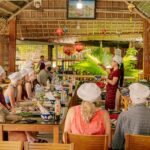
I especially like the focus on the coffee mechanics. You learn why Vietnamese coffee starts with the right beans, how the phin filter works, and how each cup tastes different—egg, salt, and coconut. I also like the pacing and the small-group feel, so you get real help while you’re brewing and chopping.
One consideration: it’s a caffeine-forward experience. If you’re sensitive or you have heart problems, this may not be the best fit, and the class itself even suggests you don’t preload on caffeine before tasting.
In This Review
- Key Highlights You’ll Want to Know
- Why Da Nang’s Phin-Brew Coffee Feels Like a Real Café
- Jolie Cooking Class Location and the Real Timing of the Day
- Coffee Workshop: Robusta Beans and the Phin Filter Ritual
- Egg Coffee, Salt Coffee, Coconut Coffee: What Makes Each One Different
- Egg coffee
- Salt coffee
- Coconut coffee
- The Cooking Part: Traditional Da Nang Dishes You Make Yourself
- Food, Caffeine, and Comfort: Smart Tips Before You Go
- Price and Value: Is $50 Worth It in Da Nang?
- Who Should Book (and Who Should Skip It)
- Should You Book This Da Nang Coffee and Cooking Class?
- FAQ
- How long is the Da Nang coffee making and cooking class?
- What time does the class start?
- Where do I meet for Jolie Cooking Class?
- What coffee types are included?
- Do you learn to brew coffee with a phin filter?
- Is the instruction offered in English?
- What will I be cooking during the class?
- Is the experience suitable for children?
- Is the class wheelchair accessible?
- Is it suitable for people with heart problems?
- What should I bring?
Key Highlights You’ll Want to Know
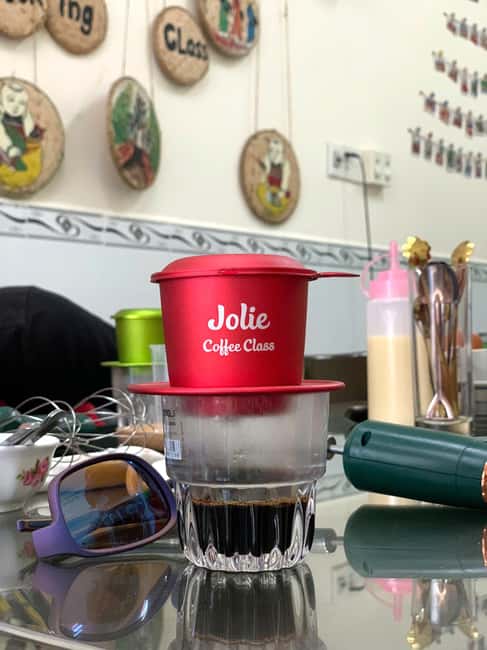
- Phin filter hands-on brewing: you learn the slow, correct way to brew and taste the results.
- Three signature coffee styles: egg coffee, salt coffee, and coconut coffee, explained in plain terms.
- Da Nang home-kitchen cooking: you cook traditional dishes, not just watch.
- Small-group, patient instruction: the English guidance is described as clear and supportive.
- Relaxed end-of-class meal time: you eat what you cook, plus a fun, informal vibe.
Why Da Nang’s Phin-Brew Coffee Feels Like a Real Café
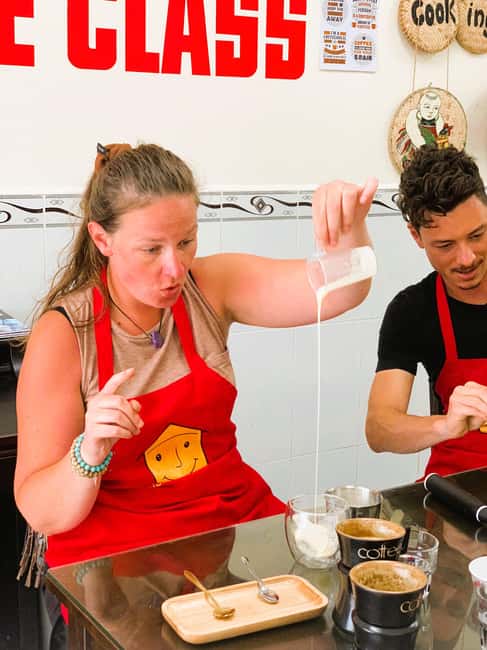
Vietnamese coffee has a reputation for being bold, sweet, and a little theatrical. The good version of that reputation is exactly what this class is set up to deliver: you don’t just sample coffee, you learn the ritual behind it.
The star is the phin. Instead of a quick drip, you’re dealing with slow extraction in a metal filter that lets you see what’s happening. That matters because Vietnamese coffee isn’t only about flavor—it’s about process. When you understand the steps, you can stop guessing later when you try to recreate it at home.
And the class is smart about context. You get the stories behind the styles and how Da Nang fits into Vietnam’s coffee culture. That turns the tasting from random sips into something you can explain to friends, like why a salted version works or what makes an egg-coffee texture so distinctive.
You can also read our reviews of more cooking classes in Da Nang
Jolie Cooking Class Location and the Real Timing of the Day
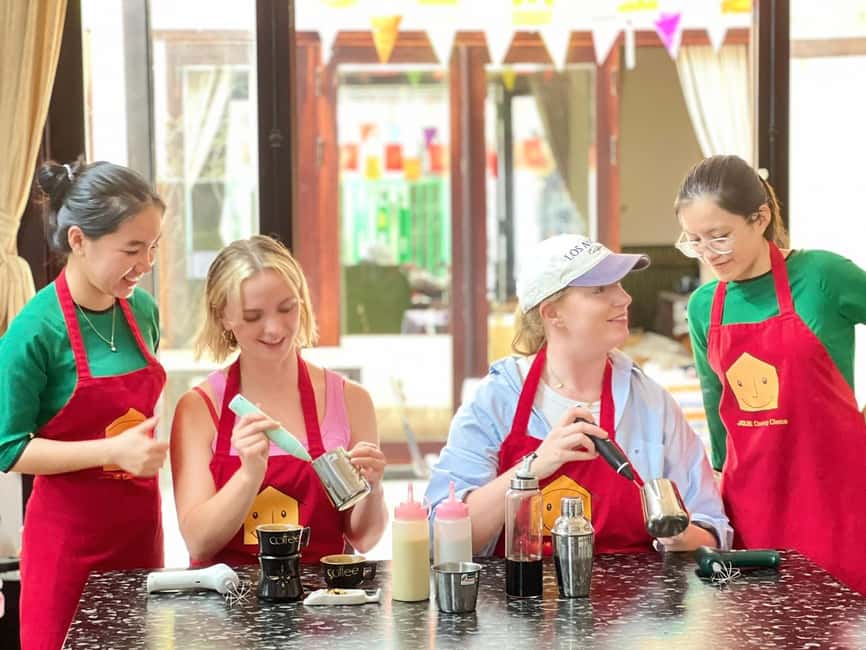
This experience runs in two daily blocks, so you can pick what fits your schedule in Da Nang. There’s a morning session that begins around 8:30 AM and an afternoon session that begins around 2:00 PM. The total time is about 4.5 hours, which is long enough to learn and cook, but not so long you feel cooked yourself.
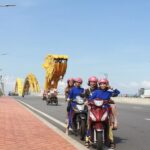
You meet at Jolie Cooking Class at 14 An Trung Dong 6, near Dragon Bridge. That’s a practical choice: you can usually pair it with sightseeing on either side because the meeting point is in central Da Nang.
Here’s how the time breaks down in a way that helps you plan:
- Early in the class, you get a local snack and coffee culture context.
- Then you move into hands-on phin brewing and tasting multiple coffee styles.
- After that, it’s kitchen time—cooking in a home-style setting.
- You finish by eating the dishes you cooked, with a relaxed close before returning to your accommodation.
One small perk mentioned in the vibe of the evening flow: if you can, there’s a chance to play guitar or piano during the wrap-up. It’s not the main event, but it adds to the casual, friendly tone.
Coffee Workshop: Robusta Beans and the Phin Filter Ritual
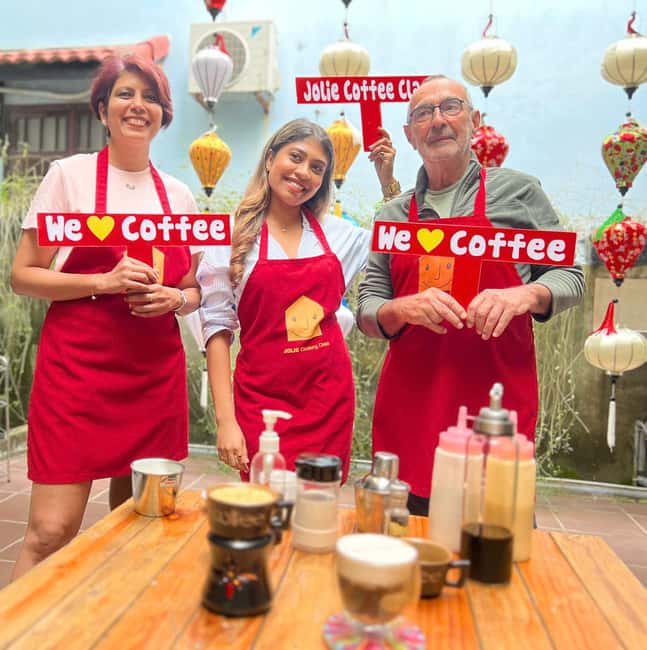
A lot of coffee classes skip the why. This one leans into it. You learn about the importance of Robusta beans, which is a key detail because Vietnamese coffee is not built on the same taste profile as many specialty coffee traditions.
Then comes the practical part: the phin filter. You’re not handed a finished cup and told to enjoy. You’re guided through the slow brewing step-by-step, so you understand what to do and what to watch for.
The coffee tasting is also structured. You try different styles in a sequence that helps you notice differences rather than just collecting flavors. That’s how you can actually remember what egg coffee tastes like versus what the salt and coconut versions deliver.
A nice detail from how the experience is described: instructors keep things understandable even if you’re new. One guide named Rosie is repeatedly singled out for enthusiasm and clear English. Another instructor mentioned in the same context is Nhân (sometimes the name appears as part of a team), and Hannah also shows up as an instructor name. The consistent message is that you won’t feel lost if coffee isn’t your hobby.
Egg Coffee, Salt Coffee, Coconut Coffee: What Makes Each One Different
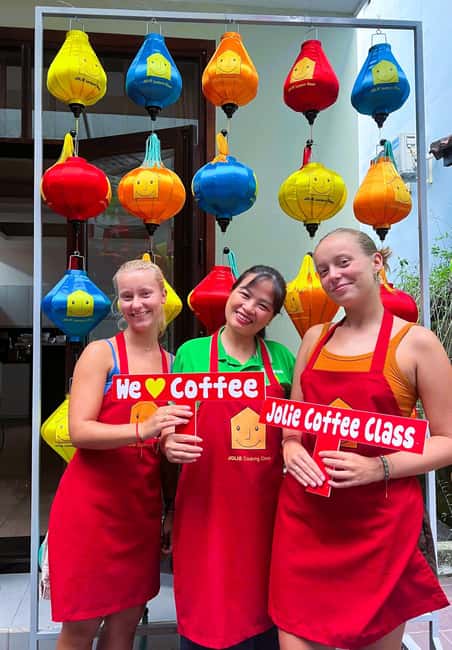
Vietnamese coffee is often treated like a single flavor category. This class treats it like three separate worlds. You learn the stories behind each type and then taste them, so the names actually mean something.
Egg coffee
Egg coffee is the famous one most people recognize, and it’s often remembered for its creamy texture and rich taste. In the class format, you don’t just sip—it’s connected to technique and ingredients, so you can later understand how the texture happens.
You can also read our reviews of more tours and experiences in Da Nang
Salt coffee
Salt coffee can sound strange until you taste it. The real lesson here is how salt can change sweetness and balance bitterness. When you taste it after learning the base coffee process (thanks to Robusta and the phin), the contrast makes sense instead of feeling like a gimmick.
Coconut coffee
Coconut coffee adds a different kind of sweetness and aroma. It’s a good middle ground if you like your coffee flavored, but you want it to still taste like coffee at the center rather than like dessert pretending to be coffee.
The class also keeps it fun: guides use humor and talk through coffee culture in a way that feels like chatting with someone who cares. That matters because coffee culture can be taught in either a stiff way or a real way. Here, the tone is relaxed, with guidance that stays patient while you practice.
The Cooking Part: Traditional Da Nang Dishes You Make Yourself
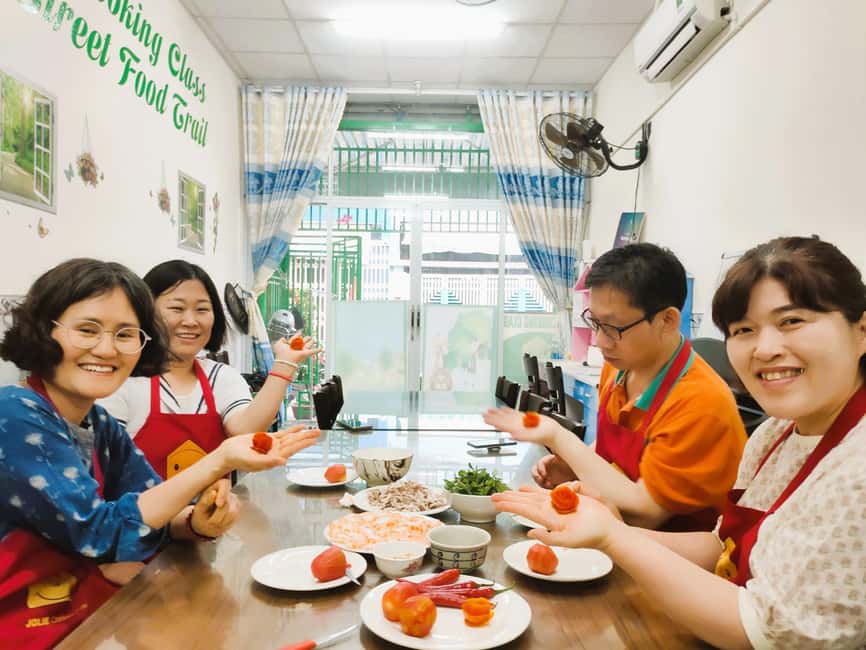
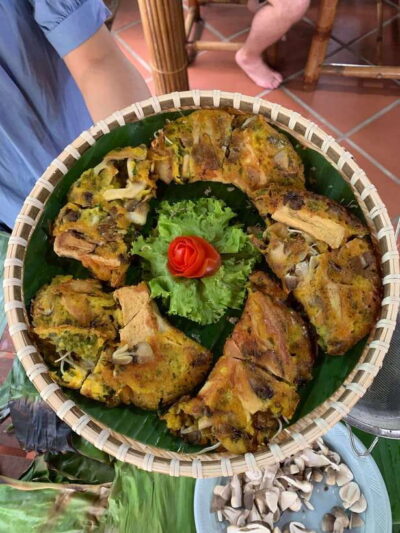
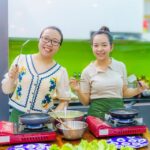
After the coffee segment, you shift into the kitchen. This is not a watch-and-smile session. You cook traditional Da Nang dishes in a welcoming, home-style setting.
You’ll have time that lines up with kitchen steps—there’s a block around 10:30 AM for the morning group and 4:00 PM for the afternoon group that’s devoted to cooking. Then you sit down and eat what you cooked around 1:00 PM (morning) or 6:30 PM (afternoon).
The “how” is important. The class format includes not only cooking but also hands-on prep—chopping ingredients and working through the process. One of the clearest points from the experience descriptions is that people left feeling proud because they were genuinely involved, not just waiting for food to appear.
Also, don’t underestimate how satisfying the combo is. Learning coffee mechanics and then cooking your own meal means you get two kinds of confidence:
- You understand how flavor is built in coffee.
- You understand how dishes in Da Nang come together from real ingredients and steps.
If you’re planning your trip itinerary, this structure is a win. You’re not spending the whole day “between activities.” The day has clear phases: learn coffee, then cook, then eat.
Food, Caffeine, and Comfort: Smart Tips Before You Go
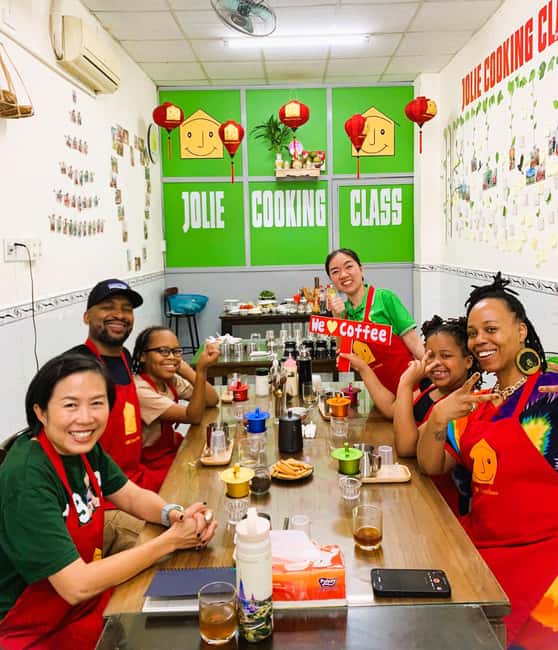
A quick reality check: this class is built around coffee tasting, so plan accordingly.
The experience recommends you don’t consume too much caffeine before the class, so you can enjoy the flavors during tasting. That’s practical advice. If you show up already wired, you’ll miss subtler differences between egg, salt, and coconut.
Bring a camera if you want photos—this is specifically listed as a “what to bring” item. Wear comfortable clothing too, because you’ll be standing and working at kitchen prep time.
And yes, you should be ready for the food. The experience notes it’s likely you’ll be hungry during or right after cooking. In other words, don’t schedule a second heavy meal immediately after unless you want to feel full twice.
Price and Value: Is $50 Worth It in Da Nang?
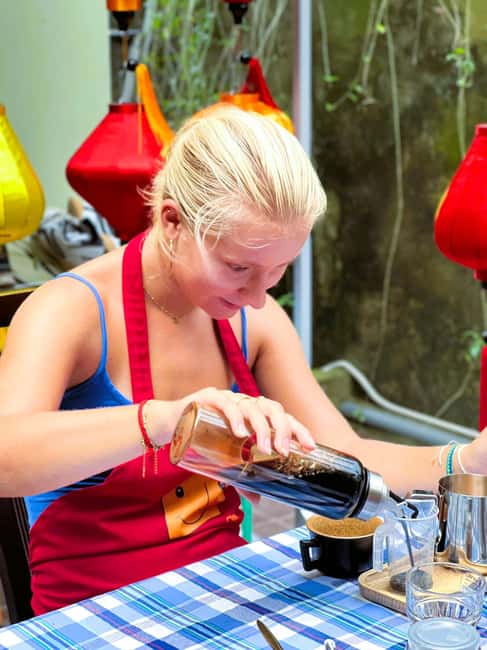
At about $50 per person for roughly 4.5 hours, the value comes down to what you actually get.
You get three things that are hard to combine at this price:
- Hands-on coffee learning with phin brewing and tasting multiple signature styles.
- Cooking instruction where you do the chopping and cooking, not only watch.
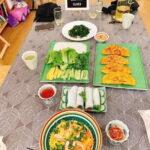
- Your own meal at the end, cooked by you.
Many experiences in Vietnam charge similar money for either a coffee tasting or a cooking class. This one bundles both, and it stays structured: coffee first, then cooking, then eating. That makes the time feel efficient instead of stretched.
Also, the small-group angle matters. If you’re in a group where instructors can give personal attention, you learn faster—and you’re more likely to leave with methods you can repeat. People describe the guides as patient, with clear English, and willing to help you get it right. When an instructor is attentive, you don’t waste time stuck on basic steps.
Who Should Book (and Who Should Skip It)
This class is a strong fit if you want a practical cultural experience, not just a photo stop.
You’ll likely enjoy it if:
- You love coffee and want to understand the phin method and Vietnamese coffee styles.
- You want to take home more than flavors—recipes and process you can try again.
- You prefer small-group attention with English-speaking guidance.
- You like cooking in a home-kitchen style rather than a big restaurant workshop.
You might want to skip or think twice if:
- You have heart problems, since the coffee focus isn’t listed as suitable.
- You’re very caffeine-sensitive (the class includes tasting and suggests you don’t pre-load caffeine).
It’s also listed as children friendly, and the format is guided and structured, which generally helps families. Wheelchair accessibility is noted as available, which is worth considering if mobility needs are part of your planning.
Should You Book This Da Nang Coffee and Cooking Class?
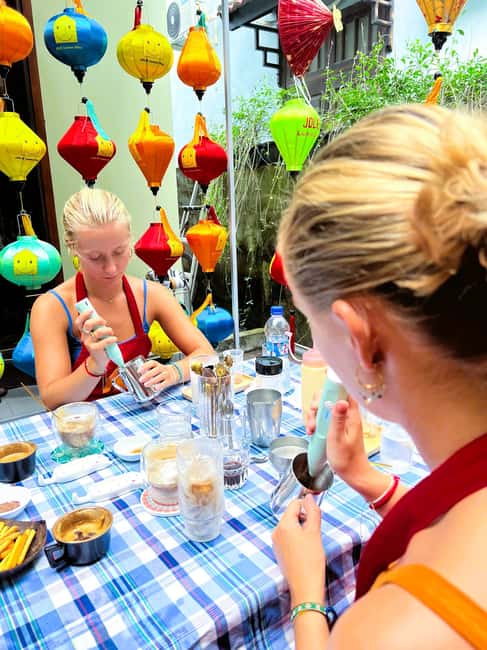
I’d book it if you’re looking for one compact experience that gives you two real skills: Vietnamese coffee brewing and Da Nang-style cooking. The “do-it-yourself” structure is the big reason. You come away understanding not only what tastes good, but what steps create that taste.
The main reason not to book is the caffeine factor. If coffee affects you strongly, or if you have medical reasons to avoid stimulation, this may not be the right choice.
If you’re flexible and want something hands-on in Da Nang that still feels genuinely local—coffee culture, phin ritual, then a meal you cook—this is a very solid pick.
FAQ
How long is the Da Nang coffee making and cooking class?
The duration is 4.5 hours.
What time does the class start?
There are two start times: 8:30 AM and 2:00 PM.
Where do I meet for Jolie Cooking Class?
You meet at Jolie Cooking Class, 14 An Trung Dong 6, Da nang, near Dragon bridge.
What coffee types are included?
You’ll taste and learn about egg coffee, coconut coffee, and salt coffee.
Do you learn to brew coffee with a phin filter?
Yes. The class includes hands-on brewing using a traditional phin filter.
Is the instruction offered in English?
Yes, the instructor teaches in English.
What will I be cooking during the class?
You’ll learn to cook traditional Da Nang dishes in a home-style setting, and you’ll enjoy the meal you cook.
Is the experience suitable for children?
It’s listed as children friendly.
Is the class wheelchair accessible?
Wheelchair accessibility is listed as available.
Is it suitable for people with heart problems?
No. It’s listed as not suitable for people with heart problems.
What should I bring?
Bring a camera, and wear comfortable clothing. It’s also recommended not to consume too much caffeine before the class.