REVIEW · DA NANG
Da Nang: 5 famous dishes cooking class with market trip
Book on GetYourGuide →Operated by Apron Up Cooking Class · Bookable on GetYourGuide
Da Nang’s market-to-kitchen format makes Vietnamese cooking feel simple and real. I especially like the Bac My An market stop and the English-speaking instructor who walks you through what you’re buying and why it matters. One thing to consider: it includes a live food-and-street-market component, so rain can change how comfortable the market part feels.
If you want a hands-on meal, this is one of the better ways to spend a half-day in town. The class builds up to a shared sit-down tasting with what you cook—then you leave with a printed cook book and certificate to help you repeat the dishes later.
In This Review
- Key highlights to know before you go
- Market First, Then the Stove in Da Nang
- The Bac My An Market Trip: Learning What Actually Drives Flavor
- Back to the Kitchen: Cooking 5 Da Nang Dishes Without the Guesswork
- Bun Bo Hue: learn a hearty noodle backbone
- Banh Xeo: the satisfying crunch-and-sizzle test
- Fresh roll: freshness over drama
- Young jackfruit salad: a sour-sweet lesson
- Avocado ice-cream: the surprise that still works
- Eating Together: What You Get Beyond the Cooking
- Your Instructor: English That Doesn’t Leave You Behind
- Value Check: Why This $40 Class Can Be a Smart Buy
- Who This Class Fits Best (And When It Might Not)
- Practical Tips for a Smooth, Enjoyable Class
- Should You Book Apron Up’s Da Nang 5-Dish Cooking Class?
- FAQ
- How long is the cooking class in Da Nang?
- What dishes are included in the cooking menu?
- Do you visit a market during the experience?
- Is the guide available in English?
- What’s included in the price?
- Where do I meet, and where does it end?
Key highlights to know before you go
- Bac My An market shopping first so you learn ingredients before the stove
- Five-dish menu covering classics like Banh xeo and Bun Bo Hue
- English instruction that keeps you oriented from prep to plating
- Dessert included with avocado ice-cream (and a vegetarian version option)
- You eat what you make, plus fruit and homemade rice vodka
- Recipe book and certificate so the skills don’t vanish after the class
Market First, Then the Stove in Da Nang
This cooking class works because it starts where most people skip: the market. In Da Nang, a lot of flavor comes from fresh produce and small choices—what’s ripe, what’s tender, what’s fragrant, and what’s ready to cook right now. Shopping first helps your cooking make sense. You’re not just following steps. You’re learning ingredient logic.
Meet up is at number 07 Nguyen Ba Lan street, Ngu Hanh Son, Da Nang, about 10 minutes before your start time. The class runs about 4 hours, and you’ll end back at the same meeting point. It’s a tight schedule, but it’s also why the experience feels focused instead of dragging.
The group stays small enough that you’re not stuck watching from the sidelines. I’m looking for two things from a class like this: clear instruction and real involvement. The English teaching support is a big part of why this one earns such strong marks.
You can also read our reviews of more shopping tours in Da Nang
The Bac My An Market Trip: Learning What Actually Drives Flavor
You head to a nearby market with your instructor to buy the ingredients you’ll use in the kitchen. This isn’t just a quick photo stop. You’ll shop for the items needed for the day’s dishes, and you’ll learn about the produce along the way.
What makes the market time useful is the translation of knowledge into cooking. You practice spotting key ingredients and understanding what they contribute. In the feedback for this class, people specifically praise how instructors slow down to explain how to pick foods and prep them correctly. That’s the kind of guidance that helps even if you’re a first-timer.
A practical note: markets are outside and weather can matter. If you’re traveling in rainy season, your comfort level for the market segment can swing depending on conditions. The upside is you’ll see how everyday shopping fits into local life—exactly where Vietnamese cooking gets its foundation.
Back to the Kitchen: Cooking 5 Da Nang Dishes Without the Guesswork
After the market stop, you return to the kitchen and start cooking. The menu is fixed to five dishes, which is great because it keeps the class from feeling like an unstructured buffet of odds and ends.
The cooking sequence includes:
- Bun Bo Hue
- Banh Xeo
- Fresh roll
- Young jackfruit salad
- Avocado ice-cream
If you’re vegetarian, there’s a vegetarian version available for the menu.
Bun Bo Hue: learn a hearty noodle backbone
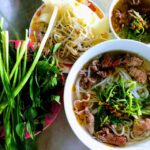
Bun Bo Hue is not “just soup.” It has depth, and the flavor balance matters. In a cooking class, the value is learning how the base flavors come together and how the dish should taste before you start piling on toppings.
Even if you’ve eaten it before, you may not have understood the structure—what you’re tasting first, what builds next, and what makes it feel distinct. When a class gives you ingredient context from the market, Bun Bo Hue becomes easier to recreate later.
Banh Xeo: the satisfying crunch-and-sizzle test
Banh xeo is one of those dishes that can go wrong if the batter or heat isn’t right. Cooking classes are where you can get feedback in real time. You’ll be working with a batter and learning the practical method so you end up with the right texture rather than a plate of regret.
Expect a hands-on session where you learn how to manage the “timing window” that makes Banh xeo work.





Fresh roll: freshness over drama
Fresh rolls are a great reality check: the flavors are delicate, and the goal is to keep everything tasting clean and balanced. You’ll learn how the filling and wrapping are meant to come together.
This is also where your market shopping pays off. When you’ve chosen your produce, you have a better sense of how it should feel—crisp, tender, aromatic—rather than treating it like random salad parts.
Young jackfruit salad: a sour-sweet lesson
Young jackfruit salad adds that trademark Southeast Asian balance: sour, sweet, and crisp texture in the same bite. The learning payoff is that you start thinking in flavors, not just in steps.
The class format supports that. You’re cooking, then you’re eating, so the lesson sticks.
Avocado ice-cream: the surprise that still works
Yes, it sounds unusual the first time you hear it. Then you taste it and it clicks. Avocado ice-cream gives you a creamy finish that feels like it belongs at the end of a meal—not like an afterthought.
And it’s included. The class also provides a vegetarian option when needed, so you’re not forced into a compromise menu.
Eating Together: What You Get Beyond the Cooking
Here’s a key part of the experience: you don’t just make food and leave. You share the meal you cook, and you’ll also get fresh fruits afterward.
You’ll also be offered welcome tea at the start and homemade rice vodka during the meal. You don’t have to chase it like a dare; treat it as part of the local hospitality. If you want to keep it light, you can still enjoy chatting and tasting.
This chat time matters more than it sounds. In the feedback, people often highlight instructors who are patient, cheerful, and genuinely good at explaining things in clear English. The best classes don’t just teach you how to cook one day. They help you understand enough to cook again.
Your Instructor: English That Doesn’t Leave You Behind
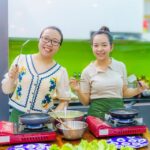
The instruction style is a big reason this class has a high rating. Multiple instructors have led the experience, including Chi, Blue, Daisy, Bora, and Nick. Different people teach differently, but the common thread in the notes is strong English clarity and supportive guidance when you slip up.
That means you’re not stuck translating in your head. You get answers while you cook.
A smart approach for you: ask small questions as you go. If the class offers choices (like vegetarian adaptations), that’s the time to clarify what you need. And if you’re unsure about doneness, batter texture, or seasoning balance, ask early. When you learn in the moment, you build the right habits fast.
Value Check: Why This $40 Class Can Be a Smart Buy
At $40 per person for 4 hours, the price is competitive when you compare what’s included:
- the market trip
- an English-speaking guide
- a five-dish menu course
- all ingredients and cooking tools
- welcome tea, fruit, and homemade rice vodka
- a printed cook book and certificate
Food-and-market classes can be pricey, especially when you’re paying for an instructor plus ingredients plus a recipe handout. Here, the ingredients are included, so you’re not hit with a hidden grocery bill.
Also, the recipe book and certificate are genuinely useful if you cook at home. Many cooking classes give you a “thanks for coming” moment. This one gives you a tangible reminder of what you made and how you did it.
Who This Class Fits Best (And When It Might Not)
This works especially well if you:
- want a hands-on Da Nang cooking class rather than a tasting-only tour
- like learning by doing, starting with market produce
- want a guided meal with an English-speaking instructor
- care about taking recipes home (printed cook book + certificate)
It may be less ideal if:
- you’re traveling with children under 4 (not suitable)
- you’re in the over-95 age range (not suitable)
- you’re sensitive to outdoor market time when weather is rough
If you’re a foodie who likes structure, the fixed five-dish menu is a plus. If you prefer a totally custom menu, you might wish for more flexibility. But for most people, the set dishes hit a great spread of flavors and techniques.
Practical Tips for a Smooth, Enjoyable Class
A few simple moves will help you get more value from the day:
- Wear shoes you can stand in for a while, because market time and kitchen time both require balance.
- Bring a light layer. Even when it’s warm, kitchens can swing in temperature.
- Go a bit curious. You’ll get the best experience if you ask what to look for in ingredients as you shop.
- If you’re vegetarian, plan ahead and communicate your needs so you can follow the vegetarian version option.
- Come hungry. You’ll cook five dishes and then eat what you made.
Also: don’t treat the vodka like the main event. It’s there as a hospitality touch. Focus on the cooking and tasting.
Should You Book Apron Up’s Da Nang 5-Dish Cooking Class?
Yes, I’d book it if you want a structured, friendly way to learn Vietnamese cooking in Da Nang. The combination of Bac My An market shopping plus a five-dish cooking session plus recipe materials is strong value for $40, especially if you like learning ingredients, not just recipes.
I’d think twice only if your priorities are purely sightseeing or if weather-driven outdoor market time will be a big stress for you. For most people, the payoff is practical: you leave with knowledge you can use, not just memories.
FAQ
How long is the cooking class in Da Nang?
The class duration is 4 hours.
What dishes are included in the cooking menu?
You’ll cook five dishes: Bun Bo Hue, Banh Xeo, fresh roll, young jackfruit salad, and avocado ice-cream. A vegetarian version is available if needed.
Do you visit a market during the experience?
Yes. You’ll visit Bac My An market with your instructor, shop for ingredients, and learn about local produce before cooking.
Is the guide available in English?
Yes. The guide speaks English.
What’s included in the price?
Included are the market trip, English-speaking guide, 5-dish menu course, all ingredients, cooking tools, welcome tea, fruit, rice vodka, plus a cook book and certificate.
Where do I meet, and where does it end?
You meet at number 07 Nguyen Ba Lan street, Ngu Hanh Son, Da Nang and the activity ends back at the meeting point.