REVIEW · DALAT
Da Lat Loop Tour On Private Car
Book on GetYourGuide →Operated by Easy Rider Mr.Viet · Bookable on GetYourGuide
Da Lat starts to make sense fast when you drive the loop. This private car day strings together temples, waterfalls, and working villages with an English-speaking guide like Viet and a careful driver like Tom, so the facts land quickly.
Two things I really liked: first, the mix of spiritual stops and real local life, from Truc Lam Zen Monastery to places tied to daily farming. Second, you get culture explained in plain language, with guides (Viet, Tom, and also KD/K’DI in other groups) who clearly enjoy answering questions.
One consideration: the day is packed, and some moments are about doing what locals do (including trying crickets with rice wine), so it’s not a slow, drop-everywhere kind of itinerary.
In This Review
- Key reasons to choose the Da Lat Loop by private car
- Why the Da Lat Loop by private car feels worth it
- Truc Lam Zen Monastery and Paradise Lake: spirituality meets practical water
- Chicken Village and the K’hor people: daily life beyond the usual Dalat stops
- PongGour Waterfall and Elephant Waterfall: your pace, your photos, about an hour each
- Farming and food stops: coffee, pepper, rice, and vegetables explained in the field
- Linh An Temple and the 75-meter Lady Buddha: a climb with strong meaning
- Nam Ban Silk Factory and the no-pressure approach to buying
- Rice wine at a local house and the cricket farm tasting
- Coffee processing with mountain views, then Van Thanh’s flower-growing world
- The thoughtful value behind $57 per person (and what’s not included)
- Who should book this Da Lat Loop, and who might skip it
- Should you book this tour or look elsewhere?
- FAQ
- FAQ
- What is the price of the Da Lat Loop Tour on private car?
- Is this a private tour?
- Do you need a minimum number of passengers?
- What happens if I book as a solo traveler?
- Is the tour guide available in English?
- Are entrance tickets included?
- Is lunch included?
- How long do you spend at PonGour Waterfall and Elephant Waterfall?
- Does the tour include silk and rice wine experiences?
- Do they try to get you to buy things?
Key reasons to choose the Da Lat Loop by private car
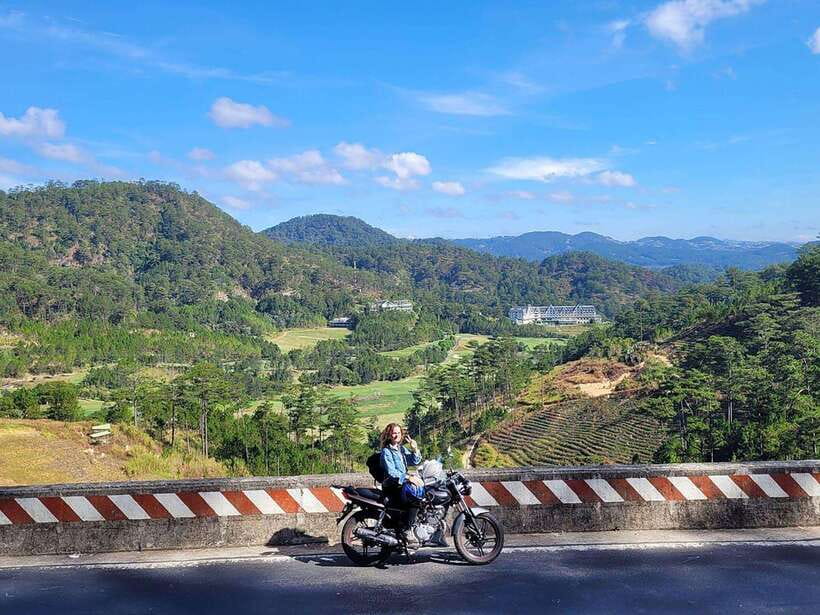
- Private car + English guide means you’re not guessing what you’re seeing at each stop.
- Truc Lam Zen Monastery (built in 1994) brings context to Zen-style architecture and the spiritual story behind it.
- PonGour and Elephant waterfalls get about an hour each for your own pace and photos.
- K’hor Chicken Village shares minority life on the Dalat plateau, not just souvenir streets.
- Nam Ban Silk Factory explains silk making from cocoons, with a no-pressure attitude about shopping.
- Coffee, pepper, rice, vegetables, and flowers connect the agriculture of Dalat to what you taste and see.
Why the Da Lat Loop by private car feels worth it
Da Lat can be confusing if you only chase the “main spots.” This loop approach solves that by keeping travel time controlled and stacking experiences that actually relate to each other. You’re not bouncing between far-off areas with random taxi stops; you’re moving with purpose in a private car.
I like that you’re with an English-speaking tour guide and an experienced driver, and that safety is treated seriously. In multiple experiences under this provider, the driving is described as very safe and the car as new, which matters on Dalat’s roads.
You also get flexibility. A loop like this works best when the guide can adjust the order a bit based on your questions or timing, instead of making you rush because a group tour has a checklist.
You can also read our reviews of more private tours in Dalat
Truc Lam Zen Monastery and Paradise Lake: spirituality meets practical water
The day starts with Truc Lam Zen Monastery, a Zen monastery temple built in 1994 with an oriental architecture style. What makes it interesting isn’t only the visuals; it’s the way the guide connects the architecture to spiritual cultural values. You’ll also hear the story behind the site, which helps you read the place instead of just snapping photos.
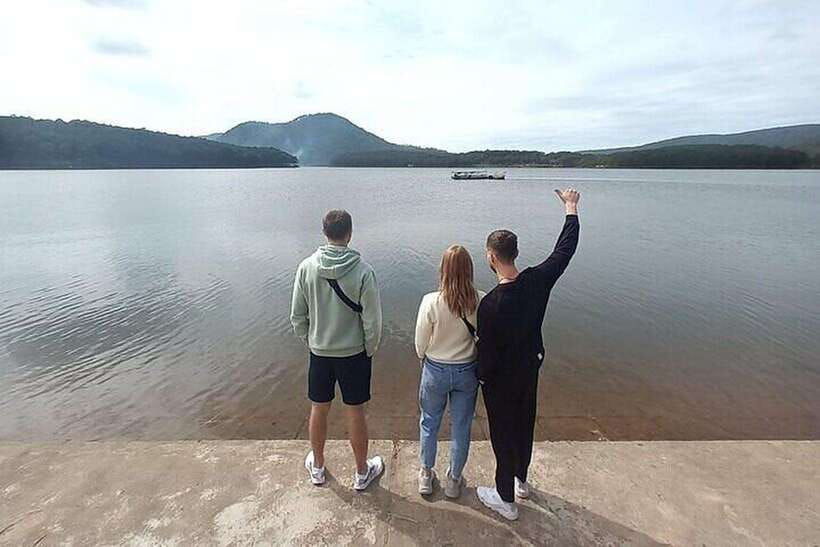
Then you shift to Paradise Lake, described as a man-made freshwater lake that supports surrounding rural villages. That practical detail is key. It turns a scenic stop into something you can understand in one minute: water matters here, and the lake isn’t only for views—it plays a role in local life.
If you like photography, this pairing works well. Monastery views are often framed by trees and architecture lines, while Paradise Lake gives you that wider “mountains-meet-water” shot.
Chicken Village and the K’hor people: daily life beyond the usual Dalat stops
A real highlight is the Chicken Village, inhabited by the K’hor—an indigenous ethnic minority group and original inhabitants of the Dalat plateau. The way the guide presents this stop is the point: you’re not just looking at homes, you’re learning what daily life looks like and what community life revolves around.
You’ll also hear about local activities and daily routines tied to the village setting. That matters in Da Lat because people often focus only on waterfalls and flowers. This stop gives you context for why agriculture and local produce show up everywhere.
Practical tip: come with a curious mindset. Ask how people work the land, how food is planned, and how the community lives across seasons. That’s where the guide’s storytelling actually becomes useful.
PongGour Waterfall and Elephant Waterfall: your pace, your photos, about an hour each
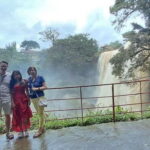
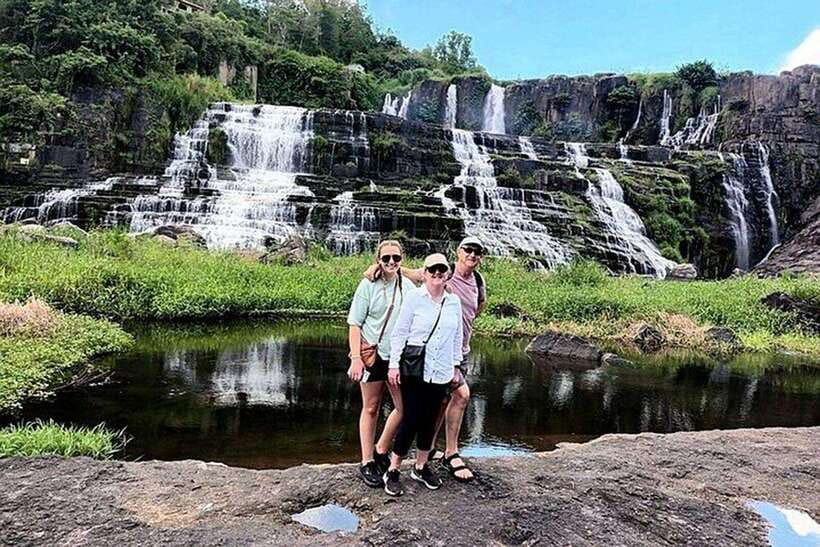
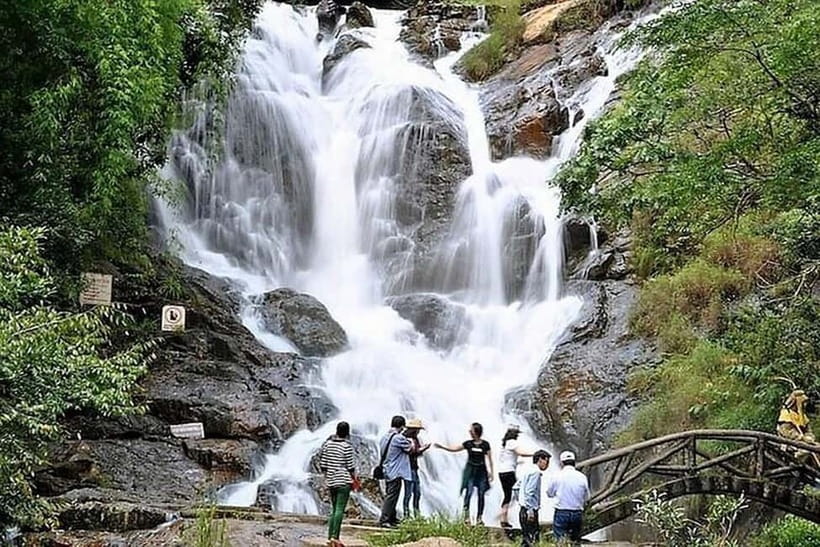
Waterfalls are the headline, but this loop handles them smartly. PonGour Waterfall is presented as the biggest and nicest one in southern Vietnam, and you’ll enjoy your own pace for about an hour. That hour is enough to slow down, walk to your best viewpoints, and avoid feeling like a quick checkpoint.
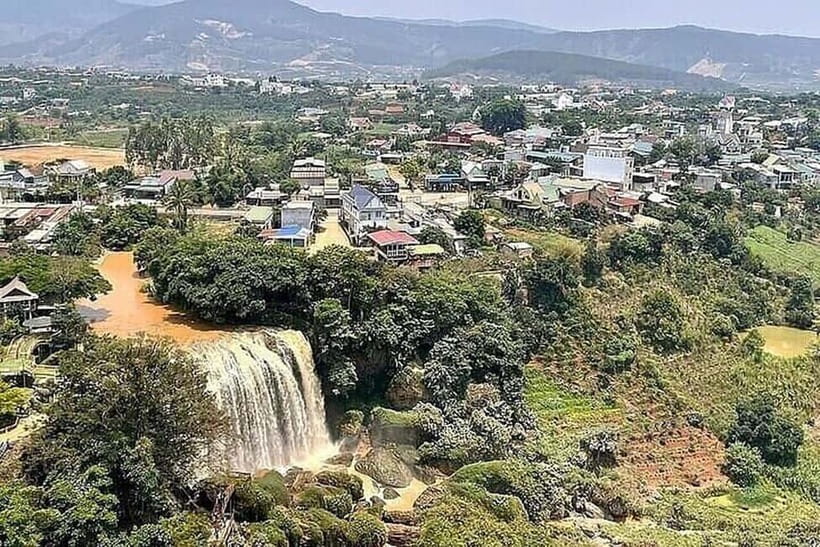
Then you go to Elephant Waterfall, also with about an hour to spend there. The guide shares the story behind the place, so the waterfall becomes more than water hitting rocks. It’s tied to local meaning, not just scenery.
What I’d watch for: wear shoes you don’t mind getting a bit damp. The area around waterfalls can get slick, and a comfortable step is better than wrestling your feet on uneven ground.
Farming and food stops: coffee, pepper, rice, and vegetables explained in the field
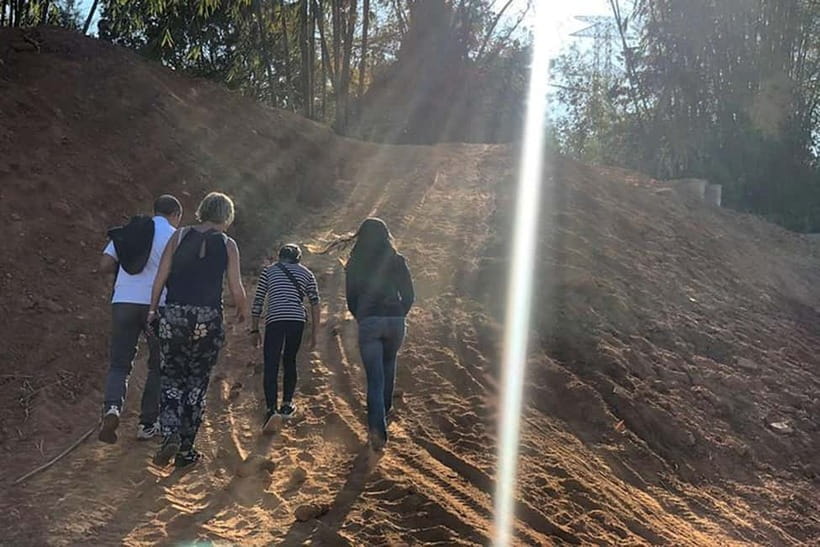
Da Lat’s agriculture is a big deal, and this tour doesn’t keep it abstract. You’ll pass by or visit areas connected to local produce like coffee plantations, pepper fields, rice fields, and vegetable farms. The guide explains local life and products, so you understand what you’re seeing instead of just recognizing a crop.
This is one of those parts where the private-car setup helps. You can stop when it’s sensible and move on without wasting time negotiating rides or trying to figure out where a farmer’s area begins and ends.
Also, it’s a nice change of pace after temples and waterfalls. The day balances emotion (religious sites and natural drama) with something grounded: work, harvest, and the food chain that feeds the region.



Linh An Temple and the 75-meter Lady Buddha: a climb with strong meaning
Next is Linh An Pagoda, also known as Linh An Tu Pagoda, built in 1994 and described as one of the oldest and sacred Buddhist temples in Nam Ban town. Like Truc Lam, it’s a place where the architecture and spiritual story matter—not only the photo angles.
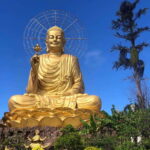
The most striking moment here is the chance to walk up to the top of the Lady Buddha statue, around 75 meters tall. That walk up turns your visit from a quick glance into something physical, with a payoff at the upper viewpoint.
If you don’t feel like pushing hard, take breaks. A steady pace beats a rushed climb, and the guide can usually help you find a rhythm that keeps you comfortable.
Nam Ban Silk Factory and the no-pressure approach to buying
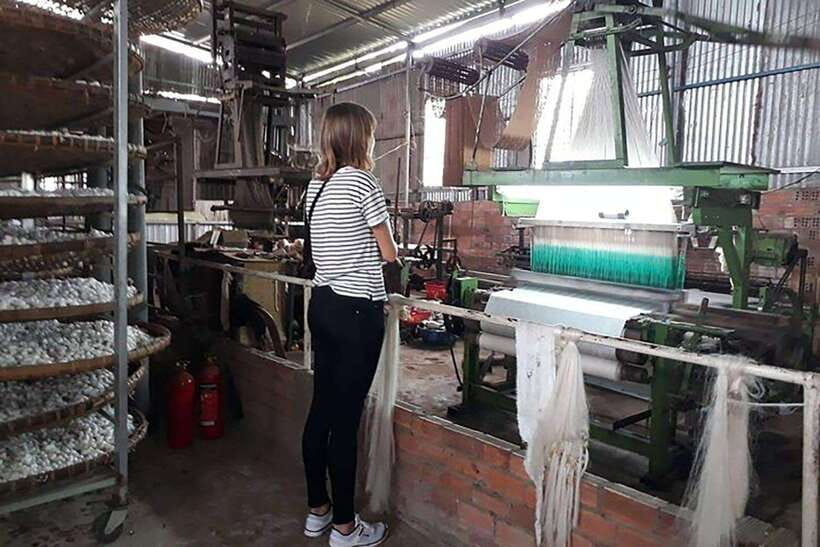
In Nam Ban Silk Village, you visit a silk factory and learn how silk is made from cocoons for lady’s costume. Watching a process like this matters because it explains the difference between a fabric you buy and a fabric people actually produce.
There’s also a clear expectation here: you’re encouraged to look and understand (not buying). That’s a big deal for value and comfort. You can appreciate the craft without feeling pulled into a sales rhythm.
If you care about ethical shopping, this style is helpful. You can see the work behind the product, then decide later whether you want anything. If you don’t, you’re not stuck feeling rude.
Rice wine at a local house and the cricket farm tasting
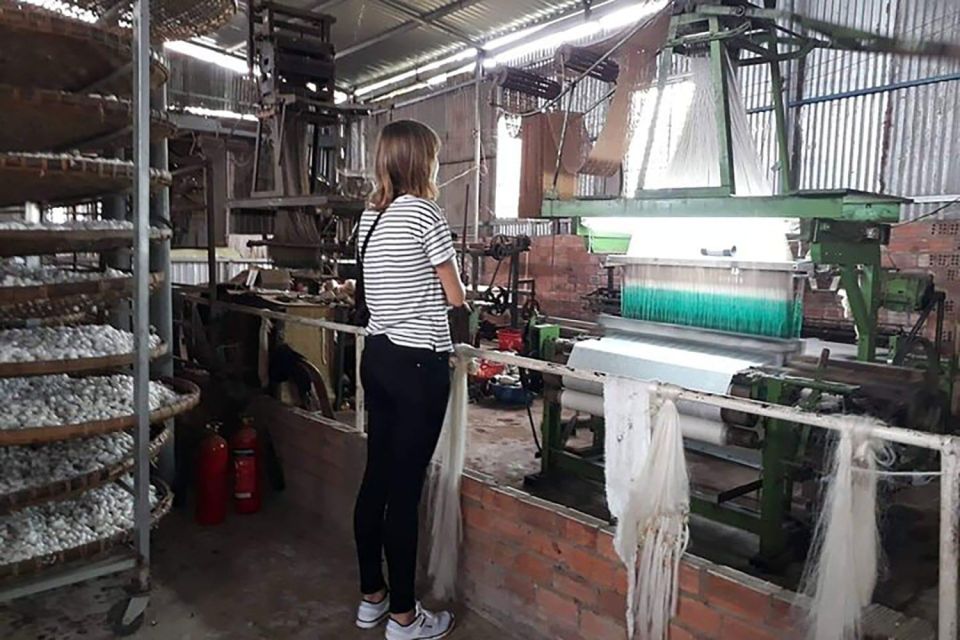
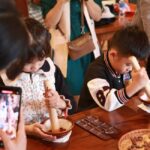
One of the most “real life” segments is visiting a local house to discover how rice wine is made. Instead of treating it like a museum object, the guide frames it as part of local routines and household knowledge.
Then you go to a cricket farm, where locals breed crickets and take care of them for food. The tour doesn’t hide the ingredient—it’s part of the experience. You’ll even try crickets with rice wine.
This is where I’d be honest with you: if insects aren’t your thing, you may feel nervous at first. But even if you choose to handle it carefully, the learning is still valuable. You’re seeing how people turn local resources into protein and tradition.
Coffee processing with mountain views, then Van Thanh’s flower-growing world
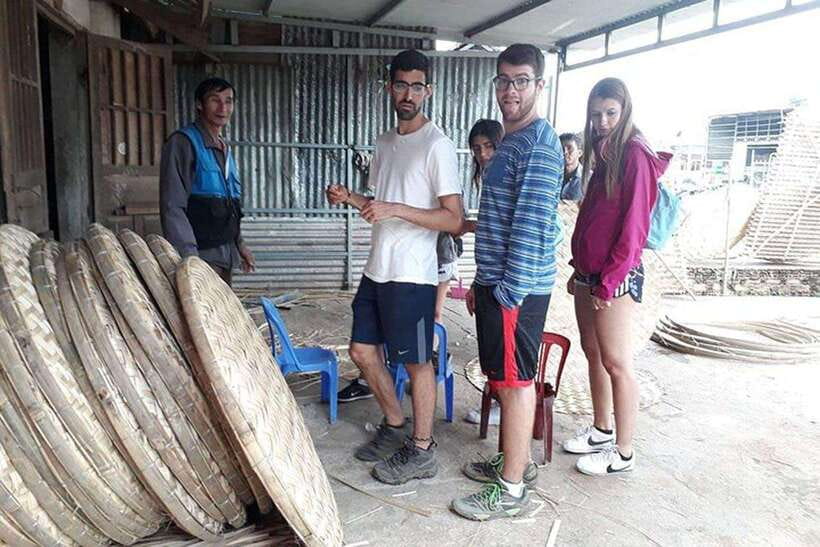
Da Lat’s coffee isn’t only about taste; it’s about process. You’ll learn how to process coffee beans and then try a cup of local coffee. One reason this stop lands well is the timing—coffee with mountain views makes the whole day feel like it’s turning into something calmer.
Finally, you reach Van Thanh Flower Growing Village, where the guide explains how Da Lat became known as the city of flowers. It’s presented as one of the larger flower-growing and exporting villages in the region, so you’re not just seeing a single garden for Instagram shots—you’re hearing about the real scale of production.
If you’ve ever wondered why flowers are such a big identity for Da Lat, this is the moment the story clicks. You leave with a clearer sense of where the flowers come from and why they matter economically.
The thoughtful value behind $57 per person (and what’s not included)
At $57 per person, the value is mostly in what’s included: a private car, an experienced driver, an English-speaking local tour guide, and all entrance tickets. For Da Lat, that combination can be hard to replicate with “just a taxi” because you’d still pay for guided explanations and ticket costs.
What’s not included is straightforward: local lunch, water, and personal expenses. That’s normal, and it lets you choose where you want to eat rather than forcing one set menu.
You should also factor in the minimum group size. This tour includes a minimum of 2 passengers. If you’re solo, you can still go, but you’ll pay an extra amount in cash when the tour ends (so you’ll want cash on hand). For couples and small groups, that minimum usually turns into a better deal fast.
Who should book this Da Lat Loop, and who might skip it
This is a strong fit if you want Da Lat to feel like more than a sightseeing checklist. It’s especially good for people who enjoy:
- culture explained in a human way (temples, stories, minority life)
- nature stops with time to breathe (waterfalls with about an hour each)
- agriculture you can connect to what you eat and drink (coffee, pepper, rice, vegetables)
- learning without pressure to shop (silk is explained, not pushed)
You might want to consider another option if you strongly prefer a low-stop pace, or if the idea of trying crickets with rice wine makes you uneasy. The day is structured, so you won’t get an hour of free wandering in the middle of everything.
Should you book this tour or look elsewhere?
Book this tour if you want a guided Da Lat day that connects the dots between monasteries, waterfalls, farms, silk, coffee, and flowers—and you’d rather have an English guide than figure it out alone. The private car also keeps you comfortable if you’re traveling with someone who doesn’t love long waits or complicated logistics.
Before you book, message the provider (Easy Rider Mr. Viet) and tell them what you care about most: temples and spirituality, nature, minority village culture, or the agriculture-and-food side. This style of loop works best when the guide can tune the day to your interests instead of treating you like a generic stop list.
If that sounds like your pace, this is a clear yes.
FAQ
FAQ
What is the price of the Da Lat Loop Tour on private car?
The price is listed as $57 per person.
Is this a private tour?
Yes. It’s a private car tour with an experienced driver and a local tour guide.
Do you need a minimum number of passengers?
Yes. The tour includes a minimum of 2 passengers.
What happens if I book as a solo traveler?
If you’re traveling solo, you’ll pay for an extra passenger in cash when the tour ends.
Is the tour guide available in English?
Yes. The tour guide is English-speaking.
Are entrance tickets included?
Yes. Entrance tickets are included.
Is lunch included?
No. Local lunch is not included, and you’ll also need to cover water and personal expenses.
How long do you spend at PonGour Waterfall and Elephant Waterfall?
You’ll enjoy your own pace for around an hour at PonGour Waterfall and around an hour at Elephant Waterfall.
Does the tour include silk and rice wine experiences?
Yes. You’ll visit a Nam Ban silk factory to understand how silk is made, and you’ll also visit a local house to learn about rice wine making.
Do they try to get you to buy things?
No pressure. The silk stop is described as please look and understand (not buying), and the route also avoids the weasel poop coffee style.