REVIEW · DALAT
Dalat: Canyoning Extreme Adventure Vietnam
Book on GetYourGuide →Operated by Viet Challenge Tour · Bookable on GetYourGuide
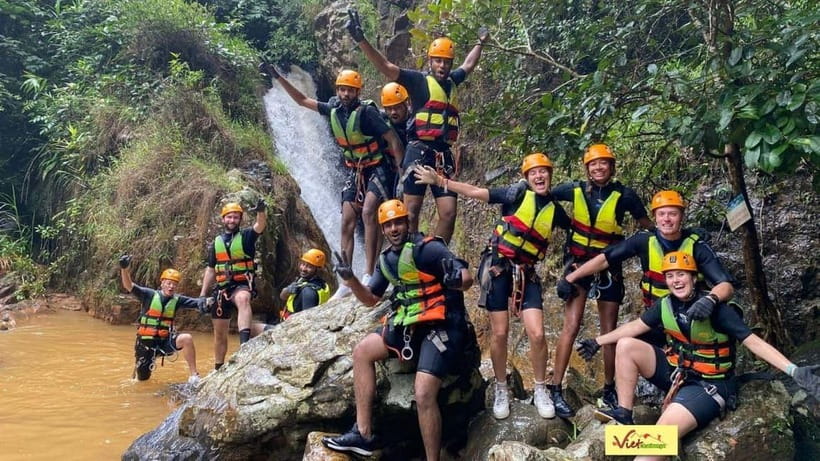
Big waterfalls, serious gear, and real smiles. I like that this tour is all included (pickup, lunch, photos, equipment), and I also love the hands-on training before the first vertical drop. A possible drawback: it’s an adrenaline-heavy full day, so if you hate heights or fall outside the size limits, you’ll want to think twice.
Expect 8 km of canyon route through jungle streams, with professional English-speaking guides who keep things calm and clear. Guides you may see in the mix include Sin, Narli, Viet, Bao, Naly, Alex, Fin, and Phat, and the common theme is simple: you get entertainment and confidence at the same time.
In This Review
- Key Things That Make This Dalat Canyoning Day Worth It
- Dalat Canyoning Extreme: What You’re Really Signing Up For
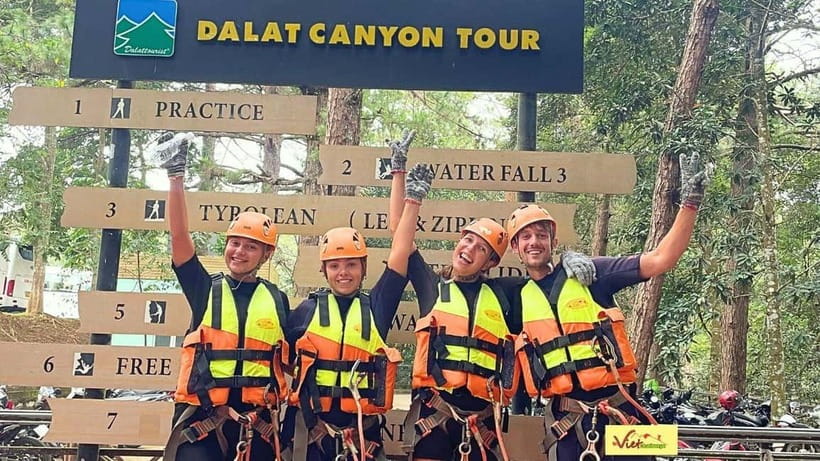
- The Start at Base Camp: Gear, Briefing, and Confidence
- Dry Cliff Practice (18m): The First Drop That Changes Everything
- The 70m Zipline: High-Speed Fun Without the Guesswork
- Lazy River Swimming and the Dry Cliff (15m) Combo
- Water Sliding: The One Station You’ll Either Love or Laugh At
- Lunch on Top of the Highest Waterfall: Food With a View
- 25m Waterfall Conquering: Big Width, Big Pressure
- Washing Machine Waterfall: The Hardest Obstacle
- Getting Back Up: Shower Time and the Small Details That Matter
- Price and Logistics: Why $69 Feels Fair for an Extreme Day
- Who This Dalat Canyoning Tour Is For (and Who Might Pass)
- The Booking Checklist: What to Bring So Your Day Feels Easy
- Should You Book Viet Challenge Tour’s Dalat Canyoning Extreme Adventure?
- FAQ
- How much does the Dalat canyoning tour cost?
- What’s included in the tour price?
- Do I need to bring my own wetsuit or canyoning shoes?
- What activities are included during the day?
- Is there training for beginners?
- How do pickup and drop-off work?
- What should I bring with me?
- Is the tour available every day, and what languages are supported?
Key Things That Make This Dalat Canyoning Day Worth It
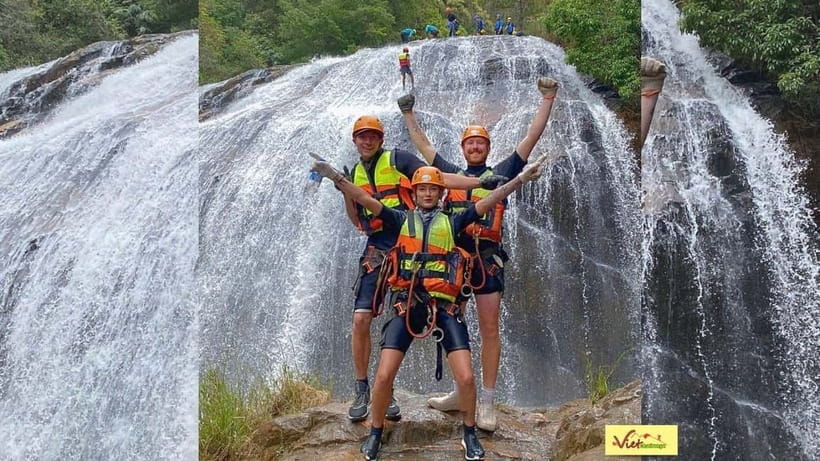
- All-in pricing at $69: pickup, drop-off, lunch, wetsuit gear, and photos are part of the package
- Free photos and videos: you’ll be filmed and photographed through the day for easy memories later
- Training before you go vertical: you practice control on a dry wall so the first waterfall feels less scary
- A big mix of obstacles: 18m and 15m dry cliff abseils, a 70m zipline, lazy-river swimming, and multiple waterfall challenges
- Small group feel: the day runs with a tighter group size, which helps pacing and safety
Dalat Canyoning Extreme: What You’re Really Signing Up For
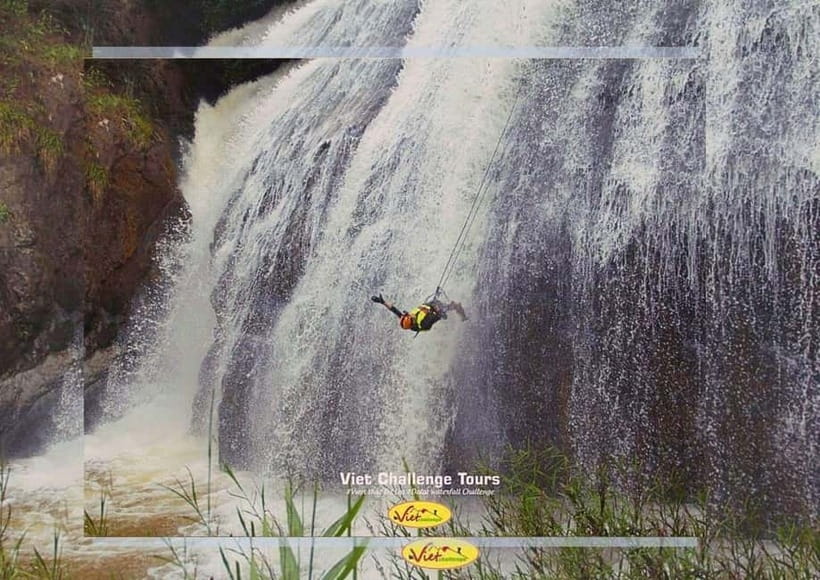
If you’re picturing a quiet hike with a waterfall at the end, adjust your mental image. This is a guided, action-first canyon day built around controlled rappelling, plus a zipline, swimming in a lazy river section, and water slides.
The route leans heavily into abseiling. That’s not a bad thing if you want the main thrill to be heights and rope work. One rider note you should keep in mind: the day is intense and wet, but it’s more abseil-heavy than some people expect from the word canyoning.
The setting is classic Dalat style: forested streams, rocky canyon walls, and waterfall drops that feel framed by the landscape rather than pasted onto it. And the package is designed so you don’t waste time figuring out logistics. You show up, get geared, get briefed, and move through each station with a guide close by.
You can also read our reviews of more tours and experiences in Dalat.


The Start at Base Camp: Gear, Briefing, and Confidence
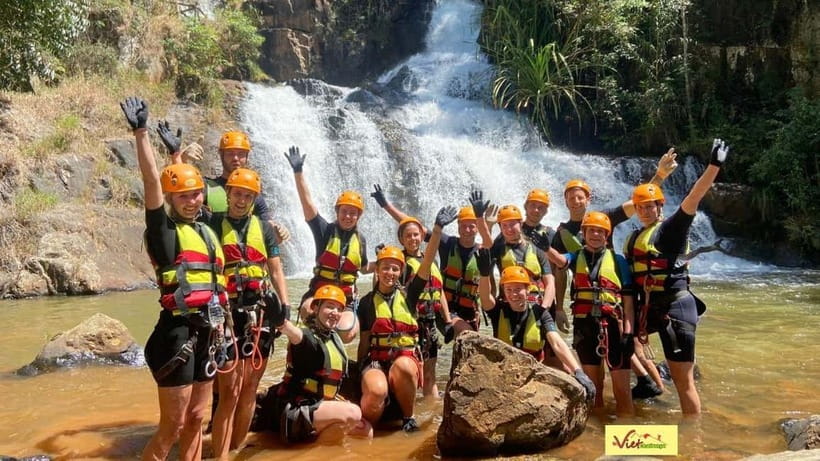
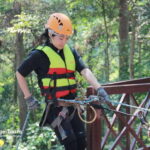
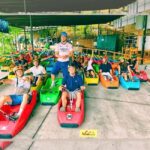
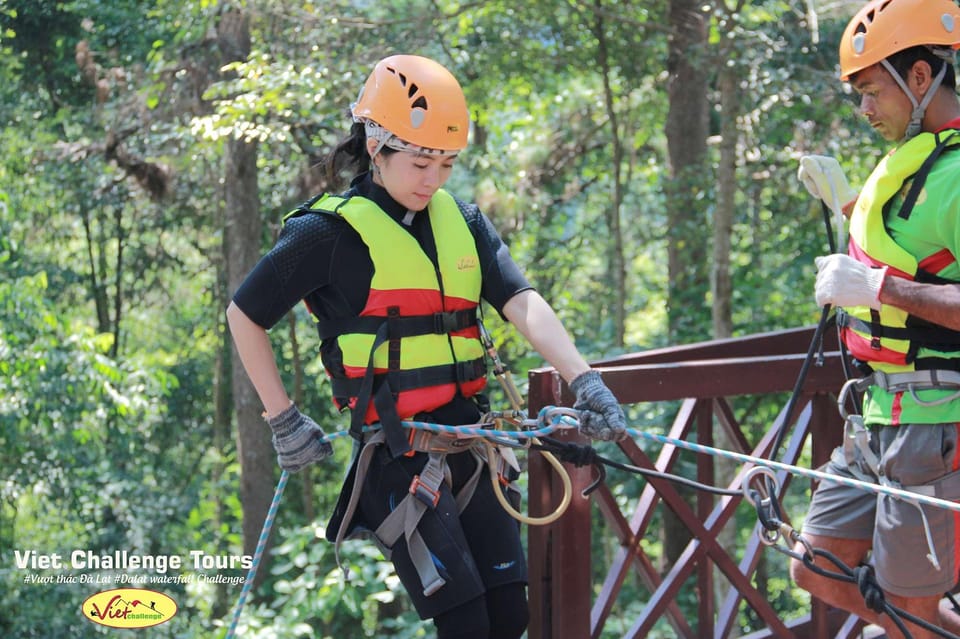
Your day begins at base camp, where you get outfitted with modern safety essentials like harnesses, life jackets, helmets, and ropes. You also receive wetsuits and water shoes, which matter more than people think in Dalat: the water is cold enough to make comfort and mobility a real issue if you show up under-prepared.
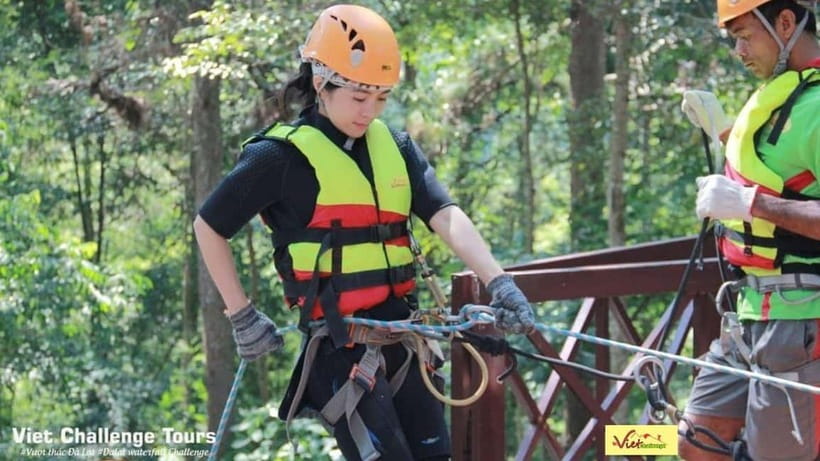
Before anyone sends you anywhere high, you do technique training. You’ll practice basic moves and handling scenarios with experienced guides. That training step is a big reason this tour works for first-timers who still want the adrenaline. Even if you’re nervous, the day’s rhythm is built to reduce panic: learn the basics, then try the controlled version of the skill.
In feedback, guides like Sin and Narli show up again and again in the same role: explaining clearly, staying friendly, and keeping everyone moving at a pace that matches confidence. You can feel the difference when a guide is calm instead of rushing.
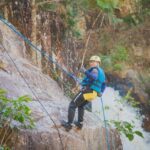
Dry Cliff Practice (18m): The First Drop That Changes Everything
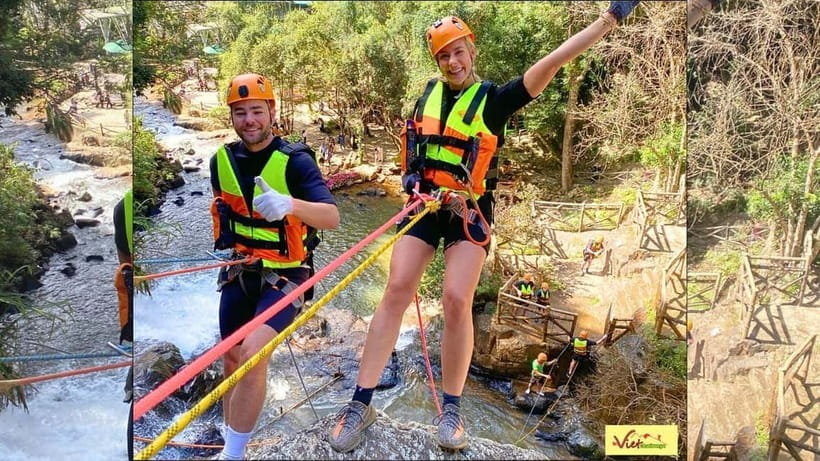
The first big station is the Dry Cliff 18m segment. This is your reality check, but it’s also your confidence builder. You’ll have already practiced abseiling control on dry land, so this one feels like the training you just did—just taller.
The physical moment is simple: you trust the harness, follow guide commands, and descend safely. Mentally, it helps that the guides treat fear like normal. Many people get scared at the start and then, once they’re moving, the fear turns into energy.
After this first vertical taste, you move onward downriver to a waterfall area where you get more drops. This stage is where you start to understand the tour’s style: short, intense obstacles followed by movement through the canyon so you don’t stew in nerves too long.
The 70m Zipline: High-Speed Fun Without the Guesswork
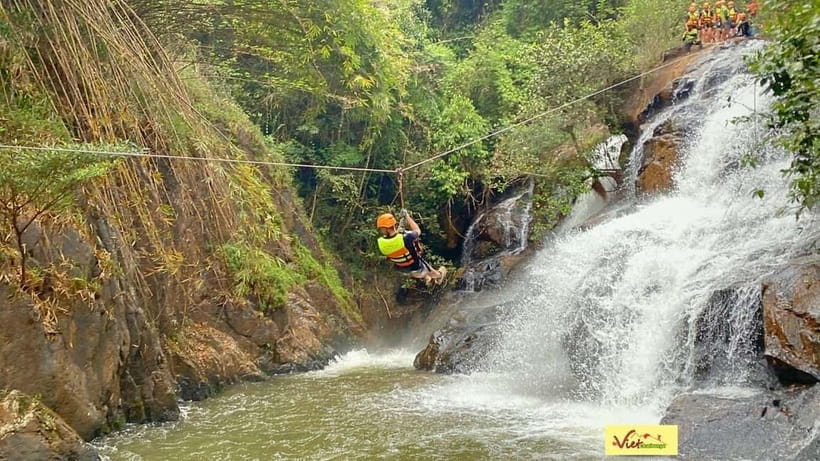
Next comes the zipline 70m station, also described as a Tyrolean traverse. This is the moment many people enjoy most because it breaks the pattern of rope climbing and waterfall descent.
You’ll get instruction for how to travel down to the river. The important part isn’t the thrill of speed—it’s that you’re not guessing mechanics while you’re flying. You’re set up and guided, then you focus on simply doing it.
For readers who are balancing fear of heights with a desire to try, this station can be a relief. It’s still vertical exposure, but it’s not the same as committing to a waterfall drop where you’re bracing for water impact.
Lazy River Swimming and the Dry Cliff (15m) Combo
After the zipline, you continue down the canyon to swimming on the lazy river plus an abseiling on the 15m dry cliff.
This is where your day turns from rope-focused to water-focused. The lazy river section is a reset, not a rest. You get time in the water, you get a breather from descending, and you regain your footing after rope work.
Then you go again for the 15m dry cliff. Compared to the earlier 18m station, this often feels more manageable because you’ve already learned the rhythm of controlled descent. If you’re wondering whether the tour “gets easier,” this is the point where many people feel the skills click into place.

Water Sliding: The One Station You’ll Either Love or Laugh At
Water sliding in this tour happens at a rock-eroded section where the water path does the work for you. You’ll be instructed to lay back with your arms embracing your shoulders and hold your breath.
Then the water pulls you down the river, you plunge to the bottom, and you pop back up. It’s short. It’s wet. And it’s pure adrenaline because there’s no climbing involved—just the moment of release.
This station also illustrates what the tour is trying to do with the whole itinerary: mix fear, movement, and fun so you don’t just endure one type of challenge all day. If you want a day where your body keeps getting surprised, this is one of the best examples.
Lunch on Top of the Highest Waterfall: Food With a View
Between the big obstacles, you get a picnic meal at the top of the highest waterfall. The tour frames lunch as a planned break, not a rushed stop. Guides set it up with a view of mountains and forest scenery, then you eat before the hardest drops.
The picnic includes a Vietnamese baguette paired with tropical fruits. You also have purified water as part of the included setup, plus cacao. In practice, this matters because after multiple wet descents, your energy drops fast. A real lunch you can taste and enjoy is a lot more valuable than a quick snack.
One subtle plus: lunch placement keeps the day flowing. You’re not traveling long distances between stations. You’re working through the canyon in a tight route, then refueling when the group timing works.
25m Waterfall Conquering: Big Width, Big Pressure
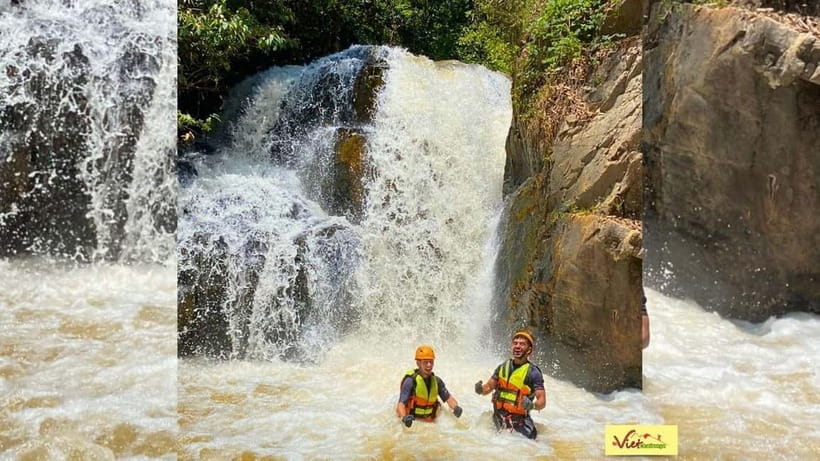
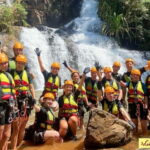
The 25m waterfall station is described as a difficult challenge: a drop around 25m high and roughly 20m wide, with massive water pouring down. This is the point where your brain will try to talk you out of it.
The skill is the same as earlier abseils, but the feeling is different because this one looks and sounds more intense. It’s wide enough that you can’t hide behind a narrow trickle. You commit, you descend, and you trust the guide’s timing.
If you’re the kind of person who freezes at the edge, this station is where you’ll be tested most. The good news: your instruction up to this point is meant to build a calm response. Harness, helmet, rope system, and guide commands all stay consistent so you can focus on the descent rather than troubleshooting.
Washing Machine Waterfall: The Hardest Obstacle
Right after the 25m challenge comes the Washing Machine Waterfall. The name says it all: you’re sent into water that spins you around, cleans your body, and pushes you away from the cliff.
This is described as the hardest obstacle in the quest. It’s also a station where surrender beats strength. You can’t muscle your way through; you follow the setup and flow.
Expect the sensation to be more chaotic than earlier drops. That’s the point. It’s dramatic, it’s physical, and it’s one of the stations that most strongly turns fear into a story you’ll tell later.
Getting Back Up: Shower Time and the Small Details That Matter
After washing-machine water, you don’t just walk it off. You hike up to meet the vehicle for transport back to base camp, where you can shower before heading back to your hotel.
Bring one more set of dry clothes, since you’ll be wet for much of the day. This is a small detail, but it’s a quality-of-day detail. Having clean clothes waiting for you turns a muddy, cold adventure into something you actually enjoy remembering.
Also, at the end of the day there’s cacao (some groups mention hot cocoa). It’s a simple comfort, but it helps you warm up and settle before the ride back.
Price and Logistics: Why $69 Feels Fair for an Extreme Day
At $69 per person, the tour price doesn’t look cheap until you see what’s wrapped into it. This is not a barebones “meet at the trailhead” setup. It includes:
- pickup and drop-off service
- wetsuits and water shoes
- full canyoning gear (harnesses, helmets, ropes, life jackets)
- lunch plus cacao and purified water
- professional English-speaking guides
- free photos (and in practice, video capture too)
For this type of activity—where you’re using specialized safety equipment and getting guided rope work—charging separately for gear, guide time, and photo capture would be normal. Here, it’s folded into one price, which makes planning easier and removes the nagging feeling that you’ll face add-on fees mid-day.
There’s also a pacing advantage. A small group setup, like the 6–12 range mentioned in feedback, means you’re not stuck waiting around with dozens of other people. That translates into a more active day and fewer awkward pauses.
Who This Dalat Canyoning Tour Is For (and Who Might Pass)
This tour is a strong fit if you want a full-day, guided adrenaline mix: abseiling practice, a big zipline, water slide fun, and multiple waterfall drops in a single route.
You’ll probably enjoy it even more if you:
- like learning skills quickly under coaching
- want guided safety with clear instructions
- care about having photos and videos taken for you
- don’t mind being wet and working up to bigger drops
You should think twice if you:
- hate heights and are likely to panic at rope-descents
- fall outside the safety size limits: not suitable for people under 110 cm or over 140 kg
- want a calmer, more walking-based nature tour rather than action stations
Also note the day can feel physically demanding in the way that rope work and a 15–20 minute hike back can add up. It’s not described as a grind-your-legs trek, but it’s not a sit-and-stare day either.
The Booking Checklist: What to Bring So Your Day Feels Easy
The tour gives you wetsuit and canyoning shoes, but you still need your personal essentials. Pack:
- change of clothes
- sunscreen
- insect repellent
- socks
If you’re prone to chilly fingers, treat the wetsuit as your warmth plan. The water stations are long enough that dry skin and sun protection matter.
Should You Book Viet Challenge Tour’s Dalat Canyoning Extreme Adventure?
Book it if you want an all-in Dalat action day with structured training, multiple waterfall challenges, and a guide team that keeps you safe while still making the day fun. The free photos/videos add real value, and the lunch stop at the top of a waterfall is a rare treat in adventure tours.
Pass if you’re looking for a laid-back experience or you’re outside the height/weight limits. And if heights scare you, remember: this tour doesn’t throw you straight into the biggest drop. You get dry-cliff practice first, then work up through stations, which is exactly how you give fear a chance to shrink.
If your goal is to do something genuinely memorable in Dalat without worrying about gear or logistics, this is the kind of day you’ll be glad you took.
FAQ
How much does the Dalat canyoning tour cost?
It costs $69 per person.
What’s included in the tour price?
The package includes wetsuits and water shoes, picnic lunch plus cacao and purified water, professional English-speaking guides, pickup and drop-off service, all canyoning equipment, and photos.
Do I need to bring my own wetsuit or canyoning shoes?
No. Wetsuits and canyoning shoes are provided.
What activities are included during the day?
The day includes abseiling from dry cliffs (18m and 15m), a 70m zipline, swimming in a lazy river section, water sliding, a picnic lunch on top of the highest waterfall, and multiple waterfall challenges including a 25m waterfall and the washing machine waterfall.
Is there training for beginners?
Yes. Before the main program, you’ll receive training at base camp to learn basic techniques and practice handling hypothetical situations.
How do pickup and drop-off work?
You get pickup and drop-off service. There is also direct drop-off at the bus station after the tour if needed, and luggage storage is available during transport.
What should I bring with me?
Bring a change of clothes, sunscreen, insect repellent, and socks. It’s also recommended to have one more dry set of clothes since you’ll shower after the hike back.
Is the tour available every day, and what languages are supported?
Daily canyoning tours are available every day, and guides speak English and Vietnamese.