REVIEW · DA NANG
Da Nang Family Cooking Class – with Local Family in Da Nang
Book on GetYourGuide →Operated by Da Nang Family Cooking Class · Bookable on GetYourGuide
Want real Vietnamese cooking in a home setting? This class in Da Nang turns food into a personal story, with a local family teaching you step by step in their own kitchen, not a studio. You’ll cook and eat what you make, with a choice of traditional menus that cover flavors from different parts of Vietnam.
What I like most is the hands-on cooking and clear guidance from a friendly host, plus the fact that you get to eat as part of the process, not after it. Another big plus is that the host speaks English and Chinese, so you’re not left guessing while the pan sizzles and the herbs fly.
One consideration: several menu items include common Vietnamese staples like shrimp, pork, beef, and fish sauce. If you avoid any of those, you’ll want to tell the family in advance so they can adjust, as I’ve seen them do for pork and beef preferences.
In This Review
- Key highlights you’ll actually use
- Da Nang Family Cooking Class: Learning Vietnamese Food in a Real Home
- Price and Time: What $24 Gets You in 150 Minutes
- Where to Meet: Sala Coffee to 374/36 Núi Thành
- Your Two Menus: Bánh Xèo Plus Rolls or Bánh Phở Bò
- Menu I: Bánh Xèo, Phở cuốn, morning glory, and fruit salad
- Menu II: Bánh Xèo, fruit salad, and Phở Bò flat noodle soup
- How the Class Works: Step-by-Step, Hands-On, and Practical
- The Food Experience: What You’ll Taste (and Why It Matters)
- The Host, the Group Size, and Dietary Adjustments
- Tips for Getting the Most Out of Your Cooking Class
- Who Should Book This Cooking Class (and Who Might Skip It)
- Should You Book the Da Nang Family Cooking Class?
- FAQ
- How long is the cooking class in Da Nang?
- What does the price include?
- Where do I meet the family?
- Do I get to choose between menus?
- Are there any dietary restrictions I should tell them about?
- Is transportation included?
- Is smoking allowed during the class?
Key highlights you’ll actually use
- Small-group format (up to 9) means more direct help while you cook
- Two menu options let you pick between crisp Bánh Xèo with either rolls or noodle soup
- Central and North Vietnam flavors in one lesson, from sizzling crepes to Phở cuốn
- You eat your own dishes for lunch or dinner, plus tea and dessert
- Local home experience with real-life conversation from a host who speaks English and Chinese
Da Nang Family Cooking Class: Learning Vietnamese Food in a Real Home
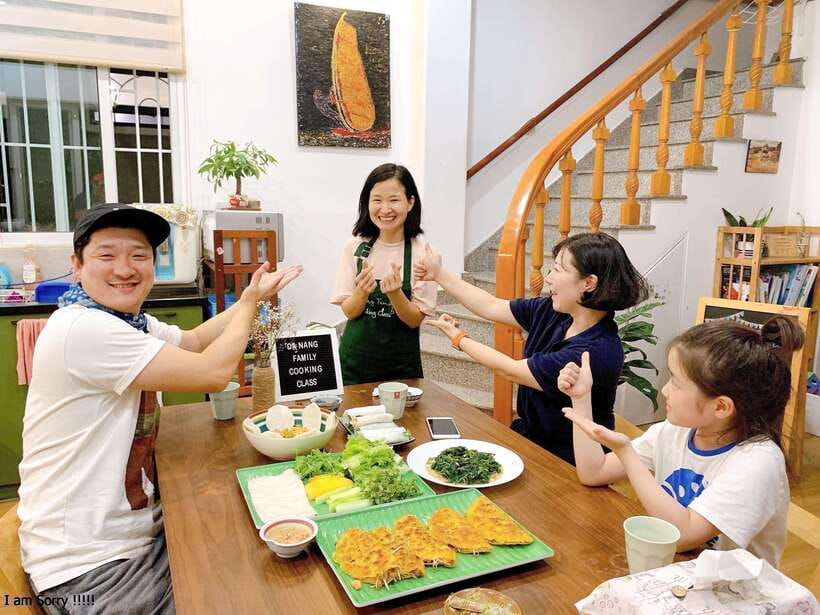
This is the kind of activity that makes Da Nang feel personal. Instead of standing around watching someone else cook, you work right in the kitchen with a local family. The setting matters: it’s their home, so you get a feel for day-to-day life, not just a staged show.
You also get a smart mix of Vietnamese staples. The menu choices include dishes that many people recognize, but you’re learning them from the people who know how to balance the flavors—sweet, sour, salty, and herb-fresh—so everything tastes right, not just familiar.
The host’s English and Chinese also changes the experience. You can ask practical questions about ingredients, timing, and seasoning without having to translate everything in your head.
You can also read our reviews of more cooking classes in Da Nang
Price and Time: What $24 Gets You in 150 Minutes
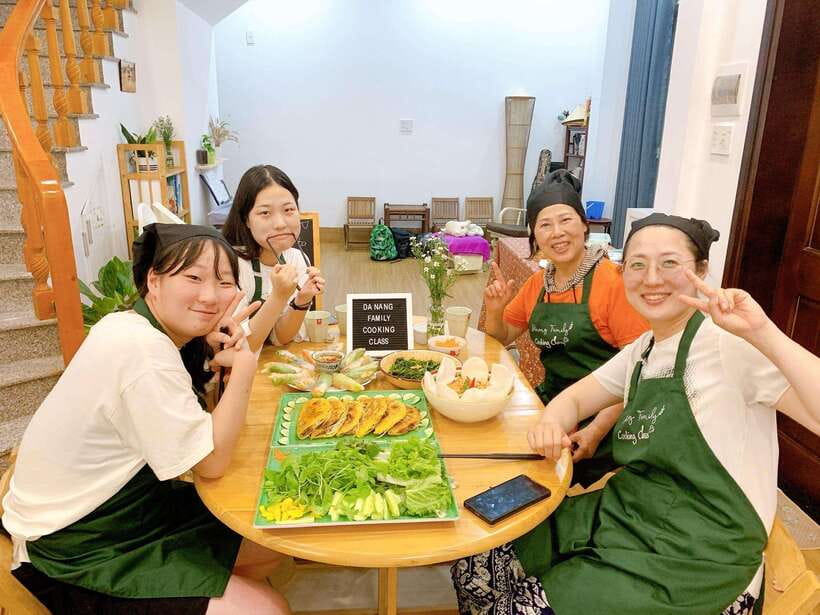
At $24 per person for 150 minutes, this is good value for two reasons.
First, it’s not just a meal. You’re paying for instruction, ingredients, and the chance to make multiple dishes, then eat them as lunch or dinner. Second, the price includes tea and dessert, so you’re not done the moment your last plate leaves the stove.
If you’re already planning to eat in Da Nang anyway, it’s an easy “add-on” that turns food cost into a skill and a story you’ll remember. The time is also practical: 2.5 hours is long enough to learn properly, but not so long that your afternoon turns into a marathon.
Where to Meet: Sala Coffee to 374/36 Núi Thành
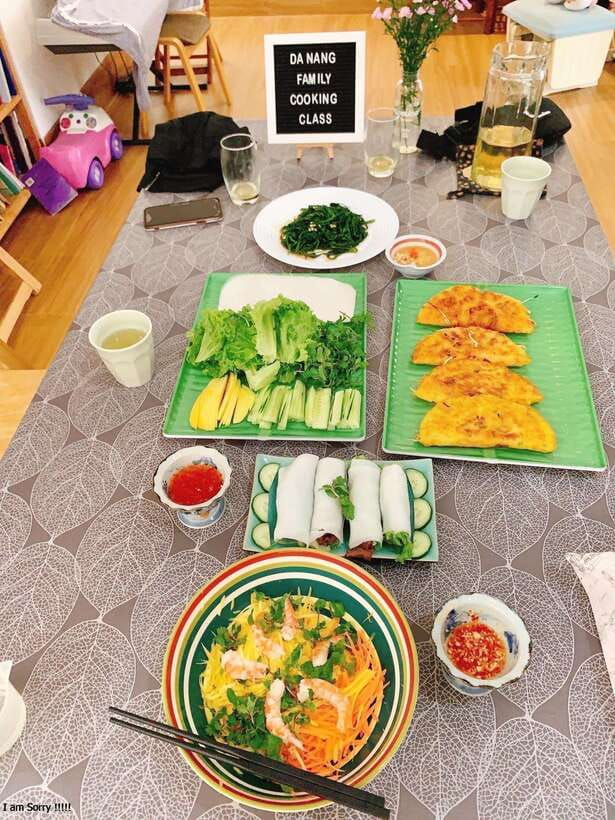
The logistics are simple, but you’ll want to follow them closely.
You taxi to 61 Hàn Thuyên, Hoà Cường Bắc, Hải Châu, Đà Nẵng, where you’ll see Sala coffee. That is your landmark meeting point, not the cooking house.
From Sala coffee, you walk about 1 minute to 374/36 Núi Thành, Hoà Cường Bắc, Hải Châu, Đà Nẵng. If you want to avoid any stress with the route, use the provided map link and get directions from Sala coffee to the Núi Thành address.
Also plan to arrive about 5 minutes early. Small-group classes run best when everyone starts on time.
Your Two Menus: Bánh Xèo Plus Rolls or Bánh Phở Bò
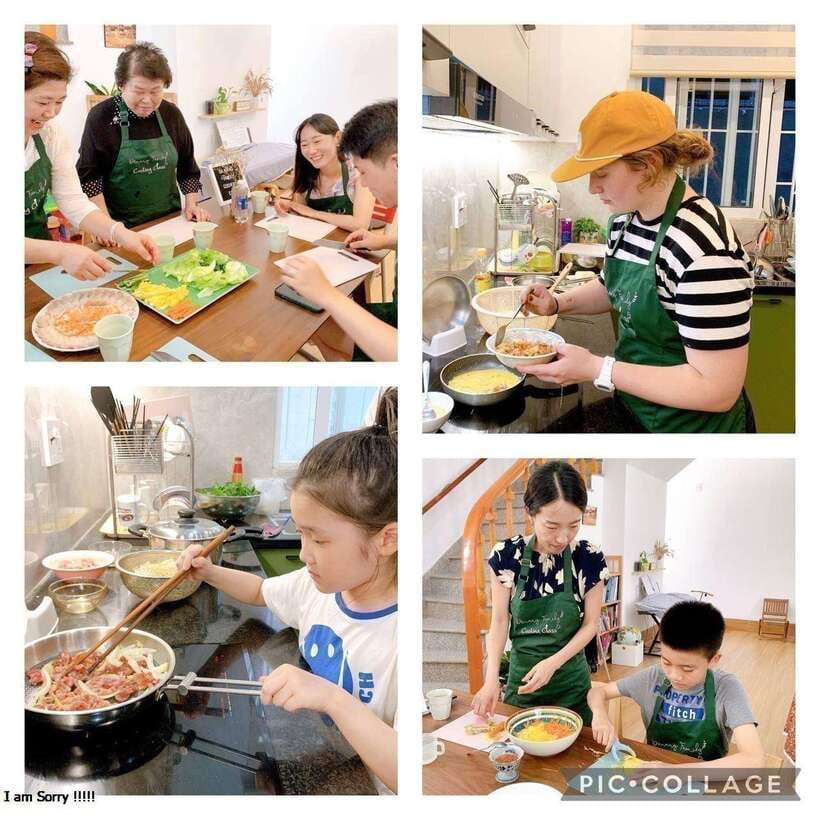
You get to choose between Menu I and Menu II, and each one teaches a different slice of Vietnamese cooking.
Menu I: Bánh Xèo, Phở cuốn, morning glory, and fruit salad
Menu I centers on dishes with clear identity by region:
- Bánh Xèo (crispy savory Vietnamese crepes)
This is a popular dish across central and southern Vietnam. The name points to the sound batter makes when it hits the hot pan. In your class, it’s served with shrimp, and you’ll build it with lettuce, fresh mint, and basil, plus nuoc cham dipping sauce.
- Phở cuốn / Gỏi cuốn (fresh rice-paper or dried-paper rolls)
This carries a flavor story tied to the North. Rolled Pho means you work with the rice paper and fillings—stir-fried beef (with onions) and likely shellfish and pork depending on the menu setup—then top with herbs like cilantro and lettuce. You’ll serve with sweet sour fish sauce with chopped garlic or peanut sauce.
- Rau Muống Xào Tỏi (stir-fried morning glory with garlic)
Morning glory is a common everyday vegetable across Vietnam, usually part of regular meals. You’ll learn how garlic and quick stir-fry keep it bright and flavorful.
- Fruit salad
Typically mango or pomelo, mixed with carrot and dressed in a sweet-sour fish sauce style.
You can also read our reviews of more tours and experiences in Da Nang
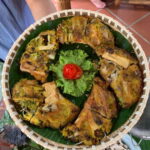
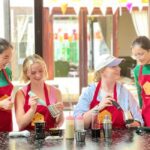
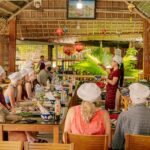
Menu II: Bánh Xèo, fruit salad, and Phở Bò flat noodle soup
Menu II keeps Bánh Xèo but shifts the main lesson toward noodle soup:
- Bánh Xèo
Still the crisp, shrimp-studded crepe experience with lettuce, mint, basil, and nuoc cham.
- Fruit salad
Again, mango or pomelo with carrot and sweet-sour fish sauce.
- Phở Bò (beef flat noodle soup)
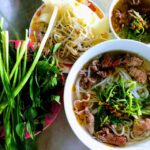
This is famous, but in class you learn it as building blocks: beef or chicken bone broth, rice flat noodles, and herbs, with beef toppings and a garnish mix including coriander leaves, green onions, and white onions. It’s served with basil, bean sprouts, and lime juice, which is where the freshness really shows up.
The dish is described as originating in northern Vietnam in the early 20th century, then spreading more widely after the Vietnam War.
How the Class Works: Step-by-Step, Hands-On, and Practical
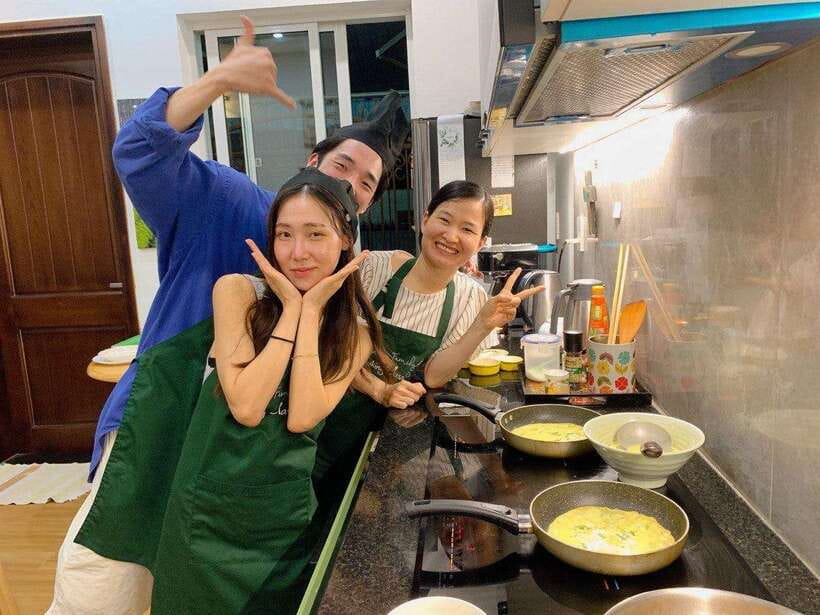
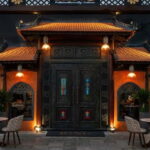
This isn’t a “watch and hope” session. You get step-by-step instructions, and you’re expected to participate.
Here’s what the structure usually feels like:
- Welcome in the family home
You meet at Sala coffee, walk to the house, and get settled. Because it’s a family setup, you’ll likely feel the difference right away—less formal, more personal.
- You cook with guidance
Expect hands-on coaching while you work through the dishes on your chosen menu. The host provides clear directions, and you can ask questions while your food is still on the stove.
- You build flavors, not just plates
Vietnamese cooking is all about balance: herbs for freshness, sauces for depth, and quick heat for texture. Dishes like Bánh Xèo and the roll-based Phở cuốn teach you how timing and assembly matter.
- You eat what you made
Then comes the best part: lunch or dinner from your own creations. Tea and dessert follow, so the meal ends like a complete Vietnamese hosting moment.
One of the underrated benefits here: you get to see how the host thinks. Not just what to do, but why—like how nuoc cham dressing works alongside herbs, or how lime and bean sprouts wake up beef noodle soup.
The Food Experience: What You’ll Taste (and Why It Matters)
This class gives you a spread of textures and flavor styles, which is exactly what you want if you’re learning Vietnamese cooking.
- Crisp vs. fresh: Bánh Xèo teaches crisp edges and savory batter balance. Phở cuốn brings soft, fresh rice-paper roll work with herbs and dipping sauce.
- Daily-vs-celebration feel: Rau muống xào tỏi is a “real meal” vegetable, not a show dish. Fruit salad is bright and cooling after the hot pan.
- Soup as a system: Phở Bò isn’t just noodles in broth. You learn broth base logic, garnish strategy, and how fresh additions like lime and herbs finish the bowl.
And yes, the eating part matters. When you taste your own food, you immediately connect the flavor to the step you performed. That’s the difference between collecting recipes and actually understanding them.
The Host, the Group Size, and Dietary Adjustments
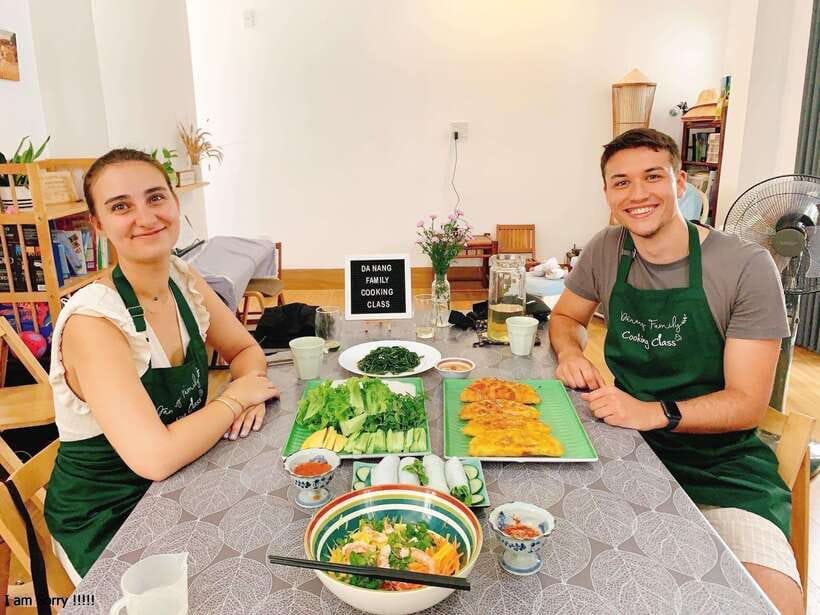
You’re working with a host who speaks English and Chinese, and that helps a lot with accuracy. You can follow instructions confidently, which means you’re more likely to produce the right texture and seasoning.
The class is small-group, limited to 9 participants, so you’re not stuck waiting your turn while the host deals with a big crowd. More time with the instructor usually means fewer mistakes and better results.
Dietary needs are something to take seriously here. Several menu items feature common proteins and fish-sauce flavoring. Make your restrictions clear ahead of time. One couple had pork-and-beef needs handled with a menu adjustment and still ended up with a delicious meal, which tells me the family takes preferences seriously rather than treating them like an inconvenience.
Tips for Getting the Most Out of Your Cooking Class
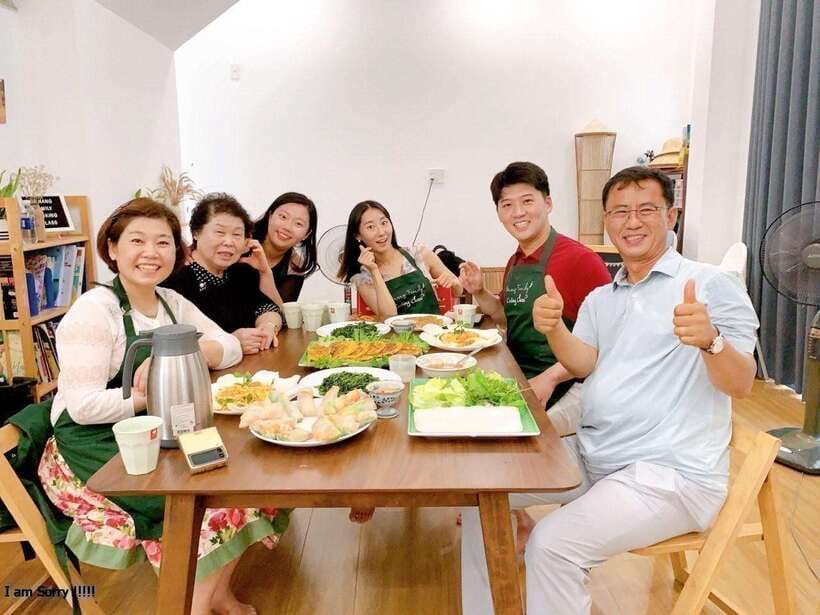
You don’t need to be a food expert to enjoy this. But a few small moves can help you leave with stronger results.
- Ask about the sauce balance
When you taste nuoc cham or sweet-sour dressing, ask what makes it work. You’ll remember that more than any single ingredient name.
- Watch the timing
Bánh Xèo depends on hot pan action and batter behavior. If you notice your host’s rhythm, you’ll repeat it at home more easily.
- Pick the menu that matches your appetite for technique
Choose Menu I if you want rolls and vegetable work along with crepes. Choose Menu II if you’re most excited to understand Phở Bò as a full soup experience.
Who Should Book This Cooking Class (and Who Might Skip It)
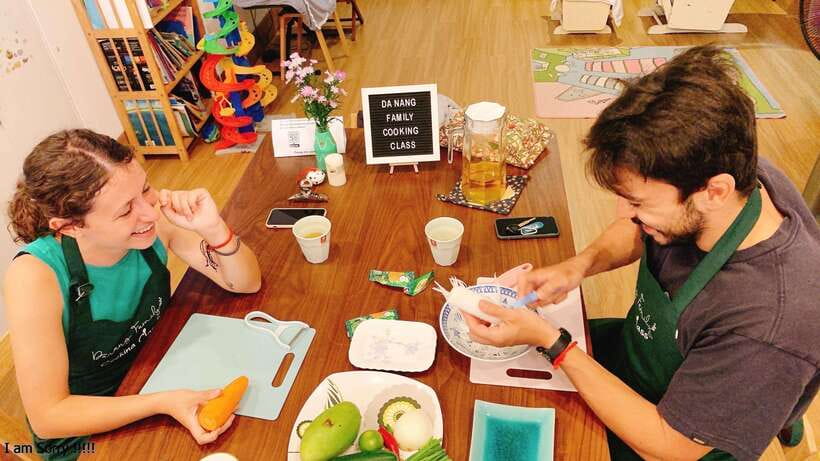
This class is a great fit if you want:
- A local home experience with real conversation and cooking help
- Hands-on learning instead of a sit-and-listen tour
- A menu that includes both classic staples and everyday Vietnamese comfort food
You might skip it if:
- You want a sightseeing-heavy day. This is a food-focused 150 minutes.
- You have strict dietary restrictions and are not comfortable communicating them in advance. The menu includes ingredients like shrimp and meat, and you’ll want the family to adjust.
Should You Book the Da Nang Family Cooking Class?
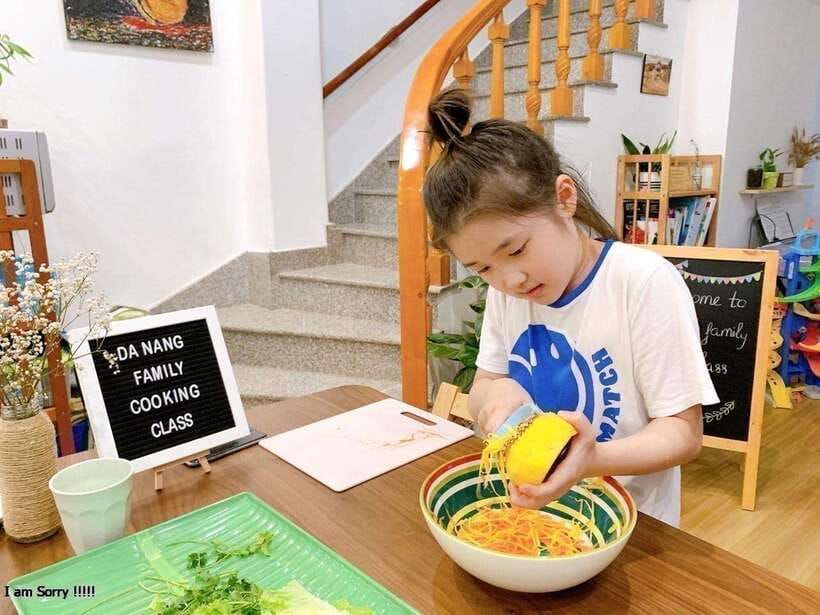
Yes, if you’re in Da Nang for more than a day and you like the idea of bringing Vietnamese cooking home with you. For $24, you’re getting a small-group class in a family kitchen, ingredients, tea and dessert, and—most importantly—the chance to eat what you cooked.
Book it when you can arrive relaxed, bring questions, and give yourself a little time after the class to digest the meal. This one works best when you treat it like an invitation, not just an activity ticket.
FAQ
How long is the cooking class in Da Nang?
The class lasts 150 minutes.
What does the price include?
It includes the cooking lesson with a local family, lunch or dinner of the dishes prepared, all ingredients, tea and dessert, and a host who speaks English and Chinese.
Where do I meet the family?
You’ll taxi to 61 Hàn Thuyên, Hoà Cường Bắc, Hải Châu, Đà Nẵng, and look for Sala coffee. From there, you walk about 1 minute to 374/36 Núi Thành.
Do I get to choose between menus?
Yes. You can choose from two menu options, each featuring a set of traditional Vietnamese dishes.
Are there any dietary restrictions I should tell them about?
Yes. You should inform the family in advance about dietary restrictions or allergies. Some dishes use common ingredients like meat, seafood, and fish-sauce-based flavors.
Is transportation included?
No. Hotel pickup and drop-off aren’t included, so you’ll need your own way to get to the meeting point.
Is smoking allowed during the class?
No. Smoking indoors is not allowed.