REVIEW · HANOI
Vietnam Tea Tasting – Giang Egg Coffee & Train Street Visit
Book on GetYourGuide →Operated by Go Asia Travel · Bookable on GetYourGuide
Tea, foam coffee, and a train—what could go wrong? In just 3 hours, you get hands-on Vietnamese tea tasting with a tea expert, plus the iconic Train Street pass-by moment, all in a small group. I especially love that you don’t just drink tea—you learn the 4 basic steps for brewing and serving so you can repeat it at home. A possible drawback: the schedule is tight, and Train Street is outdoors, so bring comfortable shoes and plan to stand/walk a bit.
You’ll choose the pacing that fits your day: morning with tea first and optional lunch at Bun Cha, or an afternoon version that swaps the order. The English-speaking guide keeps things practical, and past groups have specifically called out guides like Anna and THAO for being attentive and professional. Also, there’s no deep museum time here—this is about learning taste and process, not sitting around.
If you want a short Vietnam experience that mixes everyday culture with a truly different street moment, this is a strong pick. For value, it’s hard to beat: two tea tastings, making one tea style, and an egg coffee included in the base price. The trade-off is you’ll finish around midday (morning options) or mid-afternoon (afternoon option), so plan the rest of your day accordingly.
In This Review
- Key highlights worth showing up for
- Tea House Lessons: Green, Red, and a 200-Year Tea Tree Story
- Choosing Your Timing: Morning Train Street vs Afternoon Tea-First Flow
- Train Street Watching: The Moment You’ll Remember Most
- Giang Egg Coffee: Foam, Almond Choice, and Why It’s a Real Stop
- Lunch Bun Cha: Optional, Simple, and Built for Timing
- Price and Value: What $36 Buys in Real Experiences
- Practical Tips So the 3 Hours Feel Effortless
- Who This Tour Fits Best
- FAQ
- How long is the Vietnam Tea Tasting and Train Street visit?
- What does the tour include for tea and coffee?
- Are lunch and drinks included?
- Is hotel pickup included?
- What time do I need to be at the meeting point?
- Is Train Street viewing inside buildings?
- Should You Book This Tea and Train Street Tour?
Key highlights worth showing up for
- Green and red tea tasting with tea explained in a real, practical way
- Brewing + serving lesson using 4 basic steps, then you practice making one tea
- Small-group feel (2–5 people), so your questions don’t get lost
- Giang egg coffee with a choice that can include almond, tied to a longtime local brand
- Train Street atmosphere with a guided spot to watch the passing train
- Tea house to train street movement handled for you with an included transfer
Tea House Lessons: Green, Red, and a 200-Year Tea Tree Story
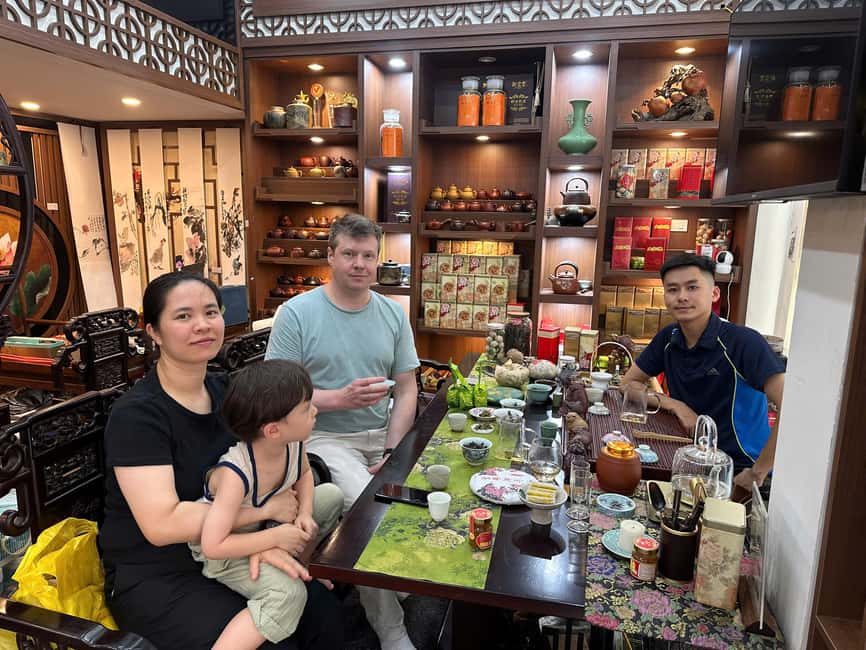
This experience starts with a tea house visit where the goal is simple: help you understand what you’re tasting and why. You meet the tea expert and get a clear run-through of how tea is produced and packed, plus how to classify different kinds of tea so the world of tea stops feeling random.
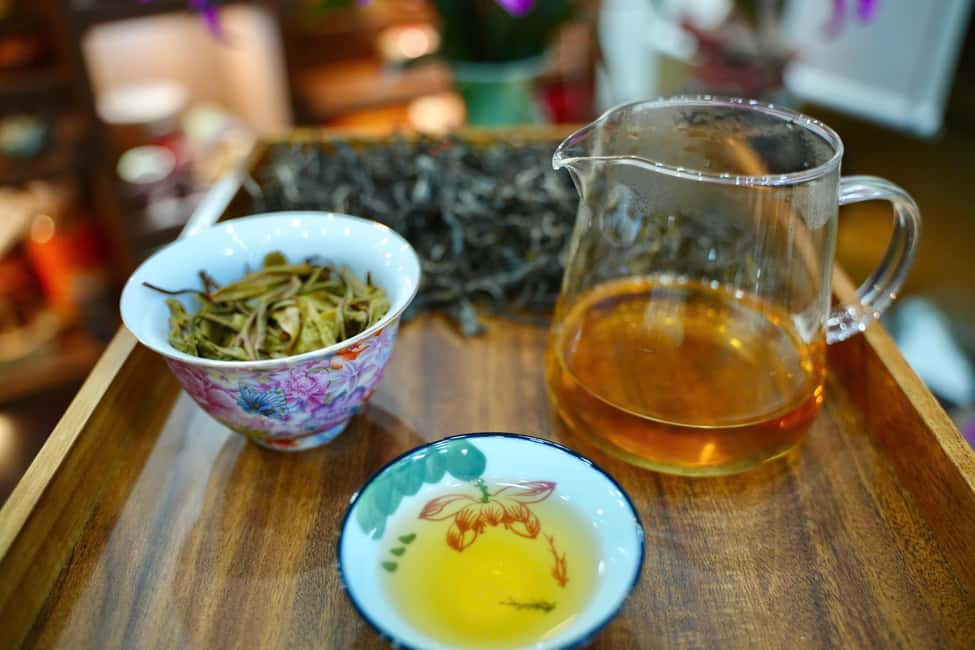
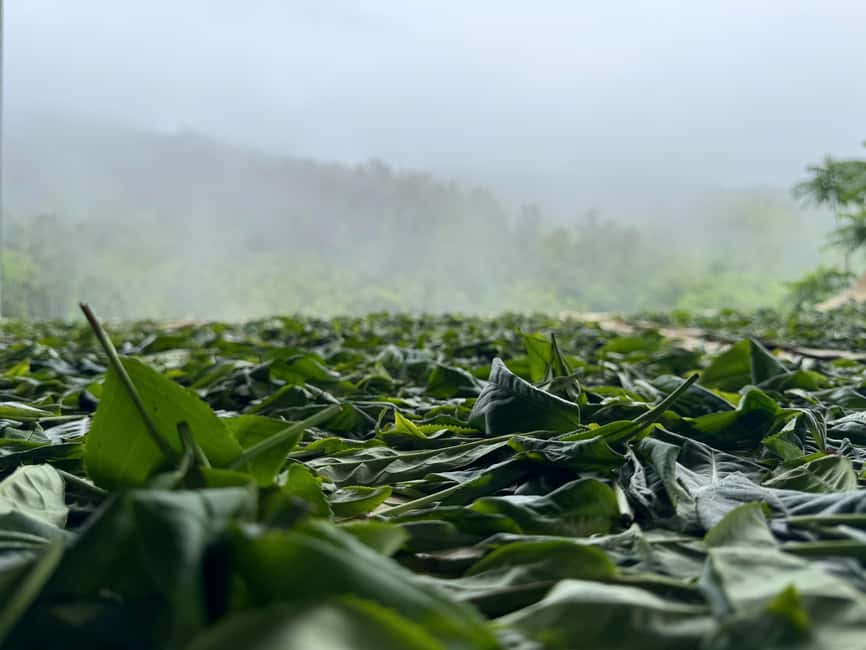
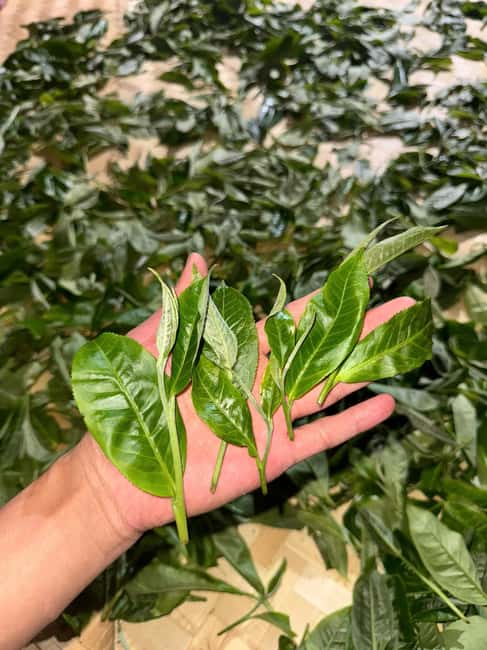
You’ll taste two types of tea, described as Green Tea and Red Tea, with the story that the tea comes from 200-year-old tea trees. That detail matters because it frames the tasting as something rooted in cultivation, not just a fancy drink. Then comes the fun part: you learn how to brew and serve tea using four basic steps.
The key isn’t memorizing jargon. It’s learning a method you can actually use later, even if you only own a simple kettle and a regular teapot. After the explanation and tastings, you’re taught to make one kind of tea yourself. That makes this tour feel different from most food-and-drink stops that just hand you a cup.
You also get to see (and sometimes consider buying) tea equipment for daily use. The idea is that tea culture isn’t only about flavor—it’s about the tools and routine that shape the taste. Even if you don’t buy anything, browsing the equipment can be helpful when you get home and try to replicate what you liked.
One more thing: tea tastings can be subtle, so don’t expect every sip to taste like candy. The experience is designed to help you notice differences in aroma and aftertaste—often one tea leans into softer floral notes while another feels more earthy or woody, depending on the tea style served that day. If you’re the type who enjoys comparing flavors, this part will click fast.
Practical tip: take notes if you’re even mildly nerdy about preferences. Write down which tea you liked and how it was served (warmth, strength, and any extra guidance your guide gives). You’ll thank yourself later when you try to re-create it.
You can also read our reviews of more food & drink experiences in Hanoi


Choosing Your Timing: Morning Train Street vs Afternoon Tea-First Flow
You basically have three ways to do it, and each choice changes the vibe of the day.
Option 1 (morning): Tea tasting first, then Train Street to watch the train passing by, plus optional Bun Cha lunch nearby. This runs roughly 9:00–12:00, ending around Train Street. If you want your photos and train moment early—before the day gets hectic—this is the one.
Option 2 (morning): Similar morning timing, but you walk to Giang Coffee for egg coffee tasting right after tea. Then Bun Cha lunch is optional, and the tour ends around late morning at the restaurant area. This option works well if you know you want the coffee stop without waiting.
Option 3 (afternoon): Egg coffee first (with lunch optional), then tea house for tasting and making your tea. The tour ends about 16:00, with Train Street visit included as part of the broader experience flow you’ll do earlier rather than at midday. If your mornings are already planned, this keeps the tea and coffee experience intact.
A small group (2–5 people) matters here. In a tight schedule, larger tours can move like a conveyor belt. Smaller groups keep the pace more humane and make it easier to ask questions when you’re actually tasting something.
Also note the meet times: you’re asked to arrive at the meeting point at 8:50 in the morning or 12:50 in the afternoon. The published start time is 9:00 for morning tours and 13:00 for afternoons, so you’ll likely get a quick briefing before the tea house portion begins.
If you’re deciding between morning and afternoon, think about your energy level. Tea lessons are easier to enjoy when you’re not rushing from other plans. Train Street watching can be a bit of a stand-and-wait moment, and daylight helps with photos—so earlier often feels smoother.
Train Street Watching: The Moment You’ll Remember Most
Train Street is one of those places where the setting is the story. You’re there to watch the train pass by, and the atmosphere is part of the experience. It’s not about a slow guided lecture. It’s about being positioned well and paying attention as the train arrives and goes.
Your guide helps manage the route so you can get to the right streets safely, depending on how transport is handled for the day. Even the small details—how you approach the area—can affect your comfort level, especially if crowds are present.
One practical note from the tour’s guidance: you’ll spend time outside for watching and photos at the Ho Chi Minh complex area, and you do not go inside. That’s not a dealbreaker, but it’s good to know so you’re not expecting a full visit.
At Train Street, wear shoes you can stand in for a while. You’ll be outside and moving between stops, and the experience is short enough that comfort matters more than you think. Sunglasses and a hat can also help, since you’re not indoors for long stretches.
What I like about the way this is built: the train moment isn’t attached to a long day of bureaucracy. You do tea learning, then you get to see a truly unusual street scene. That contrast—calm tea process then sudden train rhythm—is exactly why this tour works.
If you’re a photographer, remember that you’re watching a moving subject. Keep your camera ready but don’t block others. A good guide will help you get into a better viewing position, and the small group size makes that easier.
Giang Egg Coffee: Foam, Almond Choice, and Why It’s a Real Stop
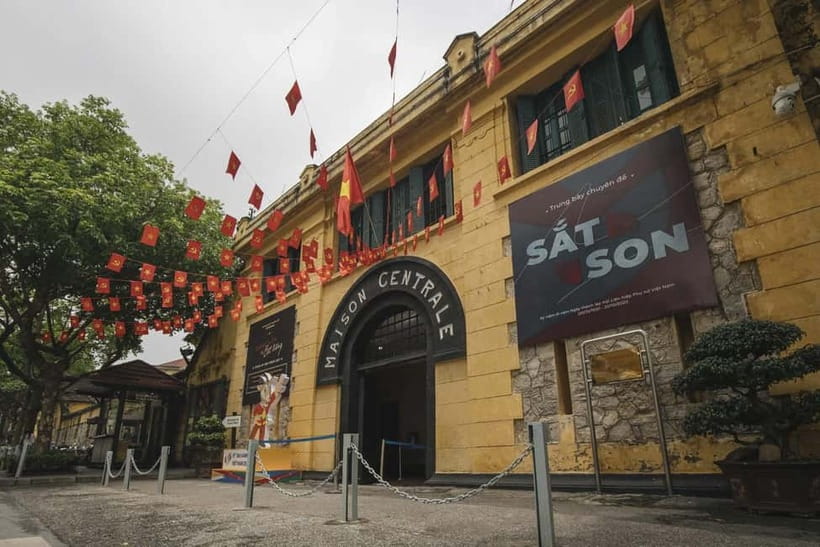
After tea, you’ll likely head to Giang Coffee for a tasting of egg coffee. The brand is described as famous since 1946, and that long-running presence is part of why it’s worth doing as part of a tour, not just as a random café detour.
Egg coffee is more than a novelty. It’s a specific texture and flavor—creamy, rich, and often served with a foamy top. In this tour, you’ll get one cup included, and depending on your option you might have egg coffee with almond. That almond variation is a neat twist if you like nutty notes.
The timing here is smart. Coffee cravings can ruin tea appreciation if you do them in the wrong order. By pairing egg coffee with a guided tea session, you get two different “comfort flavors” back-to-back. It’s a small sensory tour: tea is lighter and more aromatic, while egg coffee tends to feel heavier and rounder.
I also appreciate that the guide doesn’t just hand you a drink. Even though the coffee portion is shorter than the tea lesson, the overall experience is still about understanding what you’re tasting. If you pay attention to sweetness level, foam texture, and aftertaste, you’ll come away with real comparisons.
If you’re worried about whether egg coffee is your style: think of it like dessert-adjacent coffee. If you enjoy creamy coffee drinks, you’ll probably like it. If you prefer straight espresso, you might find it too rich, and that’s when the tea portion becomes your main win.
Lunch Bun Cha: Optional, Simple, and Built for Timing
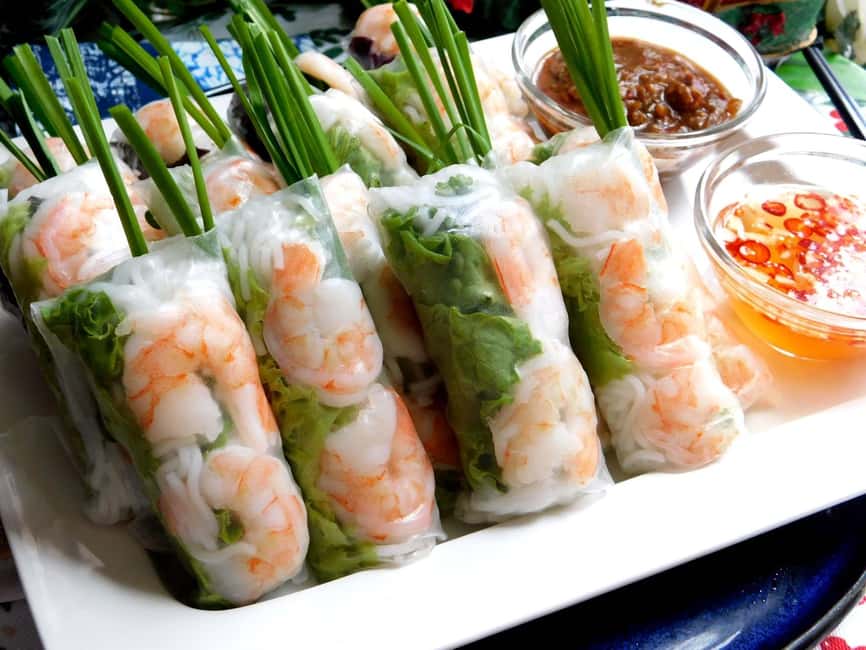
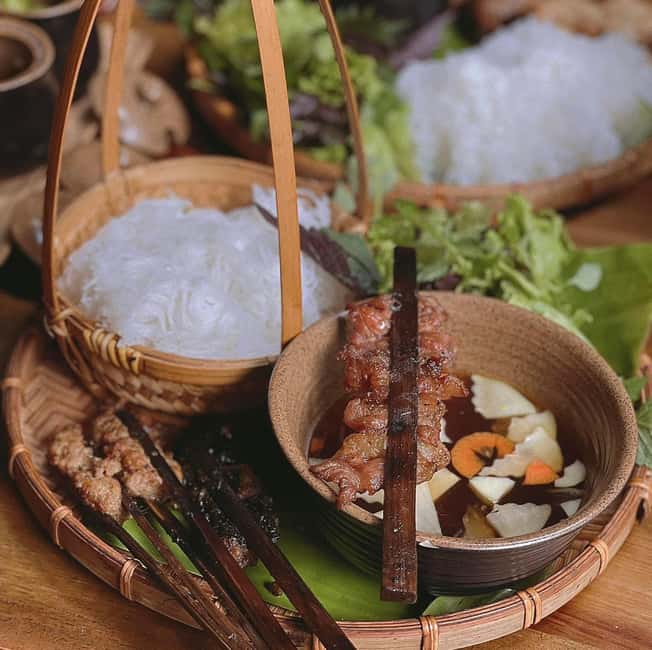
Lunch is optional, and it’s only included if you choose to pay for it as part of the option you pick. The food named here is Bun Cha Vietnam, with lunch planned near the Train Street area (Option 1) or at/near the restaurant area after Giang Coffee (Options 2 and 3).
This is one of those cases where optional lunch actually helps. You’re not forced into a meal that might not match your tastes. Instead, you can decide based on how your tea and coffee experience lands in your stomach.
Bun cha is also easy to work into a short half-day. It doesn’t require a long sit-down, and it’s a familiar enough Vietnamese choice that many people enjoy. The important practical point: since you’ll end the tour around midday or late afternoon, the lunch timing can save you from hunting food in an unfamiliar area.
If you do add lunch, plan a relaxed pace afterward. Your day won’t end at the exact same time no matter what—morning options often end around 12:00—so give yourself at least a bit of buffer for digesting before you tackle another walk-heavy plan.
You can also read our reviews of more tours and experiences in Hanoi

Price and Value: What $36 Buys in Real Experiences
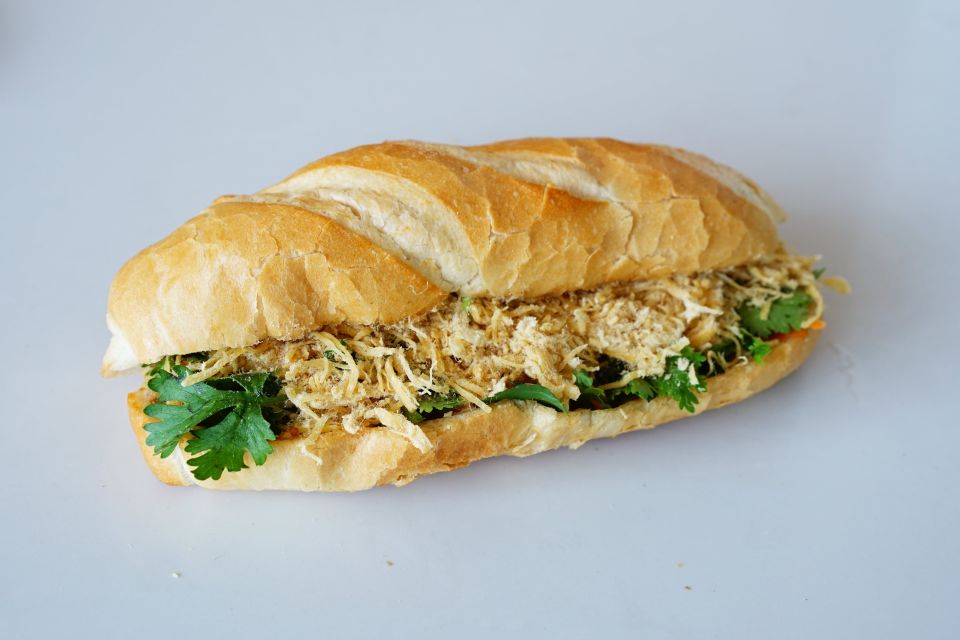
At $36 per person (plus the included 8% government tax), this tour feels reasonably priced for what you actually get—especially because so much time is spent with a guide and not just passing between locations.
Here’s what’s built into the base experience:
- English-speaking guide for a small group
- Tea house learning: two tea tastings (Green and Red)
- Making one tea yourself, after learning 4 basic brewing steps
- Egg coffee included (egg coffee or egg coffee with almond, depending on option)
- An included transfer from the tea house to Train Street (so you’re not stuck figuring out transport mid-tour)
What you’re not getting for $36:
- Hotel pickup to the meeting point is not automatically included
- Lunch (Bun Cha) is optional
- Drinks on the meal, travel insurance, and tips are not included
So where’s the value? In the hands-on component. Tea tastings that let you practice the process are less common than quick “try this and go” stops. If you like learning something you can repeat at home, that added instruction is the big quality multiplier.
Also, the small-group cap of 5 people is quietly important. In a tour like this, you want enough time to ask, re-ask, and taste again if something isn’t clicking. A larger group tends to cut those moments.
One more value factor: you get two culturally distinct stops—tea culture and egg coffee—plus the Train Street photo moment. Even if you personally don’t love one of the drinks, you’re likely to find another part you enjoy. It’s a good mix for a short schedule.
Practical Tips So the 3 Hours Feel Effortless
This tour has a few “small things” that can make a big difference in how it feels.
Wear comfortable shoes. You’ll move between locations, and Train Street is outdoors. Even if you’re only out there for a portion of the time, uncomfortable shoes can turn a fun walk into a chore.
Bring sunglasses and a sun hat. The tea house portion may be indoors or semi-protected, but the Train Street viewing part likely isn’t. Sun makes it harder to focus on tastings and photos.
Bring an ID or passport. The tour data lists it as required, so don’t leave it behind.
Expect outside-only viewing at the Ho Chi Minh complex area. You won’t go inside—plan your time accordingly if you were hoping for more than photos.
Know the route planning is flexible. Depending on vehicles and streets used that day, your guide will select roads/street routes for safety and control. That’s good, but it also means you should follow instructions instead of trying to outsmart the timing.
Finally, consider your access needs. The tour is not suitable for wheelchair users, based on the information provided. If mobility is an issue for you, ask the operator before booking.
Who This Tour Fits Best
This tour is a great match if you:
- Want a short, focused cultural stop that’s not just sightseeing
- Like food and drink with a learning component
- Enjoy quirky Vietnam moments like Train Street without spending a full day on it
- Travel with friends or solo and want a small-group guide (2–5 people)
It might be less ideal if you:
- Want a long meal experience rather than quick optional lunch
- Don’t enjoy tasting and comparing flavors
- Need fully accessible routes for a wheelchair
FAQ
How long is the Vietnam Tea Tasting and Train Street visit?
The tour duration is 3 hours.
What does the tour include for tea and coffee?
You drink two kinds of tea (Green tea and Red tea), and you also learn to make 1 kind of tea. You also get a cup of egg coffee or egg coffee with almond, depending on your option.
Are lunch and drinks included?
Lunch of Bun Cha is optional, and it is not included in the tour price. Drinks on the meal are also not included.
Is hotel pickup included?
Pick-up from your hotel to the meeting point is not included. An optional pick-up is mentioned for hotels in the Old Quarter area; if you stay outside the Old Quarter, you’re instructed to get ready at 22 Hang Muoi street by 9:00am.
What time do I need to be at the meeting point?
Arrive at the meeting point to start the tour at 8:50 am in the morning or 12:50 in the afternoon.
Is Train Street viewing inside buildings?
No. You only stand outside for watching and photos at the Ho Chi Minh complex area, and you do not go inside.
Should You Book This Tea and Train Street Tour?
Yes—if you like short experiences with real hands-on learning. The tea brewing practice and the chance to taste two tea types plus egg coffee make it feel like more than a quick stop.
Book it especially if you’re the type who enjoys understanding how everyday things work—tea production, serving steps, and the flavor differences you notice when you pay attention.
Skip it if you need a fully seated, long food-and-atmosphere day, or if outdoor standing/walking is a problem for you. Otherwise, this is a very practical way to pack in tea culture and Train Street without surrendering your whole afternoon.