REVIEW · HANOI
Street Food Tour Hanoi and Train Street Experience
Book on GetYourGuide →Operated by DragonflyCruise · Bookable on GetYourGuide
Train Street is a photo moment with real life attached. This 3-hour walk turns Hanoi’s Old Quarter into a living food map, with tastings, market time, and a guide helping you understand what you’re eating. I especially love the street food variety—from savory bites to sweet stops—and I like how the route connects dishes to the Old Quarter trades. One watch-out: Train Street gets crowded when the train passes, so you need to follow your guide’s timing.
What makes this tour feel practical is the pace. You’re walking the 36 Old Quarter streets, but not in a hurry, and you’re sampling locally instead of guessing what to order. Guides I’ve seen mentioned for these tours include Tee, Ryan, Ning, Ha, Harry, and Mia, and the common thread is clear explanations plus easy confidence for trying foods you might skip alone.
For me, the value is that you’re paying for more than food. You’re also getting context on why these streets formed around trades like blacksmiths, silver shops, paper makers, headstone makers, silk traders, and jewelers—and how that history still shows up in today’s shops.
In This Review
- Key things that make this tour worth your time
- Price and what you actually get for $28
- Where to meet in the Old Quarter (and how to start without stress)
- Entering the Old Quarter’s 36 streets: trades you’ll recognize while you walk
- Market browsing with locals: why it matters more than you think
- What you’ll taste: classics plus street favorites (and a few surprises)
- The Train Street experience: French-era track meets everyday life
- Egg coffee and timing the train without losing your cool
- How the guide improves the food (not just the walking)
- What to bring, wear, and expect from the walk
- Who should book this tour
- Should you book it? My honest take
- FAQ
- How long is the Hanoi Street Food Tour with Train Street?
- How much does it cost?
- Where do I meet the guide?
- Is pickup available?
- How big is the group?
- Is the tour wheelchair accessible?
- What rules should I know before I go?
Key things that make this tour worth your time
- Walk the 36 Old Quarter streets and learn the trade names behind them
- Shop like locals at markets, not just snack like a tourist
- Train Street photo stop in a real residential lane with active tracks
- Egg coffee moments at nearby cafes while the train passes a handful of times daily
- Small group size (up to about 10) for easier questions and smoother pacing
- Tastings that add up to a full meal plus dessert and drinks
Price and what you actually get for $28
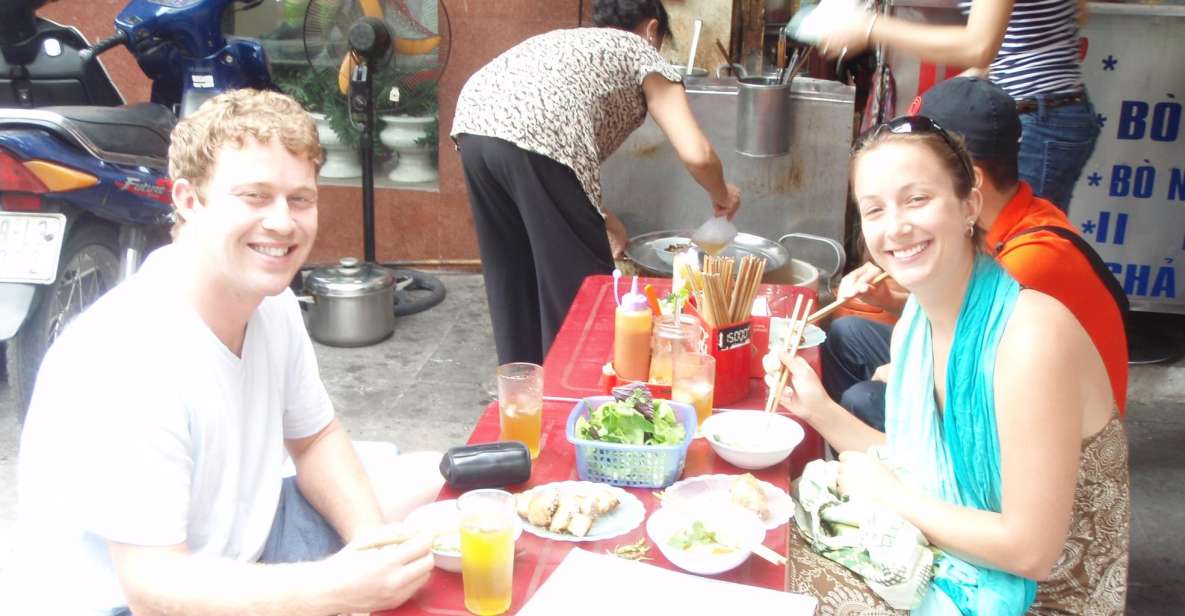
At $28 per person for about 3 hours, you’re really buying three things: food, guidance, and access. The Old Quarter can be chaotic, and street food menus can be intimidating if you don’t know the names. Here, you get an English-speaking guide plus multiple stops, including an authentic Vietnamese meal, dessert, and drinks.
This isn’t just a snack sampler. The tour is set up so you’re leaving full—one guest even said they barely had room for more later in the day. If you’re the type who wants to eat smart on your first days in Hanoi, this format is hard to beat.
The trade-off is that you’ll do some walking. If you’re not into moving much or you need wheelchair access, this one won’t fit well.
You can also read our reviews of more food & drink experiences in Hanoi


Where to meet in the Old Quarter (and how to start without stress)
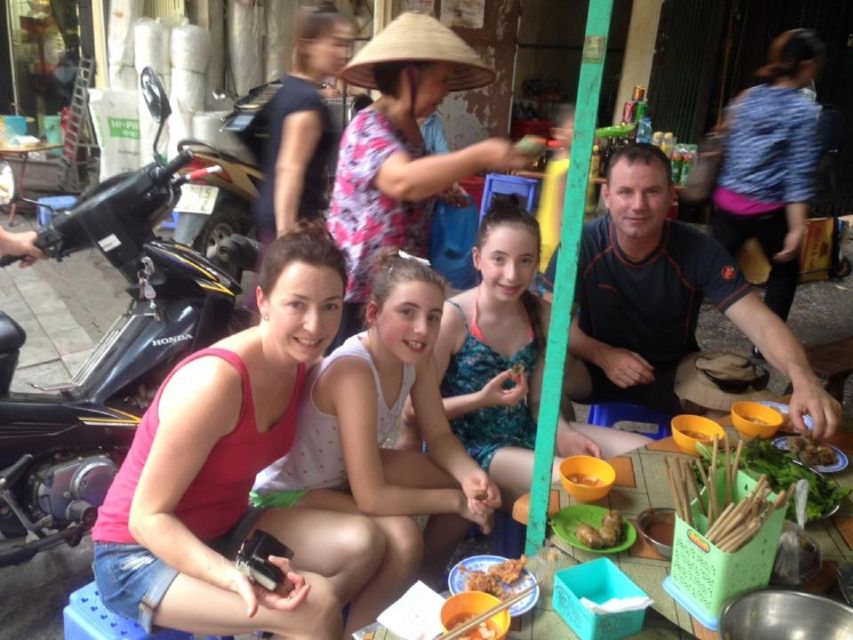
You meet your guide at 31 Lò Sũ Street in the Hoan Kiem district, near the Water Puppet Theatre. It’s a helpful landmark because the Old Quarter streets can look similar once you’re in the maze. If you choose the optional pickup, it’s for hotels in the Old Quarter—otherwise, plan to arrive a few minutes early and comfortable.
Small-group tours matter here. With groups capped around 8 to 10 people, you’ll have an easier time stopping for photos, asking what something is, and keeping up on narrow streets. On Train Street especially, that kind of tight coordination helps when it gets busy fast.
Entering the Old Quarter’s 36 streets: trades you’ll recognize while you walk
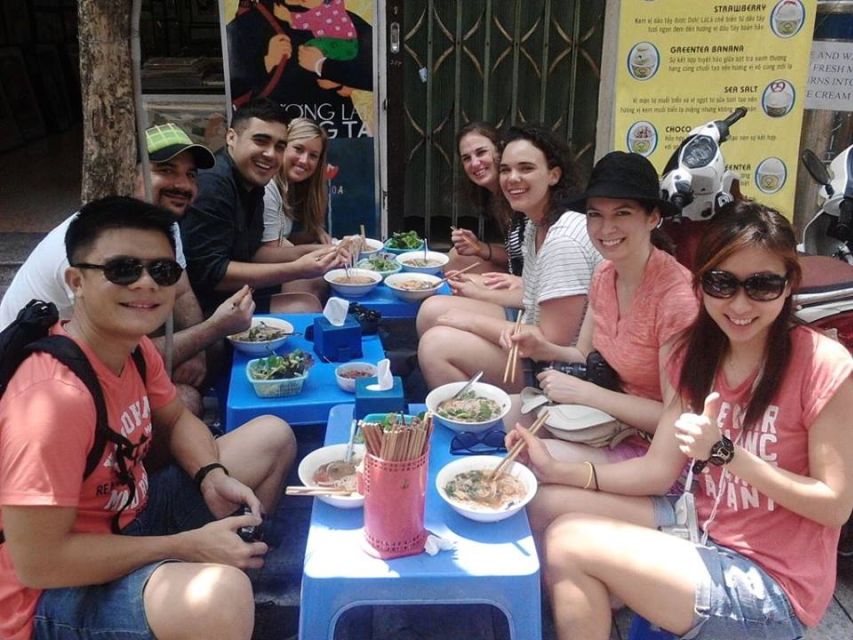
The Old Quarter isn’t just “old buildings and shops.” It’s a set of streets historically organized by what craftsmen sold. As you walk, you’ll hear the trade associations that shaped the area: blacksmiths, silver shops, paper shops, headstone makers, silk traders, and jewelers. Even if many storefronts have changed over time, the trade labels are still part of how people think about the neighborhood.
I like this approach because it makes your food stops feel less random. When you understand why a street became known for a certain craft, the surrounding businesses make more sense. It also gives you an easy way to connect what you see outside—small shopfronts, specialty counters, and narrow lanes—to what you taste inside.
Expect the tour to mix walking with frequent stops. You’ll pause at vendors, taste what’s on offer, and keep moving through alleyways that feel more local than commercial. The guide’s job is to help you sample without guessing or second-guessing every menu sign.
Market browsing with locals: why it matters more than you think
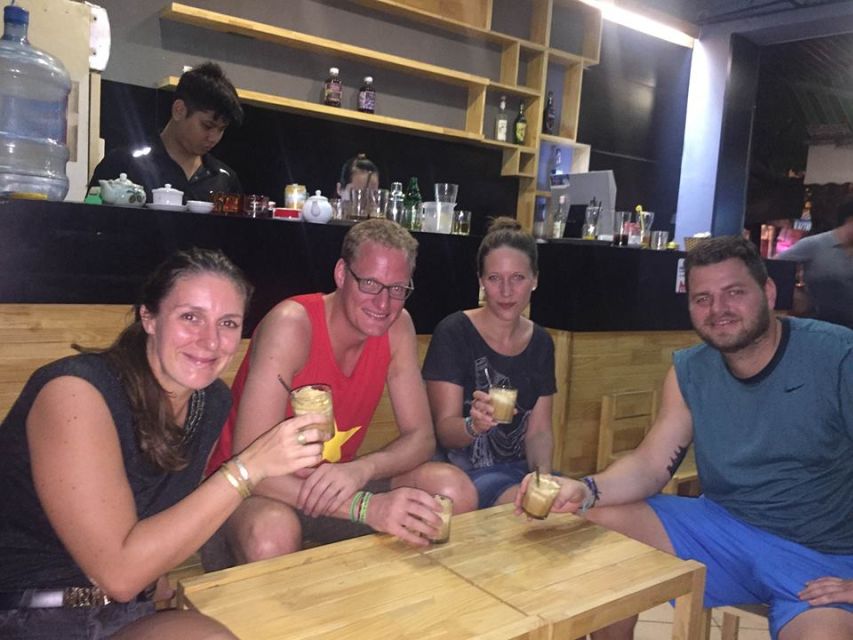
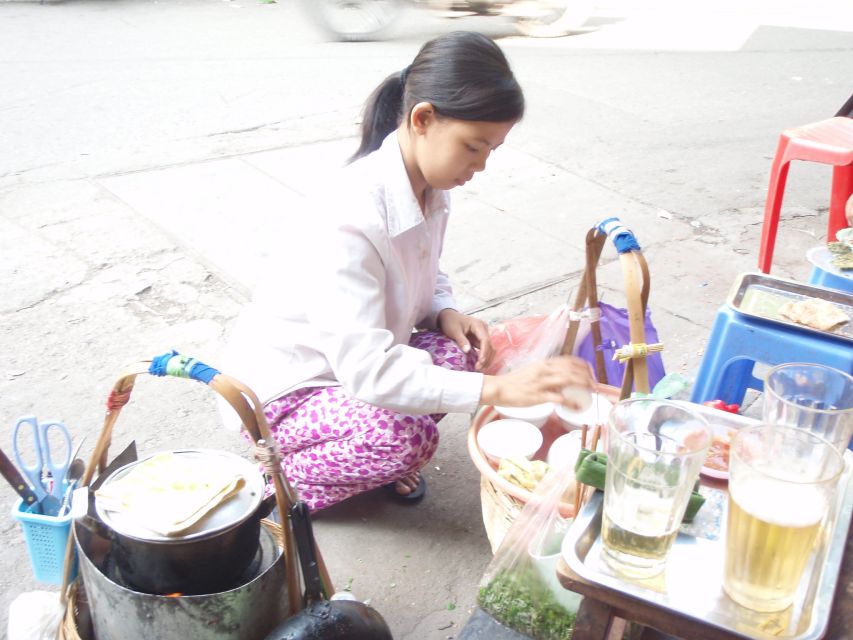
One of the best parts of this tour is that it includes market time. You don’t just show up for food. You see where ingredients and supplies come from, and you get a look at how local shoppers move through the day.
This is where you learn the small things that change how you travel. You’ll start noticing how Vietnamese food is built around fresh textures and quick prep, and you’ll get a feel for why certain shops are busy. It also gives you a chance to ask questions while you’re there, which beats trying to decode everything later.
Shopping isn’t mandatory, but having the option matters. Some people use this stop to pick up snacks or supplies for later. If you do plan to buy things, remember that personal shopping costs aren’t included, so it helps to set a simple budget before you go.
What you’ll taste: classics plus street favorites (and a few surprises)
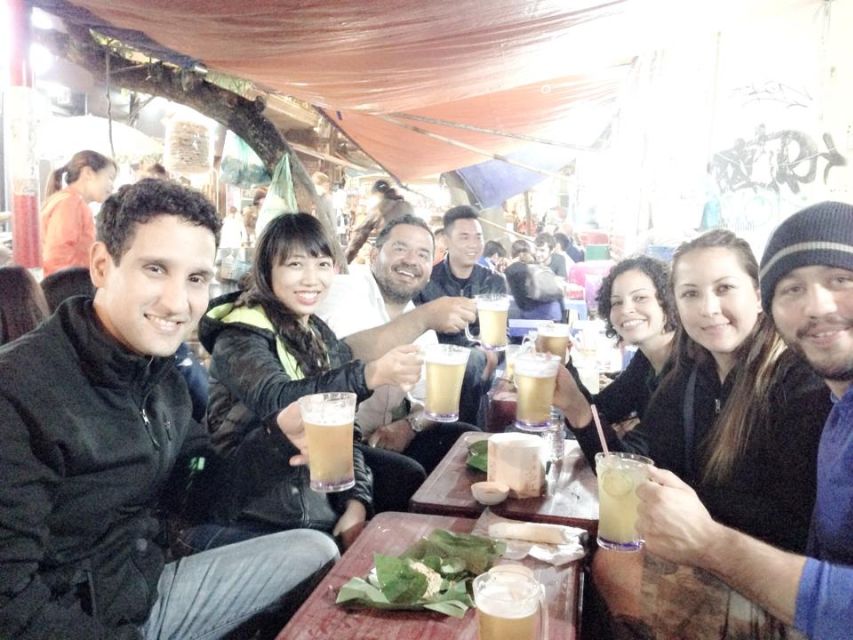
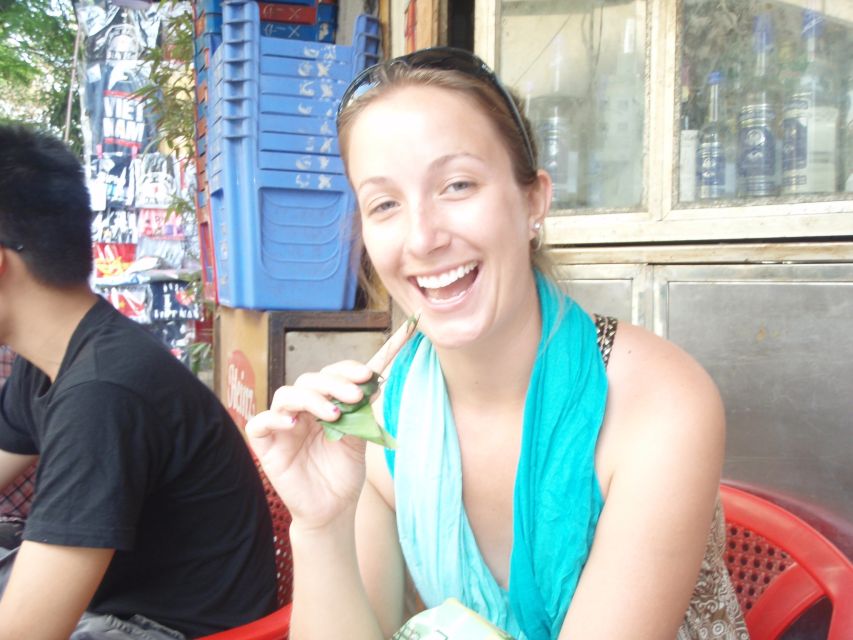
This tour is designed for variety. You’ll sample street food, local snacks, and regional foods, with drinks like beer, coffee, and tea part of the experience. There’s also an authentic Vietnamese meal and dessert included, so you’re not stuck chasing one more bite after the official end.
Based on the kinds of dishes described in past groups, you’re likely to see Hanoi staples showing up—think bánh mì, phở, and other everyday favorites. Coffee is a big deal here too. One guest specifically called out coffee with whipped egg yolk, and several mentioned egg coffee as a highlight. Sweet stops can include things like sticky rice dessert.
Here’s the practical advantage for you: you’ll learn which items are worth ordering again later. Guests often say the tour gives them confidence to handle Hanoi menus on their own afterward. Even if you’re not a super-adventurous eater, the guide helps you choose dishes you’ll actually enjoy, not just dishes that sound strange.
Dietary fit is worth mentioning. One review notes that a vegetarian guest found the tour catered easily enough, so if you have dietary needs, tell the guide ahead of time and you can still get a good range of options.






The Train Street experience: French-era track meets everyday life
Now for the part most people come for: Train Street in Hanoi’s Old Quarter. This narrow alley has a real active train track, and it’s not just a tourist set. It’s a residential lane, and some locals have turned portions of their homes into small cafes—so people can sip coffee and watch for the next train.
One fact that’s helpful for context: Train Street was built in 1902 by the French. That detail matters because it explains why the alley and track layout feels so old and so tight. It’s a leftover infrastructure story, not a new tourist gimmick.
You’ll visit Train Street for photos and the atmosphere. Trains pass a handful of times throughout the day, and your timing depends on the day’s schedule. The guide’s job is to get you to the right spot, at the right moment, without turning the experience into a chaotic scramble.
Egg coffee and timing the train without losing your cool
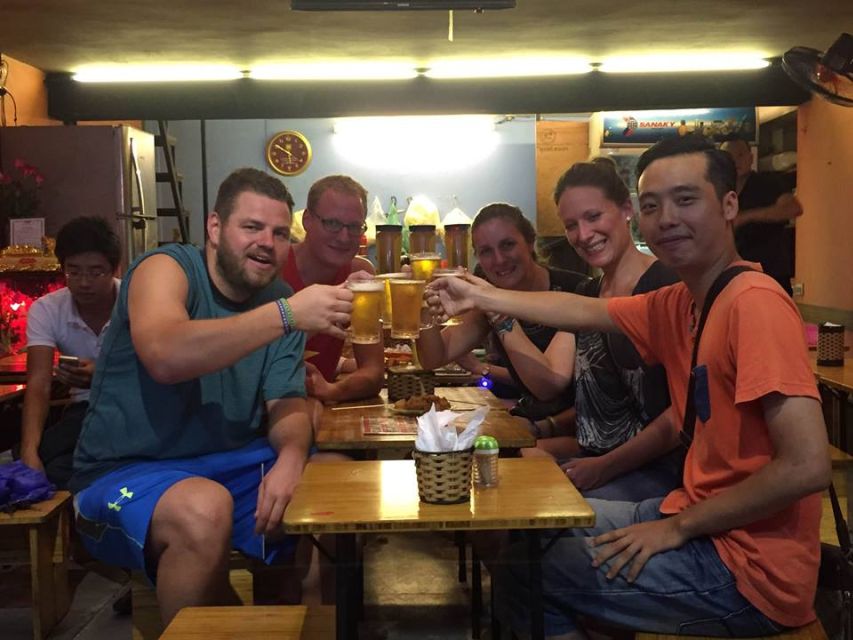
Some of the best moments happen while you’re waiting. Several cafes nearby serve egg coffee, and the idea is that you sip, watch, and get ready for that fast-moving sound-and-light moment when the train arrives. It’s a short window, so patience counts.
For your own comfort, plan on the alley being busy. Even if you’re not directly blocking the track, you’ll feel how packed it gets around the time the train comes through. The tour experience is safer when you follow your guide’s instructions on where to stand and when to move.
I’d also suggest this mindset: don’t treat Train Street like a “stand still and perfect your photo” assignment. It’s more like watching a local routine. You’ll get better photos by staying calm, keeping a clear path, and using the guide-approved spot for photos.
If you get motion- and sound-anxiety, this is still doable—but you should know the vibe is loud and close.
How the guide improves the food (not just the walking)
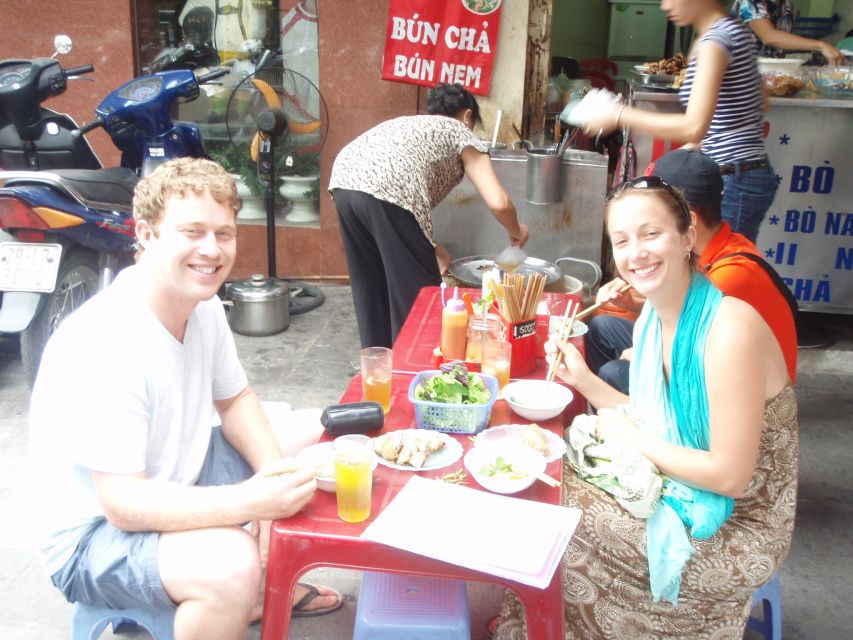
Good tours don’t only move you from one place to another. They improve your choices, pacing, and understanding. Many guests mention guides who are friendly and very willing to explain both the food and the area around it.
You’ll see that in how stops are handled. You’re not left holding a menu and hoping for the best. Instead, you get guidance on what you’re eating, why it tastes the way it does, and what to expect from the different stalls and shops.
Some past groups even mention guides going above and beyond for families, including kids, which tells me the tour is designed to be flexible—not just scripted. If you’re traveling solo, you may also find the experience feels tailored in practice, because the group stays small.
What to bring, wear, and expect from the walk
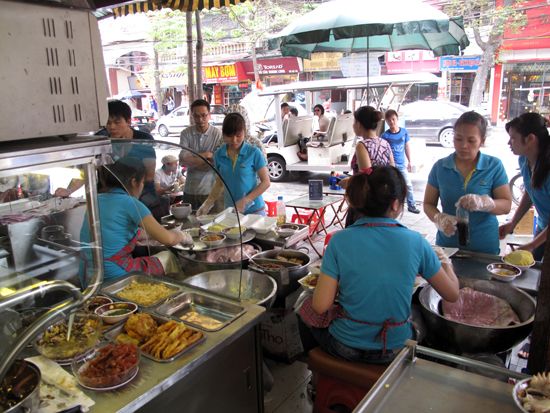
The key practical item is boring but important: comfortable shoes. Old Quarter walking includes uneven pavement and narrow lanes, and Train Street adds crowding where you might need to stand briefly. If your feet are unhappy, the best parts of the tour start feeling like work.
Other practical notes:
- No pets on the tour.
- Smoking isn’t allowed.
- It’s not suitable for wheelchair users.
If you’re sensitive to crowds or sounds, also consider how you’ll feel standing close while waiting for the train.
Who should book this tour
This street food and Train Street tour makes the most sense if you:
- want a first-time in Hanoi food orientation you can build on later
- like markets and local shops, not only restaurants
- want egg coffee and Train Street without having to plan the timing yourself
- prefer a small-group experience where you can ask questions
It’s less ideal if you:
- can’t do walking comfortably
- need wheelchair access
- get stressed by tight crowds and noisy moments
Should you book it? My honest take
If you want one highly efficient way to eat well in the Old Quarter and still see Train Street in a way that feels organized, I’d book this. The combination of market time, multiple tastings, and Train Street timing is a better use of a few hours than trying to cobble together your own route.
The main decision point is simple: can you handle busy narrow streets during the train pass? If yes, you’ll probably come away with a stronger sense of Hanoi than you’d get from food alone.
If you’d like, tell me your travel dates and your food comfort level (adventurous vs cautious). I can suggest how to pace your eating that day so you don’t feel overstuffed before Train Street.
FAQ
How long is the Hanoi Street Food Tour with Train Street?
The tour lasts 3 hours.
How much does it cost?
It costs $28 per person.
Where do I meet the guide?
Meet your guide at 31 Lò Sũ Street, Hoan Kiem district, in the center of Hanoi’s Old Quarter near the Water Puppet Theatre.
Is pickup available?
Pickup is optional for hotels in the Old Quarter of Hanoi.
How big is the group?
It’s a small-group tour, limited to about 10 participants (and described as maximum 8 in the included details).
Is the tour wheelchair accessible?
No. It’s not suitable for wheelchair users.
What rules should I know before I go?
Pets are not allowed, and smoking is not allowed. You should wear comfortable shoes.