REVIEW · DALAT
Experience specialty coffee with sustainable coffee farmers
Book on GetYourGuide →Operated by HuyEco Coffee & Culture · Bookable on GetYourGuide
Coffee with real farmer stories.
At HuyEco Coffee & Culture in central Da Lat, you get a hands-on coffee lesson tied to sustainable coffee farming, not just a quick sip-and-leave stop. What makes it special is the mix of farming basics, roasting practice, and tasting comparisons you can actually feel in your cup.
I love how the session is built around five coffee types from the farm, including Arabica and Robusta, plus different processing and roasting methods. I also love that you don’t just watch—you roast your own beans and then brew/taste with light, medium, and dark roast styles.
One consideration: the total time can vary a lot (from 90 minutes to up to 5 hours depending on the starting time), so plan your day with some breathing room.
In This Review
- Key things you’ll notice
- Da Lat Coffee That Starts on the Farm (Not the Menu)
- First stop: HuyEco in central Da Lat (what you’ll do early on)
- The tasting block: five coffees, Arabica + Robusta, and real processing differences
- Roasting your own coffee beans: green to brown, with farm-level context
- Brewing lessons: tasting light, medium, and dark roast
- Your own Phin coffee, plus the Da Lat view
- Sustainability angle: what you’ll learn from growing coffee sustainably
- Price and time: is $14 a good deal?
- Logistics that matter (meeting point, transport, and what to bring)
- Who should book this tour in Da Lat (and who might not)
- Should you book HuyEco Coffee & Culture?
- FAQ
- Where is the meeting point for this experience?
- How long does the tour take?
- How much does it cost?
- What’s included in the price?
- Are hotel or airport transfers included?
- Is the group size small?
- What languages are the tour guide available in?
- Do I need to bring anything?
- What will I do during the experience?
Key things you’ll notice
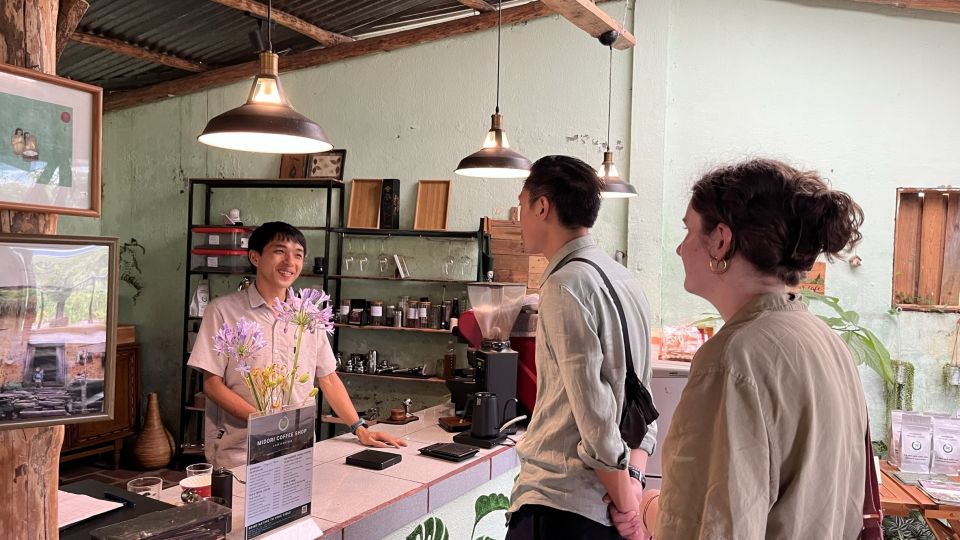
- Small groups (up to 10 people) means you get time for questions and a calmer pace
- Roasting your own beans turns coffee talk into real, hands-on learning
- Five farm coffees to compare gives you a clear before/after on taste
- Light/medium/dark brewing practice teaches how roast level changes flavor
- Traditional Phin coffee making helps you take the experience home
- Sustainable farming explanations connect flavor to real-growing decisions
Da Lat Coffee That Starts on the Farm (Not the Menu)
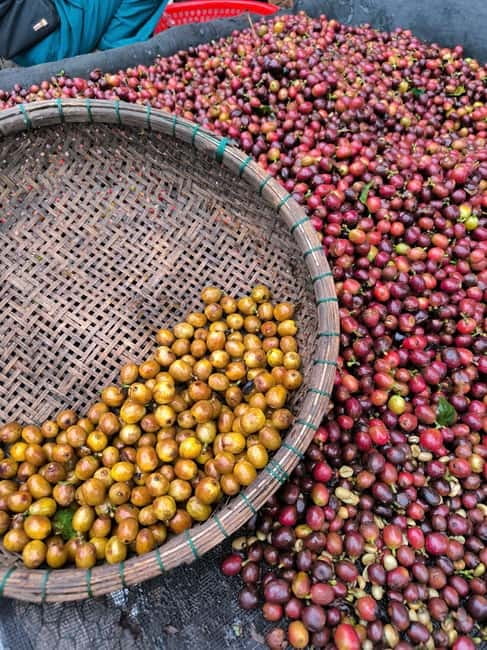
Da Lat already has a coffee reputation, but this experience goes one step deeper: it ties flavor to what’s happening on the farm. Instead of treating coffee like a single product, you learn it as a chain of choices—bean type, processing style, and roasting decisions—each one showing up in taste.
The heart of the experience is Huy, the owner/farmer behind the shop and coffee culture center. He brings the session in plain language, and the pace stays friendly rather than lecture-y. The result is that you leave with a mental map of why coffee can taste sour, sweet, fruity, or clean—depending on the approach used from farm to cup.
And if you’ve spent time in Vietnam and still think Vietnamese coffee is always “mixed” or “sweetened,” this is a good correction. You’re set up to taste coffees with clearer, more original character.
You can also read our reviews of more tours and experiences in Dalat

First stop: HuyEco in central Da Lat (what you’ll do early on)
You meet at HuyEco Coffee & Culture in the center of Da Lat. The meeting point is easy to reach by walking, motorbike, taxi, or a booking app—plus you can confirm the location on Google Maps by searching the exact name.
Right from the start, the tone is casual and welcoming. People in the group can warm up quickly with the first coffee tastings, and you’ll get your bearings on what the day will cover: multiple coffees, roasting, brewing comparisons, and finally a Phin cup you make yourself.
Two practical notes that matter:
- Bring your passport (it’s listed as required for this activity).
- If you’re coming in cooler months, bring a warm layer. One guest noted they needed a jacket because it was cold, and the hosts helped with that.
The tasting block: five coffees, Arabica + Robusta, and real processing differences
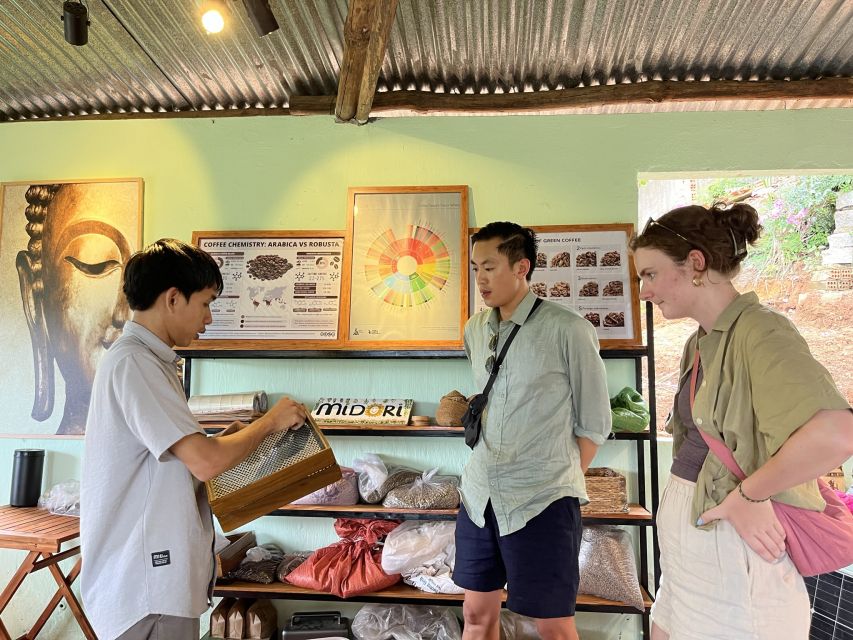
The core of the experience is exploring five types of coffee from the farm, including Arabica and Robusta. What I like about this setup is that you’re not left guessing which variable caused what you’re tasting. You get guidance on how processing and roasting methods change the final cup.
Here’s the useful way to think about it:
- Arabica and Robusta don’t just differ in strength. They also tend to create different flavor “directions.”
- Processing methods can shift fruitiness, acidity, and the kind of sweetness you perceive.
- Roasting changes more than color. It changes aroma and how bitterness and brightness show up.
You’ll taste a variety of coffees produced by the farm, and the point is to compare. You start to notice how some cups feel more sour-bright or more fruity, while others land sweeter or more rounded. The experience is designed so you can identify what you’re tasting rather than just saying it’s good.
A big win here: the tasting isn’t just “drink and move on.” You’re learning what to look for—so if you later buy beans in Vietnam (or at home), you’ll know why labels and roast levels matter.
Roasting your own coffee beans: green to brown, with farm-level context
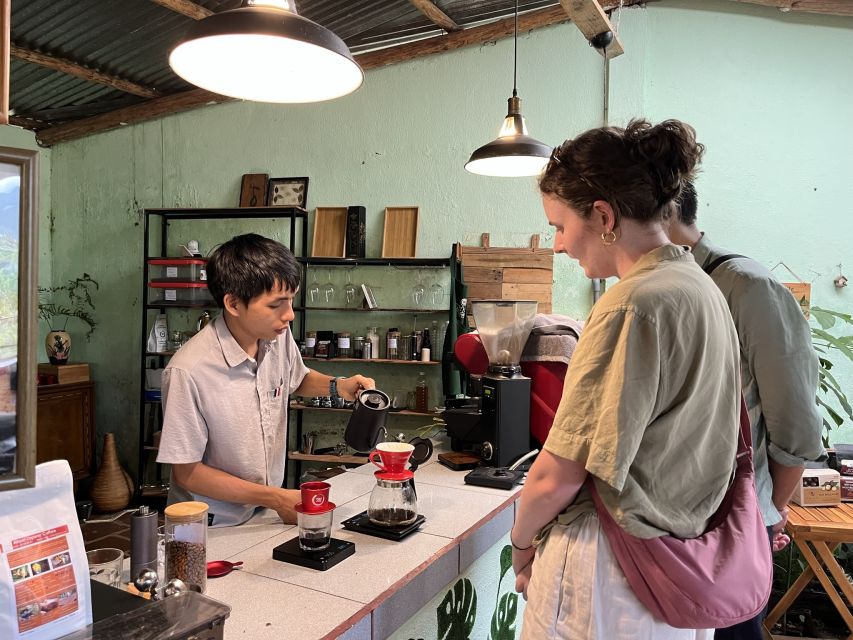
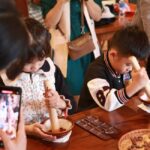
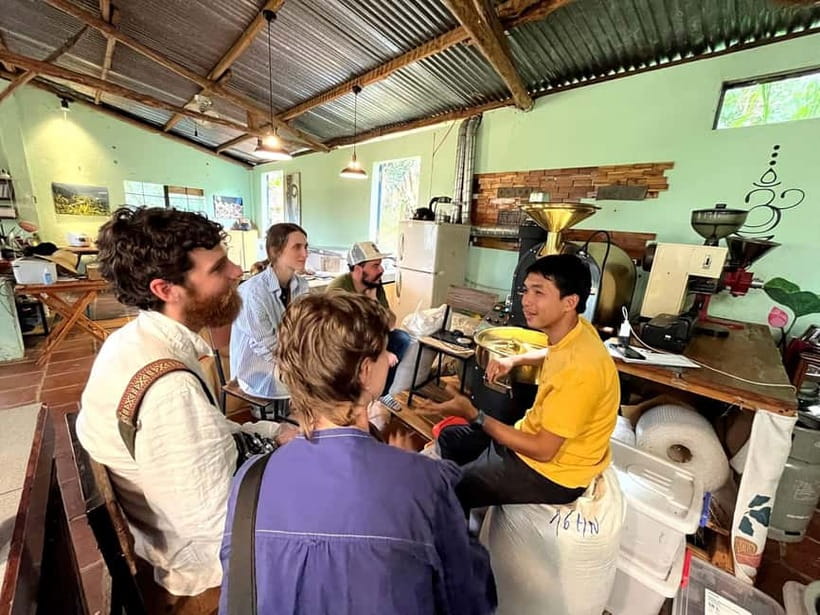
Next comes the hands-on moment: you roast coffee beans yourself. In plain terms, you go from green beans to the darker brown beans you recognize as roasted coffee.
This matters for two reasons:
- You see that roasting isn’t a single setting. It’s a process with timing and control.
- It connects your tasting back to a physical action. When you later taste light/medium/dark options, your brain now has a “why.”
The atmosphere during roasting tends to stay relaxed, which helps because you’re doing something active. The group size is capped at 10 participants, so you’re not stuck waiting your turn forever.
A small drawback to keep in mind: roasting adds a bit of time and attention. If you’re the type who wants a quick stop, this isn’t that. But if you want to understand coffee beyond taste, it’s the part that most people remember.
Brewing lessons: tasting light, medium, and dark roast
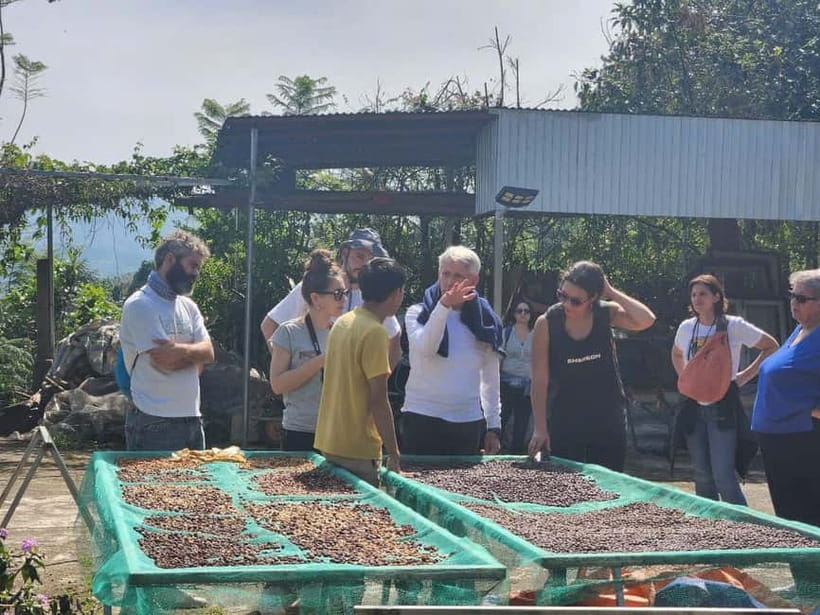
After roasting, you’ll taste the coffee using different brewing techniques and roast styles—specifically Light, Medium, and Dark Roast.
This portion is valuable because it trains your palate to separate roast character from brewing character. Even if the beans are similar, roast level can push flavors toward different notes: lighter roasts often feel brighter; darker roasts tend to lean heavier and sometimes more bitter or smoky.
The tour’s structure also helps you make comparisons without needing fancy gear. You’ll learn how brewing changes the cup, then you can connect that to what you roasted.
If you’ve ever wondered why your same coffee “tastes different” at different places, this section gives you a clear path to the answer.





Your own Phin coffee, plus the Da Lat view
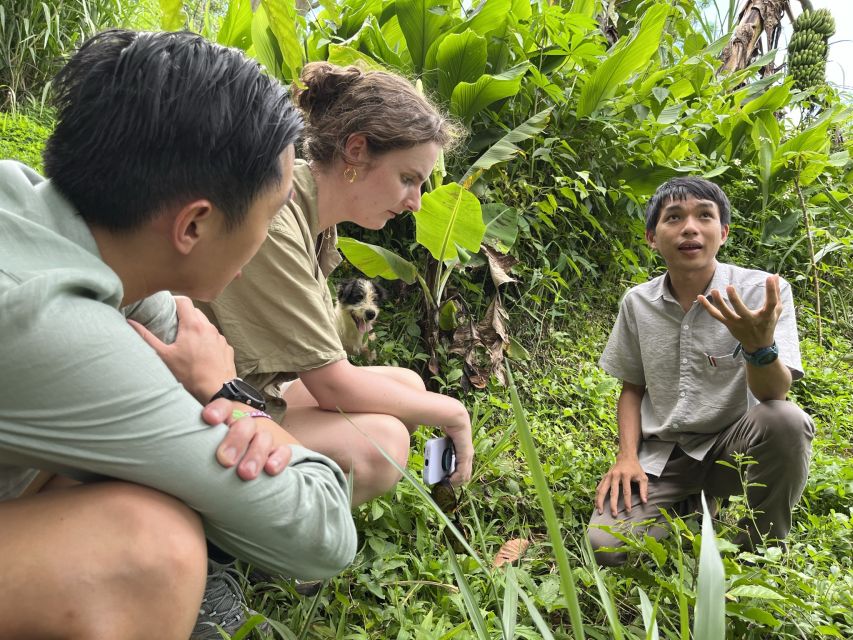
The finale is making your own cup of traditional Phin coffee. This is one of the best bridges between “coffee education” and real life, because Phin is what most visitors want to understand when they’re in Vietnam.
You’ll make the Phin while watching the city. That’s not just atmosphere—it makes the coffee taste moment feel like an event. You get to slow down, smell the cup, and compare your finished drink to the earlier tasting rounds.
For me, this is where the experience sticks. Tasting teaches you the differences; brewing teaches you the mechanism; making your own cup is what turns the lesson into a memory you can repeat.
Sustainability angle: what you’ll learn from growing coffee sustainably
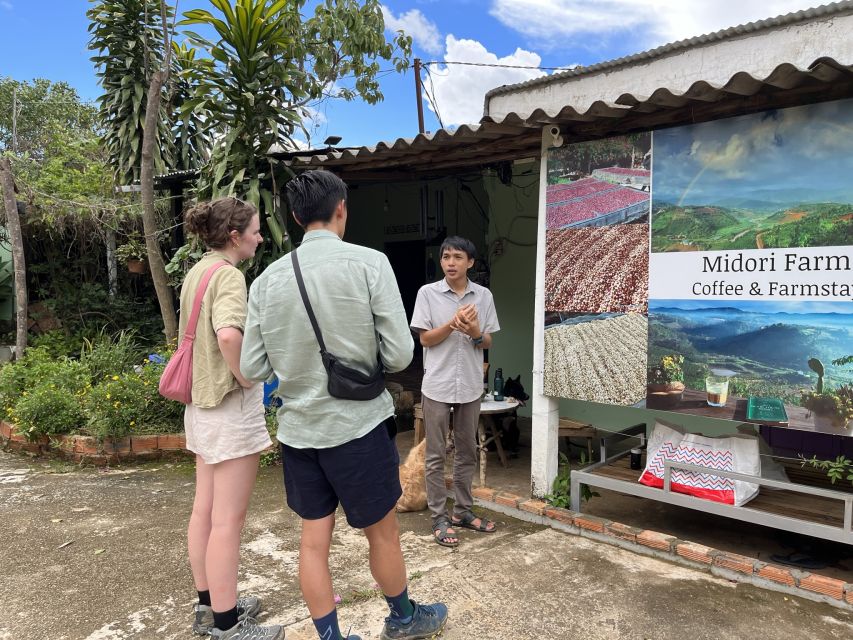
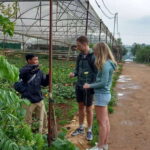
A key part of this activity is hearing from the farm about how coffee is grown with sustainability in mind. You’ll have the chance to ask questions and learn how farmers manage growing practices to produce coffee in a more sustainable way.
Even without a science lesson, you’ll pick up the practical idea that “sustainability” shows up in decisions that affect the crop’s health and quality. And that connects back to your tasting. When farming practices are consistent and thoughtful, the coffee profile is clearer and easier to compare.
This is also why the experience feels more authentic than a generic coffee workshop. The person guiding you isn’t just selling a roasting hobby—this is their livelihood and their product.
Price and time: is $14 a good deal?
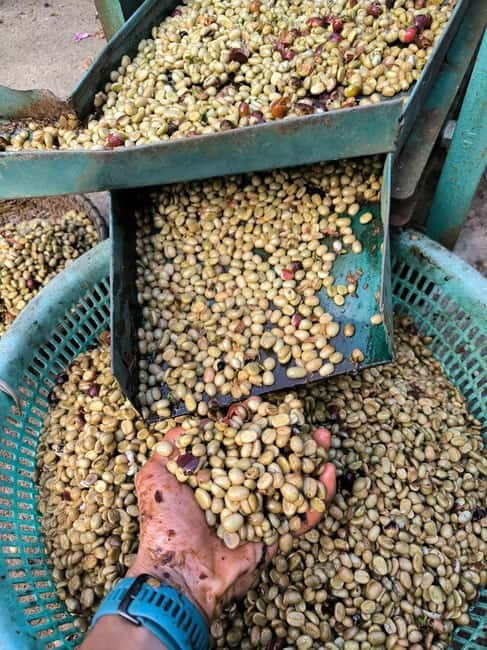
At $14 per person, this tour is priced like an affordable education session, not a luxury workshop. Given what’s included—five coffee drinks at the shop plus a tour guide ticket—it’s solid value if you like learning and you enjoy coffee comparisons.
But the biggest factor in value is the time window: 90 minutes to 5 hours. If your starting time lands at the shorter end, you’ll likely feel it as a focused tasting and hands-on session. If it runs longer, you’ll feel more of a full workshop vibe, with more time to roast, brew, and ask questions.
My advice for getting the best value:
- Plan this when you’re not rushing to catch other transport.
- Go hungry for learning, not just caffeine. If you want to taste the difference between methods and leave with ideas you can use later, the $14 feels very fair.
Logistics that matter (meeting point, transport, and what to bring)
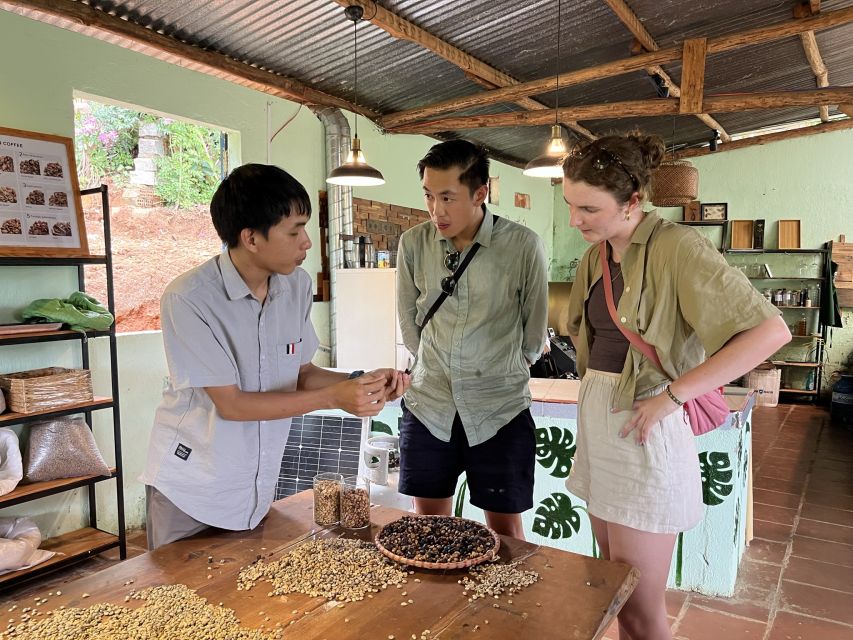
Meeting point: HuyEco Coffee & Culture in the center of Da Lat. Search that exact name in Google Maps.
Getting there: walk, motorbike, taxi, or a booking app.
Transfers: not included. That means you’re responsible for getting yourself to the meeting point. Extra transport to the farm area isn’t spelled out as part of the package, but the hosts can help with taxi arrangements, and the farm can be a little outside Da Lat.
What to bring:
- Passport (required)
What’s not included:
- Extra drinks and food
- Hotel or airport transfers
If you like clear plans, this is mostly straightforward. Just remember that your day’s length can shift, and you’ll want a little buffer.
Who should book this tour in Da Lat (and who might not)
This is a great fit if you:
- Want real comparisons across coffee types, processing, and roast levels
- Enjoy hands-on activities like roasting and making Phin coffee
- Like sustainability stories tied directly to how the product is grown
- Prefer a small group experience with time to ask questions
It’s less ideal if you:
- Only want a quick coffee stop with no roasting or lesson component
- Are very time-crunched and can’t handle the 90 minutes-to-5-hours range
- Don’t want to taste multiple coffees in one sitting
Should you book HuyEco Coffee & Culture?
I’d book it if your idea of a great Da Lat afternoon includes more than just drinking coffee. The combination of five farm coffees, roasting practice, light/medium/dark tasting, and making your own Phin gives you both the story and the skills.
If you’re the type who gets curious about why coffee tastes sour, sweet, or fruity, this tour is built for that exact question. And for $14, the included tastings make it easier to justify than most workshops.
One last nudge: wear layers. Da Lat can feel chilly, and the hosts have helped guests who arrived without warm clothes.
FAQ
Where is the meeting point for this experience?
It starts at HuyEco Coffee & Culture in the center of Da Lat. You can find it on Google Maps by searching the exact name.
How long does the tour take?
The duration ranges from 90 minutes to 5 hours, depending on the starting time you choose.
How much does it cost?
The price is $14 per person.
What’s included in the price?
You get five coffee drinks at the coffee shop, plus the tour guide ticket.
Are hotel or airport transfers included?
No. Hotel or airport transfers are not included.
Is the group size small?
Yes. The tour is limited to a small group of up to 10 participants.
What languages are the tour guide available in?
The live tour guide is available in English and Vietnamese.
Do I need to bring anything?
You should bring your passport.
What will I do during the experience?
You’ll taste coffees from the farm, learn about sustainable growing, explore five coffee types, roast beans yourself, taste Light, Medium, and Dark Roast options, and then make your own traditional Phin coffee.