REVIEW · BUON MA THUOT
Buon Ma Thuot: Bean to Brew Coffee Farm Tour with Tasting
Book on GetYourGuide →Operated by Scenicaholic · Bookable on GetYourGuide
The coffee story starts with a living plant. In Buon Ma Thuot, you’ll walk a working farm just 10 km from the center and learn how Robusta and Arabica go from care routines to brewed cups. Two things I really like: you get hands-on farming context, and you end with a proper tasting (black or milk, brewed by machine or filter).
You’ll also get real clarity on the differences between organic and conventional coffee practices, not just marketing talk. The tour covers seasonal tasks like pruning and fertilization, plus how processing changes flavor through the wet-dry method.
One thing to consider: if you visit outside the coffee harvest season, you may miss the actual harvesting and drying steps, though the rest of the farm and coffee learning still goes ahead.
In This Review
- Key things to know before you go
- Entering a Buon Ma Thuot Coffee Farm 10 km From Town
- Your First Stop: Coffee Garden Care You Can Actually Picture
- Robusta and Arabica in the Field: More Than Just Two Labels
- Wet-Dry Processing: Where Flavor Gets Shaped
- Organic vs Conventional: What You’ll Learn Without the Lecture
- Irrigation Basics: Traditional Systems and Modern Advantages
- The Harvest Season Reality Check
- Coffee Tasting: Black or Milk, Machine or Filter
- Price and Time: Is $18 Good Value for a 1-Hour Tour?
- How to Plan Your Day: Timing, Sun, and Simple Rules
- Who This Coffee Farm Tour Suits Best (And Who Should Skip)
- Quick Decision: Should You Book It?
- FAQ
- Where does the tour start?
- How long is the coffee farm tour?
- What languages are available for the guide?
- What’s included in the price?
- What is not included?
- Is the tour wheelchair accessible?
- What happens if I go outside the harvest season?
- Is sun protection provided?
- Are there any rules on the farm?
Key things to know before you go
- Working farm focus: you’re not just looking at coffee plants, you’re learning the routines behind them
- Robusta vs Arabica: see how two key Central Highlands coffees differ in the garden and processing
- Wet-dry method: you’ll hear how this processing approach shapes the beans you drink
- Organic vs conventional: you get a practical explanation of how farming choices affect coffee
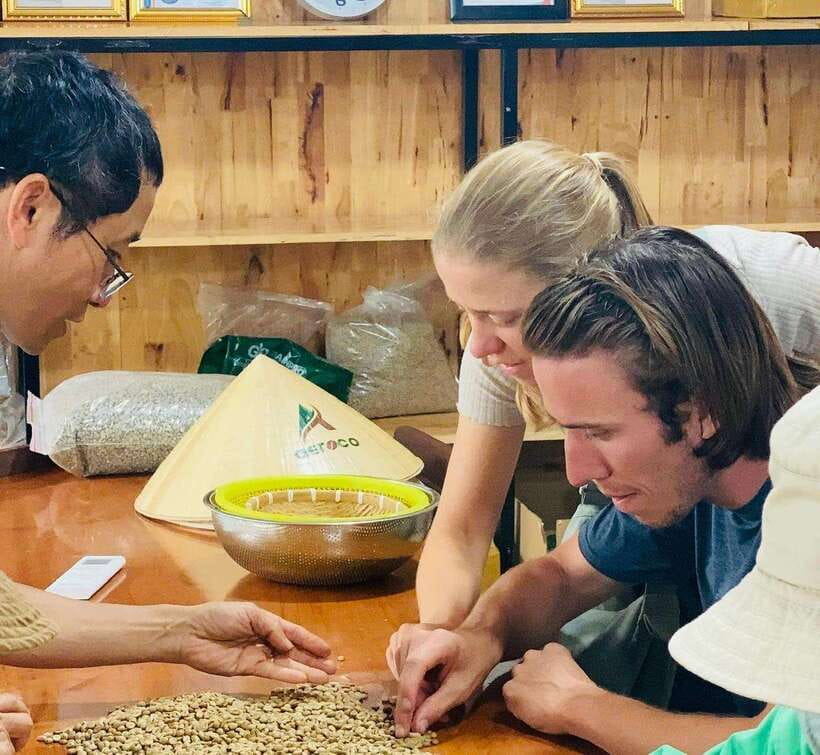
- Coffee tasting at the end: black or milk coffee, plus a chance at extra tasting notes
- Time matters: the experience is short (about 1 hour), so plan your arrival early
Entering a Buon Ma Thuot Coffee Farm 10 km From Town
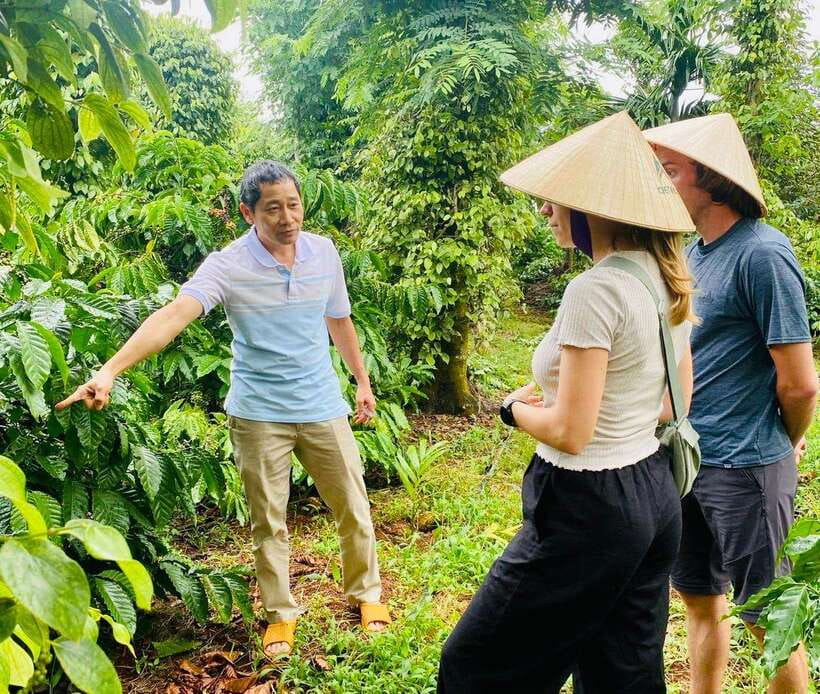
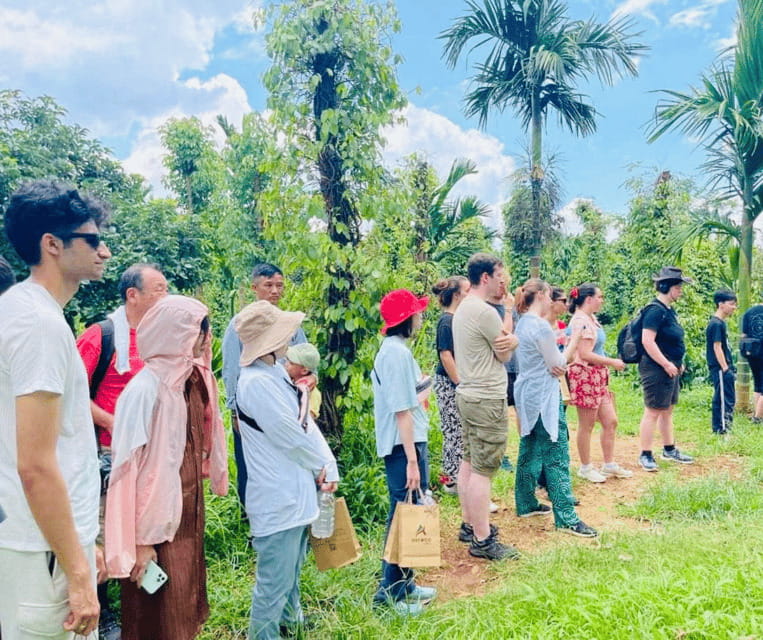
Buon Ma Thuot is Vietnam’s coffee capital, and this tour is designed to get you into the real production side of it without wasting half a day. You meet your instructor at the farm meeting point in the Ea Kao area, and you’ll start walking through the coffee garden right away.
The schedule is compact: plan on about 80 minutes of guided time at the plantation, followed by your tasting moment. If you like experiences that are focused and efficient, this fits well.
The location is close enough to be practical, but you still need to be ready to find the correct farm spot. The tour asks you to arrive at least 5 minutes early so you can get oriented and start on time.
You can also read our reviews of more tours and experiences in Buon Ma Thuot.
Your First Stop: Coffee Garden Care You Can Actually Picture
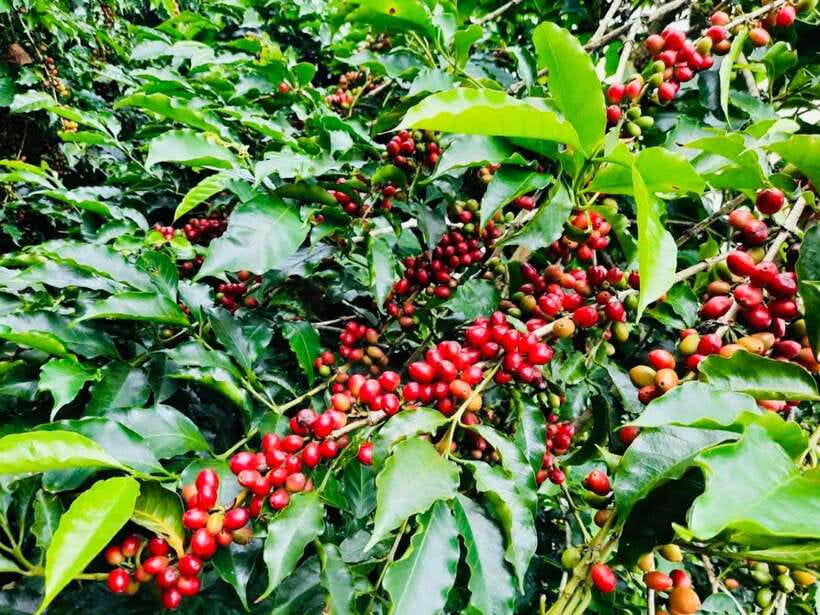
The tour’s farm walk isn’t random sightseeing. You’ll follow the same logic farmers use: keep trees healthy, manage growth, and prepare for the next productive cycle.
You’ll learn what locals do during the season, including things like pruning, bud breaking, proper weeding, and cleaning the coffee tree basin. You’ll also hear about seasonal fertilization and what the timing is supposed to accomplish.
What I like here is that these tasks connect directly to quality. When coffee trees are cared for well, you tend to get more consistent flowering and fruit set, which later affects how many good beans you end up processing. It’s not glamorous, but it’s the kind of knowledge that makes your cup taste more meaningful.
If you care about sustainable practices, you’ll also hear the differences between organic and conventional farming methods. Even if you don’t memorize every term, the practical message lands: farming choices influence how the farm manages plants, soil, and inputs.
Robusta and Arabica in the Field: More Than Just Two Labels
This tour explicitly covers both Robusta and Arabica, which is important because they don’t just look different in a brochure. They behave differently in the garden, and they end up with distinct flavor profiles that coffee fans can spot once they understand what they’re tasting.
On the tour walk, you’ll see how both types are handled in the coffee garden and how the farm thinks about processing after harvest. That matters because Robusta and Arabica aren’t interchangeable in how they’re managed and processed.
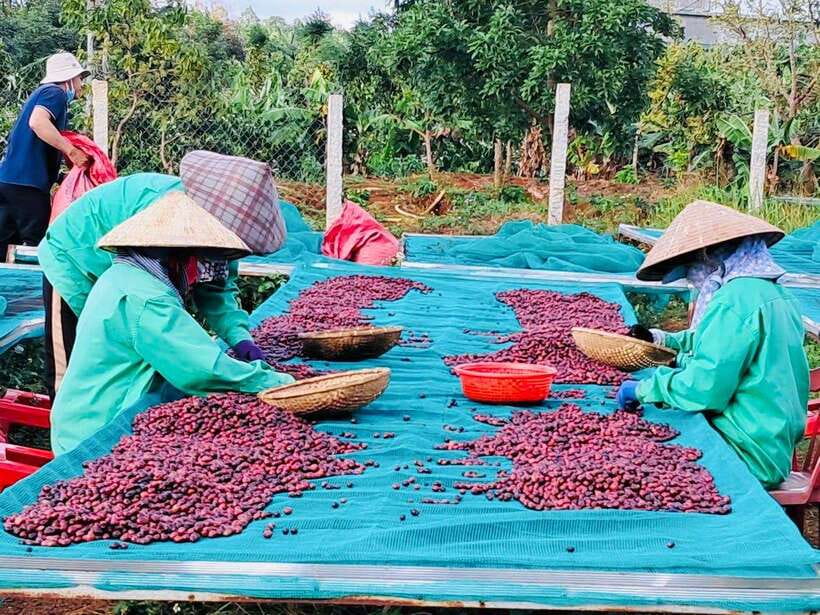
You’ll also learn how harvesting and drying are handled in the wet-dry workflow when the farm is in season. If you’re traveling during the harvest window, you’ll be able to connect the dots from what you see in the garden to the beans being processed.
Wet-Dry Processing: Where Flavor Gets Shaped
One of the most valuable parts is the explanation of how beans move through wet-dry processing. Even though you’re only on the farm for around an hour, you get a clear overview of the basic steps and why they matter.
Processing is basically where the farm controls the bean’s final character. With wet-dry methods, the bean’s journey includes stages that remove layers from the fruit and then guide drying in a way that affects how flavors develop.
In a production setting like this, your guide isn’t just naming steps. You’ll get the logic behind them: what happens before drying, what you’re trying to avoid, and how this system supports specialty-style results.
If you’re a coffee nerd, this is where your brain clicks. If you’re not, it still helps you taste with more intention later because you understand what kind of handling could have led to the flavors in your cup.
Organic vs Conventional: What You’ll Learn Without the Lecture
You’ll cover the distinctions between organic and conventional coffee farming, which can sound abstract until you connect it to what farmers do day to day.
In plain terms, your instructor will explain how the farming approach changes the inputs and routines on the farm. That includes how management decisions affect plant health and the farm’s overall production style.
This part of the tour is useful even if you don’t buy organic coffee back home. You’ll leave understanding what the labels try to represent, and you’ll get a framework for reading coffee options later with less confusion.
One practical point: because organic and conventional systems can both produce high-quality coffee, the most interesting takeaway is usually not which is better in general, but how the approach affects the farm and the beans that end up in your cup.
Irrigation Basics: Traditional Systems and Modern Advantages
Another focused topic is irrigation. You’ll get an introduction to operating traditional irrigation systems and an overview of the advantages irrigation technology can bring.
This matters in the Central Highlands context, where water management can affect how consistently coffee plants stay healthy through changing seasonal conditions. Even if you’re not a farmer, you’ll start seeing irrigation as part of quality control, not just infrastructure.
The best part is that you don’t just hear that irrigation helps. You learn how the system works and why upgrades can support more stable growth and processing readiness.
For readers planning a longer Vietnam coffee route, this irrigation piece is a great bridge between what you taste and what you see. It turns the scenery into a production system.
The Harvest Season Reality Check
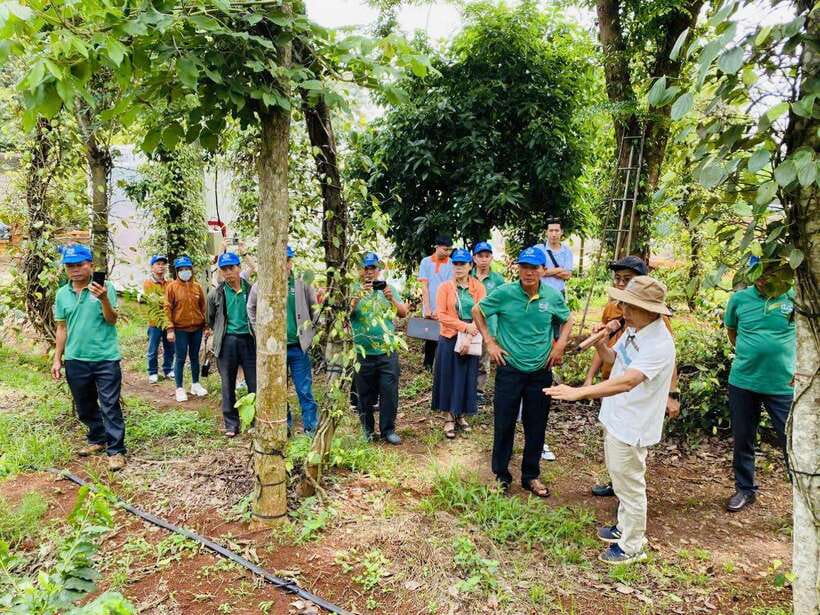
Timing is everything with coffee farms. The tour is designed around the idea that harvest and processing activities happen when the farm is in season, but the experience adjusts if you arrive outside that window.
If you join outside the coffee harvest season, harvesting and drying activities won’t occur. The rest of the farm care learning and the tasting still take place, but your sensory highlight may shift from seeing processing in motion to hearing how it works.
If you want the most hands-on feel, aim for dates when the farm is actively processing and drying. If your schedule is fixed, don’t stress too much—this tour still gives you meaningful context about production steps and coffee care.
Coffee Tasting: Black or Milk, Machine or Filter
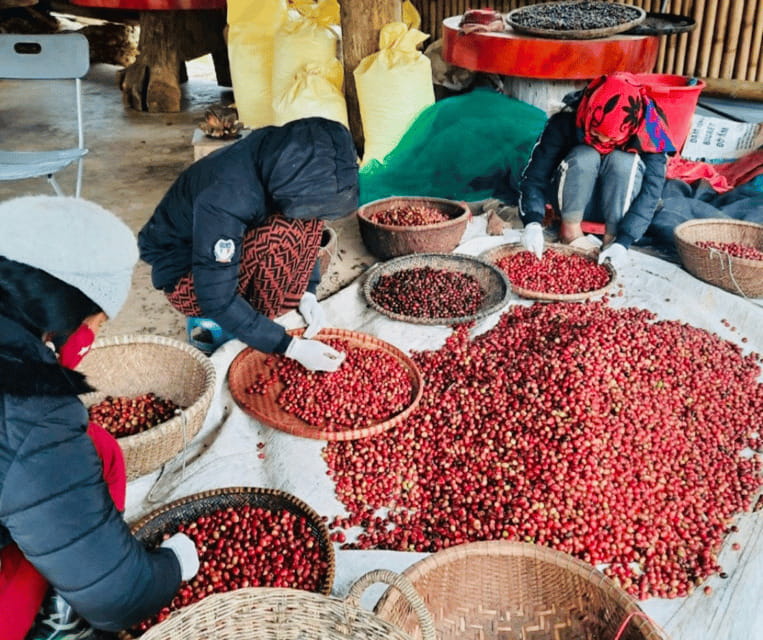
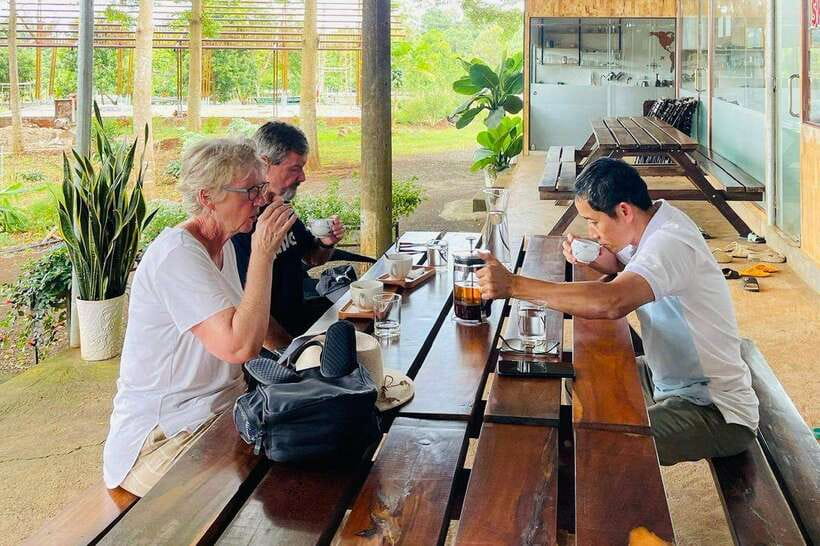
The finish is simple and satisfying: you’ll taste coffee brewed in the way the farm offers it, with options like black coffee or milk coffee. Brewing can be done using a machine or a filter method, so you may taste more than one style depending on how the day is run.
This part is where all your garden learning lands in your mouth. If you’ve just listened to how Robusta and Arabica are handled and how processing affects flavor, the tasting feels less random.
Some experiences with this tour also include additional tasting moments such as coffee bean tasting. You might even get the chance to sample freshly picked coffee cherries if they’re available, which is a fun contrast to roasted beans.
Small detail, big impact: because it’s a working farm, the tasting feels more like a payoff for what you learned than a separate show. You leave with flavor memories tied to the production steps you heard.
Price and Time: Is $18 Good Value for a 1-Hour Tour?
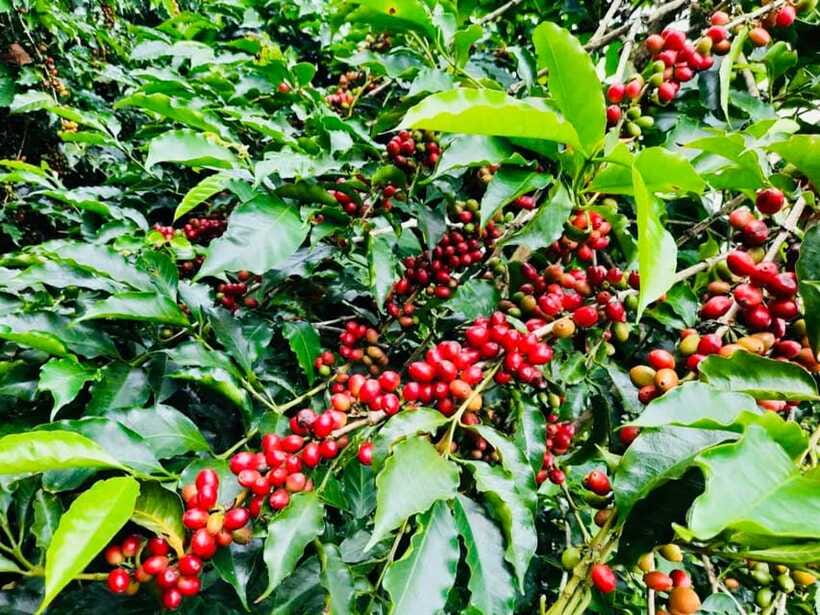
At about $18 per person for a roughly 1-hour experience (including 80 minutes on the plantation), the value depends on what you want out of Buon Ma Thuot.
If you want a quick, focused farm introduction—garden care, processing overview, and a tasting—this is good pricing for Vietnam. You’re paying for expert guidance, access to the farm space, and coffee tasting rather than just transportation to a scenic spot.
It also helps that the plan includes all costs in the tour package. What you should budget for separately is mostly personal spending and anything you decide to buy (like packaged coffee for sale, which isn’t included).
My practical take: this tour works best if you’re tight on time but still want your coffee education to be grounded in what farmers actually do. If you want a long, multi-course tasting marathon or a deep chemistry class, you might feel this is short. But for most people, short is a feature, not a flaw.
How to Plan Your Day: Timing, Sun, and Simple Rules
Plan to arrive a few minutes early at the meeting point so you can start smoothly. The farm visit runs on a schedule, and the learning portion is short—so late arrivals can feel awkward.
The tour doesn’t include sun protection items, so bring what you need for Central Highlands sun. Even if the walk isn’t long, you’ll still be outdoors around coffee plants.
There are also clear activity rules: alcohol and drugs aren’t allowed, and making fire is not permitted. That’s normal for a farm setting, and it keeps the tour safe and respectful.
Wheelchair accessibility is listed, which is a good signal for planning. Still, because it’s a working plantation, you should confirm ground conditions with the operator if you need smoother surfaces.
Who This Coffee Farm Tour Suits Best (And Who Should Skip)
This is a strong fit if you want:
- A short coffee learning experience that covers both Robusta and Arabica
- Practical farm knowledge like pruning, bud breaking, weeding, and fertilization
- A direct link between garden care, processing, and what you taste
- An English or Vietnamese guided explanation with a guided tasting at the end
It may be less ideal if:
- You expect harvesting and drying visuals every time. Outside harvest season, those steps don’t happen.
- You prefer long stays or lots of extra tastings beyond the included coffee and tea options.
- You rely heavily on fluent English. The tour is listed with English instruction, but language experience can vary by instructor and day.
If you’re doing a bigger Vietnam route and want one coffee-focused stop in Buon Ma Thuot, this tour is a good anchor. If coffee isn’t your top interest, consider pairing it with a town activity so you still enjoy the day overall.
Quick Decision: Should You Book It?
Book this tour if you want a real working-farm coffee education in about an hour, with a guided explanation of processing (wet-dry), a look at coffee care routines, and an ending tasting of black or milk coffee.
Skip or choose another option if your schedule is fixed outside harvest season and you specifically want to watch harvesting and drying hands-on. Also consider whether you’ll be comfortable finding the right meeting spot, since getting there can be the trickiest part.
If you want coffee with context, not just coffee-on-a-plate, this is a satisfying way to spend your time in Buon Ma Thuot.
FAQ
Where does the tour start?
The meeting point is in the Ea Kao area. You’ll receive a confirmation email after booking with directions to the specific location and the instructor’s contact details.
How long is the coffee farm tour?
The farm plantation visit is about 80 minutes, and the full experience is listed as 1 hour. Check available starting times when you book.
What languages are available for the guide?
The instructor is listed as English and Vietnamese.
What’s included in the price?
You get expert guidance on coffee farming and processing, plus a specialty coffee tasting session. All costs are included in the plan.
What is not included?
Hotel pickup and drop-off are not included, and personal expenses are not included. Packaged coffee for sale is also not included.
Is the tour wheelchair accessible?
Yes, wheelchair accessibility is listed.
What happens if I go outside the harvest season?
If you join outside the coffee harvest season, harvesting and drying activities won’t occur. Other activities still proceed as scheduled.
Is sun protection provided?
No. Sun protection items are not included, so you should prepare your own.
Are there any rules on the farm?
Alcohol and drugs are not allowed, and making fire is not permitted.