REVIEW · BUON MA THUOT
Exploring Don Village & Yok Don National Park
Book on GetYourGuide →Operated by Greentraveller · Bookable on GetYourGuide
Elephants without the rides, and Ede culture up close. This tour uses Yok Don National Park for natural elephant watching, then connects it to Don Village history and everyday life. I love the focus on elephant welfare and watching real behavior, not performance, and I love the Ede culture stops like the longhouse, bamboo bridge, and Amakong’s house. One drawback to plan for: you’ll do a moderate amount of walking and you’ll be outside a lot, so sun and bugs matter.
The day runs like a smooth rhythm: history in the morning, village culture around late morning and lunch, then a longer elephant-and-forest block in the afternoon. It also frames everything as community-supported tourism, with income and jobs tied to ethnic minority communities. I’d just say you should be ready for a more practical, rule-based day in the park, not a laid-back sightseeing stroll.
In This Review
- Key things you’ll notice on this tour
- Yok Don and Don Village: what this day is really about
- Getting there from Buon Ma Thuot: timing that keeps the day moving
- Ede longhouse, bamboo bridge over the Serepok River, and the Elephant King tomb
- Don Village and Amakong’s house: living elephant culture, not a museum script
- Lunch at 11: local cuisine or a hands-on 3-hour Ede cooking class
- Option 1: Eat local cuisine at Don Village
- Option 2: The 3-hour Ede cooking class near Yok Don
- Elephant experience, 13:30–16:30: observing behavior in the forest
- Conservation, wildlife, and the rules you must follow
- Price and value: what $138 covers, and what to plan for
- Comfort checklist: what to bring for a hot, active day
- Who this tour suits best (and who should skip it)
- Community development support: why this tour feels different
- Booking carefully: a real snag worth knowing
- Should you book the Don Village & Yok Don tour?
- FAQ
- Where does the tour start, and how do you get to the destination?
- What do you see at the Ede and Elephant King history stops?
- What happens in Don Village?
- Can I choose between lunch options?
- How long is the elephant experience in the park?
- Does the tour focus on elephants in the wild?
- What does the tour include in the price?
- What should I bring, and what rules should I follow in the park?
- Is the tour suitable for everyone?
Key things you’ll notice on this tour
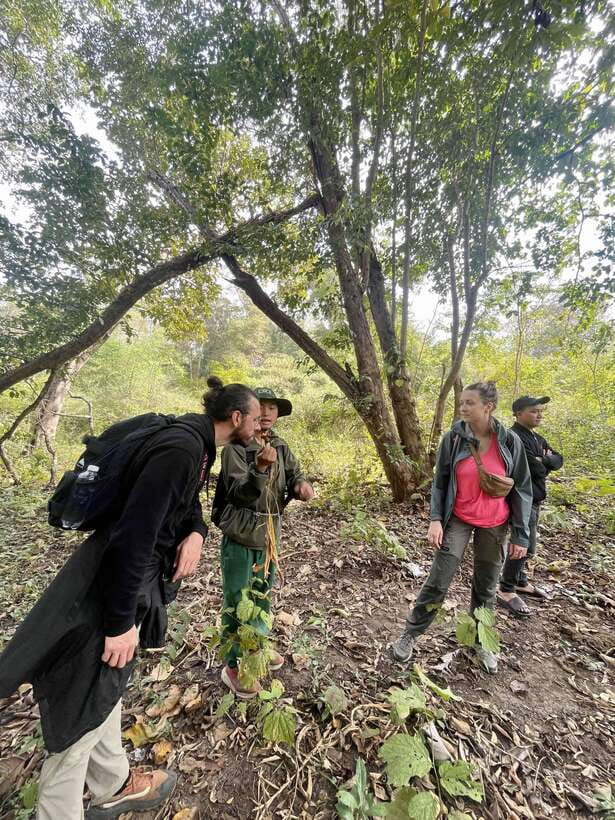
- Ede Longhouse architecture plus Serepok River bamboo bridge views and walking
- Elephant King’s tomb and elephant graves that explain local elephant training history
- Don Village walk to Amakong’s house, including his role as a trainer and plant-medicine healer
- Two lunch paths: local ethnic food or a 3-hour Ede cooking class with hands-on help
- 3 hours of elephant experience in the forest, centered on observation and welfare
- Clear park rules (no feeding, no touching plants) tied to conservation and safety
Yok Don and Don Village: what this day is really about
At its best, this tour feels like two connected stories told in different settings. You start with the cultural roots of elephant training in the Don Village area, then you finish in Yok Don National Park watching elephants as they live now. That shift—from history to welfare-focused present-day observation—is the point.
What you get isn’t only photos. You learn why conservation and sustainable tourism matter, and you follow ranger-style rules so wildlife stays wildlife. If you care about respectful animal experiences, this format works because it’s built around watching and behavior.
You can also read our reviews of more tours and experiences in Buon Ma Thuot.
Getting there from Buon Ma Thuot: timing that keeps the day moving
You meet your guide at the Buon Ma Thuot City gathering point at 08:00, then ride about one hour to Don Village and Yok Don. That early start matters because you’ll hit the culture stops while the day is still comfortable for walking and looking around.
The schedule is structured in blocks:
- 09:00 for Ede longhouse and elephant-training history stops
- 10:00 for Don Village walking and Amakong’s house
- 11:00 for lunch or a cooking class
- 13:30–16:30 for the main elephant experience and forest search
- Return to Buon Ma Thuot by 16:30
If you don’t like early mornings, this might feel like a full-day push. Still, it keeps you from rushing in the park later, which is when you want patience.
Ede longhouse, bamboo bridge over the Serepok River, and the Elephant King tomb
The morning has three kinds of value: architecture, river crossing, and elephant-history context.
First, you can see an Ede traditional longhouse, described as a window into unique Ede architecture and culture. Even if you only spend a short time there, it sets the tone: this isn’t just “see elephants,” it’s “understand the people who lived with them.”
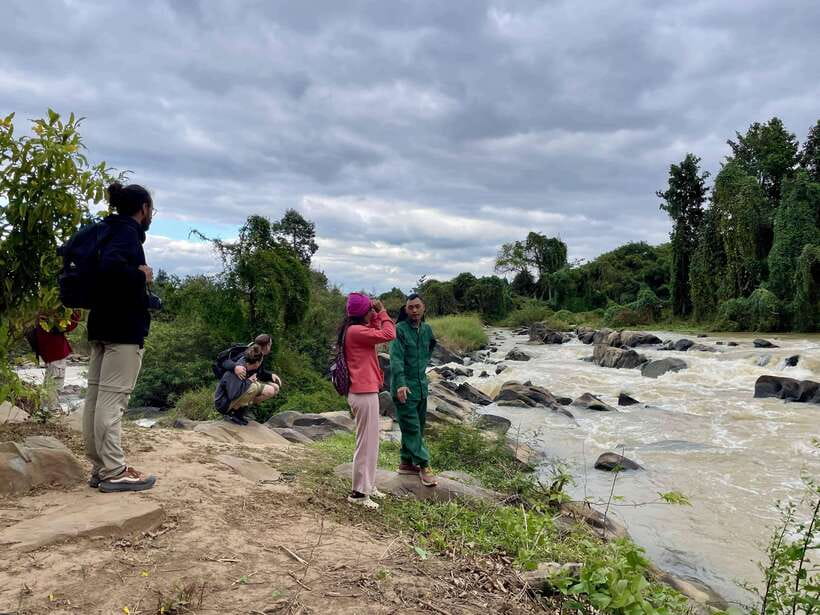
Then there’s the bamboo bridge over the Serepok River. It’s the kind of small stop that helps you feel the geography. Expect walking and uneven ground depending on conditions, so comfortable shoes are not optional.
Finally, you’ll visit the Elephant King’s tomb, noted as the first known person in this area known for elephant training and taming. You’ll also hear stories around two elephant graves. These aren’t just “cute photo stops.” The lesson is that local elephant history is personal and place-based, not generic.
Don Village and Amakong’s house: living elephant culture, not a museum script
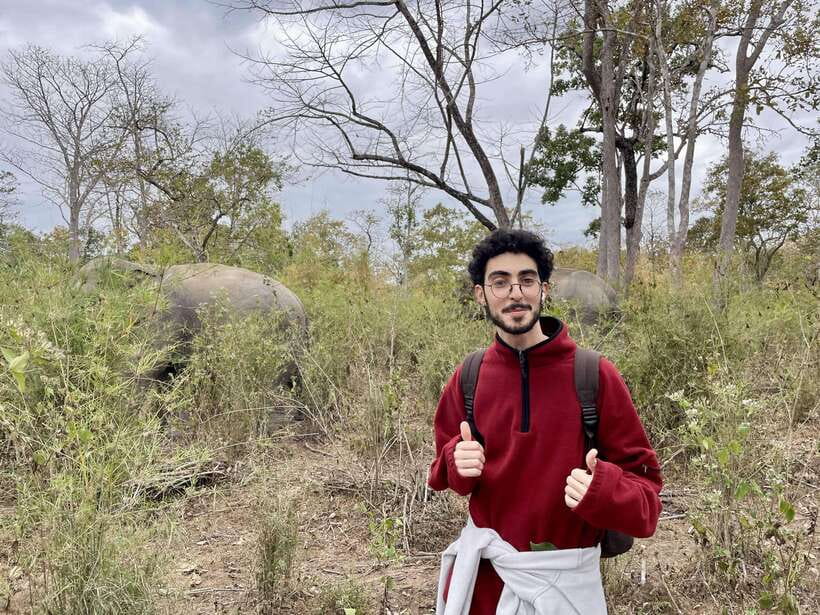
After the morning history stops, you arrive in Don Village and take a short walk through the community around 10:00. This is where the day turns from landmarks into daily life: multicultural charm, chances to talk with people through the experience, and a look at how these stories are carried.
A key moment is visiting Amakong’s house. The tour frames Amakong as a legendary elephant trainer who trained over 200 elephants. He’s also described as the area’s doctor for treating diseases with plant-based medicines. His home is said to mix Lao architectural styles, which helps explain how culture and knowledge travel across regions.
What to do with this time: slow down. Don’t just rush through for photos. If you’re curious, ask your guide about the plant-medicine angle and the elephant-training history, because those connect directly to the later conservation and welfare focus.
You can also find ethnic food and famous fruits and souvenirs in Don Village. That’s a practical perk if you want a snack that feels local instead of vending-machine predictable.
Lunch at 11: local cuisine or a hands-on 3-hour Ede cooking class
At 11:00, you choose between two lunch styles, and I like that the tour gives you a real decision instead of forcing one option.
Option 1: Eat local cuisine at Don Village
You’ll have lunch at local restaurants and take a rest. This tends to be the easiest path if you’d rather save energy for the afternoon elephant block.
Option 2: The 3-hour Ede cooking class near Yok Don
If you pick the cooking class, it happens at Jang Lanh Village, about 700 meters from Yok Don National Park. It’s a traditional cooking class that includes a guided meal prep session with an Ede family. You’ll join in and help prepare the food under a local guide’s direction, then eat your home-cooked lunch.
This option is usually better if you like practical cultural learning—how ingredients are handled, what a family considers essential, and the “why” behind simple steps. The tour also mentions “family secrets” style guidance, which hints that this is meant to feel personal rather than just show-and-tell.
Either way, hydrate. Lunch is also your best time to reset before the longer forest hours.
Elephant experience, 13:30–16:30: observing behavior in the forest
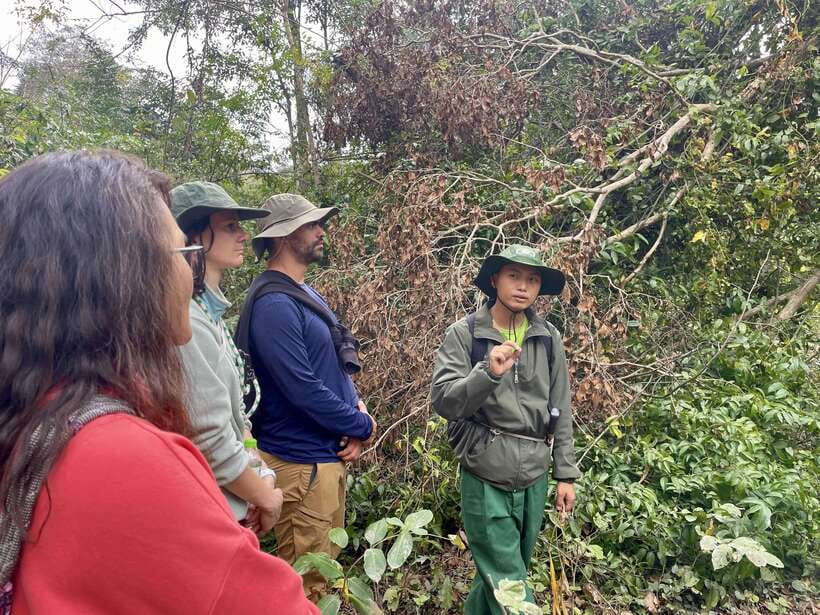
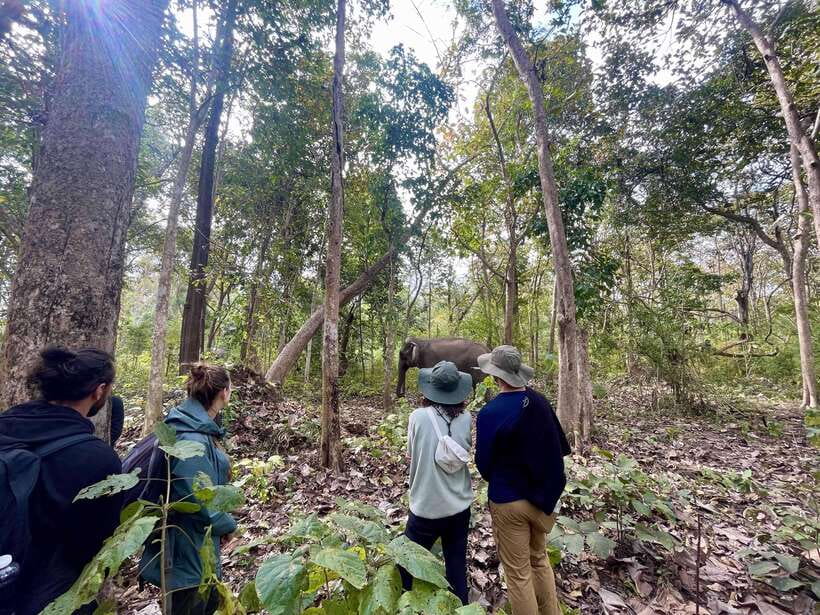
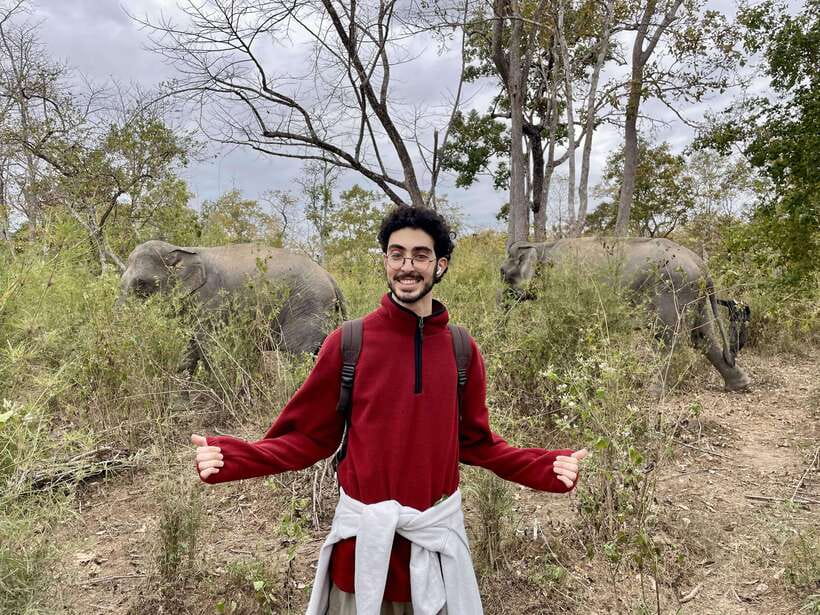
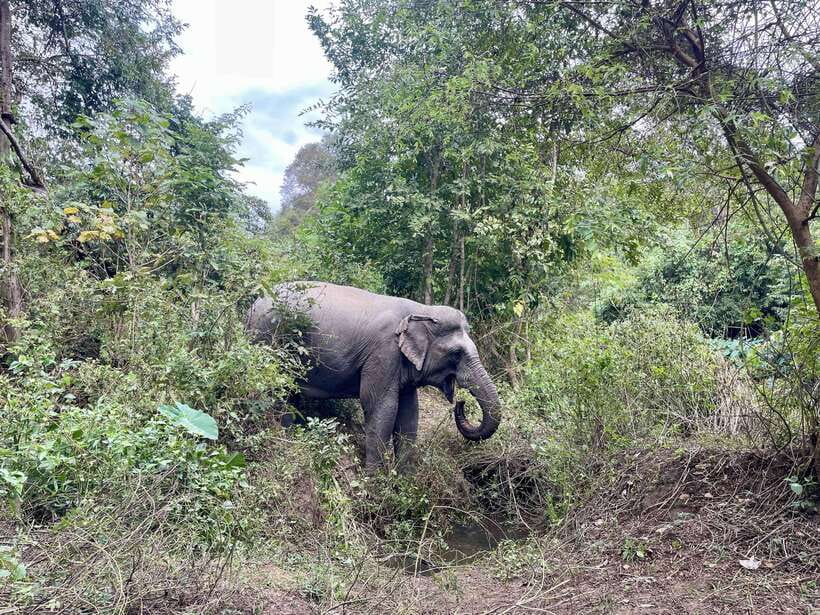
The afternoon is the main event. From 13:30 to 16:30, you’ll go searching for elephants in the park where they now roam freely. The big message here is welfare: elephants used to give rides, but now you observe them behaving naturally in their environment.
This is a meaningful difference. When a tour centers on observation instead of interaction, you get two benefits: you’re less disruptive, and you’re more likely to notice real behavior. That’s what makes the experience feel educational instead of transactional.
Your guide shares knowledge about:
- the park’s flora and fauna
- plants used in traditional medicine by ethnic minority people
- insights into each elephant’s personality and background
That “personality” detail is useful because it gives context for what you’re seeing. Instead of a generic animal encounter, you’re learning to read behavior as individuals and not just a single herd moment.
Conservation, wildlife, and the rules you must follow
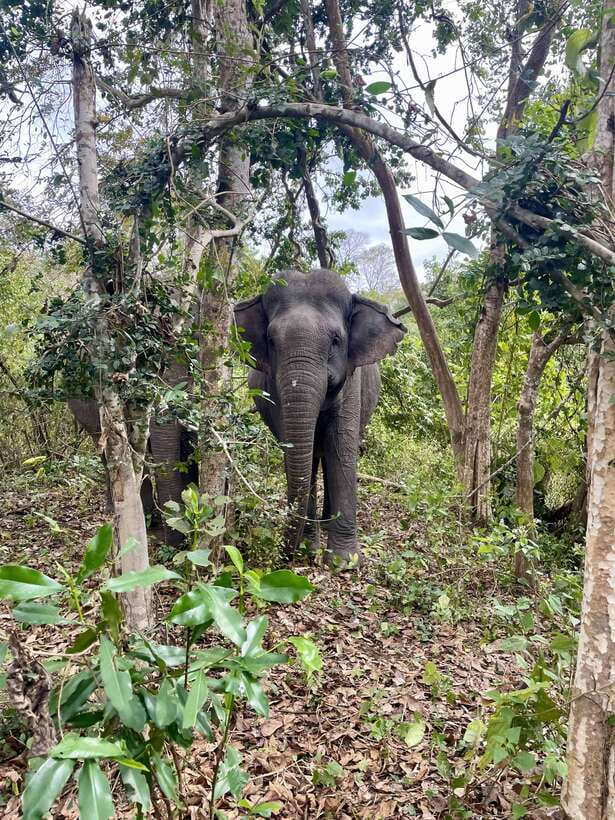
Yok Don National Park isn’t just scenic. It’s conservation-focused, and the tour explicitly explains the importance of sustainable tourism and the welfare of elephants.
The highlights list other wildlife you may encounter, including the Indochinese tiger and Asiatic black bear. You should treat these as possibilities tied to the forest search, not guaranteed sightings.
Still, the tour’s behavior rules are very clear, and that’s a good sign for responsible access:
- no smoking
- no littering
- no feeding animals
- no touching plants
These restrictions matter because touching plants and feeding animals can cause harm and change how animals act. It also keeps you from getting too close when you’re excited. The guide and rangers are there for a reason.
If you’re the type who enjoys rules—because it means better wildlife etiquette—this format will feel reassuring.
Price and value: what $138 covers, and what to plan for
At $138 per person, this isn’t a “budget snack tour,” but it also isn’t priced like a luxury private safari. The value comes from what’s bundled into the day.
Included:
- Car/Van transport
- Brunch
- An instructor at Yok Don National Park
- Travel insurance
- Sightseeing tickets
- English tour guide
Not included:
- Personal expenses
- VAT
So you’re paying for more than entry. You’re paying for transport, interpretation, and structured access in the park, plus insurance coverage that many similar day trips don’t always include.
One practical point: because VAT isn’t included, your total cost may be a bit higher than the headline price depending on how it’s handled at checkout. If you like clean math, confirm the final total before you lock it in.
Comfort checklist: what to bring for a hot, active day
This tour is straightforward, but you’re outside for hours and you’ll walk. The packing list is smart:
- comfortable shoes for uneven paths and moderate walking
- hat
- camera
- sunscreen
- water
- insect repellent
Light clothing is recommended too. Think heat management more than fashion. The elephant hours in particular are the kind of block where you might stand, wait, and scan for movement. You’ll be happier if you’re not thinking about sweaty ankles the whole time.
And if you’re tempted to skip repellent, don’t. Bugs are part of forest time, even when the day is calm.
Who this tour suits best (and who should skip it)
This experience is a good match if you want:
- cultural context alongside nature
- elephant watching focused on welfare
- a day that includes both history stops and a forest search
It’s also a solid fit for people who like hands-on learning. The cooking class option is there for a reason, and it’s close to the park.
On the other hand, it’s not suitable for:
- children under 6
- pregnant women
- people with back problems
- wheelchair users
That’s important because the day includes moderate walking and uneven terrain tied to village paths, a river bridge, and forest searching.
If you fall into one of those categories, I’d choose a different format that’s less physically demanding.
Community development support: why this tour feels different
The tour is described as a community development support program. That matters because it ties tourism dollars to ethnic minority communities by creating employment and revenue opportunities.
You can feel this in the flow of the day. Village time isn’t just “pass through.” The stops connect to local knowledge: Ede longhouse culture, Amakong’s plant-medicine healing reputation, and Ede family cooking. It all reinforces that the day isn’t extractive. The goal is to build local benefit around respectful wildlife access.
Booking carefully: a real snag worth knowing
One thing I take seriously is booking reliability. There’s been a reported issue where a booking got cancelled because it was supposedly too late, and the app didn’t alert people in time. The result was extra hassle around getting a refund.
I’m not saying this is guaranteed to happen. I am saying you should avoid waiting until the last minute. If you book, double-check confirmation messages and keep an eye on your notifications. When it’s an all-day trip with timed transfers, last-minute uncertainty can be stressful.
Should you book the Don Village & Yok Don tour?
I’d book it if you want an elephant day with a conscience, plus real culture stops that explain the local human-elephant connection. The strongest reasons are the welfare-focused elephant observation, the Ede culture moments like longhouses and village history, and the option for a hands-on cooking class.
I’d hesitate if you hate walking, sun, and insects, because the day is active. I’d also take extra care when booking, since at least one traveler reported an app-related cancellation and refund fight.
For the right person, it’s a full, meaningful day that mixes learning and watching without turning elephants into entertainment.
FAQ
Where does the tour start, and how do you get to the destination?
The guide meets you at the Buon Ma Thuot City gathering point at 08:00, then there’s about one hour of transfer by car/van to Don Village and Yok Don.
What do you see at the Ede and Elephant King history stops?
Around 09:00, you can see an Ede traditional longhouse, cross a bamboo bridge over the Serepok River, and visit the Elephant King’s tomb, plus two elephant graves with local stories.
What happens in Don Village?
Around 10:00, you take a short walk in Don Village and visit Amakong’s house. You can also enjoy ethnic food and buy fruits and souvenirs.
Can I choose between lunch options?
Yes. At 11:00, you can have lunch with local cuisine at restaurants and rest, or join a 3-hour traditional cooking class with an Ede family at Jang Lanh Village for hands-on cooking and lunch.
How long is the elephant experience in the park?
The elephant experience runs from 13:30 to 16:30, for about three hours.
Does the tour focus on elephants in the wild?
Yes. The tour includes exploring the forest in search of elephants that freely roam the national park, and it emphasizes observing their natural behaviors (with context that they used to give rides).
What does the tour include in the price?
It includes car/van, brunch, an instructor at Yok Don National Park, travel insurance, sightseeing tickets, and an English tour guide.
What should I bring, and what rules should I follow in the park?
Bring comfortable shoes, a hat, camera, sunscreen, water, and insect repellent. Rules include no smoking, no littering, no feeding animals, and no touching plants.
Is the tour suitable for everyone?
No. It’s not suitable for children under 6, pregnant women, people with back problems, or wheelchair users.