REVIEW · HANOI
2-Day Sapa Tour – Overnight in Ta Van Village (All in One)
Book on GetYourGuide →Operated by Vietnam Travel Simple · Bookable on GetYourGuide
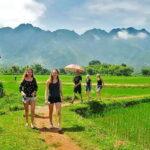
Sapa hills move fast, even on foot. I loved the small-group hikes led by ethnic-minority guides and the chance to sleep in a Ta Van homestay with real family meals. The one trade-off: the schedule starts early and the overnight stay is basic, so pack for cold weather and simple comforts.
Getting to Sapa is part of the experience, and the tour gives you two transfer styles. You can take a morning bus from Hanoi, or a night sleeper bus that lands early so you’re set up for a 8:00 a.m. start the next day.
One reason this tour works well is the people guiding you. In my favorite moments, guides like Dao (she was 21 in one account I saw) kept the trekking informative without turning it into a lecture, and you also get to join family life with cooking and dinner.
In This Review
- Key Things I’d Prioritize on This Tour
- Why Ta Van and These Sapa Hikes Feel Like the Real Trip
- Hanoi to Sapa: Choose Your Bus Option Carefully
- Day 1: Y Linh Ho to Lao Chai, then Ta Van by Late Afternoon
- The Homestay Night in Ta Van: What You Get Beyond a Bed
- Day 2: Bamboo Forest, Giang Ta Chai Bridge, and Photo Stops
- Coming Back to Sapa Town: A Small Window That Still Feels Useful
- Price and Value: Is $36 Actually a Good Deal?
- What to Pack: Cold Weather, Mud, and Practical Cash Tips
- How Hard Are the Treks, Really?
- Guide Quality: Dao and Chang Make the Difference
- Common Pitfalls (and How to Avoid Them)
- Should You Book This 2-Day Sapa Tour?
- FAQ
- How long is the tour?
- Where do I stay overnight?
- What meals are included?
- How much trekking is there on each day?
- What transport is provided between Hanoi and Sapa?
- Is the guide English-speaking?
- What should I bring for weather and money?
Key Things I’d Prioritize on This Tour
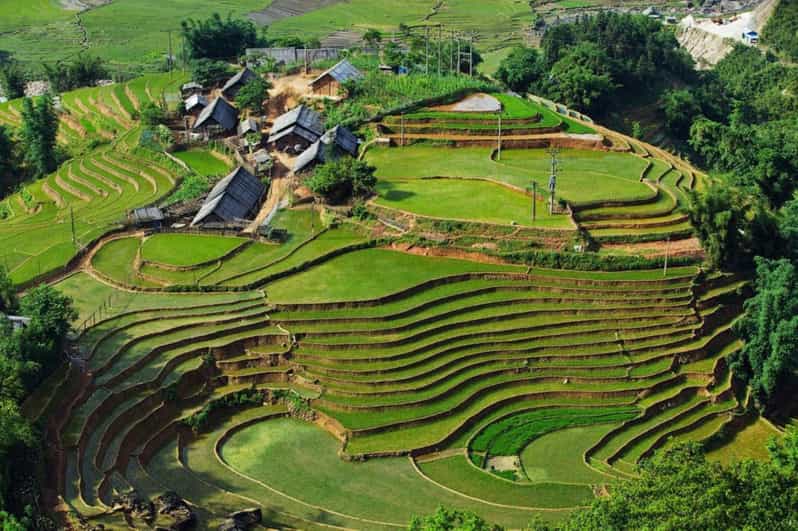
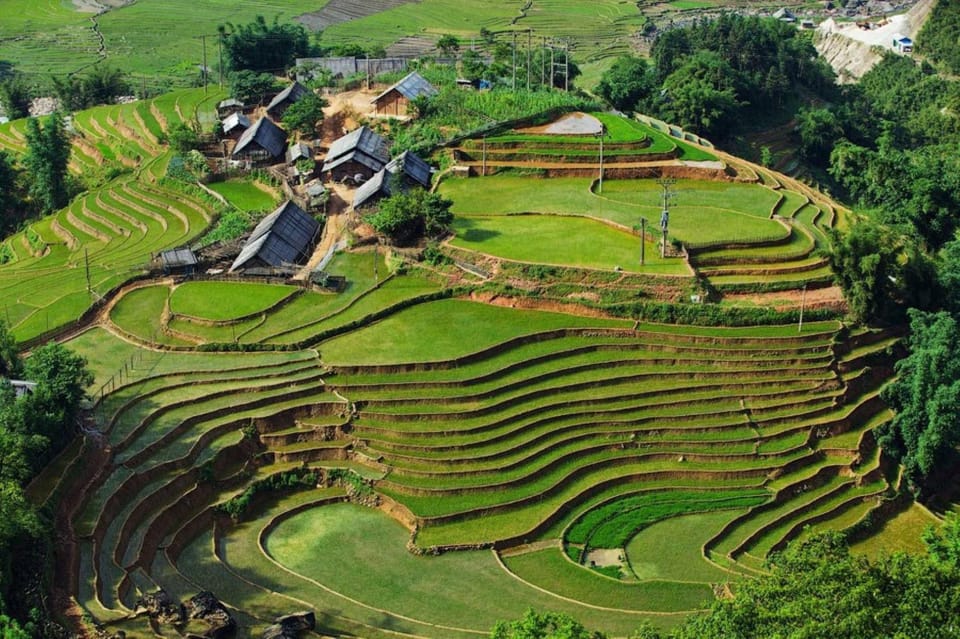
- Overnight in Ta Van with a local family setup: a bungalow/stilt house experience that feels more like a real village evening than a staged show
- Two guided trekking days with clear timing: about 9 km on Day 1 and about 4 km on Day 2, so you can plan your pace
- Ethnic-minority cultural context: you learn through your guide’s local knowledge, not just generic facts
- Rice-terrace and river scenery, plus Muong Hoa and bamboo forest stops: the photo moments come naturally as you walk
- Sapa town time after the trekking: one hour to wander and shop, so the day doesn’t end at the trailhead
- Cold-weather preparation is non-negotiable: warm layers and trekking shoes matter in Sapa
Why Ta Van and These Sapa Hikes Feel Like the Real Trip
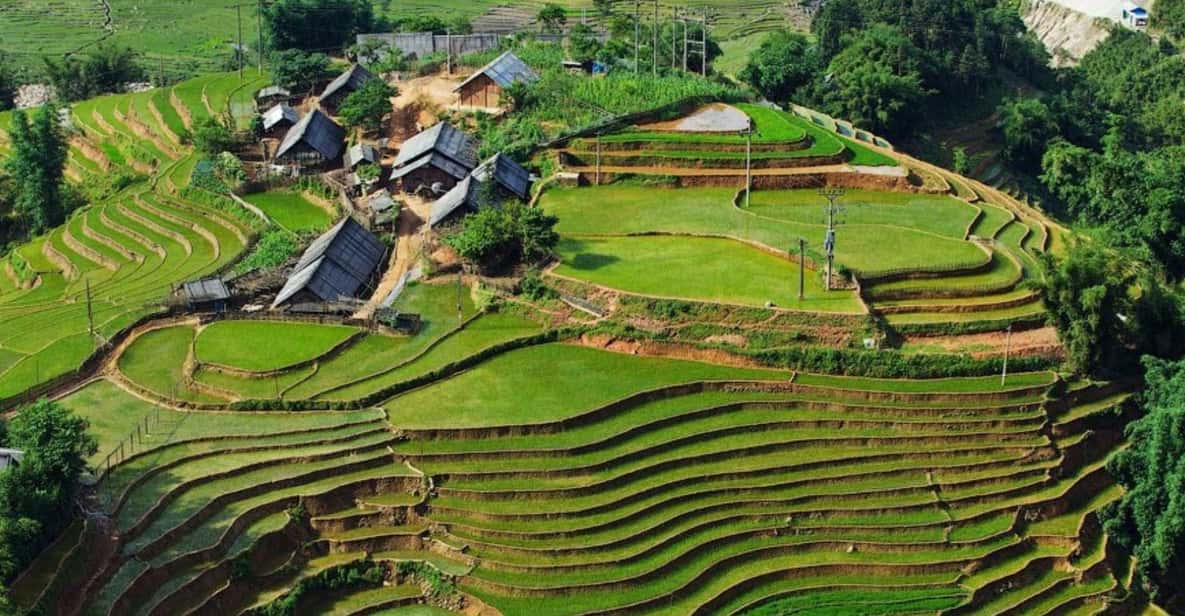
Sapa is famous for mountain views, but what makes this tour different is where the time goes. You’re not only looking out from a viewpoint. You walk through rice paddies, pass through villages, and then spend the evening in Ta Van with the Giay community living style (your homestay is described as Dzay/nearby community setup in the program details). That shift—from scenery to daily life—is what turns a “sightseeing day” into a trip you remember.
The trekking route is also built around the kinds of sights people come to northern Vietnam for: terraced fields, mountain scenery tied to Hoang Lien Son Mountain views, and the Muong Hoa Stream corridor on Day 1. Even if you’re not the type to measure every step, the scenery changes often enough that it feels like multiple mini-adventures.
You can also read our reviews of more tours and experiences in Hanoi



Hanoi to Sapa: Choose Your Bus Option Carefully
You get two transfer options, and which one you choose changes your whole rhythm.
Morning bus option
You’re picked up in the Hanoi Old Quarter around 6:00–6:20, then the bus heads to Lao Cai with comfort breaks (one around 9:30 and another around 11:00). You arrive in Sapa Town around 13:00, have lunch, and then start trekking later in the day toward Y Linh Ho.
Night sleeper bus option
If you want more trekking time in daylight, this is the way it’s structured. You’re picked up at the bus station around 22:20 and arrive Sapa at about 5:00. You sleep on the bus until roughly 6:00, then the guide arranges breakfast and you begin trekking around 8:00.
My practical take: if you’re okay with a slower start and prefer not to wake up mid-night, take the morning bus. If you want the trek to feel more full-day and not rushed by arrival time, pick the night sleeper plan.
Day 1: Y Linh Ho to Lao Chai, then Ta Van by Late Afternoon
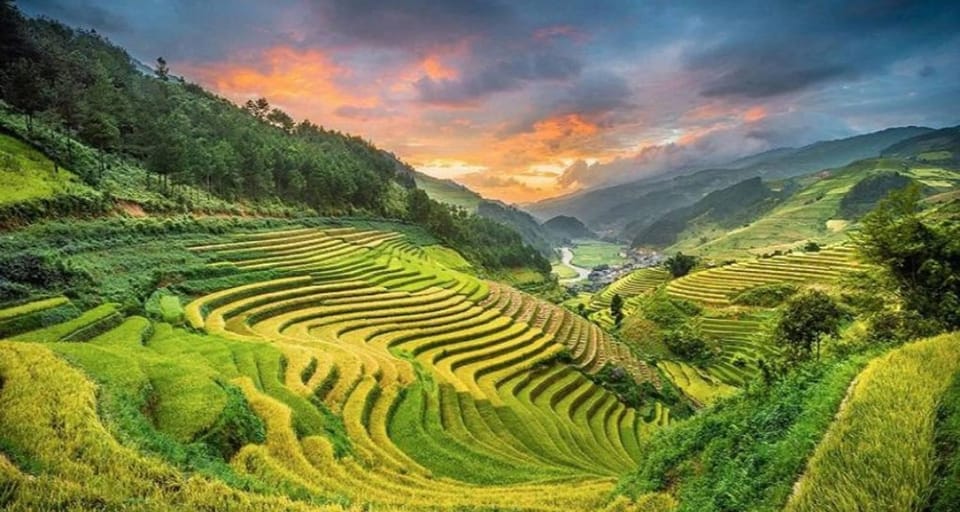
Day 1 has the longer walking portion, and it’s arranged so you’re not just trekking in a straight line. You start after lunch in Sapa Town, with a period of moving out toward Y Linh Ho, then down toward the rice terrace sections and along Muong Hoa Stream.
Here’s what the day is built around:
- Y Linh Ho first: you ease into the terrain with mountain views that make the effort feel worth it
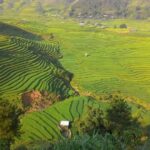
- Rice terraces and stream walking: this is where you get those classic Sapa moments—paddies layered on the slopes with water and greenery guiding your line of travel
- Lao Chai stop: you pass through/see the Black Hmong village area, which gives the route its village-to-village feel
- Arrival in Ta Van in late afternoon: you’re not trekking forever; the day is designed to end with homestay check-in and sunset time
The stated trekking distance is about 9 km, lasting around 3.5 hours. That’s a solid hike day, but it’s not a “survival march.” If you pace yourself and keep steady shoe traction, you’ll likely feel more tired than wrecked by the end.
The Homestay Night in Ta Van: What You Get Beyond a Bed
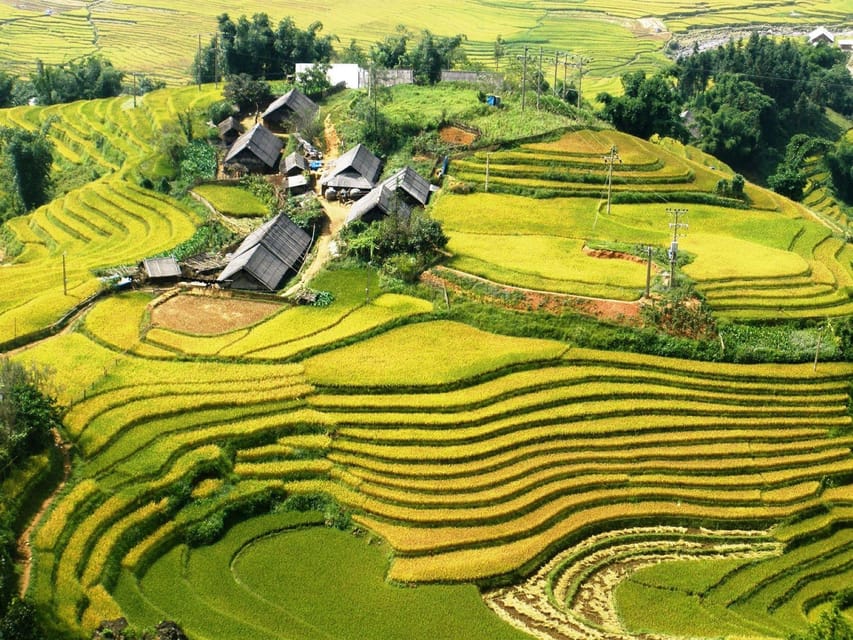
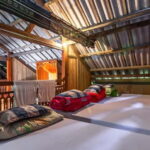
This is one of the main reasons to book this specific style of tour. You’re spending the night in a bungalow/stilt house setting, staying in a village home environment rather than a hotel-only experience.
The program includes time to meet the family of the Dzay people, get oriented, and enjoy the mountain life around sunset. It also offers options like joining cooking with the family (local dishes) and then having dinner in a calm, private-feeling setting.
A practical detail that matters: the homestay is described as basic with culture facilities, but you are told it has clean water and fresh food. That’s a good balance. You shouldn’t expect hotel-level comfort, but you also aren’t going to be totally on your own.
After dinner, there may be a nearby bar with music where you can socialize with other participants before overnighting. It’s not presented as a required activity, but it’s there if you want an easy social outlet without leaving the village.
If you’ve never done a homestay before: treat it like someone’s home, not a tourist set. Be respectful, keep your voice down in evenings, and assume you’ll spend more time listening than posing.
Day 2: Bamboo Forest, Giang Ta Chai Bridge, and Photo Stops
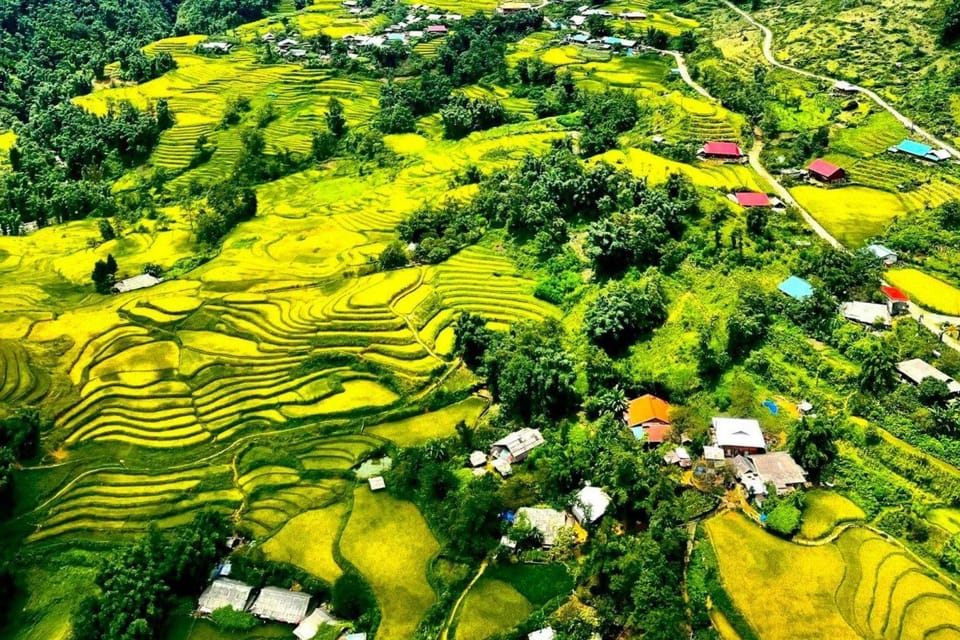
Day 2 is the “lighter” day on paper, and it’s set up to show you more village texture without the long endurance grind.
Breakfast is prepared by the family, then you head out early for a trek that mixes scenery and specific village viewpoints. The route includes:
- Rice paddies and photo time: you get a planned pause for photos with the surrounding mountain views
- Bamboo forest section: a different feeling than the open terraces, with more shaded walking
- Giang Ta Chai village panorama: you stop for a viewpoint of Giang Ta Chai, home of the red Dzao people
The trek distance on Day 2 is about 4 km, lasting around 2 hours. That’s ideal if you want to enjoy the place rather than just conquer it.
Then you cross toward the Giang Ta Chai Bridge and eventually return to the main road. The plan brings you back to the bungalow around 12:00 for shower time, lunch, and a reset before you go back toward Sapa Town.




Coming Back to Sapa Town: A Small Window That Still Feels Useful
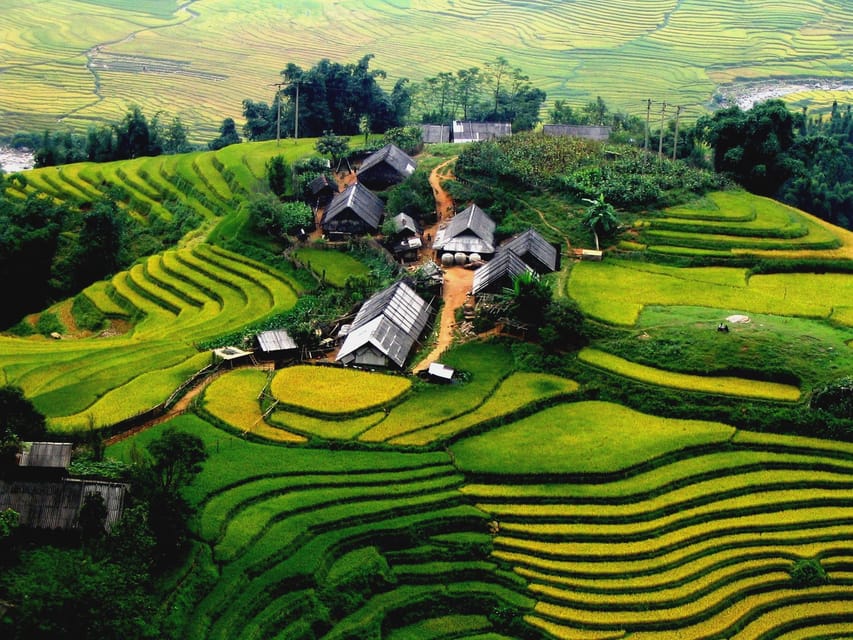
After lunch, you have a block of free time in Sapa Town: 14:00 to 15:00. That hour is short, but it’s long enough to:
- walk around and take in the town’s colorful traditional costume scene
- check out the market area if you’re shopping for small gifts or textiles
This part is intentionally brief, because the tour is built around the trek and homestay, not endless urban wandering.
Then you meet the group around 15:15 at the bus station to head back to Hanoi, with two rest stops on the way. You’re scheduled to arrive around 21:30 in Hanoi and drop off at the meeting point so you can continue to your hotel on your own.
Price and Value: Is $36 Actually a Good Deal?
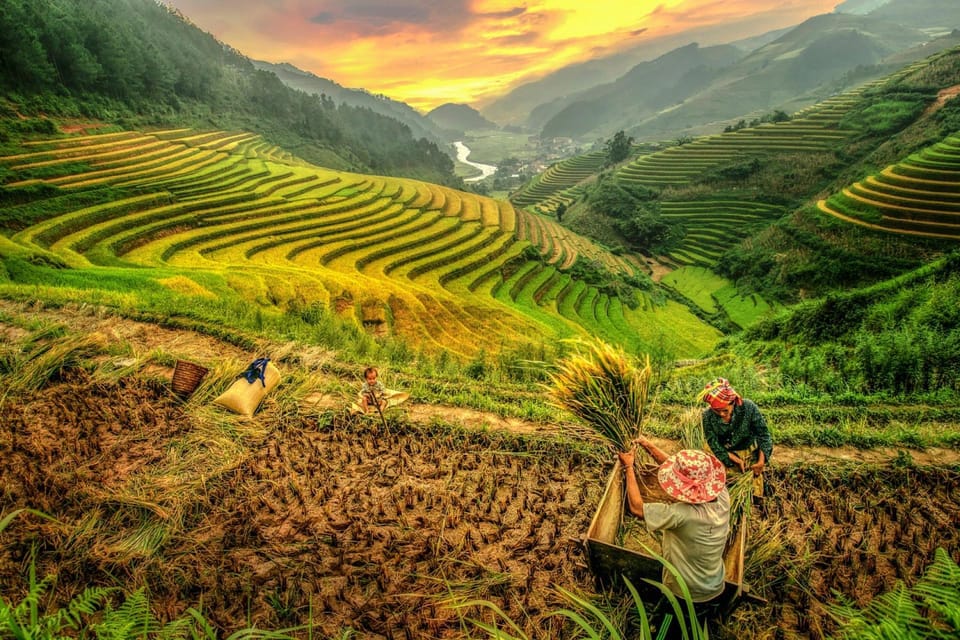
At $36 per person, the value here comes from a few bundled items that would cost more separately in Vietnam:
- Round-trip modern air-conditioned bus/limousine between Hanoi and Sapa
- English-Vietnamese speaking guide for both trekking days
- Entrance fees as listed in the program
- One night in Ta Van homestay bungalow/stilt house dorm setup
- Meals included as mentioned in the schedule (breakfast on Day 2, lunch and dinner on Day 1, lunch on Day 2)
- 24/7 hotline support guaranteed
If you try to DIY this route—getting transport sorted, hiring guides, arranging homestay overnight—you’ll likely spend more than that, especially once you add guide time and a proper village stay.
The main value caution is comfort expectations. You get a real village overnight experience, but the homestay is basic. If you want polished comfort and quiet luxury, this might feel too rustic. If you want the story and the people behind the scenery, it’s priced like a bargain for what you’re doing.
What to Pack: Cold Weather, Mud, and Practical Cash Tips
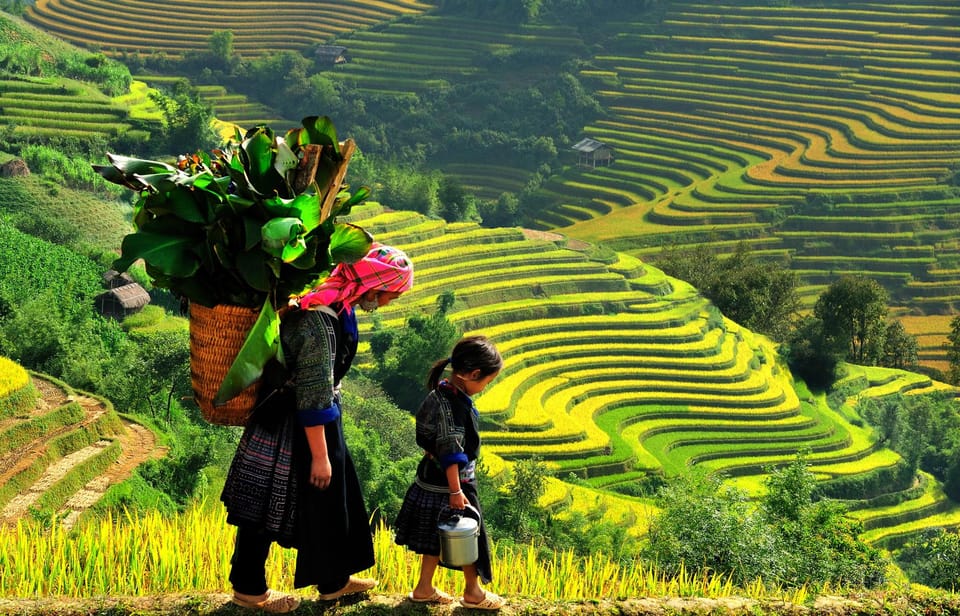
Sapa weather can be unpredictable, and the program is blunt about it: bring warm clothes and a scarf, hat, or cap. It’s normally cold in multiple months from September through March, and fog can show up in December, January, February, and March.
For trekking, pack like you expect damp ground and cool air:
- Trekking shoes (non-slip helps a lot)
- Sunglasses and sun cream (because sun can still hit when skies clear)
- Insect repellent
- Medication in case you get sick
Cash also matters. The guide materials say you should take cash in Vietnam Dong because banking systems in Sapa can be unreliable. They also note US dollars and euros are accepted in Sapa, which can be helpful if your exchange plans change.
How Hard Are the Treks, Really?
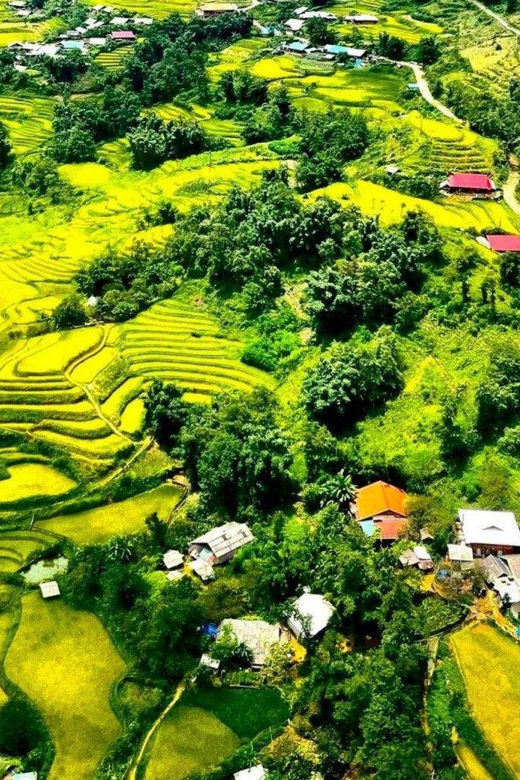
This tour gives you two clear walking blocks, which is great for planning. Day 1 is about 9 km for around 3.5 hours. Day 2 is about 4 km for around 2 hours.
You’ll want to consider altitude and weather more than sheer distance. Sapa sits higher than Hanoi, and cold + fog can make the walk feel more intense even when the route isn’t the longest.
Also note: this experience is described as not suitable for wheelchair users. That’s not surprising given the village paths and trekking nature.
If you’re moderately fit and comfortable walking on uneven ground, you should be fine. If you’re recovering from an injury, you should be cautious and talk to the operator before booking—because there’s no option stated for a non-trekking alternative.
Guide Quality: Dao and Chang Make the Difference
The guides seem to be the make-or-break part here. In one experience account, Dao stood out for being young yet confident—she guided the trek in a way that felt lighter and more informative, and she even ended up connected with the group over WhatsApp after the tour. In another account, Chang was described as heart-and-soul attentive and focused on showing the most beautiful places.
Even more useful: guide quality isn’t only about facts. It’s also about pacing, stopping where you can actually see, and turning a tiring walk into a story you understand.
A communication note from those same experiences: one person mentioned coordination through Hannah and Phuc for bus and accommodation. Another issue came up too—someone said they didn’t get answers and had to push for a refund. Translation: confirm your details ahead of time and keep your communication channels open.
Common Pitfalls (and How to Avoid Them)
This tour gives you a lot of moving parts: bus pickup points, timing for trekking starts, and homestay coordination. The best way to avoid problems is to:
- provide your correct pickup point in the Hanoi Old Quarter
- share your WhatsApp/Line/Viber/Kakaotalk number for confirmation
- keep an eye on cold-weather needs so you don’t end up miserable in photos and fog
The program also says there’s a 24/7 hotline support. That’s reassuring, but it’s not a substitute for proactive confirmation on your end.
If you’re the type who hates uncertainty, the night sleeper option can feel smoother because you’re already in motion toward Sapa. The morning option can be fine too, as long as you accept the later start on trekking due to arrival timing.
Should You Book This 2-Day Sapa Tour?
Book it if you want a classic Sapa experience with one key twist: you’re not just watching villages from afar. You’re trekking through terraces, learning from an English-speaking local guide connected to ethnic communities, and spending a night in Ta Van’s homestay-style setting.
Skip (or choose a different style tour) if you’re chasing comfort first. The homestay is basic, the weather can be cold and foggy, and you’ll do two trekking days with uneven terrain.
If you do book: pack warm layers, bring cash, wear grippy shoes, and confirm your pickup details fast. When you get those basics right, this tour hits the sweet spot between adventure, culture, and a genuinely memorable overnight.
FAQ
How long is the tour?
It’s a 2-day tour with an overnight in Ta Van Village.
Where do I stay overnight?
You spend 1 night in a bungalow or stilt house style homestay in Ta Van Village (dorm setup is mentioned).
What meals are included?
Meals are included as mentioned in the schedule: lunch in Sapa Town on Day 1, dinner with the family on Day 1, breakfast on Day 2, and lunch on Day 2.
How much trekking is there on each day?
Day 1 trekking is about 9 km for around 3.5 hours. Day 2 trekking is about 4 km for around 2 hours.
What transport is provided between Hanoi and Sapa?
The tour includes modern air-conditioned bus or limousine bus transfers, and it also offers a morning bus option or a night sleeper bus option.
Is the guide English-speaking?
Yes. The program includes an English–Vietnamese speaking tour guide.
What should I bring for weather and money?
Bring warm clothes (Sapa can be cold and foggy), trekking shoes, and sun and insect protection. Take cash in Vietnam Dong since banking can be unreliable in Sapa; US dollars and euros are accepted in Sapa.