REVIEW · DA NANG
Da Nang “The Ao Dai” Show: Timeless Vietnamese Elegance
Book on GetYourGuide →Operated by Vietnam TravelMART · Bookable on GetYourGuide
Vietnamese elegance hits fast here: in one hour you’ll see centuries. This Ao Dai show uses costumes and scenes to explain how Vietnamese culture shifted from dynasties to everyday life. I especially like the clear English guidance (English narration on stage helps you follow even if you’re not a costume-history nerd), and the way the program tracks the Ao Dai’s evolution over about three hundred years. One thing to consider: this is a staged performance, so if you’re hoping for a hands-on workshop or photo with performers, it may not scratch that itch.
You’ll get a strong sense of Vietnam’s history through visual storytelling—kings and mandarins on one side, markets and school uniforms on the other. It’s also good value for Central Vietnam because you can slot it in without a complicated plan: the ticket is about $17 and the experience runs about an hour once you’re seated. Still, plan your evening around the show start, since you’ll want to arrive early and get settled.
In This Review
- Key things I’d circle before you go
- Da Nang’s Ao Dai Show in one glance: what it’s really about
- Where to go: Culture House of Ngu Hanh Son District
- Timing that won’t stress you out
- What’s included (and why it adds value)
- Performance breakdown: how each scene teaches Vietnamese culture
- 1) The Nguyen Dynasty: Royal Palace dignity in costume form
- 2) 300 Years of Ancient Vietnamese Ao Dai: court to everyday market life
- 3) Traditional Vietnamese Wedding: rituals past and present
- 4) Lotus Dance: national flower symbolism in motion
- 5) White Ao Dai schoolgirls: education, character, and everyday discipline
- 6) The Ao Dai show finale: bridging royal court and ordinary people
- Bonus effect: English narration makes the timeline usable
- Seats and viewing comfort: arriving on time pays off
- Price and value: why about $17 is fair
- Who should book the Ao Dai Show (and who might skip it)
- Tips to make your evening smoother
- Should you book this Ao Dai Show in Da Nang?
- FAQ
- What is the Da Nang Ao Dai Show?
- How long does the show last?
- What should I bring or do at check-in?
- What language is the show available in?
- What’s included in the ticket price?
- Is transportation included?
Key things I’d circle before you go
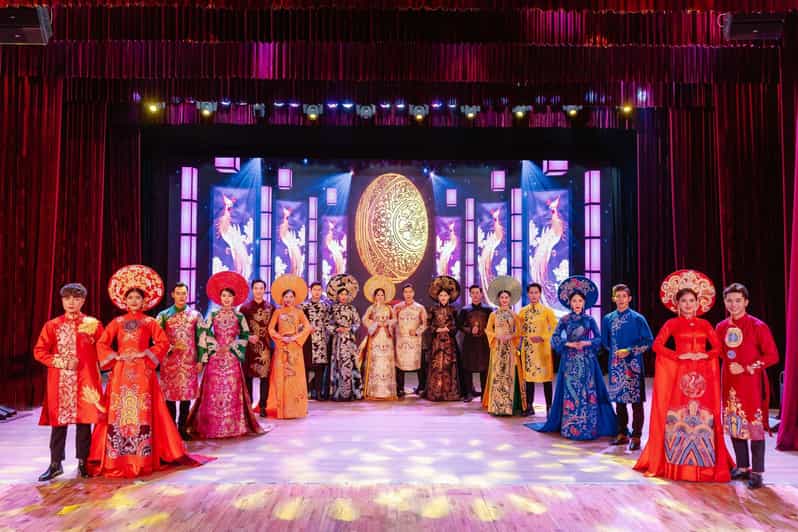
- Nguyen Dynasty focus: royal-palace scenes with dignified costumes for kings, mandarins, empress dowagers, and maidens
- About 300 years of Ao Dai in costume form: from court styles to simpler market life and later fashion
- Stories you can follow in English: English narrative support shown alongside the stage
- Iconic set pieces: traditional wedding rituals, lotus symbolism dance, and classic white school Ao Dai
- You’re not just watching clothes: each segment links the Ao Dai to culture, education, and community life
- Included extras: refreshments plus a small gift with the ticket
Da Nang’s Ao Dai Show in one glance: what it’s really about
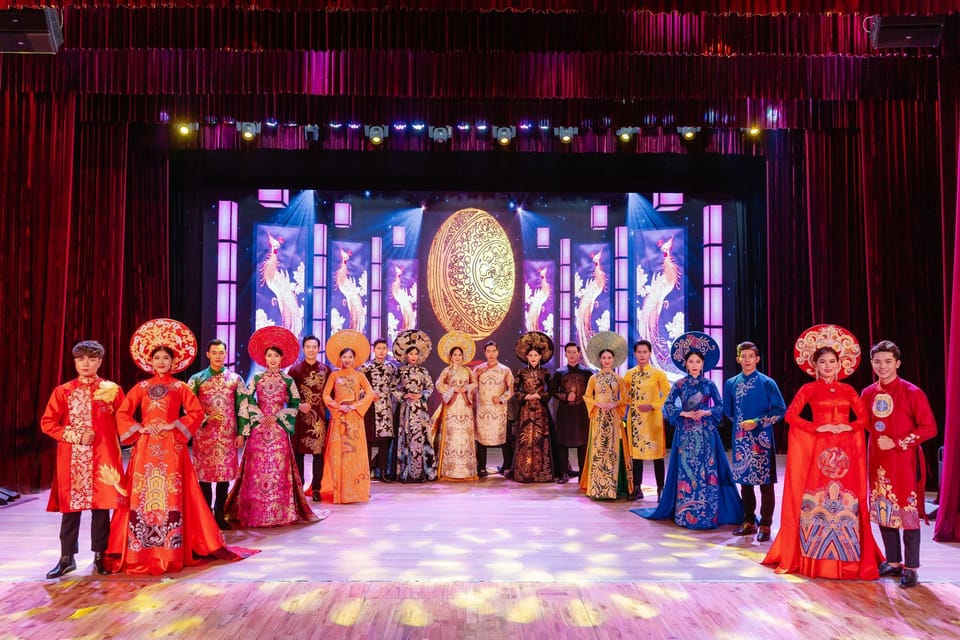
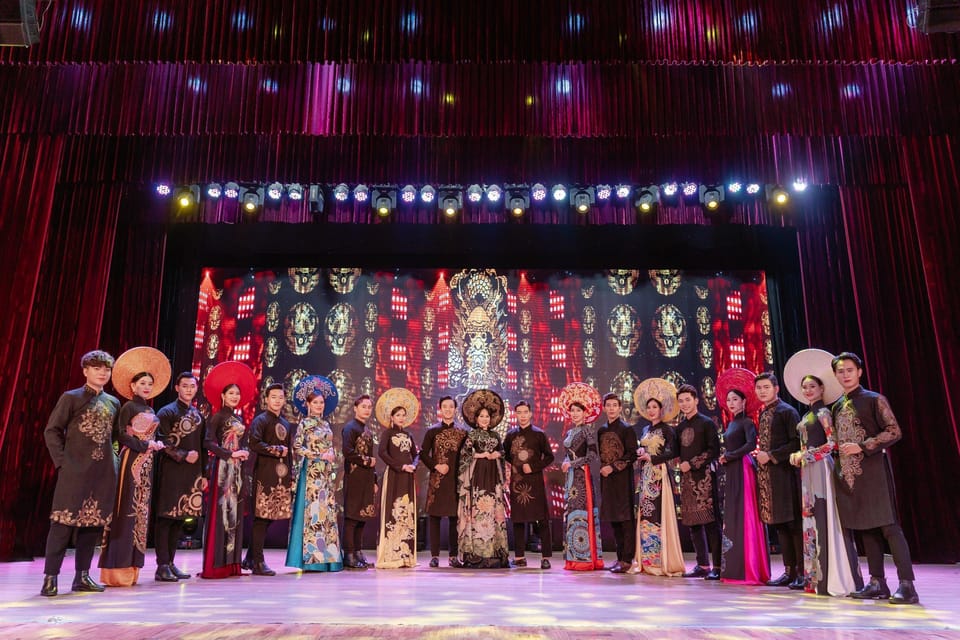
If Da Nang feels like a beach-and-food stop (and it is), this show adds the other half of the story: how Vietnam dresses, believes, and teaches values. The Ao Dai isn’t just pretty clothing. In this performance, it becomes a timeline. You watch scenes progress from royal court life to folk life, then into moments that feel closer to modern Vietnam—without losing the thread of tradition.
The structure matters. Instead of dumping facts in a lecture format, the show uses recognizable “chapters”: the royal palace, old-market trading life, wedding rituals, the lotus dance, school uniform symbolism, and a final wrap-up that ties the Ao Dai story together. That’s why it works even if you only understand some Vietnamese or none at all.
And yes, costumes steal the show. But the best part is that the costumes are tied to meaning. You’ll see the Ao Dai as Vietnam’s national dress since the Nguyen Dynasty, and you’ll also see how style and symbolism changed as society changed.
You can also read our reviews of more tours and experiences in Da Nang



Where to go: Culture House of Ngu Hanh Son District
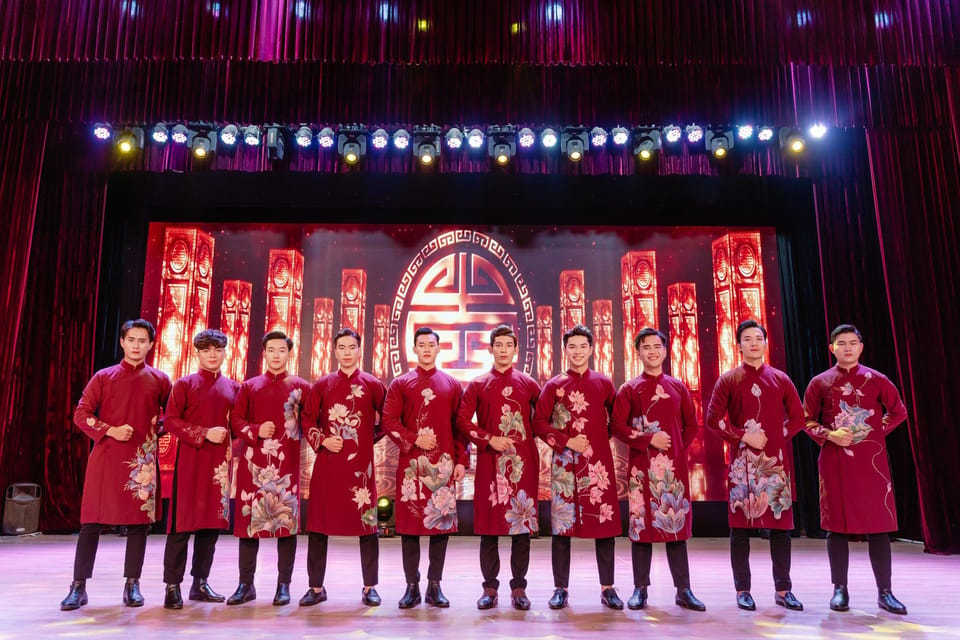
You’ll meet at the Culture House of Ngu Hanh Son District. That’s your anchor point in Da Nang: it’s not a scattered venue or a maze of pickup stops. When you arrive, you’ll check in with the team and provide your name and booking number for entrance access.
I like that there’s an English host or greeter. Even if you’re tired from travel, you won’t be left guessing what happens next. Also, the venue is listed as wheelchair accessible, which is a practical win for anyone who needs it.
Timing that won’t stress you out
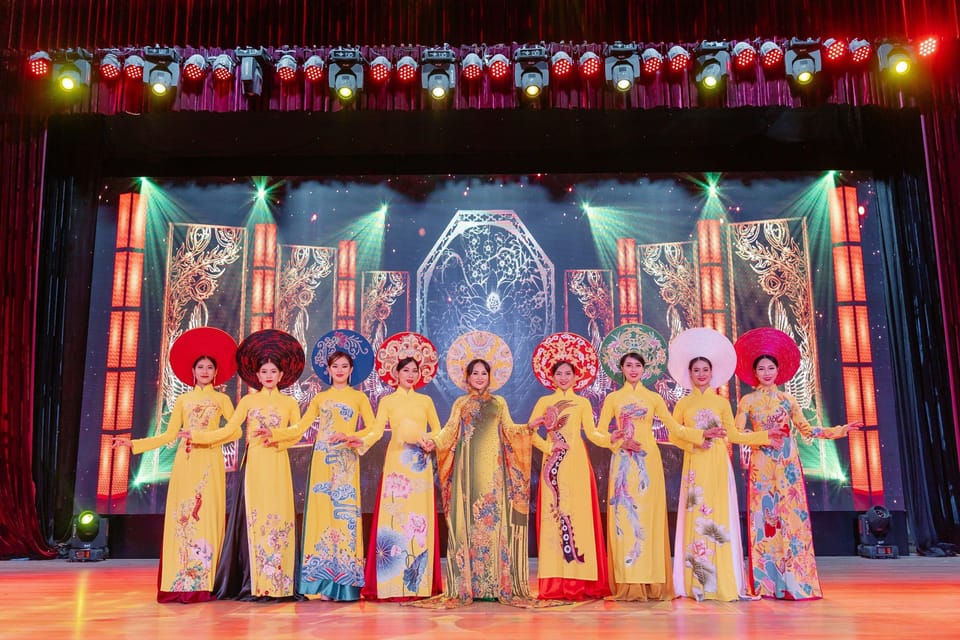
This activity is valid for one day, but the main event is a performance slot. The key practical rule is simple: arrive at least 15 minutes early. That’s enough time to check in, find your seat, and get comfortable before the narrative ramps up.
From the experience outline, you’re looking at about an hour of show time once you’re seated. Plan the rest of your evening around that. If you’re stacking dinner immediately before, build a cushion—costumes and staging can make you want a clean arrival.
What’s included (and why it adds value)
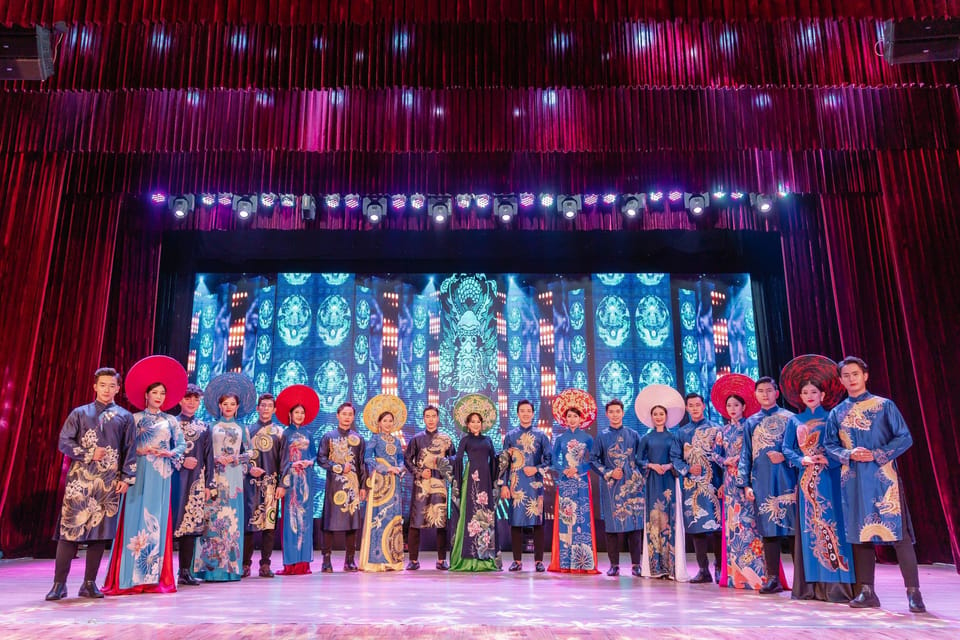
The ticket includes:
- The Ao Dai Show entrance ticket
- Refreshments
- A small gift
For a show-based experience, that’s meaningful. Refreshments help you avoid turning the evening into a frantic hunt for water or snacks right after the performance begins. The gift is small, but it’s still part of why this feels like a complete package rather than a ticket-only viewing.
Transportation isn’t included. If you’re staying in central areas, you might find it easy to reach by taxi or ride-hailing. If your hotel is far out, price in the transfer cost so you don’t get surprised.
Performance breakdown: how each scene teaches Vietnamese culture
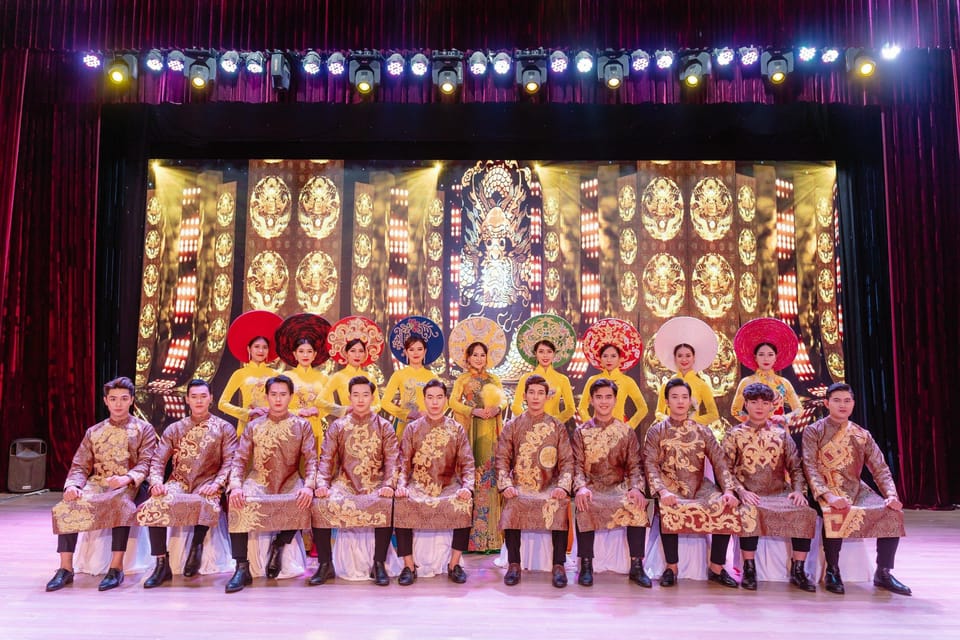
Think of this as a guided visual story with costume changes acting like chapter breaks. Here’s how the main segments connect.





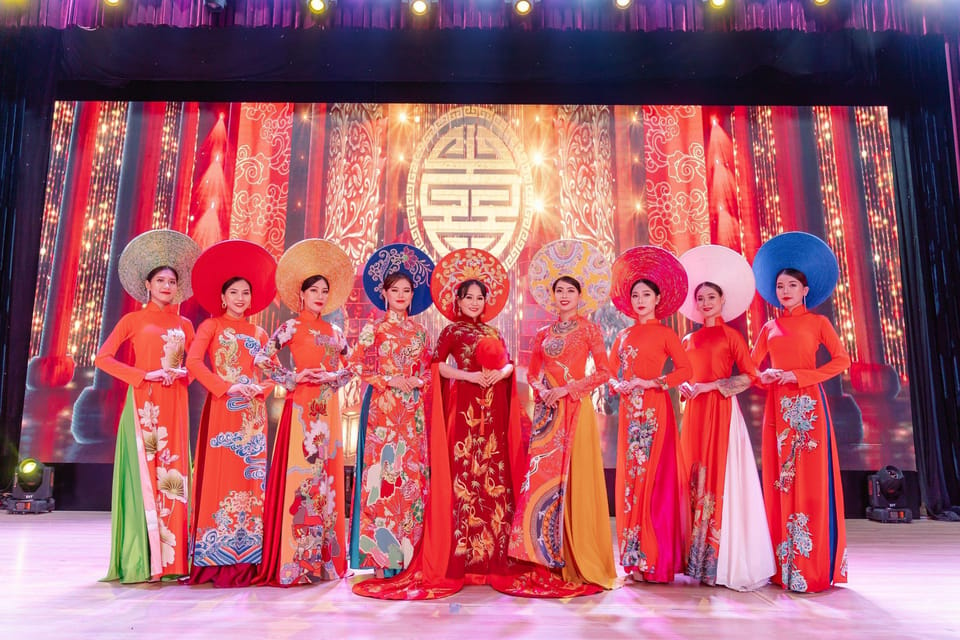
1) The Nguyen Dynasty: Royal Palace dignity in costume form
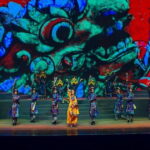
The show opens with the Timbre of the Royal Palace segment. This is where the mood shifts instantly: kings, mandarins, empress dowagers, and maidens appear in royal-style costumes that aim for dignity and majesty.
You’re not expected to memorize details. The value is how fast you grasp hierarchy and court culture. Royal scenes also give context for why the Ao Dai mattered in public identity—court fashion wasn’t random. It signaled status, role, and cultural continuity.
2) 300 Years of Ancient Vietnamese Ao Dai: court to everyday market life
Next comes a big one: 300 Years Of Ancient Vietnamese Ao Dai. You’ll see a replica of an old market scene, tied to the trade world from about the 17th to 19th centuries.
This part works because it contrasts “court” and “folk” life. The show presents people in old Ao Dai as simple, humble, elegant, and reverent. That framing matters: it treats clothing as part of daily values, not just a fashion statement.
You’ll also get a clear sense that the Ao Dai didn’t just sit in palaces. It moved through society alongside commerce, community life, and shared traditions.
3) Traditional Vietnamese Wedding: rituals past and present
Then the traditional wedding segment brings in celebration and ceremony. The show captures wedding beauty and ritual standards both from the past and in a modern mirror.
This is the segment that often turns a costume show into a cultural story you can feel. Weddings are one of the most emotionally readable cultural moments, even when you don’t speak the language. You’ll understand what’s “important” in the ritual simply by how the scene is staged.
4) Lotus Dance: national flower symbolism in motion
The lotus dance is inspired by Vietnam’s national flower. The choreography blends traditional and contemporary movement and pairs it with sweet melodies.
What I like here is the symbolism-to-visual connection. The lotus stands for purity and elegance. You don’t need background reading to get the idea because the dance language supports it.
If you enjoy performances where theme drives movement—rather than the movement being random—this is a highlight.
5) White Ao Dai schoolgirls: education, character, and everyday discipline
One of the most recognizable pieces is the white Ao Dai Vietnamese school uniform segment. It’s tied to Dong Khanh, described as the inaugural girls’ school in Vietnam.
The show frames the girls’ uniforms as symbols of dreamy, graceful students aiming for education. It also points to character traits: simplicity, politeness, humility, and delicate communication, plus skills in childcare and family care.
This segment adds something important that many “cultural fashion” shows miss. It shows clothing as linked to social training—how young people are shaped to contribute to families and society.
6) The Ao Dai show finale: bridging royal court and ordinary people
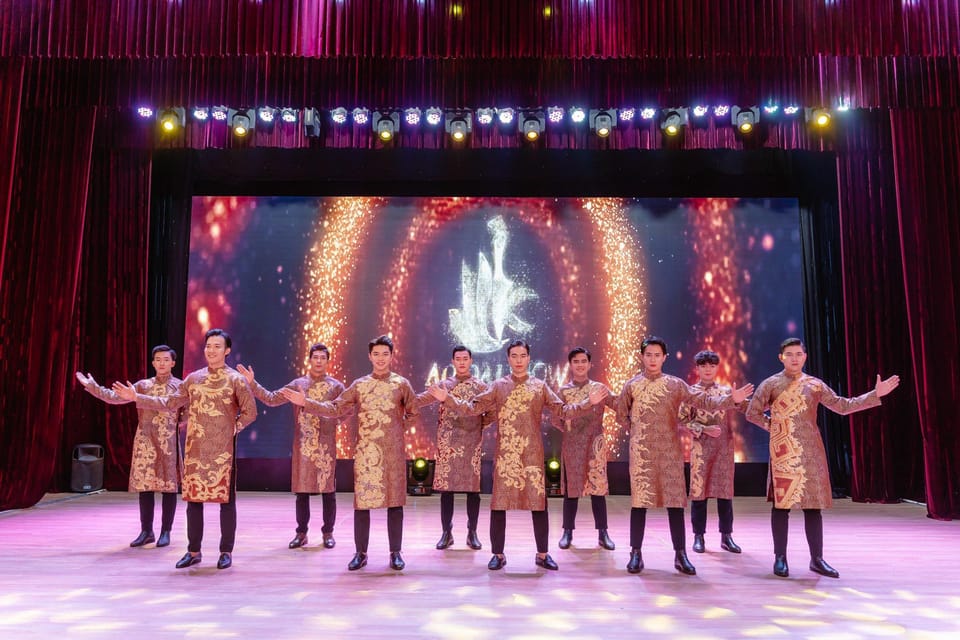
The final Ao Dai Show ties everything together. It narrates Vietnamese history and culture from ancient times to the present and explicitly bridges the gap between royal court and ordinary people.
This is where you’ll appreciate the real reason the show exists. You’re watching a timeline of how the Ao Dai evolved over time while still staying connected to identity. It’s not just style. It’s cultural continuity with changes you can spot through the costumes.
Bonus effect: English narration makes the timeline usable
What makes the show feel “easy” for visitors is the English support. The narrative appears on stage on either side, so you can track what’s happening while the costumes and scenes change. That reduces that awkward feeling of watching something cool but only half-understanding it.
Seats and viewing comfort: arriving on time pays off
I’d treat seat quality as part of the value. In the experience you’ll be aiming for, seats are allocated and kept despite late-ish arrivals; one account described showing up only about five minutes before the start and still getting great seats.
That said, don’t gamble. Arrive 15 minutes early. The show includes multiple costume changes and staging beats, so being settled helps you enjoy the first segment instead of spending it scanning for where to sit.
Also, the experience is wheelchair accessible, so the venue planning likely accounts for basic movement and entry needs.
Price and value: why about $17 is fair
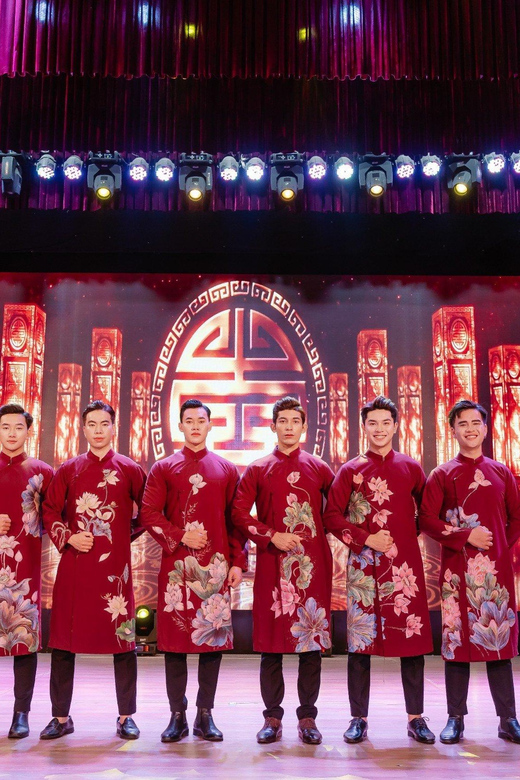
At $17 per person, you’re paying for more than a dance show. You’re getting:
- a guided cultural timeline told through multiple historical and social scenes
- English narration support so you can actually follow the story
- refreshments and a small gift included in the ticket
For Central Vietnam, this kind of ticket is a good use of time because it doesn’t require a half-day transport plan. You can go, understand a lot quickly, and then continue your day or evening without a complicated wraparound itinerary.
If you like cultural performances where the theme is clear and the pacing is designed for a mixed audience, the value is strong. If you dislike staged performances in general, you might prefer a museum or a walking tour instead.
Who should book the Ao Dai Show (and who might skip it)
This experience is a great fit if you:
- want a fast, enjoyable way to learn Vietnamese culture through visual storytelling
- like costuming and choreography, especially when there’s an explanation attached
- prefer English-friendly context rather than guessing what you’re seeing
- are traveling with someone who will appreciate elegance and spectacle
You might skip it if you:
- want hands-on interaction or workshops
- strongly dislike performances and would rather do an activity you can control moment-to-moment
- plan to go for a purely academic deep dive; this is designed to be accessible and entertaining, not a textbook
Tips to make your evening smoother
- Arrive early so you can settle before the royal palace segment starts.
- Wear something comfortable. You’ll likely sit for around an hour and you want to focus on visuals.
- Keep an eye on the English narrative shown on stage. It helps you connect each costume change to the story.
- If you’re camera-happy, decide in advance how you’ll use your photos. The show is costume-focused, so you’ll get plenty of visual moments.
Should you book this Ao Dai Show in Da Nang?
Yes, if you want an easy cultural evening that connects history, symbolism, and Vietnamese identity in a way you can follow. The show’s strongest asset is the way it uses the Ao Dai as a storytelling device—from royal life to market life, weddings, school uniforms, and a lotus-themed performance—then ties it all together in a clear finale.
I’d skip it only if you’re already burned out on seated performances or you need something more hands-on. Otherwise, this is an efficient, good-value stop that gives you real context for how the Ao Dai became such an enduring national symbol.
FAQ
What is the Da Nang Ao Dai Show?
It’s a one-day ticketed performance at the Culture House of Ngu Hanh Son District. The show narrates Vietnamese culture and history through themed scenes and Ao Dai costumes, with English narration support.
How long does the show last?
The performance runs for about an hour once it starts.
What should I bring or do at check-in?
Bring your name and booking number. You’ll show these for entrance access when you arrive.
What language is the show available in?
The show includes English. The host or greeter is also listed as English-speaking, and English narration support is displayed to help you follow along.
What’s included in the ticket price?
Your ticket includes the Ao Dai Show entrance ticket, refreshments, and a small gift.
Is transportation included?
Transportation is not included. You’ll need to plan how you get to the Culture House of Ngu Hanh Son District on your own.