
REVIEW · HANOI
From Hanoi: 2-Days Sapa Trekking Tour Lao Chai and Cat Cat
Book on GetYourGuide →Operated by Anny Travel · Bookable on GetYourGuide
Sapa is all about steep paths and real mountain villages. This 2-day tour from Hanoi uses a mix of limousine comfort and guided walking to get you from town viewpoints to places like Cat Cat and the rice-terrace route around Lao Chai and Ta Van.
What I really like is the focus on ethnic communities you actually meet, plus the structure: you get a clear Day 1 downhill trek to a waterfall in Cat Cat and a Day 2 route through terraces and streams. One thing to weigh is the “mountain weather + muddy trails” risk, especially on longer walks, plus the experience can feel a bit rushed because you’re packing a lot into two days and switching transport a few times.
In This Review
- Key things that make this Sapa tour worth your time
- From Hanoi to Sapa: what the trip feels like in real life
- The Day 1 plan: Hanoi pickup, Lao Cai costumes, and Cat Cat’s waterfall
- Leaving Hanoi and stopping in Lao Cai
- Lunch in Sapa and a short Cat Cat descent
- The waterfall visit and the French hydraulic power station
- Evening in Sapa Town: use it well
- The Day 2 plan: rice terraces to Lao Chai, then Dzay life at Ta Van
- Packing light and storing luggage
- Lao Chai route: rice terraces, Muong Hoa streams, and Black H’mong villages
- Ta Van village: Dzay community and a longer walking stretch
- Getting back: Ta Van Bridge and lunch in Sapa
- What the tour gets right (and what can feel off)
- Strong points to bank on
- Points you should consider before booking
- Price and value: is $92 a fair deal?
- Who this tour suits best
- Practical tips that will make your two days easier
- Final call: should you book this Sapa trekking tour?
- FAQ
- How long is the Sapa tour from Hanoi?
- What places do you visit during the trek?
- How much trekking is involved on each day?
- Is there an overnight stay in Sapa?
- What language is the tour guide?
- Who should not join this tour?
Key things that make this Sapa tour worth your time

- Luxury limousine to Sapa makes the long ride less painful, even when the schedule is tight
- Cat Cat village trek to the waterfall (about 3 km, ~2 hours) includes local context on Black H’mong life
- Lao Chai + Ta Van trekking day (about 9–12 km, ~3.5 hours) follows rice terraces and the Muong Hoa stream
- English-speaking live guide, with itinerary support that adjusts the route to your trekking ability
- An overnight stay in Sapa, so you’re not racing back to Hanoi the same day
- Trails can be muddy and safety can vary in foggy or drizzly weather, especially on longer sections
From Hanoi to Sapa: what the trip feels like in real life

This is a classic “most famous villages in two days” format, built for people who want mountain views and ethnic culture without doing the logistics yourself. You start in Hanoi’s Old Quarter, then head north by road to Sapa. It’s a long transfer day, but the tour is designed to soften the ride with a limousine-style journey and planned breaks.
After you arrive, you don’t just do a quick look. The day is built around a guided trek and two anchor villages: Cat Cat on Day 1, then Lao Chai and Ta Van on Day 2. That rhythm matters. It keeps you moving through Sapa’s surrounding valleys rather than staying stuck in town.
You can also read our reviews of more hiking tours in Hanoi



The Day 1 plan: Hanoi pickup, Lao Cai costumes, and Cat Cat’s waterfall
Leaving Hanoi and stopping in Lao Cai
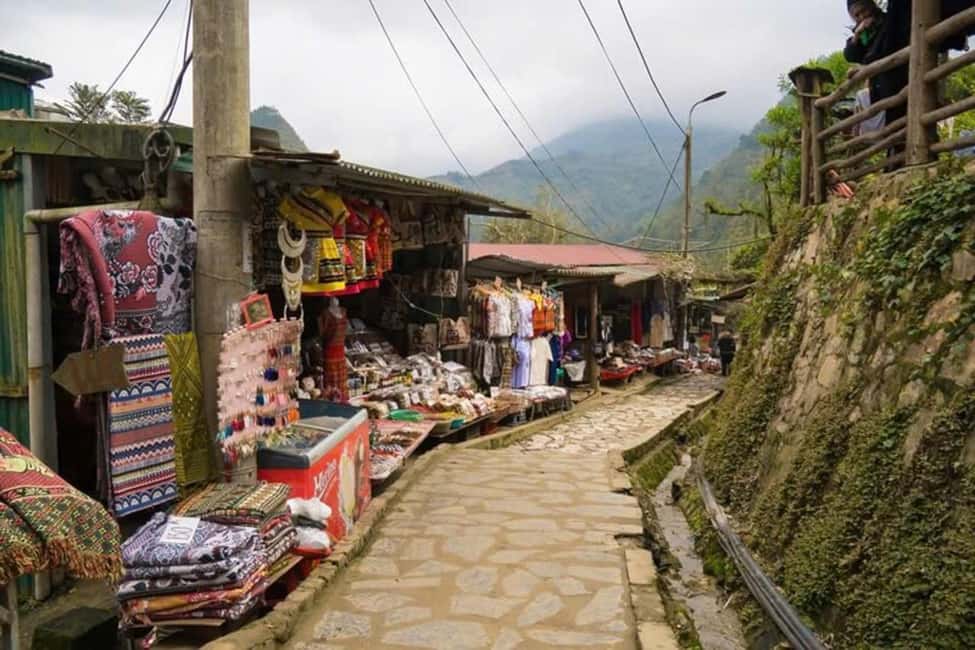
You’ll be picked up from your hotel in Hanoi Old Quarter, then travel via expressway toward Lao Cai and onward to Sapa. There’s a stop in Lao Cai city for breakfast on your own, plus a look at how different ethnic groups dress in the region, including H’mong, Dzao, and Tay.
This first pause is more than a break. It gives you a quick visual “orientation” before you reach Sapa’s higher altitude, where temperatures can feel colder and fog can roll in fast. If you’re the type who likes to understand what you’re seeing, this stop helps.
Lunch in Sapa and a short Cat Cat descent
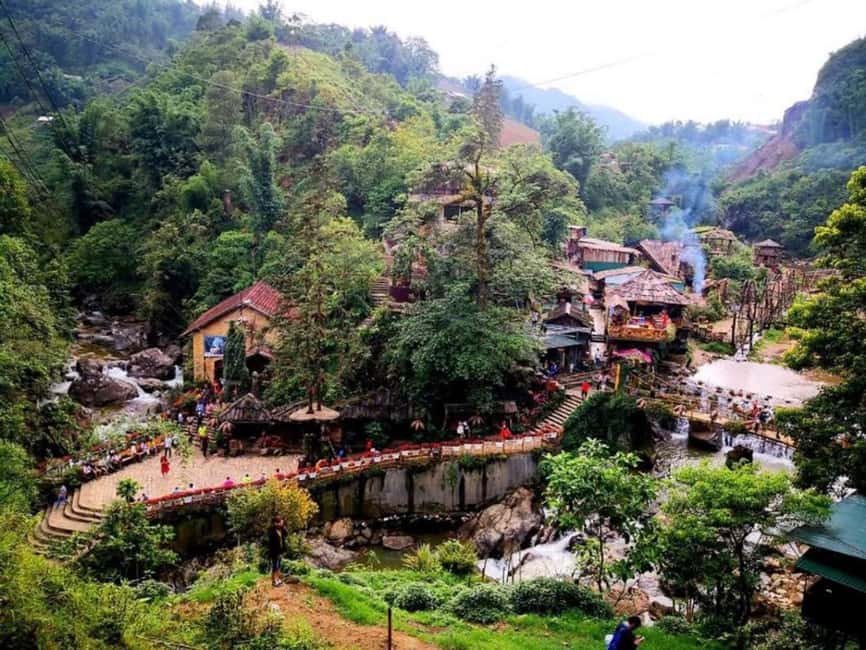
Once you reach Sapa, you’ll have lunch at the hotel. Then you head out for the Cat Cat portion, described as a short trek to the Cat Cat village area, home of the Black H’mong. Cat Cat sits near the bottom of a deep valley at the foot of Fansipan Peak.
The trekking time is modest: about 3 km and roughly 2 hours, and it’s built as a downhill-and-back style walk. That’s a good fit for a first trekking day because you’re getting scenery and village life without committing to the kind of distance that can punish you before you even see your Day 2 route.
The waterfall visit and the French hydraulic power station
A key moment is the walk down to a waterfall where a French-built hydraulic power station once operated. You’ll stop for photos, then climb back uphill.
This part of the trek is worth it because it mixes three things you’ll care about: a physical walk, a clear landmark (the waterfall), and a story tied to how the area was engineered in the past. Even if the weather is grey, the valley setting is still dramatic.
You can also read our reviews of more tours and experiences in Hanoi




Evening in Sapa Town: use it well
After the return to Sapa town, the evening is yours. That’s the right time to grab dinner, check the next day’s weather, and decide what pace you’ll use for the longer trek.
If you’re sensitive to altitude chill, this is also your buffer time. Bring warm layers from the start, not after you regret it.
The Day 2 plan: rice terraces to Lao Chai, then Dzay life at Ta Van

Packing light and storing luggage
Day 2 starts with breakfast at your hotel. You’ll take a light pack for trekking and keep your main luggage at reception. This detail matters because it reduces stress during the walk and helps you stay focused on the route rather than hauling bags uphill and downhill.
Lao Chai route: rice terraces, Muong Hoa streams, and Black H’mong villages
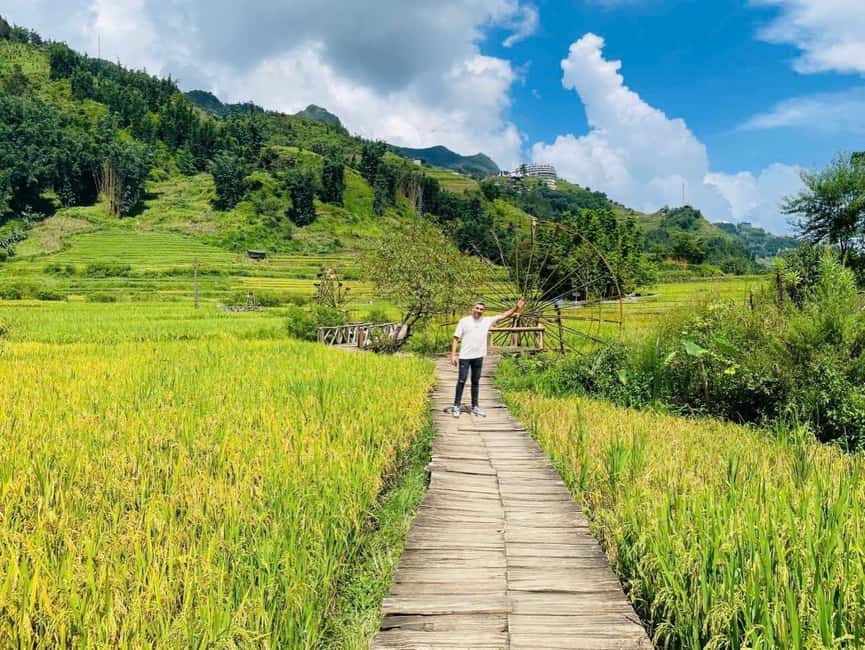
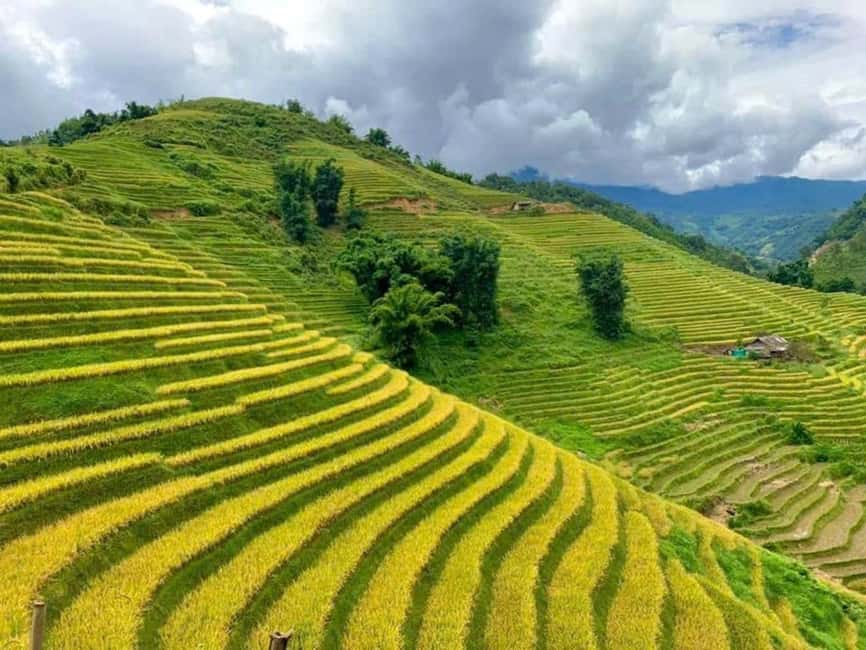
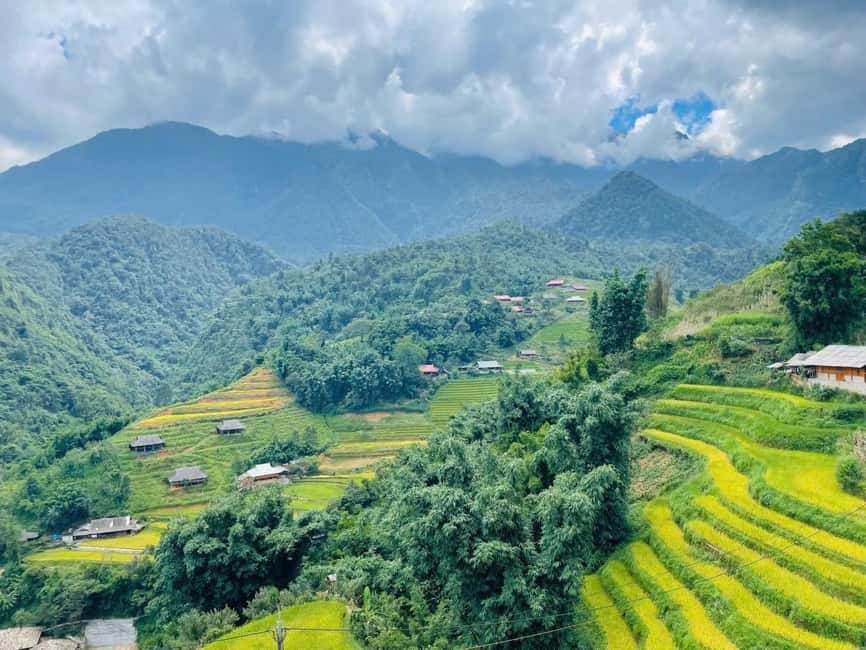
You’ll trek from the Sapa side toward Lao Chai Village, passing rice terraces and walking along the Muong Hoa stream. The route connects you to Black H’mong areas in the region.
You’ll also get broad mountain views of Hoang Lien Son as you go. The “why it’s valuable” here is simple: terraces and streams aren’t just scenery. They explain how people farm and live with steep terrain. On a guided trip, you’re less likely to miss the small clues that make the walk meaningful.
Ta Van village: Dzay community and a longer walking stretch
Next, you continue toward Ta Van village, described as home of the Dzay people. The walk on this day is about 3.5 hours with a distance in the range of 9–12 km, depending on your ability and how the guide adjusts the plan.
That flexibility is important. On paper, “9–12 km” sounds like a range. In practice, it can mean the difference between a manageable day and a miserable slog—especially when rain turns paths into slick mud.
Getting back: Ta Van Bridge and lunch in Sapa
After trekking, the bus picks you up at Ta Van Bridge and returns you to central Sapa. You’ll have lunch at the hotel, then get time to explore on your own.
Toward mid-afternoon, you regroup and head back to Hanoi around 14:00, with a break during the drive. You arrive back late evening.
What the tour gets right (and what can feel off)
Strong points to bank on
This tour’s best feature is the way it mixes guided walking with well-chosen village stops. You get:
- a downhill valley trek to Cat Cat’s waterfall and power-station site
- a second day that follows rice terraces and a stream, which makes the trek feel more than just “walking for walking’s sake”
- an English-speaking live guide who helps shape the trek pacing
Also, the overnight in Sapa is a big quality-of-life win. You’re not just doing a long sightseeing hit-and-run. Having a night in the mountains gives you breathing room for dinner, sleep, and a more realistic start on Day 2.
Points you should consider before booking
Two issues show up in real-world experiences with this kind of tight schedule.
First, the plan can feel fast. You’re switching between transport legs, meals, treks, and meeting points while trying to cover multiple villages in two days. If you get grumpy when timelines get tight, you’ll want a calm mindset.
Second, trail conditions can swing. In foggy or drizzly weather, longer sections can turn into muddy ground, and that’s when footing and safety matter most. You should plan as if the path might be slippery—because you’ll be happier if it’s just wet, rather than shocked if it’s unpleasant.
Price and value: is $92 a fair deal?
At $92 per person for a 2-day tour with an overnight stay, guided trekking, meals, and an English-speaking guide, the price is in the “good if you match the style” zone.
It’s better value if you want:
- guided routes to Lao Chai and Ta Van (so you don’t have to figure out village-to-village logistics)
- the famous Cat Cat stop without needing to travel independently
- the comfort of limousine-style transport for the Hanoi–Sapa transfer
Where the value can drop is if you expected a slow, deep, off-the-beaten-path hiking adventure. This trip is built to cover the major names of the region in limited time. If that’s what you want, $92 can feel like a bargain. If you’re chasing a long backcountry day, you might feel the pacing is more sightseeing-heavy than you hoped.
Who this tour suits best

This tour is a strong match for:
- adults who want a guided Sapa introduction with recognizable villages (Cat Cat, Lao Chai, Ta Van)
- travelers who prefer a clear itinerary and don’t want to manage transport and meeting points alone
- people who can handle moderate daily trekking, especially Day 2’s 9–12 km range
It’s not suitable for children under 8, pregnant women, or people with back or heart problems. If you have any doubt about physical fit, stick to what your body can do rather than pushing for the full distance.
Practical tips that will make your two days easier
- Wear proper trekking shoes. Wet earth plus steep paths is no joke in northern Vietnam.
- Pack warm layers. Sapa conditions can shift quickly. Warm clothing is explicitly recommended for a reason.
- Bring a light day pack for Day 2. You’ll store the rest at reception, but you’ll still be out walking for hours.
- Expect a schedule that moves. Even with free time in Sapa, the overall structure is time-boxed.
- Be ready for limited transport clarity at times. Some rides involve bus transfers or drivers who may not speak English much, so keep your guide’s meeting points and timings in mind.
- Keep an eye on trail conditions. If it’s foggy or drizzly, slow down and choose stable steps.
Final call: should you book this Sapa trekking tour?
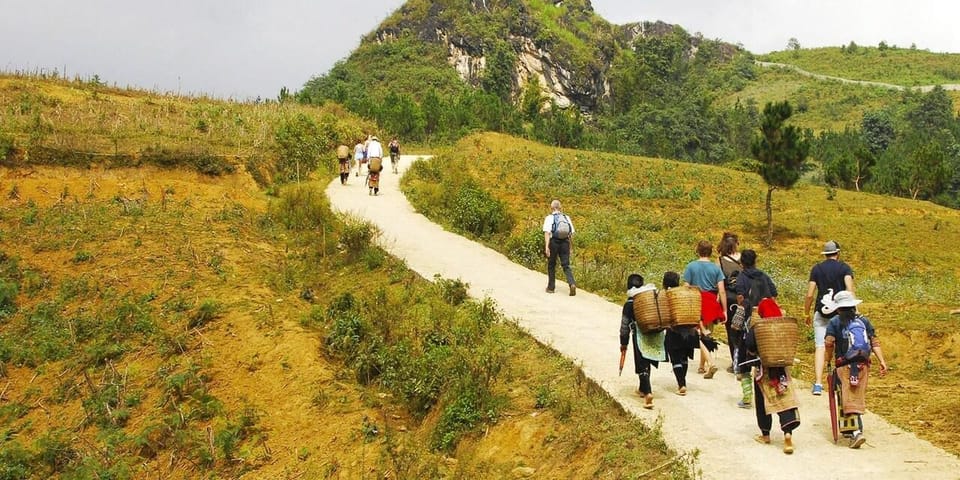
I’d book this tour if you want a solid two-day Sapa hit that includes Cat Cat, Lao Chai, and Ta Van, plus guided context and an overnight in Sapa. The combination of an organized itinerary, an English-speaking guide, and village-focused trekking is the reason this works.
I would hesitate if you’re hoping for a long, slow, minimalist hiking experience, or if you dislike being on a tight timeline with shifting road legs. Also, if bad weather usually ruins your day, take extra care with shoes, layers, and expectations for muddy ground.
If you go in knowing it’s a “best-known villages in 48 hours” plan, you’ll likely come away with stories and photos that feel connected to real mountain life.
FAQ
How long is the Sapa tour from Hanoi?
The tour runs 2 days. You leave Hanoi on Day 1 and return to Hanoi in the late evening on Day 2, with the bus departing around 14:00.
What places do you visit during the trek?
You’ll see Cat Cat village, Lao Chai, and Ta Van. The tour highlights also mention Giang Ta Chai as one of the popular attractions.
How much trekking is involved on each day?
Day 1 includes a trek of about 3 km lasting around 2 hours to Cat Cat. Day 2 includes a trek of about 9–12 km lasting around 3.5 hours, with the route adjusted based on your trekking ability.
Is there an overnight stay in Sapa?
Yes. You’ll stay overnight in Sapa, with the experience described as including a hotel in a picturesque location (and the broader program also mentions hotel or homestay accommodation).
What language is the tour guide?
The tour provides a live guide in English.
Who should not join this tour?
It is not suitable for children under 8, pregnant women, people with back problems, or people with heart problems. Comfortable shoes and warm clothing are recommended.