REVIEW · HANOI
From Hanoi: 2-Day Sapa, Fansipan, and Muong Hoa Valley Tour
Book on GetYourGuide →Operated by Vietnam Nomadtrails · Bookable on GetYourGuide
Fansipan plus Muong Hoa Valley is what sells this 2-day North Vietnam escape. You start with a long, scenic ride from Hanoi to Sa Pa, spend time with ethnic villages along the rice terraces, then ride up to the roof of Indochina for big mountain views.
In This Review
- I like two things a lot.
- One consideration before you book.
- Key things that make this tour work
- From Hanoi to Sa Pa: the long day that sets you up for the views
- Fansipan Peak by cable car and 600 steps: worth the effort, but plan for your limits
- What you actually see on the mountain: pagoda stop plus photo time
- Muong Hoa Valley on Day 2: rice terraces, villages, and a real pace choice
- Lunch in Ta Van: eating with locals, then time to wander
- Back to Sa Pa and the Hanoi transfer: don’t lose the last hours
- Price and value: is $169 a good deal for this much ground covered?
- Who this tour suits best (and who should skip it)
- A quick reality check on weather and cancellations
- Should you book this 2-day Sapa and Fansipan tour?
- FAQ
- What time is pickup in Hanoi?
- How do I get to Fansipan Peak?
- Is the Muong Hoa Valley trek difficult?
- What villages do you visit on Day 2?
- Is lunch included?
- What’s not included in the tour price?
- What happens if weather is bad at Fansipan?
I like two things a lot.
I love the small-group vibe, limited to 10 participants, so you’re not fighting for space on the trails and viewpoints. I also like how the local English-speaking guide can turn the day into something personal, with examples like Sue and Chia sharing village life, rice work, and even natural dyeing during the trek.
One consideration before you book.

This isn’t a sit-and-snap photo tour. Between the 600 steps at Fansipan and the muddy, sometimes slippery trek through Muong Hoa, it’s best for travelers who can handle a few hours on uneven ground and accept weather may affect the mountain portion.
You can also read our reviews of more tours and experiences in Hanoi


Key things that make this tour work
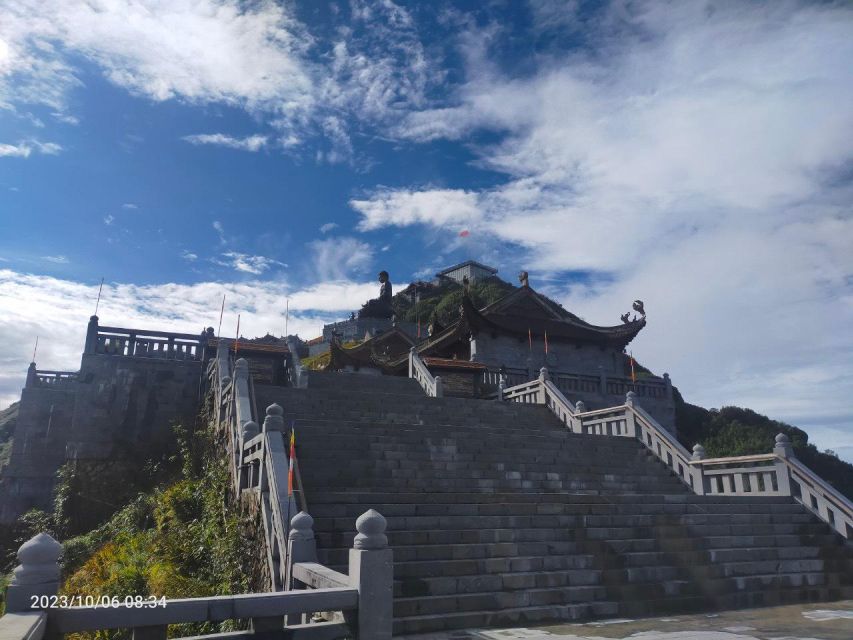
- Cable car to Fansipan: you gain altitude quickly, then still hike up the final 600 steps
- Muong Hoa rice terraces trek: you can choose a light or hard pace depending on fitness
- Village visits that feel hands-on: you’ll stop at Lao Chai and Ta Van, plus local homes and schools
- Lunch included at Ta Van: eaten in a local home setting
- Small group stays manageable: up to 10 people, plus support transport during the valley day
- Guides can bring the culture to life: Sue or Chia-style explanations of daily life, clothing, and rice cycles
From Hanoi to Sa Pa: the long day that sets you up for the views
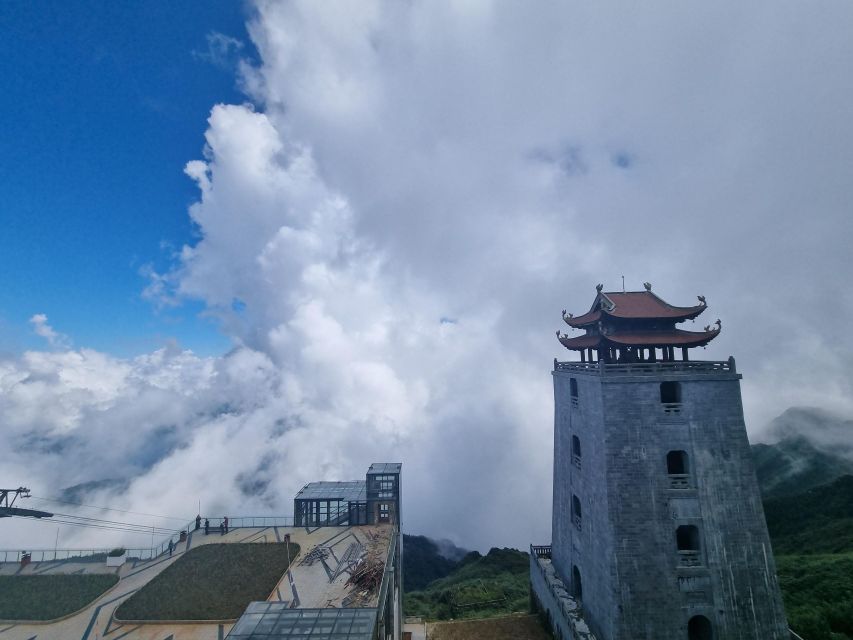
This tour starts early. Pickup is around 6:30 am from the Hanoi Old Quarter area (or your hotel in that area), then you head by highway toward Lao Cai and up into the mountains. The idea is simple: you use that travel time to get altitude and scenery before you do the big walking.
You arrive in Sa Pa around early afternoon (the plan says about 12:30). Then you’re not just dropped off and left to fend for yourself. A guide welcomes you, you check in to your 3-star hotel, and you get time for a hot shower and a short reset before the mountain segment. That check-in window matters. Sa Pa weather can shift fast, and you’ll feel better once you’ve changed clothes and topped up on water.
Practical tip: If you’re prone to motion sickness, plan accordingly. One guest noted discomfort on a bumpy ride and recommended more toilet breaks on the bus. The tour doesn’t spell out frequent stops, so use the restroom early before boarding and keep essentials in a small day bag.
Fansipan Peak by cable car and 600 steps: worth the effort, but plan for your limits
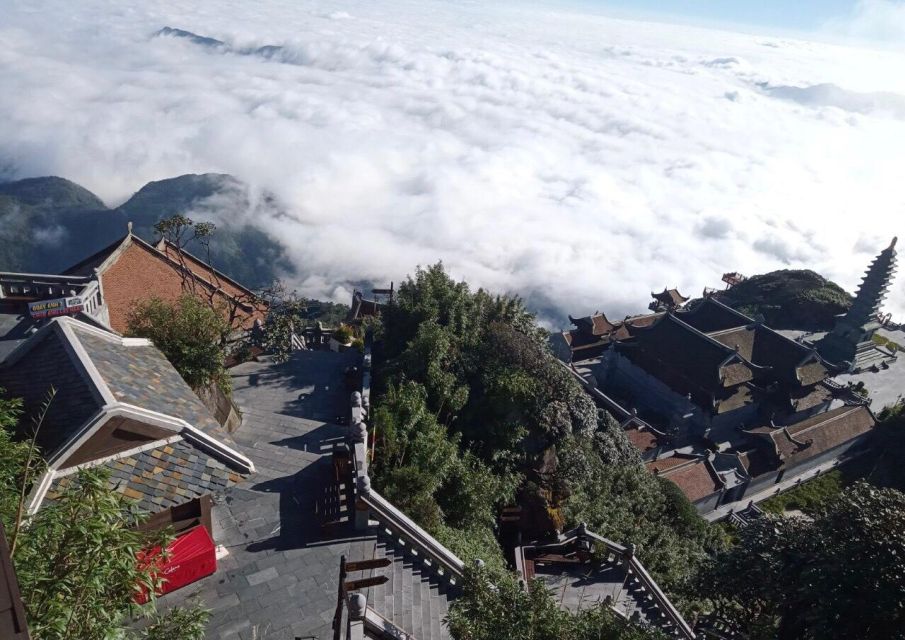
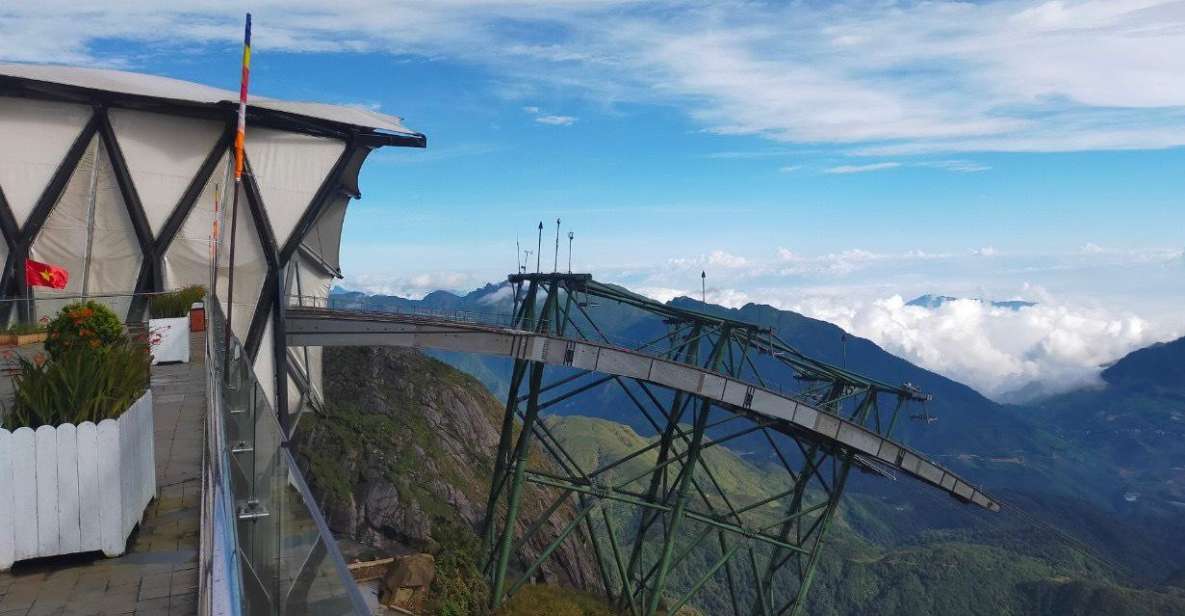
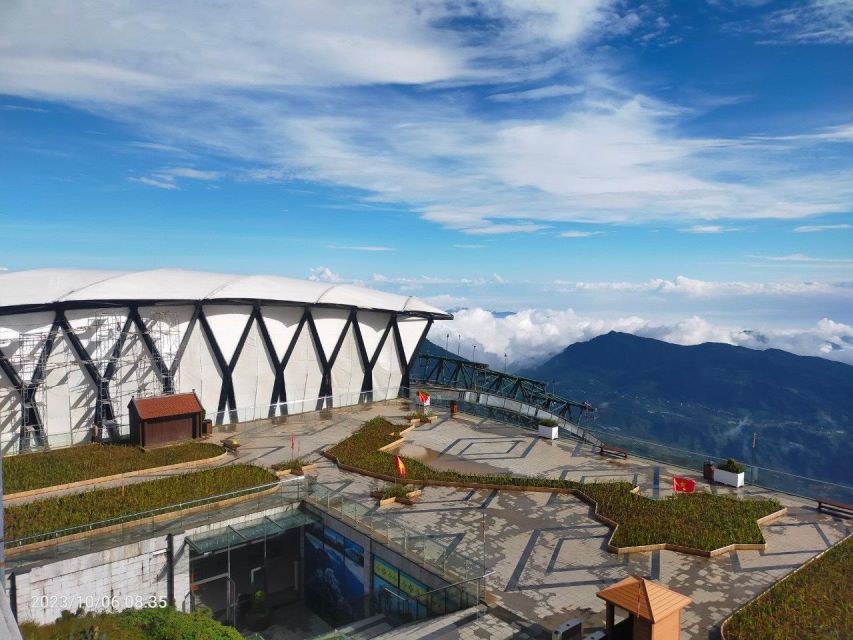
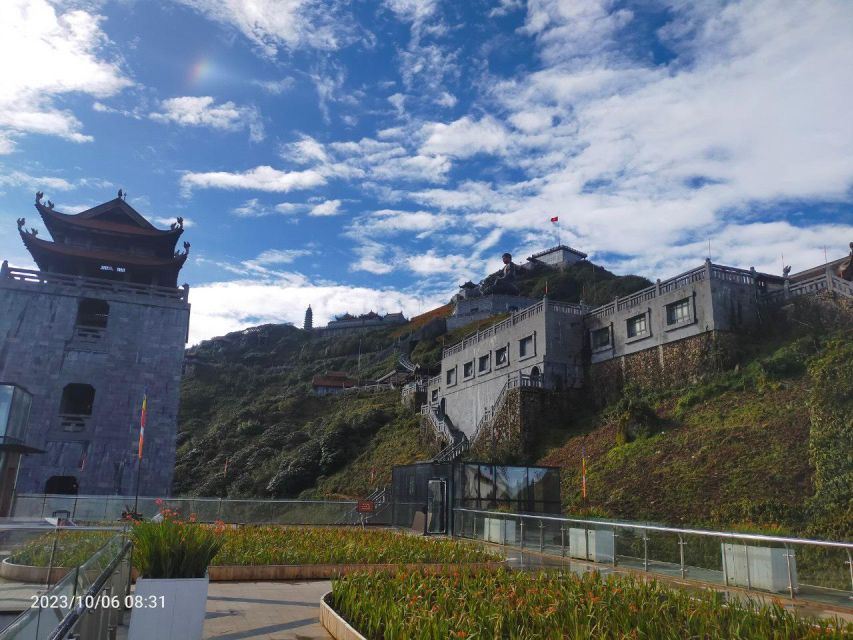
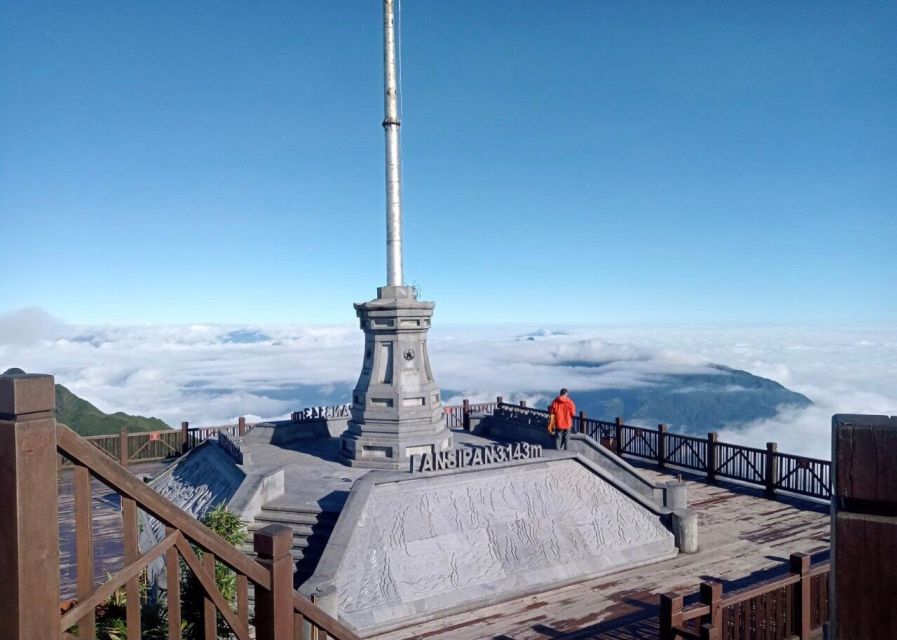
The main event on Day 1 is Fansipan Peak, which is described as the highest mountain in Vietnam and the roof of Indochina. After you settle into Sa Pa, you head to the cable car station around 2:00 pm.
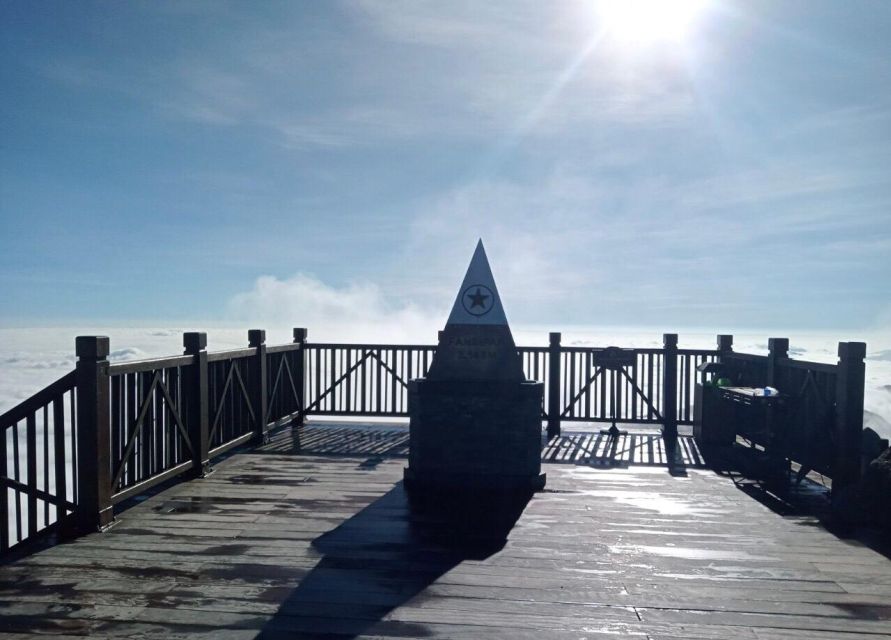
You get about 25 minutes in the cable car on the way up. The plan targets an altitude around 2,800 meters, and that height does change how the air feels. The route includes viewpoints and a pagoda/spiritual stop, then a trek up to 600 steps to reach the peak area.
Here’s the truth that helps you manage expectations: your view quality depends on the weather. The tour notes that the Fansipan trek can be delayed or cancelled in bad conditions. In clearer moments, the payoff is dramatic—big, open mountain views and that feeling of being on top of the region.
Also, this part has clear health fit notes. It’s not recommended if you have acrophobia (fear of heights), and it’s not suited for people with heart problems or high blood pressure. If you’re unsure, be honest with yourself about steep steps, crowds at peak times, and how you react in fog.
What I like about this approach is the balance. The cable car does the heavy lift, so you’re not doing a full-day climb from the valley. But you still get the satisfaction of those final steps to the top, not just a ride-and-leave.
What you actually see on the mountain: pagoda stop plus photo time
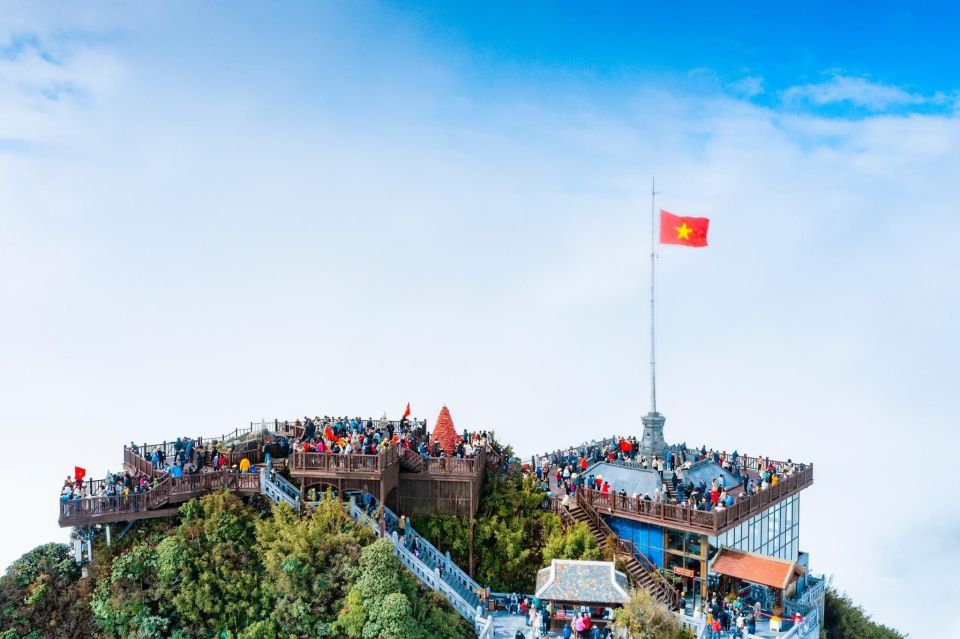
Fansipan isn’t only about height. The stop includes time for photos and visiting a pagoda, which gives the day a spiritual pacing instead of pure hustle. You’ll have enough time near the top to look around, take pictures, and orient yourself before descending.
Photo tip that saves hassle: wear sunscreen and have a layer. Even when Sa Pa is warm, higher elevation can feel cooler, and you’ll be standing still for views.
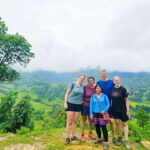
And if you get clouds lifting, you’ll likely see the difference fast. One guest described being lucky when clouds and fog cleared, revealing beautiful views. So don’t rush your best shots—pause and give the sky a few minutes to change.



Muong Hoa Valley on Day 2: rice terraces, villages, and a real pace choice
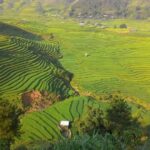
After breakfast in Sa Pa, Day 2 focuses on Muong Hoa Valley. This is where the tour shifts from peak scenery to everyday life: rice terraces, ethnic villages, and walking routes that match your stamina.
The itinerary includes stops in two major village areas:
- Lao Chai (Hmong village)
- Ta Van (Dzay village)
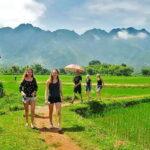
You also pass by local homes and a local school along the way, plus time for interaction with people. The tour lets you choose a light or hard trek depending on fitness level. That choice is important in practice, because the terrain in the valley can be muddy, uneven, and slippery—especially after early shower conditions or wet weather.
This is exactly where a strong guide makes a difference. Sue and Chia-style guidance (based on guest experiences) tends to go beyond pointing out scenery. You’ll hear practical stories about rice harvesting, clothing, and natural dyeing methods, and you’ll learn how people live with the seasons rather than treating the valley like a theme park.
Walking tip: bring proper hiking shoes. I’m saying it plainly—tennis shoes can fail grip in wet terraces. One guest noted they should have worn trail shoes for better traction. Plan for mud, not sand.
Lunch in Ta Van: eating with locals, then time to wander
Lunch is included and served at a local home in Ta Van. This is one of those moments that changes how you remember the day. Instead of eating quickly and moving on, you get a structured break that connects you to the community setting.
After lunch, you’ll have time to wander or take a swim in the Muong Hoa stream. Swimming isn’t required, but the fact that you get that window tells you the schedule isn’t only built around stepping forward. It also gives your body a chance to recover if the valley trek has your legs feeling it.
One note: the tour rules list that pets aren’t allowed and that you shouldn’t bring food and drinks or alcohol/drugs. You’ll want water for walking anyway, but follow the guide’s rules for anything you carry.
Back to Sa Pa and the Hanoi transfer: don’t lose the last hours
After the trek, you’re picked up by van and returned to Sa Pa town. Then you have free time to explore and wander.
That free time is short before you go back to Hanoi. The plan says transfer back around 14:30, with arrival in Hanoi around 19:30. So if you want souvenirs or a last meal, don’t treat it like an all-day shopping mission. You’ll likely have better luck keeping it simple: quick walk, photo stops, and one easy sit-down meal.
Practical note from the road: one guest called out that the overall pace felt rushed because they needed to be back in Hanoi by 2 pm. That lines up with the schedule you should expect here. If you hate time pressure, choose the trek pace that feels manageable for you, and plan to travel light.
Price and value: is $169 a good deal for this much ground covered?
At $169 per person, you’re paying for a package that includes several big cost pieces at once:
- Return bus ticket between Hanoi and Sa Pa
- Fansipan cable car return ticket
- A 3-star hotel room (deluxe double/twin/triple)
- 1 lunch and 1 breakfast
- Muong Hoa Valley sightseeing permission/fees
- English-speaking Sa Pa local guide
- Transfers from your hotel to the cable car station and back, plus transport from the village area back to Sa Pa
When you total those individually, the price starts to make sense—especially the cable car segment plus guide support plus hotel and meals. The route is also structured to avoid you planning transport and entry permissions on your own.
What’s not included is worth checking before you budget:
- Government tax (10%)
- Travel insurance
- Soft drinks
- Monorail and funicular tickets
- A French speaking guide surcharge (15 USD per person) if needed
- Lunar New Year surcharge (30 USD per person) from Jan 26 to Feb 2, 2025
For value, the biggest “feel” factor is the small group and the guide-led interaction during the valley day. You’re not just walking past villages from a distance. You’re stopping at homes/schools and sharing time with people—plus getting the cultural context that makes those stops meaningful.
Who this tour suits best (and who should skip it)
This fits you if you want:
- A two-day structure that hits both Fansipan and Muong Hoa without needing separate planning
- A guided walk through rice terraces and village areas (with light/hard trek options)
- A small-group setting (up to 10 people)
- The chance to learn about ethnic village life, like Hmong and Dzay communities, with an English-speaking guide
It may not fit if you:
- Have trouble with heights or get anxious around steep steps (acrophobia is specifically flagged)
- Have heart problems or high blood pressure
- Struggle with muddy, slippery terrain (hiking shoes matter)
- Use a wheelchair (the tour notes wheelchair users aren’t suitable)
- Are traveling with very limited mobility or you need a fully gentle itinerary
A small practical gear reminder: bring insect repellent, sunscreen, comfortable clothes, and personal medication. Also pack passport or ID card as required.
A quick reality check on weather and cancellations
Fansipan is weather-sensitive. The tour notes the Fansipan trek will be cancelled or delayed in bad weather conditions. That means your Day 1 might shift in emphasis, or you might do less at the top if conditions are poor.
The upside? The plan still builds in a guided structure with time for hotel check-in and the cable car segment, so you’re not left completely stranded. But you should still assume visibility can be hit-or-miss in fog.
If the weather looks questionable, I suggest you bring a bit of patience. One of the best views often happens when you wait a little for the clouds to move.
Should you book this 2-day Sapa and Fansipan tour?
I’d book it if you want one organized trip that covers the headline moments—Fansipan Peak and Muong Hoa Valley—with a real village trek on top. The $169 price is easier to justify than piecing together transport, cable car, hotel, and a guide yourself, and the small group keeps the day from feeling chaotic.
I would think twice if you know you can’t handle steep steps, if heights make you uneasy, or if you hate wet-mud walking. For the right fitness level and mindset, though, this is a strong way to experience Sa Pa beyond the bus-window view.
FAQ
What time is pickup in Hanoi?
Pickup is around 6:30 am from the Hanoi Old Quarter area or your hotel in the Old Quarter area.
How do I get to Fansipan Peak?
You’ll take a cable car to Fansipan, then trek up to about 600 steps to reach the peak area.
Is the Muong Hoa Valley trek difficult?
The trek includes light or hard options depending on your fitness level, and it can involve uneven, muddy ground.
What villages do you visit on Day 2?
You’ll visit Lao Chai village (Hmong) and Ta Van village (Dzay), plus stops at local homes and a local school along the way.
Is lunch included?
Yes. Lunch is included and is served at a local home in Ta Van village.
What’s not included in the tour price?
Not included: government tax (10%), travel insurance, soft drinks, monorail and funicular tickets, a possible French speaking guide surcharge of 15 USD per person, and a Lunar New Year surcharge of 30 USD per person for Jan 26 to Feb 2, 2025.
What happens if weather is bad at Fansipan?
The Fansipan trek can be cancelled or delayed in bad weather conditions.