REVIEW · HANOI
From Hanoi: 2-Day Sapa Cultural Exchange Tour with Homestay
Book on GetYourGuide →Operated by VIETNAM OPENTOUR CO LTD · Bookable on GetYourGuide
A homestay night beats another hotel stay. This 2-day Sapa cultural exchange pairs a Muong Hoa Valley trek with time in a Dzay community, so you’re not just passing through the scenery. I love that the trip handles the long Hanoi–Sapa logistics with a comfortable bus, and I also like that you get guided walking paired with real family meals and conversation. One consideration: the homestay basics and Sapa’s cold, sometimes foggy weather mean your comfort level depends on packing well and being flexible.
If you’re up for some walking, cool mountain air, and learning as you go, this tour has a strong, practical rhythm. The group stays small (up to 15), your guide is English-speaking, and the hikes are designed to be doable rather than punishing. Still, expect slippery sections in wet weather and a long day on Day 1, especially if you’re not used to trekking paths.
In This Review
- Key things I’d bank on before you go
- Paying $100 for a Sapa experience that actually includes more than hiking
- Hanoi to Sapa by sleeping bus: comfort with a schedule that feels fast
- Day 1: Y Linh Lo to Ta Van through the Muong Hoa Valley
- Ta Van homestay: what “basic” really means on a Dzay family stay
- Day 2: rice paddies, bamboo forest, and red Dzao views over Giang Ta Chai
- Guides and group size: how you get answers, not just directions
- What to pack for Sapa: cold, fog, and slippery trail reality
- Value and tradeoffs: who should say yes, and who should think twice
- Should you book this Sapa homestay trek?
- FAQ
- Where is the pickup point in Hanoi?
- How do I get to Sapa from Hanoi?
- What are the homestay facilities like?
- What meals are included?
- How long and far are the treks?
- Who shouldn’t book this tour?
Key things I’d bank on before you go
- Small-group size (max 15) keeps questions and photo stops from feeling rushed
- Sleeping bus from Hanoi saves time and gets you to Sapa for lunch
- Muong Hoa Valley walking with downhill views and rice-paddy scenery
- Ta Van Dzay homestay means a family-run night, not a staged cultural show
- Second-day photo points include a bamboo forest walk and a panoramic view over Giang Ta Chai
Paying $100 for a Sapa experience that actually includes more than hiking
At $100 per person, you’re paying for more than the trekking itself. You’re also covering the round-trip transport between Hanoi and Sapa, the English-speaking guide, and the meals across both days (1 breakfast, 2 lunches, and 1 dinner). You also get a basic bed with a mosquito net at the homestay, plus a public bathroom with hot water there.
That matters because Sapa logistics can add up fast. If you try to piece it together yourself, you usually end up spending extra time on transport coordination, and you still have to line up a guide and an overnight. Here, the structure is simple: you move with the group, your meals are handled, and your time is spent walking and talking with people, not organizing.
The tradeoff is that the homestay facilities are basic. This isn’t a spa-style stay. It’s a place run by a local family, with simple comfort—hot water is available for the bathroom, but don’t expect hotel-level finishes. If you’re the type who needs predictable comfort every minute, you’ll want to set expectations now.
You can also read our reviews of more tours and experiences in Hanoi



Hanoi to Sapa by sleeping bus: comfort with a schedule that feels fast

The day starts with pickup in the Hanoi Old Quarter area (Hoan Kiem district). If you’re staying outside that area, you’ll use the meeting point near Hong Ha Hotel on Tran Quang Khai Street (204 Tran Quang Khai Street). From there, you board a sleeping bus for the overnight-style ride up to Sapa.
This is one of those “good trade” choices. You lose some sleep, but you don’t waste a whole day on travel. The tour also includes a couple of comfort stops en route, which helps when you’re traveling with a group and don’t want the bus ride to feel endless.
A realistic note: this kind of transfer can feel a bit intense if you’re not sure what’s happening at each stage. The good news is that the plan is set—your job is to show up, keep your essentials handy, and trust that the group will hit the breaks and arrive around lunchtime.
Day 1: Y Linh Lo to Ta Van through the Muong Hoa Valley

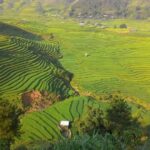
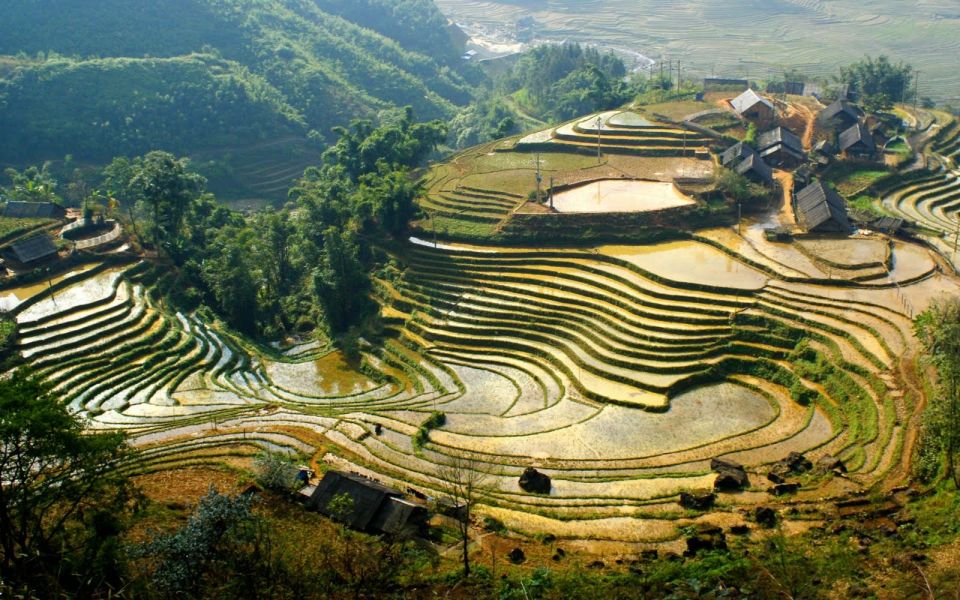
Day 1 is all about downhill walking and village life. After lunch in Sapa, you start trekking toward Y Linh Lo. From there, you move downhill through the Muong Hoa Valley, passing rice paddies and small hamlets where the guide shares how local communities live day to day.
This valley approach is the heart of the first day. You’re not just hiking between viewpoints; you’re moving through the working landscape—rice terraces, path edges, and the everyday rhythm of villages. The pace is meant to feel manageable, but reviews and on-the-ground reality point to one thing: the paths can be slippery depending on conditions, so sturdy shoes matter.
As you continue, the walk threads through villages and rice terraced fields toward Ta Van village, a Dzay settlement. Ta Van is often considered one of the most beautiful areas in the region, and you’ll feel why once you’re walking in it. Your day also includes a chance to communicate during the time spent near Lao Chai village, which adds a cultural layer beyond photos.
One small practical heads-up: on the paths, you might encounter locals walking with you or offering small items as you go. It’s part of how people connect with visitors in Sapa areas. If you’re not interested, a firm but friendly no works fine.
By late Day 1, you reach Ta Van and shift from walking to resting. That sets up what most people remember most: the homestay evening.
Ta Van homestay: what “basic” really means on a Dzay family stay
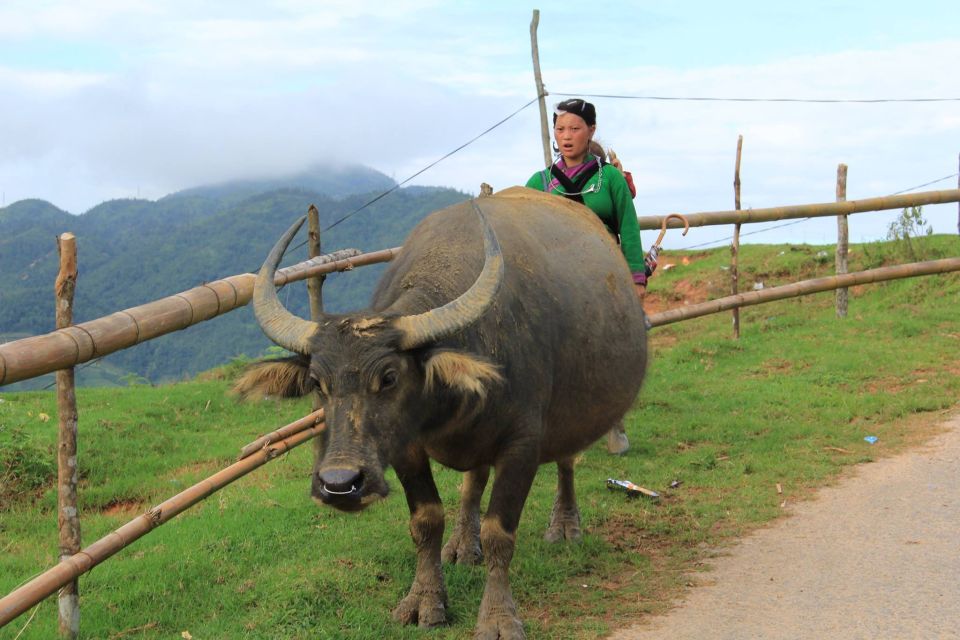
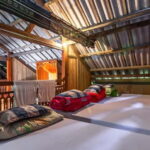
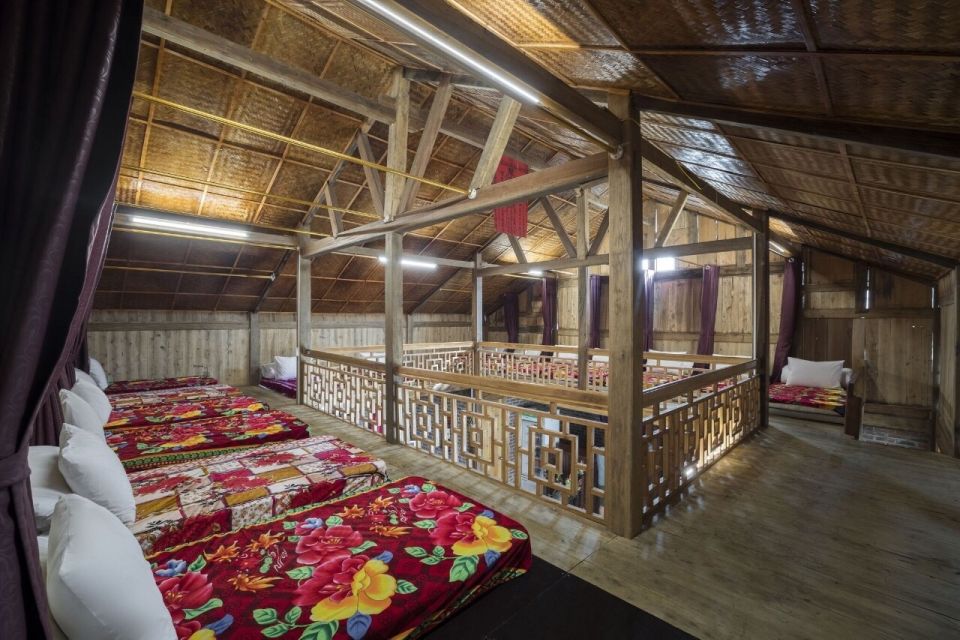
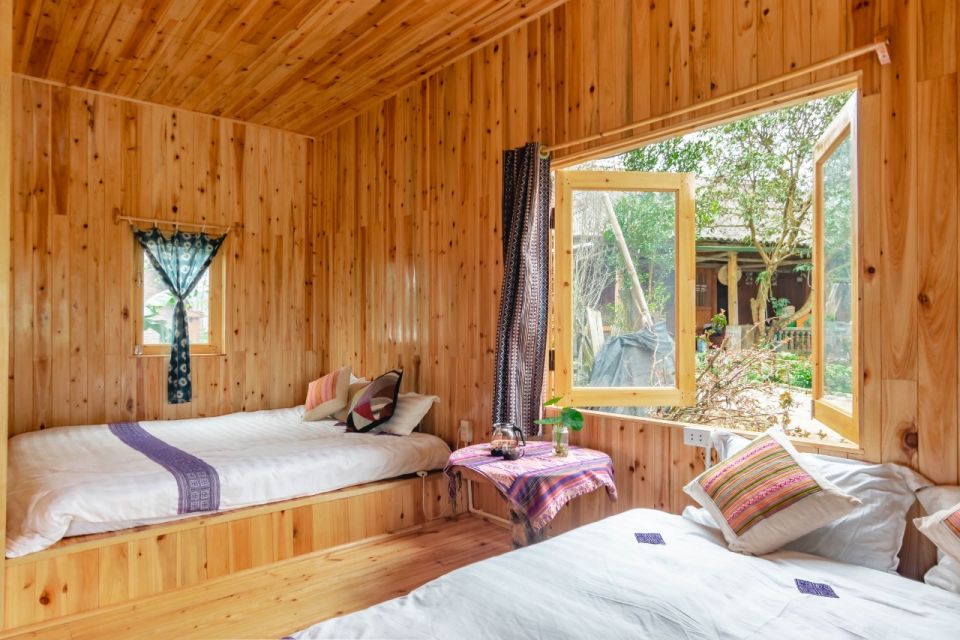
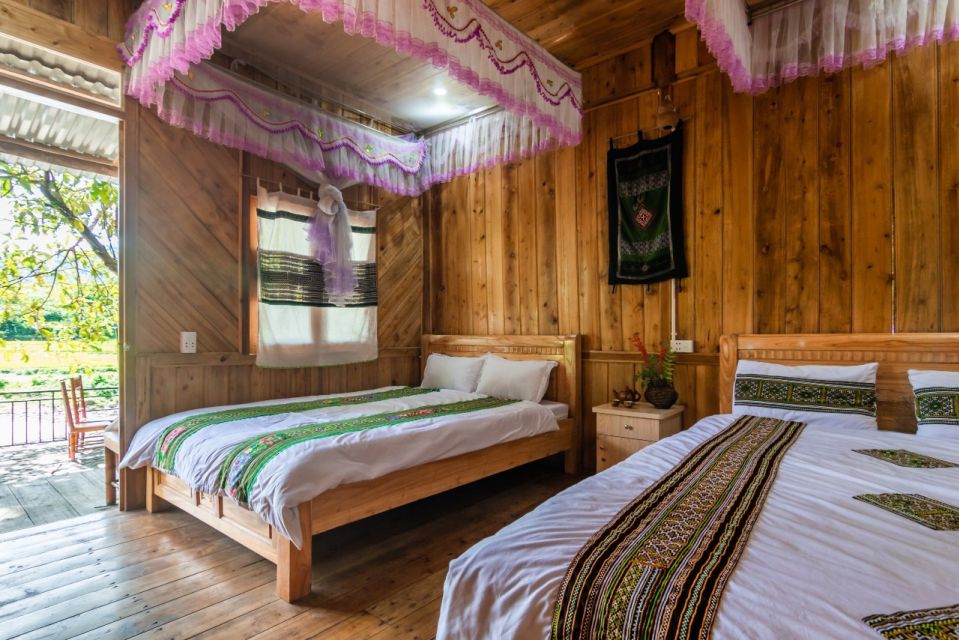
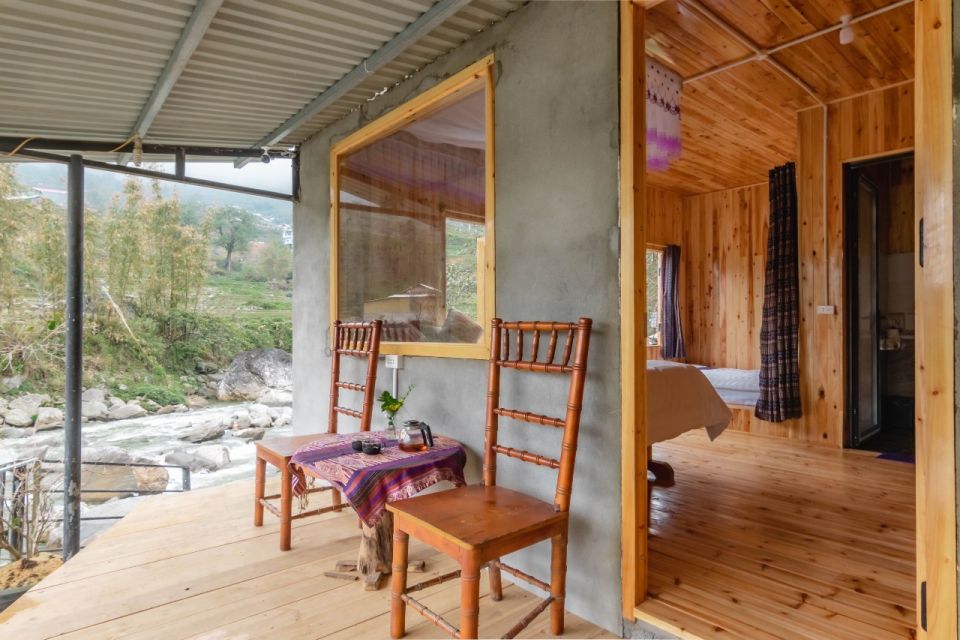
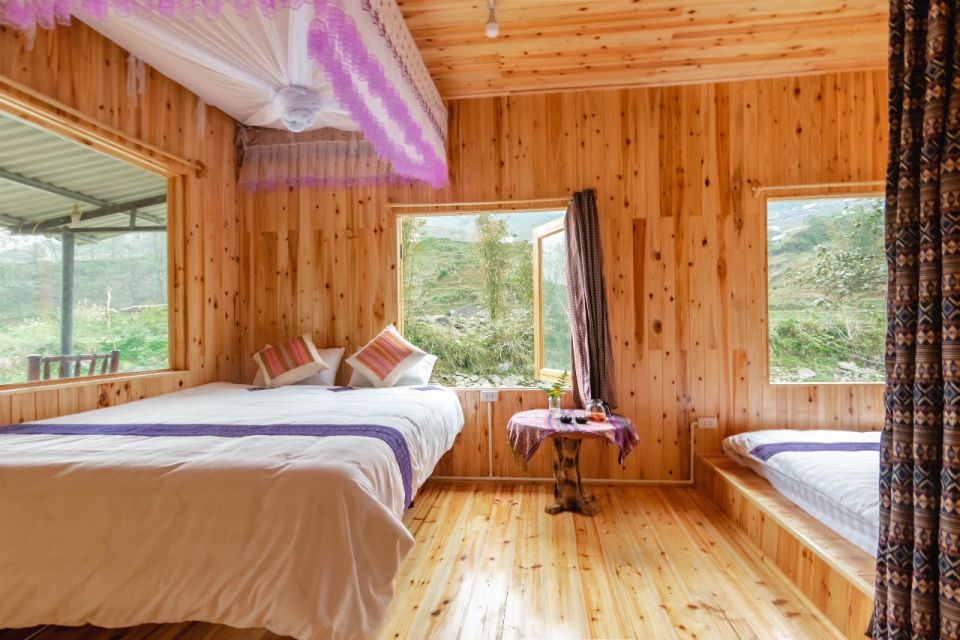
You sleep in Ta Van with a local Dzay family. That’s the core of the cultural exchange part of the tour, and it’s why many people prefer this over a hotel. The bed is simple, and your room comes with a mosquito net. There’s also a public bathroom with hot water at the homestay.
This is the point where comfort is less about luxury and more about routine. You’ll likely eat dinner with the family, and your guide can help smooth the cultural gaps through explanation and conversation. Some guides are especially good at translation-style storytelling and photo moments, with names like Chun, Sung, Lily, and others showing up as standout guides for helpful, attentive support.
One more thing I appreciate: the overnight gives you time to slow down. Instead of being rushed through a single cultural stop and then dropped back in town, you actually have a full evening to reset. That longer block of time makes the experience feel more human and less like a timed circuit.
The drawback is simple: you won’t find hotel-style amenities. If you’re sensitive to cold rooms, limited space, or more basic bathroom setups, pack for it and keep an open mind about how families run their day-to-day spaces.
Day 2: rice paddies, bamboo forest, and red Dzao views over Giang Ta Chai
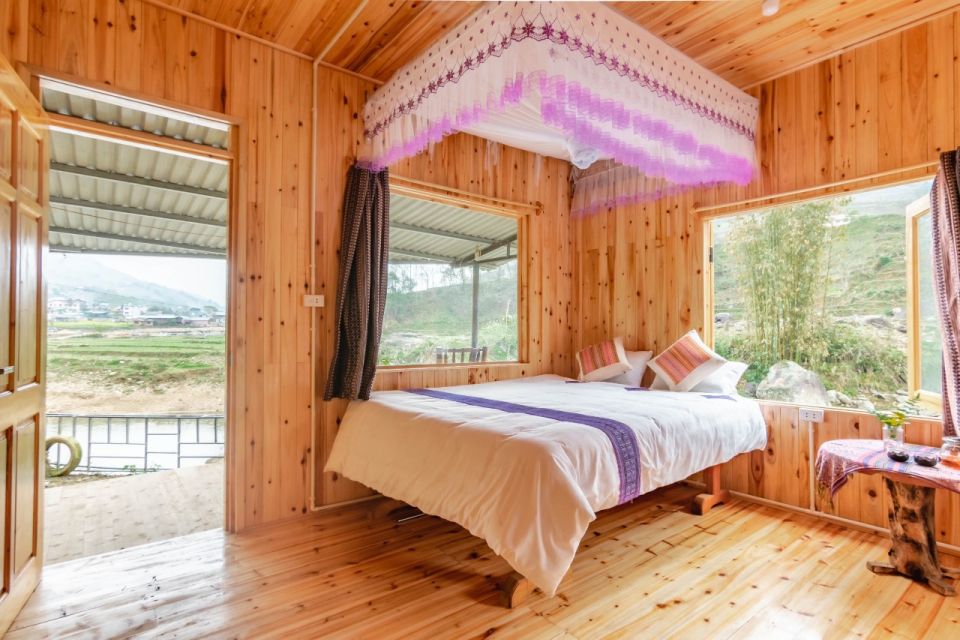
Day 2 starts with a breakfast prepared by the family you’re staying with. Then you’re back outside for a shorter trekking segment: 4 kilometers over about 2 hours.
This is a good second-day setup. It gives you an active morning without repeating the full effort of Day 1. You walk toward rice paddies where you get strong opportunities for holiday photos—especially when the sky is clear. If fog or cloud rolls in, you’ll still get the experience, but the views can soften.
Next you pass through a bamboo forest, then stop for a panoramic view over Giang Ta Chai village. Giang Ta Chai is home of the red Dzao people, and this part of the walk is designed to connect scenery with community identity, not just treat villages as backdrops.
You then continue toward the Ciang Ta Chai Bridge, and after crossing/arriving at the main road, the group meets the bus again. From there, you return to Sapa town for shower time, check-out, a meal if you want extra food, and some downtime while everyone finishes the last connection moments.
Finally, you board the bus back to Hanoi. The ride includes two comfort breaks, and you’re dropped off back at Tran Quang Khai Street.




Guides and group size: how you get answers, not just directions
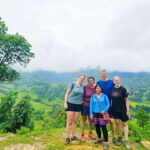
A big reason people rate this tour highly is how much time the guide spends with you beyond route details. The trip is limited to 15 participants, which makes it easier to ask questions without feeling like you’re talking to the back of a wall.
English-speaking guidance helps a lot. Guides like Chun, Sung, Lala, Cheng, and Lily have been singled out for being friendly and responsive, with a common theme: they take time to answer questions about Vietnamese culture and help with photos. Even when you’re moving quickly between villages, it’s not just follow-the-leader.
You’ll also notice the difference between a tour that’s only about checkpoints and a tour that treats each segment like a conversation. Here, the walking is planned around places where you can learn—Muong Hoa Valley hamlets, Dzay-settled Ta Van, Lao Chai communication time, and the Giang Ta Chai viewpoint connected to the red Dzao community.
So if you want a trip where you can actually understand what you’re seeing, this setup works well.
What to pack for Sapa: cold, fog, and slippery trail reality
Sapa weather can be unpredictable. It’s typically cold from September to March, and fog can be common from December to March. That means you should pack for warmth even if Hanoi feels mild on the day you leave.
Bring warm clothing—think a warm jacket, scarf, and hat. Comfortable shoes are non-negotiable. Even when the trek distances sound manageable on paper, wet spots can make paths slick. Reviews also point out that trekking shoes are a smart idea because the trail can get slippery.
Other practical items:
- Passport or ID card
- Cash in Vietnam Dong (the banking system in Sapa sometimes doesn’t function well)
- Comfortable clothes you can move in
If you want the best photos, you’ll also want layers you can take on and off. Fog can change fast, and you don’t want to freeze while you wait for a view to open up.
Value and tradeoffs: who should say yes, and who should think twice
This is a strong value for people who want both movement and culture at a reasonable price. For $100, you get transport from Hanoi, guided treks, meals across the two days, and a homestay with basic bedding and a mosquito net. The price is also easier to stomach because the tour limits you to a small group, which helps keep the experience personal.
But let’s be honest about tradeoffs:
- The homestay is basic. You’re trading luxury for authenticity and family time.
- Day 1 can feel long. It’s not a sprint, but it’s a lot of continuous walking.
- Weather affects visibility. If you get low clouds, you may not see the full view impact from the viewpoints.
- Cash is important since banking can be unreliable in Sapa.
Also check fit before booking. This tour isn’t suitable for people with limited mobility, children under 6, or pregnant women. If you’re in any of those categories, you’ll likely find the walking and trail conditions too difficult.
Should you book this Sapa homestay trek?
I’d book it if you want a two-day plan that goes beyond quick photo stops and includes time with a Dzay family. The combination of walking through Muong Hoa Valley, communicating in village areas, and sleeping in Ta Van is exactly the kind of travel that feels grounded rather than scripted.
I would hesitate if you need predictable hotel comfort, or if cold weather is a deal-breaker for you. Also, if you dislike long days outdoors, Day 1’s trekking length may wear you down.
If you’re choosing this tour, pick it for the right reasons: you’re coming for a real family night in Ta Van, guided trekking with cultural context, and that quiet moment when the valley paths slow you down.
FAQ
Where is the pickup point in Hanoi?
Pickup is optional from hotels in the Hanoi Old Quarter area in Hoan Kiem district. If you’re not using hotel pickup, the meeting point is at 204 Tran Quang Khai Street, near Hong Ha Hotel.
How do I get to Sapa from Hanoi?
You travel by air-conditioned sleeping bus from Hanoi to Sapa, with a couple of comfort stops along the way. On the way back, you take the bus to Hanoi with two comfort breaks and get dropped off at Tran Quang Khai Street.
What are the homestay facilities like?
You’ll sleep on a single basic bed with a mosquito net. There is a public bathroom with hot water at the homestay, but the facilities are described as basic and simple.
What meals are included?
The tour includes 1 breakfast, 2 lunches, and 1 dinner. Beverages are not included.
How long and far are the treks?
Day 1 includes a longer trek starting after lunch toward Y Linh Lo and continuing through the Muong Hoa Valley to Ta Van and nearby villages. Day 2 is 4 kilometers of trekking over about 2 hours.
Who shouldn’t book this tour?
The tour isn’t suitable for people with limited mobility, children under 6, or pregnant women. If you fall into any of these groups, you’ll likely find the trekking and conditions too challenging.