REVIEW · HANOI
Hanoi: Taste Fresh Lotus Tea Ceremony & Untold Stories
Book on GetYourGuide →Operated by Mộc Thôn · Bookable on GetYourGuide
Lotus tea is a lesson in patience. In a preserved Hidden Heritage Villa, this 150-minute workshop helps you understand West Lake lotus tea, then guides you through an authentic Fresh Lotus Tea Ceremony with water temperature, steeping time, and proper ratios.
I love the hands-on parts that train your senses, like smelling fresh lotus stamens and learning how to tell true lotus tea from flavored look-alikes. I also love the payoff moment: you’ll sip slowly, taste the aroma layers, and finish with lotus tea paired with traditional Vietnamese floating cakes. The main drawback is simple: this is calm, slow tea culture, not a big-sight, fast-moving tour, so it’s best if you actually like sitting with a cup.
In This Review
- Key highlights you will feel right away
- Entering a Hanoi Heritage Villa for Tea Culture
- The mindful start: training your senses before you sip
- West Lake lotus tea: why it earns the crown
- Fresh lotus stamens and the smell test that changes everything
- The patience behind multi-day scenting
- Hands-on brewing: temperature, steeping time, and ratios
- What lotus tea tastes like when you pay attention
- Floating cakes pairing: when tea meets Hanoi snack logic
- Comparing lotus tea to another scented Vietnamese tea
- Your ticket also supports coffee farmers’ kids in Da Lat
- Price and value: $28 for 150 minutes of tea skill
- Who this experience suits best in Hanoi
- Practical things to know before you go
- Should you book this Hanoi lotus tea ceremony?
- FAQ
- How long is the Fresh Lotus Tea Ceremony experience?
- How much does it cost?
- Where does the experience take place?
- What languages are available for the workshop?
- Is hands-on tea brewing included?
- Do you get food with the tea?
- Do you taste anything besides lotus tea?
- What’s included in the workshop materials?
- Is pickup and drop-off included, and can the time change?
- Can I reserve now and pay later, and what about cancellation?
Key highlights you will feel right away
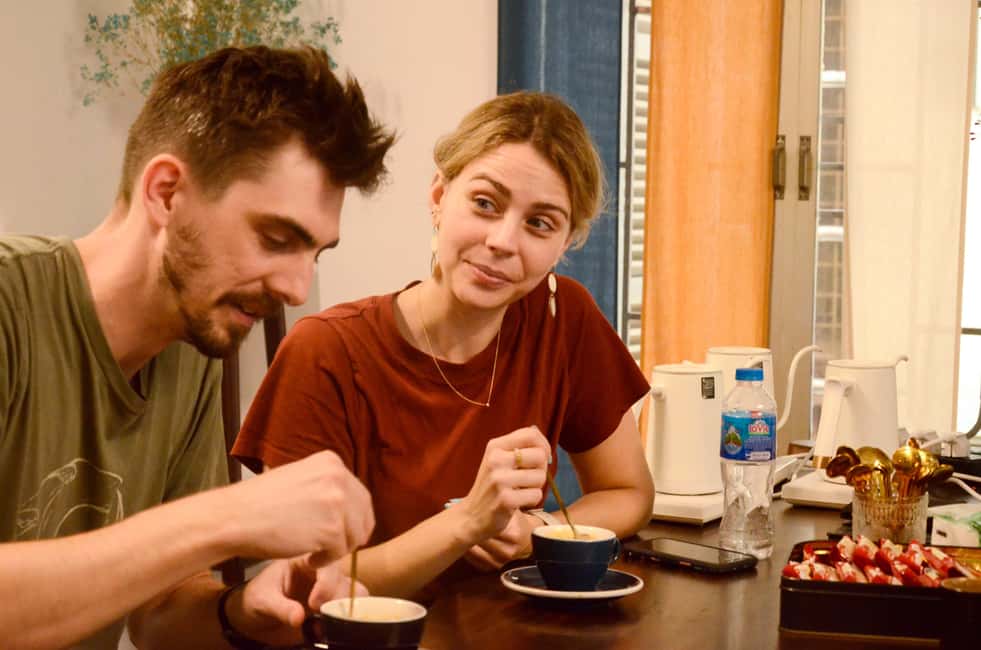
- A peaceful Heritage Villa setting that makes tea feel like an actual ritual, not a showroom demo.
- Fresh lotus stamens up close so you can smell the plant, not just the tea.
- Real West Lake tea stories about why lotus tea is called the king of Vietnamese teas.
- Hands-on brewing practice with guidance on water temperature, steeping time, and ratios.
- Lotus tea + floating cakes pairing, plus a comparison to another Vietnamese scented tea.
- Your ticket supports education in Da Lat, helping coffee farmers’ children with school support.
Entering a Hanoi Heritage Villa for Tea Culture
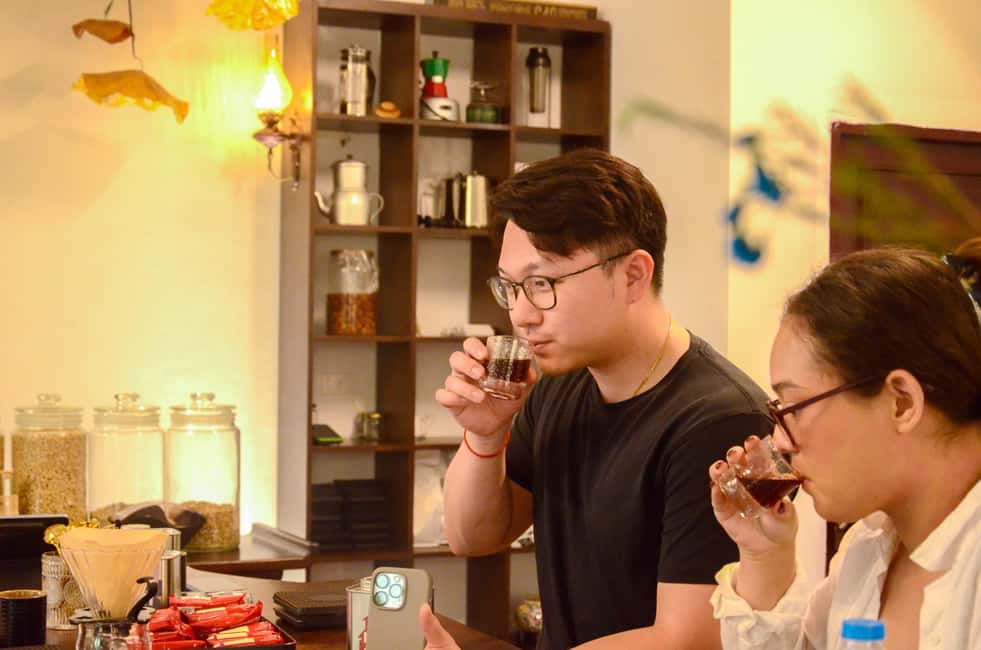
This experience starts where good tea traditions should start: in a quiet space that lowers your mental noise. You’re in northern Vietnam’s tea orbit, but the setting is key. The workshop takes place in a preserved villa, the kind of place where you naturally speak a little softer and slow down.
That matters because the whole point of the ceremony isn’t just taste. It’s attention. The more you stay present—breathing, smelling, waiting for aromas—the more you’ll understand why West Lake lotus tea became famous.
You can also read our reviews of more tours and experiences in Hanoi.



The mindful start: training your senses before you sip
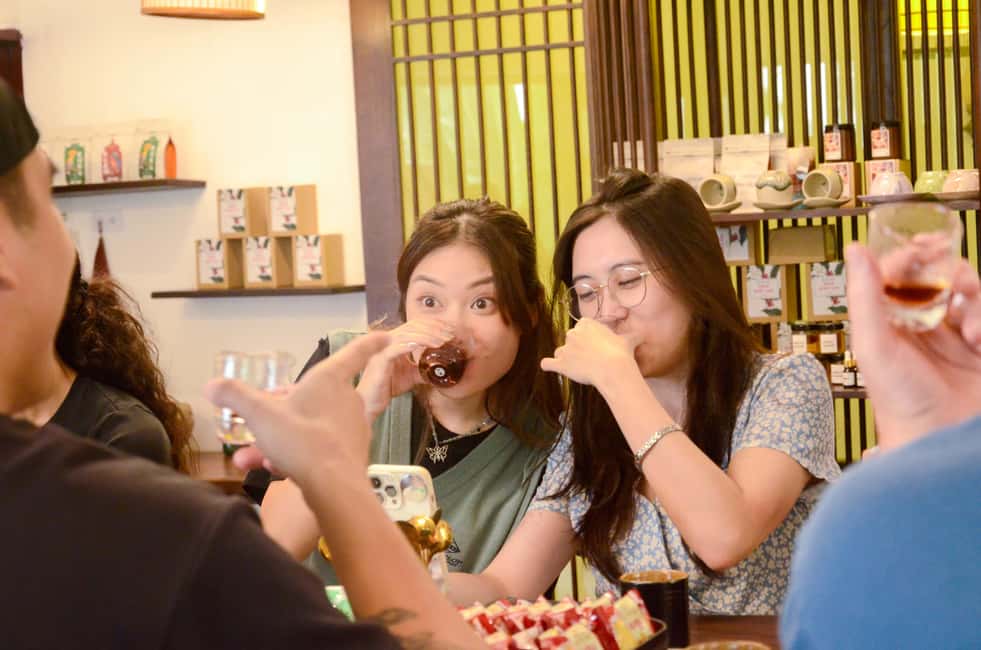
Before anyone hands you a teacup, your host leads a short, gentle introduction to tea mindfulness. Think of it as a reset. You’re guided to slow your body and mind, then to pay attention to smell first, taste second.
This is practical, not mystical. Lotus tea is built on scent layering, and that only works if you stop rushing. If you come in hungry, distracted, or on caffeine overload, it’s harder to notice the tea’s aroma progression—where the scent arrives, how it changes, and where it lingers.
West Lake lotus tea: why it earns the crown
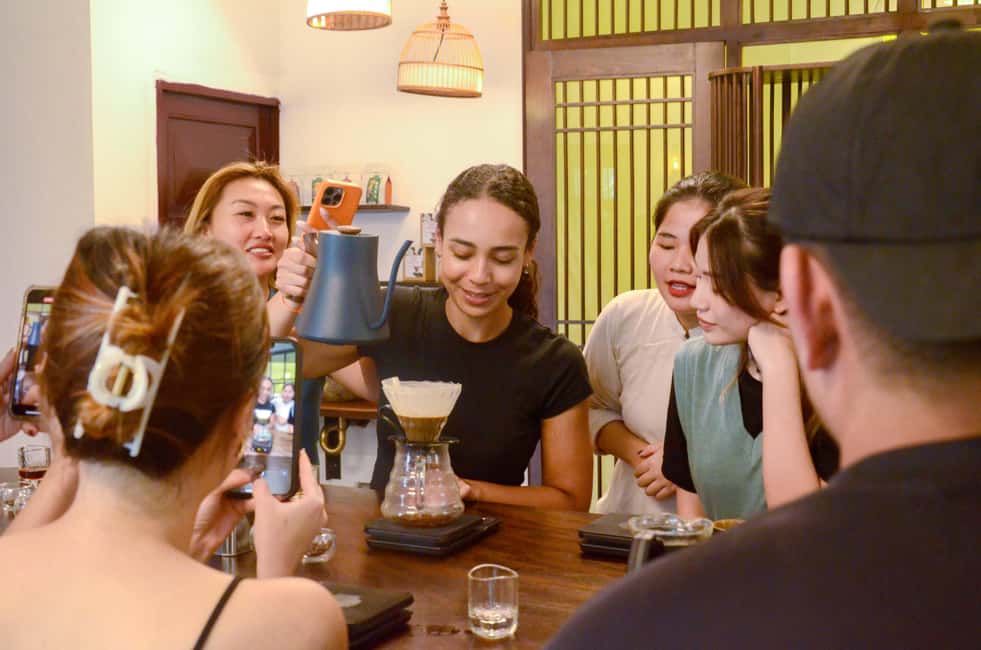
Next comes the story part, and it’s not random trivia. You’ll hear why lotus tea from West Lake is considered the king of Vietnamese teas. The focus stays on the how and the why: why lotus tea became revered, and what makes the traditional scenting method different from quick flavored tea products.
Your host also walks you through what happens behind the scenes—why the lotus scent process has stayed consistent across generations. You’ll get context on the long patience needed for the tea to absorb the lotus aroma in a way that feels delicate, not artificial.
Fresh lotus stamens and the smell test that changes everything
One of the best moments is when you get to see and smell fresh lotus stamens. That’s a big deal, because it trains your nose on the raw material. You’re not just tasting a product. You’re learning what the flower smells like at the source.
You’ll also learn how to distinguish authentic lotus tea from flavored alternatives. This part helps you outside the ceremony too. Many scented teas use flavorings or shortcuts. Lotus tea at its best is about absorption and timing, not just adding a fragrance note.
So you’ll leave with a clearer question to ask when you shop later:
Does it smell like real lotus, or does it smell like added perfume?
The patience behind multi-day scenting
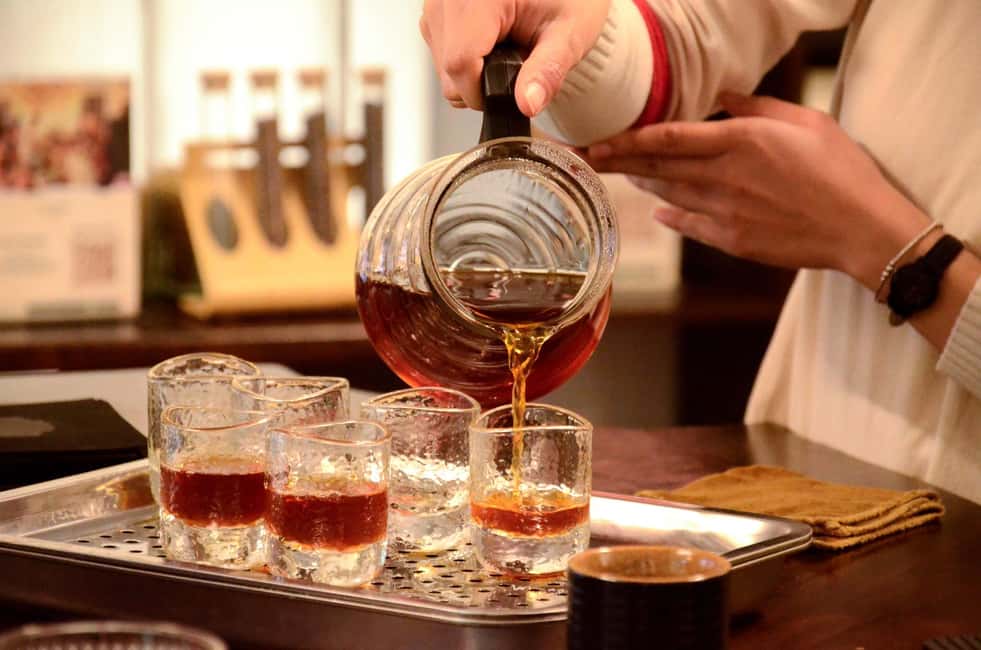
The ceremony explains that lotus tea isn’t a one-day trick. The scenting technique takes multiple days, and the method depends on careful timing and repeated contact between lotus and tea.
You’ll hear the logic in plain terms, not as a complicated chemistry lecture. The takeaway is easy: good lotus tea requires consistent patience. If you remember one idea from this whole workshop, make it that. It’s the difference between a tea that fades quickly on your tongue and one that develops layered aroma.





Hands-on brewing: temperature, steeping time, and ratios
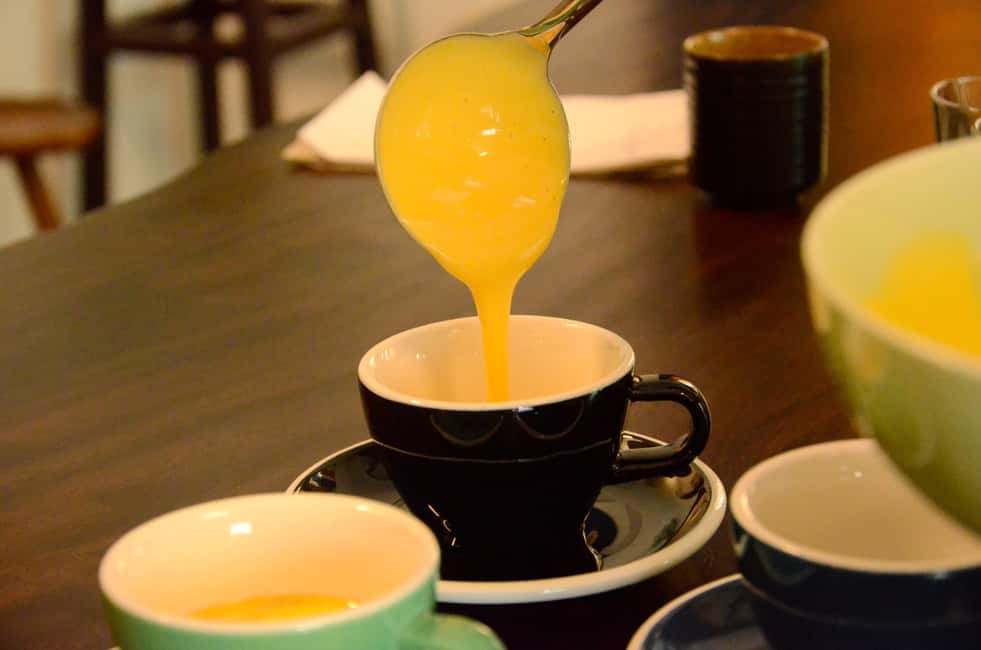
Now you get to do the brewing yourself, with guidance from seasoned tea connoisseurs. This is the section where the workshop turns from storytelling into skills you can use later.
You’ll learn practical parameters, including:
- Water temperature (too hot can crush delicate aromas)
- Steeping time (long or short changes bitterness and sweetness)
- Tea-to-water ratios (your cup strength depends on it)
Then you taste with intention. You sip slowly and try to recognize how the aroma unfolds, rather than gulping it like an iced beverage on a city sidewalk.
If you’ve ever brewed tea at home and thought it tasted bland one time and too bitter the next, this part will feel like a reset.
What lotus tea tastes like when you pay attention
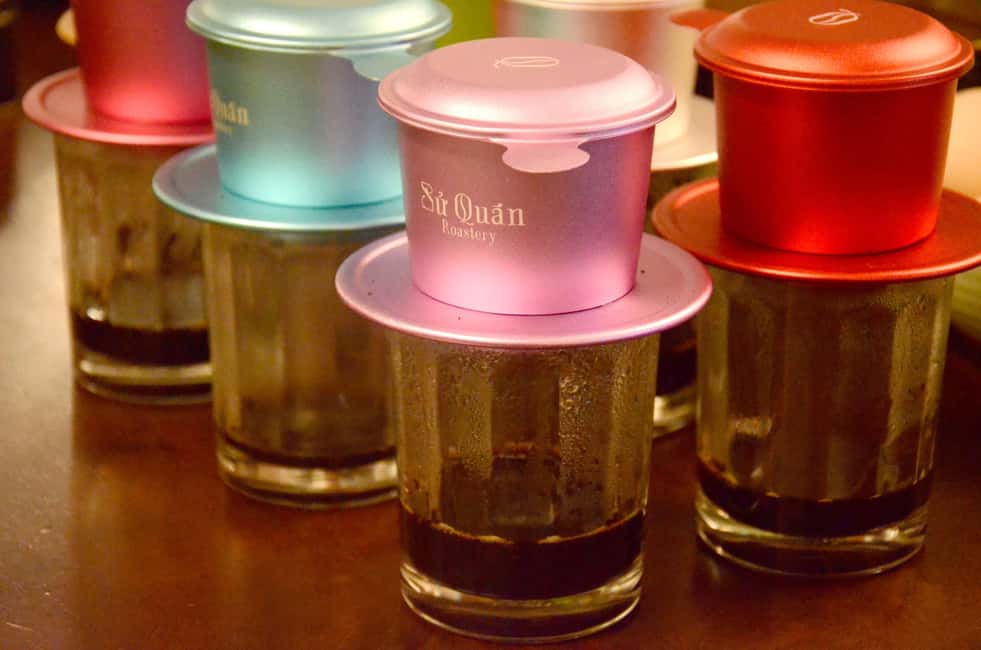
As you go through the tasting, your host helps you listen to the tea in layers. Lotus tea is often described with words like floral or fragrant, but the useful part is learning what to look for in your cup.
You’ll practice recognizing:
- Gentle bitterness that appears in a controlled way
- Aroma layers that shift as the cup cools
- A long, sweet aftertaste that doesn’t disappear instantly
This is where the mindfulness start pays off. If you rush, you miss the transition. If you sip slowly, you notice the tea’s rhythm—how it moves from aroma to flavor, then to aftertaste.
And yes, you’ll get a real sense of why West Lake lotus tea became so respected: the scent doesn’t hit all at once. It walks in.
Floating cakes pairing: when tea meets Hanoi snack logic
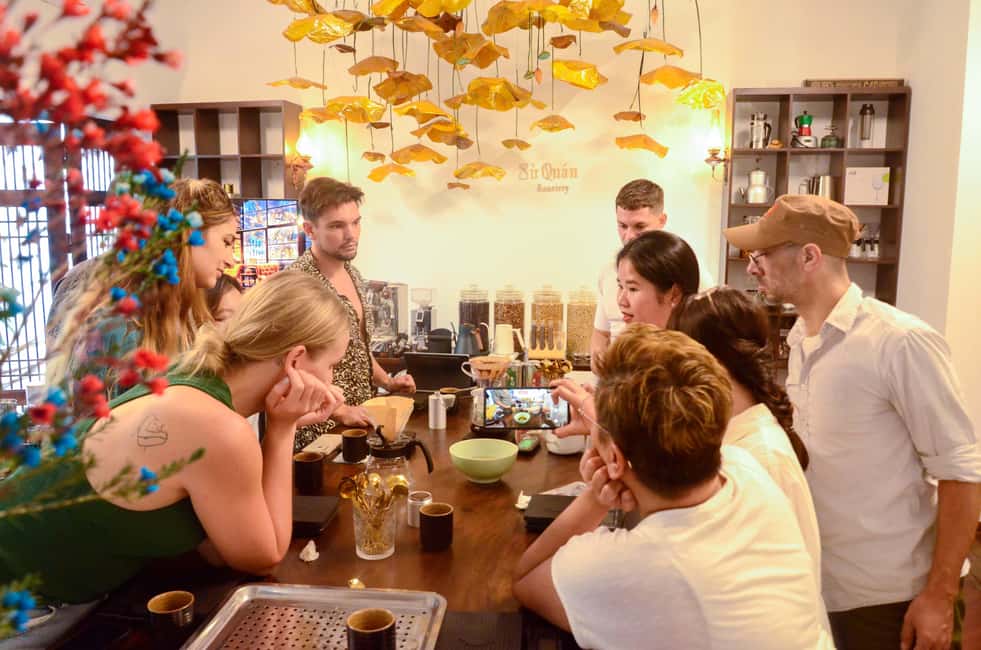
To finish the experience, you’ll enjoy lotus tea paired with traditional Vietnamese floating cakes. These cakes are part of the ceremonial rhythm because they balance the cup.
The goal isn’t fancy. It’s harmony. The tea’s gentle bitterness and sweet aftertaste need something with a softer, supportive texture so your palate can reset between sips.
If you’re new to Vietnamese tea culture, the pairing helps you understand that tea is often built for everyday taste experiences, not just formal occasions. It’s drink + food as one system.
Comparing lotus tea to another scented Vietnamese tea
After the main lotus tea tasting, you’ll do a comparison with another Vietnamese scented tea. This makes the difference clearer. Lotus tea has a specific scent pattern and flavor behavior, and tasting it side-by-side shows what makes it unique.
This isn’t just academic. It trains your future shopping instincts. Once you learn what West Lake lotus tea should feel like in aroma layers and aftertaste, you can tell when another scented tea is aiming for the same profile versus a different one.
Your ticket also supports coffee farmers’ kids in Da Lat
One of the highlights I like seeing in a food or drink workshop is when the price connects to more than a product.
Your participation contributes to the education of coffee farmers’ children in Da Lat. It’s a meaningful link: northern Vietnam tea tradition in Hanoi, and support for coffee-growing families in the highlands.
It also makes the workshop feel more grounded. You’re not just buying a souvenir experience. You’re backing real community outcomes.
Price and value: $28 for 150 minutes of tea skill
At $28 per person for 150 minutes, this workshop sits in the mid-range for Hanoi experiences, but it earns its price in a few specific ways.
First, you’re not only tasting. You’re learning. The ceremony includes a structured workshop covering lotus tea history, cultivation, and roasting techniques. You also get:
- Guidance from tea connoisseurs
- A recipe book so you can brew the styles you learned at home
- A Google link with photos after the class
- An optional professional certificate if you request it
For $28, the recipe book alone can be worth it if you like making tea. The rest turns the day into a practical skill lesson, not a one-time tasting.
If you’re the type who likes to bring home a method, this is good value. If you only want photos and quick consumption, you might find it slower than you prefer.
Who this experience suits best in Hanoi
This fits best if you like:
- Calm, sensory activities where you learn something real
- Tea or coffee lovers who want a Vietnam-specific method
- People who enjoy food pairings and cultural explanations
- Travelers who prefer small, meaningful moments over constant motion
It may feel like a slow burn if you’re chasing nightlife energy or you’re trying to stack five major stops in one afternoon. Also, if you’re very impatient with sitting and smelling, you’ll feel it.
Practical things to know before you go
Instructors are available in English and Vietnamese, so you can follow the explanations without guessing.
Pickup and drop-off times can shift a bit because Hanoi traffic affects schedules. The experience includes skip-the-ticket-line entry, so you can spend more time on tea and less time waiting.
The workshop is wheelchair accessible, which is always a big plus for a cultural activity like this.
Should you book this Hanoi lotus tea ceremony?
If you want a calm, thoughtful experience where you leave with both taste memories and brewing skills, this is a strong booking. The fresh lotus stamens, the careful explanation of authentic lotus tea versus flavored alternatives, and the hands-on practice with temperature and timing are the kind of details that actually stick.
I’d skip it only if you need high-energy sightseeing or you don’t care about tea beyond drinking it once.
FAQ
How long is the Fresh Lotus Tea Ceremony experience?
The experience lasts 150 minutes.
How much does it cost?
It costs $28 per person.
Where does the experience take place?
It takes place in Hanoi, Northern Vietnam.
What languages are available for the workshop?
The instructor provides the experience in English and Vietnamese.
Is hands-on tea brewing included?
Yes. You’ll get guidance on brewing lotus tea, including water temperature, steeping time, and tea ratios.
Do you get food with the tea?
Yes. Lotus tea is paired with traditional Vietnamese floating cakes.
Do you taste anything besides lotus tea?
Yes. You’ll compare lotus tea with another Vietnamese scented tea.
What’s included in the workshop materials?
You receive a recipe book, and you can also get photos via a Google link after the workshop. A professional certificate is available if requested.
Is pickup and drop-off included, and can the time change?
Pickup and drop-off times may vary slightly from the scheduled time due to traffic conditions.
Can I reserve now and pay later, and what about cancellation?
You can reserve now and pay later. Free cancellation is available up to 24 hours in advance for a full refund.