REVIEW · CAN THO
Can Tho: Lung Ngoc Hoang Forest Nature Reserve Half-Day Tour
Book on GetYourGuide →Operated by VeMekong · Bookable on GetYourGuide
Can Tho surprised me with quiet wilderness. This half-day outing in Lung Ngoc Hoang mixes a boat cruise through Mekong wetlands with a short forest walk and a climb to a 25-meter lookout. I love the boat ride because it moves slowly enough for bird and wildlife spotting, and I really like how the guide turns the scenery into stories. One downside: you’ll still do an easy 1.2 km walk (or use the boat alternative), so come prepared with shoes and bug protection.
I came for nature, but I left thinking about place and history. The wetland canals feel removed from the city, and the famous giant ficus microcarpa tree comes with a wartime explanation that gives the day a sharper edge than a typical sightseeing loop. If you want a totally effortless tour with zero walking, this may feel like a “light trek” day rather than a sit-and-watch cruise.
In This Review
- Key things I’d plan around
- Why Lung Ngoc Hoang feels different from Can Tho
- Morning vs afternoon: how the 8:00 AM and 2:00 PM options change the day
- The wetland boat ride: quiet canals, real spotting time
- The forest and the 1.2 km “pancake path” walk
- Climbing the 25-meter tower and catching the view
- The giant ficus microcarpa tree and its wartime role
- Your guide matters: Duy, Lâm, and the way small groups work
- What to bring (and what to skip) so the tour stays pleasant
- Price and value: is $47 fair for 4.5 hours from Can Tho?
- Who should book this Can Tho nature reserve tour
- Should you book this Lung Ngoc Hoang half-day?
- FAQ
- How long is the Lung Ngoc Hoang forest half-day tour?
- What time does the tour pick up in Can Tho?
- How many people are in the group?
- Is hotel pickup and drop-off included?
- What activities are included in the tour?
- How long is the forest walk and is it optional?
- How tall is the observation tower?
- Is the giant ficus microcarpa tree part of the tour?
- Are meals included?
- What should I bring and what should I avoid?
- Is this tour suitable for wheelchair users, pregnant women, or very young children?
Key things I’d plan around
- 2.8 km² of wetland conservation: real Mekong Delta scenery beyond Can Tho’s main highlights
- Small group (up to 10): enough space to stop for photos and wildlife viewing
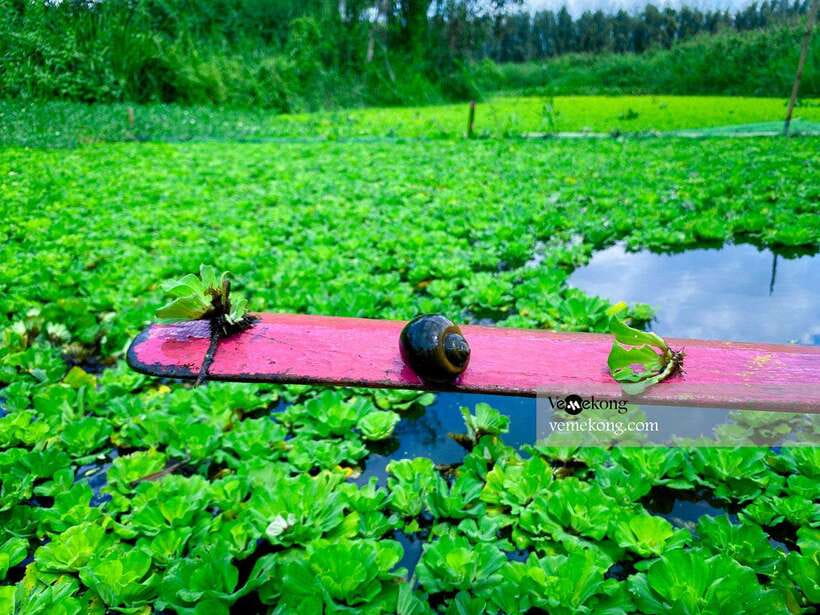
- Boat through green canals first, then a 1.2 km nature walk (with a boat option if you prefer)
- 25-meter observation tower: the best chance for wide views over forest and seasonal rice fields
- Giant ficus microcarpa heritage tree with a wartime story
- English guide-led spotting, including time for you to look through binoculars and camera shots
Why Lung Ngoc Hoang feels different from Can Tho
Lung Ngoc Hoang is the kind of nature area you don’t quite get from a quick stop on the way to other places. It’s a 2,800-hectare wetland conservation area, close enough to Can Tho for a half-day format, but far enough to feel like you’ve stepped into a slower world.
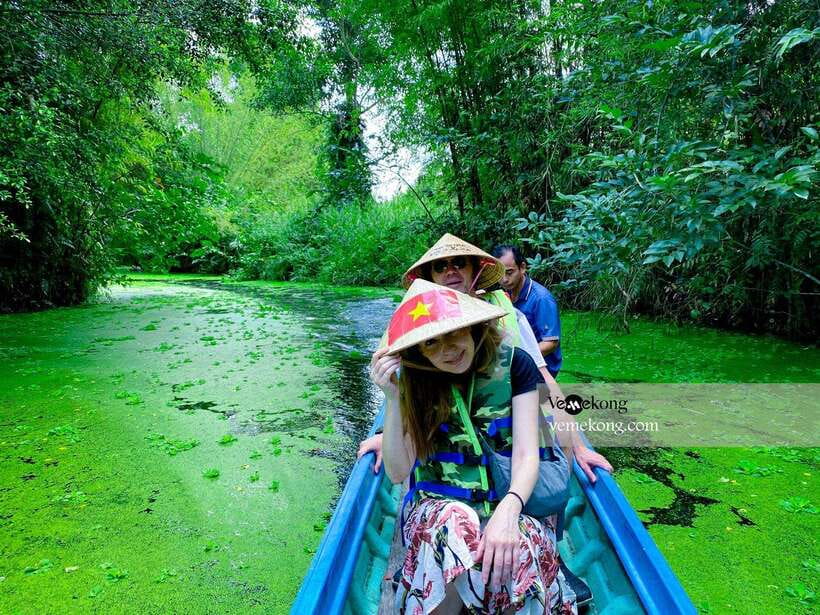
The big win is the wetland boat route. Instead of rushing from viewpoint to viewpoint, you glide through canals bordered by thick vegetation. That’s where the day turns from scenery into “pay attention” time. You’ll notice the rhythm of the water, the way wildlife shows up near the banks, and how birds react when the boat moves quietly.
The tour also builds in a history moment at the giant ficus microcarpa tree. Your guide explains how it was tied to wartime use—VC camouflage and hiding, including means of warfare and trained guerrillas. It’s not a long lecture, but it changes how you look at that tree when you’re standing right in front of it.
You can also read our reviews of more tours and experiences in Can Tho.
Morning vs afternoon: how the 8:00 AM and 2:00 PM options change the day
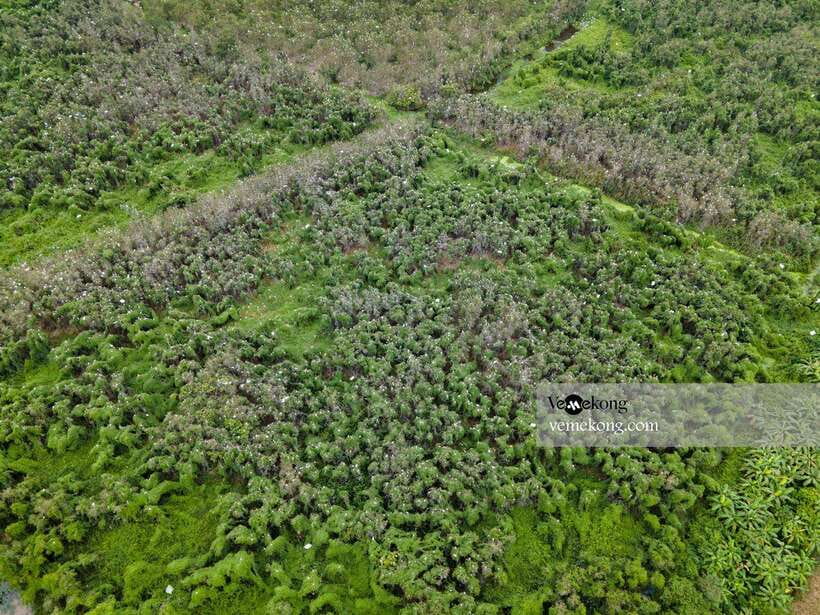
You get two departure choices: an 8:00 AM start or a 2:00 PM start. Either way, expect a total duration of about 4.5 hours, with the end time shifting slightly depending on sightseeing pace and traffic.
Timing matters most for two parts:
- Rice fields view from the observation tower: the tour specifically calls out seasonal rice fields, and this is one of your best photo moments.
- Bird and wildlife spotting: animals tend to be more active at certain times of day, and the guide’s timing helps you maximize your chances.
If you’re the type who likes cooler morning light for photos, the 8:00 AM slot usually fits better. If you prefer a later start and don’t want to rush your morning, the afternoon option is a solid alternative. Either way, you’re leaving Can Tho and returning to Can Tho—so it fits neatly around your other plans.
The wetland boat ride: quiet canals, real spotting time
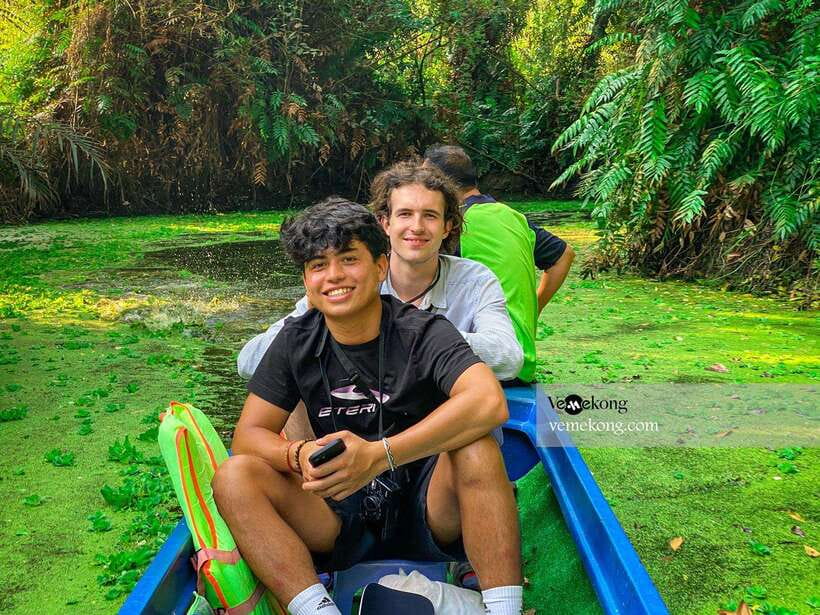
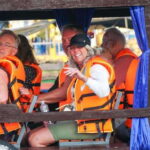
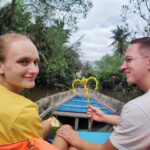
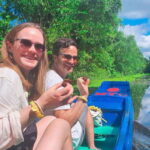
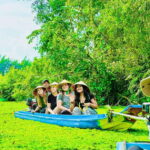
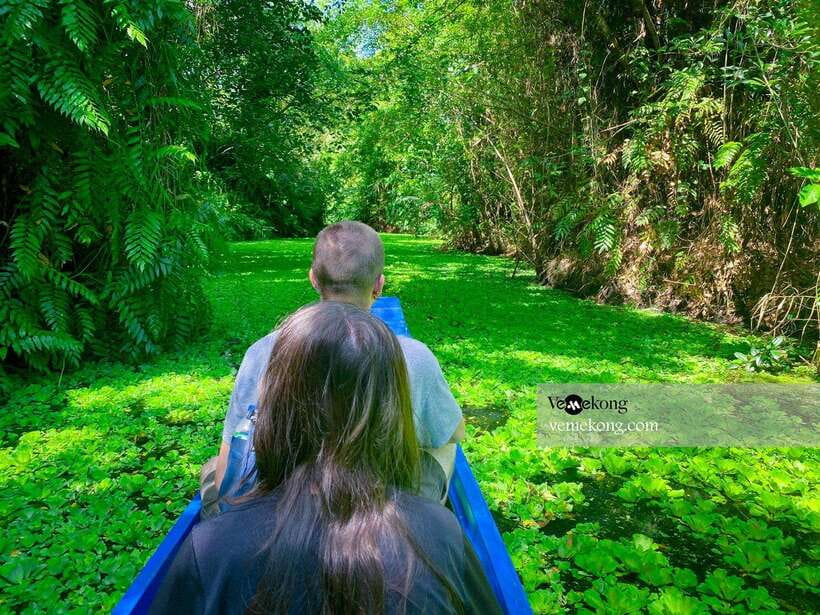
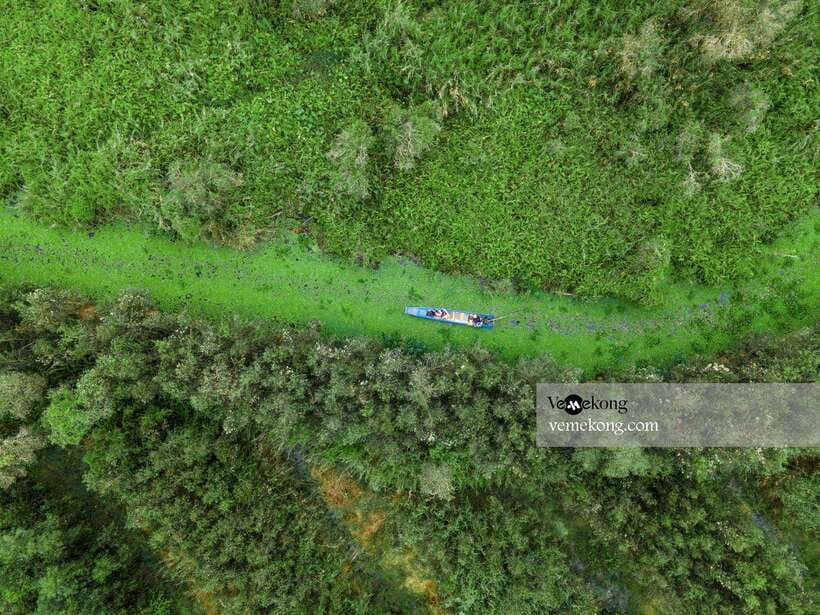
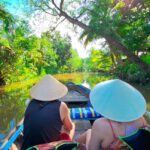
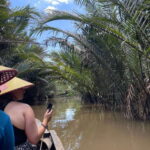
This tour’s core is the boat time inside the Lung Ngoc Hoang wetland conservation area. You’ll spend about the first part of the outing moving through untouched wetland channels—green canals that can feel almost unreal when you’ve been in busier Vietnam routes.
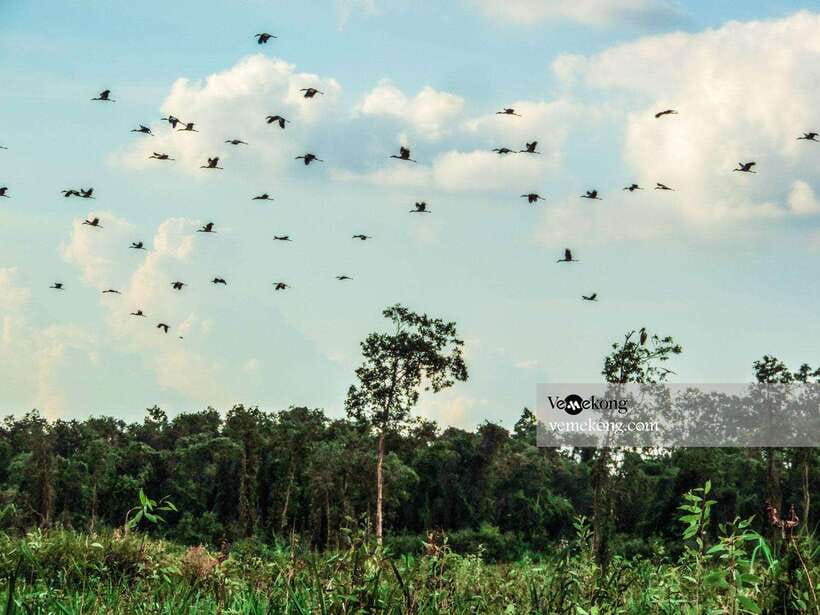
What makes this stretch work is pacing. You’re not on a speedboat, and you’re not just holding your phone up the whole time. You actually get room to slow down and look. The guides are set up for spotting, and multiple people on past departures have praised the way guides identify birds and help you notice features from a distance.
Bring binoculars if you have them. The tour explicitly encourages it, and it’s one of the easiest upgrades for turning “I saw something” into “I know what that is.” A camera helps too, because the best shots are often the ones you take after the guide points out what to watch for.
Boat ride tips that keep the day smooth:
- Stay ready with your camera before you think the action will happen. Wildlife often shows up fast, right after a pause.
- Keep water and insect repellent within reach. You’re outside for most of the tour.
- Plan on slow movements and short stops rather than a nonstop cruise. That’s the point.
The forest and the 1.2 km “pancake path” walk
After the wetland section, the tour shifts into land. You’ll get a light nature walk about 1.2 km along flat, easy paths (described as pancake paths). The idea is to let you experience forest edges and plant life without turning it into a serious hike.
If you’d rather not do even that easy walk, the tour provides an option: you can take the boat again and transfer back to the station. That’s a helpful choice if you’re traveling with limited stamina, but still want the overall forest experience.
What you should expect from the walk:
- A chance to see forest growth up close, not just from the boat
- Time for the guide to point things out along the way
- Outdoor conditions that can feel humid, so your best friend is comfortable shoes and a water bottle
This part is short enough that it won’t drain you, but it’s long enough that you’ll feel like you did something—rather than just being carried around. It’s the difference between a passive photo stop and a real “walk-and-look” nature visit.
Climbing the 25-meter tower and catching the view
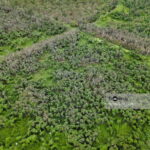
The 25-meter observation tower is where you get perspective. From above, the wetland and forest structure becomes clearer, and the seasonal rice fields show up in the wider view.
This isn’t just a tall platform for a single photo. It’s also a spot where your guide can help you connect what you saw from the boat to what you see from height: canals leading through vegetation, and the way the forest sits in relation to the agricultural patchwork outside the reserve.
You’ll spend about 1.5 hours in the forest portion overall, give or take based on your speed. That flexibility is good. If bird-watching slows your group down, it usually means you’re looking at the right things, not wasting time.
If you climb towers in hot weather often, you already know the trick: take it slow, breathe, and keep your camera ready without rushing the steps.

The giant ficus microcarpa tree and its wartime role
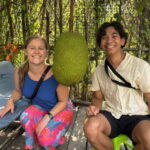
One of the most memorable stops is the famous old giant ficus microcarpa heritage tree. This is the moment where the tour stops being only about nature and turns into cultural context.
Your guide explains that this tree was used for camouflage and hiding during the war—VC shelter and concealment, including access to means of warfare and trained guerrillas. Standing there, it’s easier to imagine how thick roots and branches can hide people who don’t want to be seen.
For me, that explanation is what makes the tree feel more than a photo backdrop. You’re not just seeing an old tree; you’re learning why a specific kind of landscape mattered to history. Even if you’re not a history buff, the guide’s story tends to make you look around and think about how environments shape human choices.
Your guide matters: Duy, Lâm, and the way small groups work
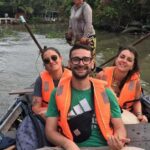
This experience is built for small groups—limited to 10 participants. That size is practical. It makes it easier for everyone to hear the guide, get a turn for photos, and pause without feeling like you’re holding up a busload.
English-speaking guides are part of the deal, and the past departures have highlighted guides with a mix of local expertise and real friendliness. Two names came up repeatedly: Duy and Lâm.
- Duy is praised for explaining details about species spotted and for his bird-spotting ability from afar.
- Lâm is described as both guide and driver, which keeps the day smoother and more personal.
You don’t need to be an expert on birds. What you need is curiosity and a willingness to look where the guide points. Bring binoculars if you can, and trust the guide to help you focus your attention. When the guide takes pictures for you, it also saves time and helps you get shots you might miss while fumbling with settings.
What to bring (and what to skip) so the tour stays pleasant
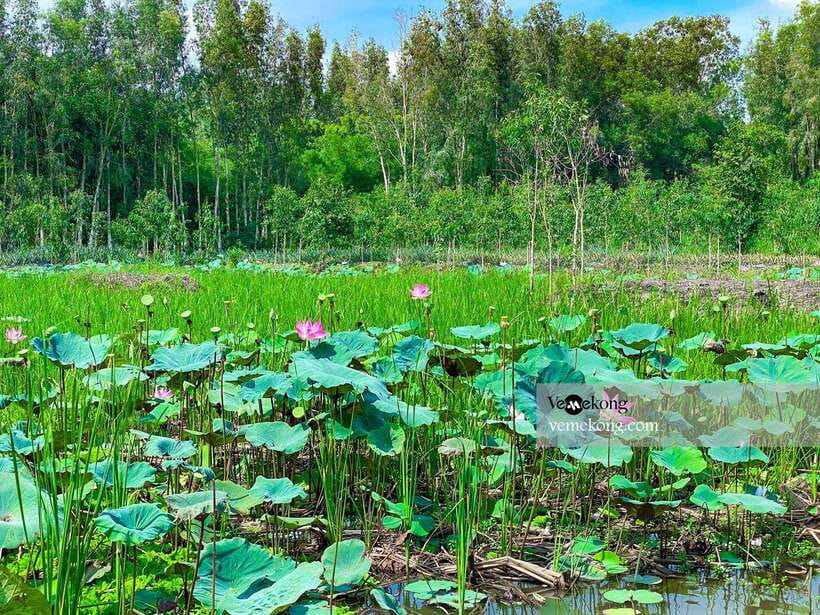
This outing is straightforward, but it’s still outdoors for long stretches. Here’s what you should bring based on the tour guidance:
- Comfortable shoes (you’ll walk about 1.2 km on flat paths)
- Water
- Insect repellent (mosquitoes are a real risk in wetland areas)
- Camera
- Binoculars for wildlife viewing
- Optional: anything personal you need for comfort in heat and humidity
What’s not allowed is simple: no smoking during the tour.
Meals and drinks aren’t listed as included. Still, some departures have mentioned snacks and drinks during the outing, so it’s smart to plan like that isn’t guaranteed. If you snack on the go, you won’t feel stuck later when you’re back in Can Tho.
Price and value: is $47 fair for 4.5 hours from Can Tho?
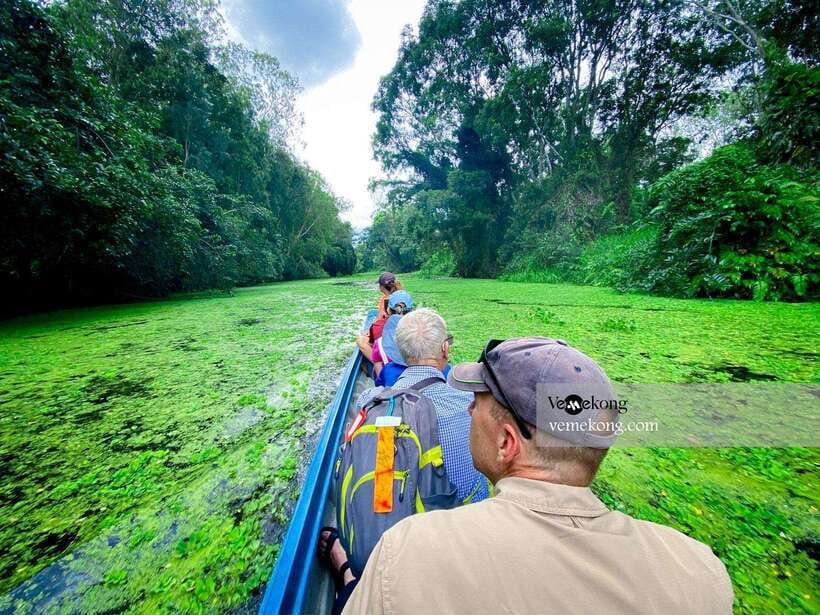
At $47 per person for about 4.5 hours, this is priced like a guided, transport-based nature outing rather than an unstructured DIY trip. The value comes from what’s included:
- Hotel pickup and drop-off in Can Tho
- Boat ride through Lung Ngoc Hoang
- Visit to the observation tower
- English-speaking guided tour
- Small group size (up to 10)
The parts that usually cost money on their own are the boat and the guided nature interpretation. The guide’s ability to spot wildlife and explain what you’re seeing can make the difference between a photo walk and a meaningful nature day.
Not included items are mainly personal ones—meals and drinks, plus any extra spending. So if you like to travel light and rely on included services, this price feels reasonable. If you expect full meals included, you’ll need to plan a bite before or after.
Who should book this Can Tho nature reserve tour
I think this tour is a great fit if you:
- Want to see more than floating-market Can Tho
- Like birds and slow nature observation
- Prefer a guided day where someone helps you notice details
- Don’t want a full-day excursion—this stays around 4.5 hours
You might reconsider if:
- You want no walking at all (even the easy 1.2 km option counts)
- You’re traveling with mobility limitations, since it’s not suitable for wheelchair users
- You’re traveling with young children under 5 or if you’re pregnant (not suitable per the tour info)
Should you book this Lung Ngoc Hoang half-day?
Book this tour if you want a real taste of the Mekong Delta outside the usual city traffic, with a guide who can help you see animals and understand what you’re looking at. The wetland boat ride plus the tower viewpoint is a strong pairing, and the giant ficus stop adds a human story you won’t get from a purely nature-focused outing.
Skip it (or ask more questions before booking) if you’re extremely sensitive to walking, insects, or humidity. The day is outdoors and active enough that comfort matters.
If you’re deciding between morning and afternoon, choose the slot that matches your energy and photo habits. Either time works because the core experience—boat canals, forest walk (or boat alternative), and the 25-meter tower—stays the same.
FAQ
How long is the Lung Ngoc Hoang forest half-day tour?
The tour lasts about 4.5 hours.
What time does the tour pick up in Can Tho?
Pickup is listed at 8:00 AM or 2:00 PM.
How many people are in the group?
The group is limited to 10 participants.
Is hotel pickup and drop-off included?
Yes, hotel pickup and drop-off in Can Tho are included.
What activities are included in the tour?
You’ll do a boat ride through the wetland conservation area, visit the observation tower, and take a guided nature experience that includes a short walk.
How long is the forest walk and is it optional?
The walk is about 1.2 km on flat paths. If you don’t want to walk, you can take the boat again and transfer back to the station.
How tall is the observation tower?
The observation tower is 25 meters tall.
Is the giant ficus microcarpa tree part of the tour?
Yes, you visit the famous old giant ficus microcarpa heritage tree.
Are meals included?
Meals and drinks are not listed as included.
What should I bring and what should I avoid?
Bring comfortable shoes, water, insect repellent, a camera, and binoculars. Smoking is not allowed during the tour.
Is this tour suitable for wheelchair users, pregnant women, or very young children?
No. It is not suitable for wheelchair users, children under 5 years old, or pregnant women.