REVIEW · CAN THO
Can Tho: Floating Market, Canal, Cacao Farm & Mekong’ Life
Book on GetYourGuide →Operated by Local Mint Travel · Bookable on GetYourGuide
Early-morning boats beat the usual tour. In Can Tho, you get Cai Rang Floating Market by small boat, then keep moving through noodle-making, coconut canals, peaceful villages, and an organic cacao farm. I like how packed it is without feeling chaotic, and I especially enjoy the breakfast on the water. One drawback: the 5:45 AM pickup means an early start, so be ready to trade sleep for sunrise.
A big part of why this works is the guide. In multiple departures, Nick has been praised for being fun, asking-and-answering questions, and keeping the day running smoothly. The trip also ends around 11:30 AM, with timing that can shift slightly with the river’s tides—handy to know when you’re planning your next stop.
In This Review
- Key things that make this Mekong Delta day click
- A 5:45 AM start with sunrise in Can Tho
- Cai Rang Floating Market, up close from a small boat
- Breakfast on the water: noodle house flavors and fresh fruit
- The rice noodle factory: watching your breakfast get made
- Coconut canals, mangroves, and village walks at a slower pace
- Organic cacao farm: tasting cacao milk and cacao wine
- Price and value: does $24 really make sense?
- Who this tour suits best (and who might want another option)
- Should you book Can Tho: Floating Market, Canal, Cacao Farm & Mekong’ Life?
- FAQ
- What time does the tour pick me up?
- Where is the meeting point and where do we get dropped off?
- How long is the tour?
- What’s included in the breakfast?
- Do I ride a boat to see the floating market?
- What languages are the guides?
- Is the group size small?
- Is this tour wheelchair accessible?
- Is free cancellation available?
Key things that make this Mekong Delta day click
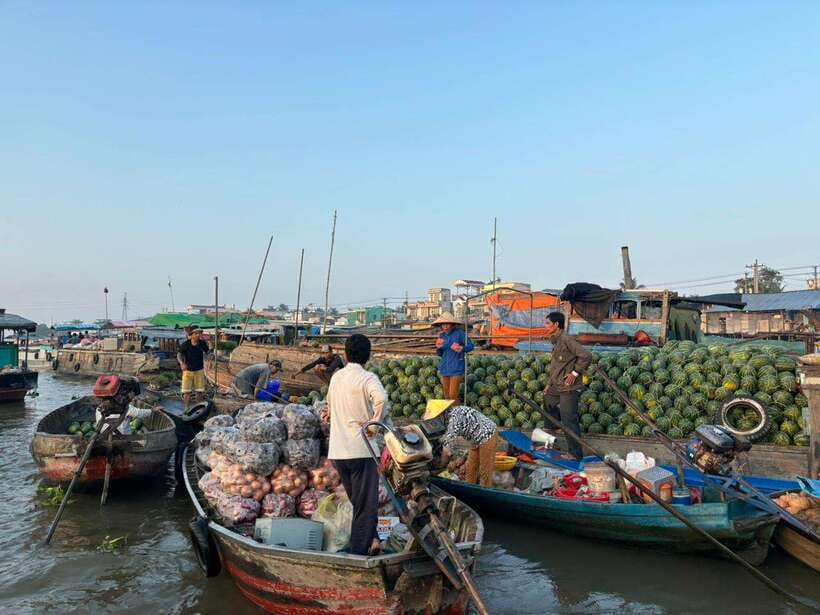
- Small-boat access to Cai Rang: You see the market up close, not from a far-off viewpoint.
- Breakfast on the river: Options can include rice noodle soup, bánh mì, and bánh bao, plus fresh seasonal fruit.
- Rice noodle factory details: You watch the full process, from rice flour handling to noodles being cut.
- Water coconut canals + mangroves: The scenery shifts from palms to quieter stretches of water.
- Village walk at a slower pace: Traditional houses, daily routines, and gardens along small paths.
- Cacao farm tastings: You get cacao milk and sample cacao wine, along with how cacao becomes products.
A 5:45 AM start with sunrise in Can Tho
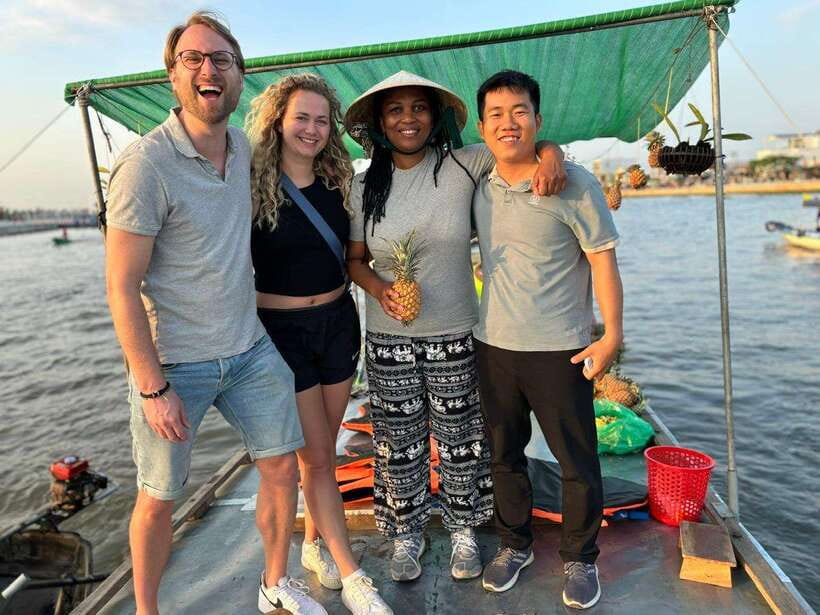
This tour begins early—pickup happens at 5:45 AM from Kim Long Hotel. Then you transfer to the boats and, on the way, you’re in position to catch the sunrise. It’s not just a gimmick. Going early changes the whole feel of the Mekong Delta: the air is cooler, the light is softer, and the boats are already moving.
If you’re the type who hates waking up before breakfast, this is the one trade-off. The day is only about six hours, but you pay for that short time with an early departure. If you want the “see a lot without losing the day” version of Can Tho, this schedule helps.
You’ll also want to think about comfort. Boat rides mean you’ll likely be on your feet at times, and mornings can be chilly before the sun climbs. Bring something light you can layer, and use sun protection once things warm up.
The good news: the trip ends around 11:30 AM, so you’re not stuck doing a full-day excursion with a late return. Just remember that river conditions can nudge the timing a bit.
You can also read our reviews of more shopping tours in Can Tho

Cai Rang Floating Market, up close from a small boat
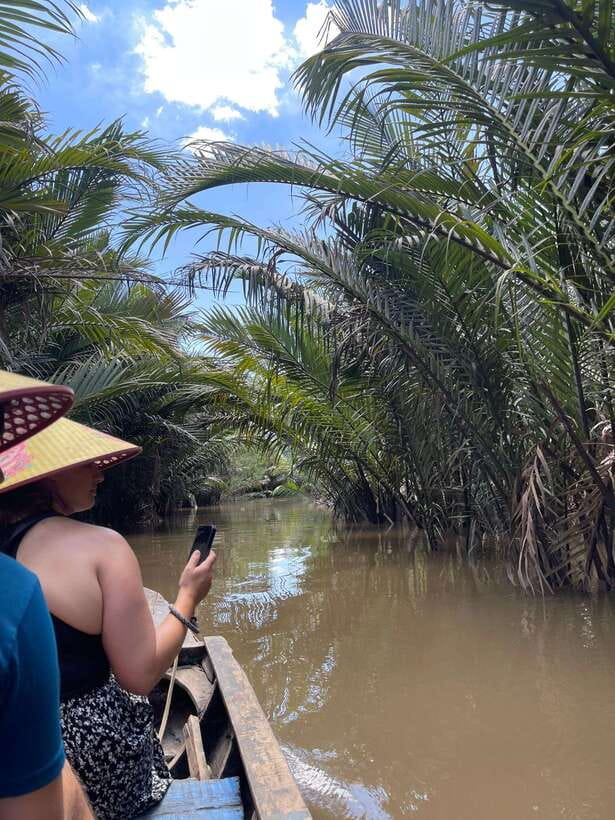
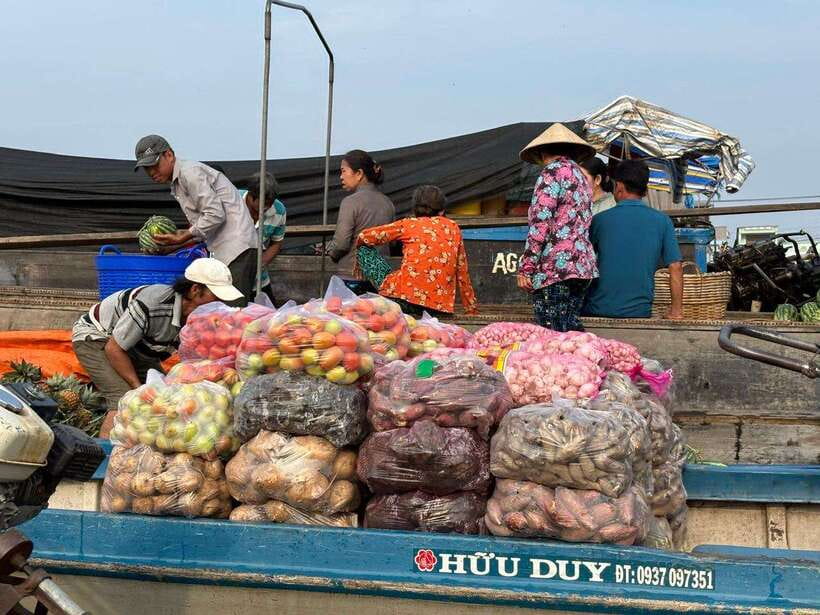
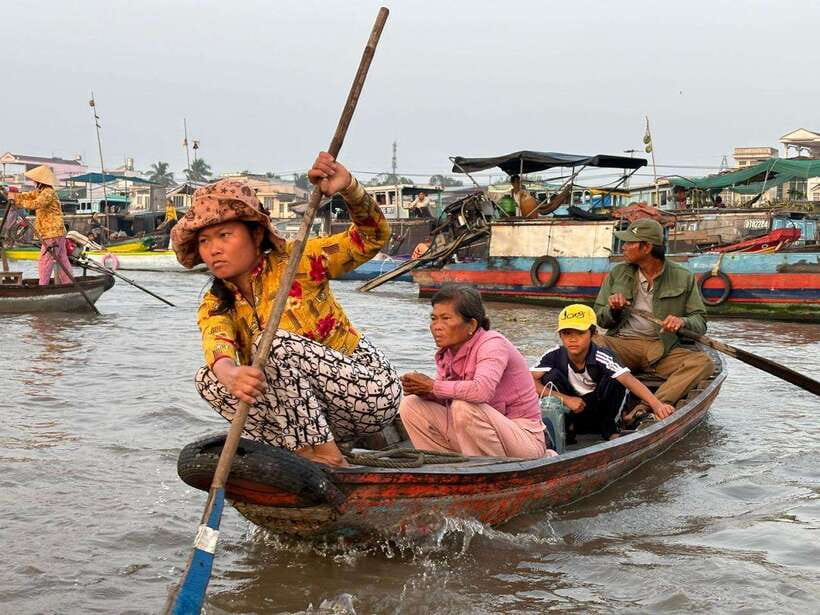
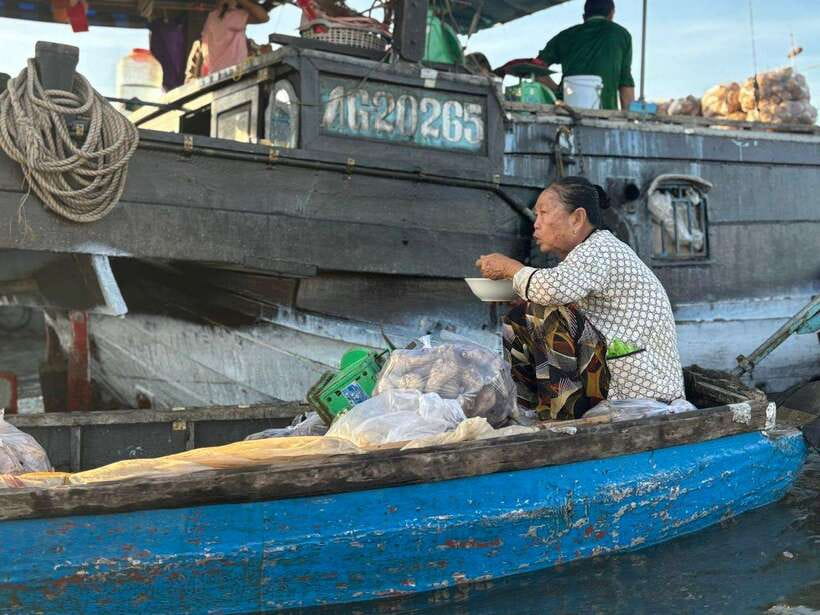
Cai Rang is one of the main floating markets in the Mekong Delta, and this visit is built around small-boat access. Instead of standing around and hoping you can see enough, you ride into the action. That’s a big deal here, because the market isn’t only about goods—it’s about how people use the river as their main road.
Your guide shares background as you arrive, including how the market fits into local life along the water. That context matters. Without it, floating commerce can look like a show. With it, you start noticing patterns: where boats gather, how sellers organize their goods, and how the whole system runs by timing and route.
This is also where the river-level details land hardest. You’ll get close enough to notice the textures and colors of fresh produce and to understand why boats make sense for daily trading. It’s not a museum scene; it’s working life.
One more practical point: since you’re on a boat, your viewing angle is constantly changing. That can be tiring for people who prefer stable “look and shoot” sightseeing. But for most travelers, it’s exactly the point. The market feels like a moving neighborhood.
Breakfast on the water: noodle house flavors and fresh fruit
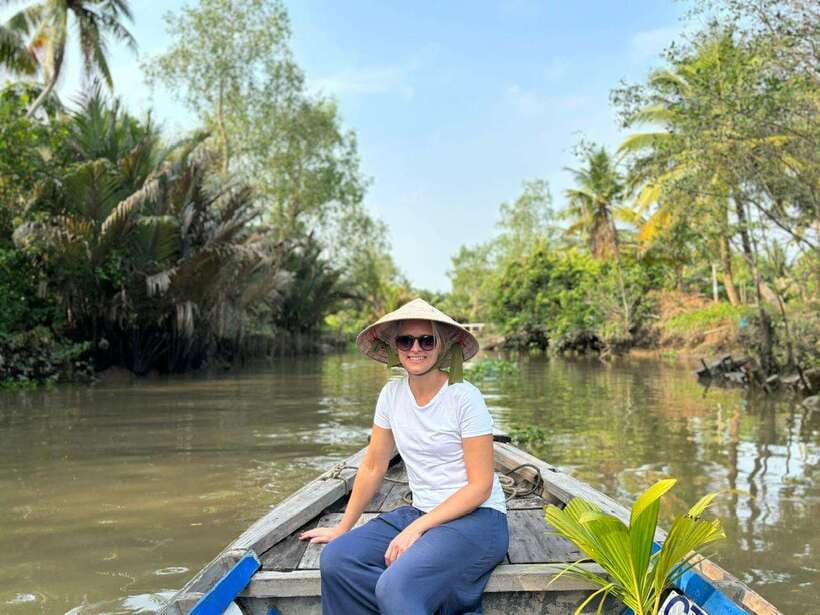
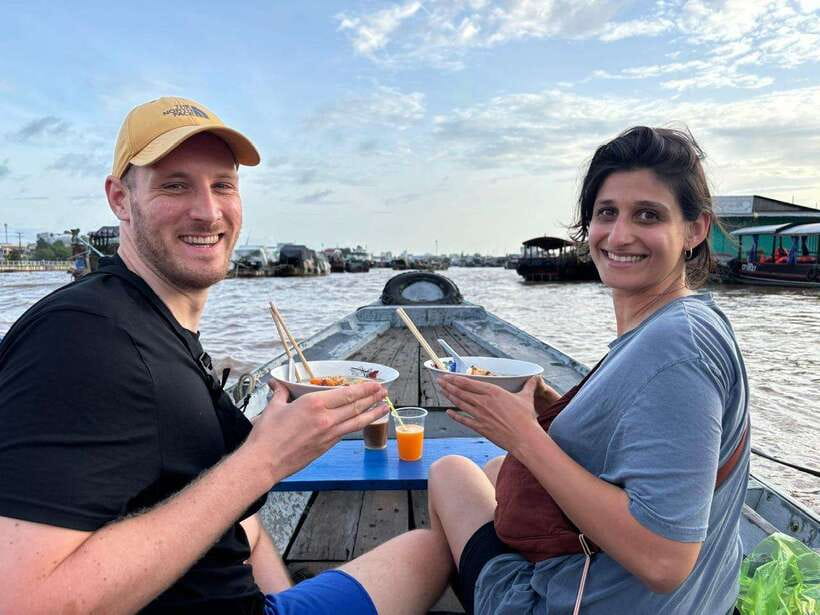
Before you get whisked into canals and backwaters, you’ll have breakfast with options like rice noodle soup, bánh mì, and bánh bao. Vegetarian options are available, and the meal is designed to keep you fueled for a full morning.
The most satisfying part here is where you eat. Having breakfast on the water gives the flavors a different feel. It’s not only the food—it’s the fact that you’re eating while the Mekong is still doing its morning business around you. You can taste the rhythm of the place.
After breakfast, you also get fresh seasonal fruit. The tour doesn’t treat fruit like an afterthought. You’ll find pineapple mentioned as something you can enjoy right on the river, which is a very “Mekong Delta” kind of detail—simple, fresh, and eaten where it’s grown and traded.
If you have a sensitive stomach, consider eating slowly and hydrating before you head out. Boat mornings can be a bit of a wake-up shock, even without rough water. This tour stays organized, but it helps to meet it halfway.
The breakfast stop also sets the tone for what’s next: you’re not just watching crafts and farms. You’re building the day from food, starting with noodles and ending with cacao.
The rice noodle factory: watching your breakfast get made
Next comes a traditional rice noodle factory, described as family-owned and operating for many years. This isn’t a quick “look at the machine and move on” stop. You’ll observe multiple steps in the process, from cooking rice flour into what becomes rice paper, to drying and cutting rice into noodles.
Why this matters for you: once you understand the basic workflow, the food you eat later stops being random. Noodles aren’t just noodles here. They’re a process that connects ingredients, timing, and labor—plus a lot of skill in getting the texture right.
You’ll probably notice how much of the work is hands-on and how much depends on handling thin layers correctly. The tour’s value is that you’re not stuck behind glass. You’re guided through what you’re seeing, which makes the factory stop far more memorable than another “food demo.”
Possible drawback: this part takes place in a working space. If you’re sensitive to dust or heat, you might want to wear a light covering for your face and be ready for a bit of sensory intensity. It’s not described as uncomfortable, but it is a production environment.
Still, it’s one of the best stops for travelers who care about how things are made, not just where they’re served.
Coconut canals, mangroves, and village walks at a slower pace
After the factory, you cruise through small canals. This is where the scenery shifts from market energy to quieter river life. You can see mangroves and water coconut palms along the way, and the guide can point out what you’re looking at as you move.
These canal stretches are more than postcard views. They show how local transportation and daily routines connect to nature. The Mekong Delta isn’t a single river—it’s a whole web. Coconut palms and mangroves aren’t just scenery; they’re part of why these settlements work and why people can live along the water.
Then you walk through peaceful villages. This portion is designed to slow down and show real daily life: traditional houses, locals going about routines, and lush gardens. The pacing here helps you connect the dots from earlier stops. The market isn’t only for trade; it’s supported by farms, food production, and community life.
A few practical considerations:
- You’re walking on small paths, so comfy shoes are a smart choice.
- It’s easier if you keep an open mindset and don’t expect a “stage-managed” experience. The goal is observation and gentle interaction.
In a short morning, this village walk does something valuable: it shifts you from buyer/seller watching to community understanding.
You can also read our reviews of more tours and experiences in Can Tho

Organic cacao farm: tasting cacao milk and cacao wine
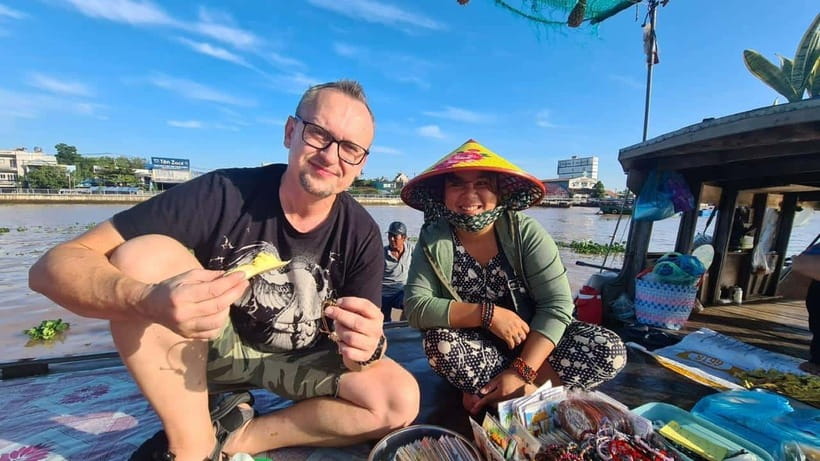
The last major stop is an organic cacao farm, with stories about cacao cultivation and how locals use cacao for different products like chocolate, wine, and cosmetics. You’re not just told the facts; you’re shown the broader idea that cacao is part of a full local value chain.
Then you taste. You’ll drink a glass of cacao milk and sample cacao wine. If you usually treat cacao as a chocolate-only thing, this is a useful correction. It helps you see how locals think about cacao as a crop with many uses, not a single finished candy.
This stop also adds balance to the morning. You’ve already covered rice—now you get cacao. That contrast makes the day feel like more than just a “floating market tour.” It becomes a mini education in what makes the Mekong Delta’s food economy work.
One thing to keep in mind: cacao products have strong flavors. Cacao milk is different from regular milk. Cacao wine sampling is also specific and may not be for everyone. If you don’t like tasting drinks, just go in knowing you can still enjoy the farm storytelling even if you sip slowly.
Price and value: does $24 really make sense?
At $24 per person for about six hours, this is positioned as a short, efficient Mekong Delta experience. The value comes from what’s included, not just the price tag. You’re getting:
- pickup and drop-off at Kim Long Hotel
- a friendly English/French speaking guide
- a sampan (small boat) and local driver
- breakfast plus fresh seasonal fruits
- tea and coffee on board
- entrance fees
That combination matters because boat time and market access can be expensive in other formats. Here, the day uses the water efficiently: small boat to Cai Rang, canal cruising, and then on-land village walking and farm tasting.
It’s also a small group setting, limited to 6 participants. Smaller groups usually mean less waiting, and you’re more likely to get real answers from your guide rather than listening at a distance.
Is it worth it for everyone? If you want a “see everything, spend nothing, learn nothing” kind of trip, no. But if you want a compact day that connects market life to food production, cacao to noodles, and river activity to village routines, the price feels fair.
Who this tour suits best (and who might want another option)
This tour is a strong match for you if:
- you like early starts when the payoff is better light and fewer crowds
- you want both food and nature, not just one
- you care about how things are made (rice noodles) and how crops become products (cacao)
- you prefer small groups where the guide can answer your questions
It may be less ideal if:
- you hate waking up early and don’t want sunrise included
- you’re looking for a relaxed, long-stay experience with plenty of free time (this day is structured and moving)
- you’re very sensitive to early-morning boat movement or walking on small paths
There’s also a stated limit: it’s not suitable for people over 95 years. If that applies, you’ll want a different format with more rest time.
On the positive side, the tour is listed as wheelchair accessible, which is useful when you’re comparing Mekong Delta options that involve more steps and rougher transfers.
Should you book Can Tho: Floating Market, Canal, Cacao Farm & Mekong’ Life?
I’d book it if you want a Can Tho morning that feels practical and real. The strongest part is the flow: market energy, noodle production, river cruising, village life, then cacao tastings. It’s a whole food-and-water story in one sitting.
I’d also choose this version because of how it’s run. When Nick is guiding, the day tends to feel organized and personal, with plenty of room for questions and explanations that actually help you read what you’re seeing.
The only real reason to skip is the early 5:45 AM pickup. If you can handle mornings, you’ll likely find it hard to beat the amount of genuine Mekong Delta life you pack into the time.
If you’re building your Can Tho itinerary, this fits well as a first half-day activity—then you still have the rest of the day for your own wandering, cafés, or exploring the city at a slower pace.
FAQ
What time does the tour pick me up?
Pickup is at 5:45 AM from the meeting point in Can Tho.
Where is the meeting point and where do we get dropped off?
The tour meets and ends at Kim Long Hotel (9 Châu Văn Liêm, P. Tân An, Q. Ninh Kiều, Cần Thơ City).
How long is the tour?
The duration is about 6 hours, with the end time around 11:30 AM (timing can vary slightly depending on tides).
What’s included in the breakfast?
Breakfast is included and can include rice noodle soup, bánh mì, and bánh bao, with a vegetarian option available. Fresh seasonal fruits are also included.
Do I ride a boat to see the floating market?
Yes. You take a sampan (small boat) with a local boat driver to visit Cai Rang Floating Market.
What languages are the guides?
The live tour guide is available in English and French.
Is the group size small?
Yes. The group is limited to 6 participants.
Is this tour wheelchair accessible?
It is listed as wheelchair accessible.
Is free cancellation available?
Yes. Free cancellation is offered up to 24 hours in advance for a full refund.