REVIEW · CAN THO
Can Tho: Authentic Floating Market, Wild Canal system, Cocoa
Book on GetYourGuide →Operated by REC · Bookable on GetYourGuide
Morning in Can Tho isn’t about rushing. It’s about gliding from the Cai Rang floating market into hush, then ending with chocolate you can trace back to a plant.
What I like most is the organic cocoa farm stop and how the trip stitches food, daily life, and nature into one calm flow. The one drawback: it starts early, and the market area can feel more touristy than you might expect, even at peak time.
This is also the kind of tour where the guide makes a difference. You’ll meet bright English-speaking locals (I’ve seen guides named Hannah, Clara, Sasa, Thuy, Ana, Tammy, Lam, Ruby, Cris, and Mai), and many of them bring a knack for storytelling and photo help. Just note the group limit is small (max 8), so if you want a private, slow-paced plan, this isn’t that kind of experience.
In This Review
- Key highlights at a glance
- Why the 6:45 a.m. start actually makes sense
- Quick planning notes
- Floating market breakfast: noodle boats, coffee, and fruit cuts
- The realistic catch
- Cruising Can Tho’s wild canals on a sampan
- What to expect on the water
- Lò hủ tiếu Chín Của: seeing noodles made the old way
- Why this stop feels worth it
- Mỹ Khánh break time: a short reset before cocoa
- Vườn Ca Cao Mười Cương: chocolate from plant to treat
- What makes this visit different
- The noodle-making village walk and fruit tasting
- A small practical win
- Local guides, real explanations: what you’ll feel on the tour
- Value check: what $26 buys you in real terms
- Who this Can Tho tour suits best
- Should you book this floating market and cocoa tour?
- FAQ
- What time does the tour pick up in Can Tho?
- How long is the tour?
- Where is the meeting point?
- Do I need to start at 4 a.m. to see the floating market?
- What food and drinks are included?
- Is there a noodle-making or hands-on component?
- Is it safe to bring alcohol?
Key highlights at a glance
- Peak market timing without the 4 a.m. chaos (they focus on 7:00–9:00 AM)
- Breakfast on the boats, with noodle soup and strong Vietnamese coffee
- Quiet canal cruising with wildweeds and water coconuts
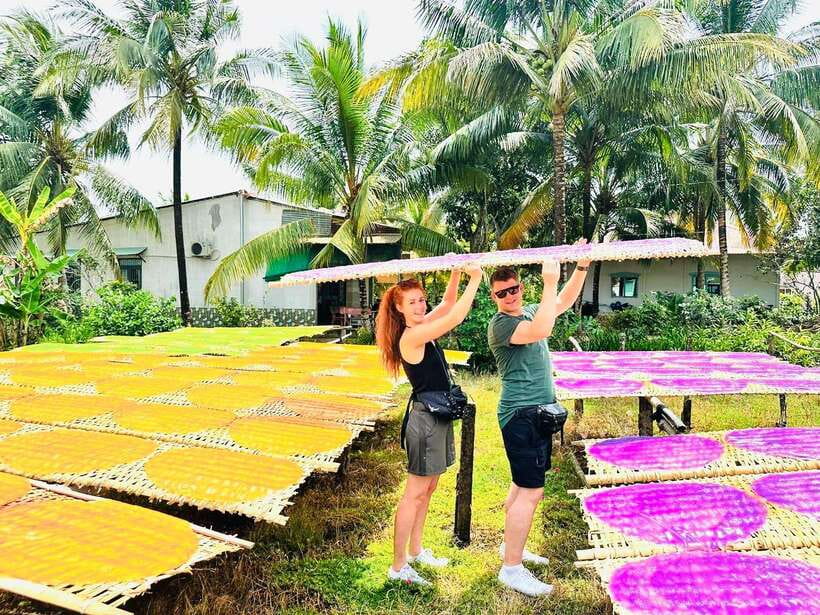
- Hands-on noodle making at a traditional village stop
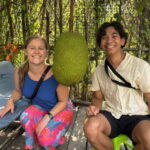
- Plant-to-bar cocoa at an organic family farm (from Malaysia vines brought in 1960)
- Fruit tasting education, including mango, jackfruit, star apple, and pineapple
Why the 6:45 a.m. start actually makes sense
Can Tho’s floating market shows up online as a 4 a.m. thing. That’s outdated. What you want is the period when trade is thick, boats are active, and you can still enjoy breakfast without sacrificing your whole morning. This tour picks you up at 6:45 AM from An Binh Market, so you’re in position for the market’s busiest window, roughly 7:00–9:00 AM.
That timing is the practical win. You get the energy of the market, but you’re not running on zero sleep or paying for extra, bumpy transfers. Here, the tour leaves you near the action instead of shuttling you around for long stretches before the boats.
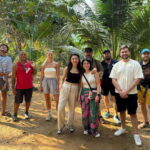
It also helps that this runs as a small group (max 8). The pacing feels steadier: you can hear your guide, ask questions, and take your time at the stops without feeling herded.
You can also read our reviews of more shopping tours in Can Tho

Quick planning notes
Bring sunglasses, a sun hat, and sandals. The waterways are wet, and the sun is strong even when it’s not peak heat. Also, you might want to wear something lightweight and breathable. You’ll be outdoors for the market and canal portions, and mornings on the delta can still surprise you with sun and humidity.
Floating market breakfast: noodle boats, coffee, and fruit cuts
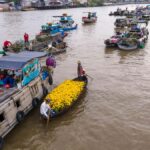
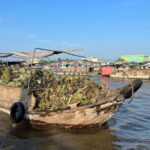
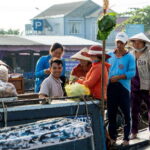
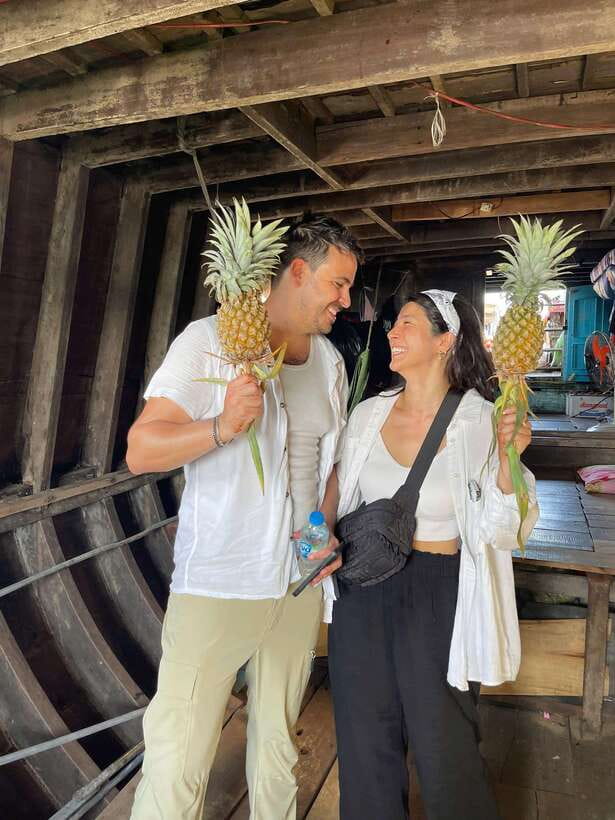
The first big moment is Cai Rang Floating Market at the busiest hours. You’ll see boats loaded with pineapple, mango, rambutan, watermelon, and plenty more. What makes this more than a photo stop is that the boats aren’t only for trading. Many function like floating cafés and noodle counters.
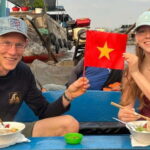
So your breakfast is part of the show. You order local noodle soup and often Vietnamese coffee served right from floating vendors. The vibe is practical: you watch how people work, then you eat what’s being served nearby. If you want a taste of daily Mekong rhythm, this is one of the best ways to do it without complicated planning.
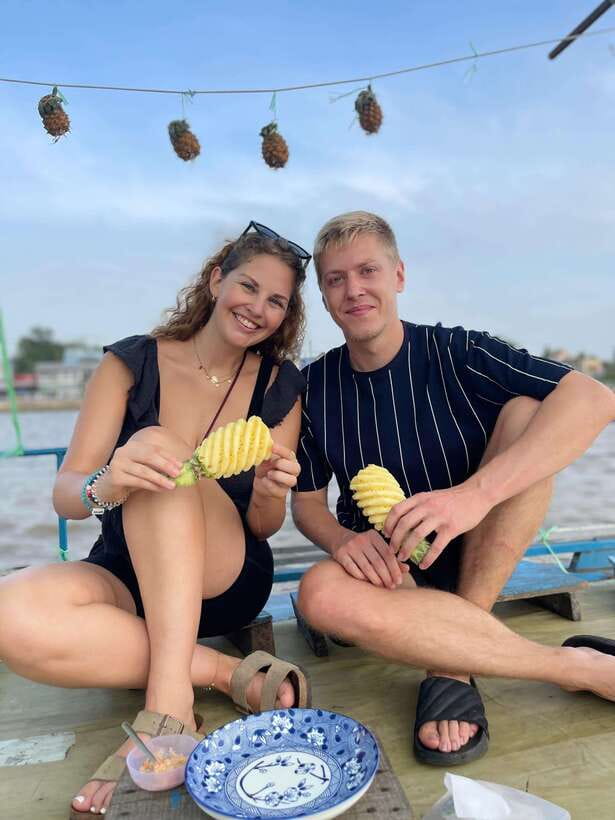
You’ll also get a small sweet, including freshly cut pineapple, a classic Mekong Delta treat. In this part of the morning, your guide’s job is to translate what you’re seeing: why certain items are carried, how boats move, and how the market fits into the local supply chain.
The realistic catch
Even when you time it well, this market has adapted to modern tourism. You’ll still see plenty of visitors and cameras. The good news is that the boat culture is still doing real work, and you’re moving through it the way locals do—on the water, not from a far-off viewpoint.
Cruising Can Tho’s wild canals on a sampan
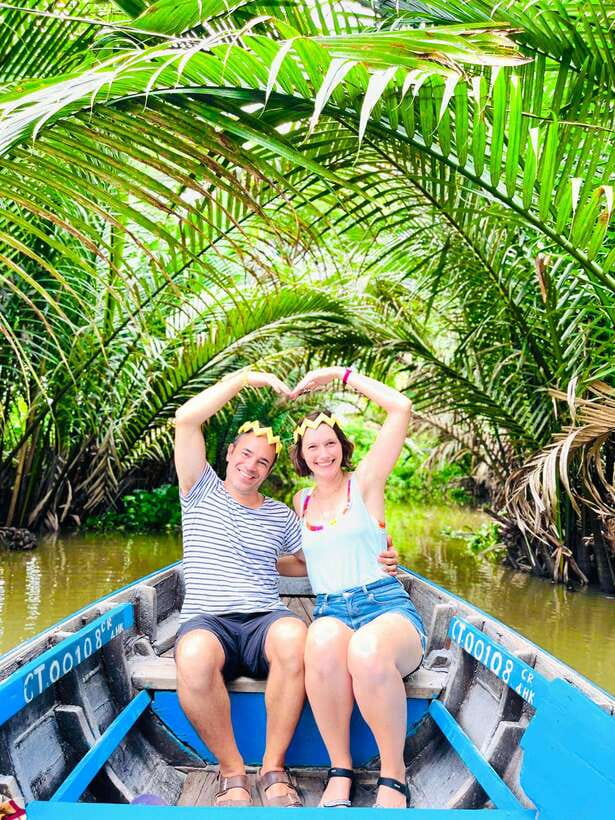
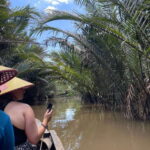
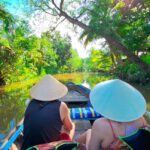
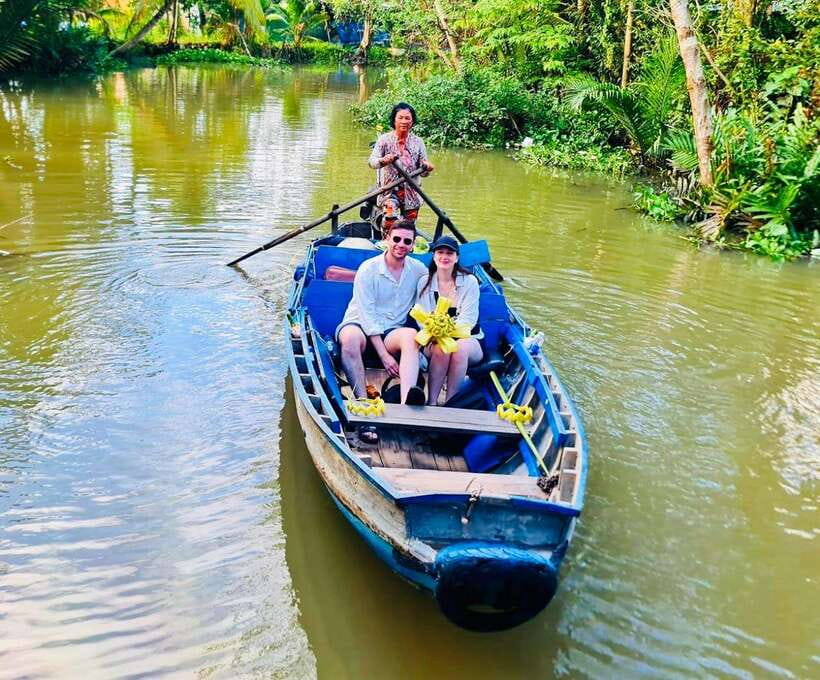
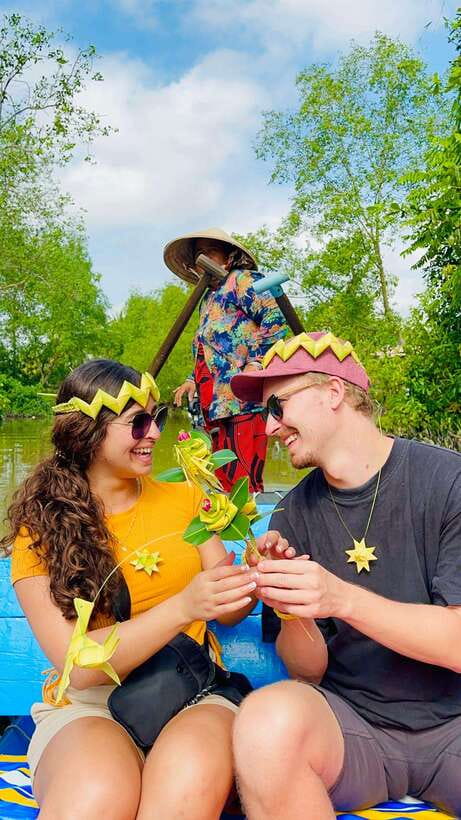
After breakfast, the tour shifts gears. Instead of staying in the busiest floating lanes, you hop onto a local boat (a sampan) and head into narrower waterways: a maze of peaceful jungle canals.
This is where the trip becomes more restorative. The canal system is calmer, and your senses catch up. You notice wildweeds along the edges and water coconuts in the water—little details you’d miss if you only visited the market. It’s also a slower, more meditative stretch where the scenery does most of the talking.
Your guide helps you take photos, which matters here because the best angles are fleeting: the boat glides, light shifts, and then you’re past the best view. In general, I like canal sections on these tours because they break up food-heavy mornings with actual quiet.
You can also read our reviews of more tours and experiences in Can Tho
What to expect on the water
You’re on natural waterways, so the experience is weather-dependent. If it’s bright, the ride feels crisp. If it’s misty or rainy, you’ll still go, but you’ll need to stay patient and flexible. The good part: the tour is built around multiple activity types, so a brief weather swing doesn’t ruin the whole morning.
Lò hủ tiếu Chín Của: seeing noodles made the old way
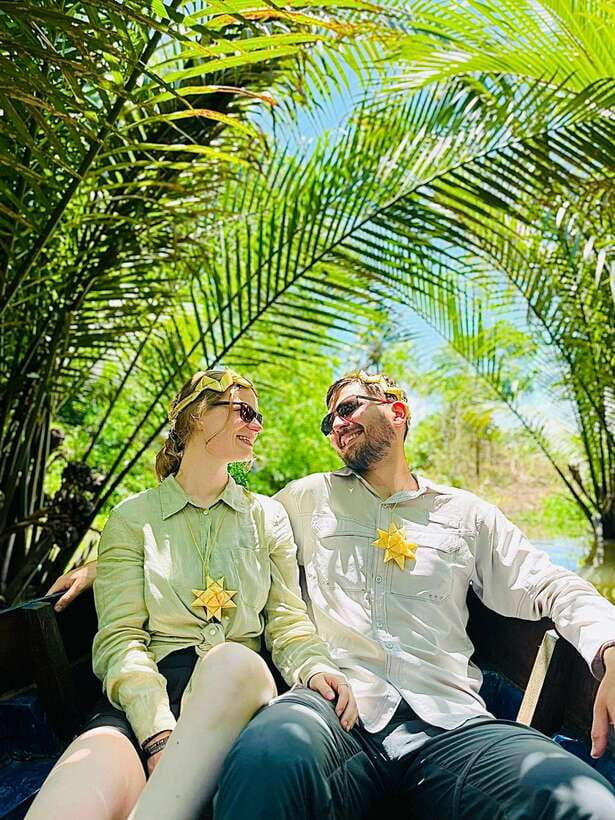
Next comes one of the most hands-on segments: a visit to Lò hủ tiếu Chín Của, where you learn about noodle production in a traditional, family-style setup.
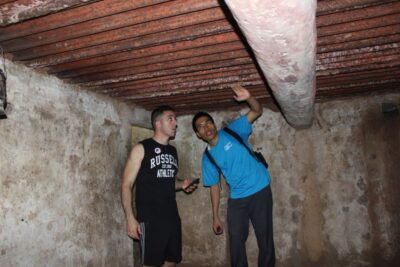
This is where the tour stops being only scenic. Noodles are part craft, part routine, and part local economics. You’ll get an explanation of the age-old methods of noodle production—how families keep the process consistent, how quality is judged, and why certain ingredients matter.
And yes, there’s a practical element. The tour is designed so you don’t just watch. You learn how noodles are made and even get hands-on experience making noodles yourself. It’s a great option if you like food culture that has texture—literally—because you’re doing something with your hands instead of only tasting.
Why this stop feels worth it
In a lot of food tours, you only eat. Here, you get the production side too: how the result is made and who carries it forward. It turns your later meals into something more meaningful, because you now know how much work sits behind what looks simple on a bowl.
Mỹ Khánh break time: a short reset before cocoa
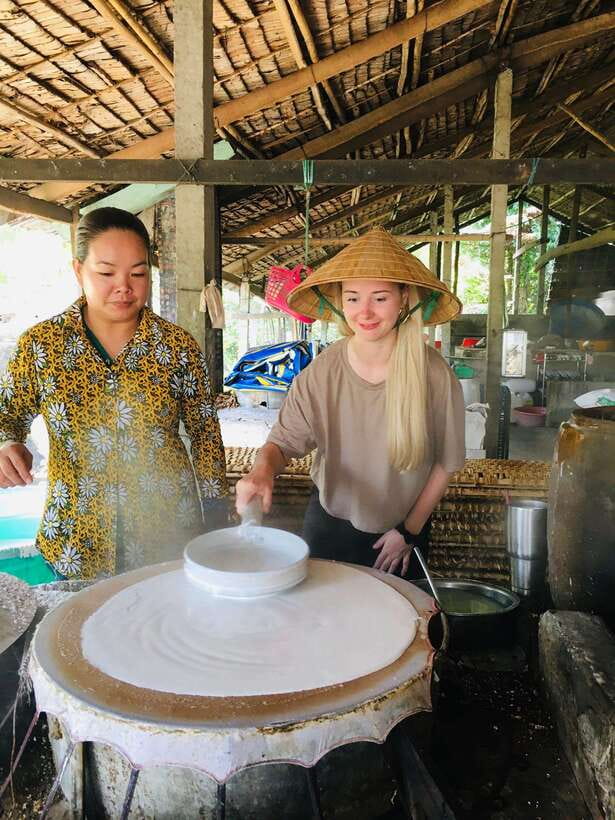
Between the noodle stop and the farm, you’ll have a break time and sightseeing segment at Mỹ Khánh. The duration is about 1 hour, and the intent is simple: give you a breather.
This is useful because you’ll likely be outside and eating in the earlier parts of the trip. A reset time helps you enjoy the cocoa farm more instead of arriving tired and sunburnt.
Exactly what you do during this hour can vary, but the structure is consistent: you’re not left waiting in limbo. The tour keeps momentum while also respecting that a 5.5-hour morning can feel long if you never pause.
Vườn Ca Cao Mười Cương: chocolate from plant to treat
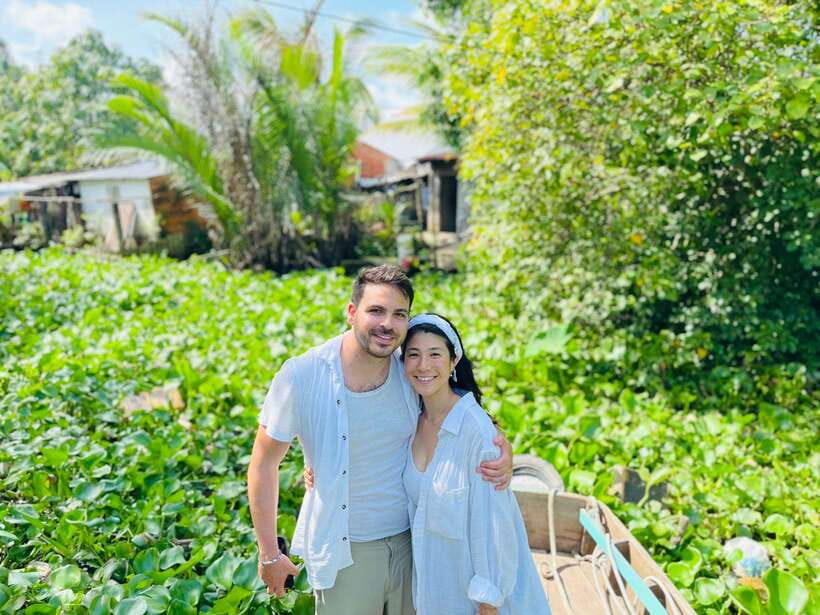
Now for the part many people remember most: Vườn Ca Cao Mười Cương, an organic cocoa farm visit.
This isn’t a generic chocolate stop. The cocoa story has a real family thread. The owner’s father brought the plants back from a trip to Malaysia in 1960, and that brought a crop that felt different for the region. You learn how the family grows the cocoa and processes it with care—something built on labor and patience.
You also get to taste the result. Drinks and treats in the tour include chocolate, and at the cocoa farm you’ll understand what you’re tasting and why it’s different from mass-produced versions.
What makes this visit different
I like cocoa farm stops when they answer two questions:
1) Where did it start?
2) How does it get from plant to something you can eat?
This one covers both, and it stays grounded. You’re not chasing hype. You’re seeing the basic chain of cocoa production—then you taste.
The noodle-making village walk and fruit tasting
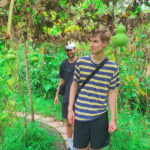
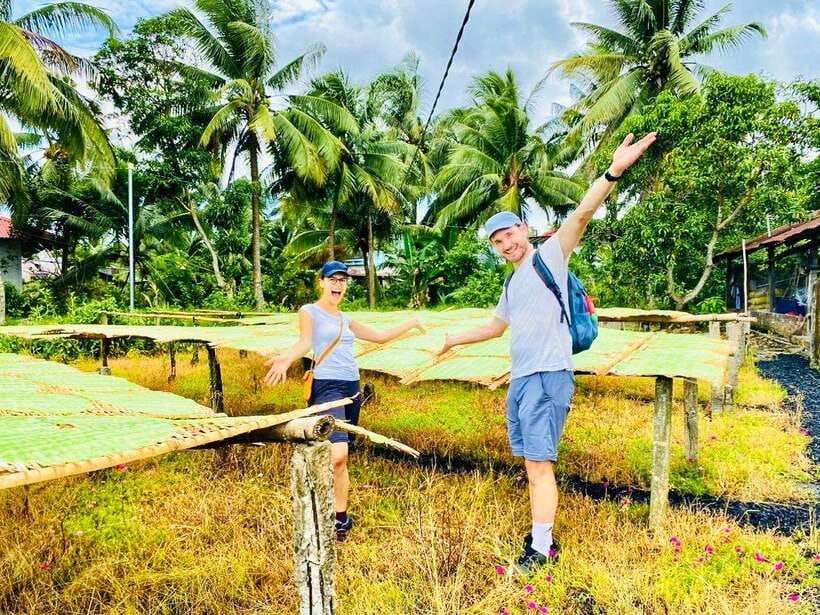
After the farm, the tour returns to local life with a leisurely walk through authentic village areas. You’ll see tropical fruit trees, and your guide explains how fruits are cultivated and harvested—plus some of the biological quirks that make each fruit special.
Then comes the part you’ll probably smell before you see it: fruit tasting. The tour includes tasting of mango, pineapple, jackfruit, and also fruits like star apple. You may also encounter other tropical fruits depending on what’s in season.
This segment is often the easiest one to enjoy, because it doesn’t demand attention like the market or hands-on noodle work. Instead, you get stories plus samples—light, fun, and informative.
A small practical win
Because you’re tasting multiple fruits across the morning, you won’t feel like you only ate a heavy noodle breakfast and then started surviving on snacks. The fruit portion keeps your energy up and gives your taste buds a reset after cocoa.
Local guides, real explanations: what you’ll feel on the tour
One reason this tour consistently gets high marks is the guiding style. The guides are locals, in the millennial generation, and they have university backgrounds. They also speak English, so you’re not stuck translating with gestures and hope.
From guide names I’ve seen attached to groups—Hannah, Clara, Sasa, Thuy, Ruby, Lam, Ana, Tammy, Cris, and Mai—there’s a shared pattern: they answer questions beyond the food. People ask about life, money, culture, and how canals fit into daily work, and the guide can connect the dots.
I also like that some guides focus on practical photo help and group comfort. It can make a small-group tour feel friendlier, especially if you’re solo. You’re still in a real working landscape, but you’re not out there alone.
Value check: what $26 buys you in real terms
At $26 per person for about 330 minutes (5.5 hours), you’re not paying just for boat time and a couple of tastings. You’re paying for a full package:
- Local breakfast on the floating market, including noodle soup and bread (vegan option available)
- Drinks such as coffee, coconut, and chocolate
- Fruit tastings across multiple stops
- Sampan boat cruising through market and canal areas
- Multiple guided visits: market, noodle village stop, cocoa farm, and village walk
Even if you’d pay for food and transport separately in Can Tho, this tour bundles it into one guided morning with less friction. The price point also means you don’t have to overthink what’s worth it—you get several kinds of experiences in one go.
And if your plans shift, there’s free cancellation up to 24 hours in advance and a reserve now, pay later option. That flexibility matters when you’re deciding which early activity to commit to.
Who this Can Tho tour suits best
This experience is a strong match if you:
- Want an authentic Mekong-style morning with boats, food, and local routines
- Care about food production, not just tasting (noodle making plus cocoa processing)
- Like nature time, especially quiet canal cruising
- Appreciate a small group size (max 8)
It’s not a fit if you:
- Have altitude sickness (the tour notes it’s not suitable)
- Are over 70 (also not suitable)
Also be honest with yourself about mornings. If 6:45 AM feels brutal, consider whether you’ll enjoy the market portion instead of tolerating it. The whole schedule is built around beating the crowds while still catching peak activity.
Should you book this floating market and cocoa tour?
I’d book it if you want a balanced Can Tho day that doesn’t force you into a 4 a.m. start or a long, exhausting transfer plan. The best part is the mix: floating market breakfast, calm canal cruising, noodle craft, and cocoa-to-chocolate on an organic farm.
I’d skip it only if you dislike early starts or you’re expecting a totally untouched, off-limits local secret. This is popular, and the market area has a tourist presence. But the tour still takes you through real working spaces on the water, and the food and craft stops are the payoff.
If you like food that comes with context—how it’s made, where it’s grown—this morning is built for you.
FAQ
What time does the tour pick up in Can Tho?
The tour picks you up at 6:45 AM at An Binh Market (Chợ An Bình).
How long is the tour?
The duration is 330 minutes, or about 5.5 hours.
Where is the meeting point?
Meet in front of the gate at An Binh Market (Chợ An Bình), ĐT923 street, An Binh ward, Ninh Kiều district, Can Tho, Viet Nam.
Do I need to start at 4 a.m. to see the floating market?
No. The tour follows today’s reality: the market is most lively between 7:00 and 9:00 AM, so you don’t need a very early start.
What food and drinks are included?
You get breakfast items from the floating market, including noodle soup and bread (vegan option available). Drinks include coffee, coconut, and chocolate, plus tropical fruits such as mango, pineapple, and jackfruit.
Is there a noodle-making or hands-on component?
Yes. The tour includes a traditional noodle-making village where you learn about the production methods and get hands-on experience making noodles.
Is it safe to bring alcohol?
No. Alcohol and drugs are not allowed during the tour.