REVIEW · HANOI
From Hanoi: Premium 2-Day Sapa Adventure with DCAR Limousine
Book on GetYourGuide →Operated by SST Travel · Bookable on GetYourGuide
Two days in Sapa fly by fast. This trip pairs DCAR Limousine comfort with guided village walking and a proper mountain overnight, so you don’t spend your short time figuring logistics out.
I love the clear structure: breakfast plus two lunches and a morning pickup that gets you to the hills early. I also like the hands-on spring-roll cooking class in Ta Van, which turns the trip from sightseeing into something you can actually taste.
One thing to consider: the trekking is manageable, not a marathon hike. If you want long, nonstop trail time or you’re very sensitive to poor weather, you may find the scenery on day two a bit hit-or-miss.
In This Review
- What Makes This Sapa Tour Work (Key Points)
- Two Days in Sapa: What the Schedule Actually Gives You
- Hanoi–Sapa by DCAR Limousine: Comfort, Stops, and Where You’ll Land
- Day 1: Cat Cat Village or Lao Chai to Ta Van (Pick the Route That Fits You)
- Route A: Homestay/Bungalow Outside Sapa Center (Ta Van Focus)
- Route B: 3–5 Star Hotel in Central Sapa (Cat Cat Focus)
- Trekking Reality Check: Views Are Real, but the Walk’s Style Matters
- Day 2: Giang Ta Chai and Red Dao Traditions, or Fansipan Peak Choice
- If you’re on the Homestay/Bungalow Outside Center Route
- If you’re on the Central Sapa 3–5 Star Hotel Route
- Your Overnight Stay: Homestay/Bungalow vs 3–5 Star Hotel (What You’re Really Buying)
- Homestay/Bungalow outside Sapa center
- 3–5 star hotel in central Sapa
- Guides, Group Size, and the Small Details That Make It Feel Easy
- Price and Value: Is $109 Worth It for Sapa?
- What to Pack for Sapa’s Weather (And Why It Matters on This Route)
- Who Should Book This Sapa Tour (And Who Might Want Another Option)
- Should You Book This Sapa Adventure?
- FAQ
- What time does the pickup start in Hanoi?
- What’s included for meals?
- Do I need the cable car ticket for Fansipan?
- Where will I stay overnight?
- Is this tour a small group?
- What should I bring for the trek?
- Is solo travel allowed?
What Makes This Sapa Tour Work (Key Points)

- 9-person maximum small group means the guide can actually answer questions
- DCAR Limousine makes the Hanoi–Sapa ride comfortable, with water and free Wi‑Fi on board
- Cat Cat Village and its H’Mong culture, waterfall, and a French-built hydroelectric plant
- Ta Van + Lao Chai village route includes valley views and stops like Ancient Rock Beach and Cau May
- Fansipan option depends on conditions, and the cable car ticket isn’t included
- Your hotel location decides your route (homestay/bungalow outside the center vs. 3–5 star hotels in central Sapa)
Two Days in Sapa: What the Schedule Actually Gives You

Sapa is the kind of place where a day can vanish if you start late or get stuck in traffic. This tour is built around getting you moving early, then squeezing in both culture and mountain views without pretending you can do everything in 48 hours.
You’ll get two guided village days in two different styles. One route emphasizes a gentler trek with Ta Van activities and a cooking class. The other route leans more toward Cat Cat culture on day one, then gives you a second-day choice between Fansipan or another village trek.
The big benefit for me is that you don’t have to plan the “how do we get there?” part. The tradeoff is that your time in each village is fixed, so you won’t have the freedom to wander indefinitely.
You can also read our reviews of more tours and experiences in Hanoi



Hanoi–Sapa by DCAR Limousine: Comfort, Stops, and Where You’ll Land
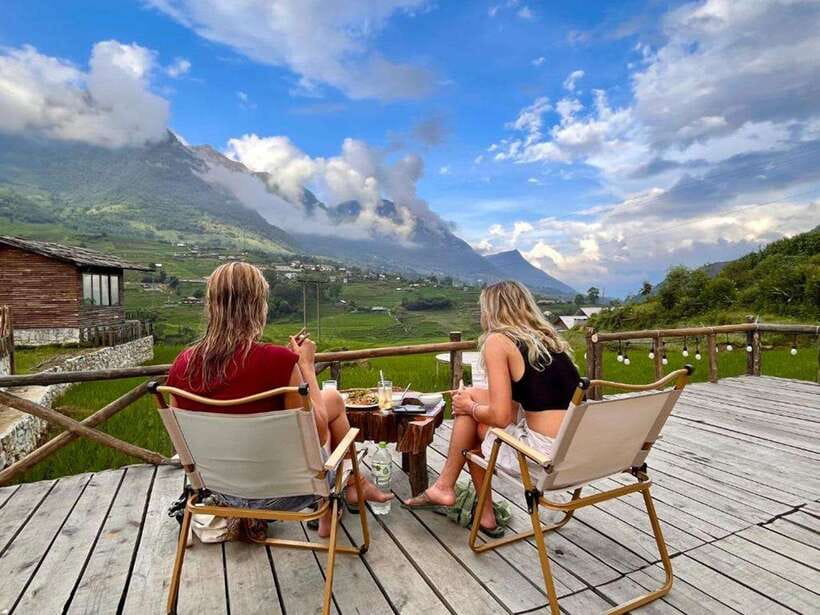
The Hanoi pickup happens in the Old Quarter between 6:30 and 6:45 AM. After that, the round trip is handled by DCAR Limousine, and the ride is the right kind of “easy”: comfortable seating, bottled water, and free Wi‑Fi.
You’ll also make rest stops along the way, which matters because Sapa mornings can start chilly and long. Just plan on a fairly early start—this tour is optimized for getting into the mountains while they’re still clear-ish.
One practical detail I found useful: tour staff operate from a base property (people report Unique Hotel Sapa as the coordination point). After your first lunch, you may transfer onward to your specific selected hotel rather than being dropped at it immediately.
Also note this: the transfer between Hanoi and Sapa is provided without a tour guide. You’ll have English-speaking local guidance once the tour activities start, but the long bus segment is more “ride and arrive” than “ride and learn.”
Day 1: Cat Cat Village or Lao Chai to Ta Van (Pick the Route That Fits You)
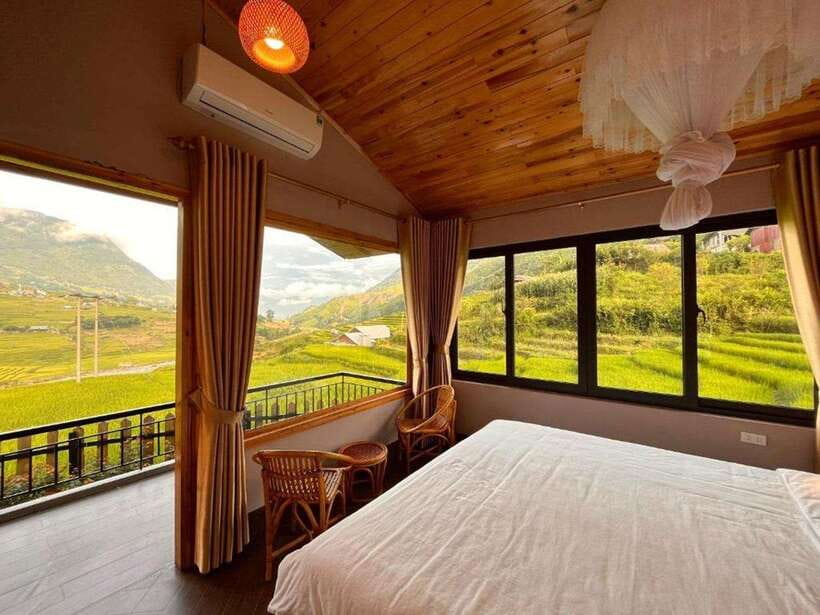
This is a combined tour with two different routes, based on whether you’re staying in a homestay/bungalow outside central Sapa or in a 3–5 star hotel in town. That means you’ll have different guides for the two routes, and the pacing will feel slightly different.
Route A: Homestay/Bungalow Outside Sapa Center (Ta Van Focus)
For this route, day one is centered on Muong Hoa valley and Ta Van life. After arrival, you’ll have lunch in Sapa, then start trekking toward Y Linh Ho (6 km) and continue 3 km to Lao Chai village. This is where terraced fields start doing their thing—layered hills, small paths, and the sense that every bend reveals a new angle.
After Lao Chai, you head into the Muong Hoa valley and end the walking day in Ta Van village. There, you’ll visit Ancient Rock Beach and Cau May, then check into your overnight stay (homestay/bungalow).
The evening plan is one of the best parts: you’ll join a spring-roll cooking class. Even if you’re not a big cooking person, it’s a relaxing way to break up the day’s trekking.
Dinner is self-arranged, so you’ll want to keep some energy for yourself—street food is an easy option if you’re comfortable eating simply.
Route B: 3–5 Star Hotel in Central Sapa (Cat Cat Focus)
If you’re staying in the center, day one starts similarly—early pickup, arrival, lunch, then check-in. From there you visit Cat Cat Village.
Cat Cat is known for H’Mong culture, plus a waterfall stop and a look at a French-built hydroelectric plant. This route is a strong choice if you want culture stops that feel a bit more “on the ground” and less like farm-path trekking.
You’ll have dinner on your own again. That can be a plus if you want to wander a little in town, but it also means you shouldn’t count on a big included dinner experience.





Trekking Reality Check: Views Are Real, but the Walk’s Style Matters
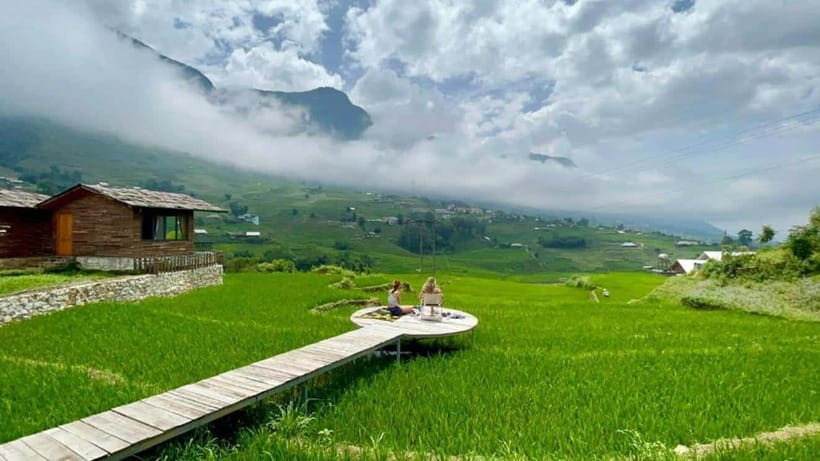
The walking here is designed to be doable for most active travelers, which is why people often come away saying the trip felt smooth and well organized. You’re trekking through terraced terrain and village paths—not scaling peaks all day.
That’s great for value: you get countryside scenery and cultural contact without needing a serious fitness base. It does mean the trek can feel more like a guided hike with stops than a long, uninterrupted immersion.
One useful tip: when the weather turns foggy or the ground is muddy (common in the region after rain), views can soften. In those moments, it’s worth shifting your mindset from chasing perfect panoramas to enjoying the texture of the villages—paths, stone steps, and daily life.
Day 2: Giang Ta Chai and Red Dao Traditions, or Fansipan Peak Choice
Day two is where you’ll see the biggest fork in the road.
If you’re on the Homestay/Bungalow Outside Center Route
Your morning begins with breakfast at the homestay. Then you trek to Giang Ta Chai village (8 km) where you’ll learn about Red Dao traditions.
This part tends to feel more culturally specific. Instead of bouncing between major photo stops, you get a deeper look at a particular ethnic community and how traditions show up in everyday life.
You’ll have lunch at a local restaurant, then return to Sapa around mid-afternoon. From there, you’re driven back to Hanoi and dropped off in the Tran Quang Khai / Ly Thai To area around the evening.
If you’re on the Central Sapa 3–5 Star Hotel Route
Day two starts with breakfast at the hotel and then two options:
- Option 1: Fansipan Peak
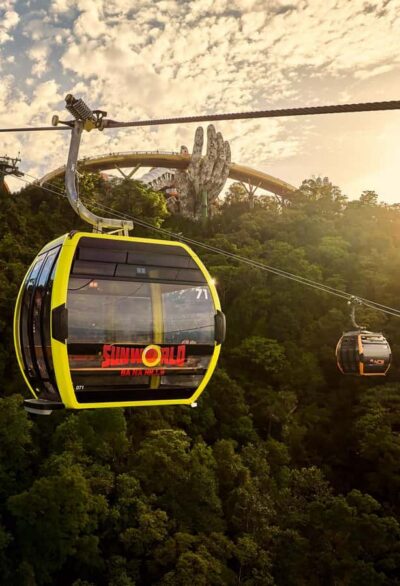
Fansipan is the iconic “top of the region” goal, but the tour notes that the cable car ticket isn’t included. Also, Fansipan is frequently under maintenance for safety, so you might find the summit visit not possible on your dates.
- Option 2: Trek to Y Linh Ho, Lao Chai, and Ta Van
This option keeps you in the village-and-terraces rhythm. If you care more about culture and walking than a single big summit attempt, this is the safer bet.
In either case, you’ll return to Sapa by car around 2:00–2:30 PM, then depart for Hanoi and arrive around 9:00–9:30 PM.
Your Overnight Stay: Homestay/Bungalow vs 3–5 Star Hotel (What You’re Really Buying)

This tour’s price is really about two things: the transportation between Hanoi and Sapa, and the overnight setup. What you choose changes the whole feel.
Homestay/Bungalow outside Sapa center
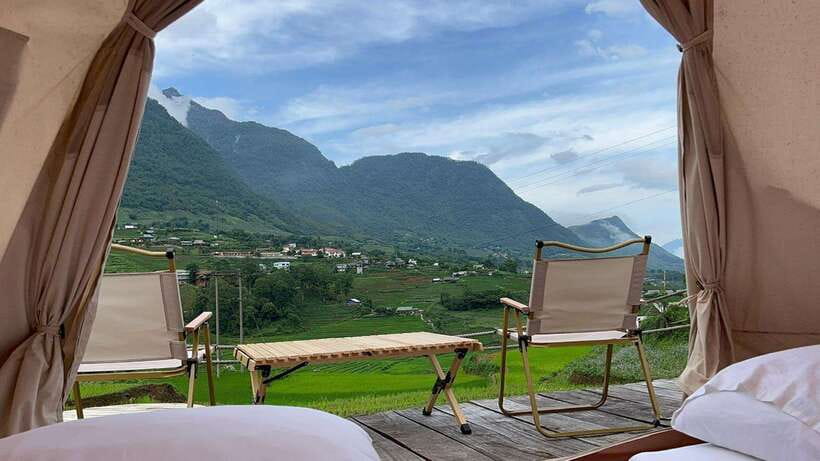
This is best if you want the trip to feel like it’s connected to village life. You’ll sleep in a homestay/bungalow setting and do a cooking class, so your evening is more “with people” and less “in a hotel lobby.”
Keep expectations practical: the point here isn’t luxury beds. It’s atmosphere, local routines, and that quieter sense of being away from the center.
3–5 star hotel in central Sapa
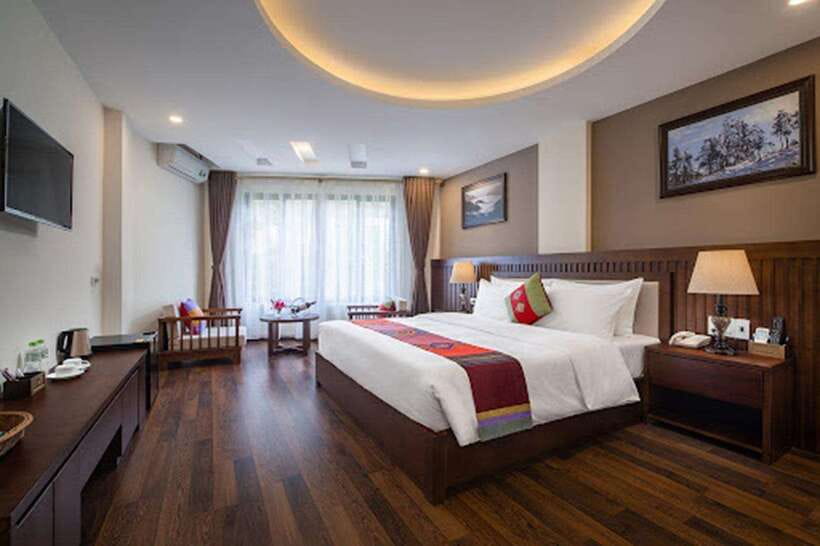
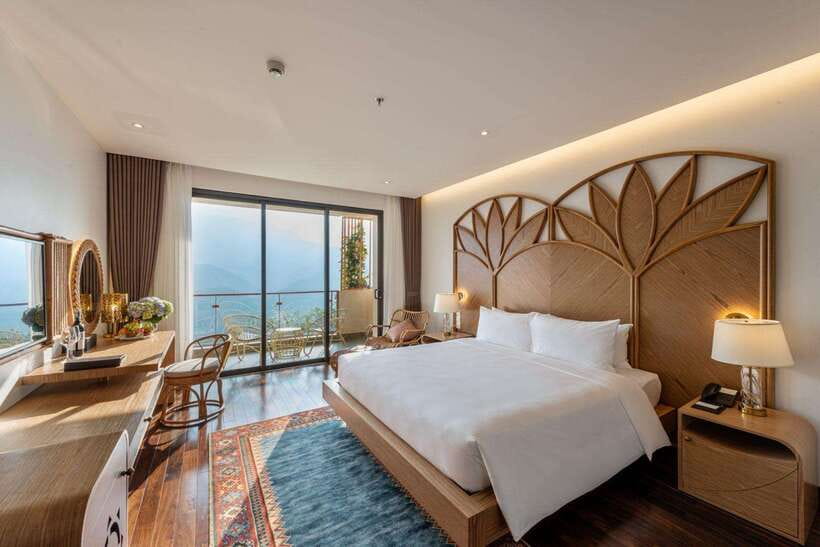
This suits you if you want predictable comfort and easier access to town. It also tends to reduce the stress of logistics—check-in is straightforward and your day ends with a standard hotel routine.
Either way, you get one night included. You also get guidance from an English-speaking local guide at the activities, while dinner stays flexible so you can eat what you like.
Guides, Group Size, and the Small Details That Make It Feel Easy
This is a small group (limited to 9 participants). That size is the sweet spot: you can still hear explanations, and the guide can adjust pacing if someone needs a breather.
Guides are English-speaking and local, and the tour includes admission to attractions plus bottled water and wet tissue. Those “minor” items add up in a place where you’re outdoors and moving.
One more helpful point: the itinerary can adjust the order due to weather, traffic, or unforeseen circumstances, but the tour aims to include the attractions. In real life, that’s exactly what you want—flexibility without losing the main stops.
Price and Value: Is $109 Worth It for Sapa?
At $109 per person, this is priced as a middle-ground Sapa package. You’re paying for:
- round-trip Limousine transfer
- one night accommodation
- English-speaking local guide (on activities)
- two lunches + breakfast
- attraction admissions and key cultural stops
If you were to assemble this yourself—private transport, a guide, and an overnight—costs can climb fast. The value is strongest if you want structure and hate planning.
What might make it less worth it for you:
- If you’re aiming for Fansipan as the main goal, remember the cable car ticket isn’t included and Fansipan can be impacted by maintenance or weather
- If you expect a long, rugged trekking day, the trek distances and pace are designed to be manageable, not extreme
Also, check for holiday surcharges if your dates fall on certain periods. Those are paid on-site and differ by hotel category (3/4/5 star). It’s not hidden; it’s just something to budget.
What to Pack for Sapa’s Weather (And Why It Matters on This Route)
Sapa weather can change quickly. This tour asks you to bring:
- comfortable shoes
- warm clothing
- rain gear
- camera
- snacks and water
Even if the days look bright in the morning, fog and mist are common enough that you should pack like you’ll get damp. The good news: bottled water is provided, and the included wet tissue helps for hands-on village stops.
If you run cold easily, don’t “hope for the best.” Warm layers are the difference between enjoying the walk and rushing through it.
Who Should Book This Sapa Tour (And Who Might Want Another Option)
This tour makes the most sense if you:
- want a 2-day Sapa intro without planning a route
- enjoy village culture and terraced scenery more than only summit views
- prefer a small group with an English-speaking guide
- like practical extras like water, Wi‑Fi on the ride, and a cooking class
It’s not suitable for pregnant women, people with back problems, wheelchair users, or anyone who needs fully accessible routes.
If you’re chasing hardcore trekking or you’re very altitude/weather-sensitive, you’ll likely be happier with a different pace—maybe more time in the region or a more flexible hiking plan.
Should You Book This Sapa Adventure?
I’d book it if you want a smooth, structured Sapa experience with real cultural stops—Cat Cat or Ta Van, plus Lao Chai and Red Dao traditions—and you’re fine with manageable trekking. The DCAR Limousine transfer, small group size, and included meals make it feel efficient for a short trip.
I’d think twice if your trip depends on Fansipan working perfectly. The cable car isn’t included, and Fansipan can be affected by maintenance and weather. If you’re okay with switching your focus to village life and terraces, you’ll still enjoy the trip even when conditions aren’t ideal.
If you want one clear rule: pick the route that matches your accommodation style—homestay/bungalow for village nights and cooking, central hotel for a more town-based comfort level.
FAQ
What time does the pickup start in Hanoi?
Pickup from Hanoi Old Quarter is scheduled between 6:30 AM and 6:45 AM.
What’s included for meals?
The tour includes breakfast and two lunches. Dinner is not included, so you’ll eat on your own.
Do I need the cable car ticket for Fansipan?
Cable car admission for Fansipan is not included. Fansipan may also be unavailable due to maintenance for safety.
Where will I stay overnight?
Your overnight stay depends on your package: homestay/bungalow outside the center of Sapa, or 3/4/5-star hotel in central Sapa.
Is this tour a small group?
Yes. It’s limited to 9 participants.
What should I bring for the trek?
Bring comfortable shoes, warm clothing, a camera, snacks, water, and rain gear.
Is solo travel allowed?
Yes, but a single room supplement is mandatory for solo travelers and is shown in each option.