REVIEW · HANOI
From Hanoi: 2-Day Overnight Sapa Tour by Limousine
Book on GetYourGuide →Operated by Crossing Vietnam Tour · Bookable on GetYourGuide
Sapa can feel worlds away in just two days. This Hanoi-to-Sapa overnight tour puts you on the road early, then trades big-city noise for quiet ethnic-minority village walks with a local English-speaking guide.
Two things I really like: the door-to-door pickup in Hanoi’s Old Quarter area, and the way the walking focuses on real highland communities like the Black H’mong at Sin Chai and Y Linh Ho, plus Dzay life in Ta Van. One thing to consider before you go: the trek includes longer sections (around 9 km total on the second day), and Sapa weather can turn slippery or cold fast.
- Village walking with a real route: Sin Chai, Y Linh Ho, Lao Chai, and Ta Van, built around valleys, terraces, and daily life.
- English-speaking support in Sapa: A guide who keeps you moving and explains what you’re seeing.
- Overnight hotel included: 3- or 4-star lodging in Sapa depending on your option.
- Meals and key entry costs covered: 1 breakfast, 2 lunches, 1 dinner, plus entry tickets to sites mentioned.
- Comfort-first transfer from Hanoi: A 9-seater limousine plus scheduled restroom and light-meal stops en route.
In This Review
- A 9-seat limousine ride into Sapa’s highlands
- Day 1: Sin Chai Black H’mong village and Sapa night on your terms
- Day 2: Muong Hoa valley treks to Y Linh Ho, Lao Chai and Ta Van
- Your guide and local culture: what you’ll learn (and what to expect)
- Price and what you actually get for $150
- Food, hotel comfort, and the best timing for real village life
- What to pack and how to handle Sapa’s cold and fog
- Who this tour suits best (and who should skip the long trek)
- Should you book this 2-day overnight Sapa tour?
- FAQ
- How long is the Sapa tour from Hanoi?
- What time does the pickup from Hanoi usually happen?
- How do you travel between Hanoi and Sapa?
- What’s included in the price?
- Are drinks included?
- What villages do you trek to?
- Do I need to do the long trek on Day 2?
- What should I bring for Sapa’s weather?
- Is cash necessary in Sapa?
- Is the tour suitable for wheelchair users or mobility impairments?
A 9-seat limousine ride into Sapa’s highlands
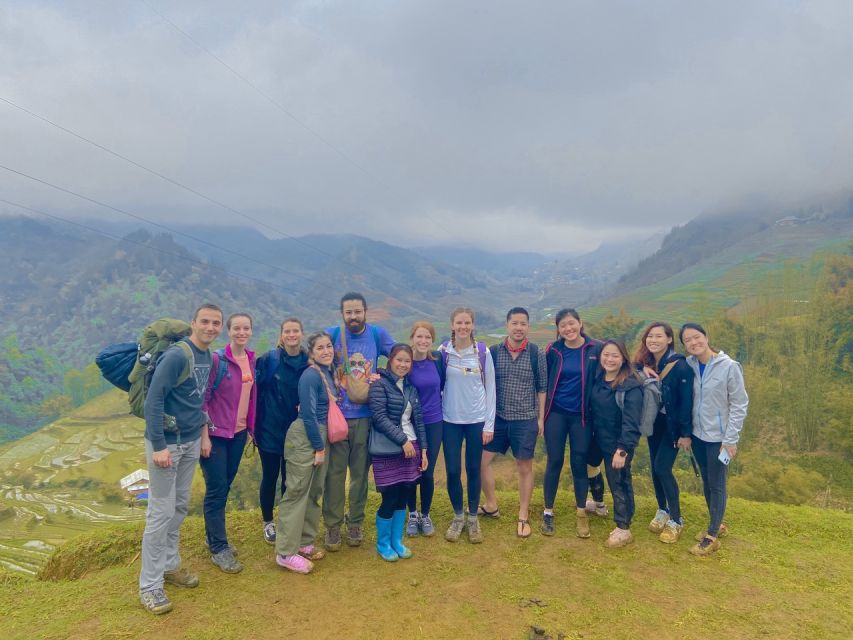
The best part of starting in Hanoi is that you’re not forced to make your own complicated connections. You get picked up in the Old Quarter area of Hoan Kiem district around 6:30–7:00 AM, then the group heads toward Sapa in a 9-seater limousine. It’s a long drive—about 6 hours—but you do get two restroom stops along the way.
On a route like this, comfort matters more than you expect. The limousine seating tends to make the hours pass with less fatigue, and that helps when you still have trekking to do that afternoon. You’ll arrive in Sapa, have lunch at the hotel restaurant, then check in and take a breather before your first walk.
Day 1: Sin Chai Black H’mong village and Sapa night on your terms
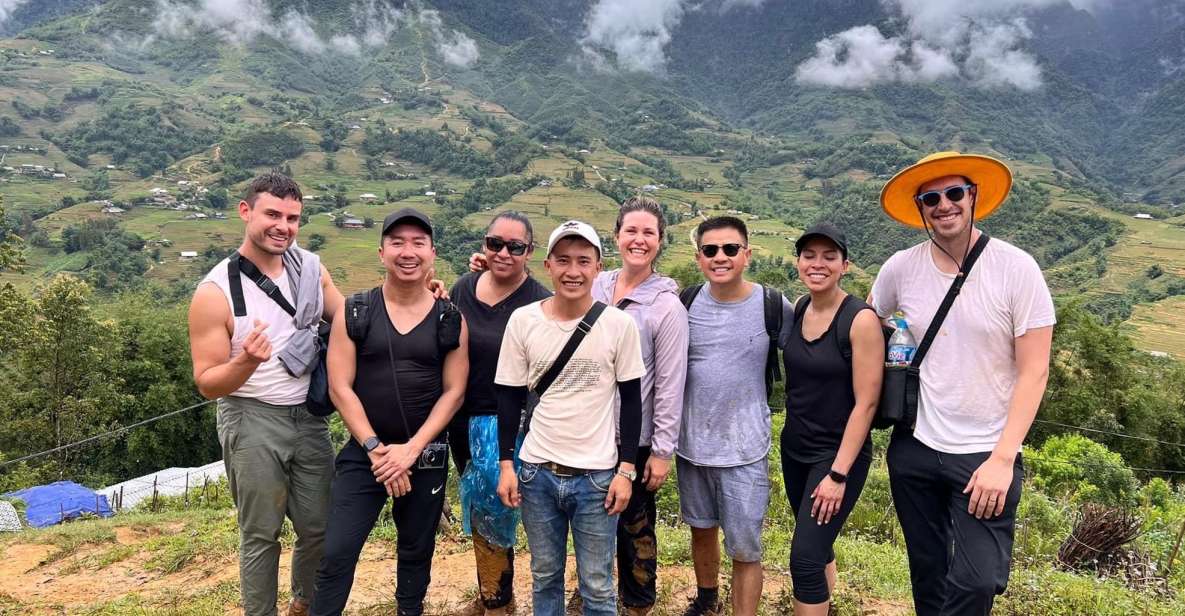
Day 1 is built like a “gentle start, then culture.” After lunch and check-in, your guide picks you up to begin trekking down to the southwest of Sapa. The first walk is about 4 km to Sin Chai village, home to the Black H’mong.
Sin Chai is more than just a scenic photo stop. It’s described as simple and rustic, located more than 2 km from Sapa town center, so you spend time with village life rather than only a tourist trail. You’ll also notice how the walk shapes your experience: as you go downhill, you’re not just moving between sights—you’re transitioning into a different pace of living.
When you finish the trek, you go back to your hotel by van and freshen up. Dinner is scheduled around 6:00 PM, then you get free time to enjoy Sapa at night.
I like this kind of unstructured evening because it lets you do one small thing instead of trying to fill every minute. You can browse shops, or keep it simple with local snacks like roasted corn and baked eggs beside a charcoal fire—exactly the sort of moment you remember later.
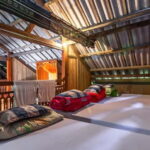
Overnight is at a 3- or 4-star hotel in Sapa, depending on the option you choose. If you want a real buffer between trekking days, this included hotel time is what makes the schedule feel doable.
You can also read our reviews of more tours and experiences in Hanoi



Day 2: Muong Hoa valley treks to Y Linh Ho, Lao Chai and Ta Van
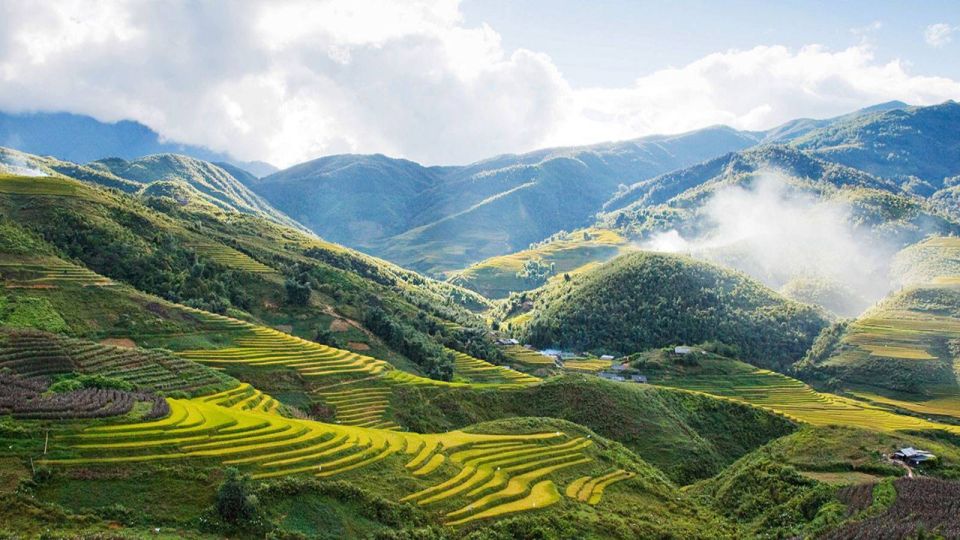
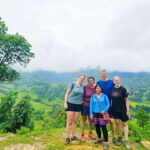
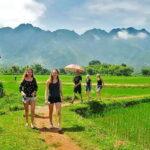
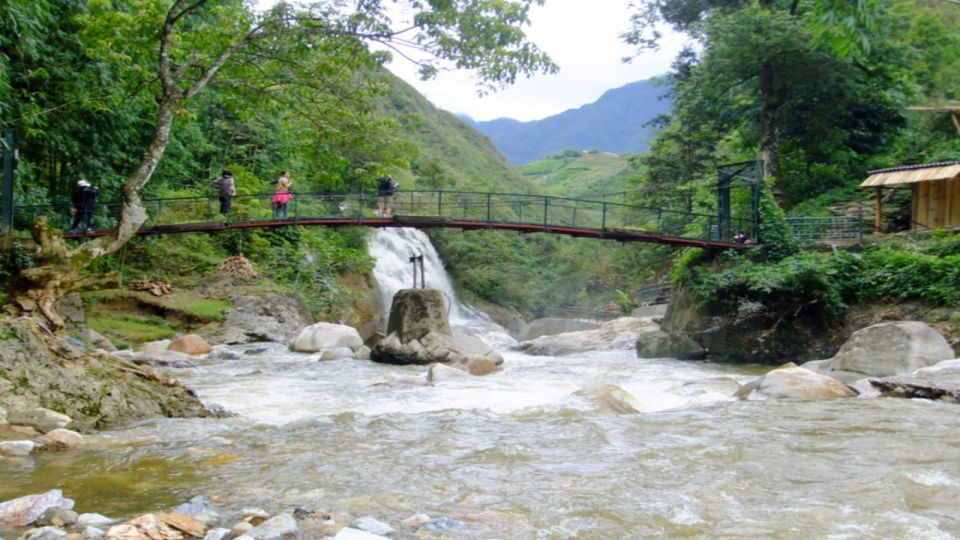
Day 2 starts with breakfast at the hotel, then the real walking begins. You’ll head 6 km down to the south east of Sapa along the side of the Muong Hoa valley to Y Linh Ho village, also of the Black H’mong.
From Y Linh Ho, you continue trekking about 2 km to Lao Chai village. This stretch matters because the route links communities through the same valley system—so you see how terraces, paths, and daily rhythms connect rather than feeling like disconnected visits.
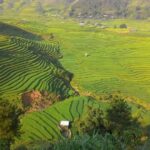
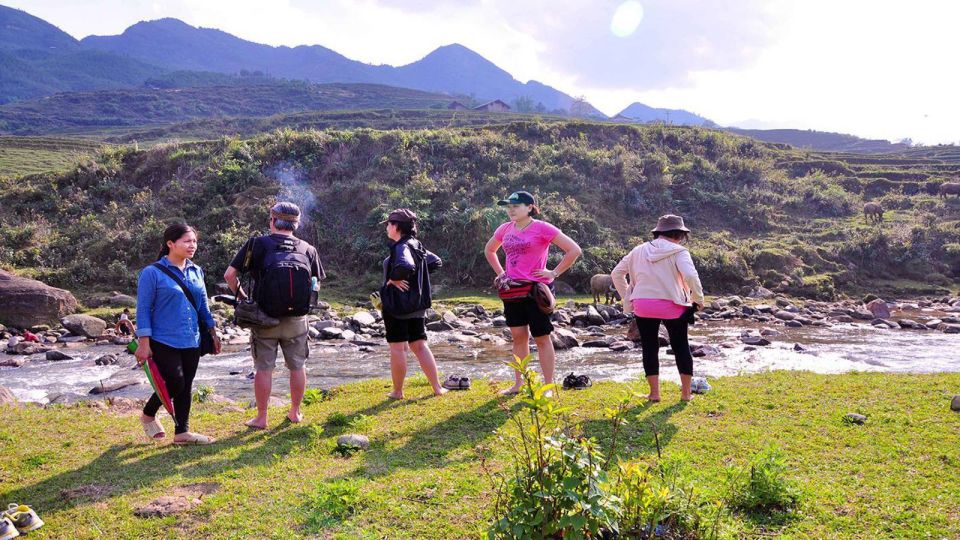
Then comes the part that often feels like the “main character” of the whole trip: walking through terraced rice fields to Ta Van village, home to the Dzay minority people. Ta Van is where the tour leans more into understanding daily life, including house architecture—how homes are shaped by work, weather, and everyday needs.
If the altitude has you slower, this is normal. Pace yourself and use your guide’s rhythm. You’ll end the day around 2:00 PM by returning to your hotel, packing up, and heading back to Hanoi.
The return drive is timed for a full day off your feet. You depart Sapa around 2:30 PM and arrive in Hanoi around 8:30–9:00 PM.
Your guide and local culture: what you’ll learn (and what to expect)
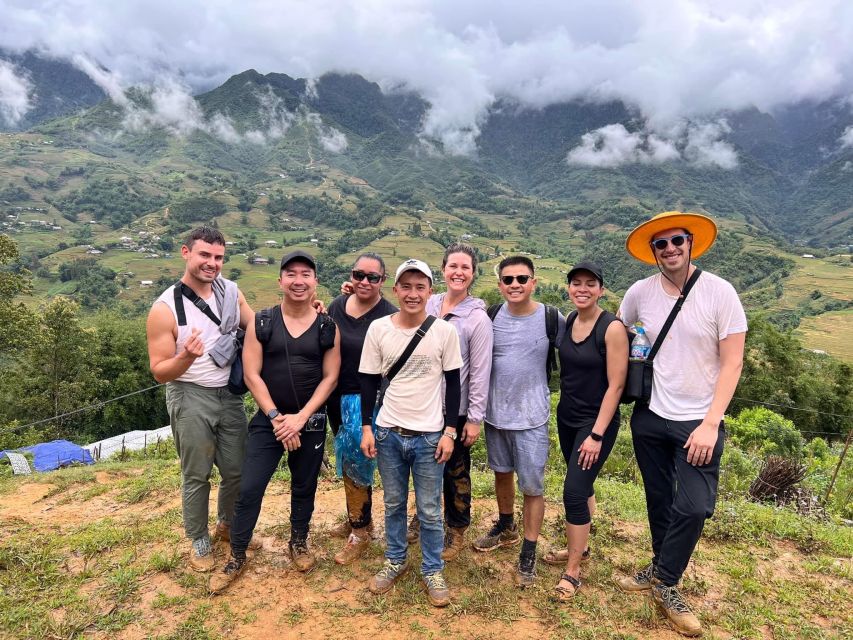
This tour is successful when the guide is strong, and the support in Sapa is a big deal. The experience includes an English-speaking guide in Sapa, plus local guidance during the trek. That combination is what turns village visits into understanding instead of just walking.
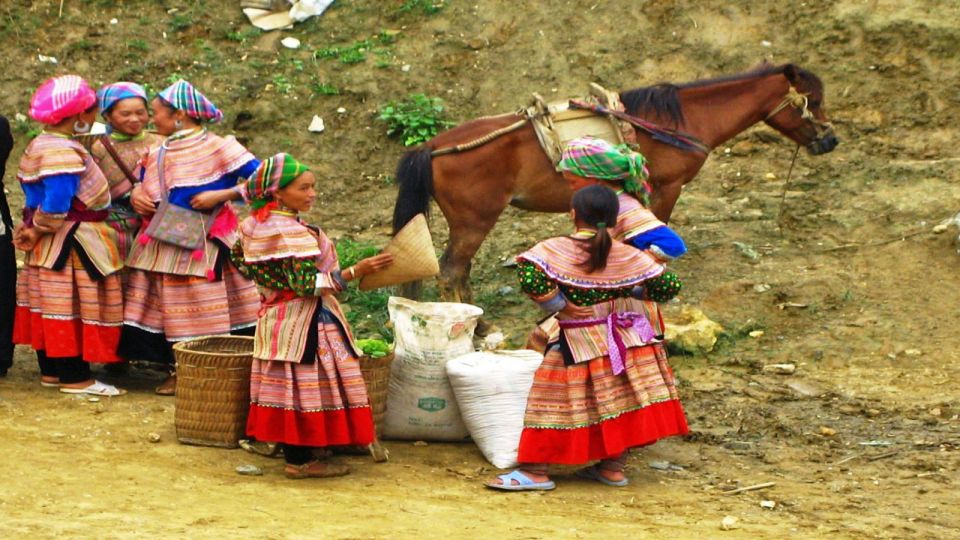
You’ll get explanations of ethnic-minority culture tied to what you’re actually seeing: Black H’mong life in Sin Chai and Y Linh Ho, H’mong community in Lao Chai, and Dzay customs in Ta Van. It’s the kind of learning that comes from “watch, ask, walk”—not a classroom.
One small practical note: during village walks, you may notice locals who are friendly and also interested in selling items. That doesn’t mean the experience is fake, but it does mean you should be ready with your boundaries and your budget mindset. If you’re the type who hates pressure, keep your interaction short and polite, and decide in advance whether you want to browse.
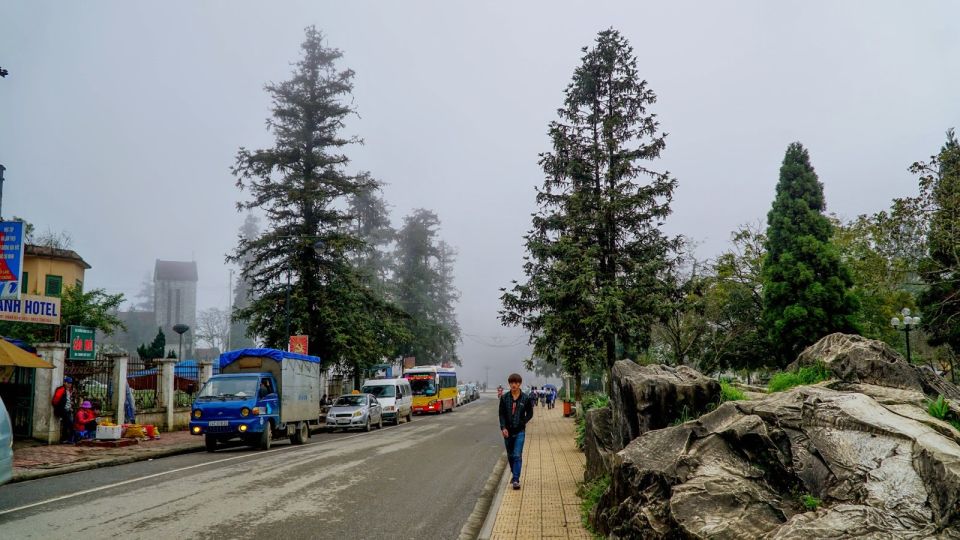
Also, expect the guide to manage the group flow on slippery ground. Sapa can be cold and can get foggy (especially December–March), and wet trails aren’t your friend. Comfortable shoes with grip aren’t optional for a trek like this.
Price and what you actually get for $150
$150 per person sounds simple, but the real question is whether the trip bundles enough value for it to feel worth it. In this case, a lot is included:
- Roundtrip shared limousine between Hanoi and Sapa
- Hotel accommodation for one night (3- or 4-star)
- Local transfers in Sapa with drivers
- English-speaking guide in Sapa
- Meals: 1 breakfast, 2 lunches, 1 dinner
- Entry tickets for sites mentioned
- Pickup and drop-off at hotels in the Old Quarter area (Hoan Kiem)
When you compare that to the cost of doing Hanoi-to-Sapa on your own—transport, guide time, and a night in Sapa—this price starts to make more sense. You’re paying for convenience and for guided time in places that are harder to piece together independently.
The main cost pressures to watch for are not hidden in the price. Drinks and personal expenses are not included. Also, if you’re traveling solo, there can be an extra single supplement. If you’re comfortable sharing a room, it can be a smoother value math.
Food, hotel comfort, and the best timing for real village life
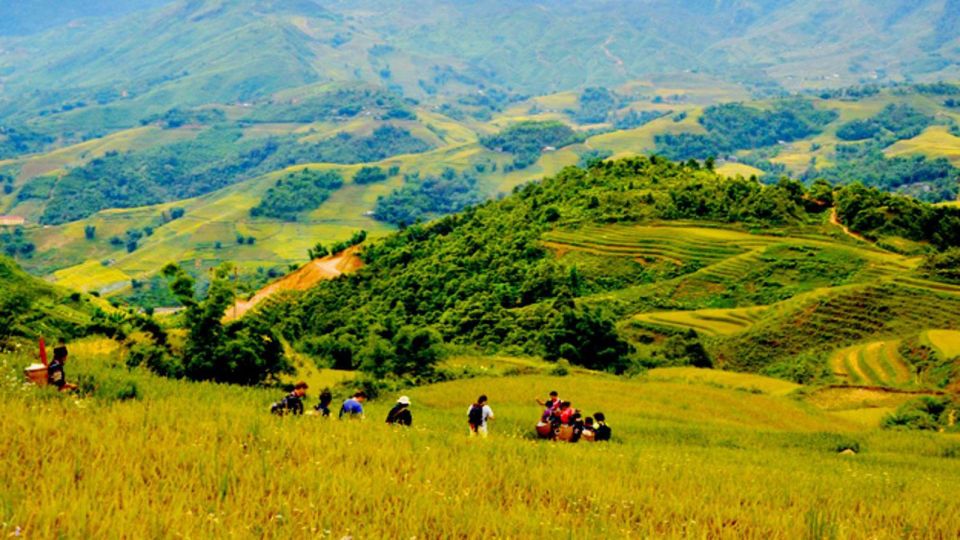
The food plan is simple and efficient: lunch on arrival day, dinner that evening, and breakfast before the second-day trek. On Day 1, you eat lunch at the hotel restaurant after arriving in Sapa and then you’re free to rest before walking. That structure matters because it protects your energy for the first trek to Sin Chai.
Dinner is scheduled around 6:00 PM, and then you’re released for night-time freedom. I like this because Sapa nights can be chilly, and having a planned meal means you don’t have to hunt for something quickly after travel fatigue.
For the hotel, you have options: 3-star or 4-star depending on the selection. From the way the experience is described by past guests, even the 3-star option can still feel comfortable for a night in the mountains. The key here isn’t luxury—it’s recovery. You want a bed that helps you wake up ready to walk again.
One more timing detail: you’re trekking during daylight hours, with a clear return cut-off on Day 2 (back at the hotel around 2:00 PM). That’s a big deal because it keeps the trip from dragging into late evening hikes.





What to pack and how to handle Sapa’s cold and fog
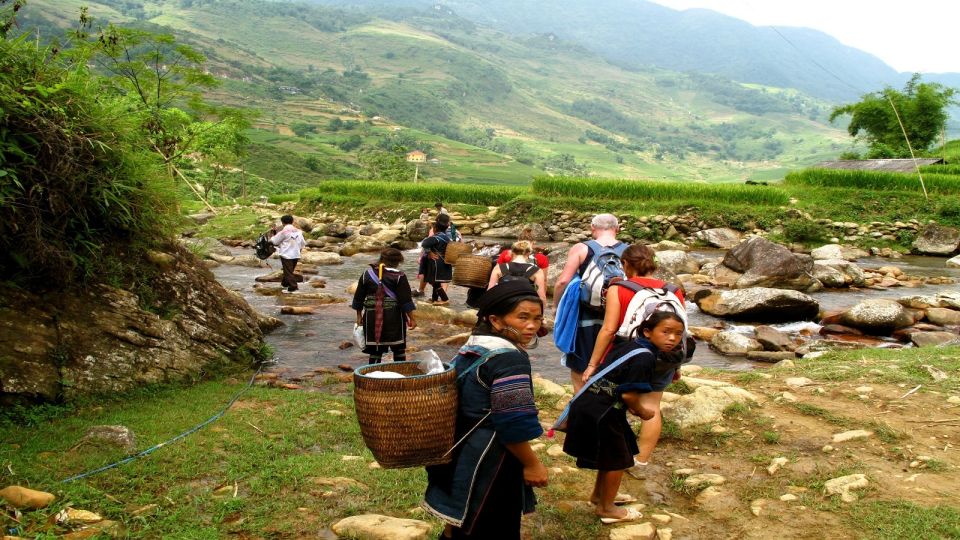
Sapa’s weather doesn’t behave like Hanoi. Even if you’re traveling in comfortable conditions elsewhere, you should plan for unpredictable mountain weather.
Bring warm layers. It’s normally cold from September to March, and you’ll want a scarf plus a hat or cap. Sunglasses help too, even on cloudy days. A camera is useful because the terraced rice walks in particular create lots of angles, and it’s nice to capture those everyday village scenes.
Footwear is the biggest safety item. You’ll be on downhill and uneven paths, and the tour specifically warns that conditions can be challenging (especially with rain). Choose shoes with grip, and consider wearing socks that dry fast.
Also pack:
- Insect repellent
- A passport or ID card
- Cash in Vietnamese Dong, since banking in Sapa sometimes doesn’t work
If you run low on money, don’t panic—US dollars, euros, and Australian dollars are accepted in Sapa—but it’s still smart to carry VND.
Who this tour suits best (and who should skip the long trek)
This is a good match if you want a guided highland experience without DIY stress. You’ll enjoy it if you like walking between real communities and learning from an English-speaking guide, and if you’re okay with a full schedule that starts early in Hanoi.
It’s not a good match if you want minimal exertion. The long trek includes a 9 km option noted as challenging, and older people are advised not to do it, especially because rain can make it dangerous.
If you decide you don’t want the long trek on Day 2, the tour leader can arrange an alternative visit—but you’ll be responsible for tickets and transportation fees for that replacement plan.
Finally, this tour isn’t set up for everyone physically. It’s noted as not suitable for people with mobility impairments and not suitable for wheelchair users.
Should you book this 2-day overnight Sapa tour?
Book it if you want the simplest path from Hanoi to Sapa with guided village walks, included meals, and a real overnight stay. At $150, the value comes from bundling transport, hotel, guiding, and multiple meals, not from the hotel itself or from shopping stops.
Skip it (or plan a lighter day) if you know you won’t handle a longer trek or if you travel with limited mobility. And go into it prepared for mountain weather: layers, grip shoes, and an attitude of walking steadily rather than rushing.
FAQ
How long is the Sapa tour from Hanoi?
It runs for 2 days with an overnight stay in Sapa.
What time does the pickup from Hanoi usually happen?
Pickup is around 6:30–7:00 AM from hotels in the Old Quarter area (Hoan Kiem district).
How do you travel between Hanoi and Sapa?
You travel by a shared 9-seater limousine, with scheduled restroom stops and time for a light meal if needed.
What’s included in the price?
The price includes roundtrip limousine transport, hotel accommodation for one night, local transfers in Sapa, an English-speaking guide, 1 breakfast, 2 lunches, and 1 dinner, and entry tickets to the sites mentioned.
Are drinks included?
No. Drinks are not included.
What villages do you trek to?
You trek to Sin Chai (Black H’mong), Y Linh Ho (Black H’mong), Lao Chai (H’mong), and Ta Van (Dzay).
Do I need to do the long trek on Day 2?
The long trek is around 9 km and is described as challenging and potentially dangerous in rain for older travelers. If you don’t want the long trek, the tour leader can organize another visit, but you’ll pay any required tickets and transportation fees.
What should I bring for Sapa’s weather?
Bring warm clothes, a scarf, a hat or cap, and comfort-ready shoes. Sapa is normally cold September–March, and fog can happen December–March.
Is cash necessary in Sapa?
Yes. You’re advised to bring cash in Vietnamese Dong because banking systems in Sapa sometimes don’t function. USD, Euros, and AUD are accepted in Sapa.
Is the tour suitable for wheelchair users or mobility impairments?
No. It’s listed as not suitable for people with mobility impairments and not suitable for wheelchair users.