REVIEW · HANOI
From Hanoi: Sapa 2D1N Homestay overnight by Morning bus
Book on GetYourGuide →Operated by Mountain Light Homestay · Bookable on GetYourGuide
Sapa can feel like a world away before lunch. From a 6:00–6:30 AM pickup in Hanoi to a guided trek through H’mong, Dzao, and Tay villages, this is a fast route into real-life Northern Vietnam. I particularly liked how the English-speaking guides keep things clear and confident, including solid tracking when the weather turns cold and foggy.
What I like most is the hands-on homestay experience in Ta Van, especially the spring-roll cooking class and the shared village meals. One consideration: expect a real walking day (and you’ll want basic fitness), and be ready for occasional sales pressure during village routes.
In This Review
- Key highlights worth caring about
- Hanoi morning pickup and the “sleeping bus” reality
- First stop in Sapa town: costumes, briefing, and a quick reset
- Day 1 trek: Y Linh Ho to Lao Chai, then into Muong Hoa valley toward Ta Van
- Ta Van homestay night: spring-roll cooking, local dinner, and real village time
- Day 2 trek: Giang Ta Chai and Supan villages plus an 8 km walk
- Guides matter here: Phinh and Chin made the difference
- Weather and comfort: what cold fog does to your day
- Food along the way: included meals that keep you fueled
- Price and value: what $60 buys you (and where it doesn’t)
- The sales reality in village routes: how to handle it calmly
- Who this Sapa homestay trek is best for
- Should you book this Hanoi–Sapa 2D1N homestay trek?
- FAQ
- How long is the Sapa trek experience?
- What time do you get picked up in Hanoi?
- When do you arrive in Sapa town?
- How much trekking do you do on Day 1?
- How much trekking is on Day 2?
- What’s included with the homestay in Ta Van?
- What meals are included?
- Is there an English-speaking guide?
- Are bus tickets included?
- What should I know about costs and what’s not included?
Key highlights worth caring about
- 6 km + 3 km on Day 1, including Y Linh Ho to Lao Chai before reaching Ta Van by late afternoon
- Homestay cooking class for traditional spring rolls, plus dinner with local dishes
- Giang Ta Chai and Supan on Day 2 with an additional 8 km trek
- English-speaking guide in Sapa, with praise for guides like Phinh and Chin
- A winter-ready plan when it’s cold and foggy, since tracking still runs
Hanoi morning pickup and the “sleeping bus” reality
This tour is built around an early start. You’re picked up from your Hanoi hotel between 6:00 and 6:30 AM, then you ride to Sapa using the new highway, with a break stop along the way. You arrive in Sapa town around 13:00–13:30, so you get time to settle, eat, and still start trekking the same day.
The bus is described as modern with sleeping-style seats, and that matters on this route. Even if you’re not flat-out asleep, you’ll arrive less wrecked than if you were sitting upright for hours. For me, that’s one of the key “value” parts of the price: you’re paying for transport that’s designed for comfort, not just movement.
Bring a light layer for the bus ride. Even when the sun is out, Sapa can cool down fast, and you’ll want to be comfortable before you start walking.
You can also read our reviews of more tours and experiences in Hanoi.



First stop in Sapa town: costumes, briefing, and a quick reset

When you reach Sapa town, you’ll get an orientation moment before the hike starts. There’s time to look around and spot traditional clothing from ethnic communities such as H’mong, Dzao, and Tay. It’s not just photo time—this early arrival helps you understand what you’re walking toward in the hills.
Then you’ll get welcome drinks and a detailed itinerary briefing. That briefing is practical: you’ll know what the day looks like, how long you’ll be on foot, and what you’re walking through. A guided experience works best when you’re not constantly guessing.
You’ll also stop for lunch with local Vietnamese dishes. That’s important because the trek starts in the mid-afternoon range on Day 1, and you’ll feel it more if you skip a proper meal.
Day 1 trek: Y Linh Ho to Lao Chai, then into Muong Hoa valley toward Ta Van
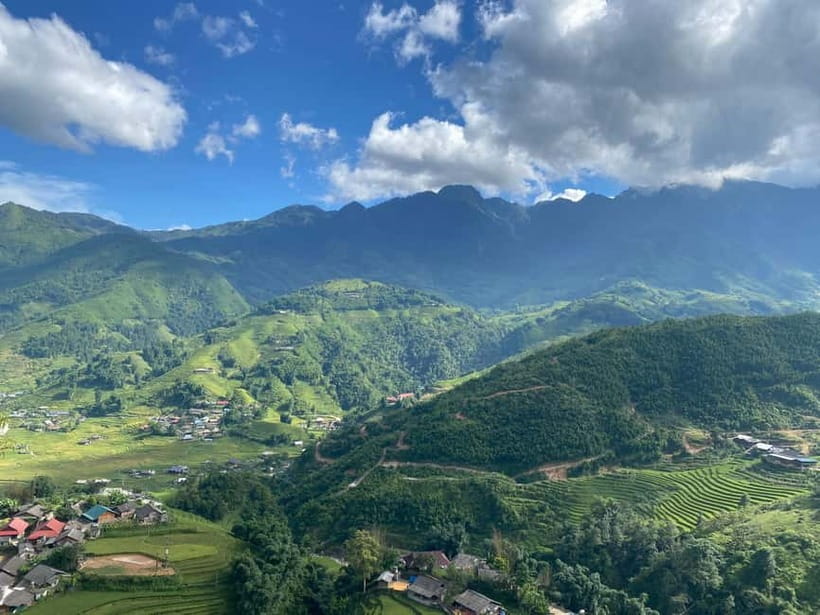
Day 1 is the longer “entry” trek, and it’s the heart of the trip for most people. You start with a 6 km walk to Y Linh Ho village, then continue another 3 km to Lao Chai village. By the time you’ve done those stretches, you’ll have a feel for the walking pace and the footing.
The route includes a crossing to reach the next area—there’s mention of a small tunnel or bridge as you enter the Muong Hoa valley. That detail matters for expectations: you’re not just strolling on a flat path. You’ll be moving through changes in terrain, and having a guide who’s used to the route helps a lot.
You should plan to reach Ta Van village by around 16:00. That timing gives you enough daylight to check in, regroup, and still enjoy the homestay evening instead of just collapsing.
A useful fitness note based on feedback: this tour is not for couch legs. One review flagged that you really do need decent fitness because you’ll walk a lot. If you can only do short strolls at home, pick a gentler option—or at least practice a few longer walks before you go.
Ta Van homestay night: spring-roll cooking, local dinner, and real village time
Your first night is at a homestay in Ta Van village, and this is where the trip turns from “scenery + photos” into something more personal. Check-in happens after you arrive in the mid/late afternoon, then you’ll have time to settle in.
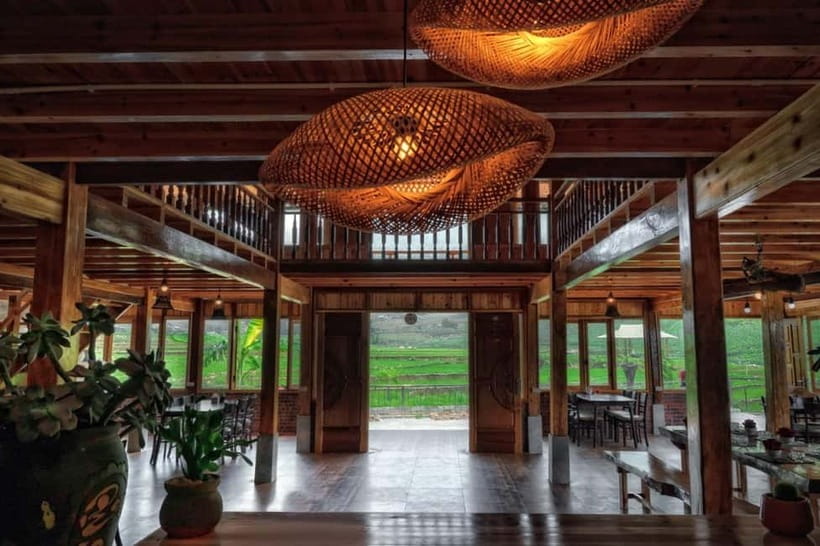
One of the most praised parts here is the cooking class for traditional Vietnamese spring rolls. This isn’t just a demo—you learn the method, which is a great way to bring the experience home. And it gives you a reason to talk with hosts in a setting that’s natural and not rushed.
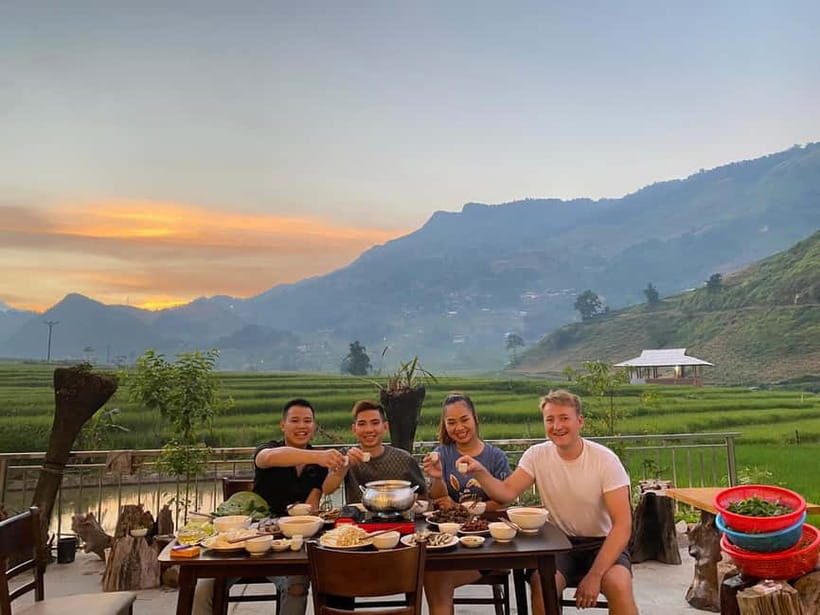
Dinner is included, with local dishes served as part of the homestay experience. That shared meal is usually the moment when you realize how small daily routines can be in the best way—simple, local, and surprisingly memorable.
If you’re thinking about solo travel, this is also a good “group-friendly” night. You’ll have a built-in social rhythm with other guests, plus conversation opportunities with your hosts.
Day 2 trek: Giang Ta Chai and Supan villages plus an 8 km walk
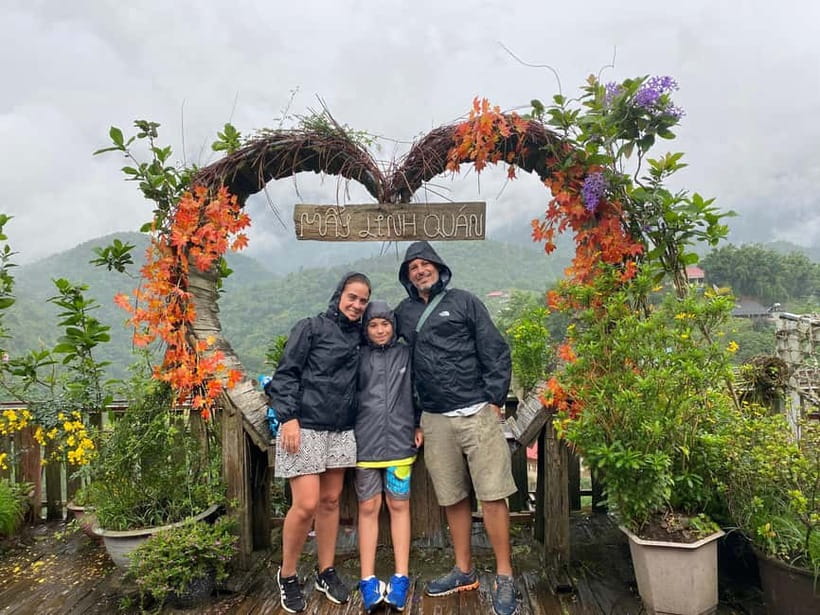
Day 2 starts with breakfast at the homestay. Then you head out again for a trek of 8 km covering Giang Ta Chai village and Supan village, with time to learn about local traditions along the way.
Giang Ta Chai is specifically connected to the Red Dao community. That’s useful context because it helps you look beyond costumes and instead focus on how people live, work, and keep cultural identity through everyday routines.
At noon, you’ll have lunch at a local restaurant and then some downtime before the return to Sapa town. You’re picked up around 14:00, reach Sapa, then meet the group at the hotel area for the bus back to Hanoi.
The bus back runs from about 15:00–15:30, and you arrive in Hanoi around 21:30. That schedule is tight but workable, especially if you treat the second half as recovery time after the walking.
You can also read our reviews of more tours and experiences in Hanoi




Guides matter here: Phinh and Chin made the difference
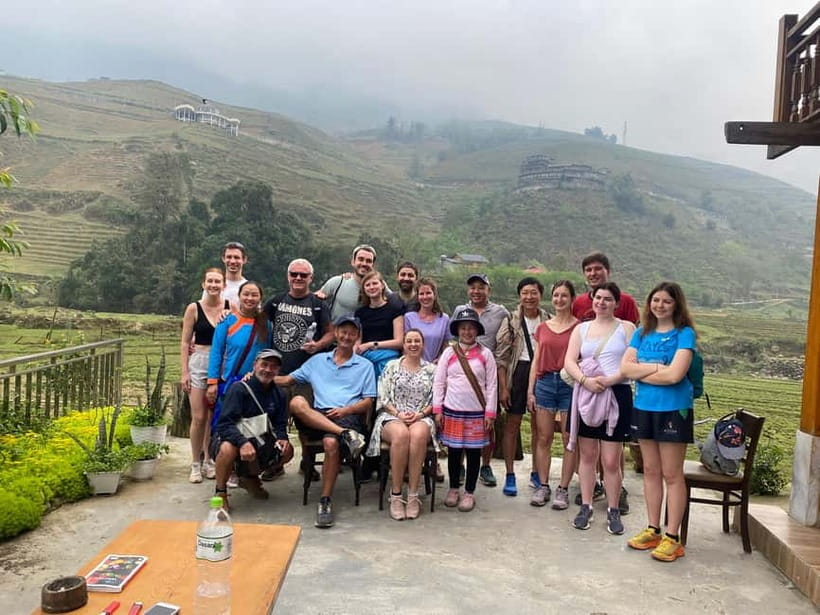
This is a guided trek, and good guidance changes everything. In reviews, guides like Phinh and Chin were singled out for being kind, helpful, and very informative.
What I take from that as a practical traveler: ask questions at the start of the day. A guide can translate what you’re seeing—ethnic community details, route notes, and how to handle weather. In cold fog, the guide’s experience also shows. One review mentioned bad weather (cold and fog) but credited tracking for keeping things on track.
If you’re someone who likes to understand what you’re looking at—not just where you’re walking—this kind of guidance is a big part of the value.
Weather and comfort: what cold fog does to your day
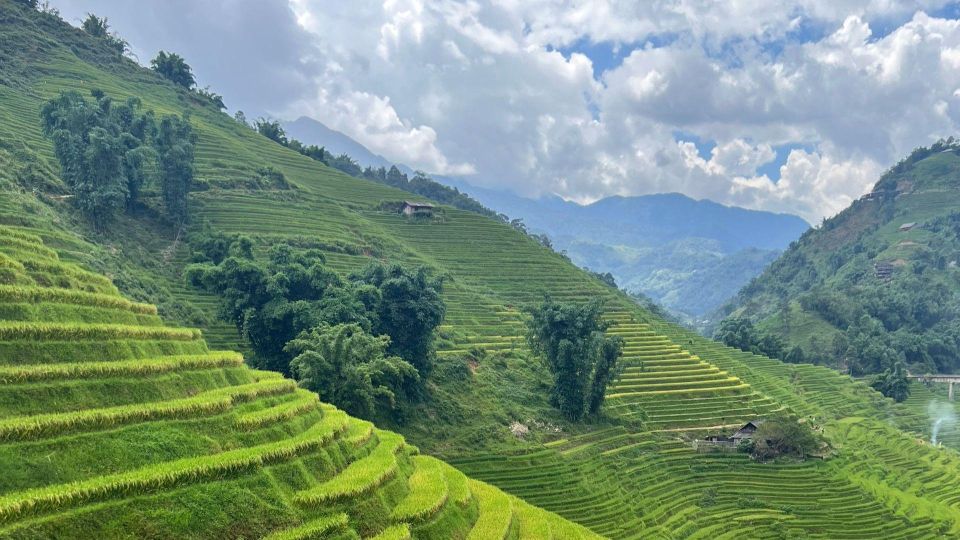
Sapa can be cold, and fog happens. One review flagged cold and fog conditions, but the trek was still described as well tracked. That’s reassuring, but it also tells you to pack for real mountain weather, not a mild “North Vietnam” day.
You’ll want layers you can adjust quickly. Wear shoes with grip, since you’ll be moving between villages and over mixed terrain. A light rain jacket also helps even when it’s not raining constantly, because fog can dampen everything.
If you tend to get cold easily, don’t rely on just a thin jacket for the homestay evening. The walking may warm you up, but nights can feel chilly.
Food along the way: included meals that keep you fueled
You get 2 lunches, 1 dinner, and 1 breakfast. That matters because this trek has real mileage across two days, and you don’t want to be searching for food mid-walk.
The food you’re eating is described as local Vietnamese dishes at lunch, plus dinner at the homestay. One of the best ways to experience a place is through what people feed you at home or near where they live, and homestays usually get that right.
If you have strong dietary needs, the data here doesn’t specify special meals. So it’s worth checking directly with the operator before you go, especially for allergies or strict preferences.
Price and value: what $60 buys you (and where it doesn’t)
At about $60 per person, the pricing can be fair for what’s included. You get:
- Modern sleeping bus tickets Hanoi–Sapa–Hanoi
- English-speaking guide during the Sapa portion
- 1 night homestay in Ta Van
- All entrance tickets as in the itinerary
- Meals: 2 lunches, 1 dinner, 1 breakfast
That’s a lot bundled together. Where value can drop is what’s not included: beverages, government tax, and extras like single supplement and travel insurance. Private rooms aren’t included either, so if you want guaranteed privacy, this might not fit without paying more.
Also, consider the “hidden cost” side of trekking: shoes, warm layers, and any extra snacks or water. The tour covers meals, but you may still want small comforts during breaks.
The sales reality in village routes: how to handle it calmly
One review had a clear negative experience tied to pushy sales behaviors from local women during the hikes. I won’t pretend this is always the case, but it’s enough of a warning that you should go in with a plan.
My practical approach for any village route: be polite, keep your answers short, and don’t promise purchases you don’t intend. If you want souvenirs, set aside a small amount of cash ahead of time. If you don’t, practice a firm but respectful no.
This doesn’t mean the trek isn’t worth it. It means you should treat the cultural encounter as human interaction, not a shop window.
Who this Sapa homestay trek is best for
This fits best if you want:
- Guided trekking with cultural stops in villages like Lao Chai, Ta Van, Giang Ta Chai, and Supan
- A homestay night with an activity you can learn from, like the spring-roll cooking class
- A comfortable bus ride between Hanoi and Sapa
It’s less ideal if you can’t handle long walks. Day 1 includes 6 km + 3 km, and Day 2 adds 8 km. Combine that with cold fog risk, and you’ll be glad you trained a bit.
If you’re traveling as a couple or solo, it can still work well because the group structure and homestay setting naturally create social time.
Should you book this Hanoi–Sapa 2D1N homestay trek?
I’d book it if you want an efficient introduction to Sapa that blends walking, village culture, and a real homestay evening. The combination of an English-speaking guide, a meaningful homestay night in Ta Van, and included meals makes it good value for $60.
I’d think twice if you’re very sensitive to sales pressure, or if your fitness is limited. Also, if you’re traveling for guaranteed comfort over walking effort, this route demands more stamina than a light day trip.
If you go in prepared—warm clothes, grippy shoes, and a calm approach to village selling—this becomes one of those trips you remember for the dinner table conversations and the cooking class lesson, not just the photos.
FAQ
How long is the Sapa trek experience?
It’s a 2D1N trip, with two days of guided walking and one night in a homestay in Ta Van village.
What time do you get picked up in Hanoi?
Pickup is between 6:00 and 6:30 AM from your Hanoi hotel.
When do you arrive in Sapa town?
You arrive in Sapa town around 13:00–13:30.
How much trekking do you do on Day 1?
Day 1 includes a 6 km trek to Y Linh Ho village and then 3 km onward to Lao Chai village.
How much trekking is on Day 2?
Day 2 includes an 8 km trek covering Giang Ta Chai village and Supan village.
What’s included with the homestay in Ta Van?
You get 1 night at the homestay, plus a cooking class for traditional Vietnamese spring rolls and dinner.
What meals are included?
The tour includes 2 lunches, 1 dinner, and 1 breakfast.
Is there an English-speaking guide?
Yes. There is an English-speaking tour guide during the trip in Sapa.
Are bus tickets included?
Yes. Sleeping bus tickets for Hanoi–Sapa–Hanoi with modern facilities are included.
What should I know about costs and what’s not included?
The price includes meals, entrance tickets as in the itinerary, and transport. It does not include government tax, beverages, travel insurance, or a single supplement, and private rooms are not included.