REVIEW · DA NANG
Da Nang History Tour Walking By Cham Pa Museum-Cuisine-Cafe
Book on GetYourGuide →Operated by Funtastic Basket Boat Tours and Cooking Class · Bookable on GetYourGuide
Da Nang’s past is one walk away. I like this Cham Museum history tour because it strings together stone Hindu art, living beliefs, and everyday street life, then ends with coconut/salt coffee that tastes like Da Nang itself. It’s priced at $28 for a full day, so you’re not just ticking boxes—you’re building context.
Two things I really like: the Cham Museum stop, where you see hundreds of ancient stone statues tied to the Champa Kingdom (dated from the 7th to the 14th century), and the food and drink portion, with a choice of Pho plus herbal tea and a coconut or salted coffee finish. The guide brings the story in English, with historian-style background—recent bookings even call out guides named Mun and Hong.
One consideration: the schedule is tight. If you could lose an hour more inside the museum, you might wish for more museum time before moving on to the next streets and stops.
In This Review
- Key Highlights
- Cham Museum: getting the Champa story from stone
- An Long Pagoda: Mahayana Buddhism and everyday beliefs
- A 1980s market and Da Nang alley walks: culture beyond main streets
- Dragon Bridge and the Han River: icons plus wartime context
- Pho on a quiet street, then Chicken Church and Han Market
- Coconut coffee or salted coffee: the Da Nang finish you’ll remember
- Price and value: what $28 gets you in a 1-day route
- Should you book this Da Nang Cham Pa history walking tour?
- FAQ
- Where is the meeting point for the tour?
- How long is the Da Nang History Tour?
- How much does the tour cost?
- What meals and drinks are included?
- Do I need to pay for the Cham Museum entrance ticket separately?
- Is the tour guided in English?
- Is pickup or drop-off included?
- Is this tour offered as a private group?
- What tip should I plan for the guide?
- What if I need to change plans?
Key Highlights
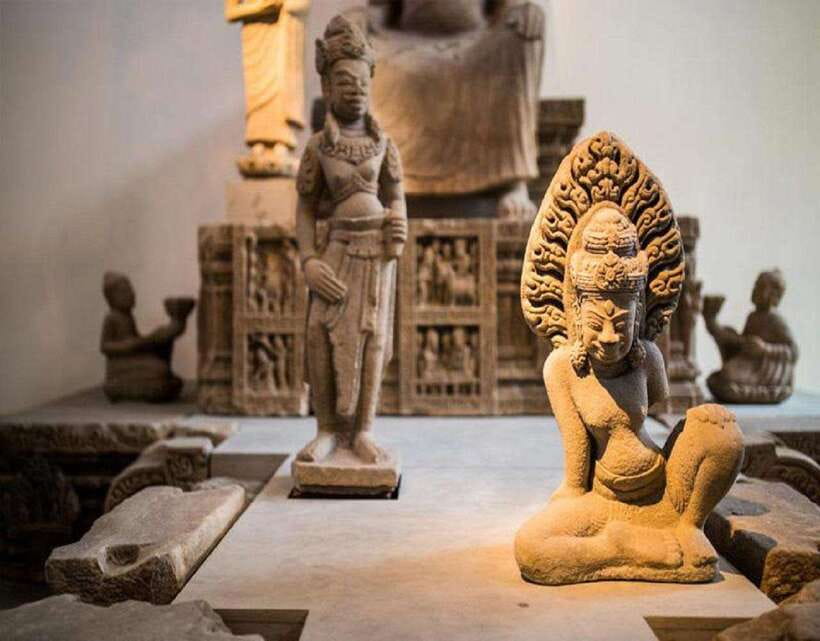
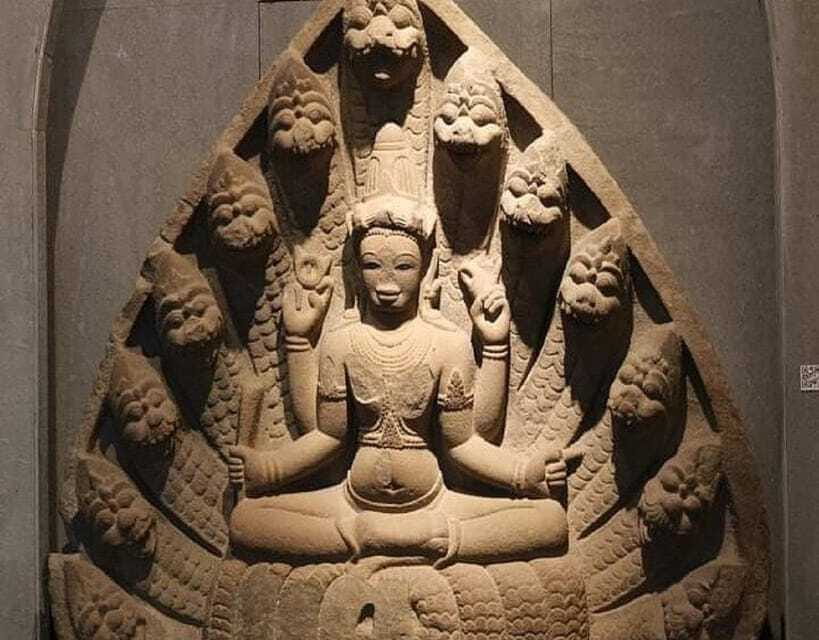
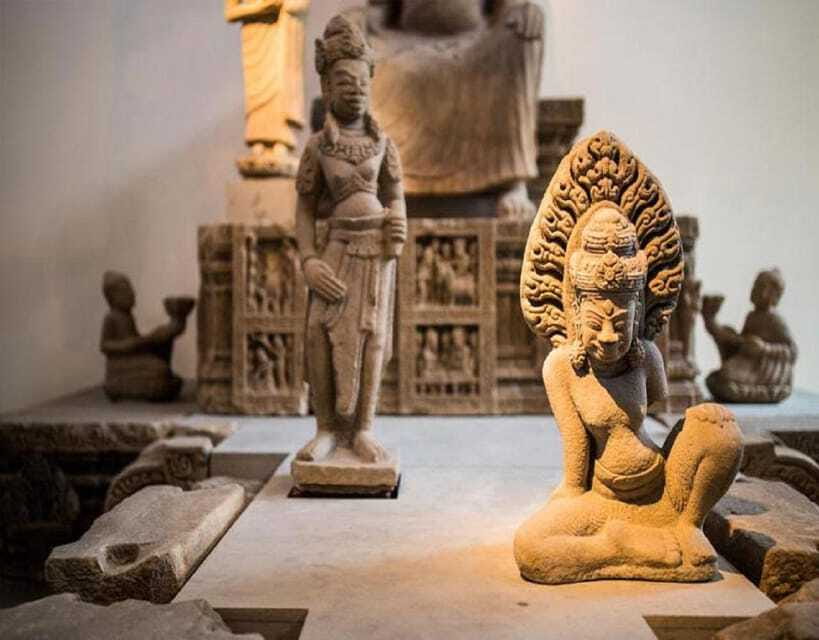
- Cham Museum sculptures: hundreds of Hindu art stone statues spanning the 7th–14th centuries, built around Champa stories
- An Long Pagoda: a Mahayana Buddhism visit that connects beliefs to local life
- Da Nang street reality: a look at an old-style market built under collectivism, then back-alley walking for day-to-day perspective
- Dragon Bridge and Han River: a 666 m landmark plus wartime-era context tied to the city before 1975
- Chicken Church + Han Market: French-era cathedral area vibes and a Chinese-community story thread in central Vietnam’s biggest market
- Coconut or salted coffee: a memorable finish, plus pho and green Hanoi herbal tea along the way
Cham Museum: getting the Champa story from stone

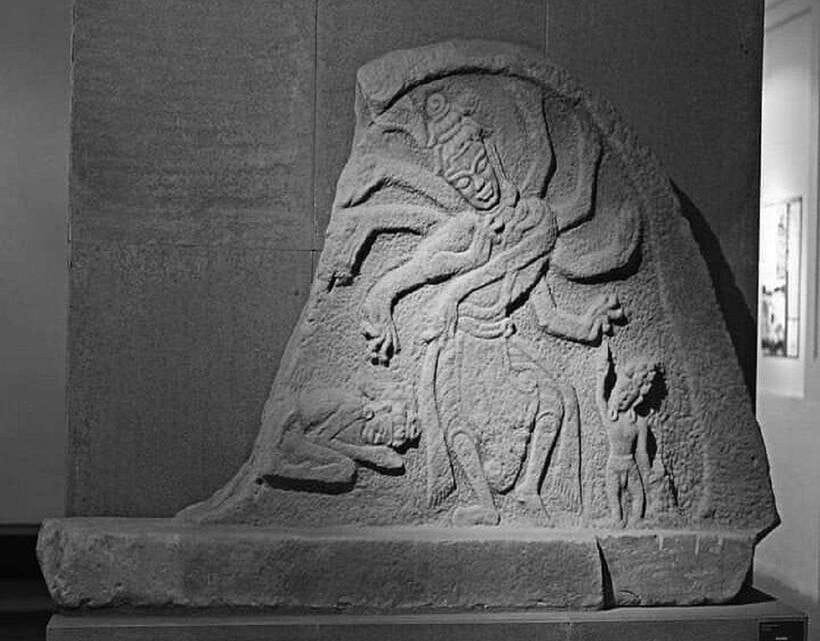
Most of Da Nang’s best history lesson isn’t in a textbook. It’s in the sculptures at Cham Museum. This is billed as the world’s largest collection of Hinduism sculptures, with antique stone statues—hundreds of them—dating roughly from the 7th to the 14th century. Each piece has its own story, so the visit works best if you let the guide connect the dots rather than trying to read everything yourself.
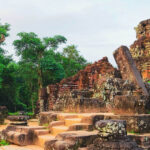
You’ll spend time walking through the exhibits tied to the Champa Kingdom, and you’ll also get context for My Son—the famous Cham religious site—plus a wider, quick sketch of Vietnam history in earlier eras. That matters because Champa is not just a random stop; it’s a major thread in Central Vietnam. When you understand the religion and the art style first, My Son (if you’re heading there later) makes much more sense.
Practical tip for your day: eat thoughtfully before you start walking. One review specifically suggested skipping breakfast because the tour includes pho and coffee later. You’ll likely be hungry again by then, and the order of meals is part of the experience.
You can also read our reviews of more walking tours in Da Nang
An Long Pagoda: Mahayana Buddhism and everyday beliefs
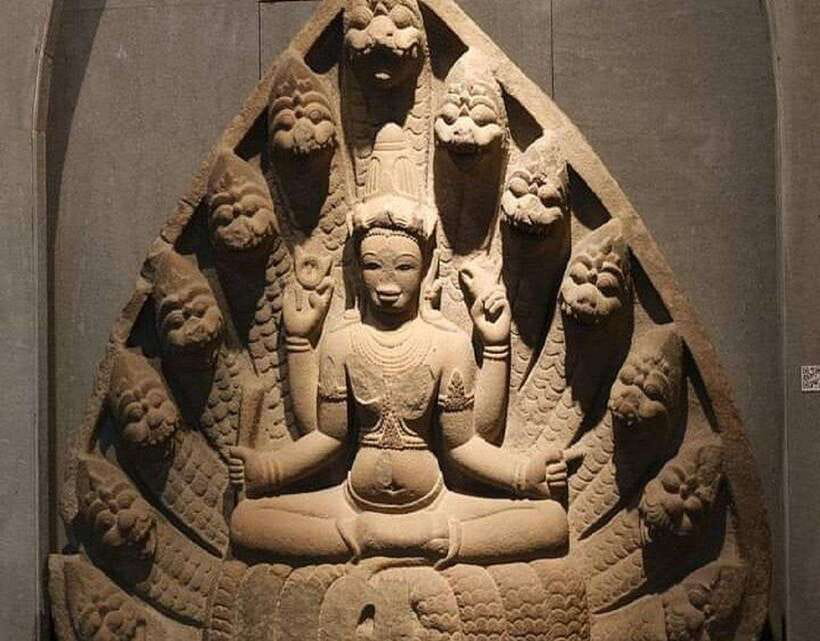
After the museum’s stone-and-symbol world, the tour shifts to something more human: faith you can see and feel in daily routines. At An Long Pagoda, you learn Mahayana Buddhism and local beliefs, and—this is the key part—how those beliefs show up in real life here.
The stop is described as being off the tourist path, which is exactly what you want from a history-and-culture walking day. Pagodas tend to be busy places in their own way, but the guide keeps it grounded in meaning: what people believe, what they practice, and how it shapes community life. Think of it as cultural translation. The museum gives you the past’s artwork; the pagoda explains how ideas survive and adapt.
If you’re curious about religion without wanting a heavy lecture, this portion hits a good balance. The guide’s English narration is part of what makes this work, especially for first-timers who aren’t yet fluent in the regional cultural logic.
A 1980s market and Da Nang alley walks: culture beyond main streets
Da Nang’s center can look polished to visitors. This tour intentionally adds the “how people actually lived” layer. You’ll visit a local market built in the 1980s under collectivism, described as being strongly like North Korea in its approach. That framing may sound blunt, but it helps you understand the atmosphere: how policy shaped daily life, what was hard, and how people adapted.
Then the tour shifts into hidden alleys—slower, narrower streets where resident life feels closer. This is where you get that sense of the city not just as scenery, but as an inhabited place with routines. It’s also a good moment to notice contrasts: older architectural choices versus newer storefronts; practical living versus tourist-facing areas.
The value here is perspective. You stop treating “culture” as something you watch and start treating it as something you participate in with your eyes. And yes, it’s still a walking tour, so comfy shoes help. You’re on your feet for the whole day, moving from temple to market to bridges.
Dragon Bridge and the Han River: icons plus wartime context

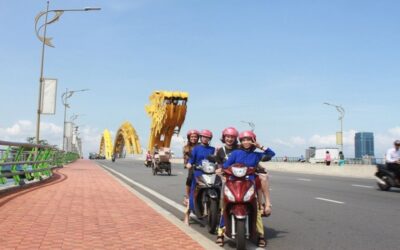
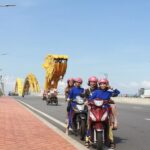
Then comes the postcard moment, and it’s done in a useful way. You’ll see Dragon Bridge—the one with the famous dragon form—and you’ll get the story behind its length: 666 meters. On its own, it’s a photo stop. With the guide, it becomes a landmark you can place in the city’s story.
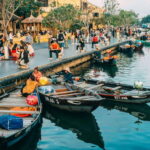
Walking along the Han River, you also learn about the wartime role of Da Nang. The tour points out that Da Nang was a major military base before 1975 and connects the river area to what American forces built during the Vietnam War. That’s one of the smarter parts of the route: the history isn’t only in museums. It’s layered onto places you’re already seeing.
If you like history with your feet moving, this is one of the strongest stretches. It turns “I saw a bridge” into “I understand why this city mattered.”
Pho on a quiet street, then Chicken Church and Han Market
The tour then slows down in the best way: with food and landmarks that feel local.
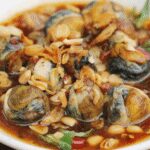
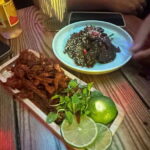
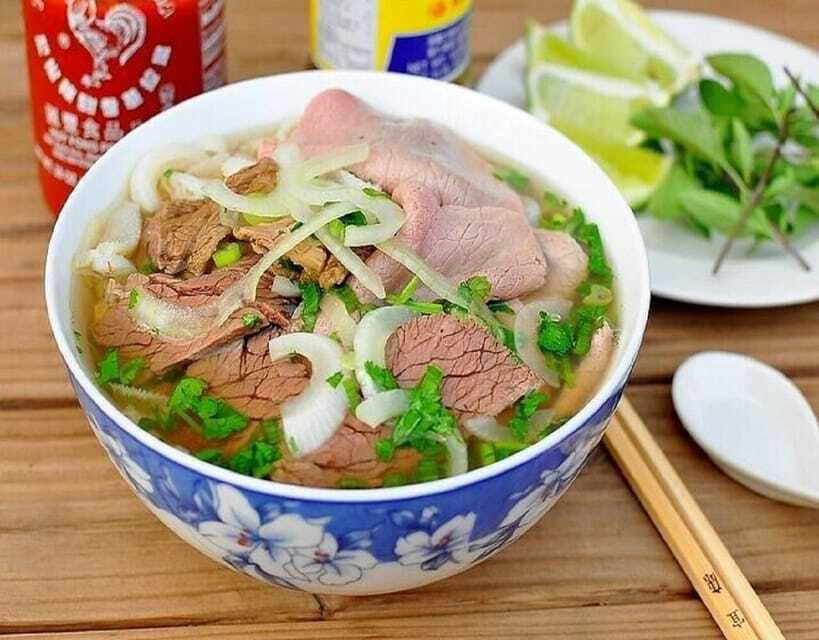
First, you stop at a quiet street to taste pho described as one of the best in Da Nang—specifically called old Hanoi Quarter pho inside the city. The tour also includes green Hanoi herbal tea at the pho stall. It’s a classic pairing: warm soup and a herbal drink that feels like it was made for pacing your day.
After lunch, you head to Da Nang Cathedral Church, a spot locals nickname as Chicken Church. That name alone makes it memorable, but the point of the stop is what it adds: another layer of Central Vietnam’s cultural mix, where different eras and influences end up side by side.
Next up is Han Market, described as the biggest market in central Vietnam and built by French during colonial periods. Here the guide ties in Chinese community stories in Vietnam, which helps you understand who built the commerce and how communities formed around trading hubs. Even if markets aren’t your thing, this stop works as a cultural map: who’s here, what they trade, and how history shapes the stalls you see today.
You can also read our reviews of more historical tours in Da Nang

Coconut coffee or salted coffee: the Da Nang finish you’ll remember

A Da Nang day can end in a hundred ways. This one ends with a flavor test. The tour finishes at a cafe for coconut coffee or salted coffee, described as among the best in Vietnam.
This is the part that tends to surprise first-timers. Coconut coffee feels indulgent and creamy; salted coffee is sweet with a deeper, slightly savory edge. One review singled out coconut coffee as a new favorite, which tracks with how many people react once they taste it after a full day of walking.
If you’re thinking about booking specifically for the food, you’re in good shape: the tour includes pho (chicken or beef, depending on your option), herbal tea, and this cafe finish. That’s a lot of included value for a $28 price tag.
Price and value: what $28 gets you in a 1-day route
At $28 per person for a one-day walking tour, the value comes from two things: entrance + guiding and food included.
You get Cham Museum entrance tickets, which can otherwise be an easy cost to forget until you’re already there. You also get a private guided tour with historian-style background, and that guide narration is what makes the stops click—from Hindu art to Mahayana Buddhism to the wartime river story.
Then there’s the food value. You’re not just snacking; you’re getting pho (plus green Hanoi herbal tea) and a dedicated coffee/cafe finish. If you were to buy those items separately in Central Vietnam, you’d likely feel the gap quickly.
Two practical notes on value:
- Tips for the guide are listed separately, with a suggested minimum of $4 USD per person.
- There’s no pick-up or drop-off, so you should be ready to meet in the right spot and move on foot from there.
So who is this for? If you want a first-timer-friendly day that mixes major sights with cultural meaning, it’s a strong pick. It also works well if you’re planning to visit My Son later, since the Champa context comes early.
Should you book this Da Nang Cham Pa history walking tour?
Book it if you want a single day that connects artwork, religion, and modern city life. The Cham Museum portion is the big draw, but the real advantage is how the guide keeps linking each stop to what came before: stone sculptures to living beliefs, then to markets and wartime context along the river.
Skip it (or adjust expectations) if you’re the type who needs lots of time to wander inside big museums. The route moves on, and at least one review wished there were more hours in the museum.
If you like guided history with good food stops and don’t mind a walking day, this is a smart, cost-friendly way to understand Da Nang beyond the obvious landmarks.
FAQ
Where is the meeting point for the tour?
You meet in front of Cham Museum.
How long is the Da Nang History Tour?
The experience runs for 1 day.
How much does the tour cost?
The price is $28 per person.
What meals and drinks are included?
The tour includes chicken pho or beef pho (depending on your option), green Hanoi herbal tea, and a coconut coffee or salted coffee.
Do I need to pay for the Cham Museum entrance ticket separately?
No. Cham Museum entrance tickets are included.
Is the tour guided in English?
Yes. The live tour guide is English.
Is pickup or drop-off included?
No. Pick up and drop off are not included.
Is this tour offered as a private group?
Yes. Private group availability is mentioned.
What tip should I plan for the guide?
Tips for the guide are not included, and a minimum of $4 USD per person is suggested.
What if I need to change plans?
Free cancellation is available up to 24 hours in advance for a full refund.