REVIEW · HO CHI MINH CITY
Make 3 Regions Iconic Vietnamese coffees: Brown, Salted, Egg
Book on GetYourGuide →Operated by Vietnam Coffee Journey - Day · Bookable on GetYourGuide
Vietnam’s coffee story comes with a filter. In this 90-minute hands-on workshop, I like the way you actively make the iconic Brown, Salted cream, and Egg coffees while learning the regional logic behind each cup, led by Quynh (an English-speaking host with 16+ years in F&B). I also love that the session doesn’t feel like a lecture: you get practical guidance on using the Phin dripper and get a few tasting rounds along the way. One consideration: it’s a caffeine-heavy experience, so plan carefully if you’re sensitive.
The setup is simple, efficient, and city-convenient, with air-conditioned comfort and a small group capped at 6. You’ll also get a local snack (plain bánh mì with condensed milk) and options for Vegan, Coeliac, and lactose intolerance if you request them when booking. If you’re thinking about bringing kids, note it’s not for children under 14.
In This Review
- Key highlights you’ll actually feel in the cup
- Why this 90-minute coffee class is worth your time
- The three coffees: Brown, Salted cream, Egg (and what each one signals)
- Brown coffee of the South
- Salted cream coffee of the Central
- Egg coffee of the North
- Using the Phin dripper the right way (so your coffee actually runs)
- What happens in the room during the 90 minutes
- The instructor: Quynh’s role in why this feels effective
- Snack + caffeine: a very real part of the plan
- Dietary alternatives: Vegan, Coeliac, lactose intolerance
- Price and value: is $22 for 90 minutes fair?
- Who should book this (and who might skip it)
- Should you book Vietnam Coffee Journey Day?
- FAQ
- How long is the experience?
- How much does it cost?
- What languages is the class taught in?
- Is the experience hands-on or just a tasting?
- What drinks do you make during the workshop?
- What is included in the price?
- Are there options for Vegan, Coeliac, or lactose intolerance?
Key highlights you’ll actually feel in the cup
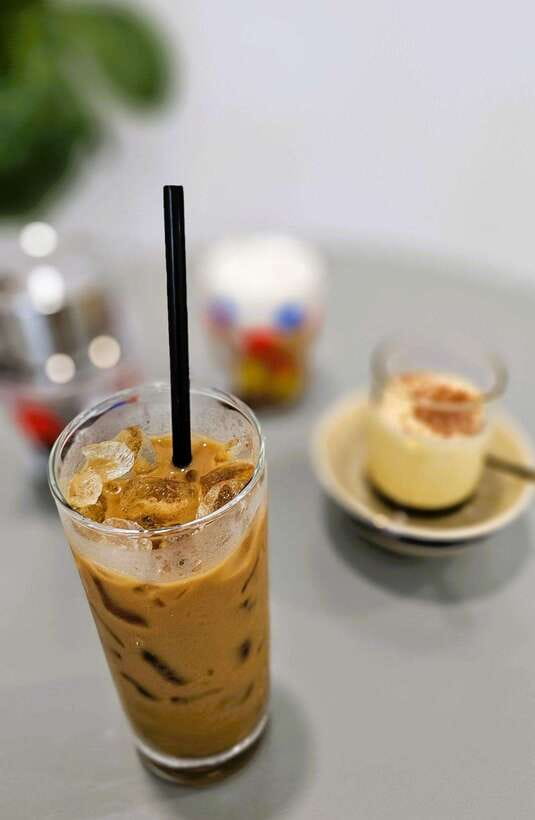
- Make three regional icons: Brown (South), Salted cream (Central), Egg coffee (North)
- Phin dripper coaching: you’re shown the proper way to use the traditional brewer
- Structured, English-led session: Quynh explains coffee, history, and culture in a clear order
- Four tasting moments: taste while you learn, not just at the end
- All-inclusive value: coffees, snack, and comfortable seating are included
- Dietary alternatives available: Vegan, Coeliac, and lactose intolerance options when booked
Why this 90-minute coffee class is worth your time
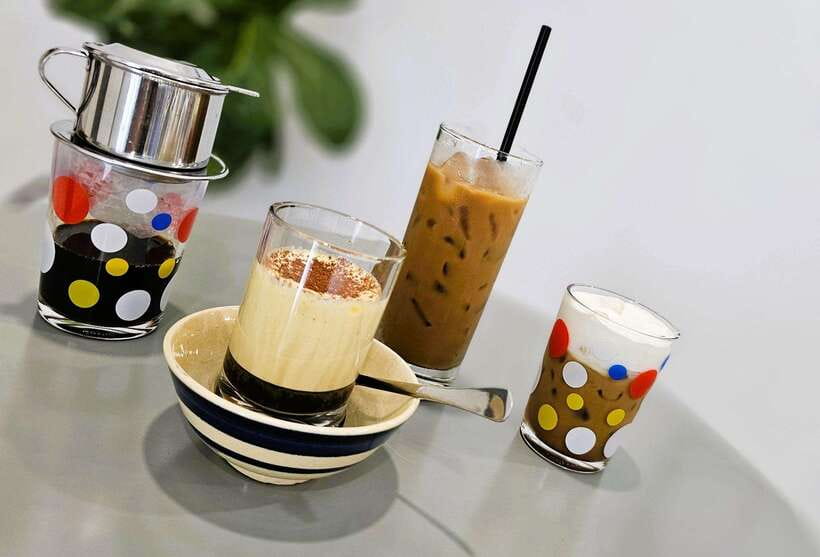
If you only drink Vietnamese coffee on your own, you can miss the point. The whole charm of this workshop is that it turns routine ordering into something you understand. In 90 minutes, you go from seeing a café drink menu to knowing why each region developed its own style.
Quynh runs it with a “do this, then taste it” rhythm. You aren’t just watching someone pour and hoping for the best. You’ll be working with the traditional Phin setup, getting direction on the correct method so your coffee actually behaves the way it should.
And yes, coffee fans will enjoy it. But I think the bigger win is for curious eaters. Even if coffee isn’t your daily habit, the regional comparison makes the drinks feel like part of a real cultural map, not just sweet beverages.
You can also read our reviews of more tours and experiences in Ho Chi Minh City.



The three coffees: Brown, Salted cream, Egg (and what each one signals)
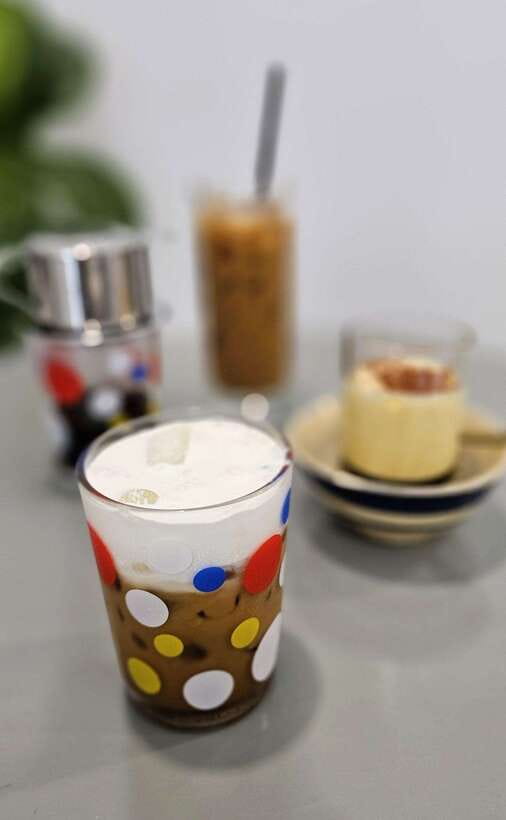
This class is built around a simple idea: Vietnam’s different regions shaped different coffee preferences. You’ll make and taste three iconic cups that represent the South, Central, and North.
Brown coffee of the South
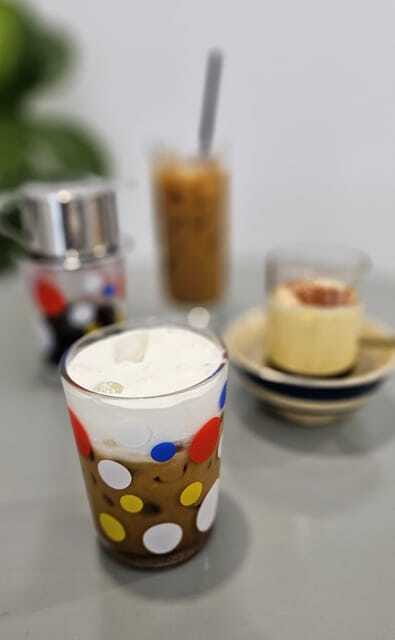
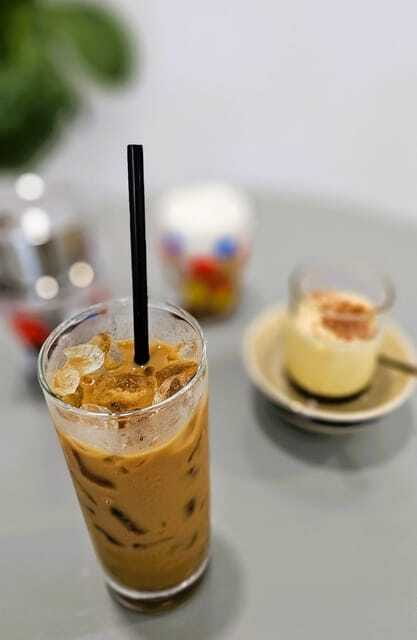
The South’s signature tends to lean toward a straightforward, darker profile. In the workshop, Brown coffee is your starting point—use it like a baseline. When you make it yourself, you’ll notice how strong and concentrated Vietnamese coffee can be when brewed through a Phin.
The lesson here is practical: once you can reproduce the basic brew, you’re ready to compare what changes in the Central and Northern styles.
Salted cream coffee of the Central
Central Vietnam’s version adds a salt-and-cream twist. You’ll learn how that changes the taste experience—less about plain sweetness, more about balance. Salt works like a counterweight, and the cream smooths the intensity.
For me, this was the most “mind shift” drink in the set. When you taste it after making the South-style base, you start to understand how tiny changes in creaminess and seasoning can create a totally different mood.
Egg coffee of the North
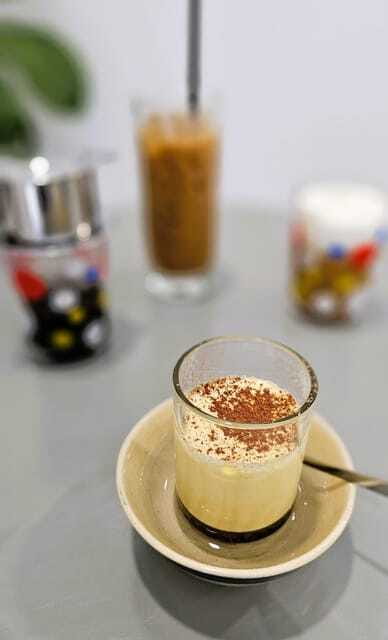
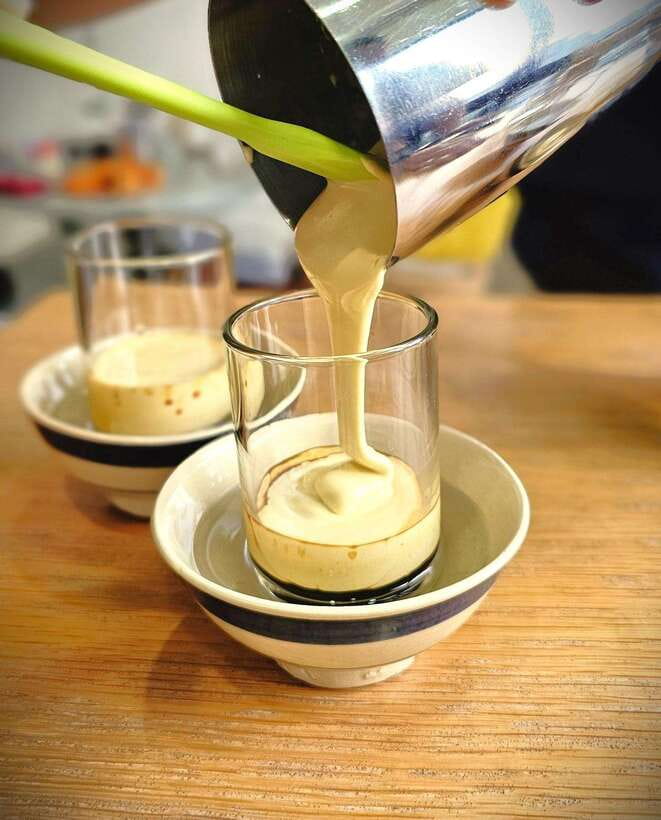
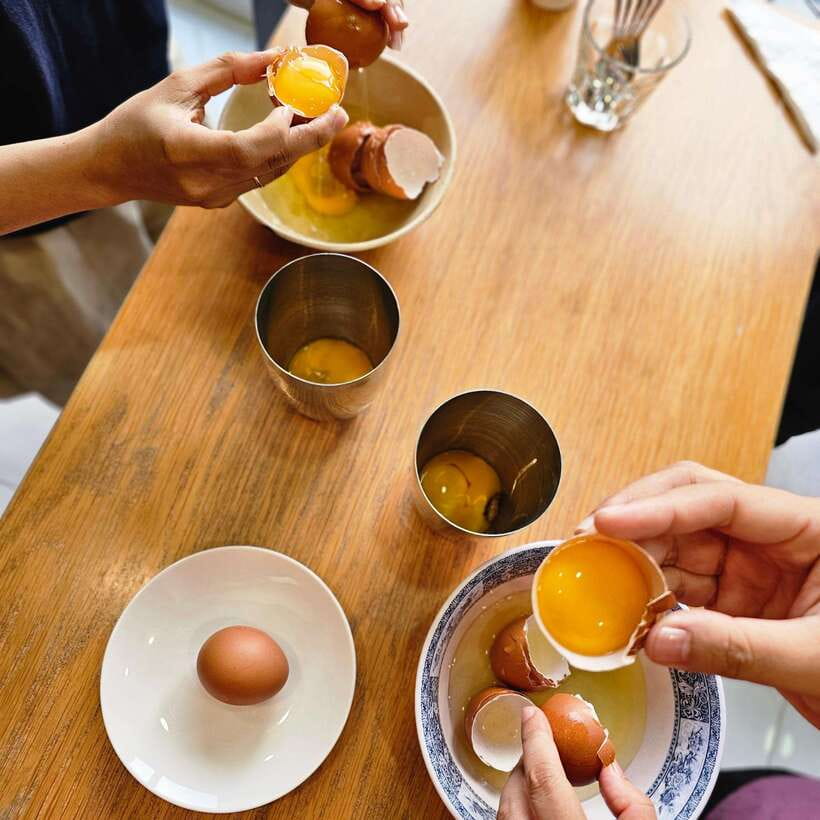
Egg coffee is the most instantly recognizable North-style choice. The class has you making it, which matters because egg coffee isn’t just about flavor—it’s also texture. You’ll learn how to treat it as a finished drink, not something you add sweetness to at the last second.
This is where the regional story feels clearest. Egg coffee tastes like dessert at café speed, and the way it’s served fits how people enjoy coffee in the North.






Using the Phin dripper the right way (so your coffee actually runs)
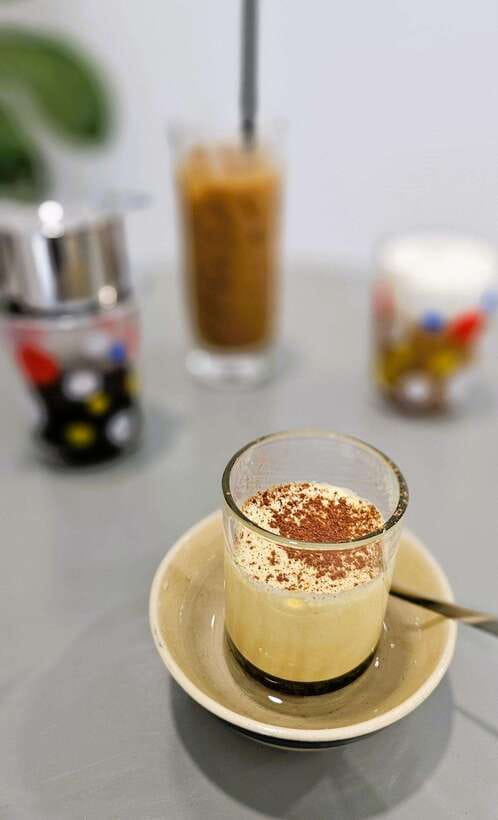
Vietnamese coffee lives or dies by the brewer. The Phin isn’t a generic pour-over gadget. It’s a compact metal dripper designed to control flow and extraction, and this workshop takes that seriously.
What you’ll get in this session:
- A recommended, proper approach for using the Phin
- Tips that make the brewing process more predictable
- Guidance that helps you understand what you’re tasting
If you’ve ever tried Vietnamese coffee at home and ended up with something too weak, too bitter, or uneven, you already know why this matters. Here, you’re taught the technique as part of the experience, not as an afterthought.
What happens in the room during the 90 minutes
This isn’t a long, slow class. It’s a tight sequence built for action and tasting. Expect a small-group pace and an instructor-led flow where you’re moving from one cup to the next.
In practical terms, you can expect:
- A quick orientation to Vietnamese coffee and how it fits into everyday life
- Brewing practice focused on the Phin method
- Hands-on making of the three region-representing coffees (Brown, Salted cream, Egg)
- Taste rounds tied to what you just made
- A simple snack pairing so you’re not just working on sweetness
The order is part of the value. Starting with a base style helps your brain compare. Then you adjust—cream, salt, egg—and the regional idea stops being abstract.
The instructor: Quynh’s role in why this feels effective
The host is Quynh, and the experience is clearly built around his teaching style. The common thread across feedback is that he knows the craft, explains it with patience, and brings energy to the room.
Here’s what that means for you:
- You get coffee history and cultural context without turning the session into a formal lecture
- You can ask questions in English and get real answers
- The experience stays fun while still being structured
Also, his background is in F&B with 16+ years of experience. That usually shows up in small ways: timing, how smoothly the workflow stays moving, and how well the instructions match what you’re doing at the dripper.
Snack + caffeine: a very real part of the plan
Included is a simple local snack: plain bánh mì with condensed milk. It’s not a heavy meal, but it’s enough to add a local touch and break up the coffee-only rhythm.
The big practical caution is caffeine. The workshop itself notes that there’s lots of caffeine, and recommends you don’t drink coffee within 2 hours before starting. If you’re sensitive, this is the difference between enjoying the session and feeling wired.
Dietary alternatives: Vegan, Coeliac, lactose intolerance
Good workshops plan for the common restrictions. This one states alternatives are available for:
- Vegan
- Coeliac
- Lactose intolerance
The key detail: you need to request them when booking. That matters because you can’t assume coffee workshops will always offer substitutions on the spot.
Price and value: is $22 for 90 minutes fair?
$22 for a 90-minute, small-group, air-conditioned workshop with all coffees included is solid value—especially because you’re not just tasting. You’re making the drinks, learning the Phin method, and getting four tasting moments plus a snack.
Compared with the cost of chasing three specialized café drinks on your own, you’re getting:
- instruction (the technique part),
- multiple tastings (the comparison part),
- and a snack (the local pairing part),
all in one session.
You’re also paying for a format that’s hard to replicate alone: the structured regional comparison. If your goal is to understand Vietnamese coffee beyond ordering it, the price feels reasonable.
Who should book this (and who might skip it)
This workshop fits best if you want a hands-on cultural food lesson. It’s especially good for:
- coffee lovers who want to learn the Phin method properly
- people who like food stories tied to region and everyday life
- anyone who prefers small-group instruction over a big crowd
It’s not for everyone. Based on the stated limits:
- children under 14 shouldn’t book
- people over 95 shouldn’t book
- there’s conflicting accessibility information: one part says wheelchair accessible, another says not suitable for wheelchair users
That mismatch is worth checking directly before you commit. Don’t assume the details match your needs.
Should you book Vietnam Coffee Journey Day?
If you want one activity that gives you taste, technique, and a clear Vietnam-by-region perspective, I’d book it. The small group size makes it feel personal, and Quynh’s teaching style is the kind that keeps your attention on what you’re making, not just what you’re hearing.
Book it if you’re okay with caffeine and you’re ready to get hands-on with the Phin. If coffee is very strong for you, schedule this earlier in your day and don’t stack other caffeinated stops right before.
If you’re dealing with dietary restrictions, book it with those needs clearly noted so you can get the right alternative for your coffees.
FAQ
How long is the experience?
The duration is 90 minutes.
How much does it cost?
The price is $22 per person.
What languages is the class taught in?
The instructor teaches in English.
Is the experience hands-on or just a tasting?
It’s hands-on. You make your own Vietnamese coffee drinks, using the traditional Phin dripper, and you also have tastings.
What drinks do you make during the workshop?
You make three iconic Vietnamese coffees: Brown coffee of the South, Salted cream coffee of the Central, and Egg coffee of the North.
What is included in the price?
Four tasting of coffees and how to make them, a simple local snack (plain bánh mì with condensed milk), air-conditioned seating, and all inclusive pricing with no other charges.
Are there options for Vegan, Coeliac, or lactose intolerance?
Yes. Alternatives are available for Vegan, Coeliac, and lactose intolerance guests, and you should note your needs when you book.