REVIEW · HO CHI MINH CITY
A Complete Vietnam Coffee Journey – The Unknown Giant
Book on GetYourGuide →Operated by Vietnam Coffee Journey - Day · Bookable on GetYourGuide
A coffee tour that actually teaches. In Saigon, this 150-minute stop turns Vietnamese coffee into a hands-on lesson, with six drinks plus the stories behind how the flavors evolved. You’ll learn what makes Vietnamese coffee different, and why the bean choice matters.
I like that you do the tasting and the making, not just sip politely while someone talks. I also like the host Quynh, who connects brewing methods to how each style tastes and answers questions as you go.
One possible drawback: this experience is built around coffee, so expect a caffeine-forward afternoon and go in ready for strong flavors.
In This Review
- Key highlights I’d plan around
- Vietnamese Coffee in 150 Minutes: What Makes This Tour Work
- 40E Ngô Đức Kế and the Easy, Central Start
- Six Drinks, One Goal: Learn What Vietnam Puts in Your Cup
- Traditional vs Modern Coffee Styles: The Comparisons That Teach
- Robusta in Vietnam: The Bean Behind the Entire Culture Story
- Make-Your-Own Brewing: Tips You’ll Use on Day Two
- Snack Pairing and Local Flavor Between Cups
- Who This Coffee Journey Fits Best (and Who Might Want a Different Plan)
- Price and Value: Why $30 Feels Fair for What You Get
- Should You Book This Vietnamese Coffee Workshop?
- FAQ
- How long is the experience?
- Where does the tour start?
- How many coffee drinks are included?
- What snacks are included?
- Is it hands-on?
- What languages are offered?
- Is there a minimum group size?
- Is it suitable for children?
- Is it wheelchair accessible?
- What’s the cancellation policy?
- What does the pricing include?
Key highlights I’d plan around
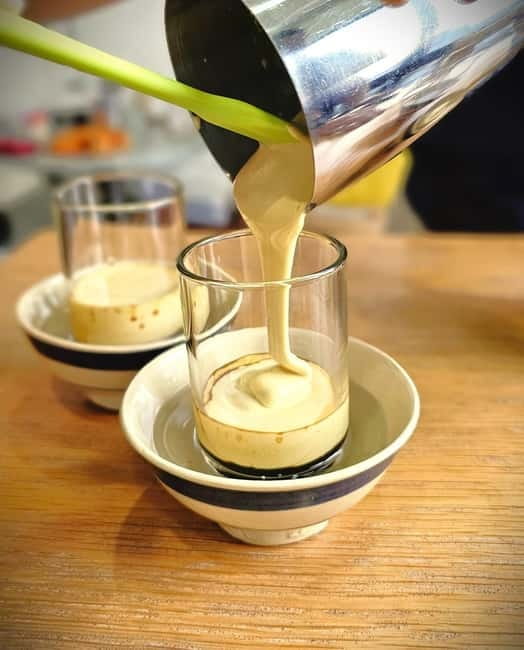
- Six drink lineup: You’ll make and taste six Vietnamese coffee styles, including coconut, condensed milk, salt, and egg coffee.
- Hands-on brewing: You don’t just observe, you build your own cups and compare results.
- Quynh’s “what and why” approach: History, culture, and brewing methods all tied together so it feels like one story, not random facts.
- Traditional vs modern comparisons: You’ll see how changes in style shift the flavor.
- Robusta gets real attention: Expect a fresh perspective on why Vietnam drinks robusta so often.
- Small group feel: Limited to 6 participants, so it’s easy to ask questions.
Vietnamese Coffee in 150 Minutes: What Makes This Tour Work
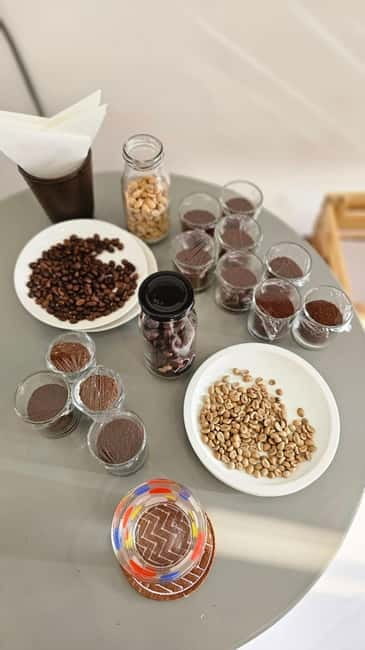
This is the kind of coffee experience that fits a real trip schedule. At 150 minutes, you get enough time to try multiple drinks, make your own, and still leave feeling you learned something you can use again later.
What sets it up well is the balance between curiosity and craft. You’ll hear the history and cultural reasons Vietnamese coffee developed the way it did, but you’ll also learn how the brewing process brings out each style’s character. The tour isn’t built like a long training class. It’s more like: here’s how the drink works, here’s why Vietnam likes it, now try it yourself and notice the difference.
Quynh runs the session in English and Vietnamese, and the format encourages questions. I like that mindset for travelers. Coffee is sensory, and you want room to ask why something tastes a certain way, not just memorize a list of drinks.
Value-wise, $30 for six drinks plus snacks is strong, especially in a city where coffee experiences often separate tasting from instruction. Here, you’re paying for the full picture: what Vietnamese coffee is, what drives it, and how you can reproduce it with adjustments later.
You can also read our reviews of more tours and experiences in Ho Chi Minh City
40E Ngô Đức Kế and the Easy, Central Start
You’ll meet at 40E Ngô Đức Kế, a convenient pick if you’re staying in the heart of Saigon. The big practical win here is that you’re not burning half your time on transit or searching for a hard-to-find studio. You can treat this like an anchor plan for an afternoon.
Once you’re in, the session moves straight into workshop mode: tasting, then making, then comparisons. Because the group is limited to 6 participants, you don’t feel like you’re part of a crowd. That matters when you want to ask a quick question about sweetness, strength, or technique and get a useful answer right away.
If you’re coming from a busy day of walking, this is also a good reset. Coffee tasting gives your brain a break from logistics and turns the afternoon into something focused. And because you’ll be making drinks yourself, you’ll have a reason to pay attention beyond the first sip.
Before you go, plan for a steady flow of coffee. This isn’t a light, occasional tasting. It’s a proper coffee journey.
Six Drinks, One Goal: Learn What Vietnam Puts in Your Cup
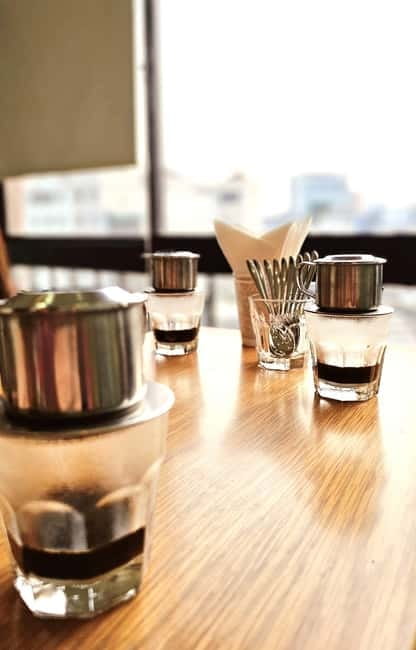
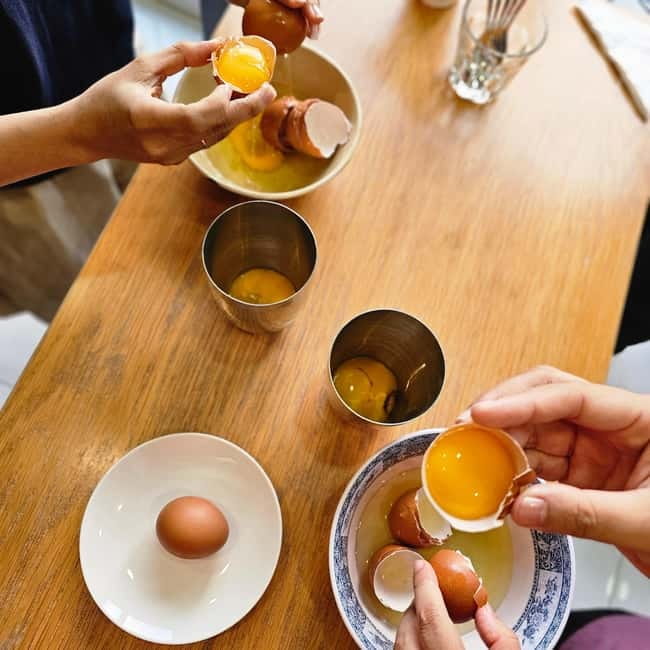
The tour includes 6 different coffee drinks, and you’ll make and taste them all. Some of the specific styles you can expect include coconut coffee, condensed milk coffee, salt coffee, and egg coffee. The point isn’t just to say you tried them. It’s to understand what each ingredient and method is doing to the flavor.
Here’s the way this helps you as a traveler: Vietnamese coffee often looks familiar from a distance, but once you taste it, the differences jump out fast. Condensed milk pushes sweetness and thickness. Coconut changes aroma and body. Salt brings a surprising balance that can make the coffee taste smoother rather than harsher. Egg coffee adds richness and a custardy feel that most coffee lovers don’t expect.
And because you’re making the drinks, you’ll notice the details that shape the outcome. Even small differences in how you prepare or serve can change how strong, sweet, or creamy the drink feels. That’s what makes the experience more than sampling.
You’ll also get tips and recipes for brewing or adjusting the drinks to your taste. That part is valuable because you’re not leaving with only memories. You’re leaving with handles you can grab later, when you’re in Vietnam again or trying to recreate the style at home.
Traditional vs Modern Coffee Styles: The Comparisons That Teach
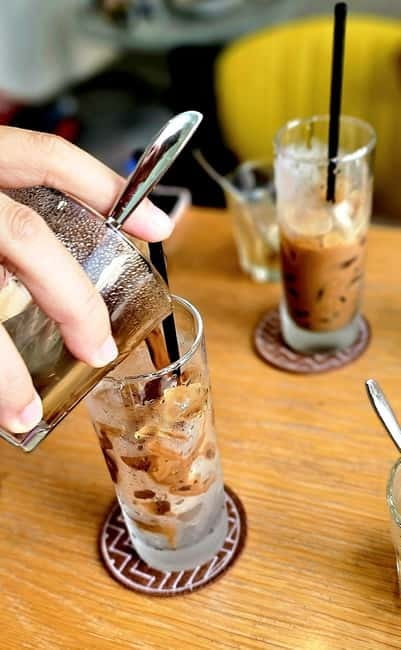
A big theme of the tour is the comparison between traditional and modern Vietnamese coffee. This matters because Vietnamese coffee didn’t evolve by accident. It changed with equipment, ingredients, and local preferences over time.
What I’d watch for during the comparisons is the logic behind the flavor shift. The tour explains how brewing methods and instruments bring out the characteristic traits of each style. You’re not being asked to accept claims blindly. You’re shown how process affects taste, so the drink becomes easier to predict.
This is the difference between a coffee tasting that feels like a food tour and one that feels like real understanding. When you grasp how the brewing style influences the final cup, you stop wondering why one café tastes different from another. You start noticing patterns.
Also, this approach helps regardless of your coffee background. If you’re new, you get a clear starting map. If you already like coffee, you get structure and vocabulary for what you’re tasting.
Robusta in Vietnam: The Bean Behind the Entire Culture Story
Vietnam is strongly linked to robusta, and this experience gives robusta the spotlight it deserves. You’re not treated like robusta is the “less fancy” option. Instead, you learn why it fits Vietnam’s coffee culture and how it shaped the drinks people actually order day to day.
In practical terms, robusta changes the conversation. It tends to bring a different flavor profile and body than arabica, and that makes Vietnamese styles feel bold and satisfying. During the tour, you’ll hear stories about how coffee developed alongside Vietnamese culture, and you’ll connect that to what you’re drinking.
What I like here is perspective. A lot of coffee tourism focuses on what’s trendy or what’s rare. This tour focuses on what people in Vietnam actually drink and why it works. That’s where the experience feels authentic.
And because the host is willing to answer questions, you can push beyond the basics. If you’re curious about why robusta shows up so often, ask. If you want to compare it to the coffee you drink elsewhere, ask that too. The conversation is part of the value.





Make-Your-Own Brewing: Tips You’ll Use on Day Two
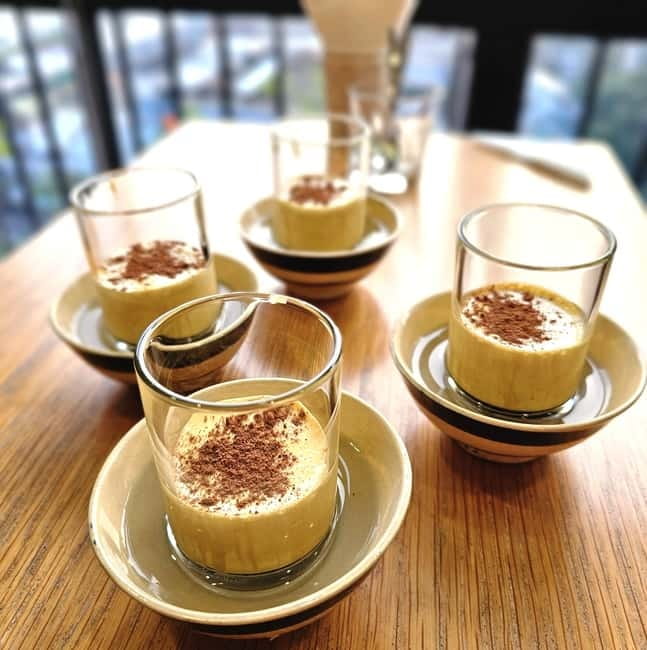
Hands-on is the heart of this workshop. You’ll brew and assemble the drinks yourself, then taste them in a guided way. The result is that you don’t just get caffeine. You get technique and feedback.
You’ll also learn tips and recipes for brewing and adjusting the coffee drinks for your own taste. Based on how the session is structured, expect guidance that’s practical rather than theoretical. For example, if you want it stronger or less sweet, you’ll be taught how to adjust within the Vietnamese coffee style you’re making.
This is where the tour becomes useful even if you never become a coffee hobbyist. You’ll learn how small choices affect sweetness, strength, and texture. That means when you order Vietnamese coffee later, you’ll order with intent, not guesswork.
One more thing: the host encourages questions, and I love that for coffee workshops. Coffee is personal. You might find you like salt coffee more than you expected, or you might prefer a sweeter condensed milk style. Whatever your preference, you’ll get a better understanding of how the drink got that way.
Snack Pairing and Local Flavor Between Cups
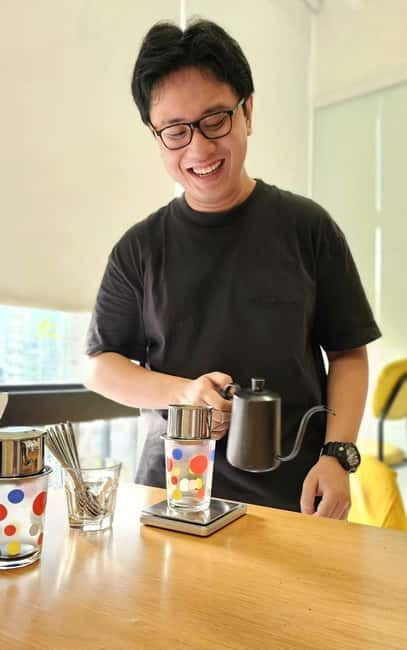
This isn’t coffee alone. You also get a snack of your choice: bánh mì (local), vegetarian or halal bánh mì, croissant, or fresh fruits. That flexibility is genuinely helpful. It lets you match the snack to your diet without forcing you into one option.
Why it matters: coffee tasting can get intense fast, and the snack helps reset your palate between sips. Bánh mì is a classic travel pairing because it’s savory and helps balance sweetness. Fruit or a croissant can also work if you want something lighter.
Even without treating the snack like a side quest, it makes the 2.5 hours feel complete. You’re not just in and out for drinks. You’re in an actual small workshop meal rhythm.
Who This Coffee Journey Fits Best (and Who Might Want a Different Plan)
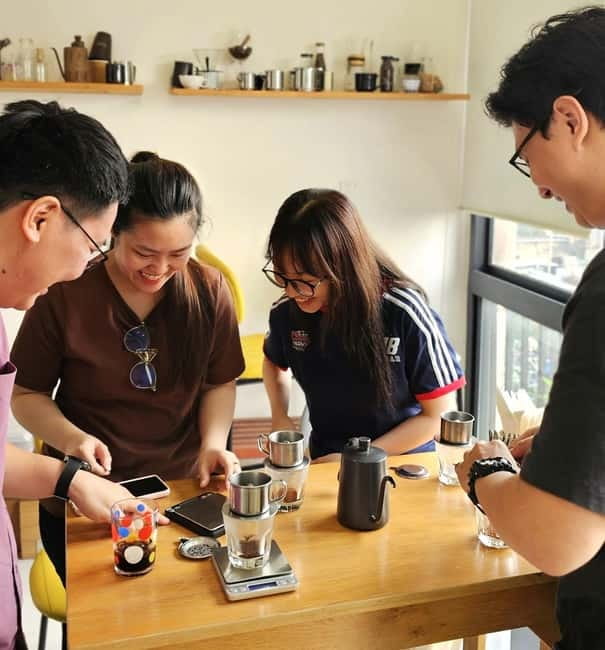
This workshop is designed for coffee drinkers of many types. One of the strengths is that it’s not limited to people who already know everything about coffee. You’ll cover history, brewing methods, and Vietnamese coffee culture in a way that still stays concise.
It’s also a good fit for travelers who like interactive experiences. If you enjoy learning by doing, you’ll like the making and the comparisons.
Two situations where you should think twice:
- If you’re not into coffee or you want a very gentle, low-caffeine experience, this may feel too focused on coffee.
- If you’re traveling with children: it’s not suitable for children under 16.
There’s also a safety-of-information note worth paying attention to. The tour info says wheelchair accessible, but it also lists not suitable for wheelchair users. If wheelchair access matters for your group, I strongly recommend contacting the provider before you book so you don’t get surprised.
Price and Value: Why $30 Feels Fair for What You Get
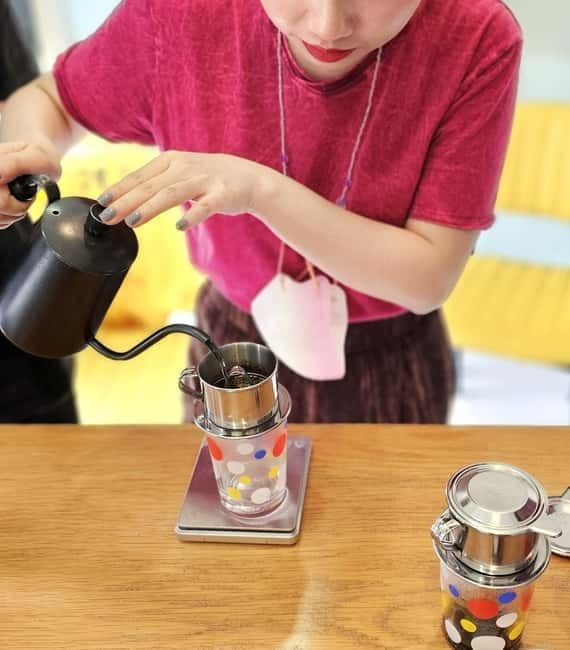
At $30 per person for about 150 minutes, you’re paying for a bundle: six coffee drinks, hands-on making, tasting and comparisons, a local snack, and a guided explanation of what’s behind the flavors.
Here’s why that price tends to feel fair: coffee drinks in Vietnam vary widely, but even buying multiple specialty-style cups usually costs more than one workshop spot. This tour folds in instruction and feedback, so the value isn’t only in the beverages. It’s in what you learn and how you’ll understand the ordering choices afterward.
Small group size also supports the price. When it’s limited to 6 participants, you’re more likely to get time for questions rather than being rushed through. That turns the cost into more personal attention, which is hard to get in a big group tasting.
If your goal is a quick, high-impact introduction to Vietnamese coffee, this is the kind of price-to-time ratio that makes sense.
Should You Book This Vietnamese Coffee Workshop?
If you want an experience that teaches you what Vietnamese coffee is made of, why it developed that way, and how to taste the differences, then yes, I’d book it. The hands-on format, the six drink variety, and Quynh’s focus on connecting culture with brewing methods are a strong combo for an introduction in Saigon.
I’d especially consider booking if:
- You like coffee but want more than just sampling
- You’re curious about robusta and Vietnamese coffee history
- You enjoy questions and learning by doing
- You want a central, efficient plan for a 2.5-hour window
Hold off if:
- You’re trying to avoid caffeine or prefer very mild coffee
- You need clarity on wheelchair suitability (because the info provided is internally conflicting, so you’ll want confirmation)
If you’re on the fence, this is one of those rare coffee tours that feels practical. You leave with a clearer palate and a mental map of what to order next time.
FAQ
How long is the experience?
It lasts 150 minutes.
Where does the tour start?
The starting location is 40E Ngô Đức Kế in Ho Chi Minh City.
How many coffee drinks are included?
You get 6 different coffee drinks, and you’ll make and taste them.
What snacks are included?
You can choose a snack such as bánh mì (local), vegetarian or halal bánh mì, croissant, or fresh fruits.
Is it hands-on?
Yes. The experience includes hands-on making and tasting of the drinks.
What languages are offered?
The live guide provides English and Vietnamese.
Is there a minimum group size?
The experience is small group and limited to 6 participants.
Is it suitable for children?
No. It’s not suitable for children under 16 years.
Is it wheelchair accessible?
The info says wheelchair accessible, but it also lists not suitable for wheelchair users. If this affects you, contact the provider for confirmation.
What’s the cancellation policy?
You can cancel up to 24 hours in advance for a full refund.
What does the pricing include?
The price is $30 per person, and it includes the 6 drinks plus the snack of your choice, along with the live guide experience.