REVIEW · HANOI
From Hanoi: Ha Giang Loop Motorbike Tours 3-Days 2-Nights
Book on GetYourGuide →Operated by The Circle Travel Vietnam · Bookable on GetYourGuide
Ma Pi Leng makes the Ha Giang Loop unforgettable. On this 3-day ride from Hanoi, you get big mountain moments like Ma Pi Leng Pass and the Nho Que River cruise without having to plan the route. I also like that you’re not just driving scenic roads—you’re learning why these places matter, with English support from guides such as Hau.
Still, this tour isn’t for everyone: parts of the day sit at real elevation and curves, so heights and motion sickness can be a deal-breaker for some people.
In This Review
- Key points before you commit
- From Hanoi to Ha Giang: the sleeper bus rhythm
- Day 1: Bac Sum Pass, Heaven Gate, Can Ty Pass, and Dong Van
- Day 2: Ma Pi Leng Pass, Sky Path, Nho Que river cruise, and Du Gia homestay
- Day 3: Du Gia Waterfall, possible Saturday market, and the return ride
- Motorbike choice: easy rider comfort vs self-drive control
- Guiding and pacing: why responsible drivers change everything
- Where the trip feels local: food, homestays, and town nights
- Price and value: what you’re really paying for
- Who this tour fits best (and who should skip)
- Should you book this Ha Giang Loop tour?
- FAQ
- What time is pickup in Hanoi for the Ha Giang Loop tour?
- Do I ride a motorbike, and can I choose between easy rider and self-drive?
- What are the included meals and activities?
- Where do you sleep during the three days?
- Is Du Gia market included?
- What should I bring, and what is not allowed?
Key points before you commit
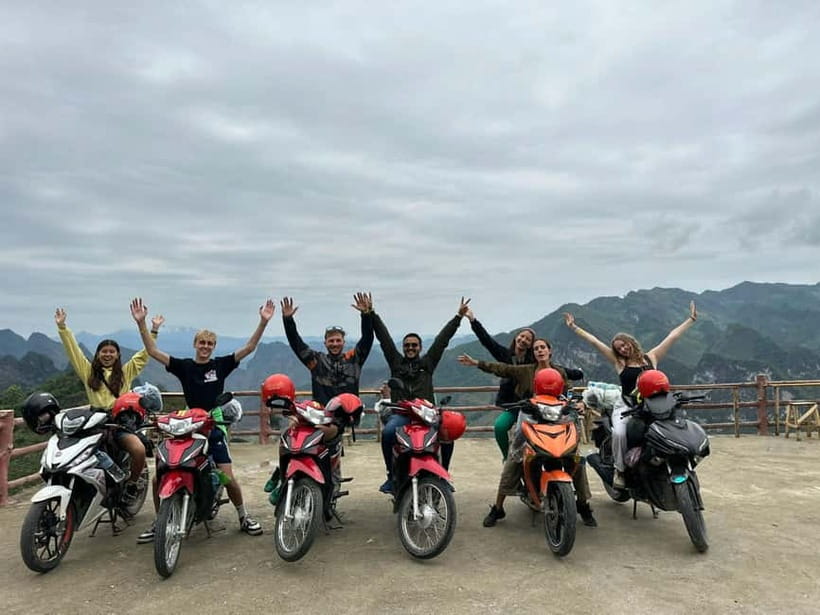
- Ma Pi Leng Pass with Sky Path trekking for wide panoramic viewpoints.
- Nho Que River boat ride as a calmer break from engine-and-curve time.
- Homestay in Du Gia Village with a more local feel than a big hotel.
- Practical guiding with English-speaking help and responsible drivers named Piuu, Lam, and Song.
- Du Gia Waterfall plus a possible Saturday Du Gia market stop.
From Hanoi to Ha Giang: the sleeper bus rhythm
This trip starts at night, which matters because it saves you a day. You get hotel pickup in the Hanoi Old Quarter (or My Dinh area), usually between 7:30 PM and 8:00 PM, then you’re on a sleeper bus heading toward Ha Giang (about 350 km). You’ll stop at a rest point, then the bus drops you in Ha Giang at around 3:30 AM.
Here’s the smart part: you don’t just get dropped into the morning chaos. You’ll check in at a hostel in Ha Giang City (the itinerary mentions Hong Hao hostel) and get access to a private bed or room for a few hours before the real ride starts. That small window helps you show up for Day 1 without feeling wrecked.
Logistically, you should pack with the idea that you’ll have some time before departure on Day 1. The tour also includes extra luggage storage at the office/hostel in Hanoi or Ha Giang, so you’re not hauling oversized bags around.
You can also read our reviews of more tours and experiences in Hanoi.


Day 1: Bac Sum Pass, Heaven Gate, Can Ty Pass, and Dong Van
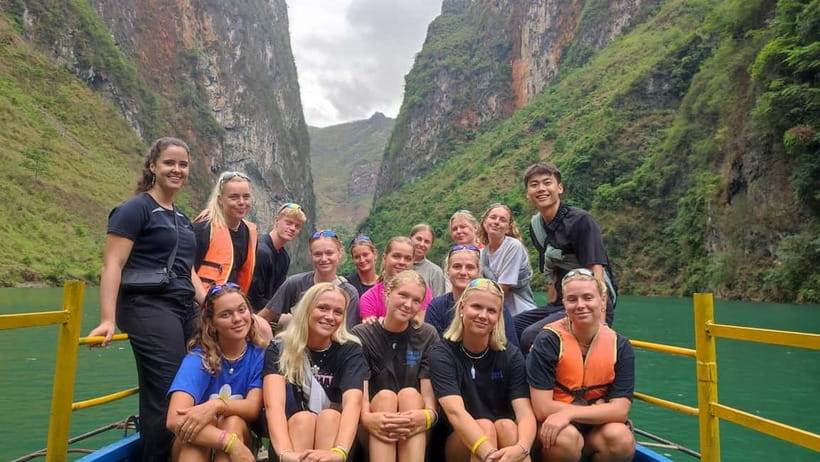
After an early arrival, breakfast is served at the hostel (breakfast at Hong Hao is listed), and you meet your guide to start the loop adventure around 9:00 AM. Day 1 is the warm-up day, but it still delivers those sharp Ha Giang moments.
- Bac Sum Pass: You begin with winding roads and mountain viewpoints that set the pace for the next two days. It’s the kind of start that makes you understand why this loop is famous.
- Heaven Gate: This is one of the signature stops, built around views of the twin mountains. It’s a classic photo moment, but it’s also a place where the road context clicks—you see how the pass shape controls everything.
- Can Ty Pass: Another high point that keeps the scenery moving rather than repeating the same kind of viewpoint.
Lunch lands in Yen Minh Town, then you roll toward Dong Van via Tham Ma Pass. By afternoon, you’re in the Dong Van Karst Plateau region—limestone formations and dramatic rock scenery that make the whole area feel engineered by nature.
Late day is where culture enters the picture. You visit the Hmong King’s Palace in Sa Phin, which adds depth beyond photos of roads and cliffs. Then you reach Dong Van Town for dinner and an evening of local life. The itinerary notes local Vietnamese dinner and live music.
Overnight is in Dong Van at a hotel, which is a relief after a day of riding. It’s also a good setup if you plan to get up early again the next morning.
Day 2: Ma Pi Leng Pass, Sky Path, Nho Que river cruise, and Du Gia homestay
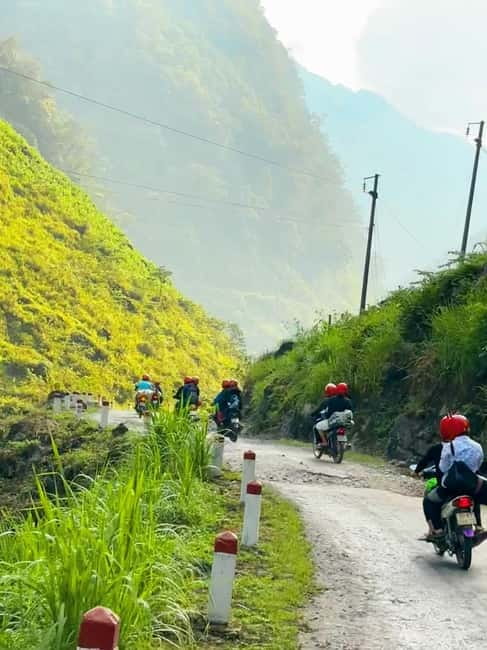
This is the day many people remember most. You depart Dong Van around 8:00 AM, and by 9:00 AM you’re entering the Ma Pi Leng Pass area.
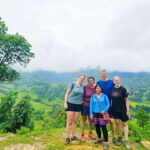
Ma Pi Leng is where the route earns its reputation. The itinerary includes time to explore Ma Pi Leng Pass and trek the Sky Path for panoramic views. Even if you’re not a hardcore hiker, it’s the walk-time that changes the whole day—you’re not just speeding past viewpoints; you’re getting a slower, higher angle of the valley.
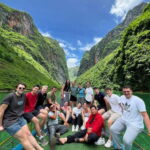
Then comes a more gentle turn: you descend to the Nho Que River for a boat ride. This matters because the boat time gives your body a break from the bike’s constant motion. It also adds a different perspective on the mountains—less road-level, more waterline and distance.
Lunch is in the Meo Vac, Mau Due, or Lung Ho village area (the exact one depends on timing), then you continue through more mountain roads toward Du Gia. The itinerary lists Sa Li Pass and a Lung Ho Viewpoint, which are the kind of stops that work best when your driver knows where to position you for a good view without turning it into a long waiting game.
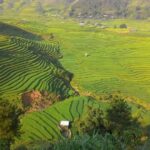
Finally, you check into a homestay in Du Gia Village. The day ends with dinner at the homestay and overnight surrounded by rice fields. If you like your evenings quieter and more local, this is the part to look forward to.
Day 3: Du Gia Waterfall, possible Saturday market, and the return ride
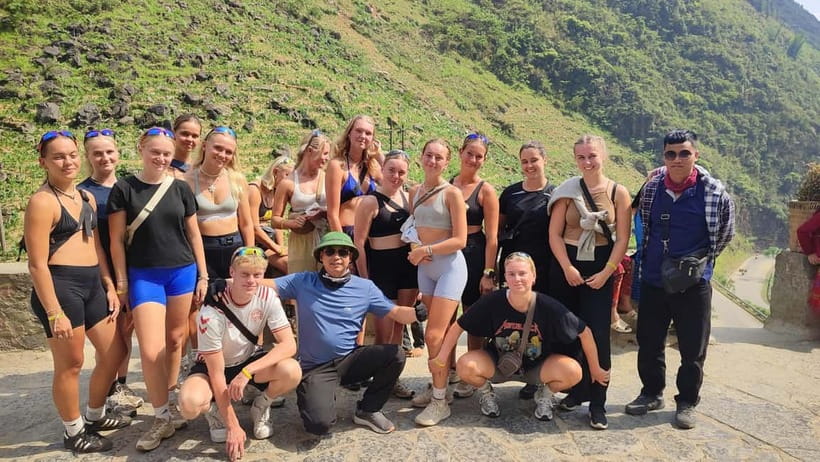
Day 3 starts easy: breakfast in Du Gia at 8:00 AM, then you head out again.
The morning highlight is Du Gia Waterfall. This is the sort of stop that can be short or satisfying depending on conditions, but it gives your loop day a natural finish after the passes and the boat ride.
The itinerary also mentions Du Gia market on Saturday. If your dates align with Saturday, this can be a nice add-on for seeing how people live in the area when the loop is not the main event.
From there, you cross towns like Yen Ninh and Quan Ba, with viewpoints along Duong Thuong and the Thai An Road route. Lunch is either in Thai An or Ba Tien (Quan Ba town) around 12:00 PM to 1:00 PM.
You arrive back in Ha Giang around 4:00 PM, then you travel to Hanoi by sleeper bus in the evening. The itinerary lists boarding around 7:30 PM or 9:00 PM, and you’re back on the bus for the final overnight travel.
Motorbike choice: easy rider comfort vs self-drive control
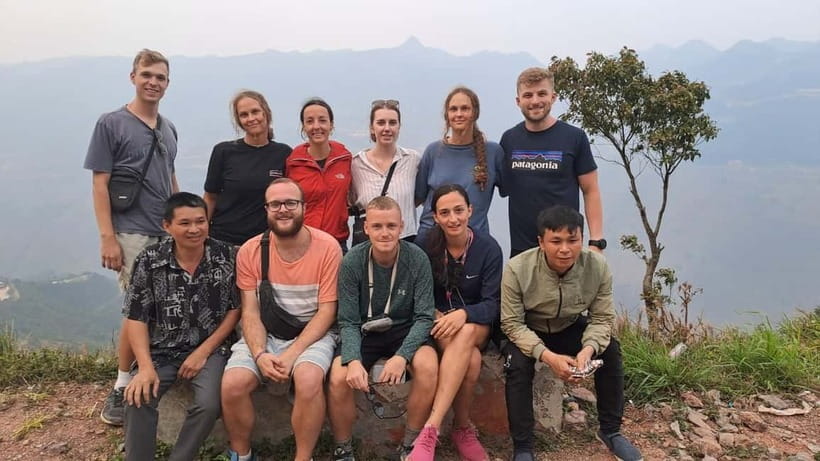
One of the biggest practical decisions is whether you ride with an easy rider driver or drive yourself.
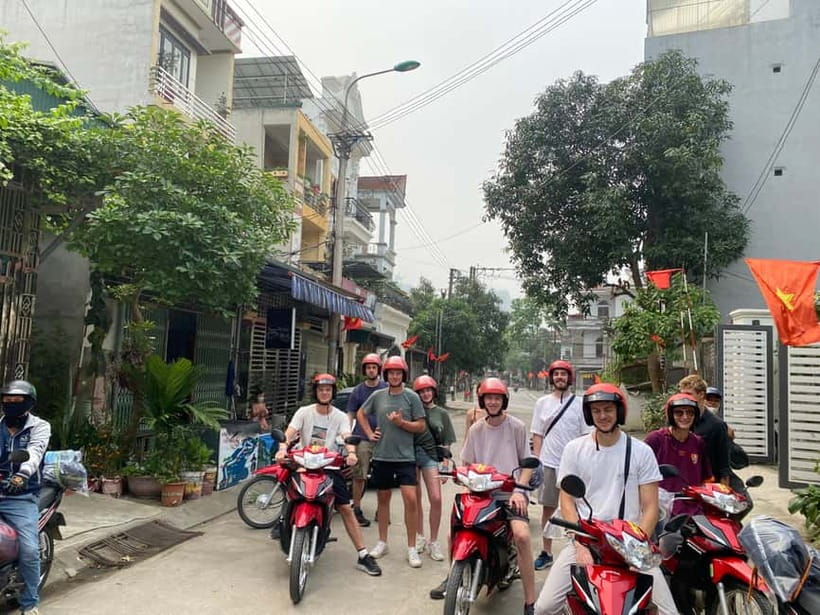
If you choose easy rider, your driver handles the gas and the route basics, while your job is to enjoy the ride and follow safety instructions. Several guides and drivers were praised by name—people mentioned drivers like Piuu and Lam (and others) for checking in during longer stretches and staying focused on safety.
If you pick self-drive, you still get support from the tour structure, but you take on more responsibility. One review notes they switched to self-drive and described it as more enjoyable. That matches what many first-timers feel: you get freedom, but you also need confidence in traffic, braking, and handling on mountain roads.
Either way, the tour requires an international driving license (and your passport/ID). Not having that is an easy way to ruin the experience, so get it before you arrive in Vietnam.
Who should lean easy rider: if you want to spend your energy on photos and scenery, not route stress. Who should consider self-drive: if you’re already comfortable on winding mountain roads and you want more control of when you stop and how you position the bike.

Guiding and pacing: why responsible drivers change everything
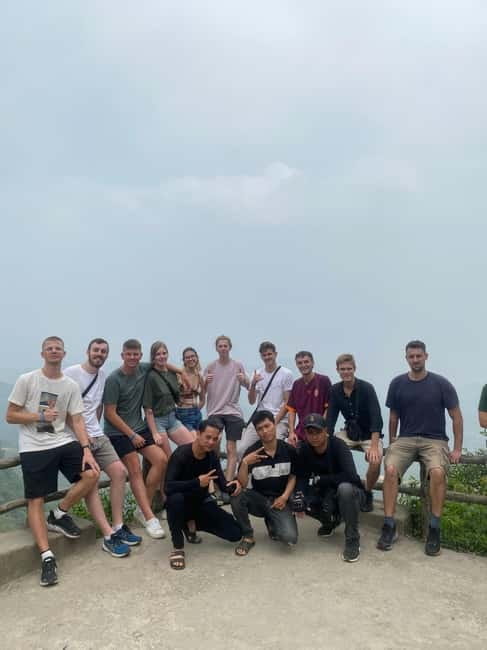
Ha Giang Loop riding can feel intense, even when everything is handled well. The difference is often in the details: where you stop, how long you wait, and how the group is managed on narrow roads.
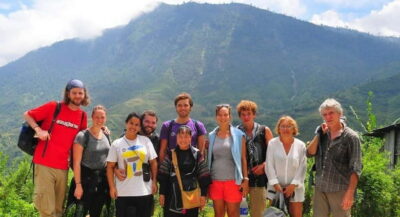
What I like here is the human element—this tour is run with English-speaking guides and drivers who are consistently described as responsible. Names that came up include Hau as the group leader, Harry for organizing support, and Song as an easy rider described as both a leader and a strong driver.
The itinerary also builds in viewpoint timing. One of the strongest themes in feedback is that stops are made at places with nice, quieter timings so you can actually see what you came for. It’s a small thing, but it matters. Great roads are one thing; great views without shoulder-to-shoulder crowds are another.
You should still plan for stops that include short walks and stairs. If you’re okay on your feet, you’ll enjoy these moments more than if you’re trying to rush everything.
Where the trip feels local: food, homestays, and town nights
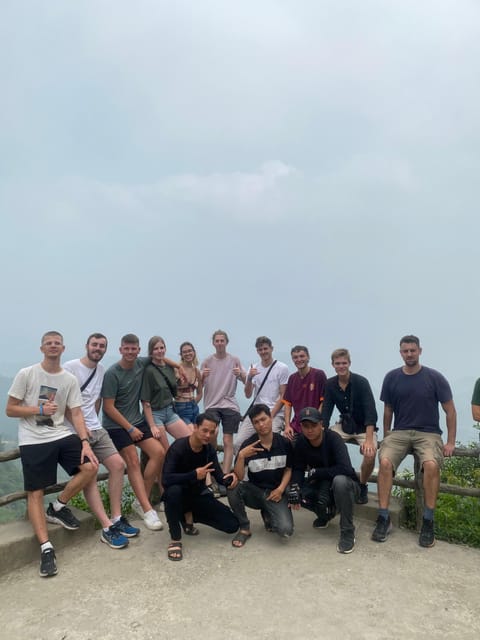
This loop isn’t designed as a luxury retreat, and it doesn’t pretend to be. You’re paying for access to the route, the driving support, and the key sites—not for fancy hotel amenities.
For food, the itinerary includes 3 breakfasts, 2 lunches, and 2 dinners, plus entrance fees and selected activities. Reviews point out the food can feel repetitive at times, which isn’t surprising on a set itinerary. The upside: you’re not spending your day hunting for meals, and you’re eating what’s available in each stop area.
Lodging is a mix:
- Sleeper bus (night 1 and the return night)
- Hotel in Dong Van
- Homestay in Du Gia Village with private rooms
That homestay night is where this tour often becomes more than just sightseeing. You get a real sense of daily rhythms in a place that still centers around the landscape and agriculture, and the dinner experience tends to feel less like a restaurant stop and more like you’re part of someone’s evening.
Night life is also part of the experience if you want it. Some feedback mentioned karaoke parties and the chance to meet up with other groups along the way. If you like social travel energy, it can make the long ride days feel lighter. If you prefer quiet time and one-on-one interactions, you may want to plan for that too.
Price and value: what you’re really paying for
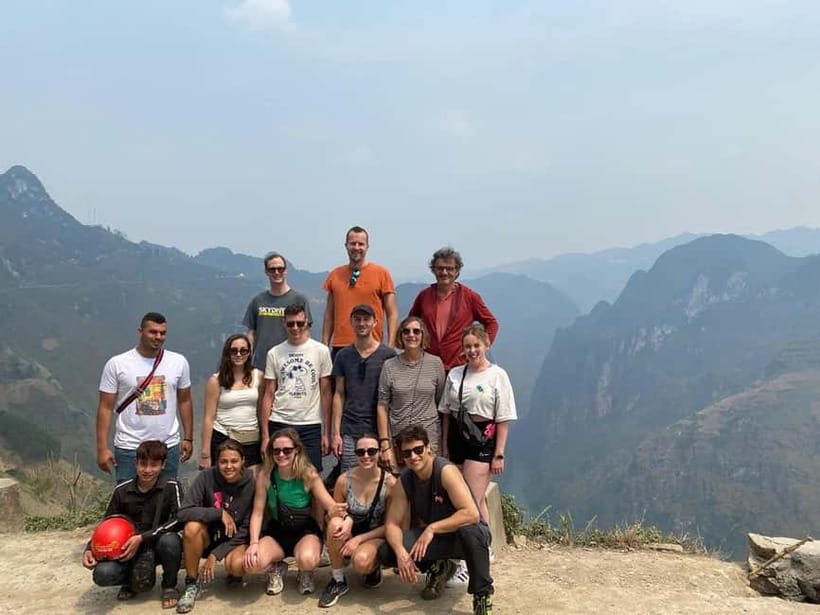
The tour pricing isn’t included in the info you provided, so I can’t break down a per-person cost. But I can explain the value logic.
You’re paying for:
- Two sleeper-bus transfers (Hanoi to Ha Giang, then back)
- Pickup and drop-off in Hanoi Old Town
- Motorbike logistics (easy rider or self-drive option)
- English-speaking guide
- Nho Que river cruise
- Entrance fees and select activities
- All listed meals (breakfasts, lunches, and dinners per itinerary)
- A free t-shirt design
- Luggage storage
If you tried to do this independently, you’d spend time coordinating guides, transports, overnight bookings in the right towns, and the specific experiences like the boat ride and the main viewpoint timing. For many people, that’s the core value: you trade planning work for a guided flow.
One more value angle: the included support makes a big difference on a loop that’s long, twisty, and full of elevation. Even if you’re a confident rider, having a driver/guide system reduces friction.
Who this tour fits best (and who should skip)
This is a strong fit if you:
- Want a structured 3-day loop with major passes and viewpoints handled for you
- Enjoy day trips that include both big scenery and cultural stops like the Hmong King’s Palace
- Are comfortable with overnight bus travel and early starts
- Like the idea of a homestay experience
This is not a good fit if you:
- Get motion sick easily (it’s explicitly listed)
- Are afraid of heights (also explicitly listed)
- Have high blood pressure (explicitly listed)
- Need accessibility options like wheelchair support (explicitly listed as not suitable)
- Are traveling with children under 7, if you’re pregnant, or if you fall outside the age/weight constraints
There’s also a social consideration for solo travelers. One review noted they were placed into a group of already-established friends and felt a bit excluded at times. If you’re traveling alone and want intentional social mixing, it’s worth asking how the tour groups are formed.
Should you book this Ha Giang Loop tour?
Book it if you want the essentials of the Ha Giang Loop done in a way that protects your time: passes with viewpoints, Ma Pi Leng with Sky Path, a Nho Que River boat ride, and the Du Gia waterfall finish—with guiding, transfers, and meals already stitched together.
Skip it if you know you struggle with motion or heights, or if you need a calm, controlled environment without high-elevation roads. Also think twice if you need luxury or quiet-only lodging; this tour is adventure-first.
If you’re on the fence, here’s the simplest decision rule: if you’re comfortable on twisty mountain roads and you want a guided route that hits the biggest moments, this is a high-value way to do the loop.
FAQ
What time is pickup in Hanoi for the Ha Giang Loop tour?
Pickup from the Hanoi Old Quarter is listed between 7:30 PM and 8:00 PM. The tour also notes a pickup option from My Dinh bus station.
Do I ride a motorbike, and can I choose between easy rider and self-drive?
Yes. The tour offers options for a motorbike driver with gas and easy rider or driving your own motorbike (depending on the selected option). An international driving license is required.
What are the included meals and activities?
The tour includes 3 breakfasts, 2 lunches, and 2 dinners, plus entrance fees and select activities. It also includes a Nho Que River cruise.
Where do you sleep during the three days?
You’ll have one night on the sleeper bus, then one night in Dong Van at a hotel, and one night at a homestay in Du Gia Village.
Is Du Gia market included?
The itinerary notes Du Gia market on Saturday, so whether you see it depends on the day your tour reaches Du Gia.
What should I bring, and what is not allowed?
Bring passport or ID card, comfortable shoes and clothes, and an international driving license. Oversize luggage is not allowed, and the tour lists restrictions including no baby carriages and no electric wheelchairs.