REVIEW · HOI AN
Da Nang: Half-day Hoi An Heritage Walk
Book on GetYourGuide →Operated by Hoi An Express · Bookable on GetYourGuide
Hoi An works best when you slow down. This half-day walk threads together Vietnamese, Chinese, and Japanese influences in the same lanes you’ll want to photograph. I like that it’s structured enough to keep you oriented, yet flexible enough to feel like wandering through a living town.
What I really like: you get the must-see Japanese Covered Bridge plus key heritage stops tied to the town’s cross-cultural mix. You also get time at the Hoi An Market to see how locals actually shop and snack, not just stand and look.
One thing to consider: parts of the center can feel touristy, and the schedule moves at a steady clip. If you love lingering, you’ll likely want a longer evening on your own after the tour wraps.
In This Review
- Key highlights to look for
- Why Hoi An heritage feels personal when you walk the streets
- The 5-hour structure from Da Nang: enough time to see, not enough to loiter
- Hoi An Market: where your camera meets local shopping
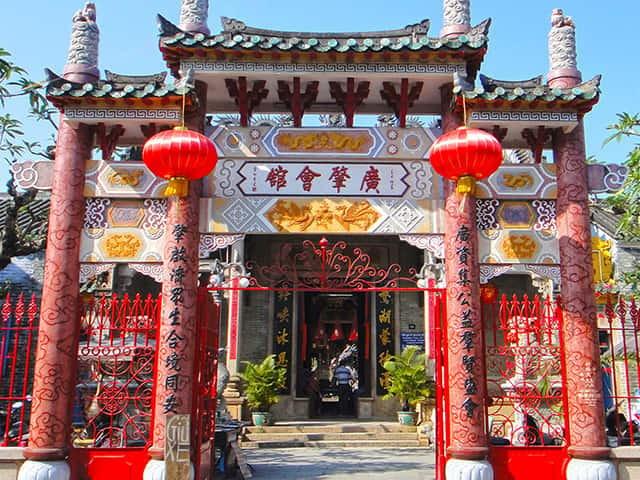
- Fujian Assembly Hall: Chinese influence you can actually see
- Traditional dance show: a quick cultural pause mid-walk
- Hoi An folk museum: short stop, clear purpose
- Old House of Tan Ky: the merchant-house perspective
- Japanese Covered Bridge: your iconic payoff stop
- That last photo stop before you head back to Da Nang
- Price and value: what $42 buys you in real-world terms
- The guide factor: why Hung gets mentioned
- What to bring (so the walking doesn’t beat you)
- Who should book this heritage walk?
- Should you book Da Nang: Half-day Hoi An Heritage Walk?
- FAQ
- How long is the half-day Hoi An heritage walk?
- What does the tour include for the price?
- Where are pickup and drop-off located?
- Does this tour visit the Japanese Covered Bridge?
- Is a traditional dance show included?
- Is the tour suitable for children?
- What information is needed for insurance registration?
Key highlights to look for
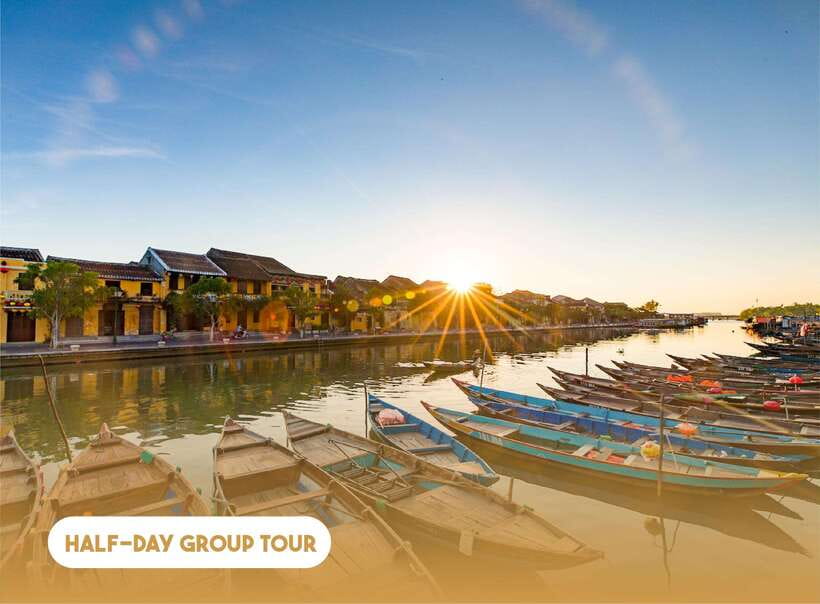
- Japanese Covered Bridge as a quick, iconic anchor point for your photos and understanding
- Hoi An Market for a real taste of daily life, not just monuments
- Fujian Assembly Hall for standout Chinese-influenced architecture and atmosphere
- Old House of Tan Ky to see how old merchant homes were built and styled
- A short traditional dance show for a cultural moment during the walk
- English-speaking guide (Hung is noted as especially fun) to help you connect the dots fast
Why Hoi An heritage feels personal when you walk the streets
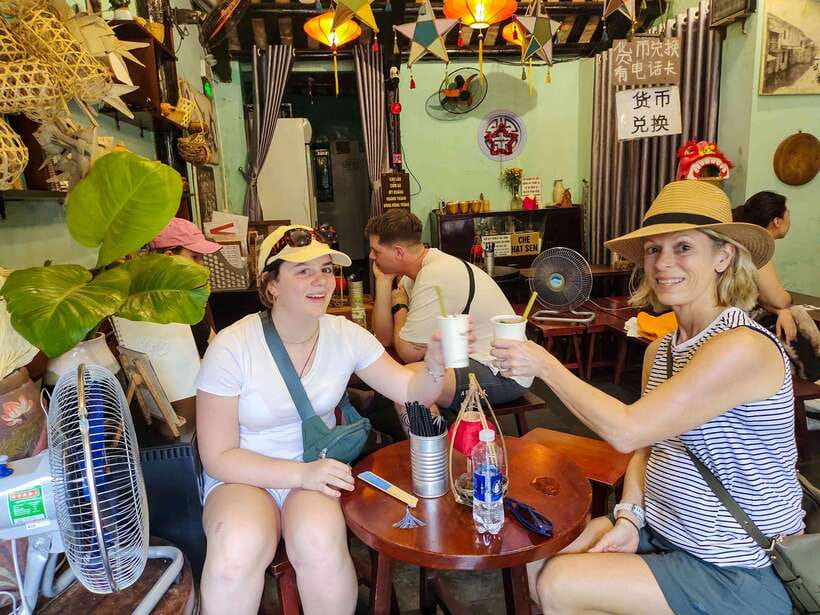
Hoi An isn’t huge, which is exactly why a walking tour works so well. You move block by block and the town reveals itself in small scenes: doorways, window patterns, carved wood details, and those hanging touches on houses that make everything feel lived-in.
The best part is the cultural overlap. Hoi An became a meeting point for traders and travelers over centuries, so the architecture and layout don’t follow one single style. Instead, you’ll see pieces that feel Chinese in spirit, Japanese in landmarks, and Vietnamese in the day-to-day rhythm of the streets.
A guide matters here. Without one, you can still have a great time, but you might miss what you’re looking at. With a good guide, you walk away with clear meaning for each stop—how it fits the story of Hoi An and why it looks the way it does.
You can also read our reviews of more walking tours in Hoi An

The 5-hour structure from Da Nang: enough time to see, not enough to loiter
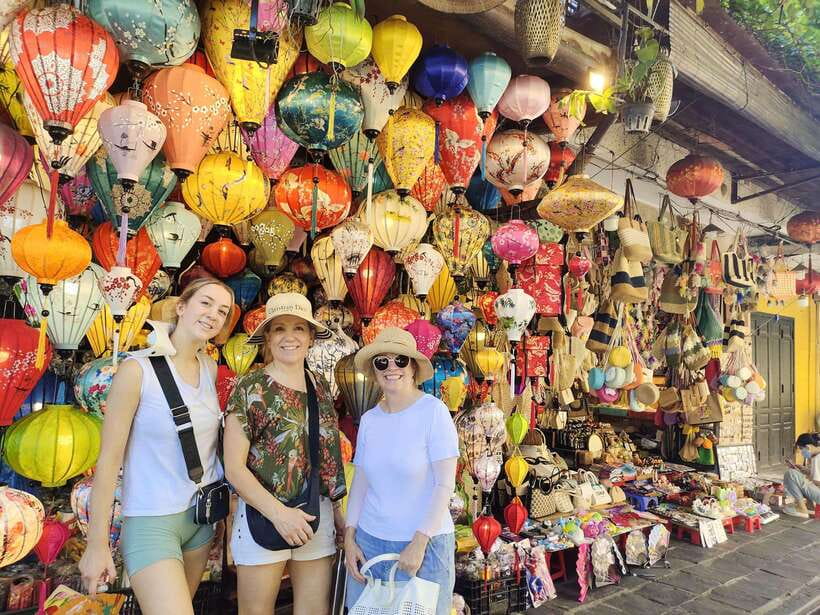
This is a half-day tour lasting about 5 hours, with hotel pickup and drop-off in Da Nang City Center (not the Son Tra Peninsula). The pace is designed for “see the big stuff, then keep going,” so you won’t get stuck waiting around.
You should think of the tour as a guided route through the old core—high-value stops, photo pauses, and short guided visits. It’s not meant to replace your own time in Hoi An. In fact, one review tip hits the reality: if you can, plan to spend the evening afterward, because the town often feels calmer once the daylight crowds thin out.
Also, the tour prohibits unaccompanied minors. If you’re traveling with kids, book with an adult ticket for each child and you’ll be set.
Hoi An Market: where your camera meets local shopping
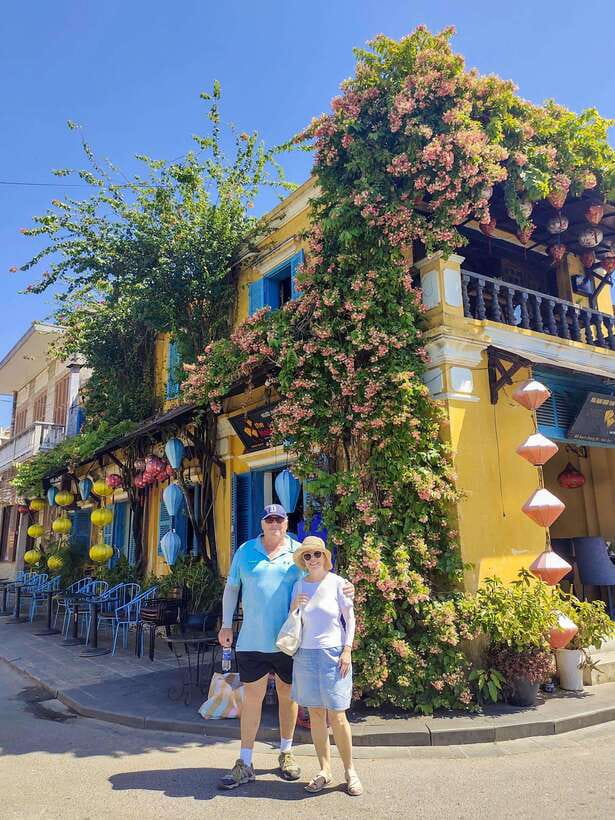
Your first major stop is Hoi An Market, with about 30 minutes allocated. This is the part many people enjoy most because it’s active and practical. You’ll see the market at a walking pace—vendors, everyday goods, and the kind of sights that don’t feel staged.
What this adds to your trip: it grounds the heritage sites. After you’ve seen old houses and assembly halls, the market reminds you the town is still functioning as a community, not only a museum. Even if you only snap a few photos, you’ll come away with a stronger sense of what “old town life” actually looks like now.
Practical tip: wear comfortable shoes. Market time includes walking, and you’ll appreciate not feeling rushed every time you stop to look.
Fujian Assembly Hall: Chinese influence you can actually see

Next up is the Fujian Assembly Hall, with around 20 minutes for photo stops and a guided visit. This is one of those places where a guide helps you notice the details you might overlook on your own—how the building reflects Chinese community links and what those design choices communicate.
If you’re into architecture, this stop is a strong return on time. You get the feel of a ceremonial community space, but you’re still within the flow of the old town. It’s not a far detour; it’s part of the walk’s logic: each stop builds your understanding of how cultures layered together.
The drawback: like most heritage interiors, it’s a short visit. You’ll see plenty, but if you want to linger with zero schedule pressure, that’s not what this tour is designed for.
Traditional dance show: a quick cultural pause mid-walk
Around the middle of the route, you’ll have 40 minutes that includes a visit plus a traditional dance show. This works well because it breaks the walking rhythm and gives context beyond architecture.
Here’s why it’s valuable: it adds a lived culture layer to the buildings. If you’re only focused on visuals, you can leave Hoi An feeling like you toured a set of old structures. A performance nudges you toward understanding that the town’s identity is also expressed through art and community traditions.
Keep your expectations realistic: it’s a short show, timed for a group schedule. It’s a highlight, not a long evening event.






Hoi An folk museum: short stop, clear purpose
You’ll then visit the Hoi An folk museum for about 15 minutes, including a guided look and photo time. This stop is brief, but it matters because it helps connect the architecture to the people who lived there.
Think of it as a quick orientation tool. Instead of treating every old house like a separate attraction, you’ll start seeing patterns: daily life, local culture, and the types of objects and settings that shaped life in the old town.
If you love museums, you might want more time. But for a half-day walking tour, the museum’s job is to sharpen your perspective without eating the entire afternoon.
Old House of Tan Ky: the merchant-house perspective
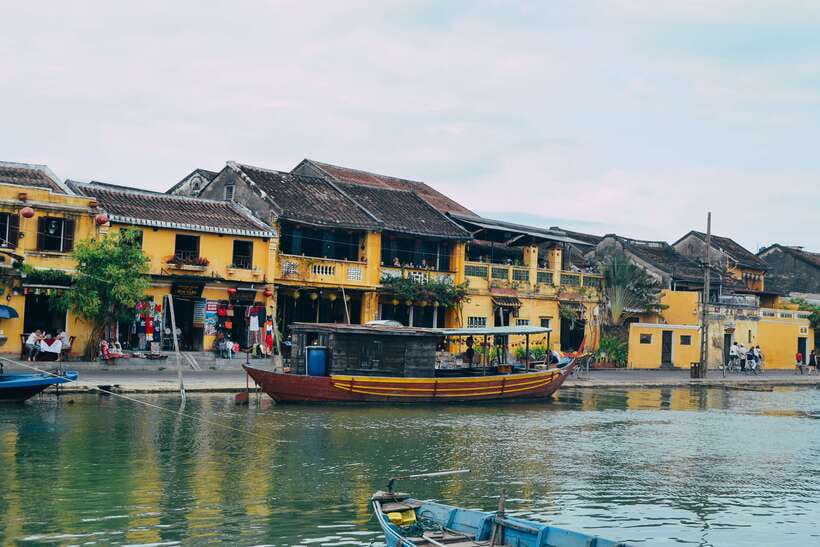
Next is the Old House of Tan Ky, with about 25 minutes for photo stops and a guided visit. This is the kind of site that makes Hoi An feel specific. It’s not just a view; it’s a window into how a home functioned for people connected to trade and commerce.
This stop usually lands well because you can compare what you’re seeing with the street outside. Doors face the walkways for daily movement. Layouts and craftsmanship signal status and function. It’s a chance to understand how the town’s wealth and international connections translated into domestic architecture.
Time check: 25 minutes is enough to grasp the main points and take photos, but not enough to be deeply reflective for everyone. If you’re the type who reads every sign slowly, plan to return later on your own.
Japanese Covered Bridge: your iconic payoff stop
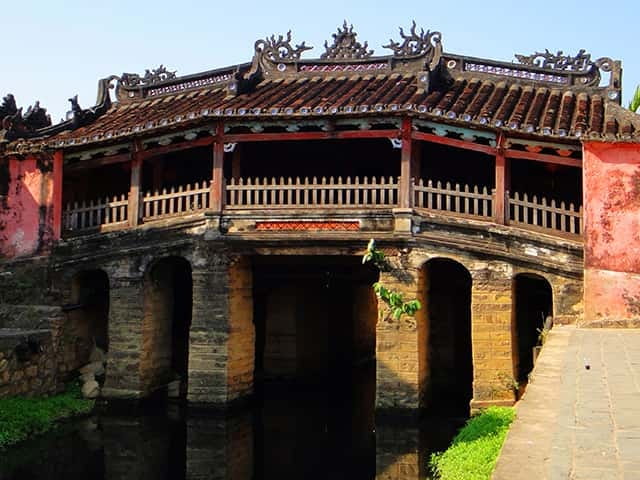
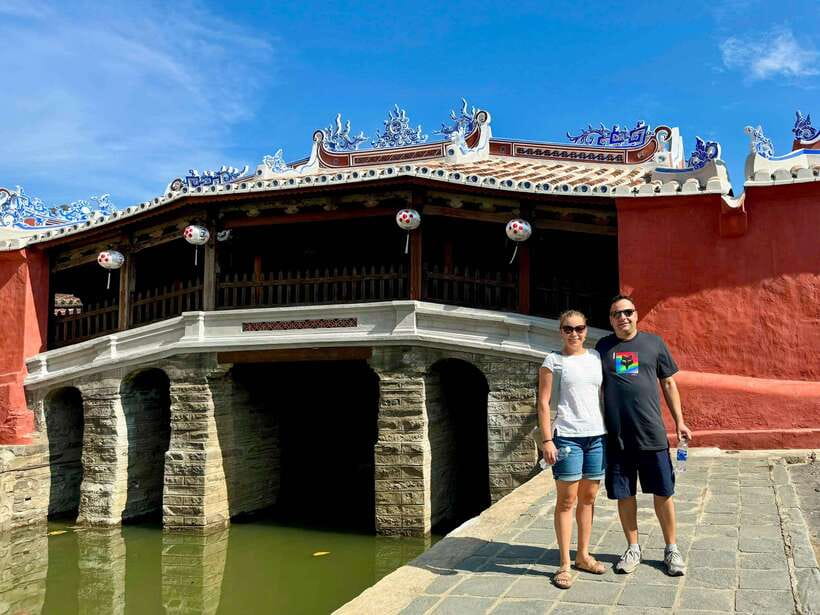
Then comes the star: the Japanese Covered Bridge, with about 20 minutes for photo stops and guided sightseeing. This is the landmark most people recognize, and it earns its spot as a central “anchor” point in the route.
Why it’s worth it even on a packed schedule: it’s a visual summary of Hoi An’s cross-cultural layers. The bridge isn’t just pretty; it’s a symbol that helps you remember everything else you’ve seen—assembly halls, old houses, and the wider trading-world connections.
Timing matters too. Covered bridges and old streets photograph best when the light isn’t too harsh. You’ll be stopping here with a guide, so you’ll also get help on where to position yourself and what to notice in the structure.
That last photo stop before you head back to Da Nang
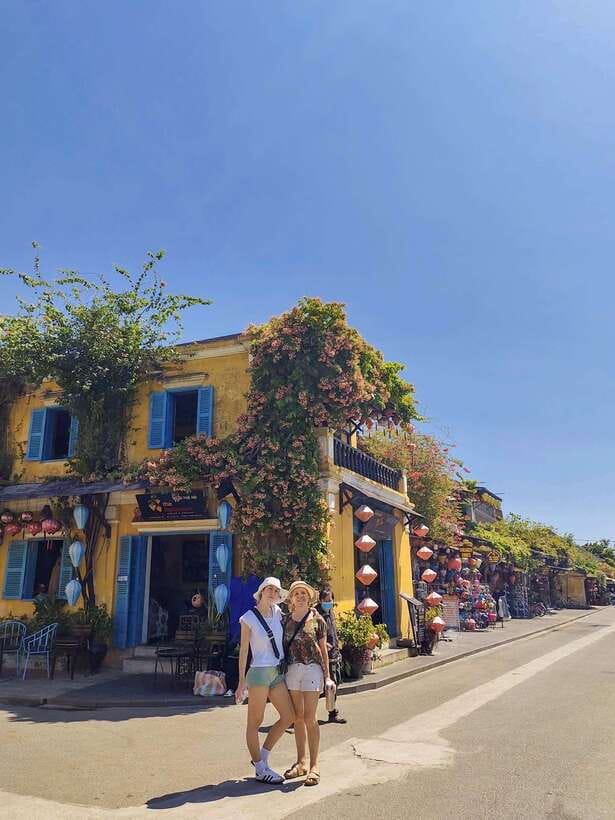
Near the end, there’s another shorter photo stop and guided sightseeing segment for about 15 minutes. The purpose is simple: you get one more chance to capture the old-town feel and catch any final details you might have missed earlier.
After this, you’ll head back to Da Nang. If you want to squeeze in more time in Hoi An, this is where your plan should start. The pacing is designed to protect the main route—so treat the rest of your day as your bonus.
Price and value: what $42 buys you in real-world terms
At $42 per person for a roughly 5-hour experience, you’re paying for more than a walk. You’re buying:
- Hotel pickup and drop-off in Da Nang City Center
- Transportation during the itinerary
- Entrance fees for the included sites
- An English-speaking guide (other languages available for a surcharge)
- Bottled drinking water
- Travel insurance
That’s a lot of friction removed. Without a guided package, you’d likely spend time planning logistics, figuring out entrances, and trying to match streets to what you’ve read online. Here, you show up, follow the route, and let the guide handle the connections.
Is it worth it if you’re the type who likes to wander completely on your own? Maybe not. If you already know Hoi An well and enjoy independent exploration, you could replicate portions of the route. But if you’re short on time—and you want the story behind the places—this is a solid value.
One more reality check: the “touristy” factor is real. You’ll be walking in the part of town most people visit. A guide helps you make that feel less like a crowded photo loop and more like a coherent heritage walk.
The guide factor: why Hung gets mentioned
One recurring theme is that the guide makes the experience more fun and easier to manage. In particular, Hung is named as a talented young guide who keeps things engaging.
That matters more than it sounds. A heritage walk isn’t only about seeing places—it’s about understanding what you’re looking at while you’re looking at it. Good guiding turns a list of stops into a story you can repeat at dinner.
If you’re considering this tour, think about what you want from Hoi An:
- If you want context fast, choose the guided walk.
- If you want maximum freedom and minimal structure, you might prefer independent time with a rough self-guided route.
What to bring (so the walking doesn’t beat you)
The itinerary is walking-heavy through older streets, including market time and multiple photo stops. Pack for comfort, not just photos.
A practical kit:
- Comfortable, grippy shoes
- Sun protection (hat or cap) since you’ll be outside for long stretches
- A light layer if weather shifts
- Your camera, but also time to slow down for small details
And keep your expectations aligned with the schedule: you’ll see the main sites, not every alley behind them.
Who should book this heritage walk?
This tour is best for you if you:
- Want a fast, guided orientation to Hoi An Ancient Town
- Prefer walking with a plan rather than piecing it together yourself
- Care about cultural influences—Vietnamese, Chinese, and Japanese—showing up in real buildings
- Like a short performance moment, not a long museum day
It’s also a good fit for couples and solo travelers who want a structured half-day but still want the town to feel like a place, not a bus ride.
Should you book Da Nang: Half-day Hoi An Heritage Walk?
I’d book this if you’re visiting Central Vietnam and want one high-effort, high-return afternoon without spending brainpower on logistics. The combination of market time, assembly halls, an old merchant house, and the Japanese Covered Bridge is exactly what gives Hoi An its identity in a short window.
I’d skip it—or pair it carefully—if your dream day is hours of unhurried wandering with no schedule pressure. In that case, you’ll likely enjoy arriving in Hoi An on your own and spending the whole day at your pace.
My practical advice: if you do book, plan your evening in Hoi An right after. Use the tour to get the map in your head, then let the town do the rest.
FAQ
How long is the half-day Hoi An heritage walk?
It lasts about 5 hours.
What does the tour include for the price?
The tour includes hotel pickup and drop-off in Da Nang City Center (except Son Tra Peninsula), transportation, entrance fees, bottled water, an English-speaking guide (other languages available for a surcharge), and travel insurance.
Where are pickup and drop-off located?
Pickup and drop-off are included for hotels in Da Nang City Center. Son Tra Peninsula is excluded.
Does this tour visit the Japanese Covered Bridge?
Yes. You’ll visit the Japanese Covered Bridge as part of the walking route, with time for photos and guided sightseeing.
Is a traditional dance show included?
Yes. The itinerary includes a traditional dance show during the tour.
Is the tour suitable for children?
Unaccompanied minors are not allowed. Any child must be accompanied by an adult, and you’ll need to book adult tickets for additional children.
What information is needed for insurance registration?
You’ll need to provide the names and nationalities of all participants for insurance registration.