REVIEW · HO CHI MINH CITY
Hands-On Vietnamese Cooking Lesson in Small Group
Book on GetYourGuide →Operated by Saigon Cooking Class · Bookable on GetYourGuide
Cooking in Vietnam beats restaurant hopping.
This hands-on Vietnamese cooking class in District 1 is built around step-by-step guidance and a small group rhythm: you cook, you eat what you made, and you learn why flavors work. I especially like that you get personal ingredients and materials at your station, so you can follow the technique instead of just watching from across the room.
One thing to consider: some components may be pre-prepped for speed and flow, so true scratch-chopping enthusiasts might want a little more knife time. Still, you leave with a digital recipe folder that matches what you cooked.
In This Review
- Key highlights before you start chopping
- Why this Vietnamese cooking class in District 1 feels like a real lesson
- The 10:00 to 13:00 rhythm: cook, taste, cook again
- What you’ll likely cook: spring rolls, pho, and bright salads
- Natural ingredients, Vietnamese herbs, and the point of the kitchenware
- How the small-group setup helps you learn faster
- Price and value: why $33 can make sense
- Dietary needs: how to make vegetarian or allergy-friendly work
- What to do with the recipe folder after the class
- Where to meet at 80 Nguyen Trai Street (District 1)
- Who should book this cooking class
- Should you book this Vietnamese cooking lesson in Ho Chi Minh City?
- FAQ
- What is the duration of the cooking class?
- How many dishes do you cook and eat?
- Is the cooking class hands-on?
- What language is the instructor?
- Do they offer vegetarian options or can they handle allergies?
- What do I get at the end?
- Where is the meeting point?
Key highlights before you start chopping
- Small-group format keeps it interactive, with English-speaking instruction
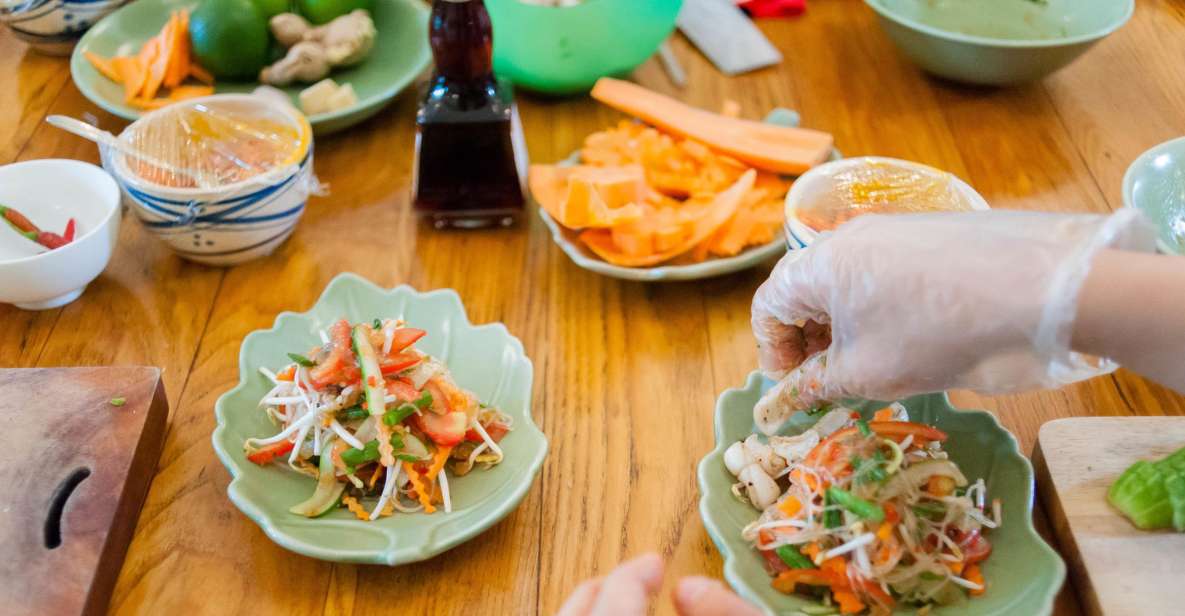
- Cook and eat in real time: each dish is made and tasted before moving on
- Vietnamese kitchenware and ingredients: you learn what’s used and why
- Natural herbs and ingredients are the focus, not shortcuts
- Dietary changes are possible if you note vegetarian or allergies when booking
- Digital recipes to take home so you can repeat the meal later
Why this Vietnamese cooking class in District 1 feels like a real lesson
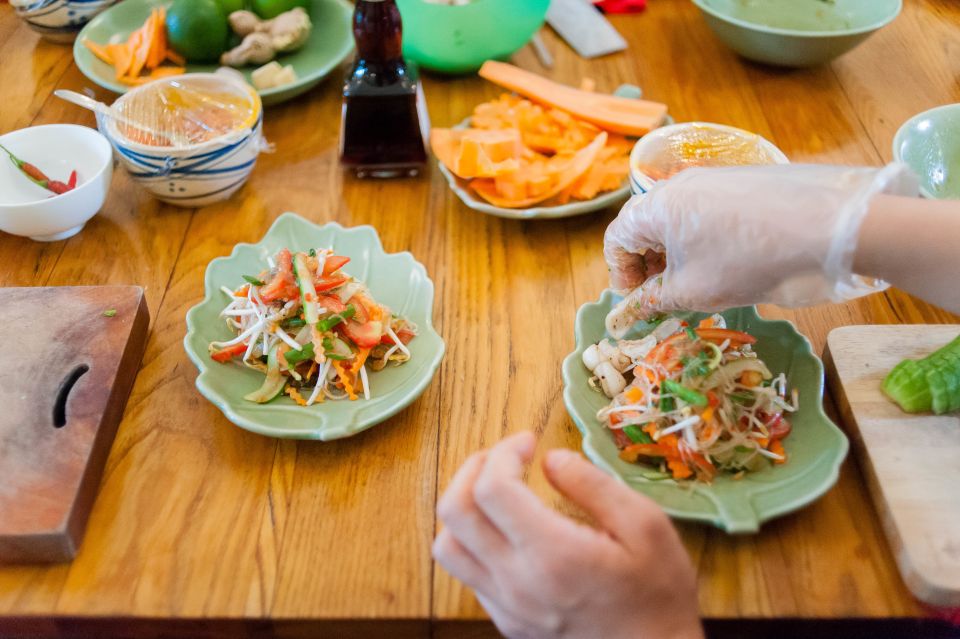
If you’re in Ho Chi Minh City and want something more useful than another meal out, this class is a smart move. The setup is intimate, warm, and practical. Instead of one big lecture, you follow the chef’s steps, work at your own station, and learn techniques as you go.
A big plus: everyone cooks with their own materials and ingredients. That matters because Vietnamese cooking is detail-driven. Cutting, timing, balancing herbs, and getting textures right all affect the final taste. When you’re doing the work yourself, the “why” sticks.
Also, the instruction is in English, which makes a difference. Several chefs have been praised for clear explanations and patience, and that’s exactly what helps if you’re new to Vietnamese cooking.
You can also read our reviews of more cooking classes in Ho Chi Minh City
The 10:00 to 13:00 rhythm: cook, taste, cook again
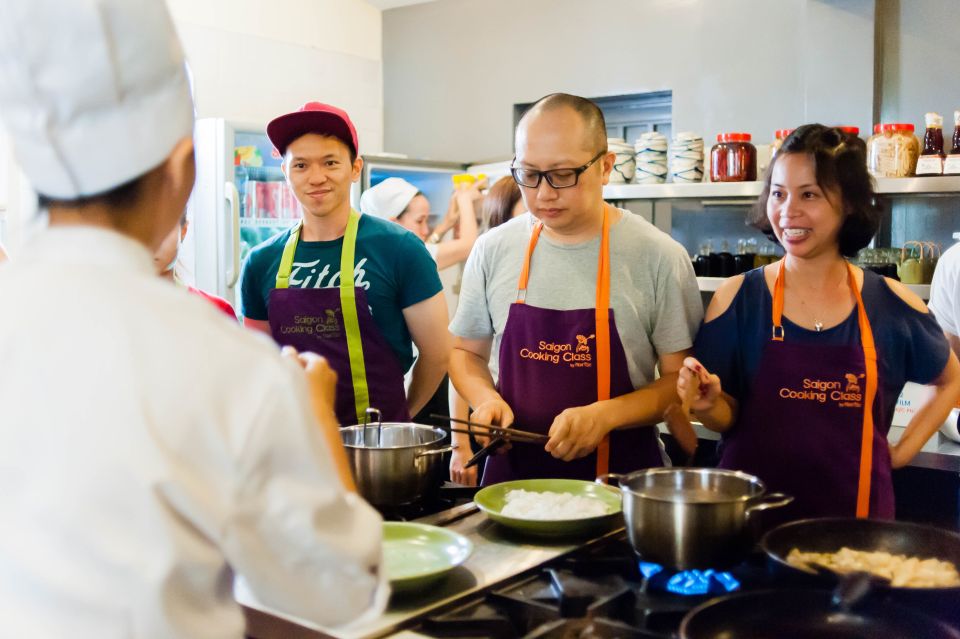
The class runs from 10:00 am to 1:00 pm (about 3 hours). The flow is designed to keep momentum without turning it into a rushed cooking sprint.
Here’s the pattern you can expect:
- Warm-up and kitchen check-in: you get oriented and see the tools you’ll use
- Cook the first course, following the chef step by step
- Taste what you made (this is when the lesson clicks)
- Move on to the second course, then the final dish
- You finish with digital recipes so you can recreate your meal later
The nice part is that you don’t just “make food.” You learn while eating. You get immediate feedback because you can taste the dish, then adjust how you think about the ingredients for the next one.
What you’ll likely cook: spring rolls, pho, and bright salads
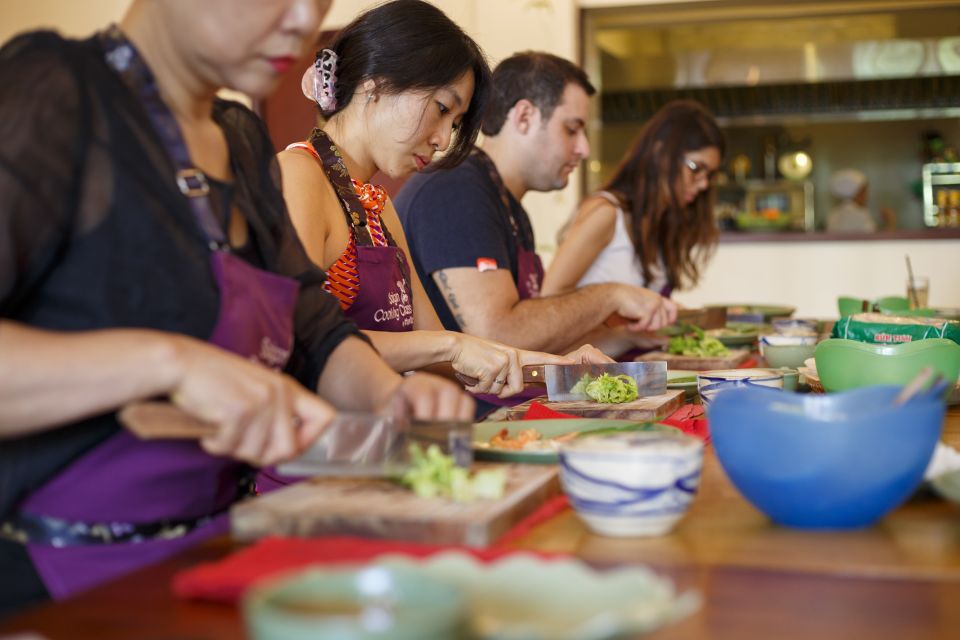
The class description says a 3-course (three-dish) meal, and the experience is centered on making dishes and then eating them. Some course descriptions also mention a four-course meal in the broader class wording, so it’s worth confirming what format applies on your specific date. Either way, you should expect multiple dishes you’ll actually plate and eat.
From recent examples, you might cook:
- Spring rolls (often taught as an ingredient-and-technique lesson, not just a folding exercise)
- Pho (useful if you want to understand how herbs and aromatics work together)
- Bánh xèo (a popular Vietnamese savory “sizzling” style dish that teaches batter and pan timing)
- Salad dishes like mango salad (great for learning balance: sweet, sour, herbs, and crunch)
And yes, you really do get to taste the results. That’s a key difference from many cooking demos where the teacher makes most of the food.
If you’re trying to broaden beyond one familiar dish, this class can help. One review noted that someone only knew bún chả before the class and left with several new favorites to recreate at home.
Natural ingredients, Vietnamese herbs, and the point of the kitchenware
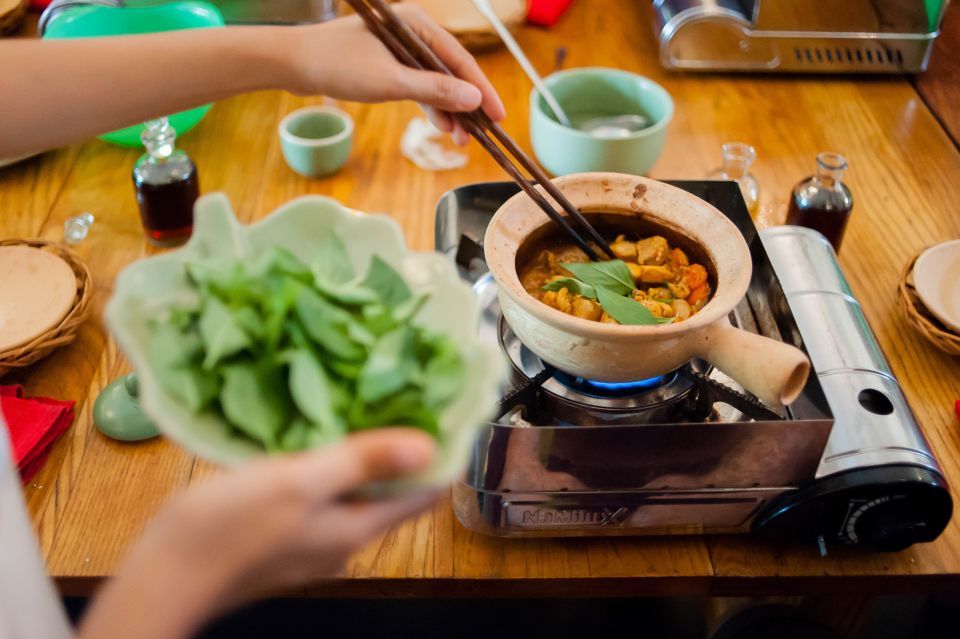
This class is built around natural ingredients and herbs. That sounds like a marketing line until you’re actually cooking with them. Vietnamese flavor often comes from multiple herb types plus acid (lime), sweetness, and salty depth from sauces. When you’re handling the ingredients yourself, you start noticing how each one changes the final taste.
You’ll also get to use Vietnamese kitchenware. The point isn’t gimmicks. It’s that Vietnamese cooking tools and cookware often make certain tasks easier or help you get the right texture. You’ll see the logic behind what’s used in everyday Vietnamese kitchens, and you’ll learn how to work with it instead of fighting your way through a “similar” Western substitute.
One practical tip you’ll likely pick up: you can’t always treat herbs like plain garnish. In Vietnamese cooking, herbs can be structural, aromatic, and balancing components. That’s why learning the ingredient role matters.
How the small-group setup helps you learn faster
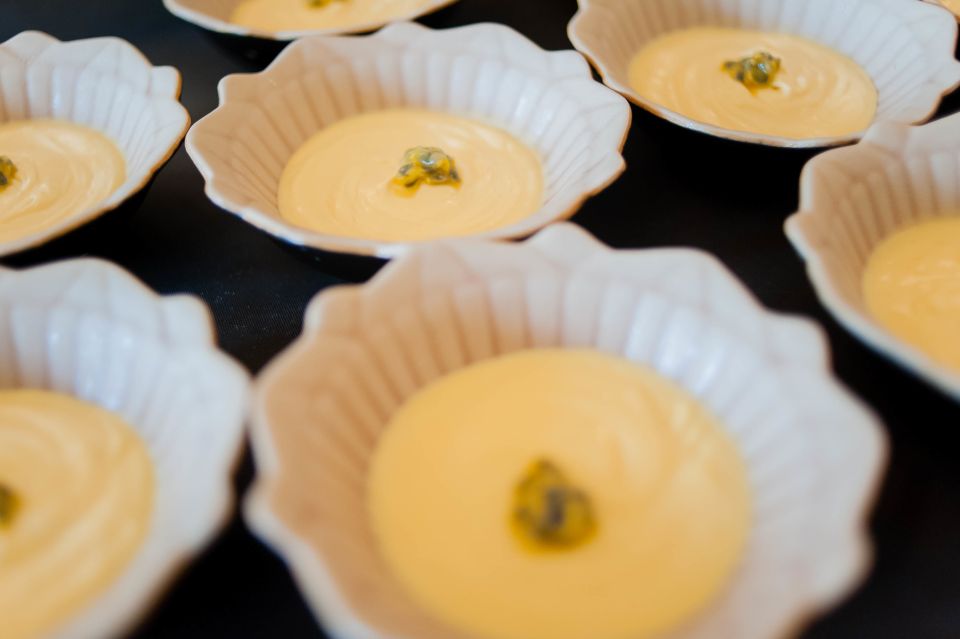
This experience is designed to be hands-on without being chaotic. The group is small, and instruction is paced so you can follow along.
What that means for you:
- You’re less likely to feel lost when the chef moves quickly
- You can ask questions without waiting your turn forever
- You have a better chance to repeat the technique at home because you actually did it
In at least one case, the class ran 1:1 because someone was the only student that morning. That’s a reminder that the class can be personal, not just “small on paper.”
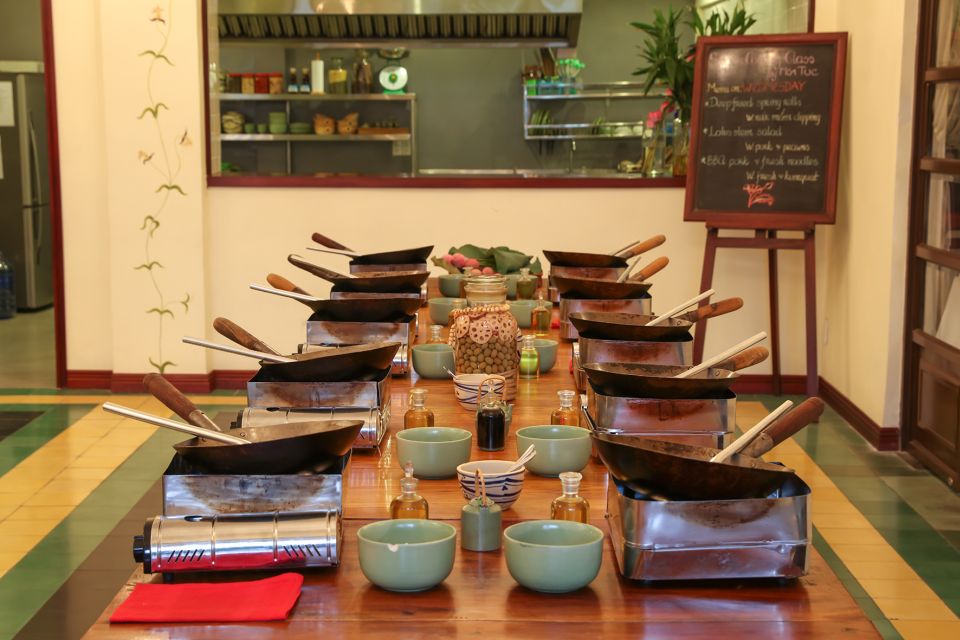
Also, the cooking environment is described as clean and modern by people who’ve taken it. You don’t want a class where the space feels cramped or disorganized, especially when you’re working with sauces, herbs, and hot pans.






Price and value: why $33 can make sense
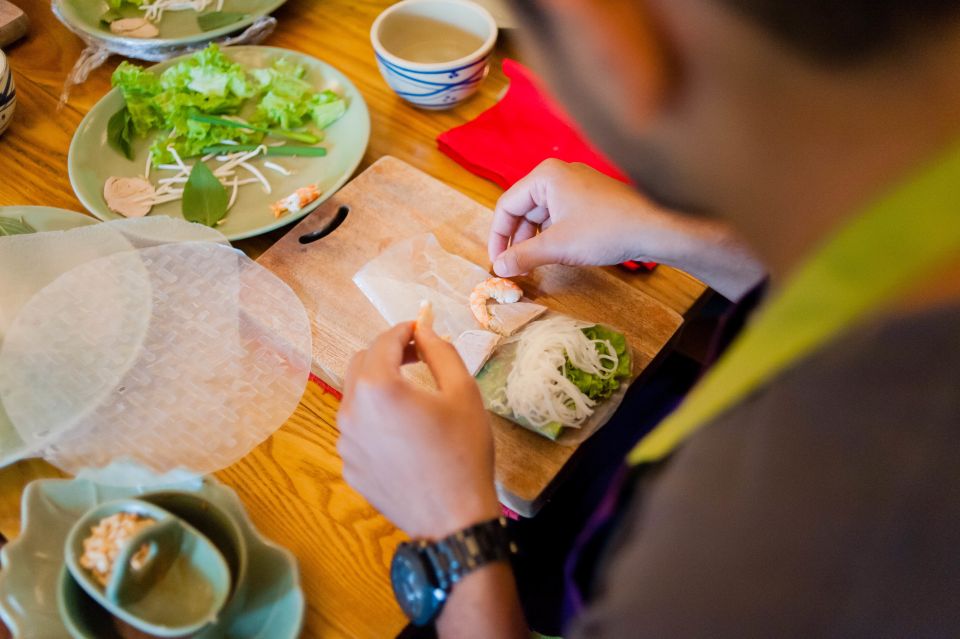
At $33 per person for a 3-hour cooking class that includes your meal, it’s priced like more than a snack stop. You’re paying for:
- instruction in English
- hands-on technique practice
- the ingredients used to cook and eat
- water and iced tea
- digital recipes you can use later
The value logic is simple: the cost isn’t just “watching someone cook.” You’re learning, then eating the results.
If you’re the type who normally spends money on dining out without learning anything new, this is a better use of time. You’ll eat well and bring skills home.
Dietary needs: how to make vegetarian or allergy-friendly work
Vietnamese cuisine can be flexible, and this class explicitly says the menu can be adapted for vegetarians or for people with food allergies—as long as you flag it during booking.
That’s the part that matters. Don’t wait until you arrive. When you note your needs ahead of time, you give the team a chance to adjust ingredients and plan the safest version of the dishes.
If you have allergies, still treat this like you would any food-prep situation: share details clearly and double-check the approach when you’re there. But the class does have a system for adapting.
What to do with the recipe folder after the class
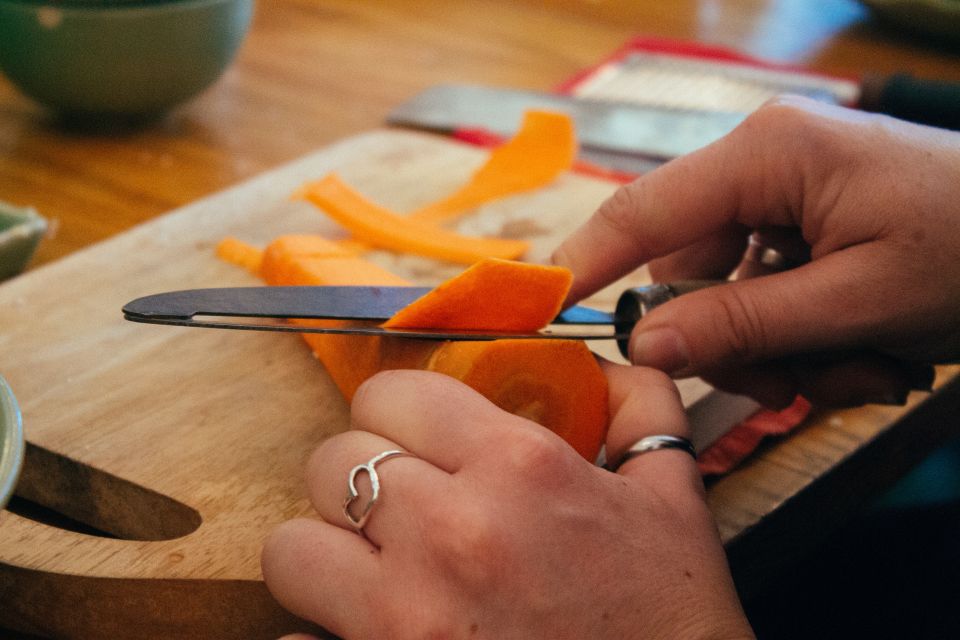
The take-home part is digital recipes. That matters because Vietnamese cooking is the kind of cuisine where your memory will fill in gaps incorrectly. The recipe folder helps you recreate the dishes with the right ingredient roles and proportions.
One realistic note: the recipe set typically matches the dishes you cooked. So if you’re hoping for recipes for many extra Vietnamese dishes beyond the class menu, you may need to look elsewhere afterward. Still, three dishes you make confidently beat a stack of theory notes.
Where to meet at 80 Nguyen Trai Street (District 1)
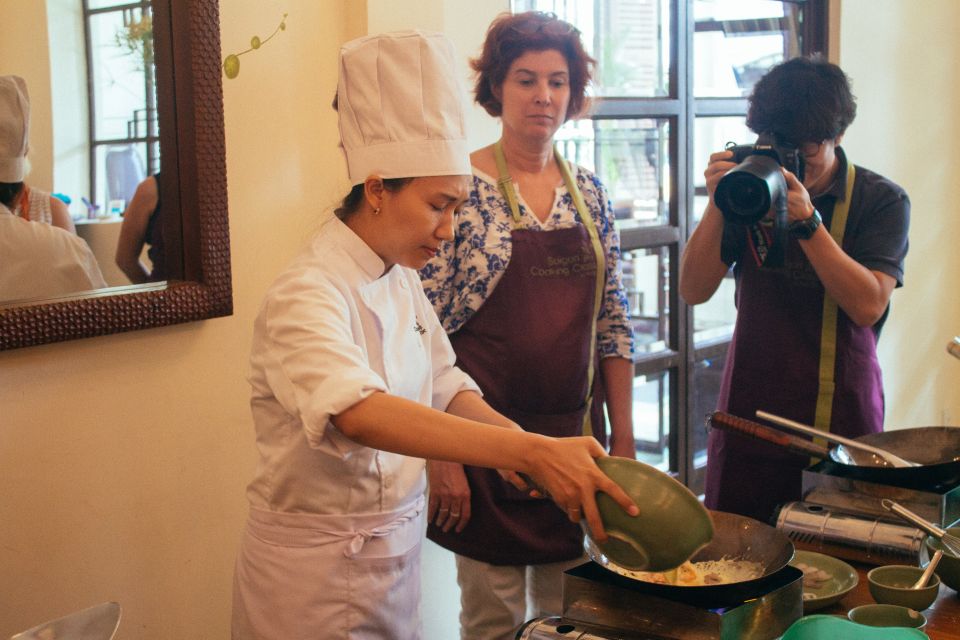
Meet at 80 Nguyen Trai Street, District 1. Take the small alley, and you’ll find the venue to your left.
This matters because District 1 streets can be busy and confusing even when you’re close. Give yourself a little buffer so you’re not rushing in with herbs-on-your-mind.
Who should book this cooking class
This is a good match if:
- you want practical technique, not just a meal
- you’re learning Vietnamese cooking ingredients and how they work together
- you like small-group activities where you can actually participate
- you’re traveling with family or friends and want a shared “we learned something” morning
It might not be the best fit if:
- you’re expecting a market tour or a shopping experience (the class is focused on cooking)
- you want every task to be fully scratch-made with maximum knife time (some prep may happen to keep things on schedule)
Should you book this Vietnamese cooking lesson in Ho Chi Minh City?
If you like food that tastes like it has a plan—herbs doing real work, sauces balanced, flavors layered—this class is a strong choice. The small-group setup, English instruction, and the fact that you cook and eat your own dishes make it worth your morning.
I’d book it if you want at least three things: a full meal, skills you can repeat, and confidence with Vietnamese ingredients. If you’re picky about allergen handling or you’re vegetarian/vegan, book it too—just make sure you send your needs clearly ahead of time so the menu can be adapted.
FAQ
What is the duration of the cooking class?
The class runs for 3 hours, from 10:00 am to 1:00 pm.
How many dishes do you cook and eat?
The class includes a meal of three dishes (three courses). Some class descriptions also reference a four-course meal, so it’s smart to confirm the exact format for your date when booking.
Is the cooking class hands-on?
Yes. It’s designed as a hands-on experience where you cook along with the chef, following step by step instructions. Each participant has their own materials and ingredients.
What language is the instructor?
The instructor teaches in English.
Do they offer vegetarian options or can they handle allergies?
Yes. The menu can be adapted for vegetarians or for people with food allergies. Make sure you specify your needs during booking.
What do I get at the end?
You take home a folder of digital recipes based on the dishes you cooked.
Where is the meeting point?
Meet at 80 Nguyen Trai Street, District 1. Take the small alley, and you’ll find the group on your left.