REVIEW · HUE VIETNAM
From Hue: Private Half-Day DMZ Tour with Vinh Moc Tunnels
Book on GetYourGuide →Operated by CONNECTTRAVEL · Bookable on GetYourGuide
Two hours from Hue, the war still lingers. This private half-day DMZ tour takes you from central Hue into Quang Tri province to see the Vinh Moc Tunnels and Museum, walk Hien Luong Bridge over the Ben Hai River, and stop at Vietnam’s scarred historic sites along the DMZ corridor. I especially like how the stops connect geography to specific dates from the conflict. One drawback to plan for: it’s serious subject matter, and the tour doesn’t include lunch.
You start with a hotel pickup in Hue at 09h00, then you’re back around 15h00. It’s a true private group with an English-speaking guide, plus tickets, water, and travel insurance, so you’re not doing the logistics shuffle yourself. Just note the dress rule: shorts aren’t allowed.
In This Review
- Key highlights I’d bet on
- A half-day DMZ reality check: what you actually cover from Hue
- Pick-up, van comfort, and why private matters for this topic
- Long Hung Church: a small structure with big survival meaning
- Quang Tri Ancient Citadel: why this place feels like a war witness
- Hien Luong Bridge over the Ben Hai River: division made walkable
- Vinh Moc Tunnels and Tunnels Museum: Vietnam’s longest underground survival story
- Price and value at $77 per person: what’s included, what to plan for
- Dress code, timing, and real-world comfort tips
- Who should book this Hue DMZ tour, and who might skip it
- Should you book? My take on the call
- FAQ
- How long is the DMZ tour from Hue with Vinh Moc Tunnels?
- Where does the pickup and drop-off happen?
- What’s included in the $77 per person price?
- Is lunch included?
- Are shorts allowed?
- Is this tour private and in English?
Key highlights I’d bet on
- Vinh Moc Tunnels and Museum: see how people sheltered deep underground during heavy bombing
- Hien Luong Bridge (Peace Bridge): walk the 1954 boundary symbolism tied to the 17th parallel
- Quang Tri Ancient Citadel: understand why this site is treated as a war witness
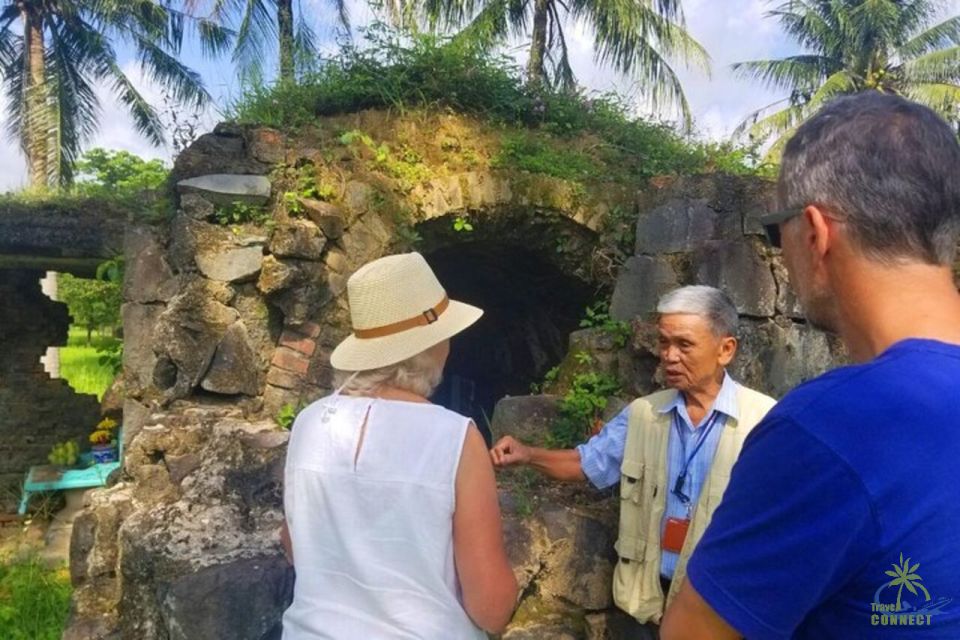
- Long Hung Church: one of the few surviving buildings from the 1972 Fire Summer/Eastern Offensive
- Private guide time: ask questions and get straight answers in English
A half-day DMZ reality check: what you actually cover from Hue
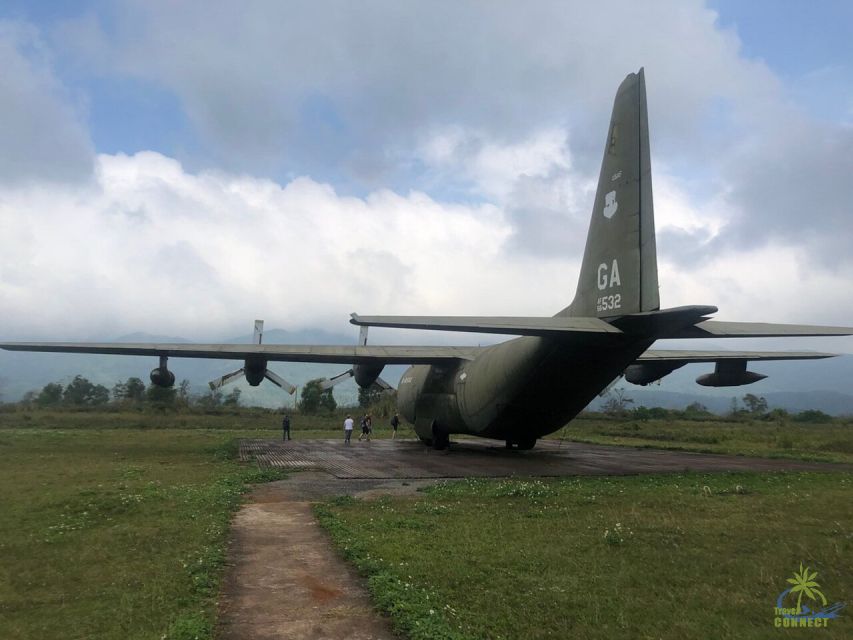
If you’ve only got part of a day in Hue, this tour is a practical way to understand the Vietnam Demilitarized Zone without turning your itinerary into a full trip. You’ll move through the Quang Tri DMZ area by car, then visit three major sites that each explain a different part of the story: survival (Vinh Moc), division (Hien Luong Bridge), and resistance + destruction (Quang Tri Ancient Citadel). There’s also a smaller but meaningful stop at Long Hung Church, which adds texture to what happened in town-level life.
This is not a light sightseeing loop. Expect a lot of reality for a short timetable. Still, that’s exactly why the half-day format works: it’s focused, guided, and you can process it after you’re back in Hue.
You can also read our reviews of more private tours in Hue Vietnam
Pick-up, van comfort, and why private matters for this topic
This is built for a direct hotel-to-DMZ day. Your pickup and drop-off are included from Hue hotels and accommodations, and the plan runs from 09h00 to about 15h00. You’re not sharing a crowded tour bus with strangers, which matters because war sites invite questions—people naturally want context.
In the experience I’m basing this on, the guide can be very strong with explanations. Names you might get include Thuy, who uses clear English and connects Vietnam’s war story with broader context, and Mr. Lôc, who shares anecdotes tied to lived experience during the Vietnam war. Either way, the English-speaking guide format is a big deal here: you’re dealing with dates, terms, and physical symbols, and you want them translated into plain meaning.
Also, you’ll get bottled water included. And in one case, the guide and driver were known to offer a lot of snacks—handy when lunch isn’t part of the package.
Long Hung Church: a small structure with big survival meaning
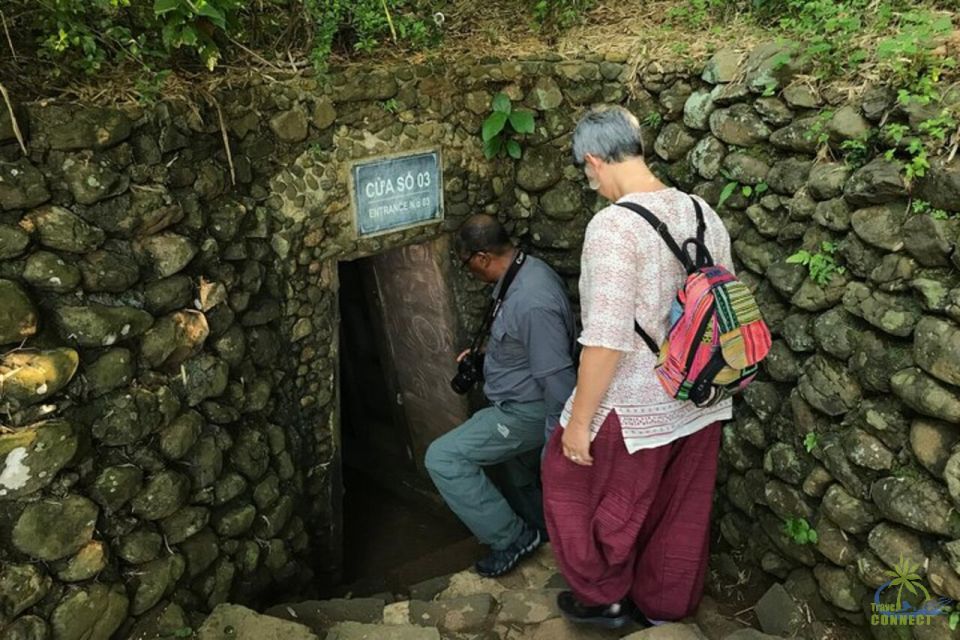
Your first historic stop is Long Hung Church, in Quang Tri town. The key detail is that it’s one of the very few existing buildings left standing after the Fire Summer or Eastern Offensive in 1972. That makes it more than a photo stop. You’re looking at physical proof that some things endured even when so much else didn’t.
The church is also listed as a National Relic (BA5453). In practice, this means you should approach it like a “marker” stop: take a moment, read what you can, and let your guide connect the building’s survival to the wider 1972 campaign described for the area. It also gives your day a grounded, human scale before you head into the bigger monuments and larger memorial structures.
Practical note: bring shoes you’re comfortable walking in. You’ll be moving through several sites across the day, and this is the kind of itinerary where you don’t want your feet to call time early.
Quang Tri Ancient Citadel: why this place feels like a war witness
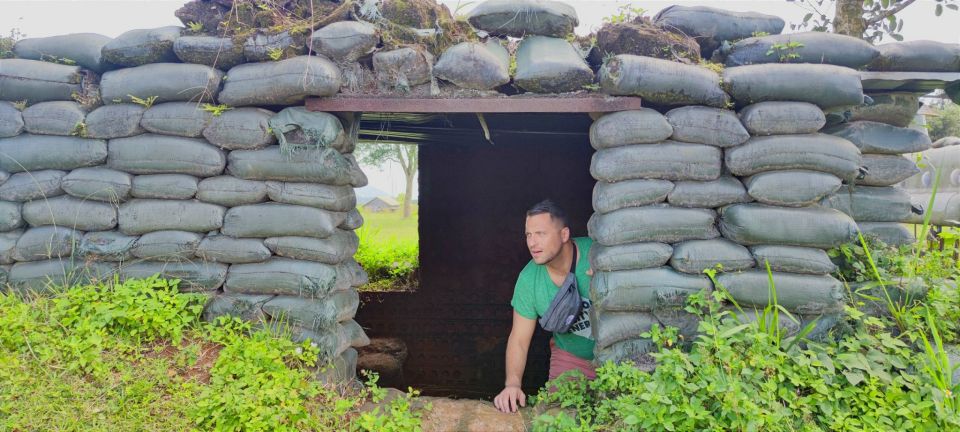
Next up is Quang Tri Ancient Citadel. This is the site treated as an eye-witness to fierce battles during the anti-American resistance war in 1972. The way it’s explained is stark: during the 81-day fighting, the citadel was almost destroyed by thousands of tons of bombs released by the US army.
That matters because it changes how you look at ruins. You’re not just seeing “old walls.” You’re seeing a threshold of destruction, and then the post-war meaning layered on top. Today, the citadel is used to mark immortal victories of the Vietnamese army and people and to educate youth about revolutionary tradition and patriotism.
What I like about including the citadel on a half-day itinerary is that it breaks the war story into a clear sequence. Long Hung Church shows what remained in town. The citadel shows what got hammered in major defensive space. Then you end the day with underground survival and a boundary bridge that turns history into a walkable line.
Consideration: this stop can hit emotionally, especially if you prefer lighter travel days. If you’re sensitive to wartime content, plan a decompress moment afterward—something simple like fresh air near your hotel in Hue.
Hien Luong Bridge over the Ben Hai River: division made walkable
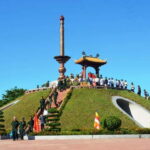
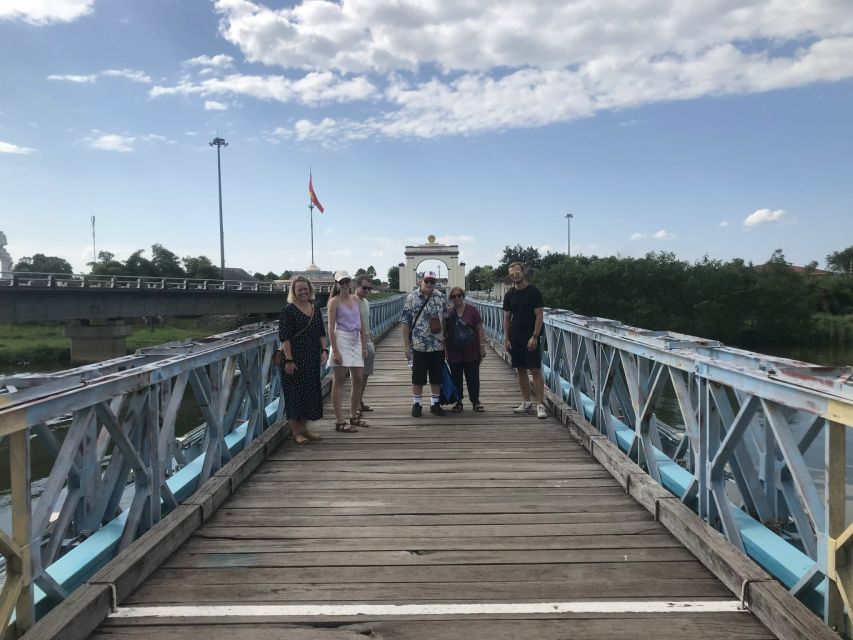
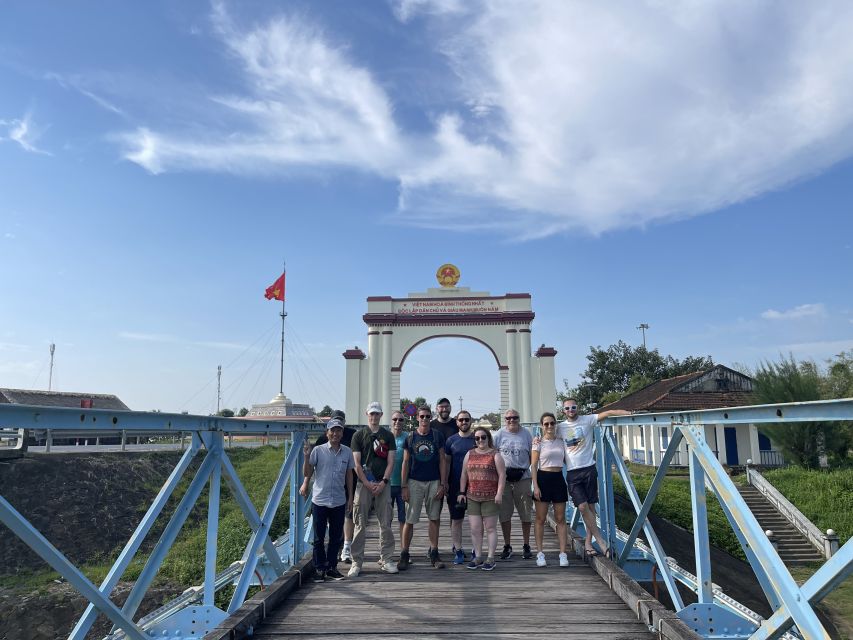
Now you get the most symbolic stop of the day: Hien Luong Bridge, also called the Peace Bridge, crossing the Ben Hai River. This is directly tied to the Geneva Agreements signed in 1954, which divided Vietnam into North and South with the 17th Parallel running through central Quang Tri province.
Your guide will connect the bridge to the idea of a boundary dividing Vietnam into two regions. You’ll also hear the French-built detail: the bridge was built in 1950 and is 178 m long. Then there’s the longer time reality—the story that it took 21 years for Vietnamese people from North and South to be united.
Walking onto a bridge like this is one of those moments where your body understands the symbolism before your brain fully catches up. You’re literally crossing over a line drawn by treaties. It’s also why this stop deserves your full attention rather than a quick camera shot.
Quick tip: wear clothing that fits the rule. Shorts aren’t allowed, and it’s easier to stay comfortable if you’ve got breathable pants and a light layer for sun exposure.

Vinh Moc Tunnels and Tunnels Museum: Vietnam’s longest underground survival story
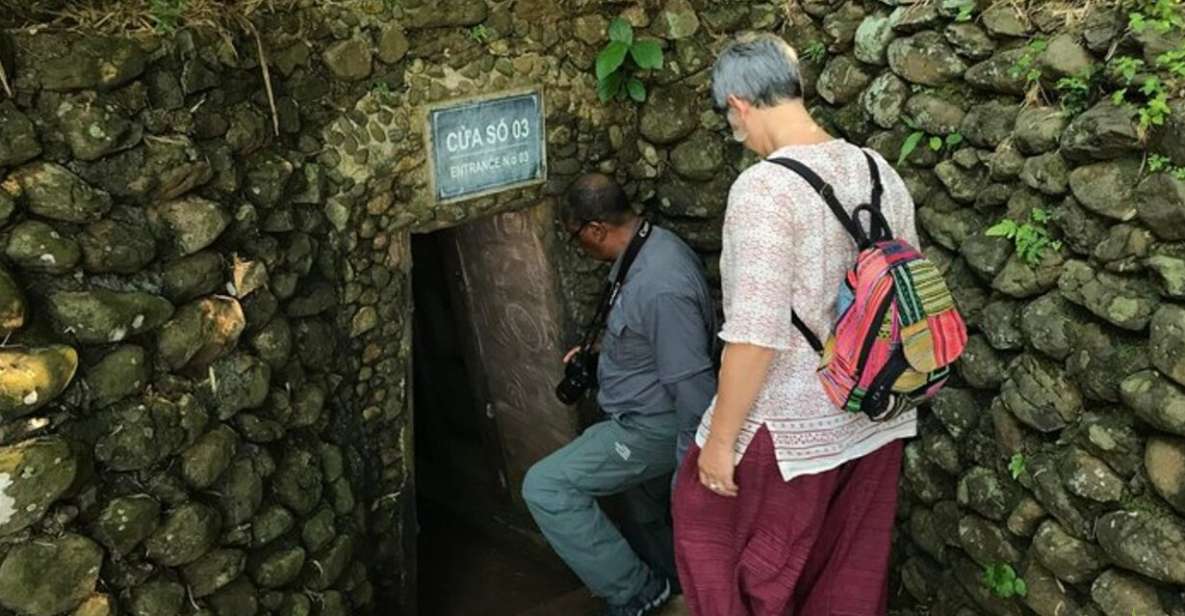
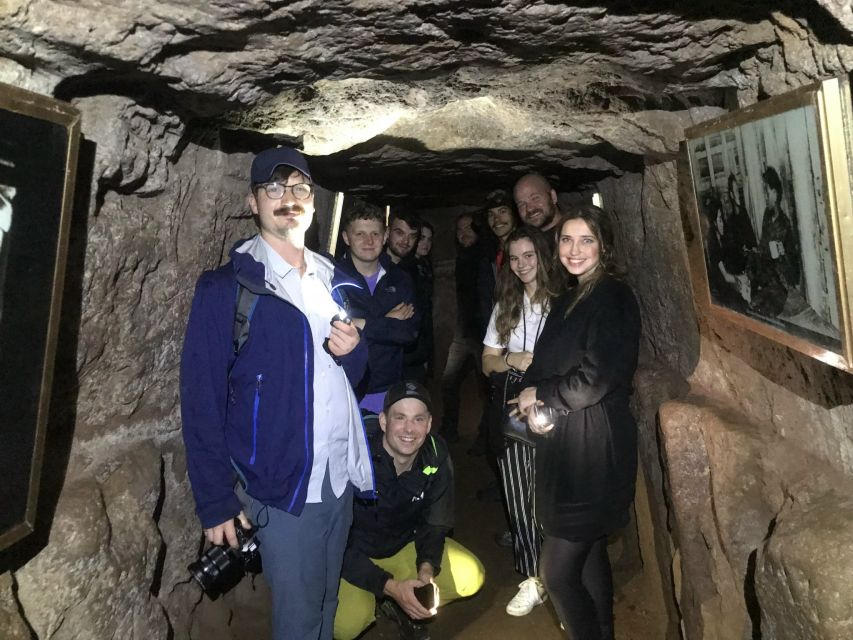
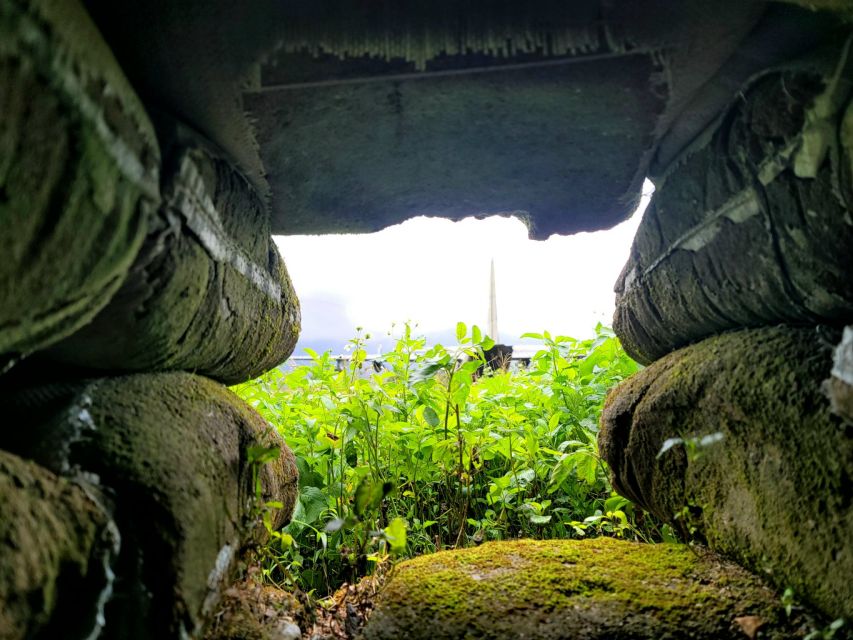
If I had to pick one highlight, it’s the Vinh Moc Tunnels and Tunnels Museum. The information you’re given frames it clearly: it’s the largest and longest tunnel in Vietnam, located deep in the DMZ area. The big point is why it existed. It sheltered Vinh Linh county people from intense bombing.
The tunnels weren’t just a hiding place. They’re described as a success in saving villagers’ lives and providing living conditions to fight back the American enemy. In other words, you’re seeing how survival shifted into an everyday system: shelter, movement, and the basic idea that people could keep functioning under extreme pressure.
In a half-day tour, this stop deserves a slower pace. Give yourself time to read what’s presented in the museum area, then walk and look carefully. Underground spaces change your sense of scale fast—what seems small on the surface can feel enormous once you’re inside the wartime logic of the tunnel complex.
What makes this stop valuable for you: it changes the way you think about “war history.” Instead of only battles and monuments, you get a view of daily life under siege conditions—how ordinary people adapted, organized, and endured.
Price and value at $77 per person: what’s included, what to plan for
At $77 per person, this tour can feel like a fair price once you break down what you’re paying for. You’re not just buying entry to one site. Your package includes:
- hotel pickup and drop-off in Hue
- an English-speaking tour guide experienced in Vietnam history
- bottles of water
- travel insurance
- entrance tickets
- transportation
That combination matters on a DMZ day because distances are longer than they look on a map, and the value is in interpretation—someone has to connect the geography to the events. With a private group, you also get more direct conversation time than you would on a larger shared tour.
The one clear missing piece is lunch. That’s not a “deal breaker,” but it means you should plan your food strategy. Eat something light before pickup in Hue, and consider grabbing snacks for later. The timing (back around 15h00) means you can usually eat in Hue soon after returning, but you don’t want to be stuck hungry during the most intense stops.
Dress code, timing, and real-world comfort tips
A small but important detail: shorts aren’t allowed. It’s a clear rule, so treat it like you’re entering a site with a professional or cultural standard. Wear breathable long pants and comfortable shoes. You’ll appreciate it most at the bridge stop and during any time spent moving between locations.
Also, bring a hat and sunglasses if you get sun easily. This area can feel bright even when you’re not expecting it, and you’re out for several hours in a half-day block.
From a timing standpoint, expect the day to be structured: pickup around 09h00, tour ends around 15h00. That’s enough time to see the core sites without dragging into an all-day endurance event. Still, it’s not a casual stroll day, so pack energy bars or plan to eat once you get back.
Who should book this Hue DMZ tour, and who might skip it
This fits best if you want a guided, geographically linked view of the DMZ rather than a random checklist of war sites. It also works well for history-focused travelers who enjoy asking questions and getting direct context from an English-speaking guide. If you’re short on time in Hue, the half-day structure gives you the key highlights without the day getting swallowed by transit.
You might skip it if:
- you’re not comfortable with wartime content and heavy memorial themes
- you need a day with more leisure time (this schedule is built for visiting specific places, not relaxing)
- you’re traveling with restricted clothing options, since shorts aren’t allowed
Should you book? My take on the call
Book it if you’re in Hue with limited time and you want the DMZ explained through real places: the boundary bridge, the citadel as a battle witness, and the Vinh Moc Tunnels as survival architecture. The private format, English guide, and included transport/tickets make it a strong value at $77, especially because the “why this matters” part is exactly what you’d be missing without a guide.
Skip it if you want a lighter, purely scenic day. This tour is for meaning, not just views.
FAQ
How long is the DMZ tour from Hue with Vinh Moc Tunnels?
The tour runs for 6 hours. The schedule typically starts at 09h00 and finishes around 15h00, with exact starting times depending on availability.
Where does the pickup and drop-off happen?
Pickup is available from Hue hotels and accommodations, and the tour includes drop-off back at your Hue hotel.
What’s included in the $77 per person price?
Included are hotel pickup and drop-off, an English-speaking tour guide, bottled water, travel insurance, entrance tickets, and transportation.
Is lunch included?
No. Lunch is not included.
Are shorts allowed?
No. Shorts are not allowed.
Is this tour private and in English?
Yes. It’s a private group tour with an English-speaking live guide.