REVIEW · HO CHI MINH CITY
From Ho Chi Minh: Cu Chi Tunnels – A Complex Tunnels Network
Book on GetYourGuide →Operated by Trip in Vietnam · Bookable on GetYourGuide
Cu Chi Tunnels has a way of making history physical. This 6-hour outing from central Saigon is built around the underground city story: how Vietnamese guerrillas lived, resisted, and fought using clever shelter, camouflage, and everyday survival tricks.
I especially like two parts: the chance to understand the war-era tunnel life through guided explanations (including traps and scenarios), and the hands-on feeling of how tight and real those passages were. The only real drawback is practical, not historical: the tunnels are very narrow, so claustrophobic or mobility-limited visitors may find the crawling section tough.
In This Review
- What I Think You’ll Really Remember
- Key Things to Know Before You Go
- Cu Chi Tunnels in Six Hours: What Your Ticket Really Covers
- Getting Picked Up in Saigon and Starting With the Right Pace
- The Underground City Story: Why This Place Feels Different
- Leaves, Camouflage, and Traps: Learning the Details That Make It Real
- Going Inside: The Narrow Tunnels Section (Where Your Body Gets the Lesson)
- War Documentary Viewing: Short Films That Connect the Dots
- The Hoang Cam Stove and Tapioca Stop: A Small Meal With a Big Meaning
- Shooting Range Extras: Real Guns, Real Bullets, Real Budgeting
- Guide Impact and Group Size: Why Smaller Feels Better Here
- Price and Logistics: How $30 Becomes a Full Day’s Cost
- Who This Tour Fits Best (And Who Might Want to Skip Certain Parts)
- Should You Book This Cu Chi Tunnels Tour?
- FAQ
- How long is the Cu Chi Tunnels tour?
- How much does the tour cost?
- Is hotel pickup and drop-off included?
- What food and drinks are included?
- Do I need to pay extra to go down into the tunnels?
- Can I shoot real guns or real bullets?
- What documentary or media will I see?
- What languages is the guide available in?
- Is there free cancellation?
- Is a private group available?
What I Think You’ll Really Remember
If you want a Vietnam war experience that isn’t just names and dates, this tour leans hard into atmosphere and lived-in detail. I like that you don’t just look at displays—you watch authentic documentary footage and get context on camouflage methods like using leaves to blend in.
One more consideration: if you choose extra activities like going down into the tunnels or shooting real bullets, you should budget additional fees beyond the base price.
Key Things to Know Before You Go
- A real underground city storyline: rooms, hospitals, and a weapons-factory setup explained in plain language
- Tight-tunnel crawling: the tour aims for that close, scary-in-a-good-way scale
- War documentary viewing: short films with authentic footage from the conflict
- Food stop with the Hoang Cam stove: tapioca cooked with a smoke-hiding stove
- Optional extras can cost more: tunnel descent and shooting require surcharges/fees
You can also read our reviews of more tours and experiences in Ho Chi Minh City.



Cu Chi Tunnels in Six Hours: What Your Ticket Really Covers
At about $30 per person for a 6-hour tour, the value is strongest when you’re clear about what’s included versus what’s extra. Your ticket covers pickup and drop-off at central Saigon, an English-speaking guide, bottled water, and a light snack at Cu Chi Tunnels featuring tapioca and tea.
This price also buys you structure: a guided route that explains how the tunnel network worked, not just a random walk through dim corridors. If you like history you can feel, this format tends to land well.
That said, some of the most “wow” moments can come with add-on costs. The information you have says there can be a surcharge if you want to go down into the tunnels, and there’s a separate bullet fee if you shoot.
Getting Picked Up in Saigon and Starting With the Right Pace
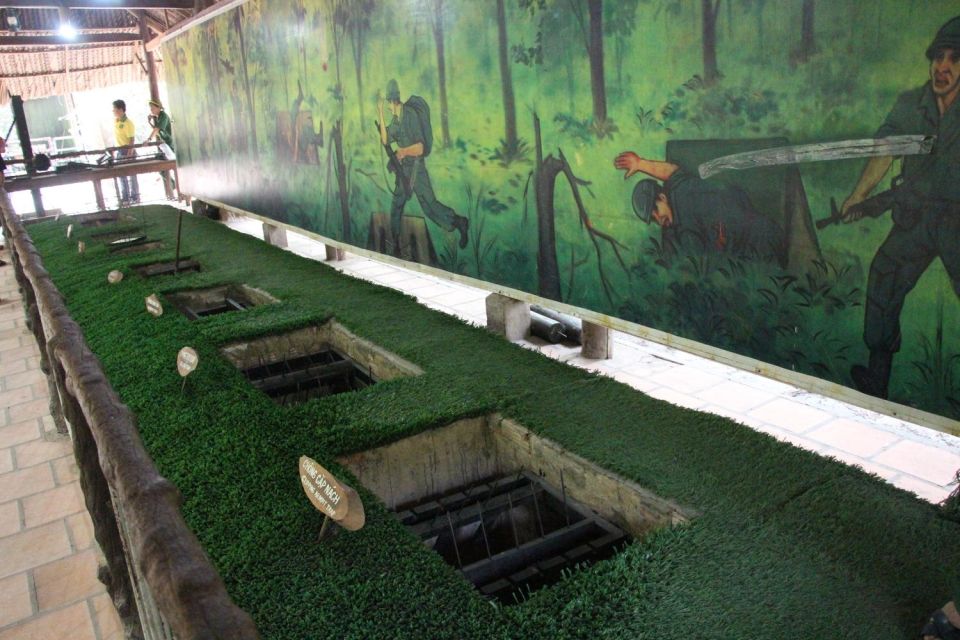
The tour begins with hotel pickup from central Saigon, and you’ll return to your hotel after the visit. That matters because Cu Chi is outside the city, and you don’t want to waste time negotiating transport while your day is shrinking.
You also get bottled water right away, plus a light snack plan later. In the humid heat, that alone makes the long “in-and-out” day feel less punishing.
Keep an eye on weather. One guide experience tied to the tour includes a moment where James handled torrential downpours by running in the rain to grab coats for the group. That’s a small detail, but it hints at how the day can shift with conditions.
The Underground City Story: Why This Place Feels Different
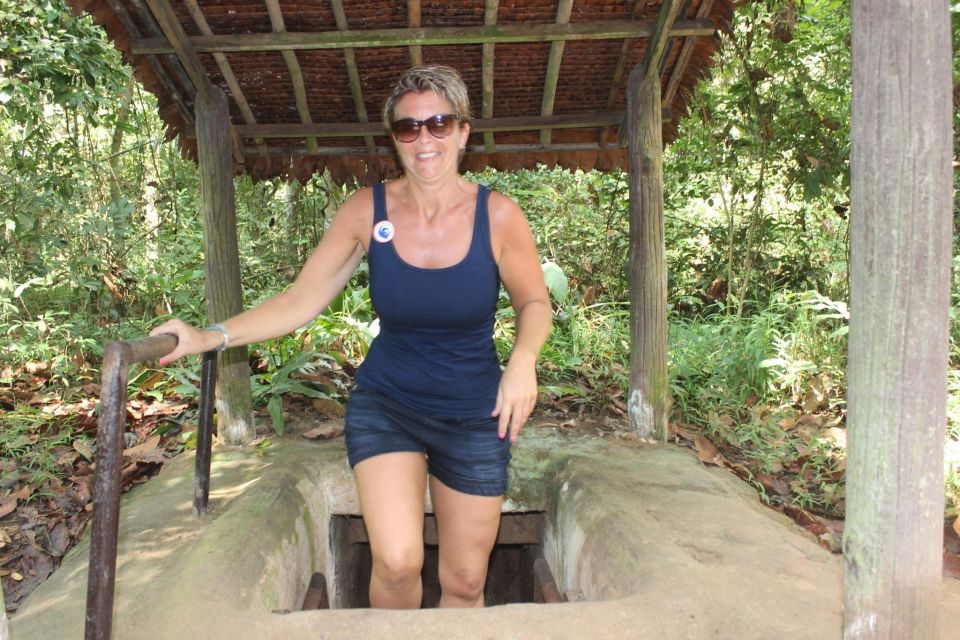
Cu Chi isn’t presented as one tunnel. It’s presented as a complex spider-web-like network, almost like an underground city. Your guide walks you through the idea of separate functional areas—rooms, hospital spaces, and even a weapons-factory setup—so you can see how people organized survival under constant danger.
I like the way this tour frames the Vietnamese guerrilla strategy as practical, not abstract. You hear how they lived in hiding, resisted attacks, and used clever concealment to keep operating.
If you’ve only seen war history through photographs, this kind of guided interpretation helps you connect the dots between strategy and everyday life. It’s easier to understand why tunnels mattered when you’re looking at the system as a whole.
Leaves, Camouflage, and Traps: Learning the Details That Make It Real
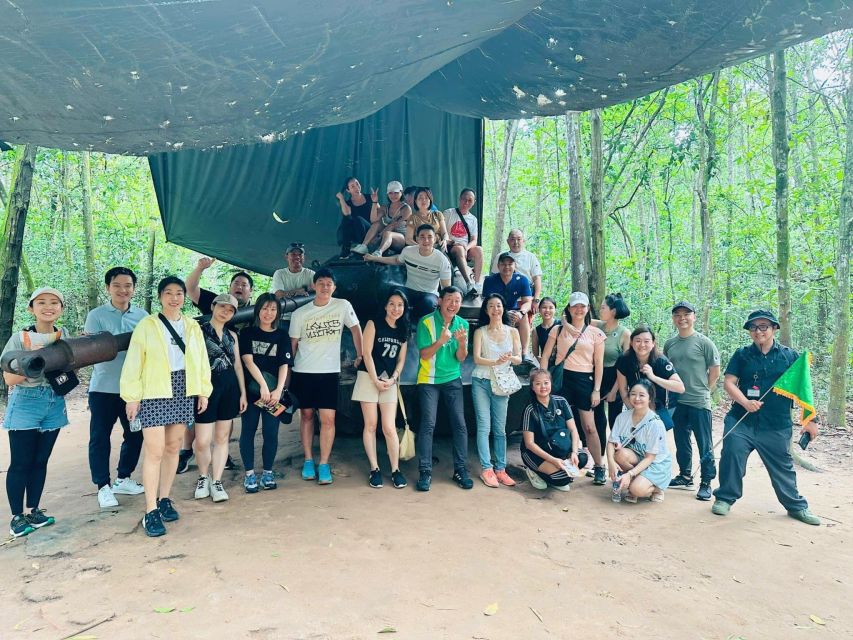
One of the most useful parts of this tour is how it explains guerrillas resisting and surviving—especially the tactics that don’t fit neatly in textbooks. You’ll learn how leaves were used for camouflage, which is both simple and brilliant in concept.
You’ll also get explanations of traps and different war scenarios. That’s the difference between seeing a tunnel and understanding why it was dangerous, how people moved, and what threats they anticipated.
The guide’s ability matters here. In a tour experience connected to this offering, Steven was described as friendly and willing to dig into the history with you. That kind of teaching style is what turns a visit from surface-level viewing into real understanding.



Going Inside: The Narrow Tunnels Section (Where Your Body Gets the Lesson)
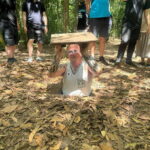
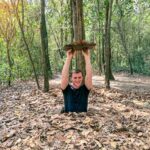
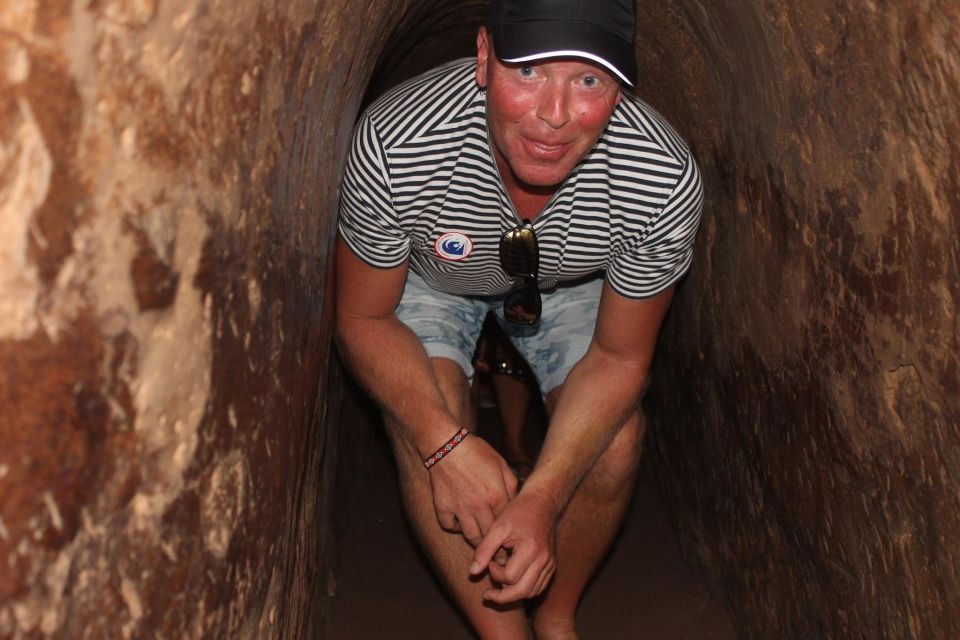
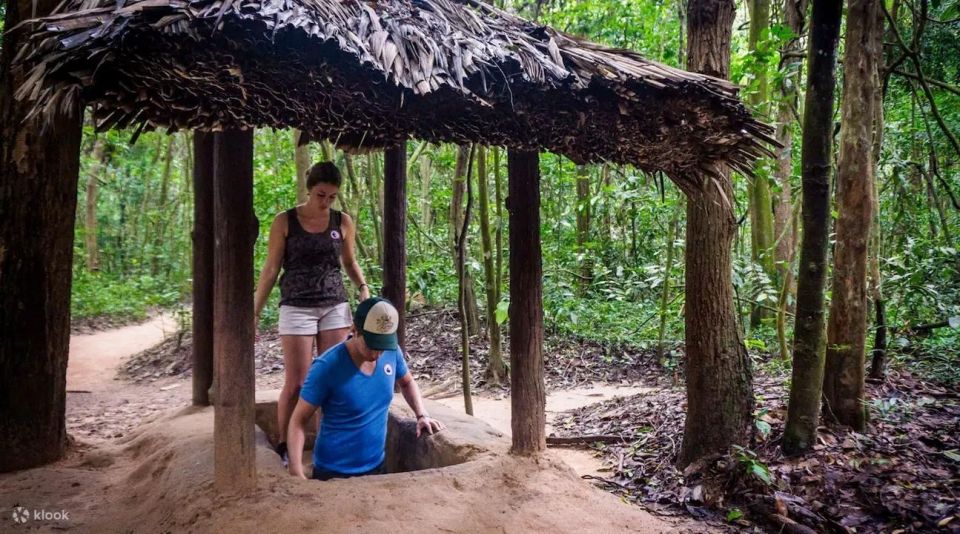
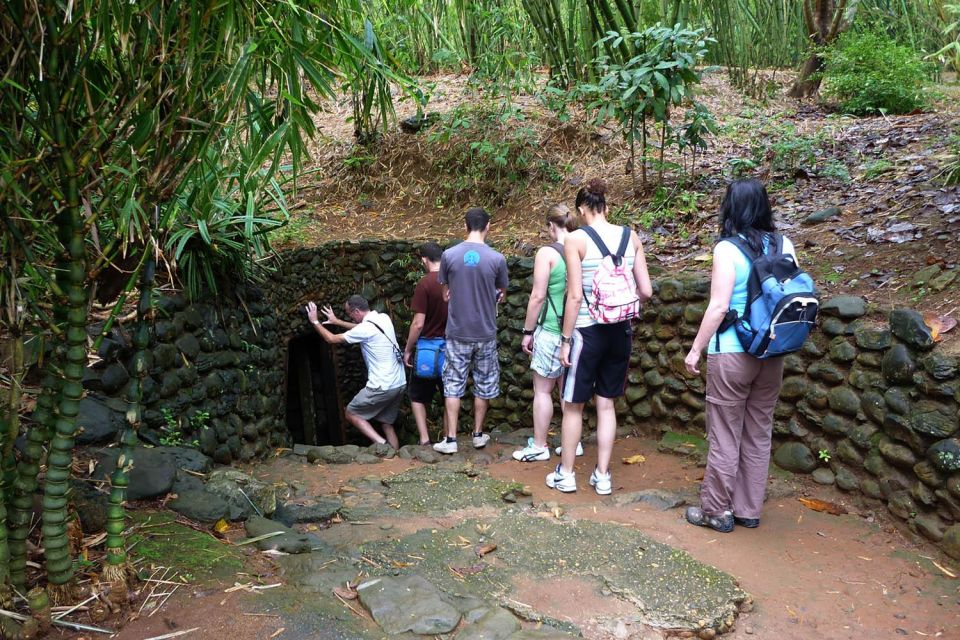
The tour is built to include a tunnel experience that feels close to what guerrillas faced. You’ll have the opportunity to go inside the narrow tunnels, which is where the tone changes from educational to intense.
This is the part to treat seriously. Tight spaces can trigger panic even if you’re brave, especially in wet conditions. If you plan to go in, wear clothes you’re okay getting dirty and that you can move in. Expect your comfort to be limited; this is not a roomy “tourist tunnel,” even when it’s guided.
Also note the practical wrinkle: the information you have indicates there can be a surcharge if you want to go down to the tunnels. So if you’re comparing tour options, make sure you’re pricing the experience you actually want—not just the base visit.
War Documentary Viewing: Short Films That Connect the Dots
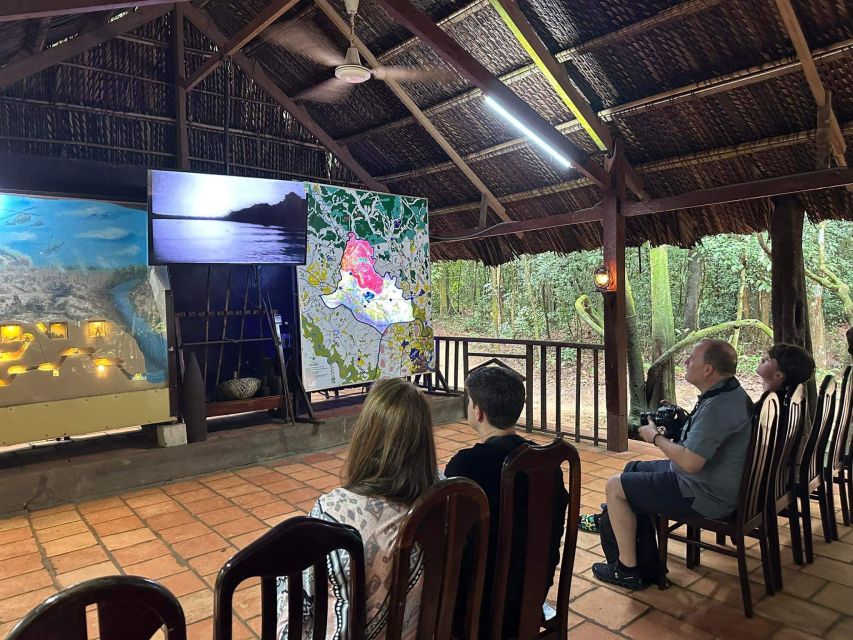
Between the explanations and the tunnels, you’ll watch short documentaries with authentic footage recorded during the war. This piece is valuable because it adds motion and sound to what you’re seeing in person.
You don’t need to love war history to appreciate documentary footage in this setting. It helps you understand the scale and fear behind what you’re walking through, and it makes the guide’s tactical explanations feel more grounded.
If you prefer a tour that balances learning with emotion, this “documentary then tunnels” rhythm usually works well.
The Hoang Cam Stove and Tapioca Stop: A Small Meal With a Big Meaning
At Cu Chi Tunnels, you’ll taste tapioca cooked on a special Hoang Cam stove, designed to hide smoke. That’s one of those practical details that makes you stop and think: survival wasn’t only about hiding underground, it was about hiding evidence above ground too.
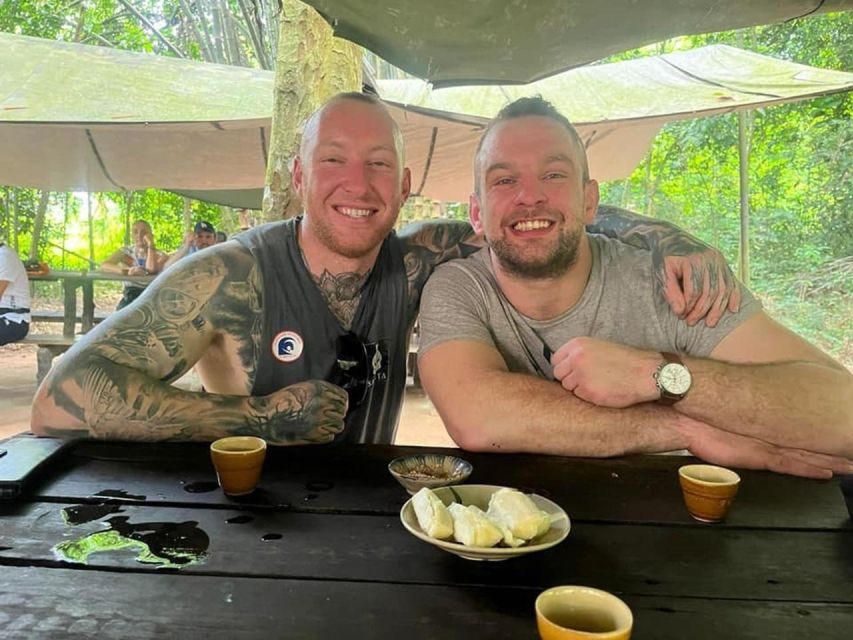
This stop is also included as a light snack with tea. That’s more helpful than it sounds. After time in heat, tunnels, and waiting around for the next explanation, having a simple meal helps you keep your energy steady.
I like that the food moment ties directly into the theme of concealment and daily adaptation, rather than feeling like a random “tourist tasting.”
Shooting Range Extras: Real Guns, Real Bullets, Real Budgeting
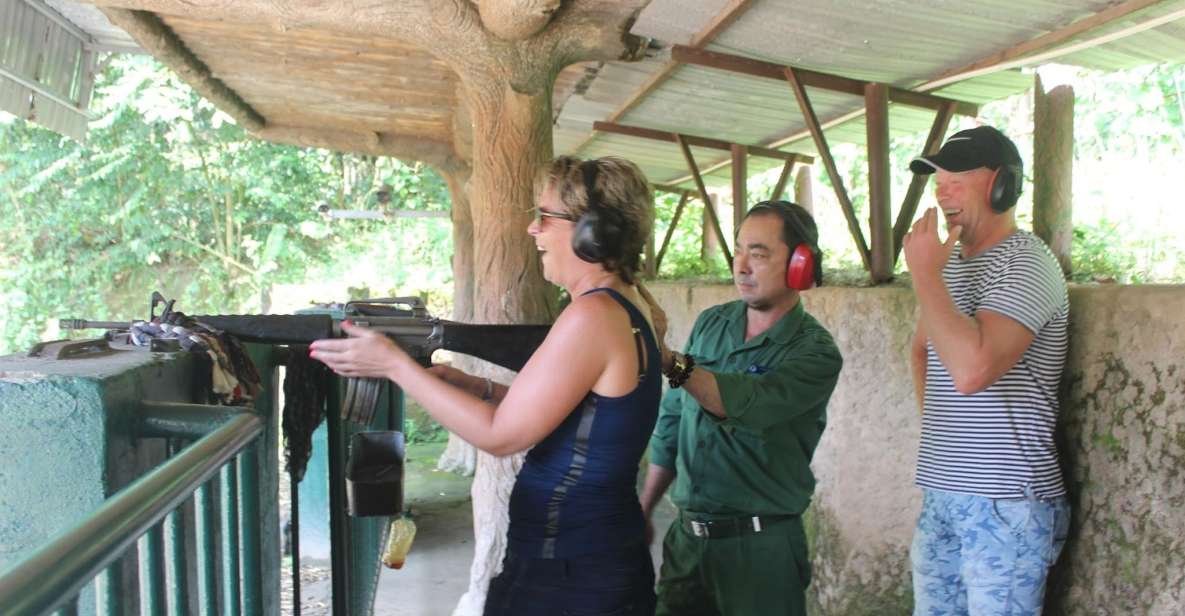
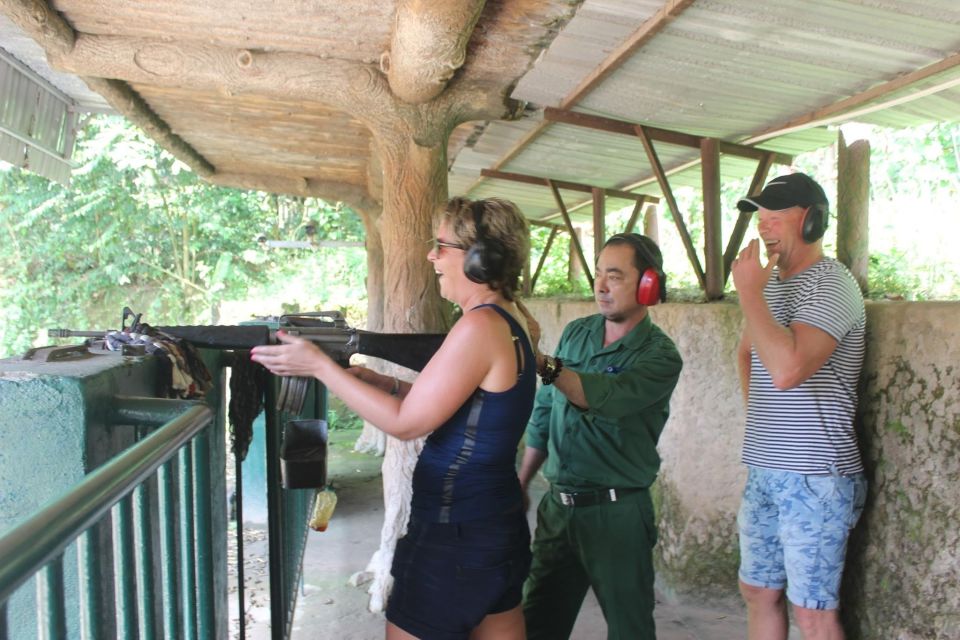
One highlight listed is the chance to shoot with real bullets using familiar famous guns like AK-47 and M-60. That’s a big draw for some visitors, and it can add a memorable, if controversial, action component to a history-focused day.
Important practical note: the information you have says there’s an extra bullet fee, roughly 600,000 VND for a pack of 10 bullets. If shooting is on your must-do list, plan your spending before you arrive so it doesn’t hit you as a surprise midway through the day.
Also, not every traveler wants shooting. If you prefer a more reflective experience, treat it as optional and focus your attention on the documentary and tunnel explanations instead.
Guide Impact and Group Size: Why Smaller Feels Better Here
This type of tour lives or dies on how the guide handles tight spaces, questions, and pacing. One experience connected to this tour praised James for running to grab coats during torrential downpours and for explaining traps and war scenarios clearly.
Another guide experience connected to the tour named Steven as friendly and willing to go deeper into history. That matters because you’ll get more out of the tunnel details if the guide can connect them into a coherent story.
Group size can also change the feel. A highlighted experience specifically noted that a smaller group felt way better than bigger groups. In tunnels, smaller groups usually mean less waiting, less crowding, and a calmer experience when everyone is trying to fit through the same tight spaces.
If you’re deciding between shared and private options, this is a strong reason to lean toward private group available if it’s within budget.
Price and Logistics: How $30 Becomes a Full Day’s Cost
The base price is listed at $30 per person, and for many people that’s fair for a half-day with hotel pickup, an English-speaking guide, water, and a snack. It’s also a good deal if you’re comparing against tours that charge separately for each major stop.
But the real cost can climb depending on your choices:
- If you want to go down into the tunnels, there may be a surcharge
- If you add shooting, there’s a bullet fee of about 600,000 VND for a pack of 10 bullets
- Holiday dates can involve a holiday surcharge
So here’s the smart way to look at it: treat the $30 as the foundation, then estimate the extras you actually want. If you’re skipping shooting and you don’t need the tunnel descent surcharge, you’ll likely keep costs closer to the listed figure. If you want every headline activity, assume you’ll pay more.
Who This Tour Fits Best (And Who Might Want to Skip Certain Parts)
This tour is best for you if you want a Vietnam war experience that’s hands-on and story-driven. It’s a strong match if you enjoy guides who explain traps, scenarios, and survival tactics, and if you’re curious about how tunnel life worked as a system.
You might want to think twice if you:
- Hate tight spaces or feel anxious in confined areas
- Are not comfortable with muddy or rainy conditions (the day can include weather changes)
- Don’t want the shooting component, especially if you’d rather keep the day focused on documentary and history explanations
You can still enjoy the tour without choosing every extra. The tunnel story, the documentary footage, and the Hoang Cam tapioca stop can carry the day by themselves.
Should You Book This Cu Chi Tunnels Tour?
Book it if you want a guided underground history experience with real-world details—tunnels, documentary footage, and a food stop tied to survival tactics. The $30 base price is solid value when you factor in pickup, guide, water, and a snack, and the option of a private group can make the tight-space experience more comfortable.
I’d book it with a clear plan: decide ahead of time whether you want the tunnel descent add-on and whether the shooting range is worth the extra bullet fee for you. If you’re okay with that, you’ll likely come away with a stronger understanding of how Vietnamese guerrillas lived and fought under impossible constraints.
FAQ
How long is the Cu Chi Tunnels tour?
The duration is listed as 6 hours.
How much does the tour cost?
The price is listed as $30 per person.
Is hotel pickup and drop-off included?
Yes. Pickup and drop-off at the center of Saigon are included.
What food and drinks are included?
You get bottled water, plus a light snack with tapioca and tea at Cu Chi Tunnels.
Do I need to pay extra to go down into the tunnels?
There is a stated surcharge if you want to go down to the tunnels.
Can I shoot real guns or real bullets?
The tour description says you can shoot with real bullets and guns like AK-47 and M-60, but bullet fees are not included. The bullet fee is roughly 600,000 VND for a pack of 10 bullets.
What documentary or media will I see?
You can watch short documentaries with authentic war footage during the visit.
What languages is the guide available in?
The listed languages are Chinese, Finnish, English, Japanese, Italian, Spanish, Korean, Russian, and German.
Is there free cancellation?
Yes. You can cancel up to 24 hours in advance for a full refund.
Is a private group available?
Yes. Private group options are available.