REVIEW · HANOI
From Hanoi: Visit Sapa & Fansipan With Cable Car For 2 Days
Book on GetYourGuide →Operated by ROYAL TRAVEL COMPANY · Bookable on GetYourGuide
A mountain and a valley in one short trip sounds like a lot, but it works here. I love pairing H’mong culture in Cat Cat village with the big payoff of Fansipan’s summit views. You’ll also get to see how daily life changes as you climb from city sprawl into misty highlands. The main drawback to watch for: guide and ticket details can be uneven, so confirm what’s included for your Fansipan ride and ask for clear explanations on the Cat Cat stop.
This 2-day plan is also efficient for people who don’t want to plan Sapa logistics after a long Hanoi night. The overnight sleeper bus plus one Sapa hotel night keeps the trip simple, and the included meals help you avoid costly “hurry up and eat” situations. Just remember the cable car part for Fansipan is listed as a surcharge, so budget a little extra beyond the base price.
In This Review
- Key highlights you’ll care about
- How the 2 days run: Hanoi to Sapa, Cat Cat, and Fansipan
- Day 1: Hanoi → Sapa → Cat Cat village
- Day 2: Morning in Sapa → Fansipan cable car → Summit → Hanoi
- Sleeper bus and hotel: the comfort math for this price
- Cat Cat Village: H’mong daily life you can actually see
- A heads-up from real-world experience
- Fansipan via cable car: saving time, buying better views
- What to confirm about your ride
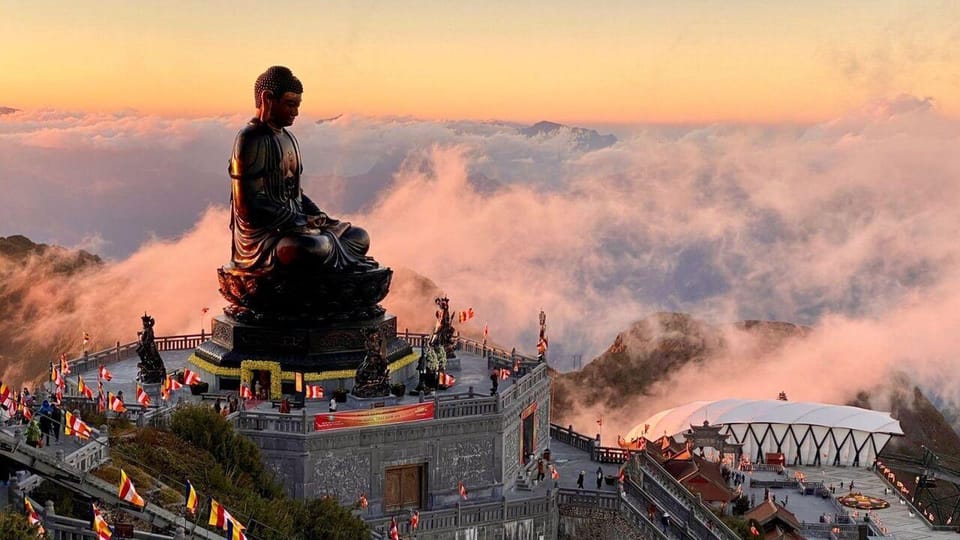
- The summit walk: temples, giant Buddha statues, and 600+ steps
- Meals, pace, and what to pack for mountain weather
- Price and value check: what $116 covers (and what to budget extra)
- Should you book this Sapa and Fansipan 2-day tour?
- FAQ
- How long is the tour from Hanoi?
- What’s included in the price of the tour?
- Is the Fansipan cable car included?
- Where do you go on Day 1 and Day 2?
- What language guides are available?
- Is there a hotel included in Sapa?
- Can I get a refund if my plans change?
Key highlights you’ll care about
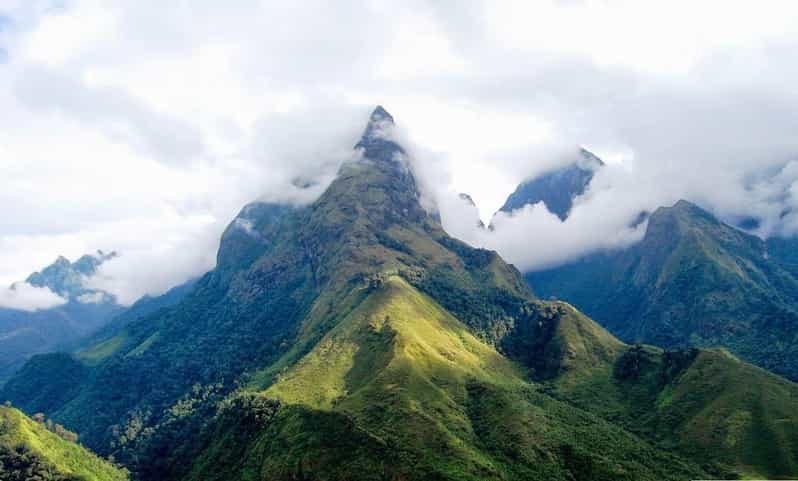
- Cat Cat village walkthrough focused on Black H’mong daily life, crafts, and village layout in a valley at Fansipan’s foot
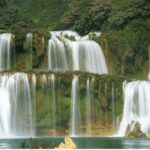
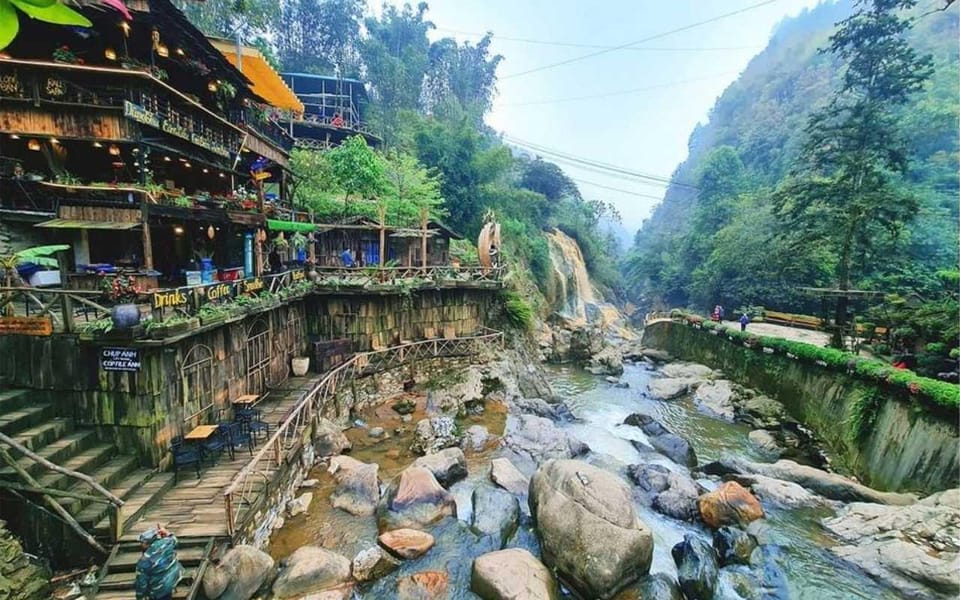
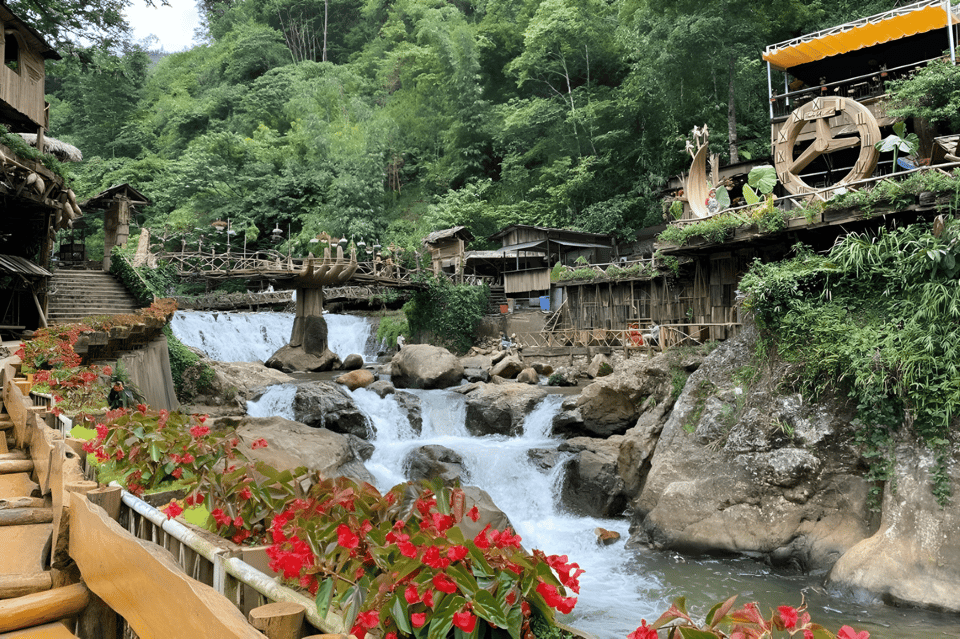
- Waterfall + hydropower views with waterwheels and rustic bridges, great for calm photos
- Cable car up to about 2,800m to shorten the climb and get those cloud-shelf views
- Over 600 steps to the peak with temples and giant Buddha statues along the way
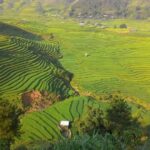
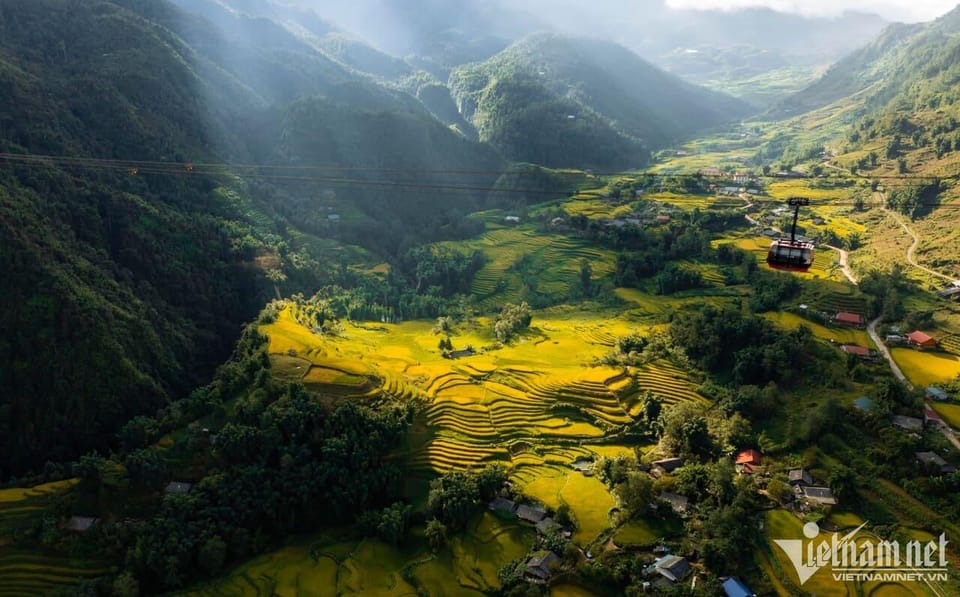
- Muong Hoa terraced fields visible from the mountain areas on the way up
How the 2 days run: Hanoi to Sapa, Cat Cat, and Fansipan
This tour is built around one simple rhythm: travel overnight to Sapa, explore H’mong village life on Day 1, then go full “roof of Vietnam” on Day 2.
You can also read our reviews of more tours and experiences in Hanoi



Day 1: Hanoi → Sapa → Cat Cat village
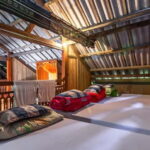
You’ll be picked up in the Old Quarter (or at the bus station) and then hop onto the sleeper bus for the overnight ride to Sapa. The bus has modern facilities, and there’s no tour guide on the bus itself—so you’re mostly settling in and letting the landscape change around you.
On the highway, the vehicle stops at a rest stop so you can eat breakfast and reset. When you arrive in Sapa, the whole feel changes fast: you go from a city full of high-rises to slopes and trees and mountain air.
After check-in at your Sapa hotel, you’ll get lunch with local flavors and then head to Cat Cat village, home of the Black H’mong. The focus here is daily life and customs: how people live, the traditional crafts, and the house styles that sit along the mountain slopes.
Then you walk down toward the sights around the village—specifically the hydroelectric plant and Cat Cat waterfall. The itinerary leans into the sound-and-scene aspect: gurgling water, giant water wheels, and bridges that look handmade. By the time you’re back, you’ll be ready for dinner and sleep in Sapa, a place where fog can make the whole valley feel quieter than it actually is.
Day 2: Morning in Sapa → Fansipan cable car → Summit → Hanoi
In the morning you’ll have a nutritious start (breakfast is included). After that, you’ll be picked up and taken to the Fansipan cable car station.
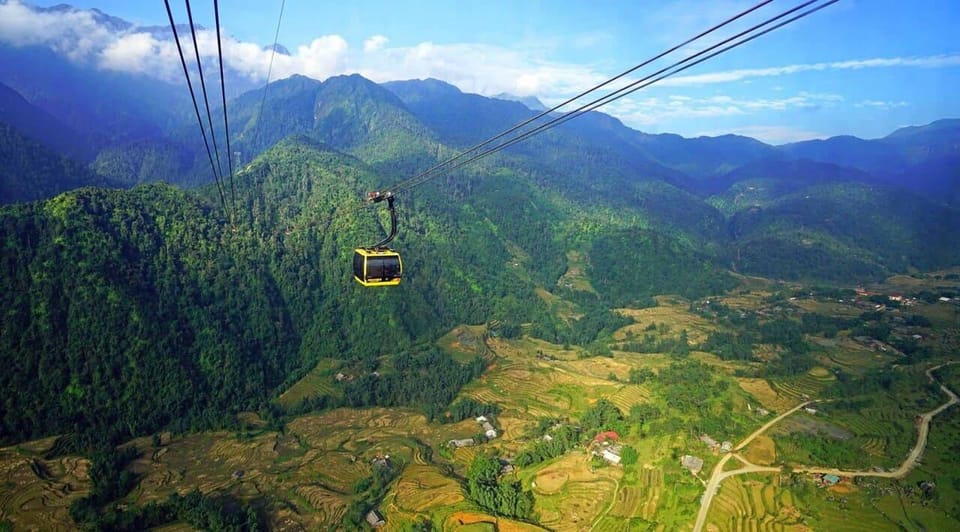
The cable car ride is the main “time saver” on this itinerary. As you rise, you’ll get viewpoints that frame Sapa like a small town hiding in clouds, plus wide scenes of Muong Hoa valley with terraced fields and the Hoang Lien Son mountain range.
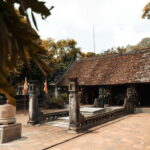
The cable car takes you to roughly 2,800m. From there, you’ll trek more than 600 steps to reach the peak of Fansipan. Along the way, you’ll visit sacred temples and giant Buddha statues, and you’ll also notice flowers that can be seen blooming year-round on the mountain. When you reach the top, the view is the headline: terraced fields, a “mini Sapa” feeling from above, and sunlight hitting the clouds when the weather behaves.
After the summit time, you return to the cable car station, head back to your hotel for lunch with mountain specialties, and then you travel back to Hanoi.
Sleeper bus and hotel: the comfort math for this price
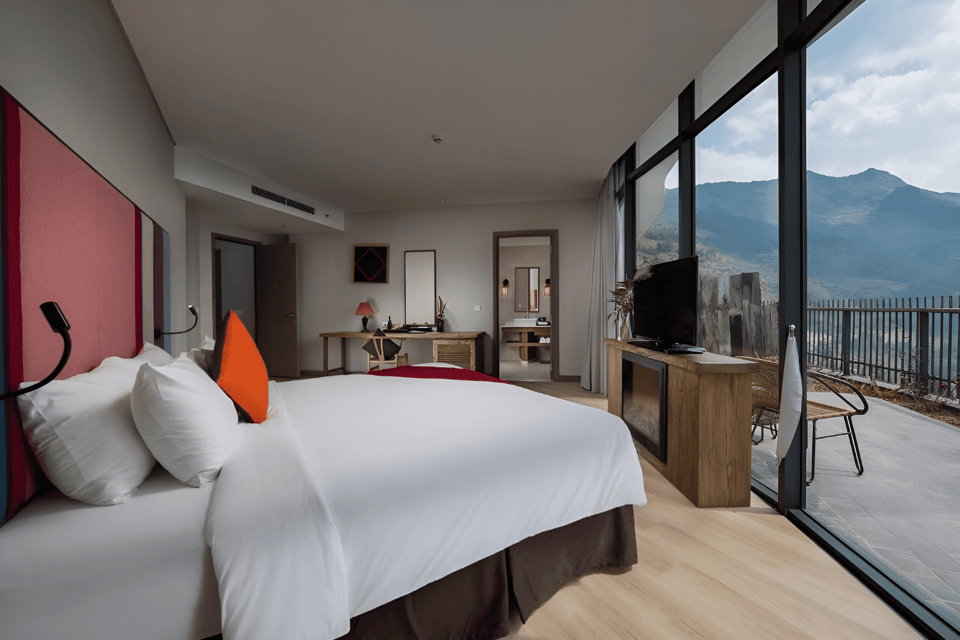
The value in this tour is that it bundles the hard parts of getting to Sapa—transport plus at least one real sleep—into one price.
You get:
- a sleeper bus ticket for Hanoi ↔ Sapa ↔ Hanoi (modern facilities)
- a hotel night in Sapa
- meals that cover both a Day 1 dinner and the next day’s core eating
That matters because the common “DIY trap” is paying for transport and then discovering you’re also buying every meal and entry ticket on the fly. Here, you’re not doing that math at every step.
One practical note: since there’s no guide on the sleeper bus, you’re relying on the company’s schedule rather than “someone explaining what’s next.” If you’re the type who likes clarity, take a screenshot of the itinerary and departure details before you board.
Also, if you’re traveling solo, the tour lists a single room surcharge for the Sapa hotel. That’s normal, but it can change the real total cost.
Cat Cat Village: H’mong daily life you can actually see
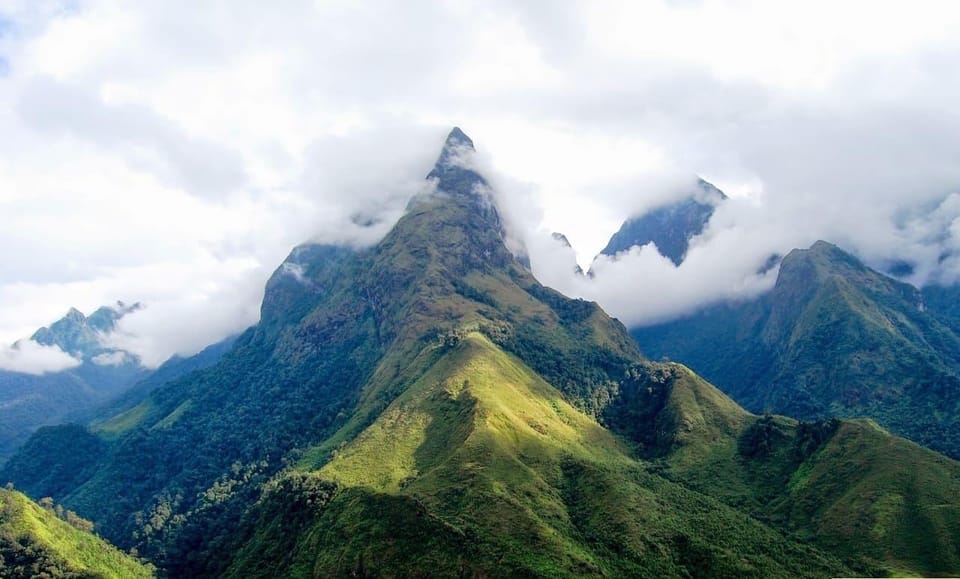
Cat Cat village is the cultural counterweight to the mountain climb. This stop isn’t a museum-style performance. It’s about watching how people live—especially the Black H’mong community—through homes, crafts, and the rhythm of the village.
You’ll spend time exploring the valley settlement and learning about:
- daily life and customs
- traditional crafts still practiced in the area
- the distinct architecture built into the mountainside setting
Then the route naturally leads you toward the water feature of the day: Cat Cat waterfall and the hydroelectric plant. Even if you’re not a “waterfall person,” the combination of sound (flowing water), scale (water wheels), and the rustic bridges makes this an easy place to slow down and take photos.




A heads-up from real-world experience
One caution worth taking seriously: the Cat Cat portion depends heavily on the guide’s explanations. There have been cases where the guide didn’t provide much context and people felt left to explore on their own. That doesn’t mean the stop is bad—it means you should show up ready to ask questions.
If you get a guide who gives brief answers, ask directly:
- What should I look for in the homes/crafts?
- What’s the daily routine here?
- Which parts are most meaningful for the community?
That way, you don’t lose the value of paying for a guided culture visit.
Fansipan via cable car: saving time, buying better views
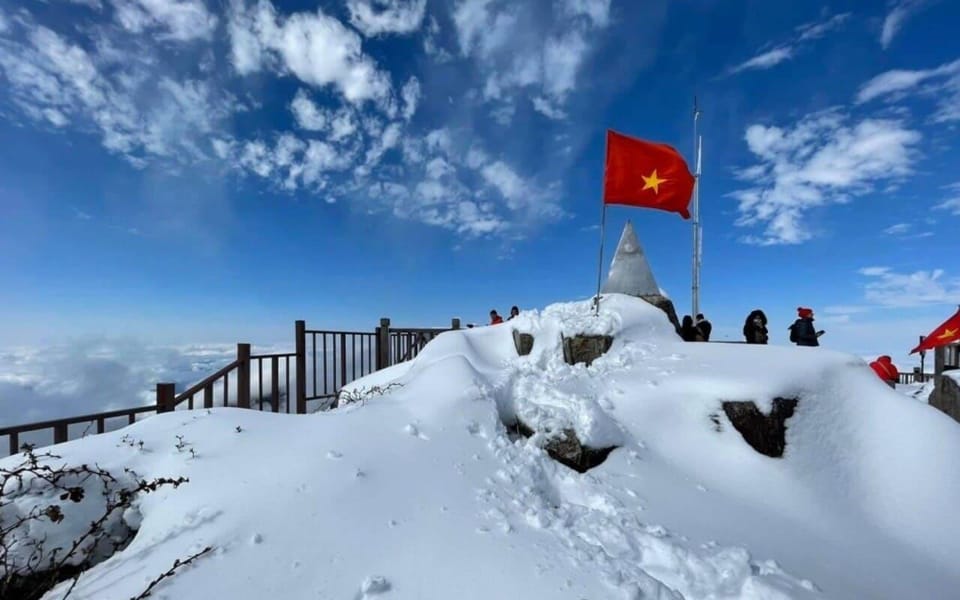
Fansipan is popular because it’s a challenge with a payoff. The tour’s main strategy is to get you high quickly using the Fansipan cable car (which is listed as a surcharge, not included in the base price).
Why that matters: you still do the steps, but you’re not starting from the bottom of the mountain like a full-day hiking plan would. So you get a more balanced Day 2—enough exertion for a real sense of achievement, but not an all-day grind before you even reach the temples.
From the cable car, you’ll see:
- a smaller Sapa tucked in clouds
- wide scenes over Muong Hoa valley
- the Hoang Lien Son mountain range
This is also where the weather becomes part of the experience. Clouds can hide and reveal sections of the landscape, and when sunlight breaks through, it can make the mountain feel dramatic without you doing anything extra.
What to confirm about your ride
The itinerary says the cable car is a surcharge, and that’s a common place for confusion. One reported issue was paying for what was described as a 2-way ticket but only receiving a one-way ticket.
So before you pay or board, confirm two things clearly:
- what your ticket covers (round-trip vs one-way)
- what you need to show for entry at the station
You’ll feel a lot more relaxed once it’s clear on paper or on your phone.
The summit walk: temples, giant Buddha statues, and 600+ steps
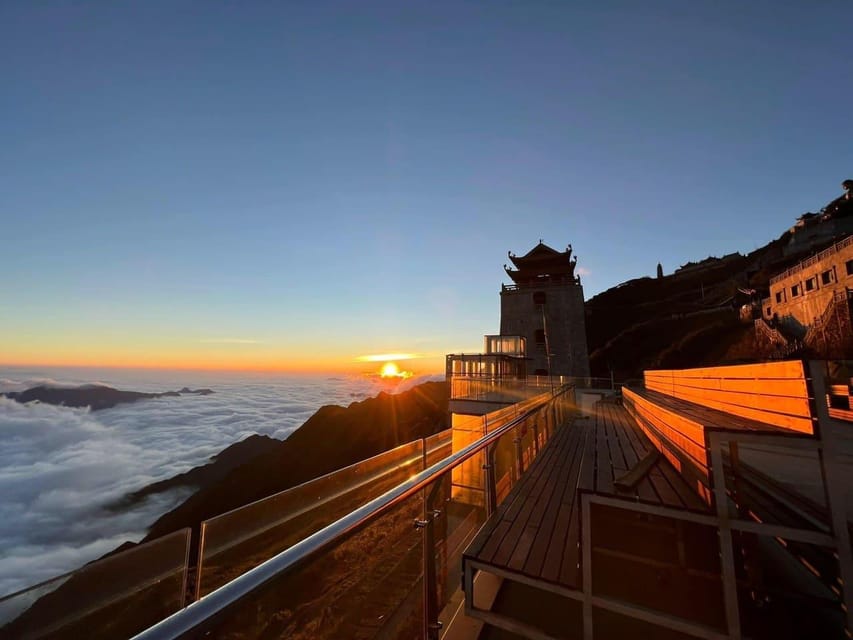
The “Roof of Indochina” part is not just marketing. At roughly 2,800m, you transition from cable car sightseeing to a stair climb that quickly changes your breathing pace.
You’ll trek more than 600 steps to the top. That’s long enough to matter, but it’s also short enough that most fit travelers can do it with slow breaks. The key is to treat it like a climb, not a race—especially because the air can feel cooler as you go up.
Along the way, the tour includes:
- sacred temples
- giant Buddha statues
- seasonal-feeling atmosphere with flowers that can bloom year-round on the mountain
At the peak, the views are what you came for. Expect to see terraced patterns spread out below, plus the “tiny Sapa” feeling from the height. There’s also a good chance of sunlight cutting through clouds, which makes the whole valley look layered and real—not just scenic.
Meals, pace, and what to pack for mountain weather
This tour is very structured, and the meals are planned around that.
Included meals are:
- 2 lunches
- 1 dinner
- 1 breakfast
That’s genuinely useful. Mountain days often create the “I didn’t eat enough before walking” problem. Here, you get food at the right times: Day 1 after arrival and Day 2 after you’ve done the hard part.
Pace-wise, Day 1 is a “warm-up day” (travel, check-in, village walk, waterfall area). Day 2 is the “big push day” (cable car + steps + temples + summit return). If you’re choosing this tour, do it because you’re okay with exertion on Day 2 and you want the payoff.
What to bring (based on what the itinerary demands):
- comfortable shoes for the step trek
- a light jacket or layer for cooler air at altitude
- something for rain or mist, since the area can be foggy
And bring cash for the cable car surcharge if needed. The listing doesn’t include cable car in the base price, so you don’t want to arrive guessing.
Price and value check: what $116 covers (and what to budget extra)
The listed price is $116 per person for a 2-day Sapa and Fansipan experience. The value comes from the package structure.
What’s included:
- sleeper bus Hanoi ↔ Sapa ↔ Hanoi (modern facilities)
- an English-speaking guide in Sapa (with surcharges for other languages)
- hotel in Sapa (one night)
- meals: 2 lunches, 1 dinner, 1 breakfast
- entrance tickets in Cat Cat
What’s not included:
- single room surcharge for solo travelers
- cable car surcharge
- any holiday surcharge in Vietnam
- optional upgrade surcharges if you skip the sleeper bus
So what you’re really paying for is not just “a cable car and a hike.” You’re paying for transportation, at least one night of lodging, and guided time in Cat Cat—plus meals that keep the day moving.
The main budget risk is the cable car addition. The tour is still likely worth it for people who want a smooth, time-friendly climb with the summit payoff. But if you’re counting every dollar, you’ll want to confirm the cable car total before committing.
Also, reach out to the operator to check availability for the starting times. The tour notes you should text +84 94 169 27 65 before booking.
Should you book this Sapa and Fansipan 2-day tour?
I think it’s a solid pick if you want a simple plan with built-in travel and meals, and if Fansipan summit views are your priority. The combination of Cat Cat village culture plus Fansipan’s temples and Buddha statues is a strong two-day mix, and the cable car helps you make the most of limited time.
I’d consider passing or choosing a different option if:
- you’re very sensitive to guide explanations and context at Cat Cat
- you want total certainty on ticketing details for the Fansipan cable car and you don’t want to double-check on arrival
- you’re traveling solo and the single supplement would significantly increase your total cost
My practical advice: message the company ahead of time, confirm the cable car coverage (round-trip), and ask your Cat Cat guide a couple of targeted questions early. If you do that, you’ll get the best version of what this trip offers: misty Sapa mornings, Black H’mong village life you can actually see, and a mountain summit that earns its reputation.
FAQ
How long is the tour from Hanoi?
It runs for 2 days, with starting times that vary based on availability.
What’s included in the price of the tour?
The package includes a sleeper bus ticket (Hanoi–Sapa–Hanoi), a hotel in Sapa, meals (2 lunches, 1 dinner, 1 breakfast), an English-speaking guide in Sapa, and entrance tickets in Cat Cat.
Is the Fansipan cable car included?
No. The cable car is listed as a surcharge, so you should budget for it separately.
Where do you go on Day 1 and Day 2?
Day 1 goes from Hanoi to Sapa and then to Cat Cat village. Day 2 takes you from Sapa to Fansipan via cable car and then back toward Hanoi after the summit and lunch.
What language guides are available?
English is available, and other languages are listed as Chinese, Japanese, French, German, Korean, and Spanish (with a surcharge mentioned for other languages).
Is there a hotel included in Sapa?
Yes. You stay overnight in Sapa.
Can I get a refund if my plans change?
Yes. The tour offers free cancellation up to 24 hours in advance for a full refund.