REVIEW · HANOI
From Hanoi: Premium 3-Day Sapa Adventure with DCAR Limousine
Book on GetYourGuide →Operated by SST Travel · Bookable on GetYourGuide
Sapa in three days, with real creature comforts. This DCAR Limousine trip turns a long northern Vietnam journey into a tidy plan, with comfortable round-trip transport and small-group mountain hikes that fit into 3 days without feeling rushed. I also like that you get an English-speaking local guide for the key parts, so you’re not just walking around with your phone as a translator.
Here’s the one consideration: this is not a sit-and-look tour. You’ll climb steps and walk a lot, including longer downhill stretches tied to village scenery, so it’s hard work if you prefer flat routes or if you have mobility limits like back issues. If weather shifts or roads slow down, the schedule can adjust, but the main sights are still planned.
On the practical side, pickup is from the Hanoi Old Quarter between 6:30 AM and 6:45 AM, and the group stays small (up to 9 people). You’ll sleep 2 nights in Sapa and have breakfast and lunch included, while dinner is on your own.
In This Review
- Key highlights to know before you go
- Why this 3-day Sapa plan feels doable from Hanoi
- DCAR Limousine and the early Old Quarter pickup (what to expect)
- Day 1: Hanoi to Sapa, then a Black Mong village visit
- Day 2: Cat Cat Village trek and the Fansipan option with extra cost
- Day 3: Ham Rong Mountain for panoramic views, then back to Hanoi
- Price and value: what $147 really buys (and what doesn’t)
- Comfort vs climbing: how fit you need to be
- How weather, traffic, and Fansipan affect your day
- What to pack (so you don’t waste your energy)
- Should you book it?
- FAQ
- Where does the pickup happen in Hanoi?
- What time is pickup in Hanoi?
- How many people are in the group?
- How many nights do we stay in Sapa?
- What meals are included in the 3-day tour?
- Is Fansipan included in the tour price?
- Can Fansipan be inaccessible during the trip?
- Is dinner included during the tour?
- What should I bring for the trekking days?
- Who should avoid this tour?
Key highlights to know before you go
- DCAR Limousine comfort for the Hanoi–Sapa round trip (hotel pickup in the Old Quarter).
- Black Mong village culture with an English-speaking local guide on Day 1.
- Cat Cat Village + a trek that favors views and walking over a quick photo stop.
- Ham Rong Mountain panoramas as a final morning payoff before heading back to Hanoi.
- Small group size (9 max) makes the pace more personal on the trail.
- Fansipan is optional with extra cost, and it can be affected by safety/maintenance.
Why this 3-day Sapa plan feels doable from Hanoi
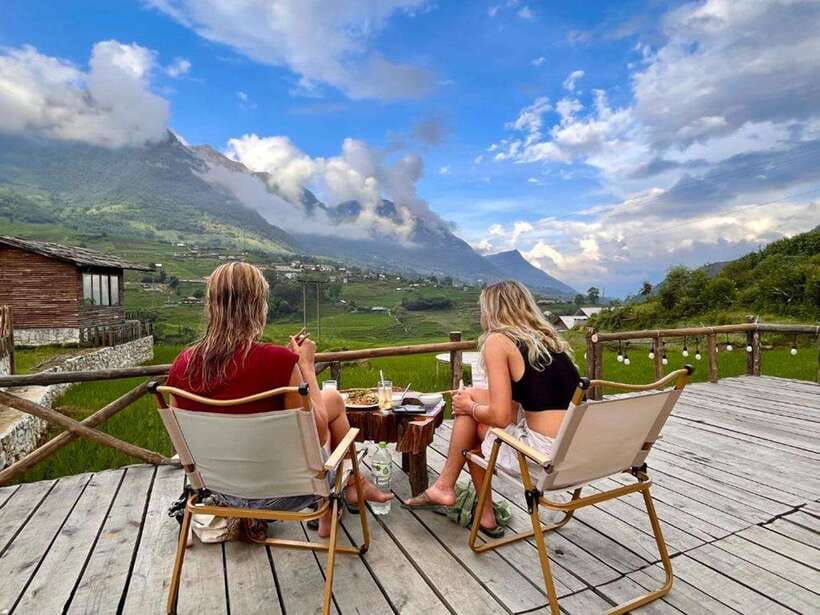
Sapa is one of those places that’s famous for two things: dramatic mountains and people who live right alongside the slopes. The trick is how you connect those mountains to your actual vacation time. This tour stitches it together with a tight 3-day rhythm, so you’re not spending your entire trip just getting there and back.
I like that it’s structured around day-by-day effort. Day 1 sets your context with a village visit, Day 2 pushes your trekking legs, and Day 3 hands you a strong viewpoint before you return to Hanoi. It’s a smart sequence because the early sightseeing helps you understand what you’re seeing on the trail later.
There’s also a nice “learn and then look” pattern. You start with a guided cultural stop, then spend time hiking through the kind of terrain locals deal with daily. By the time you’re on higher ground, you’re not just collecting photos—you’re seeing the logic of where fields, paths, and homes fit together.
You can also read our reviews of more tours and experiences in Hanoi


DCAR Limousine and the early Old Quarter pickup (what to expect)

The ride is part of the value here. You get round-trip transfer via DCAR Limousine, with pickup from hotels, hostels, or Airbnbs in Hanoi’s Old Quarter. Pickup happens between 6:30 AM and 6:45 AM, which means you’ll want to be ready the night before (bag packed, water handy, jacket accessible).
One detail that matters: the transfer between Hanoi and Sapa is provided without a tour guide. That’s normal on many set-route transfers, but it affects expectations. Think of the ride as logistics comfort, not a guided lecture. Once you’re in Sapa and the guide portion starts, the explanations kick in.
The group stays small, capped at 9 people. That helps on a trek: you’re less likely to get separated constantly, and it’s easier for the guide to keep track of pace and questions.
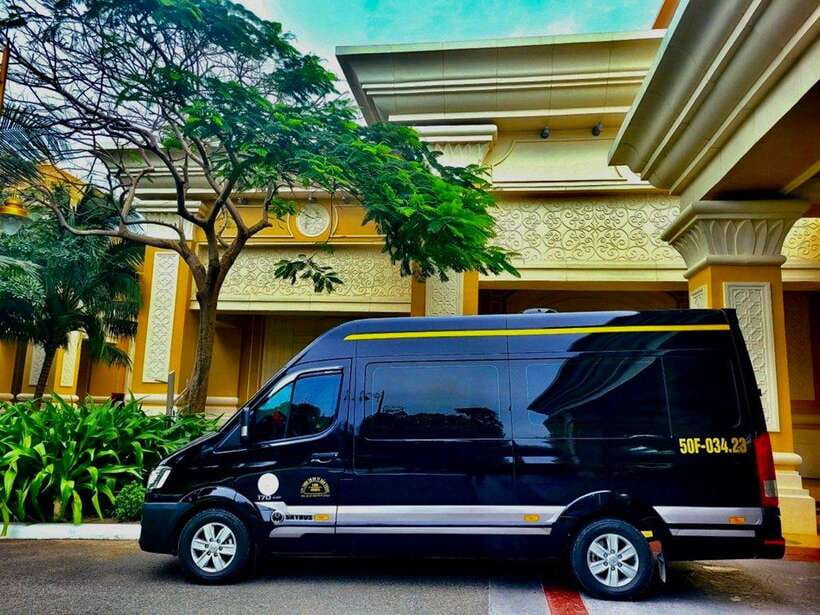
And yes, you should be aware of vehicle seating arrangements being made by the tour organizer. You’ll know where you sit, but you may not get to choose the exact spot. If you’re sensitive to motion or want a window seat for photos, plan to mention preferences when the organizer assigns seating.
Day 1: Hanoi to Sapa, then a Black Mong village visit

Day 1 is all about reaching Sapa and getting your first real taste of local life without needing extreme hiking right away. You start with pickup in the Old Quarter, then head to Sapa with scenic views during the drive. When you arrive, you eat a meal and settle into your Sapa accommodation for the first of two nights.
The standout moment on Day 1 is the guided village visit focused on the Black Mong people. This isn’t framed as a quick stamp-and-go stop. The tour includes the guide-led portion plus time in the area where you can take in how everyday life connects to the surrounding terrain.
What I’d watch for on Day 1 is expectations. Village visits vary in how much time you spend walking versus standing. Here, you should treat it as a cultural walk with photo moments, not a museum-style indoor experience. Wear comfortable shoes even if the first day feels lighter than later days.
Then you get downtime. After the guided portion, the plan is to return to your hotel and enjoy the evening on your own. Dinner isn’t included, so you can either eat at the hotel or try street food. If you’re tired from the early pickup, I’d choose something simple and close.
Day 2: Cat Cat Village trek and the Fansipan option with extra cost

Day 2 starts after breakfast, and the day’s tone becomes more outdoors-focused. You trek to Cat Cat Village, and the route includes time for local craftsmanship and the views around the area. Lunch is served at a local restaurant during the day.
Cat Cat tends to work well for first-time Sapa visitors because it combines walking with scenery you can read from different angles. You’re moving, so your photos don’t all come from the same flat viewpoint. And with an English-speaking local guide, it’s easier to understand what you’re seeing instead of just guessing.
Then there’s the Fansipan choice. Fansipan Mountain is described as an optional add-on with additional costs, and Fansipan Cable Car admission is not included. Also, Fansipan can be affected by safety and maintenance, so it may not always be accessible.
Here’s how I’d think about this decision:
If you’re the type who wants the biggest summit-style payoff and you don’t mind extra expense, Fansipan can be worth it. If you’d rather keep the day focused on villages and trails you can do at a comfortable pace, use the free time in Sapa to wander shops and relax.
Either way, plan for walking on Day 2. This is where comfortable shoes pay off.
Day 3: Ham Rong Mountain for panoramic views, then back to Hanoi
Your final morning is built around a viewpoint: you trek up Ham Rong Mountain (Dragon’s Jaw) for panoramic scenery over Sapa and the surrounding valleys. This is a classic Sapa payoff day because you get the bigger view after earlier village context.
After breakfast, you head up, then you return to your accommodation for lunch. Finally, you drive back to Hanoi.
The viewpoint trek is where your fitness habits matter most. If your legs feel heavy from Day 2, take it slow on the climb, keep moving steadily, and use stops to catch your breath. You’ll still get your views, and you’ll reduce the odds of feeling wiped out before the return ride.
And remember: you’re driving back with no tour guide on the transfer portion. It’s still part of the DCAR package, but it’s not the kind of time where you’ll have a guide narrating each pass. Treat it like a travel recovery window.




Price and value: what $147 really buys (and what doesn’t)
At $147 per person for a 3-day trip, the value comes from what’s bundled. You’re not just paying for a guide and a few sights. You’re getting:
- Hotel pickup in Hanoi’s Old Quarter
- DCAR Limousine round-trip transportation
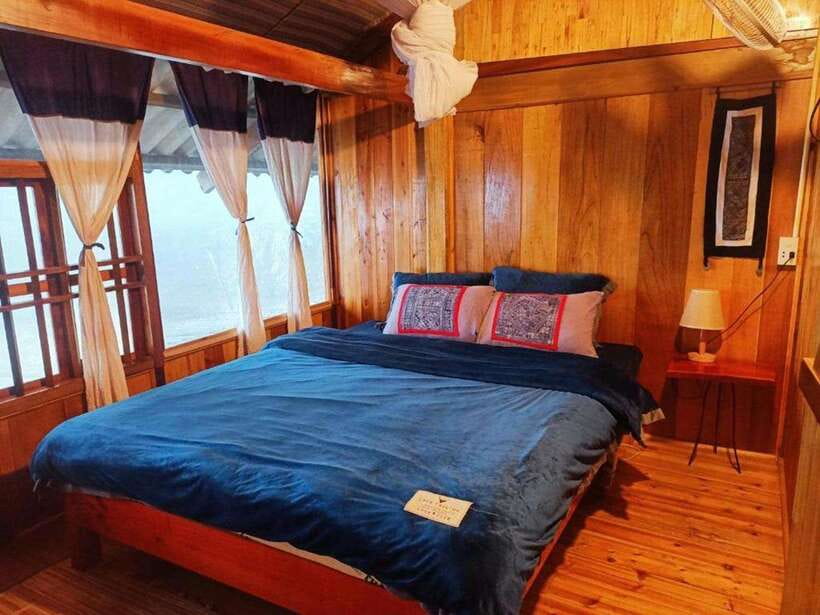
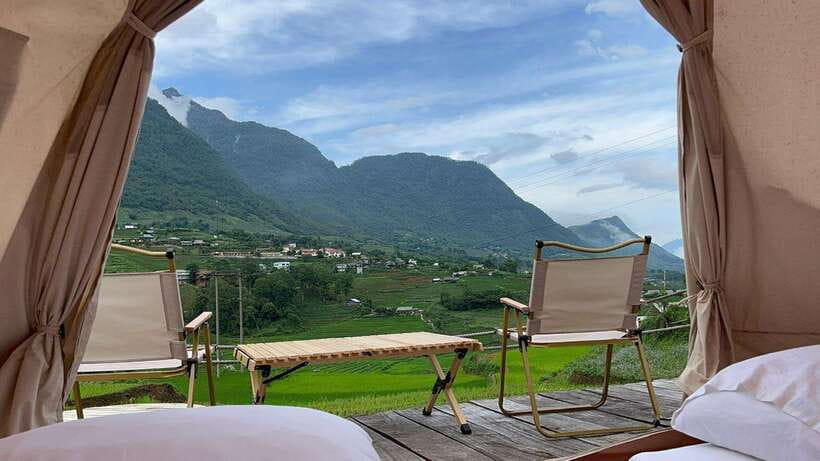
- 2 nights of accommodation in Sapa
- Admission to included attractions
- An English-speaking local guide for the guided parts
- 2 breakfasts and 3 lunches
- Bottled drinking water and wet tissue
That’s a solid package for northern Vietnam travel because transport and meals usually add up fast if you’re arranging them yourself.
What’s not included matters too. Personal spending is on you, and Fansipan Cable Car admission is not included. There’s also a holiday surcharge for specific dates (the tour lists different amounts depending on your star rating: 3-star, 4-star, or 5-star). If you’re traveling in those windows, budget for the on-site payment.
So is $147 “cheap”? It depends on how you’d plan this on your own. If you’d have to arrange transport, hotels, guide time, and meals, you’d likely spend near or above this amount once you add convenience and time savings.
The bigger value question is this: are you willing to walk and climb? If the outdoors pace fits you, it’s a strong deal. If you want mostly flat sightseeing, you might regret it.
Comfort vs climbing: how fit you need to be
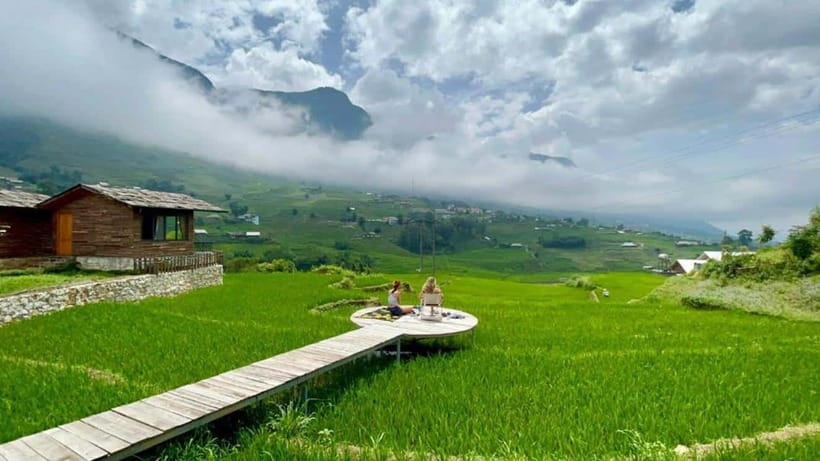
This is a walking-heavy tour. It includes treks and steep steps, and the village day involves a more active stroll rather than a short wander on level ground.
I’d treat this as a “moderate hiking” experience, not a casual stroll. You’ll want:
- Comfortable shoes with grip
- Warm clothing (Sapa mornings and evenings can feel cool)
- A hat and sunscreen
- A camera you can actually use while walking
Also, the tour explicitly isn’t suitable for pregnant women, people with back problems, heart problems, wheelchair users, or anyone who needs low-impact routes.
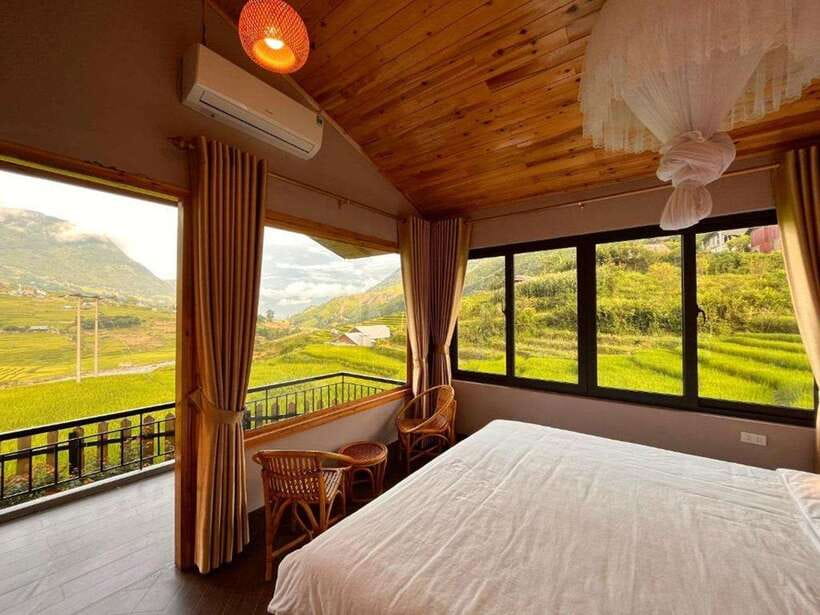
One more practical note: your accommodation choice affects comfort. The tour offers various accommodation options, and you should pick based on your tolerance for stairs, room size, and how quickly you want to recover after trekking.
How weather, traffic, and Fansipan affect your day
In mountain regions, the weather can flip your plans fast. Here, you should expect that the itinerary may adjust due to weather and traffic conditions. The promise is that the included attractions will still be visited, but the order or timing can shift.
Fansipan is the biggest variable. It’s frequently under maintenance for safety, and it can be inaccessible. Even if you planned around the Cable Car add-on, have a backup mindset.
If you care about being photo-ready, keep your day flexible. Clouds can add drama, fog can soften the mountains, and clear skies can make your viewpoint payoff look unreal. But if you lock yourself into one perfect “summit look,” Sapa can humble you.
What to pack (so you don’t waste your energy)
You can’t gear yourself up for hiking enough on this trip, because you’re doing multiple active days in a row. Pack for comfort and temperature swings:
- Comfortable shoes
- Warm clothing
- Hat
- Camera
- Sunscreen
- Water
Smaller stuff helps too. If you run cold, bring an extra layer even if Hanoi feels warm that day.
No smoking is required—easy rule, but worth noting if you’re used to breaks while traveling.
Should you book it?
Yes, if you want a structured Sapa trip that balances guided culture with real mountain walking, and you value comfort on the Hanoi–Sapa drive. The small group size (up to 9) makes it feel more personal, and the included meals plus 2-night stay keep the stress low.
No, if you want a low-walking day, have back/heart concerns, or you know steep steps wipe you out. In that case, you’ll likely feel the strain more than you feel the payoff.
This is also a good pick if you like the idea of two different guide days (the tour notes there are two different routes and two different tour guides). It keeps the program moving and helps cover the main highlights efficiently.
If you book, do one thing that pays off: wear the shoes you can walk in for hours, not just the pair you like looking at.
FAQ
Where does the pickup happen in Hanoi?
Pickup is included from hotels, hostels, or Airbnbs in Hanoi’s Old Quarter.
What time is pickup in Hanoi?
Pickup takes place between 6:30 AM and 6:45 AM.
How many people are in the group?
The group is limited to a small size of up to 9 participants.
How many nights do we stay in Sapa?
You get 2-night accommodation in Sapa.
What meals are included in the 3-day tour?
The tour includes 2 breakfasts and 3 lunches.
Is Fansipan included in the tour price?
Fansipan Mountain is optional, and it has additional costs. Fansipan cable car admission is not included.
Can Fansipan be inaccessible during the trip?
Yes. Fansipan is frequently under maintenance for safety, so it may not be accessible.
Is dinner included during the tour?
Dinner is not included. You’re responsible for your own dinner at the hotel or can enjoy street food.
What should I bring for the trekking days?
Bring comfortable shoes, warm clothing, a hat, camera, sunscreen, and water.
Who should avoid this tour?
It is not suitable for pregnant women, people with back problems, people with heart problems, wheelchair users, and it also does not allow smoking.