REVIEW · HO CHI MINH CITY
Cuchi Tunnel Tour
Book on GetYourGuide →Operated by Ace Travels Viet Nam · Bookable on GetYourGuide
Cu Chi Tunnels has a way of staying with you. This tour focuses on how the VC used a 250km tunnel network to hide and survive during the French and Vietnam wars, with clear English narration from guides like Cory and Harry. I especially like the mix of practical details (the layout briefing and wartime “rooms”) and the human angle, including reminders of long-term impacts like Agent Orange. One thing to keep in mind: the underground portion is physically tight and it’s optional, so if you don’t like cramped spaces, you’ll want to plan your comfort level.
The value is strong for the price, because you’re not just looking at tunnels behind glass. You get transport, entrance, an English-speaking guide, and hands-on add-ons like tapioca tasting and craft stops. Still, if you’re sensitive to loud noise, the shooting range time can be a bit intense since it sits next to the only small on-site refreshment area.
You’ll come away with a clearer picture of how this place worked day-to-day, not just how it looked from the outside.
In This Review
- Key Things to Know Before You Go
- Cu Chi Tunnels With Small-Group English Guidance
- Why the tunnel length matters
- What I’d expect you to walk away with
- The 5–6 Hour Schedule: Morning vs Afternoon Timing
- Departure times
- Pickup rhythm
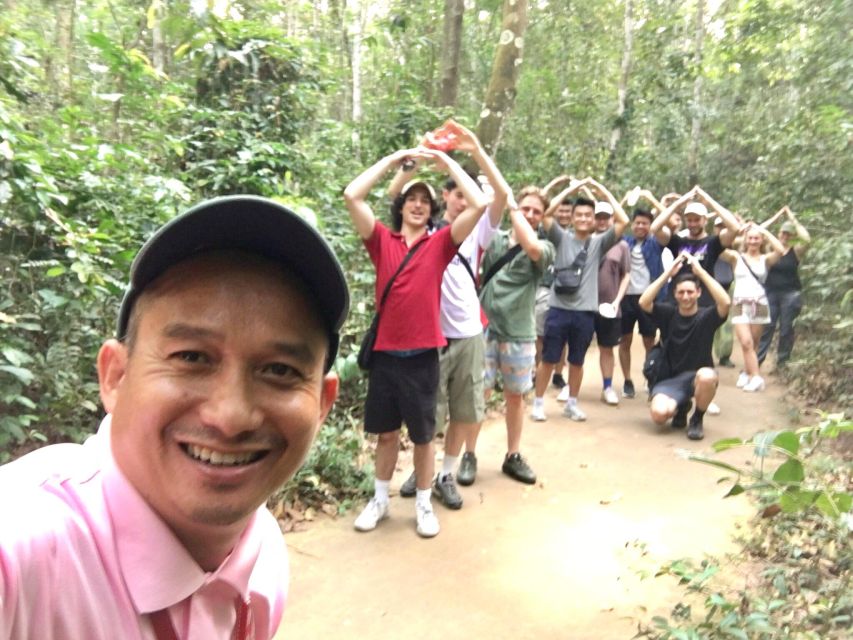
- Group size: small enough for questions
- What You See Underground: Traps, Workshop Life, and Defensive Rooms
- The “big picture” briefing first
- VC traps and defensive planning
- VC workshop and practical underground spaces
- The underground experience is your choice
- Tapioca Root Tasting: A Small Food Moment With Big Context
- Practical tip
- Rice Paper Workshop and Lacquer Ware Art Studio
- Rice paper workshop
- Art studio: lacquer ware fine art
- Shooting Range Add-On: Fun for Some, Loud for Others
- Value for $23: What’s Included and What Costs Extra
- What’s included
- What’s not included
- Is it worth it?
- Logistics That Actually Matter (Small Stuff, Big Impact)
- Guide coordination and group staying together
- Comfort planning for underground options
- Noise management if you add shooting
- Should You Book the Cu Chi Tunnel Tour With Ace Travels?
- FAQ
- What time does the Cu Chi Tunnel Tour start?
- How long is the tour?
- How big are the groups?
- Is the shooting range included?
- What’s included in the price?
- Does the tour offer an underground experience?
- Is free cancellation available?
Key Things to Know Before You Go
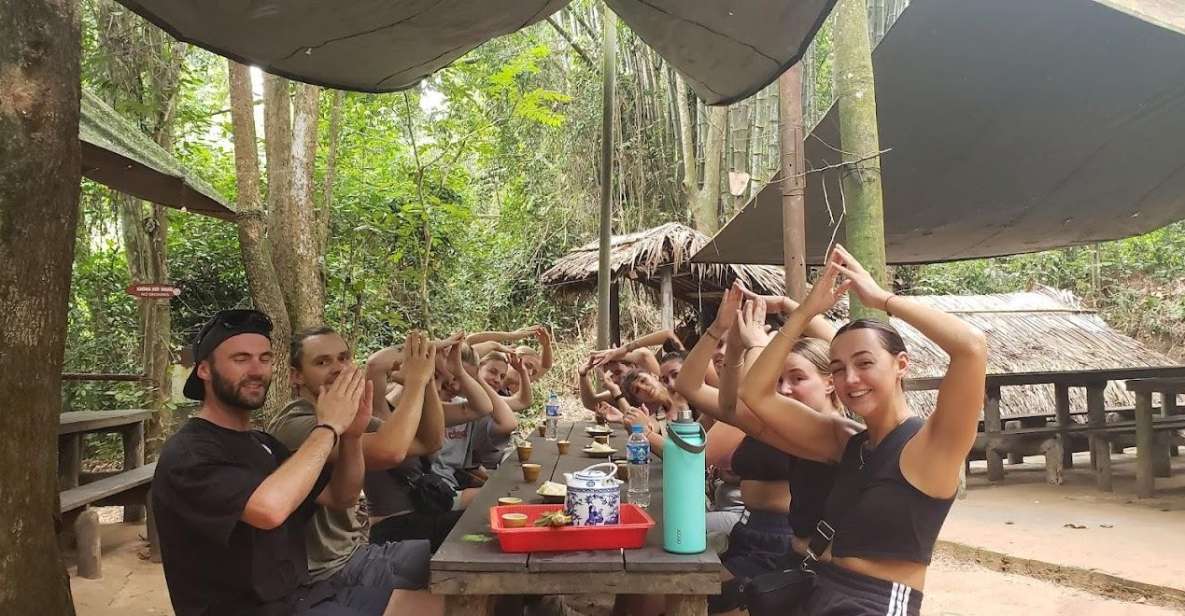
- Small-group setup: up to 10/12/20 people, or you can book a private group for a quieter experience.
- Two departure options: morning at 7:30am and afternoon at 12:00pm (plan around your pace).
- Underground is optional: go inside if you want the crawl-and-duck feeling, skip if you prefer to observe from accessible areas.
- What you see underground: traps, a VC workshop area, plus spaces like a smokeless kitchen, health care, meeting room, and fighting bunker.
- Included tasting and craft: tapioca root tasting, plus a rice paper workshop and a visit to a lacquer-ware art studio.
- Shooting range costs extra: you can add it yourself with a separate bullet purchase requirement.
Cu Chi Tunnels With Small-Group English Guidance
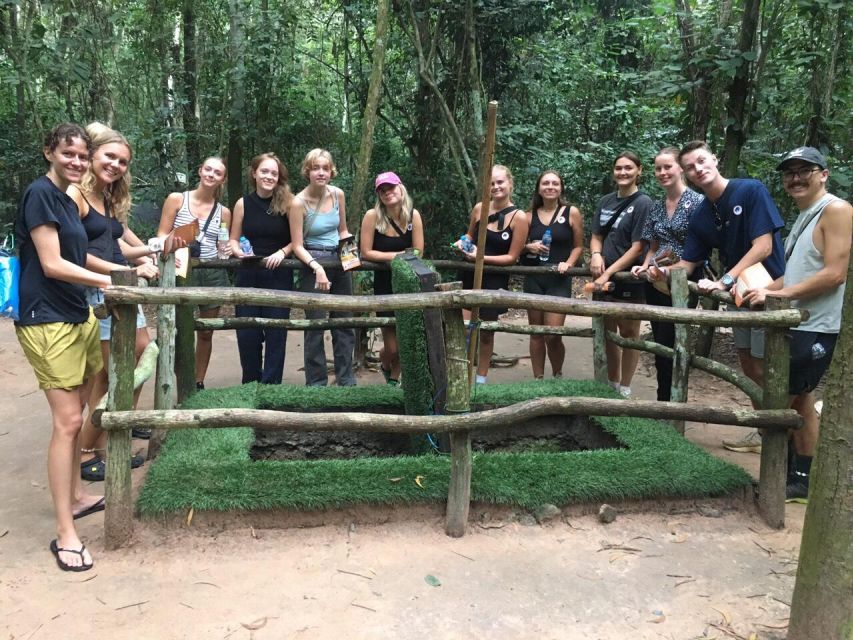
Cu Chi is one of Vietnam’s most talked-about war sites, but the best way to experience it is with a guide who can translate the place into real life. This tour runs with a live English guide and keeps the story moving, so you’re not stuck reading labels or guessing what you’re looking at.
I like that the guiding style described around this experience centers on being direct and easy to follow. Guides such as Harry (often noted for clear, organized explanations) help connect what you see—entrances, cramped crawlways, and strategically placed defenses—with why the VC built it that way. Cory also comes up as a guide who stayed organized and lively.
You can also read our reviews of more tours and experiences in Ho Chi Minh City.



Why the tunnel length matters
You’re told about the scale—a tunnel network of around 250km in the Cu Chi district—and that number becomes meaningful once you understand the logic. These tunnels weren’t just hiding holes. They were built for living, attacking, ambushing, and moving without being detected, including both shelter areas and “work” spaces.
What I’d expect you to walk away with
If you want more than a battlefield postcard, you should leave with:
- a mental map of how people moved through the network,
- an understanding of defenses like traps,
- and a sense that daily survival depended on planning, discipline, and adaptability.
The 5–6 Hour Schedule: Morning vs Afternoon Timing
This tour is listed at 330 minutes, and in practice it feels like a full half-day: pick-up, time on the road, guided site time, and a mix of included stops beyond the tunnels.
Departure times
You have two start options:
- 7:30am departure (morning tour)
- 12:00pm departure (afternoon tour)
If you’re the type who likes the day to feel less rushed, the morning slot can help. If you prefer a slower start or you’re already planning other HCMC activities, the afternoon timing works well.



Pickup rhythm
Transport is included with hotel pick-up and drop-off. Plan to wait around 10 to 20 minutes in the hotel lobby before the scheduled time. If your pickup point sits outside District 1, 3, or 4, you’ll want to coordinate ahead so you don’t end up hunting for the group.
Group size: small enough for questions
The group size cap is flexible—up to 10/12/20—and private groups are also offered. Either way, the point is that you’re not stuck in a huge crowd. That matters here, because the tour is physically active and the guide needs to keep everyone together.
What You See Underground: Traps, Workshop Life, and Defensive Rooms
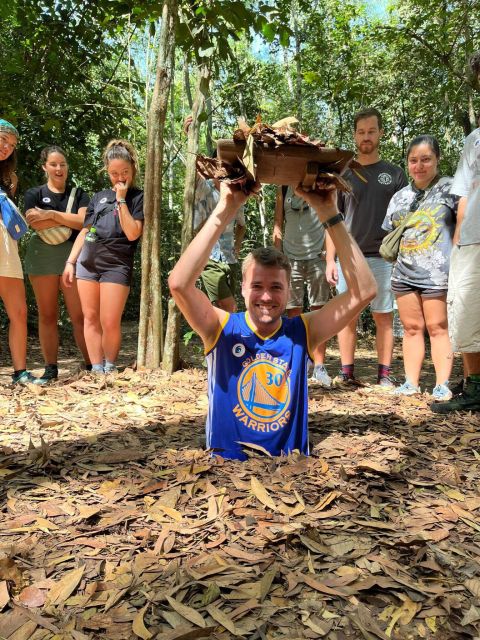
The core draw is the underground network: you learn how it was created and used, then you see wartime remnants and structures that explain the strategy.
The “big picture” briefing first
Before you go deep, there’s a map and tunnel model briefing. This is one of the most important parts of the tour, even if you think you’ll “get it once you’re crawling around.” A short layout lesson helps you recognize what you’re looking at later—entrances, connections, and defensive design—so the site feels coherent instead of chaotic.
VC traps and defensive planning
The tour highlights how traps were built by the VC. That’s not just trivia. When you understand traps as part of a system—meant to slow, punish, and scatter attackers—you start noticing why certain passages and access points would matter.
This is where a good guide earns their keep. With guides like Harry and Cory, the explanations are centered on logic rather than just dramatic storytelling.
VC workshop and practical underground spaces
You’ll also hear about the VC’s workshop and wartime engineering. The tour description lists underground spaces you can encounter, including:
- a smokeless kitchen
- health care areas
- a meeting room
- and a fighting bunker
Even if you don’t go fully underground everywhere, these stops help you visualize what life required: food preparation, basic medical care, planning space, and the ability to respond during attacks.
The underground experience is your choice
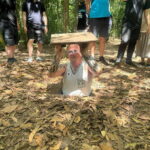
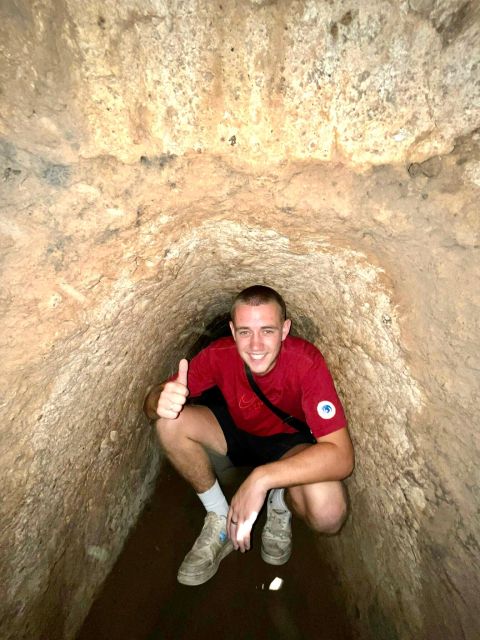
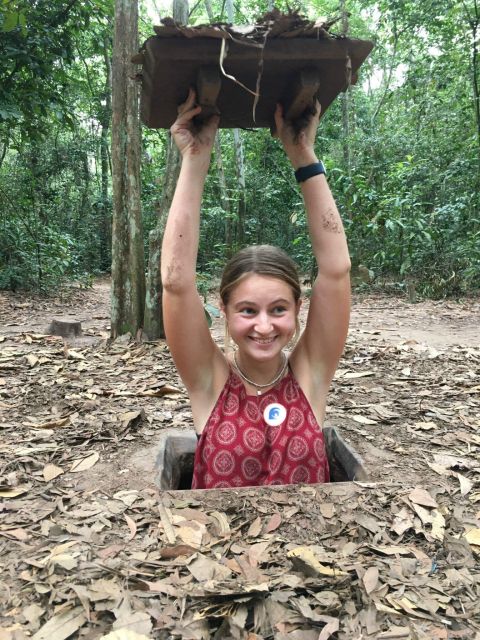
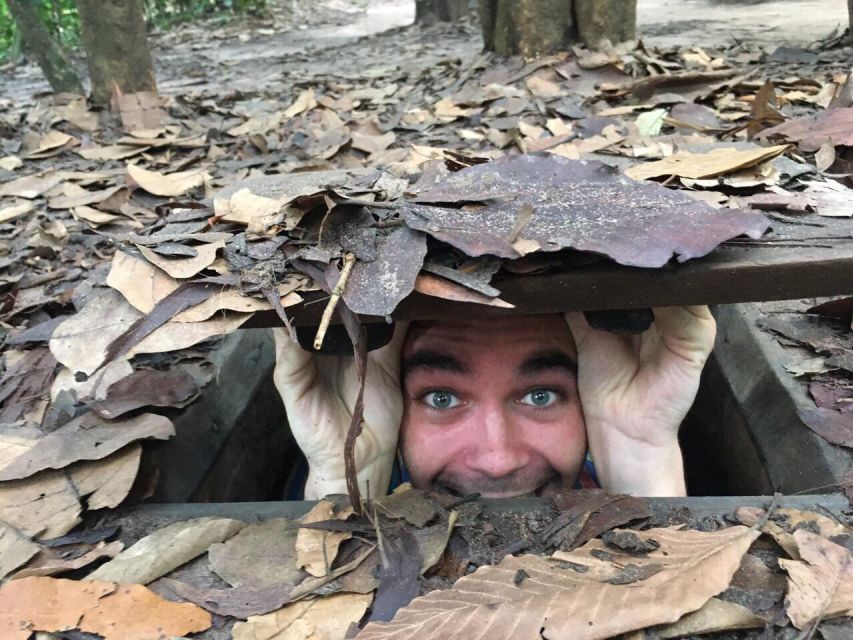
Going underground is described as an option. If you choose to go inside, you’ll deal with tight passages and the reality of moving in limited space. If you don’t, you can still learn from the layout and visible entrances—just don’t expect the same physical perspective.
Tapioca Root Tasting: A Small Food Moment With Big Context
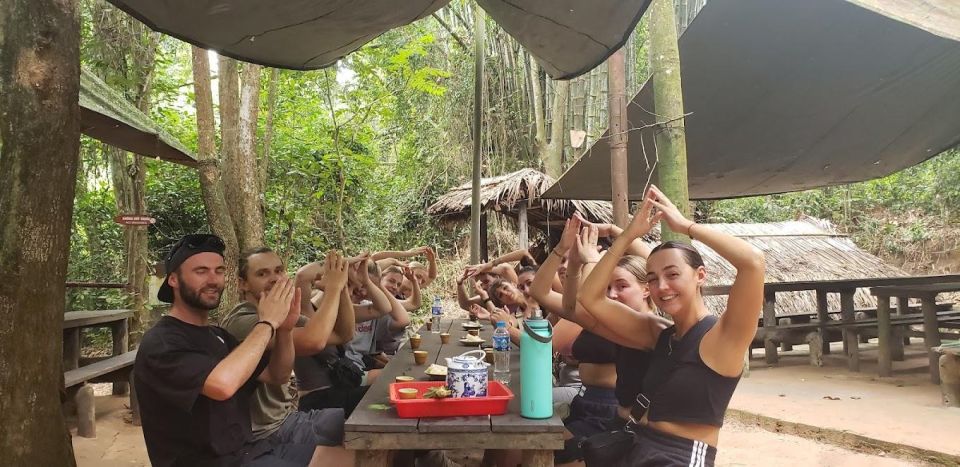
One of the more memorable included experiences is the tapioca root tasting. This is VC food, and it’s easy to treat as a side stop—until you connect it back to survival.
Why it matters: wartime food isn’t about taste alone. It’s about what could be stored, prepared, and made practical when supplies were limited. That’s the kind of connection this tour keeps making, especially when the guide connects the food moment to living underground.
Practical tip
Come hungry in the sense that you’ll likely want the included snacks and water afterward. This tour includes snack and water, but it’s still a half-day plan with multiple activities rather than a full restaurant meal.
Rice Paper Workshop and Lacquer Ware Art Studio
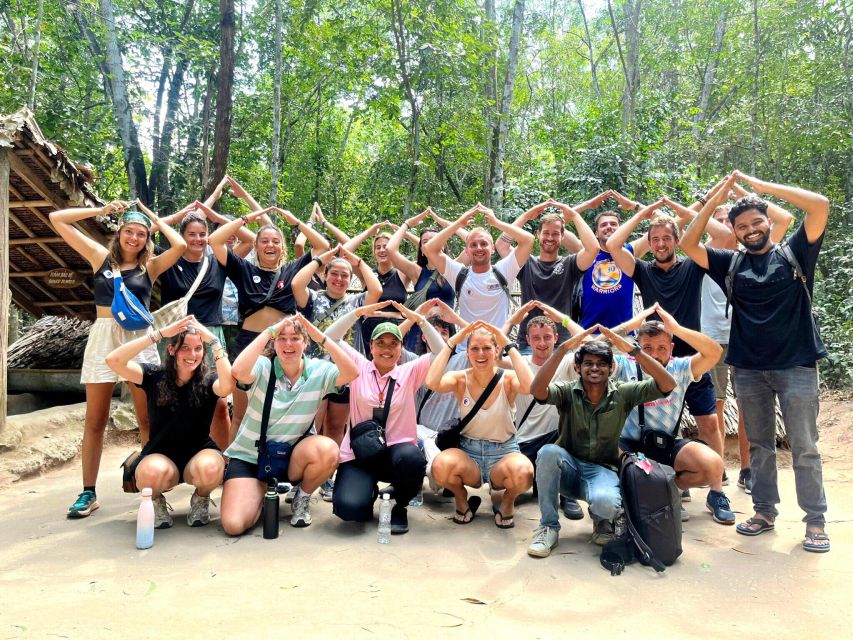
The tour doesn’t end at war history. It adds craft and food culture stops, and that combination is exactly what makes it feel balanced.
Rice paper workshop
You’ll visit a rice paper workshop. This is a hands-on style of cultural learning, and it gives you a break from the heavy war setting. Even a short workshop can reset your head, so you’re not leaving only with grim images.
Art studio: lacquer ware fine art
You’ll also visit an art studio that shows how lacquer ware fine art is made. Lacquer is a craft with patience built into the process, and it’s a useful contrast to the urgency of wartime survival.
This craft time is the kind of stop that’s worth paying attention to, even if you usually skip souvenirs. You’ll understand the time, materials, and effort behind what people later buy as objects.
Shooting Range Add-On: Fun for Some, Loud for Others
There’s an optional shooting range add-on where you pay your own expenses. The requirement is stated as buying a minimum of 10 bullets for 600,000 VND.
This can be a cool add-on for people who like hands-on experiences. One practical note: if you’re sensitive to loud noise, take care. The shooting range is described as being near the small area where you get drinks, food, and toilets, which can turn that time into more than you bargained for if you were hoping to relax between activities.
If you want a calmer day, skip this portion and focus on the tunnels and craft stops.
Value for $23: What’s Included and What Costs Extra
At $23 per person for a 330-minute half-day, this tour has strong value—especially if you want guided interpretation rather than self-exploration.
What’s included
You get:
- transportation with pick-up and drop-off
- entrance fee
- English-speaking guide
- wet tissue
- snack and water
- the included activities built around the tunnels and craft moments
What’s not included
The shooting range add-on is on your own expense with the stated bullet purchase requirement.
Is it worth it?
I think it’s worth it if you match the format:
- you want an organized timeline,
- you like learning with a live guide,
- and you’re open to physically cramped tunnel passages (only if you choose to go underground).
If you prefer total independence, you might feel boxed in by a scheduled day. But if you want less guesswork and more “what am I looking at and why?” this is priced to make that easy.
Logistics That Actually Matter (Small Stuff, Big Impact)
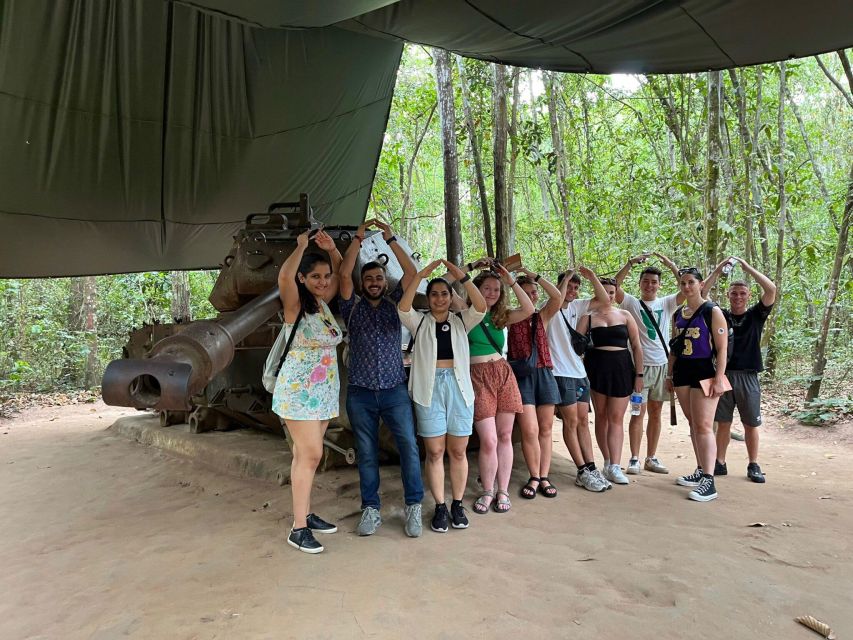
A few details can make or break your experience here.
Guide coordination and group staying together
The experience involves moving through multiple areas, including tight spaces. That makes group control important. If you’re the type who likes taking your time and stopping to look, communicate that gently. Otherwise, you might feel rushed when the group needs to keep moving.
Comfort planning for underground options
If you choose to go inside the tunnels, expect close quarters. Wear clothes you don’t mind getting dusty or a little uncomfortable. And if you have concerns about mobility, it’s smarter to decide early so you can enjoy what you do instead of stressing during the crawl.
Noise management if you add shooting
If you plan to do the shooting range, bring patience for a louder environment. It’s not described as a quiet, separate add-on. Think of it as a deliberate extra moment, not downtime.
Should You Book the Cu Chi Tunnel Tour With Ace Travels?
Book it if:
- you want English guidance that keeps the place understandable,
- you like small-group pacing,
- and you want more than just tunnels, with rice paper and lacquer craft rounding out the day.
Skip or reconsider if:
- cramped underground spaces make you uncomfortable and you expect a fully comfortable, viewing-only experience,
- you’re very noise-sensitive and you plan to add the shooting range,
- or you prefer a purely self-guided museum style.
My honest take: this is a solid, well-structured tour for people who want real context. The guides (including Harry and Cory, based on what’s been shared) are a big part of the value, and the included food and craft stops help you walk out with a fuller picture of Vietnam, not only war.
FAQ
What time does the Cu Chi Tunnel Tour start?
It has two departure times: 7:30am (morning) and 12:00pm (afternoon).
How long is the tour?
The duration is listed as 330 minutes (about 5 to 6 hours).
How big are the groups?
The group size can be up to 10 pax / 12 pax / 20 pax, or you can book a private group.
Is the shooting range included?
No. The shooting range is an optional add-on with an extra cost (you must buy a minimum of 10 bullets for 600,000 VND).
What’s included in the price?
Included are transportation, pick up & drop off, entrance fee, an English-speaking guide, wet tissue, snack, and water.
Does the tour offer an underground experience?
Yes, going underground is described as an option. You can choose whether to go underground.
Is free cancellation available?
Yes. You can cancel up to 24 hours in advance for a full refund.