
REVIEW · HANOI
Bat trang Pottery Ceramics Class in Hanoi’s Old Quarter | VN
Book on GetYourGuide →Operated by Authentic Bat Trang · Bookable on GetYourGuide
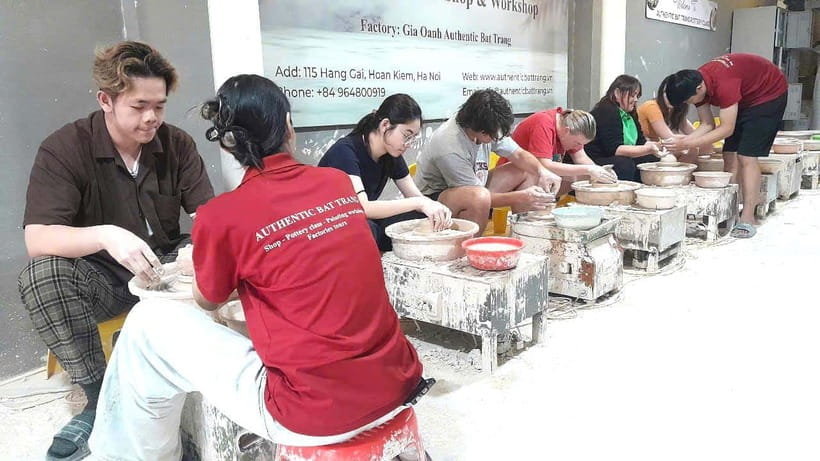
Pottery in Hanoi’s Old Quarter is weirdly relaxing. This Bat Trang ceramics class at 115 Hàng Gai turns a centuries-old craft into a hands-on workshop, and you learn right where the action is with an electric wheel doing the hard work for you.
Two things I like a lot: you can make as many pieces as you want during the 3 hours (not just one rushed item), and the instruction is consistently patient. Names that come up in the teaching stories include Hang, Han, and Tuan Vu, and the common thread is clear step-by-step help when your hands get awkward.
One consideration: your pottery needs time to be fired and glazed. Expect a 2–3 day wait in most cases, and timing can get a little weird around Tet, so plan your Hanoi schedule around picking things up.
In This Review
- Key things to know before you throw clay
- Bat Trang Pottery at 115 Hàng Gai: why this feels different
- Finding the studio and picking your time slot
- How the 3-hour class actually plays out on the wheel
- Shapes you can make (and why it’s fun to experiment)
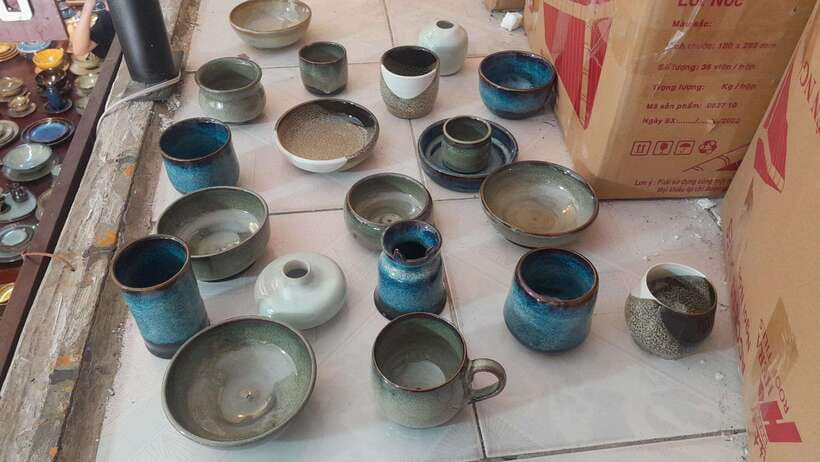
- The included piece: firing, glazing, and what you’ll take home
- Planning for pickup: the 2–3 day firing window
- Value check: what you get for $33
- Who should book this Hanoi pottery class (and who should think twice)
- Should you book Bat Trang Pottery in Hanoi?
- FAQ
- How long is the Bat Trang pottery class in Hanoi?
- Where is the meeting point?
- Is this class suitable for beginners?
- What’s included in the price?
- Can I make more than one piece during the class?
- When will I be able to take my pottery home?
Key things to know before you throw clay
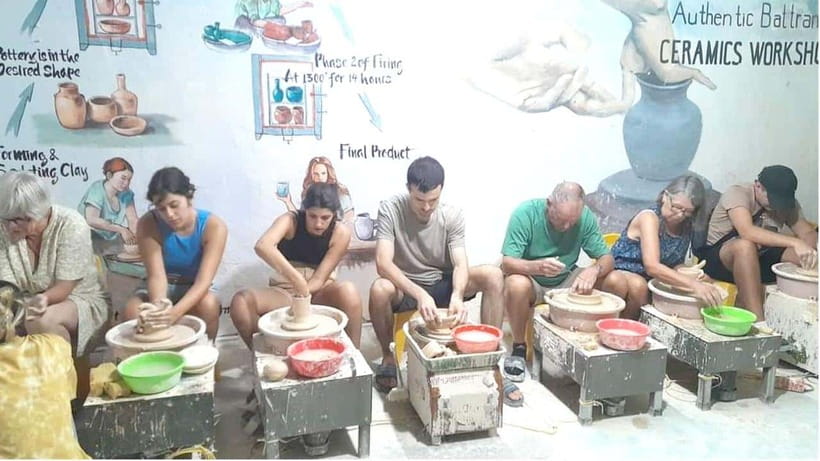
- Electric wheel training makes the basics easier than the old-school foot-powered style
- Unlimited making time: you can experiment with different shapes before choosing what gets fired
- Bat Trang village methods: you learn the why behind technique, not just the steps
- One free finished piece: one item gets fired and glazed and becomes your included souvenir
- Extra pieces cost more: you can make more, but taking more finished items adds fees
- Pick-up timing matters: firing/glazing takes days, so book earlier in your trip if you can
Bat Trang Pottery at 115 Hàng Gai: why this feels different
Hanoi’s Old Quarter can be loud, hot, and full-on. This class is a breather. In about 3 hours at 115 Hàng Gai, you shift from watching Vietnamese craft to making it, using an electric pottery wheel with materials provided.
What makes the experience more than just a souvenir factory is the Bat Trang connection. Bat Trang pottery comes from a craft village where skills are passed down through generations, and the workshop brings that tradition into the city center. You’re not just learning how to shape clay—you’re learning the basics and the reasons behind technique, especially the parts that affect structure once the clay dries and gets baked.
The included “make lots of attempts” setup also matters. Many workshops push you toward one final result. Here, you can test ideas, fix mistakes, and get better as you go. That’s why beginner pottery students often end up with something they genuinely like rather than a wobbly bowl you hide in the back of a cabinet.
You can also read our reviews of more tours and experiences in Hanoi


Finding the studio and picking your time slot
You meet at 115 Hàng Gai, Hoàn Kiếm, Hanoi. It’s in the heart of the Old Quarter, so you can pair it with other nearby activities instead of commuting across the city.
You have two session windows:
- Morning: 8:30–11:30
- Afternoon: 14:00–17:00
If you’re traveling in summer or just want to dodge the midday heat, the morning slot can feel like a smart reset. If you prefer a late-afternoon activity, the afternoon session also works, and the studio may staff up when the class feels fuller so you still get help while you’re learning.
How the 3-hour class actually plays out on the wheel
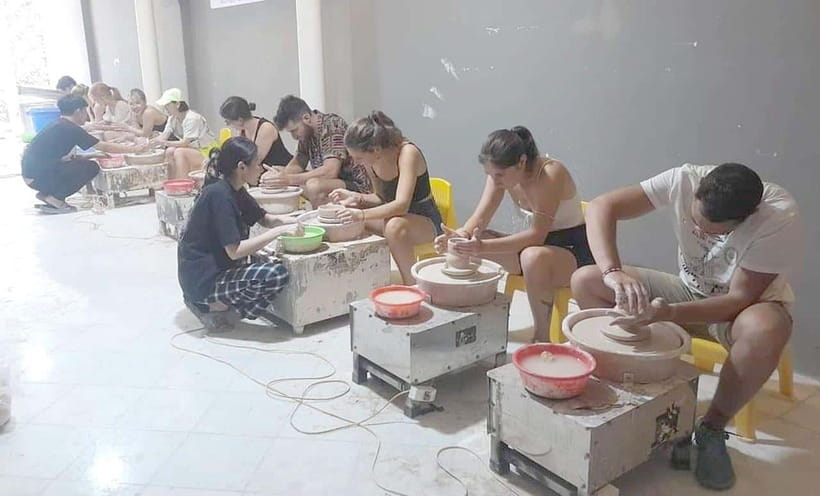
This is a true hands-on 3-hour pottery workshop, taught by an English/Vietnamese speaking instructor with support from artisans linked to Bat Trang. The big promise is also practical: no prior experience is required, and the teaching is designed for people who are trying the wheel for the first time.
Here’s what you can expect during the session:
- Basics first, then practice right away
You’ll get guided instruction on the foundations of Bat Trang-style pottery. The goal is to help you understand hand placement and shaping logic, not just copy someone else’s finished piece.
- You throw, you reshape, you learn by correcting
Because you’re allowed to make multiple pieces, you can spend time getting the clay centered and the form moving in the right direction. If you mess up, it’s not wasted time—it’s part of learning structural integrity and form.
- You work with the wheel, then pick your favorites
During the class, you practice making forms you’re curious about. By the end, you choose which piece gets the included finishing steps.
Electric wheels change the feel of the lesson. They remove a layer of difficulty, so you can focus on the real challenge: getting the clay to behave while you’re shaping. That’s a big reason many first-timers come out feeling proud.
Shapes you can make (and why it’s fun to experiment)
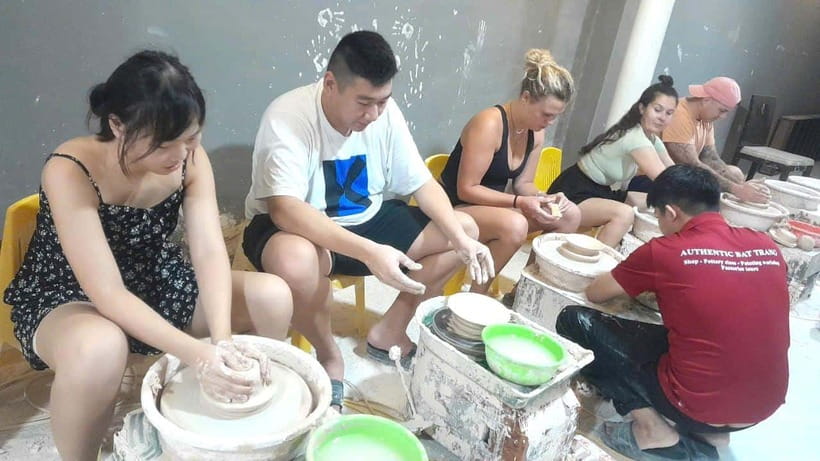
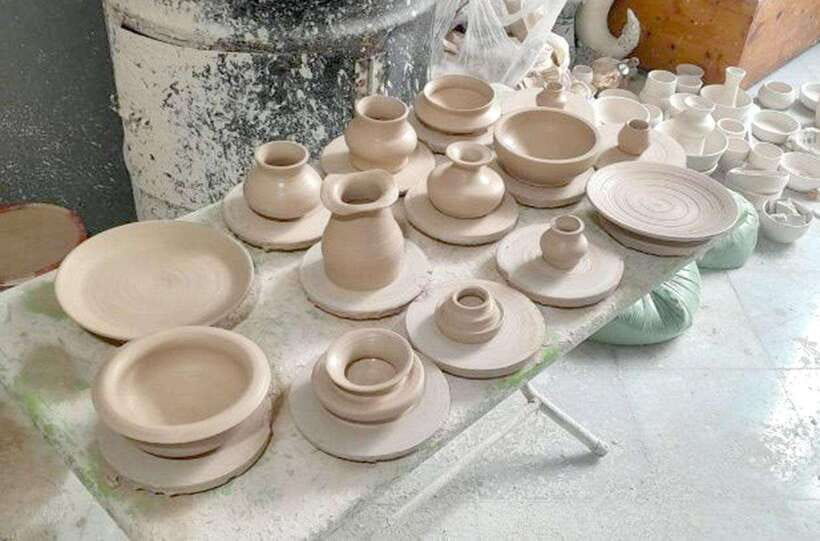
The workshop lets you create several types of pottery forms. In real sessions, I’ve seen students make things like vases, bowls, cups, plates, and even heart-shaped dishes. That wide range is great because it changes how you learn: each shape asks for different control and proportions.
You also get to choose colors. The class includes time to select glaze colors so you’re not leaving the color decisions entirely to someone else. If you’re the type who likes matching your pottery to your home style, this is where you get to steer the look.
A small reality check, though: clay shrinks after firing. One student noted shrinkage around 20%, and that can change a “dinner plate” into more of a side-plate size. It doesn’t ruin things, but it’s the kind of detail that helps you set expectations correctly while you’re making.
The included piece: firing, glazing, and what you’ll take home
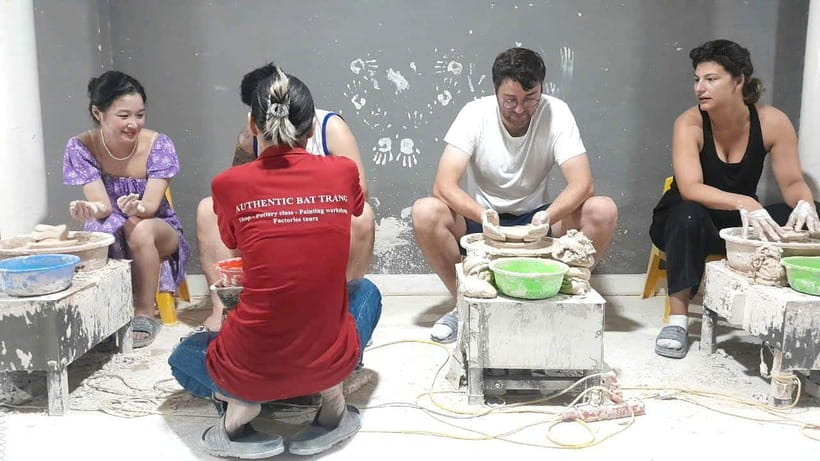
The pricing includes materials, wheel time, and one finished souvenir. Specifically, you get:
- Electric pottery wheel + materials
- Instructor (English/Vietnamese)
- Time to learn, practice, and choose colors during the 3 hours
- 1 free product to glaze and fire and take home
The studio also has a cooling room with a fan. That matters because pottery needs time to settle properly after working and before it’s moved along for finishing.
Here’s how the “free piece” system works in the real world: you can make many items during class, but only one gets the included firing and glazing. If you want more than one finished souvenir, you pay extra for additional items to be fired/glazed.
If you’re trying to plan your spending, one student shared that extra firing/glazing was about $5 per additional piece. Even if your final number ends up a bit different depending on what you choose, the math is straightforward: one piece is covered, and each extra piece adds cost.






Planning for pickup: the 2–3 day firing window
This part is crucial. Firing and glazing takes time. Most pieces require 2–3 days before they’re ready to pick up.
So if you’re the type who arrives, does a quick one-day activity, then leaves the next morning, this might feel stressful. The smarter move is to book early in your Hanoi trip so you have a cushion for firing and pickup.
There are also options if timing is tight:
- If you don’t have 2–3 days, they can fire with white glaze only in about 1–2 days
- If you truly can’t wait, the shop may offer alternative options in-store (they may also suggest choices based on your situation)
- They can ship later, but shipping fees are not included
Also, keep an eye on Tet timing. One person experienced a small firing-time confusion during the Lunar New Year period, and the studio worked it out with a solution. Still, Tet is exactly when you should build buffer into your schedule.
Value check: what you get for $33
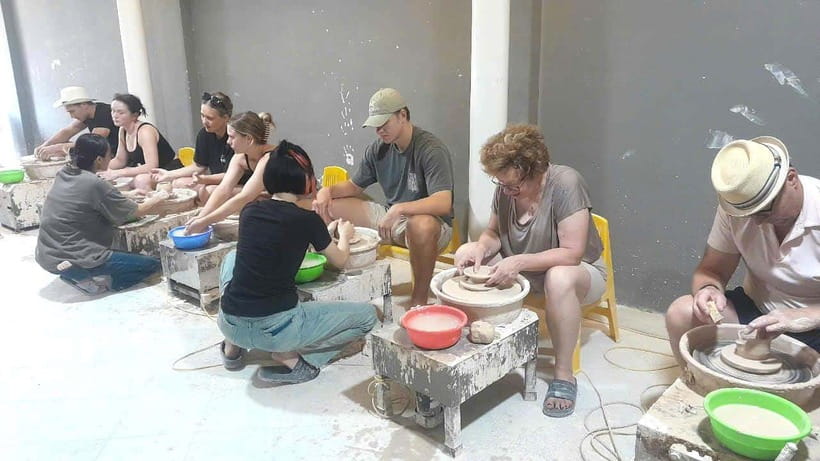
At $33 per person for a 3-hour class, the value comes from three things working together:
- The learning time is real
You’re not just buying a packaged craft. You get a structured session with guidance, and the workshop supports correction when you’re learning.
- You’re paying for making time, not just the final object
The freedom to create multiple pieces during the session means your “included” souvenir isn’t the only outcome. Even if only one item becomes your free finished piece, the rest of your time is practice, experimentation, and improvement.
- You get one properly finished piece
Many craft experiences end with something you still need to finish later. Here, the included piece goes through firing and glazing, which is the part that turns wet clay into lasting pottery.
Yes, if you end up wanting multiple finished items, costs rise. But you also control that choice. For a lot of people, one souvenir is the sweet spot: you get the experience and one strong keep-sake without turning it into an expensive shipping project.
Who should book this Hanoi pottery class (and who should think twice)
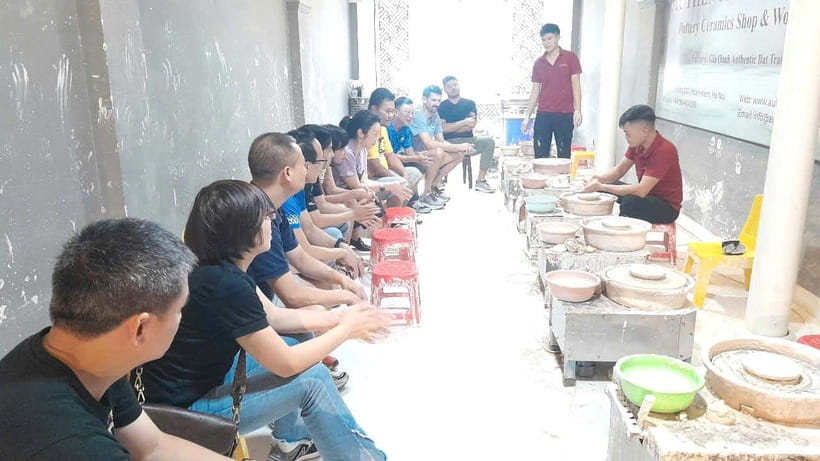
This workshop is a great fit if you want:
- A hands-on activity in Hanoi’s Old Quarter
- A beginner-friendly class with patient instruction
- A chance to make a souvenir that feels personal because you shaped it and chose the colors
- A unique break from walking and bargaining all day
It can also work well for families. One father did it with his son, and the overall tone in the teaching is supportive even when mistakes happen. Another student did it with a 10-year-old, and the kid kept asking to do it again.
You might think twice if:
- You need a finished piece the same day
- Your schedule has no buffer for pickup (since firing/glazing is 2–3 days in most cases)
- You’re traveling very light and hate the idea of packing awkward, shrink-waited pottery later
One small comfort note from a student: the chair can feel small for some people during a full 3 hours. It’s not a deal-breaker for everyone, but if you know you’re sensitive to seating, it’s worth being aware.
Should you book Bat Trang Pottery in Hanoi?
Book it if you want a genuinely different Hanoi memory and you can spare a little time for firing. The electric wheel, the chance to make multiple items, and the included firing/glazing for one piece create a strong “learning-to-souvenir” ratio for $33.
Skip or switch to a faster option if you’re leaving almost immediately. Remember: your pottery usually needs days, and if you can’t wait, you’ll likely end up with the white glaze only faster firing option.
If you’re even mildly curious, I’d still plan to do this earlier in your trip. That timing gives you the best shot at finishing multiple pieces the way you want, instead of scrambling at the end.
FAQ
How long is the Bat Trang pottery class in Hanoi?
The class lasts 3 hours.
Where is the meeting point?
The meeting point is 115 Hàng Gai, Hoàn Kiếm, Hanoi.
Is this class suitable for beginners?
Yes. The workshop says there is no experience needed and that expert artisans guide you step by step.
What’s included in the price?
Your price includes learning on an electric pottery wheel, clay/materials, an English/Vietnamese instructor, and time to make and choose colors. You also get 1 free product to glaze and fire.
Can I make more than one piece during the class?
Yes. There is no limit on how many pieces and designs you can make, but only 1 piece is included for glazing and firing. Additional finished pieces cost extra.
When will I be able to take my pottery home?
Firing and glazing usually takes 2–3 days. If you do not have that time, they can offer white glaze firing in about 1–2 days, or you can consider other options such as picking up later with the shop’s help (shipping is available but shipping fees are not included).