REVIEW · HOI AN
From Hoi An: Cooking Class at Organic Farm
Book on GetYourGuide →Operated by Lemon Basil Cookery & Restaurant · Bookable on GetYourGuide
Hoi An food class with actual soil under it. I like that this Lemon Basil Cooking Class starts on an organic farm in the Tra Que vegetable village, then turns that harvest into four Vietnamese dishes. You’ll work with English-speaking chefs, cook as a small group (up to 10), and learn recipes you can repeat at home.
Two things I really like: the hands-on approach (you’re chopping, mixing, and cooking, not just watching), and the farm-to-table ingredient focus. Expect Tra Que Spring Rolls, Green Papaya Salad, Fish in Clay Pot, and Vietnamese Crispy Pancake (Bánh Xèo), cooked with guidance from Min and her family team.
One possible drawback: there’s no pick-up, so you’ll need to get yourself to Lemon Basil Cookery & Restaurant in Tra Que. If you’re tired or short on time for navigating on your own, plan your arrival early.
In This Review
- Key highlights worth your time
- Lemon Basil in Tra Que: hands-on Vietnamese cooking with Min
- Getting to Lemon Basil Cookery & Restaurant in Tra Que (no pick-up)
- The organic farm tour: where your spring rolls really begin
- Cooking four Vietnamese classics (and learning what makes them work)
- Tra Que Spring Rolls: crisp, fresh, and herb-forward
- Green Papaya Salad: sour-sweet balance you can feel
- Fish in Clay Pot: gentle cooking, deep flavor
- Vietnamese Crispy Pancake (Bánh Xèo): the texture test
- What you learn across all four dishes
- Communal cooking and dining: why the meal feels social (not rushed)
- English instruction and the small-group advantage
- Practical tips: what to wear, what to ask, what to bring
- Price and value: why $27 feels fair for a 3-hour farm-to-table class
- Who should book this class in Hoi An
- Should you book Lemon Basil Cookery & Restaurant?
- FAQ
- FAQ
- How long is the cooking class?
- Where is the meeting point?
- Is pick-up included?
- What dishes do you cook?
- Is the class taught in English?
- Is it a small group?
- Does the price include ingredients and meals?
- Can the class accommodate dietary restrictions?
- Do you get anything to take home?
- What is the cancellation policy?
Key highlights worth your time
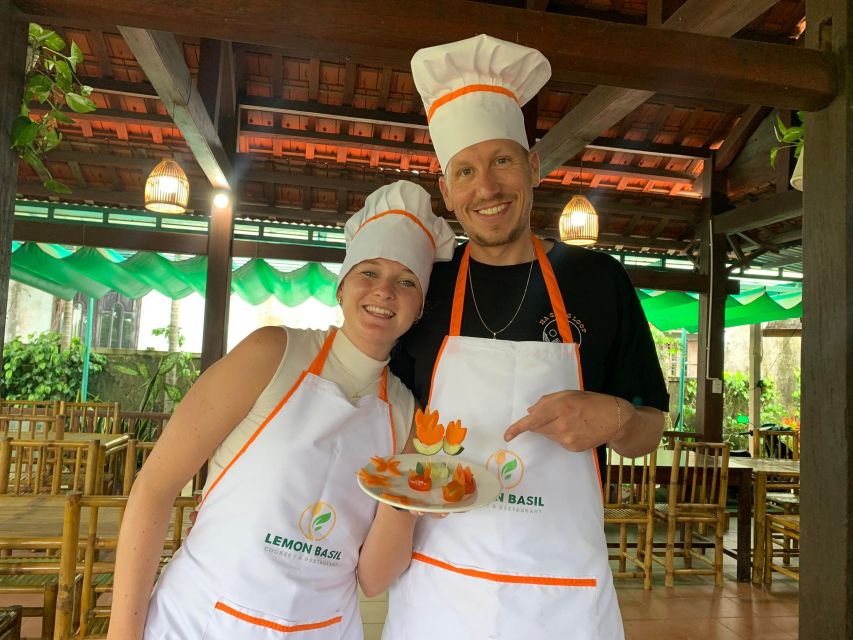
- Tra Que vegetable village farm tour first, so you understand the ingredients before the wok work starts
- English instruction with small groups (max 10), which makes Q&A actually possible
- Four iconic dishes: Tra Que Spring Rolls, Green Papaya Salad, Fish in Clay Pot, and Bánh Xèo
- Communal cooking and dining, so you leave with both recipes and a social rhythm
- Hands-on flavor training, especially balancing sweet, sour, salty, and fresh herbs
- Completion certificate, a small souvenir that also feels motivating if you want to cook again
Lemon Basil in Tra Que: hands-on Vietnamese cooking with Min
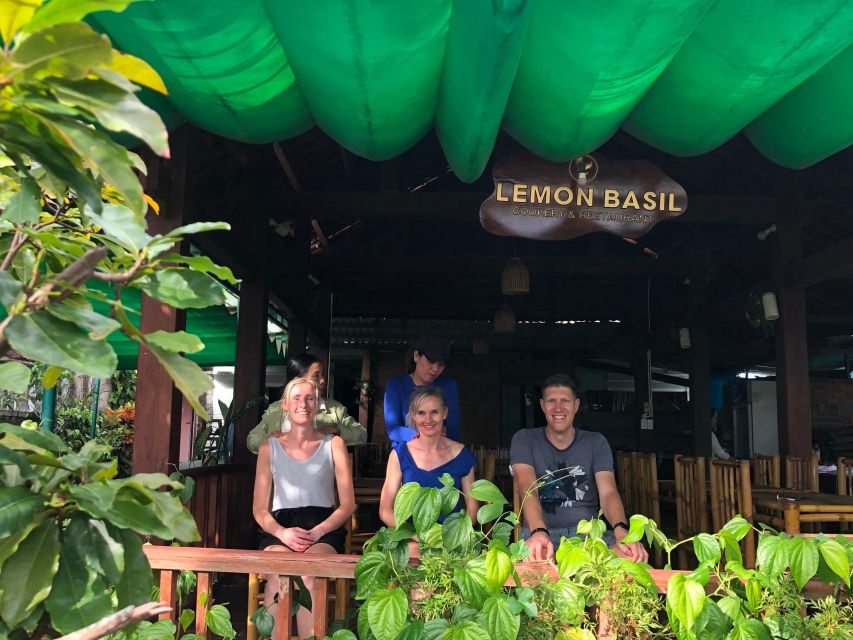
This is one of the better ways to spend a morning or afternoon in Hoi An if your priority is food you can recreate, not just a show. The setting matters here: Tra Que’s vegetable village vibe is grounded, green, and practical, and it frames cooking as something local people do every day.
What you’ll take away is not just how a dish looks on a plate. You’ll learn how Vietnamese cooking thinks about flavor balance and texture: crisp versus tender, sour versus sweet, and how herbs and greens act like a finishing ingredient instead of an afterthought.
The class is led by an English-speaking team tied to the farm and restaurant, with Min showing up as a familiar, friendly face in recent instruction. That personal tone is part of why people feel relaxed while cooking. When the teacher explains what to aim for while you’re doing it, it sticks.
You can also read our reviews of more cooking classes in Hoi An
Getting to Lemon Basil Cookery & Restaurant in Tra Que (no pick-up)
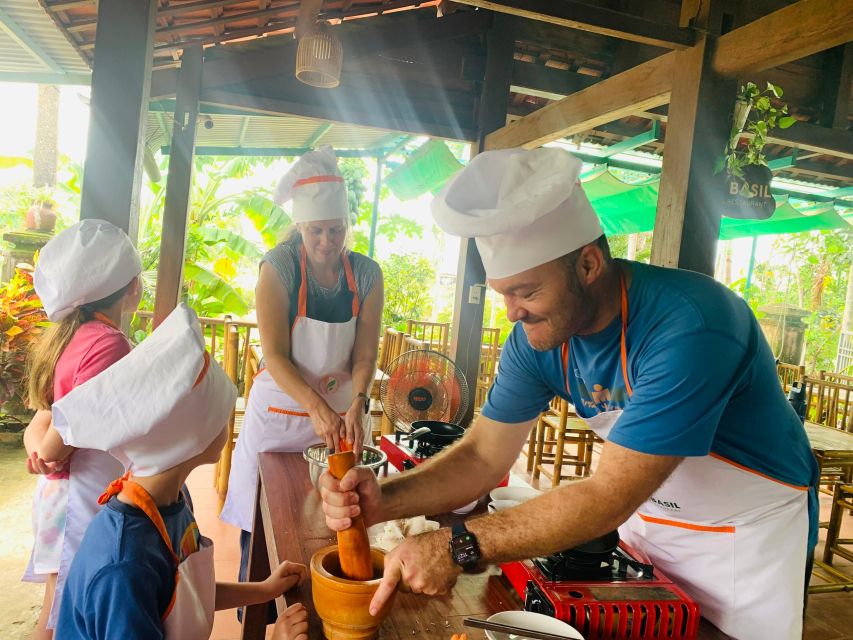
You’ll meet at Lemon Basil Cookery and Restaurant, in the heart of Tra Que vegetable village. There’s no pick-up, so set your plan around independent arrival.
Here’s what that means for you in real life:
- Build in a buffer and arrive 5–10 minutes early so the class starts smoothly.
- If you’re using Grab or a taxi, use the meeting point name exactly as written to avoid last-minute confusion.
- Wear shoes you don’t mind getting a little farm-dust on, especially if you walk around the growing areas during the tour.
If you’re staying far from Tra Que, the lack of pick-up is the main thing to consider. But once you’re there, everything else is easy: farm tour, cooking stations, and communal dining happen in the same overall experience.
The organic farm tour: where your spring rolls really begin
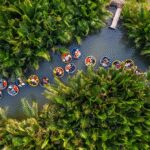
The class kicks off with an ingredient walk on the organic farm. You’ll see fresh produce growing in the Tra Que area, and you’ll get a sense of how the herbs and greens used in Vietnamese cooking actually show up day-to-day.
This part is more than a photoset. It helps you understand why Tra Que Spring Rolls taste different from pre-made versions back home. You’re not just learning a recipe; you’re learning what to look for: leafy herbs, crisp greens, and how freshness affects aroma and bite.
In the farm segment, you may also get involved with simple tasks like planting or watering, depending on what’s happening. That hands-on time is great if you like to be active rather than just watch. You’ll also hear explanations about soil prep and the crops people cultivate—useful context when you try to match ingredients later.
Practical value: if you know what the dish’s herbs are meant to taste like, you can adjust when certain produce is harder to find in your home grocery store.
Cooking four Vietnamese classics (and learning what makes them work)
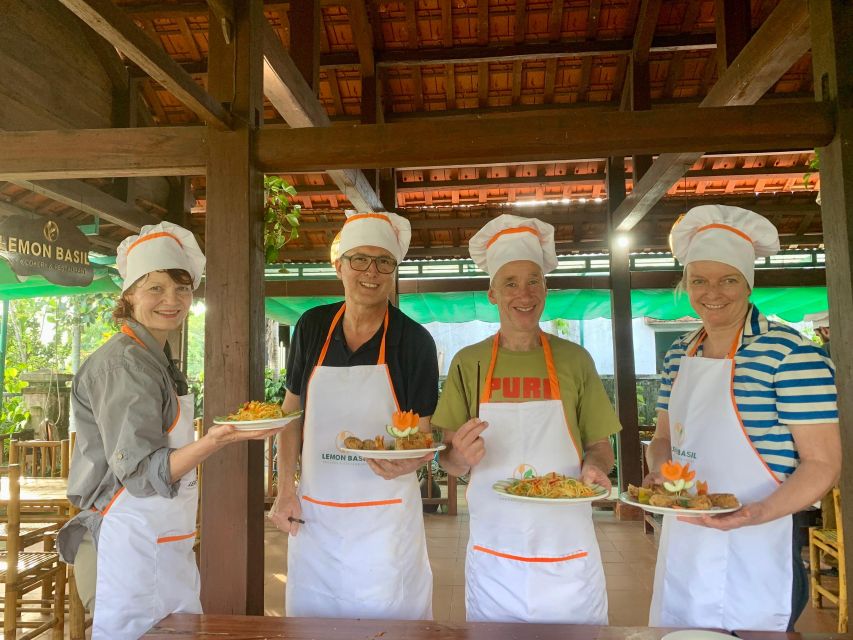
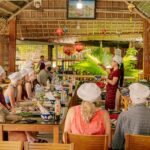
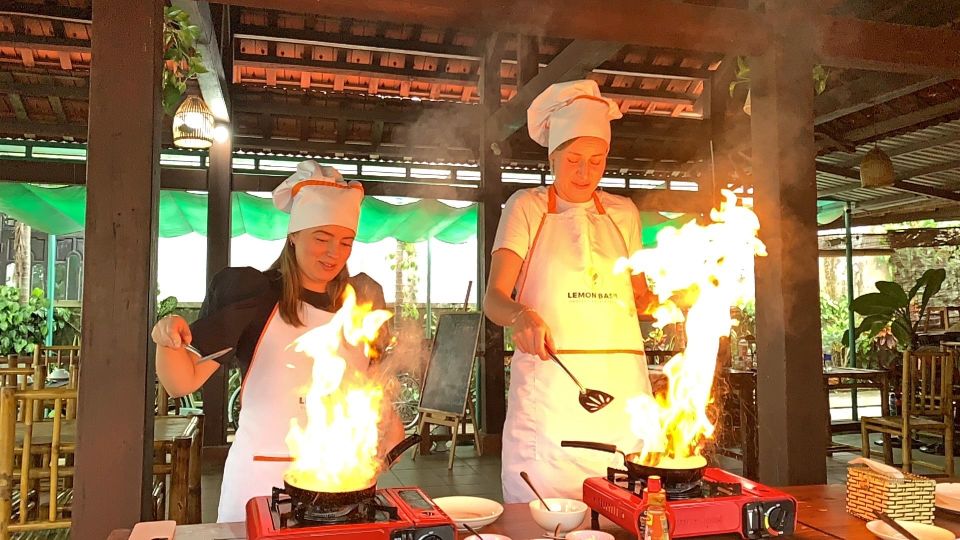
After the farm tour, you move to the kitchen and cook the four centerpiece dishes. Because it’s a small group (often around a handful of people), you’re not waiting forever for your turn.
Tra Que Spring Rolls: crisp, fresh, and herb-forward
Tra Que Spring Rolls are a great opener because they teach the class’s main theme: freshness + technique. Expect guidance on prepping roll components so the texture holds and the flavors stay clean rather than heavy.
You’ll also see how the herbs and greens connect to the farm visit. When you’ve just walked among the plants, the flavors make more sense on the plate.
You can also read our reviews of more tours and experiences in Hoi An

Green Papaya Salad: sour-sweet balance you can feel
Green Papaya Salad is where Vietnamese cooking becomes almost mathematical. You’ll learn how to balance sour, sweet, salty, and the crunch factor so it doesn’t tip into one-note territory.
This dish is also a strong choice for dietary flexibility. If you tell the chef about your restrictions ahead of time, the class can take that into account, since the instruction includes checking allergies and needs.
Fish in Clay Pot: gentle cooking, deep flavor
Fish in Clay Pot is comforting and practical. Clay pot cooking is all about steady heat, which helps create tender fish while keeping flavors concentrated.
What you’ll likely enjoy most is the aroma during cooking. It’s the kind of dish where the smell makes you pay attention, and the technique feels approachable once you’re guided step-by-step.
Vietnamese Crispy Pancake (Bánh Xèo): the texture test
Bánh Xèo is the one dish where you learn by doing. The pancake should be crisp at the edges, tender in the middle, and paired with the right herbs and dipping elements.
Even if flipping or shaping isn’t your strong suit, the class tone is set up to be forgiving and supportive. People tend to walk away proud here because you can actually see the difference between attempts and improvements.
What you learn across all four dishes
The consistent skill isn’t one single recipe. It’s the flavor approach: tasting as you go, adjusting to the balance you’re aiming for, and using herbs as a real ingredient rather than decoration.
That’s why the class can work for beginners. You’re not expected to know Vietnamese cooking ahead of time. You’re guided to the target while you cook.
Communal cooking and dining: why the meal feels social (not rushed)
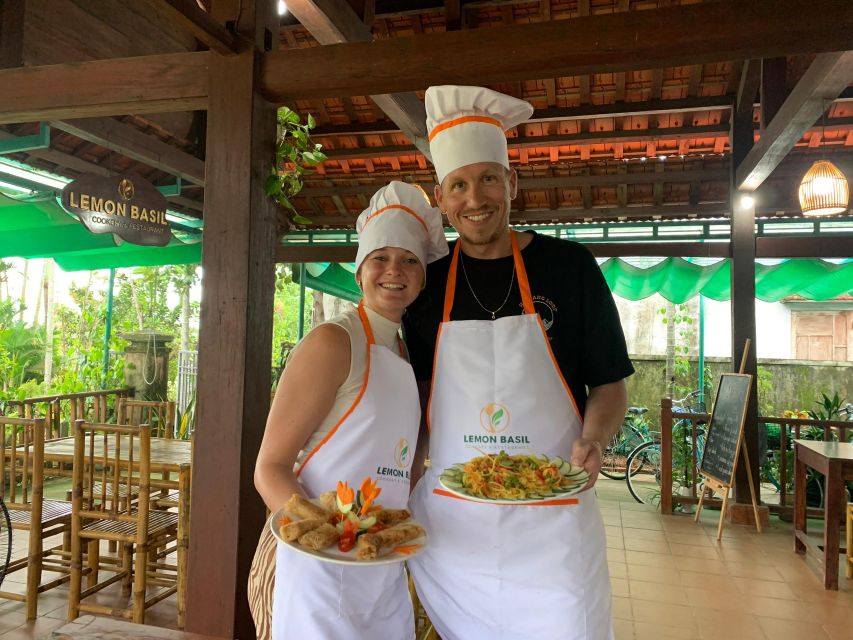
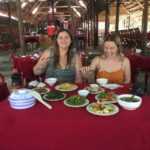
One of the best parts of this experience is that you cook together and then eat together. The communal dining helps the meal feel like a shared event, not a production line.
You’ll taste what you made in a group setting, with the dishes spread out so people can compare textures and flavors. It’s also a good way to ask questions about what to do differently next time, since you’re right there with your chef and your food.
There’s often a lighter “you can do this” vibe around the kitchen. In past classes, Min’s humor and welcoming energy show up again and again, and it makes the time fly.
In one recent experience, the meal finished with fresh fruit such as mango, pink jackfruit, and lychees. Not every class may follow the exact same final touch, but it’s a nice reminder that the meal can end clean and refreshing rather than heavy.
You also receive a certificate of completion. It’s simple, but it’s a satisfying way to mark that you finished something real.
English instruction and the small-group advantage
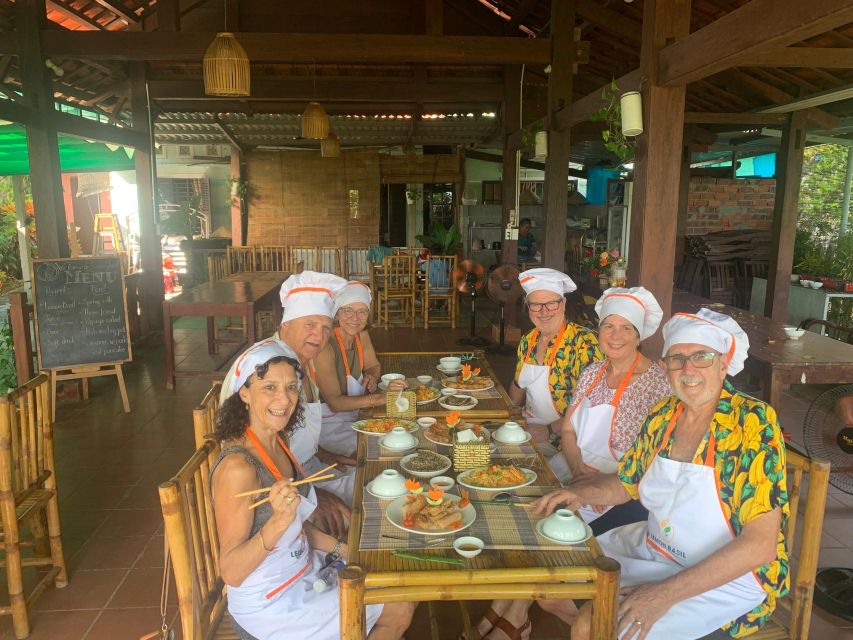
The class is taught in English, and it’s limited to 10 participants. That size matters more than people think. When the group is small, you can ask about substitutions, technique, or timing without feeling like you’re holding up the line.
It also keeps the cooking stations from getting chaotic. For a hands-on class, that’s a big deal. You’ll want room to work with your ingredients, not just squeeze in at the last second.
If you care about dietary needs, you’re in a better spot here than in large factory-style tours. The class includes asking about allergies and intolerances and then taking requests into account when cooking.
Practical tips: what to wear, what to ask, what to bring
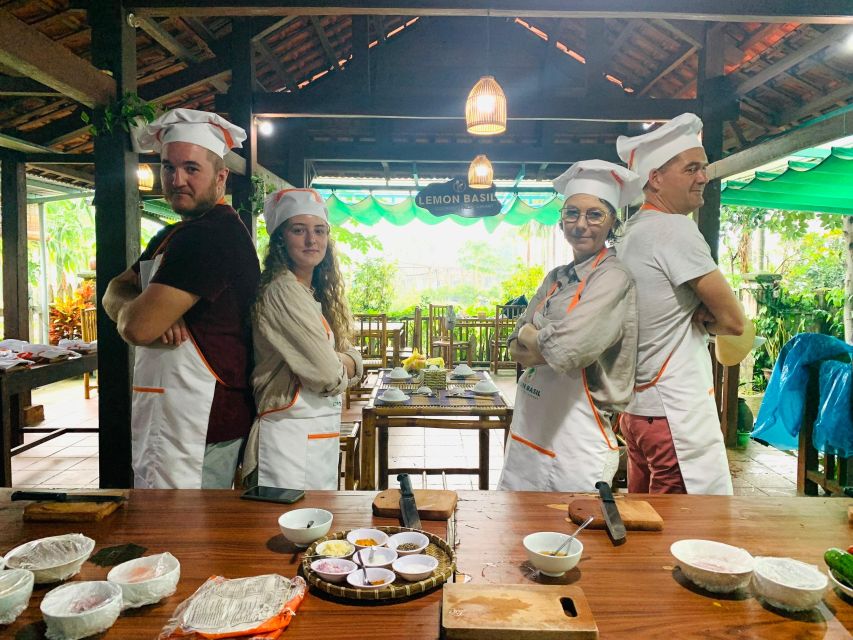
This is a hands-on farm-to-table class, so keep your expectations realistic. You’ll likely do some cutting, mixing, and cooking close to heat and ingredients. That means comfort first.
Before you go:
- Let them know your dietary restrictions ahead of time so they can plan your version.
- Wear closed-toe shoes and clothes you can get a little messy.
- Bring a light layer if you get cold easily during the farm portion.
During the class:
- Taste as you go. The best dishes come from small adjustments, not from waiting for the final plate.
- Ask about herb substitutes if you know ingredients might be hard to find at home.
One extra perk: in at least one recent class, Min took photos and videos of the group. You may or may not get the same level of media each time, but the idea is clear: you’re not just cooking, you’re capturing the experience.
Price and value: why $27 feels fair for a 3-hour farm-to-table class
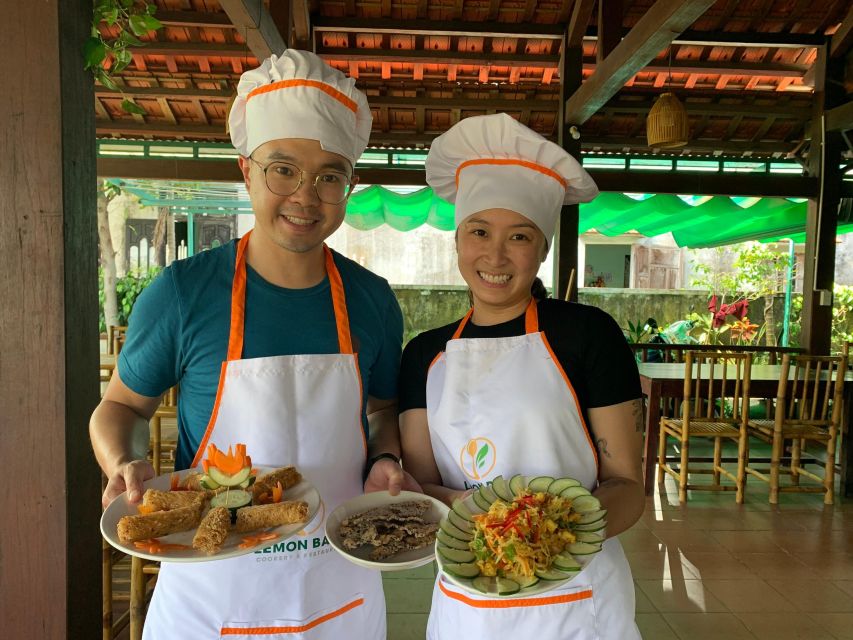
At $27 per person for about 3 hours, the value is mainly in what you receive for the time.
You’re paying for:
- A farm tour in Tra Que with organic produce context
- Hands-on cooking with English-speaking chefs
- Ingredients for four dishes
- Communal dining with what you cooked
- A completion certificate
If you’ve seen other cooking classes in big cities, the price often climbs fast for similar food, and it’s usually less hands-on. Here, the farm-to-plate connection is part of the pricing logic: you’re learning ingredients in the place they’re grown, then cooking them immediately.
So the deal is strongest if you like active learning and you’ll actually use recipes again. If you just want a quick meal with minimal effort, you might find the hands-on pace more than you need.
Who should book this class in Hoi An
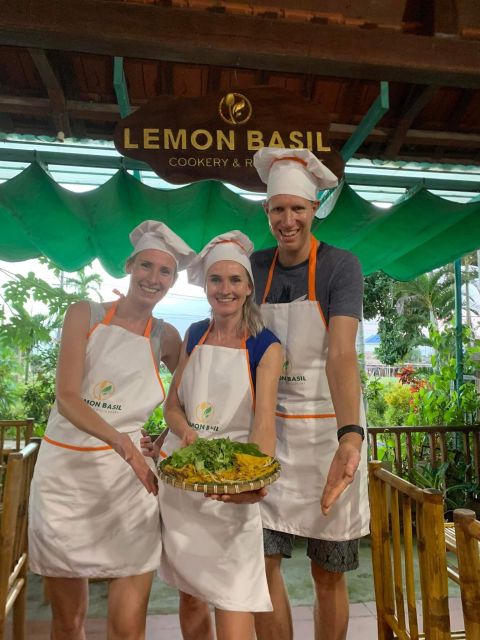
This is a great fit if:
- You want a practical cooking skill, not just a cultural talk
- You like tasting fresh produce and herbs tied to where they grow
- You enjoy small-group interaction and learning from a real teacher
- You want Vietnamese comfort food plus crisp, fresh salads
It might not be ideal if:
- You strongly dislike independent travel on the day (since there’s no pick-up)
- You prefer fully vegetarian classes without any meat or fish touching the plan (the dishes include fish and eggs as part of the standard menu, and the class only guarantees adjustments based on what’s confirmed for you)
If you’re combining this with other Hoi An plans, it’s also a smart “anchor activity.” It gives you a focused block of time with a real payoff: food you made yourself.
Should you book Lemon Basil Cookery & Restaurant?
I think you should book this class if you want a farm-to-table cooking experience in Hoi An that’s small, practical, and recipe-focused. The best reason is the combination of organic farm context and hands-on cooking for four iconic dishes, taught in English by Min and her family team.
Book it now if you like the idea of learning flavor balance through repetition, and if you can handle getting yourself to Tra Que. Skip it or reconsider if you need pick-up service or you want a completely passive experience.
FAQ
FAQ
How long is the cooking class?
The class lasts about 3 hours (often around 3–3:30), including the farm tour, cooking, and communal dining.
Where is the meeting point?
You’ll meet at Lemon Basil Cookery & Restaurant, located in the heart of Tra Que vegetable village.
Is pick-up included?
No. Transportation to and from the restaurant is not included, so you’ll need to arrive independently.
What dishes do you cook?
You cook Tra Que Spring Rolls, Green Papaya Salad, Fish in Clay Pot, and Vietnamese Crispy Pancake (Bánh Xèo).
Is the class taught in English?
Yes. The chef/instructor is English-speaking.
Is it a small group?
Yes. The group is limited to 10 participants, which helps keep the cooking experience interactive.
Does the price include ingredients and meals?
Yes. The class includes ingredients for the dishes, hands-on cooking, and communal dining of the food you prepare.
Can the class accommodate dietary restrictions?
Yes, you should inform them of any dietary restrictions in advance. The class notes that dietary needs are taken into account.
Do you get anything to take home?
You receive a certificate of completion. Some hosts also take photos and videos during the class, though that can vary.
What is the cancellation policy?
You can cancel up to 24 hours in advance for a full refund.